

P0430 on 2015-2019 Subaru Outback 3.6L: Catalyst Efficiency Fixes
P0430 on your 3.6L Outback indicates the driver's side (Bank 2) catalytic converter is inefficient. Before replacing the expensive converter, thoroughly check for exhaust leaks and test the oxygen sensors, as these are common, cheaper fixes. A new converter is often the ultimate solution, but check if your vehicle is still under the 8-year/80,000-mile Federal Emissions Warranty.
- P0430 means the catalytic converter on the driver's side (Bank 2) is not working efficiently.
- Before spending money on a new converter, always inspect for exhaust leaks and test the oxygen sensors, as these are common and much cheaper fixes.
- Any engine problems like misfires or oil burning must be repaired before replacing the catalytic converter, or the new part will likely fail prematurely.
- Driving with this code will cause an automatic failure of emissions tests and may disable convenience features like cruise control.
- While the catalytic converter is the most probable expensive fix, diligent diagnosis can save you from replacing a part that isn't actually broken.
What's Unique About the 2015-2019 Subaru Outback
For the 3.6L H6 engine in the 2015-2019 Outback, the P0430 code is a straightforward efficiency code without many platform-specific quirks. Unlike some other manufacturers that have issued TSBs for software updates to address false P0430 triggers, Subaru has not widely done so for this model. The primary challenge for owners is the high cost of the catalytic converter, leading many to first explore less expensive possibilities like exhaust leaks or faulty oxygen sensors. A critical factor for owners is the Federal Emissions Performance Warranty, which covers catalytic converters for 8 years or 80,000 miles, potentially making the repair free of charge if the vehicle qualifies.
Symptoms You May Notice
- Check Engine Light is on
- Cruise control light flashing and VDC system disabled
- Reduced fuel economy
- Sluggish acceleration or lack of power, especially when the engine is hot
- A sulfur or "rotten egg" smell from the exhaust
- Immediately replacing the catalytic converter without checking for exhaust leaks or testing the oxygen sensors first. A faulty O2 sensor or a small exhaust leak is a much cheaper fix and a common cause of this code.
- Replacing the catalytic converter when the vehicle is still covered by the 8-year/80,000-mile Federal Emissions Warranty. Always check with a dealer for warranty eligibility first.
Most Likely Causes
- Failing Bank 2 Catalytic Converter 🔴 High Probability Catalytic converters have a finite lifespan and can fail due to age, mileage, or contamination from engine issues like burning oil. This is an expensive part, making it crucial to check warranty coverage first.
How to confirm: After ruling out other causes, a mechanic can use a scan tool to analyze O2 sensor graphs. 🎬 See how to diagnose catalyst efficiency codes with confidence. A downstream O2 sensor that mimics the upstream sensor's activity indicates a failed converter. An infrared thermometer can also be used; a working converter should be significantly hotter at the outlet than the inlet.
Typical fix: Replacement of the Bank 2 (driver's side) catalytic converter assembly. Check for coverage under the Federal Emissions Warranty (8 years/80,000 miles) before paying out-of-pocket.
Est. part cost: $800-$2000+ - Exhaust System Leak 🟡 Medium Probability Gaskets (especially donut gaskets between pipe sections) and pipe flanges can degrade over time, causing leaks. An exhaust leak before the downstream O2 sensor can allow extra oxygen to enter the system, fooling the sensor into reporting incorrect data and triggering the code.
How to confirm: Visually inspect the exhaust system from the engine to the rear of the vehicle for soot marks, cracks, or holes. Listen for an audible ticking or hissing sound that is louder when the engine is cold. A smoke test is the most definitive way to find small leaks.
Typical fix: Replace the leaking gasket or repair/replace the damaged section of the exhaust pipe.
Est. part cost: $20-$150 - Faulty Oxygen (O2) Sensor 🟡 Medium Probability
How to confirm: Use a scan tool to monitor the voltage of the upstream and downstream O2 sensors for Bank 2. The downstream sensor should show a relatively steady voltage (typically >0.6V). If it is 'lazy' (slow to respond), stuck, or fluctuating wildly in a similar pattern to the upstream sensor, it may be faulty.
Typical fix: Replace the faulty Bank 2 downstream (rear) oxygen sensor. It's often recommended to replace the upstream (air/fuel ratio) sensor at the same time, especially on higher mileage vehicles.
Est. part cost: $80-$250 per sensor
Rare But Worth Checking
- Engine Performance Issues: An engine that is running rich or lean, or has consistent misfires, can send unburned fuel into the exhaust, overheating and damaging the catalytic converter. These underlying issues (e.g., faulty fuel injectors, bad spark plugs, internal oil leaks) must be fixed to prevent damage to a new converter.
- Engine Control Module (ECM) Issue: While extremely rare, a software glitch or hardware failure in the ECM could theoretically cause a false P0430 code. Some manufacturers have issued TSBs for this, but it's not a widely reported problem for this specific Subaru model.
Diagnosis Steps
- Check for other DTCs: Use an OBD-II scanner to see if any other codes are present. Codes related to misfires, fuel trim, or oxygen sensors must be addressed first.
- Check Federal Emissions Warranty: If your vehicle has less than 80,000 miles and is less than 8 years old, contact a Subaru dealer. The catalytic converter is a specified major emission control component and its replacement may be covered.
- Inspect for Exhaust Leaks: Carefully inspect the entire exhaust system for Bank 2 (driver's side) from the exhaust manifold to past the rear O2 sensor. Pay close attention to gaskets. Look for cracks, rust holes, and faulty gaskets. A smoke test is highly effective. 🎬 Watch this guide on how to find leaking exhaust gaskets.
- Analyze Oxygen Sensor Data: Use a scan tool with live data capability. Observe the upstream (A/F) and downstream (O2) sensor readings for Bank 2 at operating temperature and steady RPM. The upstream sensor should fluctuate rapidly, while the downstream sensor should hold a relatively steady, high voltage (e.g., >0.6V). If the downstream sensor's graph mimics the upstream sensor's, the converter is likely bad.
- Test Oxygen Sensors: If the downstream sensor reading is 'lazy', stuck, or not responding, it is suspect. Swapping the Bank 1 and Bank 2 downstream sensors (if they are identical and accessible) can be a diagnostic step. If the code switches to P0420, the sensor is bad.
- Consider the 'Spacer' trick (for diagnosis only): Some owners install a spark plug non-fouler or O2 sensor spacer on the downstream sensor to pull it out of the direct exhaust stream. If this makes the code disappear, it strongly suggests the catalytic converter is inefficient. This is not a legal or permanent repair and will cause a failed visual emissions inspection.
- Condemn the Catalytic Converter: If all other possibilities have been ruled out, the catalytic converter itself has failed and needs replacement.
Parts You'll Likely Need
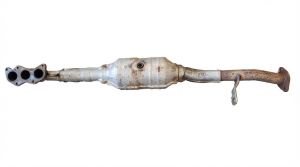
- Bank 2 Catalytic Converter
(OEM #Varies by specific model year and emissions (Federal vs. California).)— This is the most common direct cause for the P0430 code when other factors like leaks and sensors are ruled out.
Trusted brands: Subaru (OEM), Walker Exhaust, MagnaFlow, Bosal
OEM price range: $1500-$2500
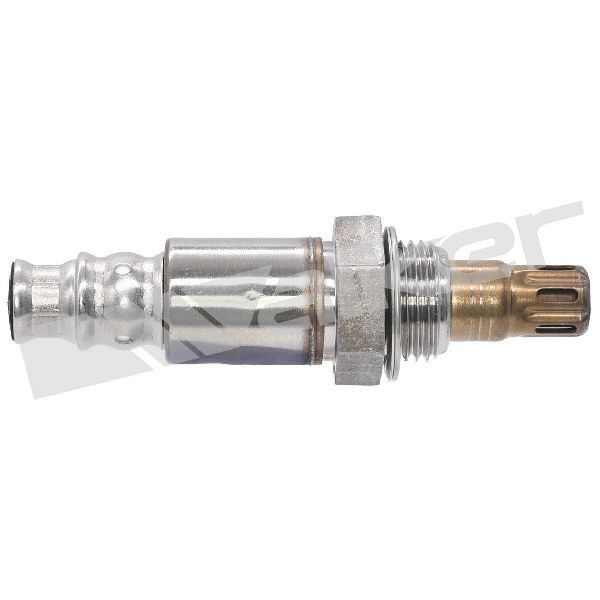
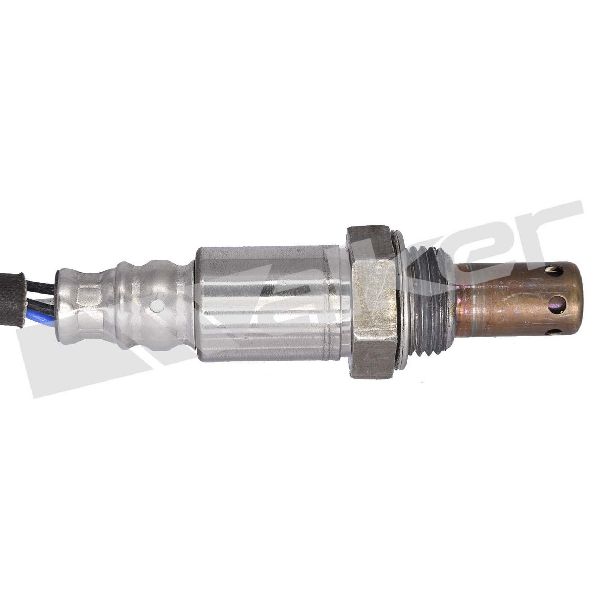
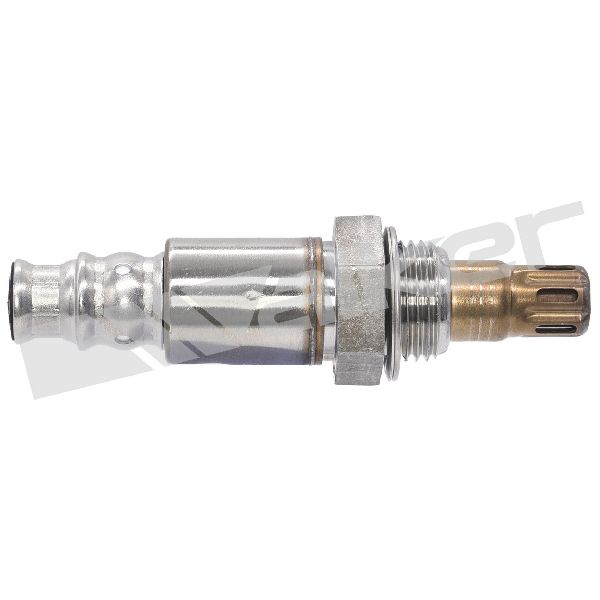
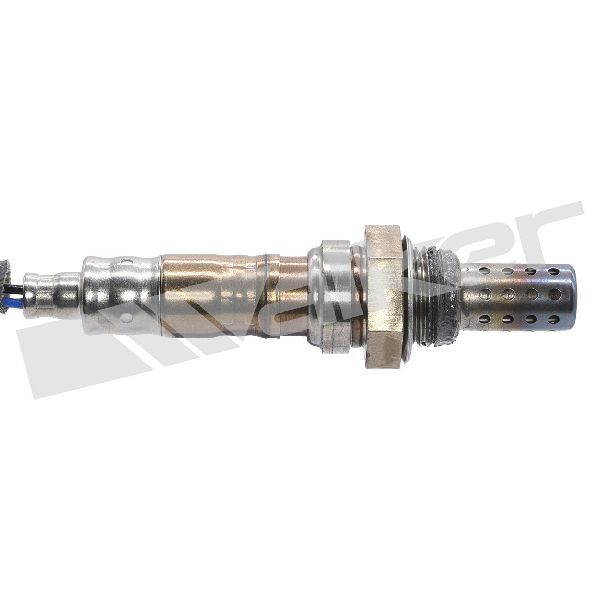
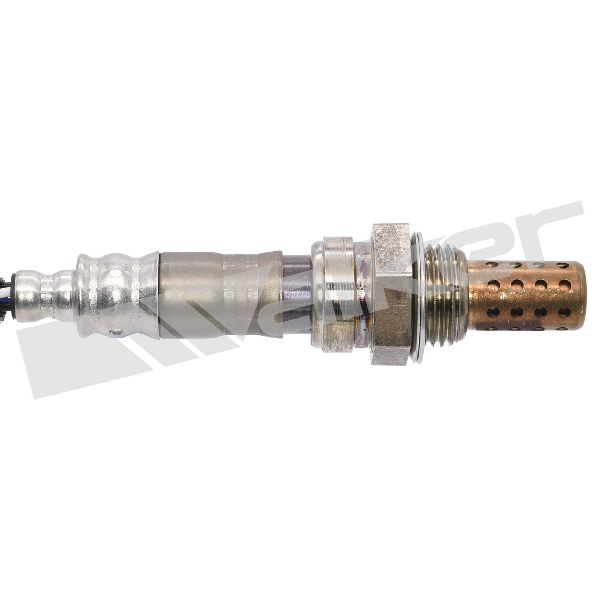
Aftermarket price range: $500-$1200 - Downstream Oxygen Sensor (Bank 2, Driver's Side, Rear)
(OEM #22690AB02A)— A faulty or aging rear O2 sensor can send incorrect data to the ECM, falsely triggering the P0430 code. It's a common point of failure and a frequent misdiagnosis for a bad converter.
Trusted brands: Denso (often the OEM supplier), NGK/NTK, Bosch
OEM price range: $150-$250
Aftermarket price range: $80-$150 - Exhaust Manifold Gasket (Bank 2) — A leak at the manifold-to-head or manifold-to-pipe connection is a common source of exhaust leaks that can trigger this code.
Trusted brands: Subaru (OEM), Fel-Pro, Mahle
OEM price range: $20-$40
Aftermarket price range: $10-$25
Related Codes That Often Appear With This One
- P0420 — This is the same efficiency code for Bank 1 (passenger side). If both appear, it could indicate a common problem affecting both banks, such as contaminated fuel or a systemic engine issue that has damaged both converters.
- P0174 — This code indicates a 'System Too Lean (Bank 2)' condition. An air leak (vacuum or exhaust) or fuel delivery problem causing a lean condition can lead to higher combustion temperatures, which can damage the catalytic converter over time and trigger P0430.
- P030x — Misfire codes (e.g., P0302, P0304, P0306 for cylinders on Bank 2) indicate that unburned fuel is being dumped into the exhaust. This raw fuel can quickly destroy a catalytic converter, leading to the P0430 code. The misfire must be fixed before replacing the converter.
Technical Service Bulletins (TSBs) & Recalls
- While no specific TSB for P0430 on this platform is widely cited, Subaru has issued TSB 09-110-23R for P0420 on other models, and TSB 11-160-15 for ECM reprogramming on 2015 models to prevent false O2 sensor codes like P0137, indicating a sensitivity in the system logic.
Platform-Specific Known Issues
- Federal Emissions Warranty: The catalytic converters are covered for 8 years or 80,000 miles by federal law. Owners within this window should have the repair performed by a dealer, likely for free.
- O2 Sensor Sensitivity: Subarus can be particularly sensitive to aftermarket oxygen sensors. Using an OEM or Denso-branded sensor is highly recommended to avoid persistent or new issues.
Mechanic-Grade Diagnostic Values
- Downstream O2 Sensor (Bank 2, Sensor 2) Voltage — expected: A steady reading, typically above 0.6V when the catalyst is hot and working efficiently.. Failure: Voltage that mimics the fluctuating pattern of the upstream sensor, or is stuck very low (e.g., <0.2V). A reading under 0.03V or over 1.2V is a definitive sensor failure.
- Catalytic Converter Temperature Differential — expected: The outlet pipe temperature should be significantly hotter (at least 100°F / 38°C) than the inlet pipe temperature when the engine is at operating temperature.. Failure: The outlet temperature is the same as or cooler than the inlet temperature, suggesting the catalyst is not generating heat through chemical reaction.
Scan Tool Commands That Help
- Subaru Select Monitor (SSM) or equivalent professional scan tool: Current Data Display & Save (Engine Control System) — This is the primary function used to view and graph the live voltage output of both the upstream Air/Fuel Ratio sensor and the downstream Oxygen sensor for Bank 2. Comparing these two graphs is the standard method for judging catalyst efficiency.
Wiring & Ground Locations
- ECU Grounds — On top of the intake manifold.. The Subaru ECU receives its primary ground reference from this point. A poor or corroded ground here can cause erratic sensor readings across the engine, including the O2 sensors, potentially leading to false catalyst efficiency codes.
- Main Engine Ground Strap — Typically connects the engine block to the chassis, often located near the starter or on the passenger side near the firewall.. A weak main engine ground can cause a variety of electrical issues and sensor signal problems. While less specific to P0430, it's a foundational check for any persistent electronic DTCs.
Real Owner Repair Stories
- Reddit user in r/MechanicAdvice (Vehicle with P0430 code (specific model not mentioned, but behavior is universal)) — Check Engine Light with P0430 code.
❌ Tried (didn't work) Replacing the downstream oxygen sensor.
✅ What actually fixed it The code returned almost immediately after O2 sensor replacement. The consensus from technicians was that for P0420/P0430 codes, the catalytic converter itself is the cause over 90% of the time, and replacing the O2 sensor is rarely the correct fix.
When the Usual Fixes Don't Work
- While replacing the downstream O2 sensor is a common diagnostic step, multiple owner and technician accounts confirm that it rarely fixes a P0430 code on its own. The code almost always indicates an actual loss of catalyst efficiency, meaning the converter itself has failed. Throwing an O2 sensor at the problem first often results in wasted money, as the light returns quickly.
Model Year Variations Within This Range
- 2018-2019: The Outback received a facelift for the 2018 model year which included a redesigned grille and bumpers, and interior updates like a larger infotainment screen. The EZ36D engine and its emissions components remained largely the same.
- 2019 (End of life): 2019 was the final model year for the 3.6L EZ36D engine in the Outback. The subsequent 6th generation (2020+) replaced it with a 2.4L turbocharged engine, making parts and issues specific to the 3.6L unique to this and prior generations.
Diagnostic Flowchart
Other Known Issues on This Vehicle
Issues unrelated to this code that are worth knowing about as an owner of this generation:
- Parasitic Battery Drain / Premature Battery Failure 🔴 High — Widespread across many 2015-2020 models. A class-action lawsuit was settled, providing extended battery testing and replacement. The issue stems from electronics not entering a low-power 'sleep' mode. (Ref: Multiple TSBs issued (e.g., 11-174-17R) and a class-action lawsuit settlement.)
- Premature Wheel Bearing Failure 🟠 Medium — Common issue, particularly for rear wheel bearings. A humming or growling noise that increases with speed is the primary symptom. Often occurs well under 100,000 miles. (Ref: Subaru has issued TSBs (e.g., 03-96-25, 05-84-21R) acknowledging design weaknesses related to water intrusion and shock loads, and has released updated parts.)
- Infotainment Screen Delamination and 'Ghost Touch' 🟠 Medium — Common on 2018-2019 models. The screen develops bubbles or an 'oily' look, leading to phantom inputs and unresponsiveness. (Ref: Subaru has extended the warranty for this issue on some models and often provides 'goodwill' repairs for affected vehicles.)
- Spontaneously Cracking Windshields 🟡 Low — Frequently reported by owners. The switch to lighter, 'acoustic' glass is believed to be a contributing factor, making windshields more susceptible to cracking from small impacts or temperature changes.
Used vs. New Parts: Buying Guide for This Vehicle
When a used part is the smart pick: For this repair, buying a used part is generally not recommended for the key components. A used OEM catalytic converter is a significant gamble, as its remaining lifespan is unknown and it may not meet emissions standards. A used O2 sensor is also a poor choice as they are wear items.
Donor-vehicle mileage cap: roughly under 50000 miles for the part to have meaningful remaining life.
What to inspect on the donor part:
- For a used catalytic converter, ask for the mileage of the donor vehicle; anything over 50,000-70,000 miles has limited remaining life.
- Visually inspect the honeycomb structure inside the converter; it should be intact, not melted, clogged, or broken apart.
- Check for excessive rust or physical damage to the housing and flanges.
- Avoid parts from regions with heavy road salt usage.
OEM-only on this vehicle (don't cheap out):
- Oxygen Sensor: Subarus are notoriously sensitive to aftermarket sensors. To avoid compatibility issues and recurring codes, using a Genuine Subaru sensor or one from the OEM supplier (Denso) is strongly advised.
- Catalytic Converter: While expensive, an OEM converter guarantees a perfect fit and compliance with emissions standards. Many aftermarket converters, especially cheaper ones, may not have enough precious metal loading to satisfy the Subaru ECU, leading to the P0430 code returning.
Aftermarket brands forum-validated for this vehicle:
- Denso (for Oxygen Sensors - often the OEM supplier)
- MagnaFlow (for Catalytic Converters - known for quality construction and flow)
- Walker Exhaust (a common and generally reliable aftermarket option)
Brands owners have reported issues with on this vehicle:
- Unbranded, generic, or extremely low-priced catalytic converters found on sites like eBay or Amazon. These often lack the necessary catalyst materials and will fail to resolve the code long-term.
Real Owner Stories
Aggregated from forums and TSBs cited above. Mileages and costs reflect what owners reported in those sources.
2016 Subaru Outback 3.6R — 139000 miles
Symptoms: Check Engine Light (P0430) appearing and being cleared regularly.
What fixed it: The owner was in the process of diagnosing whether it was the Bank 2 catalytic converter or O2 sensors.
Source hint: Reddit (r/subaru)
2011 Subaru Outback 3.6R — ~120000 miles
Symptoms: P0430 - Bank 2 cat efficiency code.
What fixed it: Replacing a faulty downstream O2 sensor resolved the code after the owner initially suspected the catalytic converter.
Source hint: subaruoutback.org: A thread titled 'P0430 - Bank 2 cat efficiency'
Subaru Legacy 3.6R — ~100000 miles
Symptoms: P0430 code and erratic sensor behavior on the passenger side.
What fixed it: Replacing both downstream O2 sensors after data logging confirmed erratic behavior.
Source hint: LegacyGT.com: In a thread titled 'Catalytic Converter???'
2017 Subaru Outback 3.6R
Symptoms: Occasional P0430 code.
What fixed it: Owner suspected either the O2 sensors or an aftermarket exhaust system.
Source hint: Reddit (r/subaruoutback)
Related OBD-II Codes
Frequently Asked Questions
Is the P0430 code on my 2015-2019 Subaru Outback covered under warranty?
My 2015 Outback has a P0430 code; could this be a software issue?
Should I use aftermarket oxygen sensors to fix the P0430 code on my 3.6L H6?
Can I use a 'spacer' or 'non-fouler' to fix the P0430 code?
Why is my cruise control light flashing and VDC disabled along with the Check Engine Light?
How can I tell if the P0430 code is a bad catalytic converter or just a leak?
Helpful Videos

![How to Fix P0430 Error Code in 3 Minutes [3 DIY Methods / Only $4.97]](https://img.youtube.com/vi/t4MCUwaeqA4/mqdefault.jpg)
Used OEM Parts in Stock

New Aftermarket Parts Available


The information in this article is provided for general reference and educational purposes only. Vehicle specifications, procedures, and part compatibility can vary by production date, trim level, and region. Always consult your vehicle's factory service manual and verify part numbers before purchasing or performing repairs. Safety-critical components such as airbags, seat belts, and braking systems should be installed by a qualified professional.
- Subaru Outback:
- 🎬 Helpful Videos
- 🛍️ Shop This Part
- What's Unique About the 2015-2019 Subaru Outback
- Symptoms You May Notice
- Most Likely Causes
- Rare But Worth Checking
- Diagnosis Steps
- Parts You'll Likely Need
- Related Codes That Often Appear With This One
- Technical Service Bulletins (TSBs) & Recalls
- Platform-Specific Known Issues
- Mechanic-Grade Diagnostic Values
- Scan Tool Commands That Help
- Wiring & Ground Locations
- Real Owner Repair Stories
- When the Usual Fixes Don't Work
- Model Year Variations Within This Range
- Diagnostic Flowchart
- Other Known Issues on This Vehicle
- Used vs. New Parts: Buying Guide for This Vehicle
- Real Owner Stories
- 2016 Subaru Outback 3.6R — 139000 miles
- 2011 Subaru Outback 3.6R — ~120000 miles
- Subaru Legacy 3.6R — ~100000 miles
- 2017 Subaru Outback 3.6R
- Related OBD-II Codes
- Frequently Asked Questions
- 🎟️ Get 5% Off