

P0430 on 2008-2009 Hummer H3: Catalyst Efficiency Causes and Fixes
P0430 on a 2008-2009 Hummer H3 indicates that the catalytic converter on Bank 2 is not operating efficiently. For the 5.3L V8, this is the passenger side converter. For the 3.7L I5, which has a single bank, this code is less common than P0420 but can still be triggered by the PCM under certain conditions. The most common cause is a failing catalytic converter itself, often due to age or contamination from other engine issues. Other possibilities include faulty oxygen sensors or exhaust leaks, pa
- P0430 means the Bank 2 catalytic converter's efficiency is low.
- The most likely cause on a 2008-2009 H3 is a failed catalytic converter.
- Before replacing the expensive converter, rule out cheaper possibilities like exhaust leaks and faulty oxygen sensors.
- Engine issues like misfires can destroy a new converter, so ensure the engine is in good health before replacing parts.
- Be aware of the TSB regarding a break-in period for new converters to avoid a false code after replacement.
What's Unique About the 2008-2009 Hummer H3
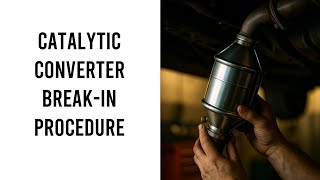
For the 2008-2009 Hummer H3, particularly the V8 models, GM issued a Technical Service Bulletin (TSB) regarding P0420 and P0430 codes appearing on low-mileage vehicles or after a converter replacement. The diagnostic for this code is disabled for the first hour of engine operation on a new vehicle to allow the converter to break in. [TSB #PIP3119N] This protection is not active on older vehicles, which can lead to false codes immediately after a new converter is installed if a specific break-in drive cycle 🎬 Watch: Step-by-step guide to the catalytic converter break-in procedure. is not performed. Additionally, the 3.7L I5 engine is known for cracked exhaust manifolds, which integrate the catalytic converter, creating a common failure point that can cause this code.
Diagnostic Flowchart
Tap your situation to follow the diagnostic path that matches what you're seeing on this vehicle.
Symptoms You May Notice
- Check Engine Light is on
- Reduced engine power and sluggish acceleration
- A sulfur or "rotten egg" smell from the exhaust
- Failed emissions test
- Excessive heat coming from under the vehicle
- Audible ticking noise from the engine bay that might indicate an exhaust manifold leak
- Immediately replacing the oxygen sensors without confirming their failure. While O2 sensors can be the cause, it's more common for them to be accurately reporting a failing catalytic converter.
- Replacing the catalytic converter without addressing the root cause of its failure, such as engine misfires, a rich running condition, or an oil/coolant leak. This will lead to premature failure of the new converter.
Most Likely Causes
- Failing Catalytic Converter 🔴 High Probability Catalytic converters have a finite lifespan and can fail from age, contamination, or physical damage. For the 3.7L I5, the integrated exhaust manifold/converter is a known failure point, often cracking. For the 5.3L V8, the converters are also a common replacement item. Forum discussions among H3 owners confirm this is a frequent failure.
How to confirm: A mechanic can perform a backpressure test or use a thermal gun to check the inlet and outlet temperatures of the converter. A properly functioning converter should be significantly hotter at the outlet (at least 100°F) than the inlet. If the substrate is broken, it may rattle when tapped.
Typical fix: Replace the catalytic converter. On the 3.7L I5, this is an integrated exhaust manifold and converter assembly. On the 5.3L V8, replace the Bank 2 (passenger side) converter. It is highly recommended to fix the root cause of failure (e.g., misfires, oil/coolant leaks) to prevent destroying the new converter.
Est. part cost: $300-$800 for aftermarket, $600-$1200 for OEM. - Faulty Oxygen (O2) Sensor 🟡 Medium Probability O2 sensors degrade over time and can provide inaccurate readings to the ECM. Many owners replace them as a first step, though often the sensor is correctly reporting a bad converter. A common diagnostic step is to swap the downstream sensors between Bank 1 and Bank 2 (on the V8) to see if the code changes to P0420, which would indicate a bad sensor.
How to confirm: Use a diagnostic scan tool to monitor the live voltage data. The upstream sensor (Bank 2, Sensor 1) should fluctuate rapidly between ~0.1V and 0.9V. The downstream sensor (Bank 2, Sensor 2) should show a steady voltage, typically around 0.6V to 0.8V. If the downstream sensor's voltage graph mirrors the upstream sensor's, the converter is likely bad. If the downstream sensor reading is flat, stuck, or erratic, the sensor itself may be faulty.
Typical fix: Replace the downstream (post-catalyst) oxygen sensor on Bank 2. Soaking the old sensor in penetrating oil is highly recommended as they are often seized in the exhaust pipe.
Est. part cost: $50-$150 - Exhaust System Leak ⚪ Low Probability The 3.7L I5 engine is particularly known for cracked exhaust manifolds. Leaks at gasket flanges can also occur. These leaks introduce extra oxygen into the exhaust stream before the O2 sensors, skewing their readings and triggering a false P0430 code.
How to confirm: Visually inspect the exhaust system, especially the manifold-to-head connection, for black soot marks indicating a leak. Listen for a distinct ticking sound from the engine bay that may quiet down as the engine warms up. A smoke test can also be performed to pinpoint the exact location of a leak.
Typical fix: Repair the leak by replacing the cracked component (e.g., exhaust manifold) or the failed gasket. This can be a difficult repair, often involving drilling out broken manifold bolts.
Est. part cost: $20-$500
Rare But Worth Checking
- Engine Misfires or Fuel System Issues: An underlying engine problem like a misfire (P030x codes), a leaking fuel injector, or incorrect fuel pressure can send unburned fuel into the exhaust, which can overheat and destroy the catalytic converter. Always address these codes first.
- Improper Break-In of New Converter: As per TSB PIP3119N, a new catalytic converter can falsely trigger a P0420/P0430 if a proper break-in procedure is not performed, as the diagnostic is not disabled on vehicles that are no longer new. [TSB #PIP3119N] The procedure involves specific periods of highway driving and idle.
- Contaminated Converter (Oil/Coolant): Some H3s, particularly early 3.5L and 3.7L models, had issues with cylinder head valve seats, which could lead to misfires, rough running, and potentially oil/coolant contamination of the exhaust and catalytic converter. A poisoned converter cannot be cleaned and must be replaced.
Diagnosis Steps
- Scan for Codes: Use an OBD-II scanner to confirm P0430 is present. Document and diagnose any other codes first, especially misfire (P030x), fuel trim (P017x), or O2 sensor circuit codes, as they are likely the root cause.
- Inspect for Exhaust Leaks: Visually and audibly inspect the entire exhaust system for cracks, holes, or gasket leaks, particularly around the Bank 2 exhaust manifold (passenger side on V8, integrated manifold on I5) and flanges. Look for black soot trails or listen for a ticking noise.
- Analyze Oxygen Sensor Data: Use a scan tool with live data graphing. Warm the engine to operating temperature. Observe the voltage for Bank 2 sensors. Upstream (Sensor 1) should fluctuate rapidly (0.1V-0.9V). A healthy converter will show a steady, relatively flat voltage from the downstream sensor (Sensor 2), typically >0.6V. If the downstream sensor graph mimics the upstream sensor, the converter has failed.
- Test the Oxygen Sensors: If sensor data is inconclusive, you can swap the Bank 2 downstream sensor with the Bank 1 downstream sensor (on the V8). If the code changes to P0420, the sensor is faulty. This is a common diagnostic step shared on forums.
- Check Converter Temperature: Use an infrared thermometer to measure the temperature of the pipe entering and exiting the catalytic converter after the engine is fully warmed up. The outlet should be at least 100°F hotter than the inlet. If it's cooler or the same temperature, the converter is not working.
- Address TSBs: If the converter was recently replaced, follow the break-in drive cycle procedure outlined in GM TSB PIP3119N. This involves driving at sustained highway speeds for 25-30 minutes, stopping for 1 minute, then resuming highway speed for another 10-15 minutes. [TSB #PIP3119N]
Parts You'll Likely Need
- Catalytic Converter (Bank 2 or Integrated Manifold)
(OEM #20909929 (for 3.7L I5, integrated manifold), 12607895 (for 5.3L V8, Bank 2/Passenger Side))— This is the most common component to fail and trigger a P0430 code.
Trusted brands: MagnaFlow, Walker Exhaust, ACDelco (OEM)
OEM price range: $600-$1000+
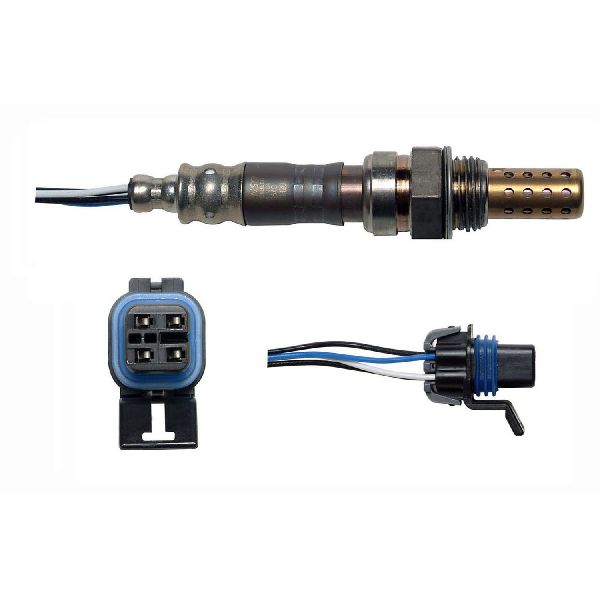
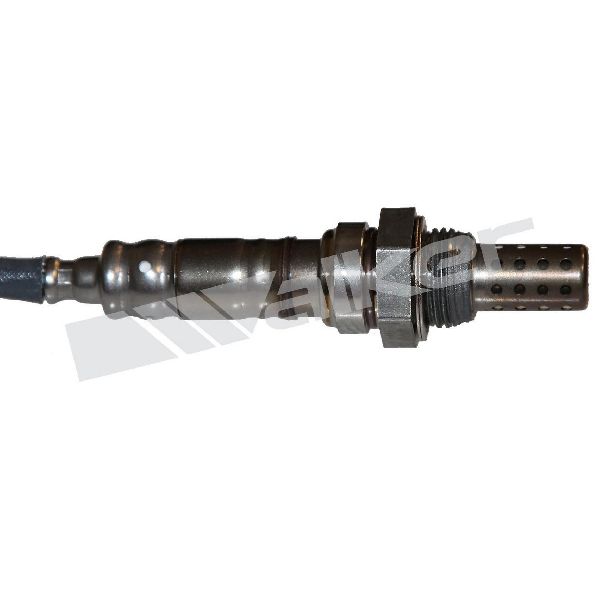
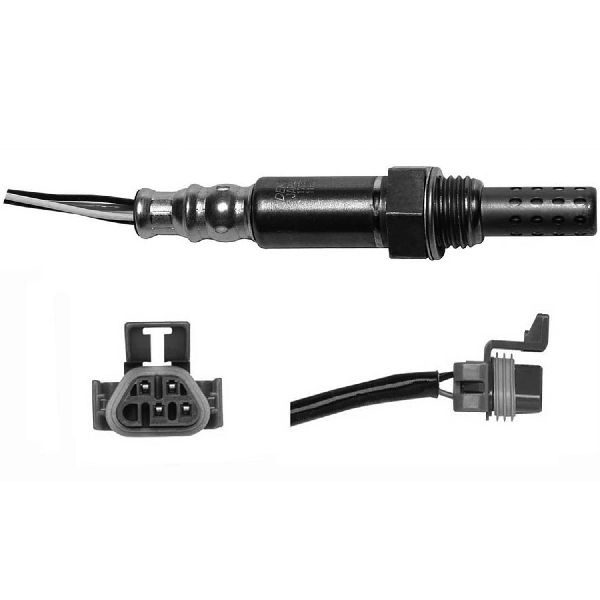
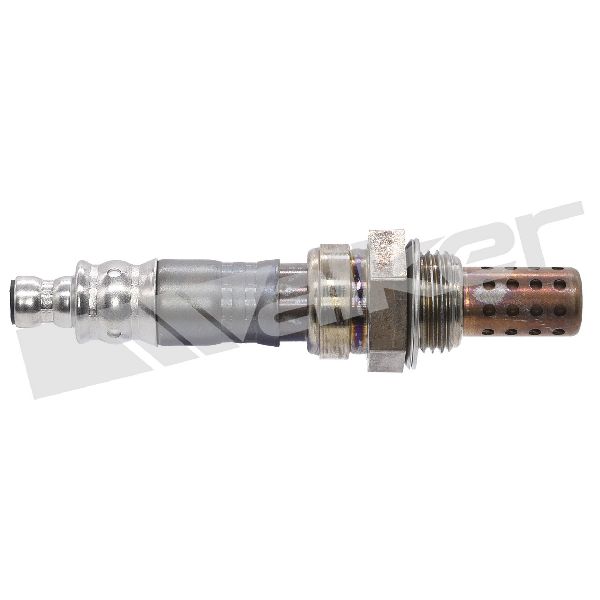
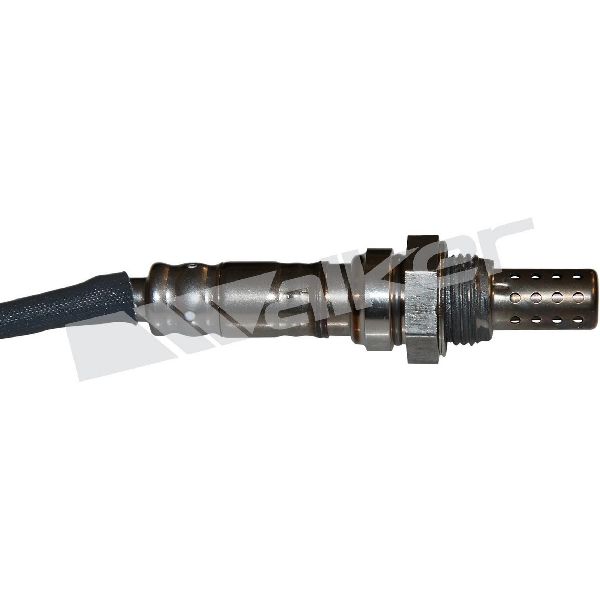
Aftermarket price range: $300-$700 - Downstream Oxygen Sensor (Bank 2, Sensor 2)
(OEM #ACDelco 213-3908 (for 3.7L I5), ACDelco 213-4226 (for 5.3L V8))— A faulty sensor can send incorrect data, causing a false P0430 code. It's a common replacement item, though less likely to be the root cause than the converter itself.
Trusted brands: Denso, Bosch, ACDelco (OEM)
OEM price range: $100-$180
Aftermarket price range: $50-$100
Related Codes That Often Appear With This One
- P0420 — This is the equivalent code for Bank 1. If both converters are failing on a V8, you may see both codes together. It is the primary code for the I5 engine.
- P0300-P0308 — Misfire codes (P030X, where X is the cylinder number) can cause unburned fuel to enter the exhaust and damage the catalytic converter, leading to a P0430. This is a common cause of converter failure.
- P0171, P0174 — Fuel trim codes indicating a lean or rich condition. An improper air/fuel mixture can cause the converter to overheat and fail over time.
Technical Service Bulletins (TSBs) & Recalls
- PIP3119P (Supersedes PIP3119N): Details the potential for false P0420/P0430 codes on low-mileage vehicles or after converter replacement. It outlines a specific drive cycle procedure to properly break-in a new converter and allow the matting material to out-gas.
Platform-Specific Known Issues
- A GM Technical Service Bulletin (PIP3119P) notes that on 2009 models, the P0420 and P0430 diagnostics are disabled for the first hour of engine run time to allow for catalytic converter break-in. This can cause false codes if a new converter is installed on an older vehicle without a proper break-in drive cycle.
- The 3.7L I5 engine is known for cracked exhaust manifolds. Since the primary catalytic converter is integrated into the manifold, a crack in the manifold necessitates replacing the entire unit and can cause false catalyst codes due to the leak.
- On the 5.3L V8, Bank 2 is the passenger side. Access can be tight but it is a separate component from the manifold, unlike the I5.
Mechanic-Grade Diagnostic Values
- Fuel Pressure (Key On, Engine Off) — expected: 50-62 psi (345-427 kPa). Failure: Pressure dropping more than 5 PSI within one minute may indicate a leaking injector or faulty fuel pump assembly, which can lead to cat failure.
- Downstream O2 Sensor (Bank 2 Sensor 2) Voltage — expected: Steady voltage between 0.6V and 0.8V (600-800mV) at stable RPM.. Failure: Voltage rapidly switching and mirroring the upstream O2 sensor indicates a failed catalytic converter. A flatline or stuck voltage indicates a failed sensor.
- Mode 6, Test ID $82, Component ID $20 (Bank 2 Catalyst) — expected: Value should be below the maximum threshold specified by the scan tool.. Failure: If the test value exceeds the maximum threshold, it confirms the PCM's diagnosis of low catalyst efficiency.
Scan Tool Commands That Help
- Tech2 / GDS2: Fuel Trim Reset — After replacing components that affect the air/fuel ratio, such as fuel injectors, MAF sensor, or fixing a major vacuum/exhaust leak. This forces the ECM to relearn the fuel mixture adjustments from a baseline, preventing the old, incorrect learned values from causing issues.
- Tech2 / GDS2: BCM Module Setup — While not directly for P0430, if the Body Control Module (BCM) is replaced or reprogrammed, this function may be necessary to ensure all vehicle systems communicate correctly with the ECM. An incorrectly configured BCM can sometimes cause cascading electronic issues.
Wiring & Ground Locations
- G103 / G104 — On the lower left side of the engine block, near the starter motor.. These are primary engine harness ground points. A poor connection here can introduce electrical noise or incorrect reference voltages for sensors, including the O2 sensors and their heater circuits, potentially leading to false codes.
- G102 — On the lower left side of the engine block, rearward of G103 (3.7L) or on the engine block below the left cylinder head (5.3L).. This ground is critical for the ignition coils. Intermittent misfires caused by a bad ground here can go undetected long enough to damage the catalytic converter, leading to a P0430 code.
- Bank 2 Downstream O2 Sensor Connector — On the passenger side, following the wire up from the sensor located after the catalytic converter. The connector is typically located near the top of the transmission bellhousing area.. This connector is a common point for corrosion or damage. Wiggling the connector while monitoring live sensor data can reveal intermittent connections that cause false codes.
Real Owner Repair Stories
- Hummer4x4Offroad forum user 'amrg' (Hummer H3 (engine not specified, but has Bank 2, so likely 5.3L V8)) — Check Engine Light with code P0430.
❌ Tried (didn't work) Swapped the left and right (Bank 1 and Bank 2) downstream O2 sensors.
✅ What actually fixed it The code remained P0430 after the sensor swap, proving the sensor was not the issue. The user concluded the Bank 2 catalytic converter needed to be replaced. - Hummer Forums user 'venicebeachboy' (2006 Hummer H3 (3.5L I5, but same manifold issue as 3.7L)) — Ticking noise from engine, leading to Check Engine Light.
❌ Tried (didn't work) Initial visual inspection missed the issue.
✅ What actually fixed it A mechanic found a broken exhaust manifold bolt on the rear-most cylinder by feel. The fix was to have the broken bolt drilled out and the manifold resealed. This is a common failure on the I5 engine that causes an exhaust leak and triggers catalyst codes. - Schwarttzy.com blog post (2008 Hummer H3 Alpha 5.3L V8) — Check Engine Light with code P0430.
❌ Tried (didn't work) Replacing the downstream O2 sensor., Purchasing poorly made aftermarket catalytic converters that did not resolve the issue.
✅ What actually fixed it In a strange turn of events, the water pump failed, and after it was replaced by a GM Dealer who also reset the ECU, the P0430 code did not return for over 600 miles. This suggests a potential ECU logic issue or that the hard reset cleared a learned fault. The owner concluded the original cat was likely bad but the ECU reset provided a temporary (or permanent) fix.
"I Checked Everything" — The Actual Cause
- A common scenario for the 3.7L I5 is a hairline crack in the integrated exhaust manifold. When the engine is cold, the crack can be sealed shut and will not show a leak during a standard smoke test. As the manifold heats up and expands, the crack opens, creating an exhaust leak that skews O2 sensor readings and triggers the P0430 (or P0420) code. The fix is a complete replacement of the exhaust manifold/converter assembly.
Model Year Variations Within This Range
- 2008: The 5.3L V8 engine was first introduced in the limited 'Alpha' model in 2008. For 2009, it became a more regular production option. To accommodate the V8, the frame was modified, and the front differential case was upgraded from aluminum to cast iron to handle the increased torque. These changes do not directly affect the P0430 diagnosis but are notable differences between the model years.
Helpful Videos
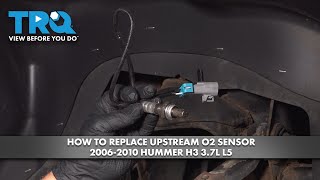

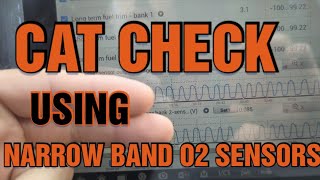
We Have This Part in Stock
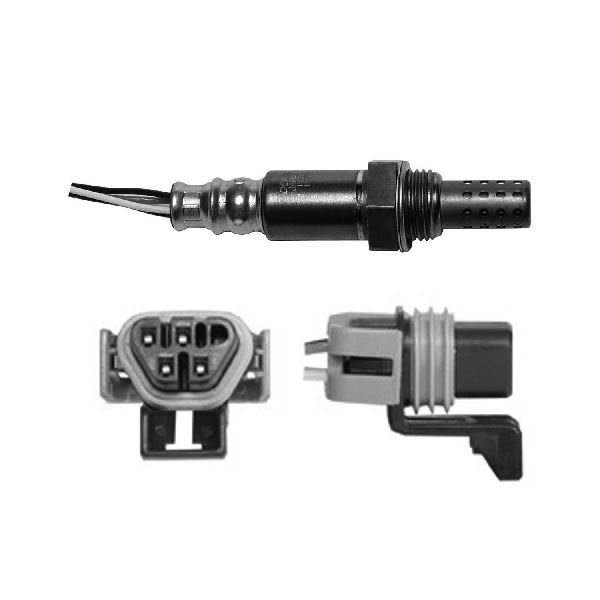

The information in this article is provided for general reference and educational purposes only. Vehicle specifications, procedures, and part compatibility can vary by production date, trim level, and region. Always consult your vehicle's factory service manual and verify part numbers before purchasing or performing repairs. Safety-critical components such as airbags, seat belts, and braking systems should be installed by a qualified professional.
- Hummer H3:
- 🎬 Helpful Videos
- 🛍️ Shop This Part
- What's Unique About the 2008-2009 Hummer H3
- Diagnostic Flowchart
- Symptoms You May Notice
- Most Likely Causes
- Rare But Worth Checking
- Diagnosis Steps
- Parts You'll Likely Need
- Related Codes That Often Appear With This One
- Technical Service Bulletins (TSBs) & Recalls
- Platform-Specific Known Issues
- Mechanic-Grade Diagnostic Values
- Scan Tool Commands That Help
- Wiring & Ground Locations
- Real Owner Repair Stories
- "I Checked Everything" — The Actual Cause
- Model Year Variations Within This Range
- 🎟️ Get 5% Off