

P0430 on 2012-2018 GMC Yukon: Catalyst Efficiency Causes, Fixes & TSBs
P0430 on a GMC Yukon most often means the Bank 2 (passenger side) catalytic converter has failed. However, before replacing this expensive part, you must inspect for exhaust leaks from broken manifold bolts and check the air filter housing for a poor seal, a known issue covered by TSB #16-NA-111. A new converter can cost from $400 for an aftermarket part to over $1,200 for an OEM unit.
- P0430 on your Yukon points to an inefficient catalytic converter on the passenger side, but don't assume the converter is bad immediately.
- Your first two checks should be for exhaust leaks (especially at the manifold) and, on 2014-2018 models, for a poor air filter housing seal per TSB #16NA111.
- Do not replace oxygen sensors to fix this code unless they have been specifically tested and proven faulty.
- If other codes are present, especially for engine misfires, they MUST be resolved first to prevent destroying a new, expensive catalytic converter.
- Confirm the failure using a scan tool to watch O2 sensor data before authorizing or starting any repairs.
What's Unique About the 2012-2018 Gmc YUKON

For this generation of Yukon, GM issued a Technical Service Bulletin (TSB #16-NA-111) acknowledging that P0430 can be caused by a poorly sealing air filter box. Debris like sand bypassing the filter can get into the exhaust and physically damage the oxygen sensors and block the catalytic converter substrate. This makes an airbox inspection a critical first step. Additionally, broken exhaust manifold bolts are a very common failure, causing leaks that trigger this code; aftermarket repair brackets are available to fix this without major engine work. GM was also aware of sensitive catalyst monitors and, on some models, disabled the P0430 diagnostic for the first hour of engine operation to prevent false codes at low mileage (TSB #PIP3119N).
Diagnostic Flowchart
Tap your situation to follow the diagnostic path that matches what you're seeing on this vehicle.
Generation note: The 2012-2018 year range covers two generations of the GMC Yukon: the third generation (GMT900, 2012-2014) and the fourth generation (K2UG, 2015-2018). While the root causes are similar, the TSB regarding the air filter housing seal (16-NA-111) specifically covers the 2014-2018 models. Fourth-generation models (2015+) also feature direct injection engines (5.3L L83, 6.2L L86) which can have their own unique contributing factors like fuel injector issues or high-pressure fuel pump failures that can lead to premature converter failure.
Symptoms You May Notice
- Check Engine Light is on.
- Reduced engine performance or sluggish acceleration if the converter is clogged.
- A sulfur or "rotten egg" smell from the exhaust.
- Failing a state emissions inspection.
- A ticking noise from the engine bay, especially when cold, which can indicate a broken exhaust manifold bolt.
- Immediately replacing the oxygen sensors. The P0430 code usually means the sensors are correctly detecting a problem with the converter's efficiency.
- Replacing the catalytic converter without first checking for exhaust leaks, air intake leaks (per TSB #16-NA-111), or resolving other engine-related trouble codes like misfires.
Most Likely Causes

- Failing Catalytic Converter 🔴 High Probability Catalytic converters have a finite lifespan and can become less efficient over time due to age, mileage, and contamination from engine byproducts. They can also be damaged by unburned fuel from misfires or debris from a faulty air intake.
How to confirm: Use a scan tool to graph the upstream (B2S1) and downstream (B2S2) oxygen sensors. If the downstream sensor's voltage reading fluctuates rapidly between ~0.1V and ~0.9V, mimicking the upstream sensor, the converter is not storing oxygen and has failed. 🎬 Watch: How to use a scan tool to graph sensor data. A working converter will have a steady, flat voltage from the downstream sensor, typically around 0.45V.
Typical fix: Replace the Bank 2 (passenger side) catalytic converter assembly.
Est. part cost: $400-$1600 - Exhaust System Leak 🟡 Medium Probability Exhaust manifold bolts are known to break on these GM V8 engines, particularly the rearmost bolt near the firewall. The resulting leak allows oxygen into the exhaust, fooling the downstream O2 sensor and triggering the P0430 code.
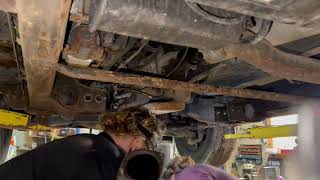
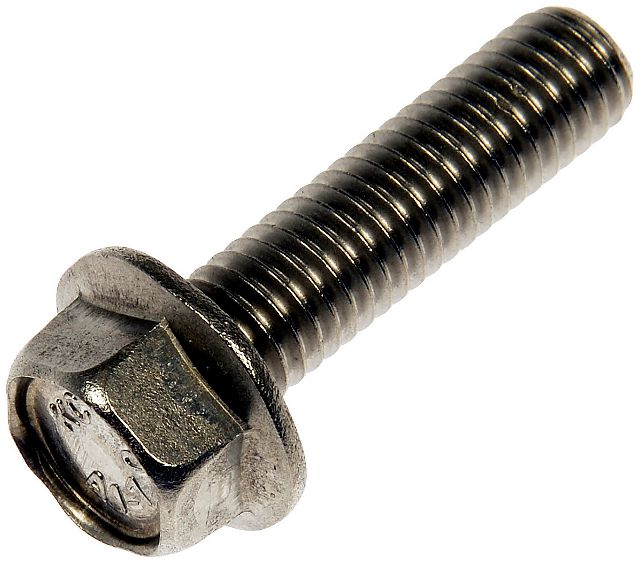
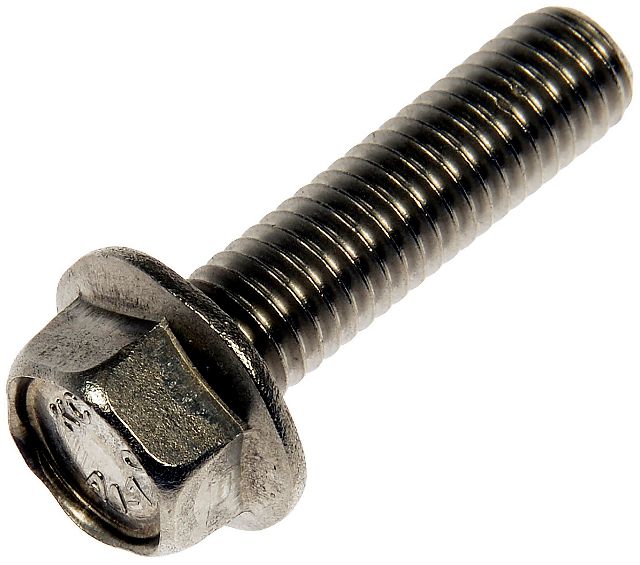
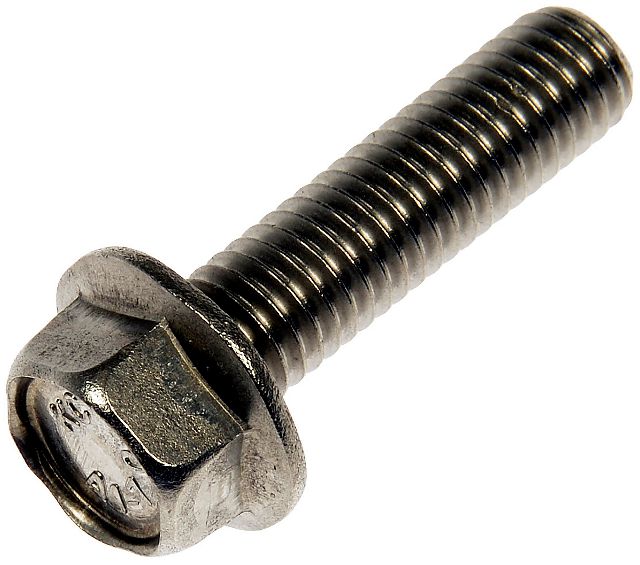
How to confirm: Visually inspect the exhaust manifolds for black soot trails or listen for an audible ticking/hissing sound that is loudest on a cold start and may quiet down as the engine warms up. A common fix involves an aftermarket bracket (like Dorman 917-142) that clamps the manifold to the head, avoiding the need to extract the broken bolt. 🎬 See how to install a manifold repair bracket on your Yukon.
Typical fix: Replace broken exhaust manifold bolts and gasket, or install a manifold repair clamp. Weld any cracks found in the pipes.
Est. part cost: $20-$150 - Improperly Sealing Air Intake Housing 🟡 Medium Probability Per TSB #16-NA-111, the air filter housing on 2014-2018 models may warp or not seal properly, allowing sand and debris to bypass the filter.
How to confirm: Remove the air filter and inspect the 'clean' side of the air filter housing and the intake duct for any signs of dirt, sand, or debris that has gotten past the filter seal.
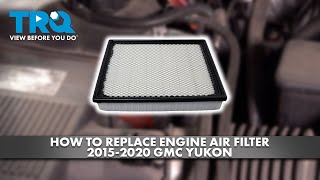
Typical fix: Clean the intake system and replace the air filter. If the housing is warped or damaged, replace the air cleaner assembly (GM Part #23147231 🎬 Watch: How to properly inspect and replace your engine air filter. for some 2015-2018 models) to ensure a proper seal.
Est. part cost: $30-$250 - Failing Oxygen (O2) Sensor ⚪ Low Probability O2 sensors can degrade over time, becoming 'lazy' and providing slow or inaccurate readings to the ECM. This is more common on higher-mileage vehicles. However, it is often misdiagnosed.
How to confirm: A lazy sensor may not respond quickly on a scan tool graph. However, the P0430 code specifically indicates the O2 sensors are working and detecting a problem with the converter. Only replace the sensor if it fails specific electrical tests, is physically damaged, or if the code returns after a new converter is installed.
Typical fix: Replace the downstream oxygen sensor on Bank 2 (B2S2).
Est. part cost: $50-$150
Rare But Worth Checking
- Engine Misfires or Fuel System Issues: An underlying engine problem is often the root cause of catalytic converter failure. Unburned fuel from misfires (P0300-P0308) or a rich condition from leaking injectors can overheat and destroy the converter's internal structure. Always resolve other engine codes before replacing a converter.
- Faulty Engine Coolant Temperature Sensor: A faulty ECT sensor can cause the engine to run in a continuous rich fuel condition, which can contaminate the catalytic converter over time. Some owners have reported this as a contributing factor.
Diagnosis Steps
- Check for other DTCs. If any other codes are present, especially for misfires (P030x) or fuel trim (P017x), diagnose and fix those first. A rich/lean condition or misfire will destroy a new converter.
- Inspect the Air Intake System: Following TSB #16-NA-111 (especially on 2014+ models), remove the air filter. Check for dirt, sand, or debris in the housing past the filter seal. Ensure the housing is not warped and seals tightly.
- Inspect for Exhaust Leaks: With the engine cold, start it and listen for a distinct 'ticking' sound from the passenger side manifold. Visually inspect the exhaust manifold for black soot trails indicating a leak, paying close attention to the rear-most bolt.
- Analyze Oxygen Sensor Data: Using a capable scan tool, graph the voltage of the Bank 2 upstream (B2S1) and downstream (B2S2) O2 sensors. With the engine fully warmed up and held at ~2,000 RPM, B2S1 should show rapid fluctuations (0.1V-0.9V). B2S2 should show a relatively steady, stable voltage (around 0.45V-0.7V). If B2S2 is fluctuating similarly to B2S1, the catalytic converter is not functioning correctly.
- Test the Catalytic Converter Temperature: Use an infrared thermometer to measure the temperature of the pipe just before the converter and just after. A working converter should be at least 100°F hotter on the outlet side after the engine is fully warmed up.
- If all other tests pass, consider swapping the downstream (B2S2) O2 sensor with the driver's side sensor (B1S2). If the code changes to P0420, the sensor is faulty. If the P0430 code returns, the catalytic converter is the confirmed problem.
Parts You'll Likely Need
- Bank 2 Catalytic Converter
(OEM #22912420, 84400247 (Y-Pipe Assembly for some 5.3L/6.2L models))— This is the most common failed component that directly causes the P0430 code when no leaks are present.
Trusted brands: ACDelco (OEM), Walker Exhaust, MagnaFlow, AP Exhaust
OEM price range: $1000-$1600
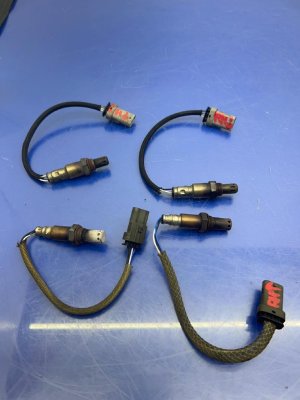
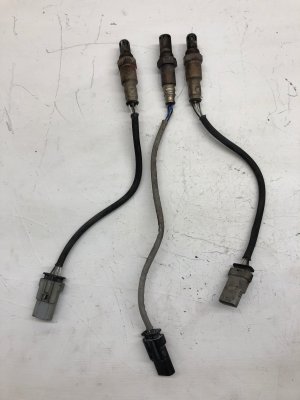
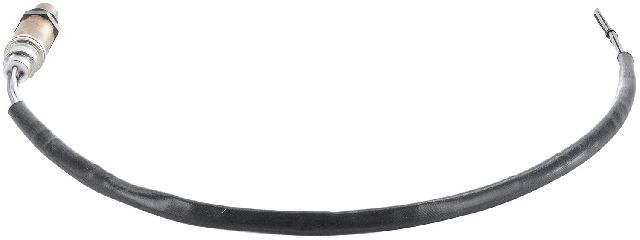
Aftermarket price range: $400-$900 - Bank 2, Sensor 2 (Downstream) Oxygen Sensor
(OEM #ACDelco 12657188 (for many 2015-2018 models))— Sometimes replaced as a precaution or if it is diagnosed as faulty. It's a common misdiagnosis but can be the cause in some cases.
Trusted brands: ACDelco, Denso, Bosch
OEM price range: $80-$150
Aftermarket price range: $50-$100 - Exhaust Manifold Gasket
(OEM #ACDelco 12617904)— Required when replacing a leaking exhaust manifold or fixing broken bolts.
Trusted brands: ACDelco, Fel-Pro
OEM price range: $20-$40
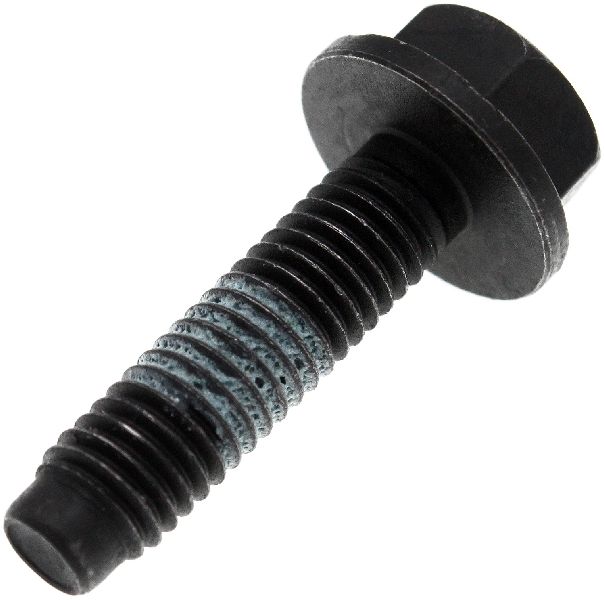
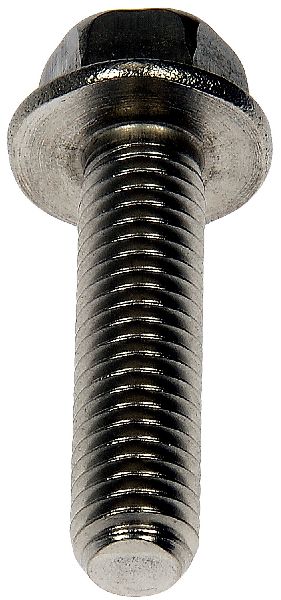
Aftermarket price range: $15-$30 - Exhaust Manifold Bolt Repair Bracket — A common, time-saving repair for broken exhaust manifold bolts that avoids having to extract the broken bolt from the cylinder head.
Trusted brands: Dorman (e.g., 917-142), APDTY
OEM price range: N/A
Aftermarket price range: $40-$80
Related Codes That Often Appear With This One
- P0420 — This is the identical code for Bank 1 (driver's side). If both appear, it may suggest a systemic issue like a contaminated batch of fuel, a faulty air intake seal affecting the entire engine, or advanced age/mileage on both converters.
- P0300-P0308 — These are misfire codes (P0300 for random, P0301-P0308 for specific cylinders). An engine misfire allows unburned fuel to enter the exhaust, which can quickly overheat and destroy the catalytic converter, leading to a P0430 code.
Technical Service Bulletins (TSBs) & Recalls
- Provides diagnostic procedure for an improperly sealing air filter box that allows debris to enter, potentially damaging O2 sensors and catalytic converters, causing P0420/P0430 codes.
- Advises technicians that on some low-mileage vehicles, the P0420/P0430 diagnostics are disabled for the first hour of operation to prevent false codes.
Platform-Specific Known Issues

- TSB #16NA111: Documents that a poor seal on the air filter housing can allow debris into the intake, leading to MIL illumination with DTCs P0420 and P0430. Inspection of the airbox is a critical diagnostic step for 2014-2018 models.
- TSB #PIP3119N: Notes that on some vehicles, the diagnostic tests for P0420 and P0430 are intentionally disabled for the first hour of engine operation to prevent false codes from being set at low mileage, indicating a sensitivity in the monitoring system.
Mechanic-Grade Diagnostic Values

- Long-Term Fuel Trim (LTFT) at Idle and 2500 RPM — expected: Less than +/- 10%. Failure: A value consistently greater than +10% (lean) or -10% (rich) indicates an underlying fuel control issue (e.g., vacuum leak, MAF fault, fuel pressure issue) that must be corrected before condemning the catalytic converter.
- Low-Side Fuel Pressure (2012-2014 GMT900, 5.3L Port Injection) — expected: 55-62 psi (Key On, Engine Off). Failure: Pressure significantly below 55 psi can indicate a weak fuel pump, potentially causing a lean condition that can stress the converter over time.
- High-Pressure Fuel System (2015+ K2UG, 5.3L/6.2L Direct Injection) — expected: Approx. 500-600 PSI at idle.. Failure: While a specific pressure failure is complex, a major failure symptom is fuel leaking past the pump's internal seal into the crankcase, causing a persistent rich condition (P0172/P0175) and fuel smell in the oil.
- Downstream O2 Sensor (B2S2) Voltage at steady 2000 RPM — expected: Relatively stable voltage, typically between 0.45V and 0.8V.. Failure: Voltage fluctuates rapidly between ~0.1V and ~0.9V, mimicking the pattern of the upstream (B2S1) sensor. This indicates the catalyst is not storing oxygen.
Hidden / Shadow Codes Worth Checking
- Mode $06, TID $05: Mode $06 provides access to the raw data from the PCM's onboard diagnostic tests. Test ID (TID) $05 specifically relates to the Bank 2 catalyst efficiency monitor. By viewing the test value and comparing it to the manufacturer's min/max thresholds, a technician can see how close the converter is to failing, even before the MIL is triggered. (see via A professional scan tool (like a Launch Tech X-431 or similar) with Mode $06 capabilities.)
Scan Tool Commands That Help
- GDS2 (GM Dealer Tool) or equivalent professional scanner: Catalyst System Test / Oxygen Storage Capacity Test — This is a definitive test. The tool commands the engine to a rich condition, then lean. By observing the time it takes for the downstream O2 sensor to react compared to the upstream, you can measure the catalyst's ability to store oxygen. A good cat will show a significant delay; a bad cat will have the downstream sensor switch almost immediately after the upstream.
- GDS2 or equivalent: Fuel Composition Reset — On Flex Fuel vehicles, if incorrect fuel alcohol percentage is suspected (e.g., after multiple partial fill-ups), this function resets the learned value. An incorrect value can cause extreme fuel trim adjustments that lead to a false P0430 or damage the converter.
Wiring & Ground Locations
- G103 / G105 (K2UG, 2015+) — On the frame rail behind each front wheel. The passenger side ground is particularly susceptible to corrosion and contamination.. Poor engine grounds can cause floating reference voltages for sensors, including the ECM and oxygen sensors, leading to erratic readings and false codes.
- G102 / G103 (GMT900, 2012-2014) — Bolted to the front of each cylinder head.. These are the primary engine block grounds to the chassis. A poor connection here can affect all engine sensors and the ECM.
- ECM Connector X2 (2015+ 5.3L L83) — Engine Control Module, left side of engine compartment.. For testing the B2S2 circuit: Pin 35 (Tan wire) is the HO2S Bank 2 Sensor 2 Signal. Pin 36 (Brown wire) is the Low Reference for the sensor. These pins can be checked for continuity and voltage.
Real Owner Repair Stories
- Tahoe Yukon Forum user (2015+ Flex Fuel model, 129,000 miles) — P0430 code appeared shortly after replacing original cats with aftermarket units.
❌ Tried (didn't work) Swapping downstream O2 sensors from Bank 1 to Bank 2 (code did not move to P0420)., Clearing codes and performing fuel trim reset.
✅ What actually fixed it The diagnosis revealed two issues: 1) The aftermarket catalytic converter was likely inefficient out of the box. 2) The scan tool showed a 39% alcohol content in the fuel (despite never using E85), causing long-term fuel trims of -18%. This was caused by multiple partial fuel fills confusing the sensor. Resetting the fuel alcohol composition via a scan tool corrected the severe rich command, which is a critical step before condemning the new converter.
"I Checked Everything" — The Actual Cause
- A smoke test will not identify a skewed fuel alcohol composition sensor on a Flex Fuel vehicle, which can cause a rich condition and trigger a P0430.
- A smoke test will not detect an internally leaking high-pressure fuel pump (2015+ models) that is contaminating the engine oil with gasoline, causing a rich condition via the PCV system that destroys the converter.
Model Year Variations Within This Range
- 2015-2018 (K2UG): The introduction of Direct Injection (5.3L L83, 6.2L L86) brings the high-pressure fuel pump into play as a potential root cause. Failure of this pump can lead to fuel-in-oil contamination, creating a rich condition that destroys the catalytic converters. This issue does not exist on 2012-2014 port-injected models.
- 2014-2018: TSB #16-NA-111 regarding a poorly sealing air filter housing primarily affects these model years, straddling the GMT900 and K2UG generations. This makes an airbox inspection a mandatory first step on these vehicles before any other diagnosis.
Helpful Videos
Used OEM Parts in Stock

New Aftermarket Parts Available

The information in this article is provided for general reference and educational purposes only. Vehicle specifications, procedures, and part compatibility can vary by production date, trim level, and region. Always consult your vehicle's factory service manual and verify part numbers before purchasing or performing repairs. Safety-critical components such as airbags, seat belts, and braking systems should be installed by a qualified professional.
- Gmc YUKON:
- 🎬 Helpful Videos
- 🛍️ Shop This Part
- What's Unique About the 2012-2018 Gmc YUKON
- Diagnostic Flowchart
- Symptoms You May Notice
- Most Likely Causes
- Rare But Worth Checking
- Diagnosis Steps
- Parts You'll Likely Need
- Related Codes That Often Appear With This One
- Technical Service Bulletins (TSBs) & Recalls
- Platform-Specific Known Issues
- Mechanic-Grade Diagnostic Values
- Hidden / Shadow Codes Worth Checking
- Scan Tool Commands That Help
- Wiring & Ground Locations
- Real Owner Repair Stories
- "I Checked Everything" — The Actual Cause
- Model Year Variations Within This Range
- 🎟️ Get 5% Off