

P0430 on 2009-2013 GMC Sierra Denali: Catalyst Efficiency Causes and Fixes
P0430 on a 2009-2013 GMC Sierra Denali almost always points to a failing catalytic converter on Bank 2 (passenger side). While an O2 sensor or exhaust leak is possible, the converter itself is the most common failure, especially on higher mileage trucks. Expect to pay $400-$900+ for an aftermarket part and 2-3 hours of labor. OEM parts can be significantly more expensive.
- P0430 on a 2009-2013 Sierra Denali means the passenger-side (Bank 2) catalytic converter is likely failing.
- Before buying a new converter, rule out cheaper fixes: check for exhaust leaks and test the downstream O2 sensor.
- If you have any other engine codes (especially for misfires), fix them first to avoid damaging a new catalytic converter.
- Replacement is a bolt-on job but can be difficult due to rusted hardware; it may require a professional.
- These trucks are a prime target for catalytic converter theft, so be aware of where you park.
What's Unique About the 2009-2013 Gmc SIERRA DENALI
On these GMT900 trucks, including the Sierra Denali with the 6.2L V8, the P0430 code is a very common indicator of a worn-out catalytic converter, especially on higher-mileage vehicles. While O2 sensors can fail, the converters themselves are a frequent failure point. These trucks are also high-risk targets for catalytic converter theft due to their high ground clearance and the value of the precious metals inside the converters. A manufacturer TSB also notes that on some vehicles, the diagnostic for this code may be disabled for the first hour of operation to prevent false positives at low mileage. [TSB #PIP3119N] Furthermore, some owners report that oil consumption issues, sometimes related to the Active Fuel Management (AFM) system, can lead to premature catalytic converter failure by contaminating the catalyst substrate.
Diagnostic Flowchart
Tap your situation to follow the diagnostic path that matches what you're seeing on this vehicle.
Symptoms You May Notice
- Check Engine Light is on
- Reduced engine power and sluggish acceleration
- Decreased fuel economy
- A sulfur or "rotten egg" smell from the exhaust
- Failed emissions test
- Rattling noise from under the vehicle if the converter's internal structure has broken apart
- Replacing the oxygen sensors when the catalytic converter is actually the failed component. While O2 sensors can be the cause, a degraded converter is more common for this code on these trucks. Always diagnose before replacing parts.
- Using cheap, low-quality aftermarket catalytic converters. These often lack the necessary precious metal loading to satisfy the PCM's efficiency monitoring and can cause the P0430 code to return quickly.
Most Likely Causes
- Failing Catalytic Converter (Bank 2) 🔴 High Probability Catalytic converters have a finite lifespan and degrade over time. Engine issues like misfires, oil burning, or an imbalanced air/fuel ratio can accelerate this wear by sending unburned fuel or contaminants into the exhaust, causing the converter to overheat and melt or become coated.
How to confirm: Use a scan tool to monitor Bank 2 upstream and downstream O2 sensor data. A healthy converter shows a steady downstream sensor reading, while a failing one shows the downstream sensor switching rapidly, mimicking the upstream sensor. An infrared thermometer can also be used; the outlet of a working converter should be significantly hotter (by at least 100-150°F) than the inlet after the engine is fully warmed up.
Typical fix: Replace the Bank 2 catalytic converter assembly. This is typically a large Y-pipe section that includes the converter.
Est. part cost: $400 - $900 - Faulty Downstream Oxygen (O2) Sensor (Bank 2, Sensor 2) 🟡 Medium Probability O2 sensors are exposed to extreme heat and contaminants and wear out over time, often recommended for replacement after 100k miles. A lazy or biased sensor can send incorrect data to the PCM, falsely indicating a converter problem.
How to confirm: Test the sensor's response using a scan tool. If the sensor's voltage is stuck or slow to respond compared to a known good sensor (like the one on Bank 1), it should be replaced. Also, inspect the wiring for any damage. A common diagnostic step is to swap the downstream sensors from Bank 1 and Bank 2 to see if the code changes to P0420. If it does, the sensor is faulty.
Typical fix: Replace the Bank 2, Sensor 2 (downstream) oxygen sensor.
Est. part cost: $50 - $150 - Exhaust System Leak ⚪ Low Probability Rust can cause leaks at exhaust manifold gaskets or flange connections. A leak between the upstream and downstream O2 sensors can allow outside air to enter the exhaust, skewing the sensor readings and triggering the code. Leaks after the downstream sensor are less likely to cause this specific code.
How to confirm: Visually inspect the exhaust system from the engine to the rear of the vehicle. Listen for hissing or ticking sounds, especially when the engine is cold. A smoke machine can be used to pinpoint the exact location of a leak. You can also use a shop towel to briefly block the tailpipe (use caution) to build pressure and make leaks more apparent.
Typical fix: Replace the leaking gasket or damaged section of the exhaust pipe.
Est. part cost: $20 - $200
Rare But Worth Checking
- Engine Misfires or Fuel System Issues: If you have other codes like P0300 (Random Misfire) or fuel trim codes (P0171, P0174), these must be addressed first. Unburned fuel from misfires can quickly destroy a new catalytic converter, so ignoring the root cause will lead to the P0430 code returning.
- PCM Software Issue: In some rare cases, the PCM's software may be overly sensitive. A dealer can check if there are any available software updates for the Powertrain Control Module. TSB PIP3119N notes a break-in period for new converters where a code may set falsely.
Diagnosis Steps
- Scan for all DTCs. If any other codes are present, especially for misfires (P030x) or fuel trim (P017x), diagnose and repair those first.
- Perform a thorough visual inspection of the exhaust system for any signs of leaks, cracks, or damage, paying close attention to the gaskets at the exhaust manifolds and flanges.
- Using a scan tool with live data capability, graph the voltage of the Bank 2 upstream (Sensor 1) and downstream (Sensor 2) oxygen sensors. At a steady 2,000 RPM, the upstream sensor should switch rapidly between ~0.1V and ~0.9V. The downstream sensor should remain relatively steady and stable, typically above 0.5V.
- If the downstream O2 sensor voltage is switching rapidly and mirroring the upstream sensor, the catalytic converter has failed and is not storing oxygen.
- If the downstream O2 sensor voltage is flatlined or seems stuck, test the sensor itself and its wiring. Consider swapping the downstream sensors between Bank 1 and Bank 2. If the code follows the sensor (changes to P0420), the sensor is bad.
- Use an infrared thermometer to check the temperature of the pipe entering and exiting the catalytic converter. The outlet should be at least 100°F hotter than the inlet on a fully warmed-up, functional converter.
- If no exhaust leaks are found and the O2 sensors are functioning correctly, the catalytic converter is the most likely cause of the P0430 code.
Parts You'll Likely Need
- Catalytic Converter Assembly (Bank 2)
(OEM #15896591, 19419599)— This is the most common failure item that directly causes the P0430 code on these trucks due to age and wear. Bank 2 is the passenger side.
Trusted brands: ACDelco (OEM), Walker Exhaust, MagnaFlow, AP Exhaust
OEM price range: $2800+
Aftermarket price range: $400-$900 - Downstream Oxygen Sensor (Bank 2, Sensor 2)
(OEM #12609457)— A faulty sensor can send incorrect readings, mimicking a bad converter. It's a common misdiagnosis but is sometimes the actual problem. It's often recommended to replace it when replacing the converter, especially on a high-mileage vehicle.
Trusted brands: ACDelco (OEM), Denso, NGK/NTK, Bosch
OEM price range: $80-$180
Aftermarket price range: $50-$120 - Exhaust Manifold to Pipe Gasket — These gaskets should always be replaced when the catalytic converter assembly is removed to prevent future exhaust leaks. Aftermarket converter kits often include new gaskets.
Trusted brands: Fel-Pro, ACDelco
OEM price range: $15-$30
Aftermarket price range: $10-$25
Related Codes That Often Appear With This One
- P0420 — This is the equivalent code for Bank 1 (driver's side). If both converters are of similar age and condition, they may fail around the same time, causing both codes to appear.
- P0300-P0308 — Misfire codes (P030X, where X is the cylinder number) indicate an underlying engine problem. The unburned fuel from a misfire can overheat and damage the catalytic converter, leading to a P0430 code.
- P0171/P0174 — These codes indicate a lean fuel condition on Bank 1 and/or Bank 2. A lean condition can cause higher combustion temperatures, which can damage the catalytic converter over time.
Technical Service Bulletins (TSBs) & Recalls
- PIP3119N: Mentions that on some vehicles, the diagnostic test for codes P0420 and P0430 is disabled for the first hour of operation to prevent setting false codes at low mileage. It also notes that new converters may need a 'break-in' period and can set a code falsely within the first 100 miles.
Platform-Specific Known Issues
- The 2009-2013 Sierra Denali, particularly with the 6.2L V8, is a high-value target for catalytic converter theft. Due to high replacement costs, owners should consider theft deterrents like catalytic converter shields or cages.
- Prolonged driving with engine issues, such as faulty fuel injectors or misfires (common with lifter issues on some GM V8s), can lead to premature failure of the catalytic converters on this platform.
- Oil consumption from Active Fuel Management (AFM) or Displacement on Demand (DOD) systems can foul the catalytic converters over time, leading to P0420/P0430 codes. This is a known issue in the GM truck community.
Mechanic-Grade Diagnostic Values
- Short-Term Fuel Trim (STFT) & Long-Term Fuel Trim (LTFT) — expected: Within +/- 5% at idle and steady cruise.. Failure: Consistently high positive values (e.g., +10% or more) can indicate a vacuum leak introducing unmetered air. Consistently high negative values can indicate leaking injectors. Both conditions can damage the catalytic converter over time.
Scan Tool Commands That Help
- GDS2 / Tech2 or equivalent professional scan tool: Catalyst Monitor Not At Idle Test Conditions Met — After a repair, use this parameter to verify that the vehicle has been operated within the required conditions to run the internal catalyst efficiency diagnostic. The parameter will change to 'Yes' once conditions are met, confirming the PCM is actively testing the new converter or repair.
Wiring & Ground Locations
- Engine Block to Chassis Ground Strap — A braided ground strap typically located on the passenger side, running from the rear of the engine block/cylinder head to the firewall/chassis.. This is a primary ground path for the engine management system. Corrosion or a loose connection at this point can cause erratic sensor readings, including from the oxygen sensors, potentially leading to false P0430 codes or other electrical issues.
- G107 (Example Ground Pack) — Ground packs are located throughout the vehicle, often on the frame rails or inner fenders. For example, on similar GM trucks, a key ground is located on the frame under the driver's side door.. The heated oxygen sensor circuits rely on a solid ground to function correctly. A corroded ground pack that serves the HO2S circuit can cause incorrect voltage readings, leading the PCM to misinterpret the sensor data and set a false catalyst efficiency code.
Real Owner Repair Stories
- Forum discussions on GMTrucks.com and SilveradoSierra.com (Multiple 2009-2013 Sierra/Silverado trucks with 6.2L V8 and Active Fuel Management (AFM), typically over 100,000 miles.) — Persistent P0420/P0430 codes, sometimes accompanied by excessive oil consumption (e.g., 1 quart per 1,000-2,000 miles) and misfire codes (P0300).
❌ Tried (didn't work) Replacing oxygen sensors, Replacing catalytic converters (code would return after a few hundred miles)
✅ What actually fixed it The root cause was excessive oil consumption due to failing piston rings and/or issues with the AFM system's valve lifter oil manifold. The oil contaminated and destroyed the catalytic converters. The final fix required addressing the oil consumption (piston ring replacement or installing an AFM delete kit) AND replacing the catalytic converters again.
OEM Part Supersession History
15896591→19419599— Standard part lifecycle replacement; the new part number is the current GM Genuine Parts offering.
Heads up: No known incompatibility. 19419599 is the direct replacement for 15896591 for the specified vehicles.
Model Year Variations Within This Range
- 2009+: The 6.2L V8 (L9H, later L94) became more widely available in the Sierra/Silverado 1500 line starting in 2009, offering significantly more power (403 hp) than the previous top 6.0L V8. This engine is part of the Gen IV small-block family and shares architecture with other GM truck engines of the era but has its own specific components and tuning.
Helpful Videos
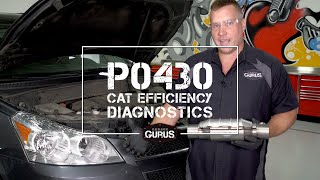
![How to Fix P0430 Error Code in 8 Minutes [7 DIY Methods / Only $5.97]](https://img.youtube.com/vi/KziSvVBjuEc/mqdefault.jpg)
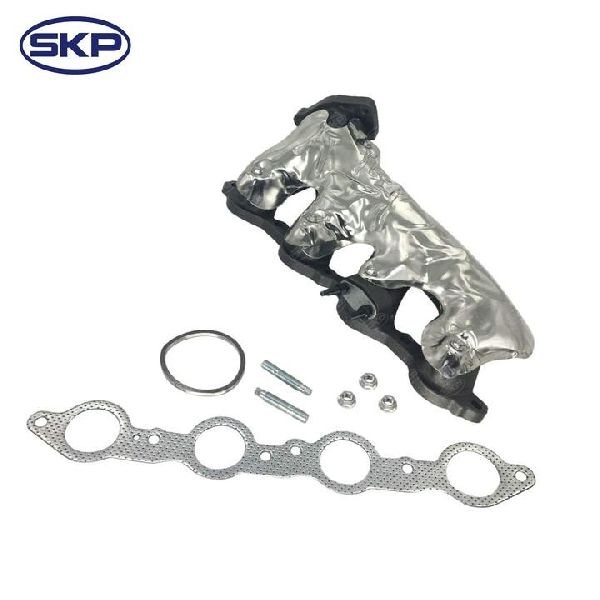
We Have This Part in Stock

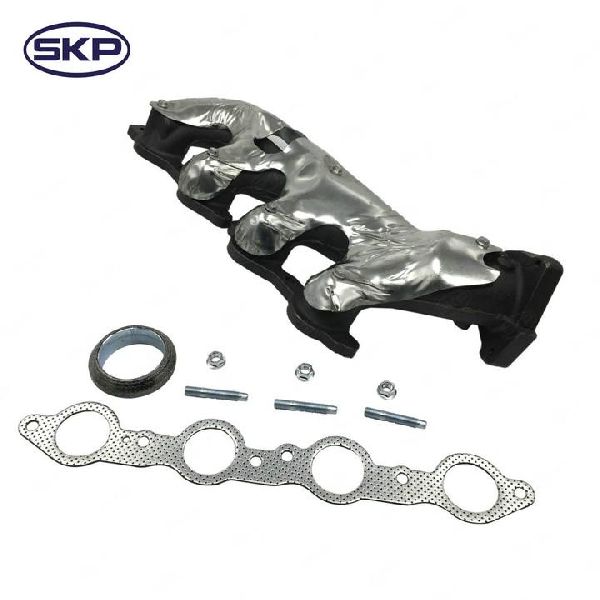



The information in this article is provided for general reference and educational purposes only. Vehicle specifications, procedures, and part compatibility can vary by production date, trim level, and region. Always consult your vehicle's factory service manual and verify part numbers before purchasing or performing repairs. Safety-critical components such as airbags, seat belts, and braking systems should be installed by a qualified professional.
- Gmc SIERRA DENALI:
- 🎬 Helpful Videos
- 🛍️ Shop This Part
- What's Unique About the 2009-2013 Gmc SIERRA DENALI
- Diagnostic Flowchart
- Symptoms You May Notice
- Most Likely Causes
- Rare But Worth Checking
- Diagnosis Steps
- Parts You'll Likely Need
- Related Codes That Often Appear With This One
- Technical Service Bulletins (TSBs) & Recalls
- Platform-Specific Known Issues
- Mechanic-Grade Diagnostic Values
- Scan Tool Commands That Help
- Wiring & Ground Locations
- Real Owner Repair Stories
- OEM Part Supersession History
- Model Year Variations Within This Range
- 🎟️ Get 5% Off