

P0430 on 2018-2019 Ford Mustang 5.0L: Catalyst Efficiency Causes and Fixes
On a 2018-2019 Mustang 5.0L with an automatic transmission, P0430 almost always points to a failed Bank 2 (driver's side) catalytic converter. This is a known issue covered by Ford TSB 19-2201 for vehicles built on or before April 23, 2019. The official fix requires replacing the converter and reprogramming the car's computer (PCM), a repair that is often covered under the 8-year/80,000-mile federal emissions warranty.
- For a 2018-2019 Mustang GT with an automatic, P0430 is very likely a failed catalytic converter, not an O2 sensor.
- Check if your vehicle falls under TSB 19-2201. If so, the repair may be covered by the 8-year/80,000-mile federal emissions warranty.
- The official Ford fix requires replacing the catalytic converter AND reprogramming the vehicle's main computer (PCM).
- If you have any other codes (especially for misfires), you must fix those problems first to avoid damaging the new converter.
- Bank 2 is the driver's side on a Ford V8 engine.
What's Unique About the 2018-2019 Ford Mustang

For this specific generation of Mustang GT, the P0430 code is not a generic issue. Ford identified a common problem where the PCM's operational strategy could lead to premature catalyst failure on vehicles with automatic transmissions built before late April 2019. This led to the issuance of Technical Service Bulletin (TSB) 19-2201, which directs technicians to replace the faulty converter and update the PCM software. This makes the catalytic converter itself the primary suspect, rather than secondary causes like oxygen sensors or exhaust leaks, especially if P0430 is the only code present.
Symptoms You May Notice
- Check Engine Light is illuminated
- Vehicle will fail an emissions test
- Slightly reduced fuel economy
- In rare cases of blockage, a noticeable loss of engine power or hesitation
- A rattling sound from the exhaust if the converter's internal substrate has broken apart
- Replacing the oxygen sensors without confirming they are faulty. Given the specific TSB for this vehicle, the catalytic converter is the much more likely culprit if no other codes are present.
- Installing an aftermarket cat-back exhaust and creating a small leak at a flange, which then triggers the code.
Most Likely Causes

- Failed Bank 2 Catalytic Converter (per TSB 19-2201) 🔴 High Probability Ford TSB 19-2201 specifically addresses this failure on 2018-2019 Mustangs with the 5.0L engine and 10R80 automatic transmission built on or before April 23, 2019. The TSB states the failure may be due to the operation of the PCM, implying a software calibration issue contributes to the hardware failure. Owners on forums like Mustang6G have reported this failure at very low mileage, sometimes under 10,000 miles.
How to confirm: Check if your vehicle's build date and configuration match the TSB criteria and if P0430 is the only code stored. A Ford dealership can verify TSB applicability with your VIN. The repair is eligible for coverage under the federal emissions warranty 🎬 Watch: Three DIY methods to address a P0430 code. (8 years/80,000 miles). A technician can also use a pyrometer to check the inlet and outlet temperatures of the converter; a good converter should be hotter at the outlet, while a failed one may show little to no temperature difference or a hotter inlet.
Typical fix: Replace the Bank 2 (driver's side) catalytic converter assembly and reprogram the Powertrain Control Module (PCM) with the latest software version, as per TSB 19-2201. The TSB lists a labor time of 2.8 hours for the Bank 2 converter replacement and PCM reprogram.
Est. part cost: $600-$1800 - Exhaust Leak 🟡 Medium Probability Exhaust leaks at the manifold gasket, flanges, or welds before or near the catalytic converter can introduce oxygen into the exhaust stream. This extra oxygen fools the downstream O2 sensor, making it appear as though the converter isn't working and triggering a P0430 code. The Coyote engine is also known for a ticking noise that can sometimes be misdiagnosed as an engine issue when it is actually a minor exhaust leak at the manifold.
How to confirm: Perform a visual inspection of the exhaust system from the engine to the converter, looking for black soot trails or cracks. A smoke test is the most effective way to find small leaks. 🎬 See this simple trick for finding exhaust leaks at home. Listen for a distinct ticking or hissing noise from the engine bay or under the car, especially when the engine is cold.
Typical fix: Replace the leaking gasket (e.g., exhaust manifold gasket, Ford P/N GR3Z-9448-D) or tighten loose flange bolts. In cases of a cracked manifold, the manifold itself must be replaced.
Est. part cost: $20-$300 - Faulty Oxygen (O2) Sensor ⚪ Low Probability While less common than the converter itself on this platform, an O2 sensor can still fail. However, modern ECUs are very good at detecting a faulty sensor and will typically set a specific O2 sensor code (e.g., P0155-P0161) if the sensor's heater or circuit fails. A 'lazy' sensor is less likely but possible.
How to confirm: A professional scan tool can graph the voltage of the upstream (B2S1) and downstream (B2S2) O2 sensors. 🎬 Watch: How to graph O2 sensor data for cat diagnostics. A healthy downstream sensor should show a relatively steady voltage (typically >0.6V). If it's fluctuating rapidly between ~0.1V and ~0.9V, mirroring the upstream sensor, this confirms the converter is not working. A simple diagnostic trick is to swap the downstream O2 sensors from Bank 1 and Bank 2. If the code changes to P0420 (Bank 1), the O2 sensor is bad.
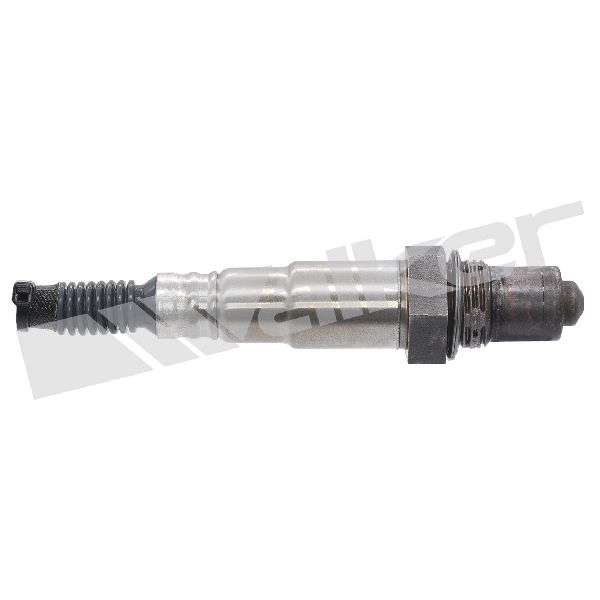
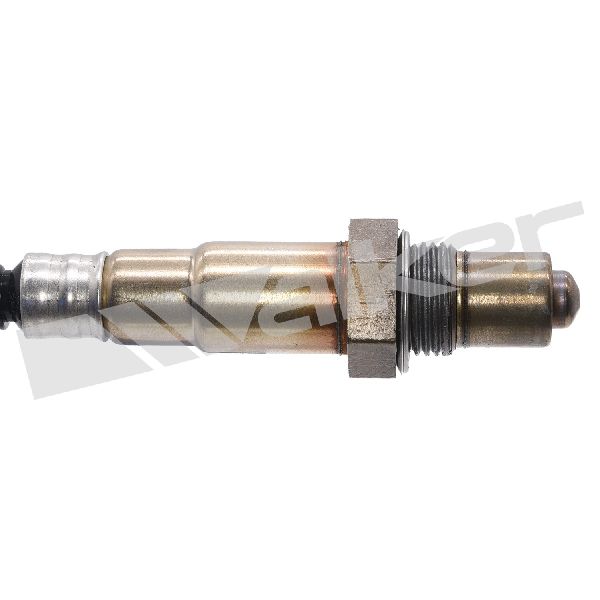
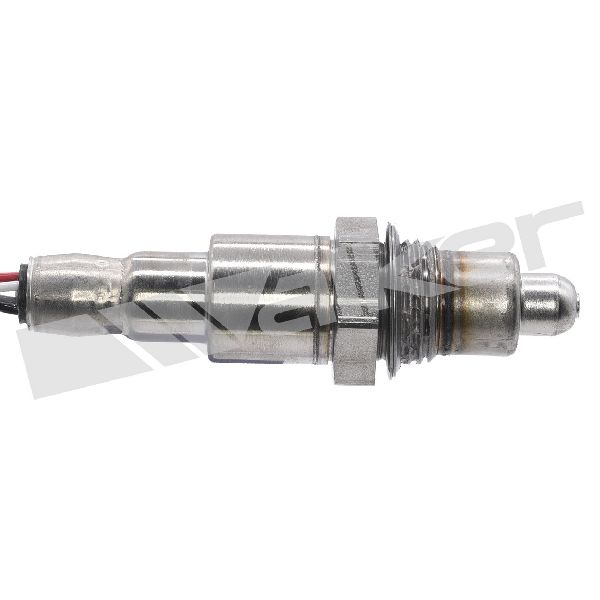
Typical fix: Replace the faulty downstream (post-catalyst) oxygen sensor on Bank 2. The Motorcraft part number is often FR3Z-9G472-B.
Est. part cost: $50-$150
Rare But Worth Checking
- Engine Misfires or Fuel System Problems: If you have other codes present, such as for misfires (P0300-P0308) or fuel trim (P0171, P0174), these must be addressed first. An un-repaired misfire or a leaking fuel injector can send unburnt fuel into the exhaust, which will quickly overheat and destroy a new catalytic converter.
Diagnosis Steps

- Scan for Codes: Use an OBD-II scanner to confirm P0430 is present. Check for any other codes (misfire, fuel trim, O2 sensor codes). If other codes exist, diagnose them first as they can be the root cause.
- Check for TSB 19-2201: Verify if your vehicle is a 2018-2019 Mustang 5.0L with an automatic transmission built on or before April 23, 2019. If it matches and P0430 is the only code, the catalytic converter is the most likely cause. Contact a Ford dealer with your VIN to check for emissions warranty coverage (8 years/80,000 miles).
- Inspect for Exhaust Leaks: Visually and audibly inspect the exhaust manifold and all connections for leaks, especially between the two O2 sensors. Look for black soot marks. A professional smoke test is the most reliable method.
- Analyze O2 Sensor Data: Using an advanced scan tool, graph the voltage of the Bank 2 upstream (B2S1) and downstream (B2S2) O2 sensors. The B2S2 voltage should be relatively stable and high (e.g., >0.6V). If it's fluctuating rapidly and mimicking the B2S1 sensor's wave pattern, this confirms the converter is not storing oxygen and has failed.
- Test the O2 Sensor: As a final check, you can swap the downstream O2 sensors between Bank 1 and Bank 2. Clear the codes and drive the vehicle. If the trouble code changes to P0420, the sensor you moved is faulty. If the P0430 code returns, the sensor is likely good and the converter is bad.
Parts You'll Likely Need

- Bank 2 Catalytic Converter Assembly
(OEM #Refer to Ford Parts Catalog for VIN-specific part. The TSB causal part is listed as 5G232, which is the Left Exhaust Manifold and Catalyst Assembly. Note: Owners have reported national backorders for this part at times.)— This is the most common failure for this code on this vehicle, as documented by Ford's TSB 19-2201.
Trusted brands: Motorcraft (OEM), Walker Exhaust, MagnaFlow
OEM price range: $800-$1800
Aftermarket price range: $600-$1200 - Downstream Oxygen Sensor (Bank 2)
(OEM #FR3Z-9G472-B (Motorcraft DY1333))— A less common but possible cause. It's often replaced as a 'while you're in there' item during a converter replacement, but should be tested first to avoid unnecessary expense.
Trusted brands: Motorcraft, Bosch, Denso, NTK
OEM price range: $80-$150
Aftermarket price range: $50-$100 - Exhaust Manifold Gasket, Left
(OEM #GR3Z-9448-D)— Required if replacing the Bank 2 (left side) catalytic converter assembly, as it includes the exhaust manifold. TSB 19-2201 lists this as a required part for the repair.
Trusted brands: Motorcraft (OEM), Fel-Pro
OEM price range: $20-$40
Aftermarket price range: $15-$30
Related Codes That Often Appear With This One
- P0420 — This is the identical code for Bank 1 (passenger side). TSB 19-2201 explicitly mentions that P0420 and P0430 can appear together, indicating that both catalytic converters may be failing. The TSB provides a labor operation to replace both converters simultaneously.
Technical Service Bulletins (TSBs) & Recalls

- TSB 19-2201: 'Illuminated MIL With DTC P0420 And/Or P0430' - The primary document for this issue, affecting 2018-2019 5.0L Mustangs with automatic transmissions built on or before 23-Apr-2019. It confirms the cause may be PCM operation and the fix is a new converter and PCM reprogram.
Platform-Specific Known Issues
- TSB 19-2201 confirms a known issue with premature catalytic converter failure on 2018-2019 5.0L models with automatic transmissions built on or before April 23, 2019. The official fix requires both converter replacement and a PCM software update.
- A user on the Mustang6G forums with a 2019 Roush Stage 3 (which is based on the Mustang GT) confirmed they experienced both P0420 and P0430 codes and had both catalytic converters replaced under warranty, consistent with the TSB.
Mechanic-Grade Diagnostic Values
- Downstream O2 Sensor (B2S2) Voltage - Healthy Catalyst — expected: Relatively steady voltage, typically between 0.5V and 0.7V, at a constant speed.. Failure: Voltage fluctuates rapidly between ~0.1V and ~0.9V, mimicking the upstream sensor's pattern.
- Upstream O2 Sensor (B2S1) Voltage — expected: Rapidly fluctuating voltage between approximately 0.1V (lean) and 0.9V (rich) as the PCM adjusts fuel trim.. Failure: A flat or slow-to-respond sensor may indicate a sensor fault, not necessarily a catalyst fault.
- Long Term Fuel Trim (LTFT) at Idle — expected: Ideally close to 0%, but values between -10% and +10% are generally acceptable on a stock vehicle.. Failure: Consistently high positive values (>10%) could indicate a vacuum or exhaust leak, while high negative values (<-10%) could suggest a leaking injector, either of which can affect the catalyst monitor.
- Mode $06 Catalyst Efficiency Monitor (Bank 2) — expected: Test ID $82, Component ID $22. The test value should be below the maximum threshold set by the manufacturer.. Failure: If the reported test value exceeds the maximum limit, the PCM will flag the monitor as failed and set the P0430 code.
Scan Tool Commands That Help
- Ford IDS (Integrated Diagnostic System): Powertrain > Engine > Self-Test > Retrieve CMDTCs — This is the standard function to pull all continuous memory diagnostic trouble codes from the PCM, confirming P0430 and checking for any related faults.
- Ford IDS (Integrated Diagnostic System): Datalogger > Select PIDs for B2S1 and B2S2 voltage — Used to graph the upstream and downstream oxygen sensor voltages in real-time to visually confirm if the catalytic converter is storing oxygen. A flat downstream sensor trace indicates good function, while a trace that mirrors the upstream sensor indicates failure.
- Ford IDS (Integrated Diagnostic System): Module Programming > Programmable Module Installation > PCM — This function is required after replacing the catalytic converter per TSB 19-2201 to update the PCM with the latest calibration designed to prevent repeat failures.
Wiring & Ground Locations
- Engine-to-Chassis Ground Strap (Driver's Side) — Typically runs from the engine block or a motor mount stud to the vehicle's frame/chassis on the driver's side.. A poor engine ground can introduce electrical noise and voltage offsets, potentially affecting the accuracy of sensor readings, including the O2 sensors that rely on a stable ground reference.
- G104 (Near Battery) — Located in the engine bay, near the battery. On some S550 models, this is a primary grounding point.. This ground serves multiple components, and corrosion or looseness here can cause widespread electrical issues. It provides a ground for the Data Link Connector (DLC).
- PCM Ground — The PCM is located in the passenger side kick panel area. Its ground connection (G201 on some models) is nearby, secured to the chassis.. The PCM is the decision-maker. A faulty ground for the PCM itself can corrupt its interpretation of all sensor data, leading to false codes.
- O2 Sensor Heater Fuse — In the under-hood fuse box, fuse F40 (20A) has been identified as powering the O2 sensor heaters for this generation Mustang.. While a blown fuse would typically set a specific heater circuit code (e.g., P0155), checking it is a quick and easy step to rule out power supply issues to the O2 sensors.
Real Owner Repair Stories
- CorvetteForum user (Corvette with aftermarket longtube headers and high-flow cats) — Check Engine Light with P0430 appeared about a month and 400 miles after installing the headers.
❌ Tried (didn't work) Checking for loose bolts and ensuring O2 sensors were tight.
✅ What actually fixed it The consensus from other users was that high-flow catalytic converters common with aftermarket headers are less efficient than OEM and often trigger catalyst codes. The two common solutions were to either get the vehicle professionally tuned to disable the rear O2 sensor monitoring or to install an O2 sensor spacer (non-fouler) to pull the downstream sensor out of the direct exhaust stream, tricking it into seeing a larger oxygen differential.
OEM Part Supersession History
JR3Z-5E212-B→JR3Z-5E212-A— Part number update by Ford. This often happens to reflect a design revision, change in supplier, or consolidation of parts.
Heads up: JR3Z-5E212-A is the replacement for -B, so they are interchangeable for service, but you should always install the latest revision.
Model Year Variations Within This Range
- 2018-2019 (built on or before April 23, 2019): Vehicles within this build range with the 5.0L V8 and 10R80 automatic transmission are subject to TSB 19-2201. The TSB indicates a PCM operational strategy can cause premature catalyst failure. Vehicles built after this date likely have the updated PCM calibration from the factory.
- 2018+: The O2 sensor connectors for the 2018+ Mustang are a different, flat style compared to the round style used on 2015-2017 models. This is critical when installing aftermarket headers, as O2 sensor extension harnesses from earlier S550 models will not fit.
Diagnostic Flowchart
Other Known Issues on This Vehicle
Issues unrelated to this code that are worth knowing about as an owner of this generation:
- Coyote Engine Tick ('BBQ Tick' / 'Typewriter Tick') 🟡 Low — Very common across 2018+ 5.0L engines. Often appears after the first oil change or when the engine is warm at idle. Ford has a TSB stating the noise is a normal operating characteristic and no repairs should be attempted. (Ref: TSB 19-2144 (describes noise as normal))
- 10R80 Automatic Transmission Harsh Shifting / Faults 🟠 Medium — Common complaint on early 2018 models. Owners report harsh/jerky shifting, delayed engagement, and lunging. Problems are often related to the valve body or software. Multiple lawsuits have been filed regarding these issues. (Ref: Various software updates and TSBs exist. No single recall covers all issues.)
- Active Exhaust Rattle / Mode Failure 🟡 Low — Fairly common on models equipped with the optional Active Valve Performance Exhaust. Owners report a metallic rattle from the rear or an 'Exhaust Mode Selection Not Available' error. The cause can be a weak actuator spring, a loose valve, or a frayed wiring harness on the passenger side.
- Piston Slap on Cold Start 🟠 Medium — Some 2018+ engines exhibit a deeper knocking sound on cold starts, attributed to piston slap from the new plasma arc cylinder liners. This is considered more severe than the 'BBQ tick'. Diagnosis often requires a borescope inspection, and severe cases may require a short block replacement.
- MT-82 Manual Transmission Shift Fork Failure 🔴 High — A known issue on 2018-2019 manual transmission cars where the 1-2 shift fork can break, resulting in an inability to use first or second gear. (Ref: TSB 19-2285)
Used vs. New Parts: Buying Guide for This Vehicle
When a used part is the smart pick: For this specific P0430 issue, buying a used OEM catalytic converter is generally NOT recommended. The failure is linked to a factory defect addressed by a TSB, meaning a used part from a similar 2018-2019 vehicle is highly likely to have the same defect or a very limited remaining lifespan. A used O2 sensor could be a cost-effective diagnostic tool (to swap and see if the code follows the sensor) but is not recommended for a permanent repair.
Donor-vehicle mileage cap: roughly under 20000 miles for the part to have meaningful remaining life.
What to inspect on the donor part:
- For a catalytic converter, verify it came from a vehicle built AFTER the TSB cutoff date of April 23, 2019.
- Visually inspect the converter's honeycomb structure from both ends; it should be intact with no signs of melting, clogging, or broken pieces.
- Check for any rattling sounds when shaken, which indicates a broken internal substrate.
- Ensure the O2 sensor bungs and flange surfaces are not damaged or excessively corroded.
OEM-only on this vehicle (don't cheap out):
- Catalytic Converter: Due to the TSB and the specific PCM calibration, an OEM (Motorcraft) converter is the only guaranteed way to resolve the issue without potential for immediate or future codes. Many aftermarket converters, especially non-CARB compliant ones, may not meet the efficiency thresholds required by the Mustang's sensitive ECU.
Aftermarket brands forum-validated for this vehicle:
- O2 Sensors: Denso, NTK, and Bosch are reputable OEM suppliers and are considered reliable replacements for the stock Motorcraft sensors.
Brands owners have reported issues with on this vehicle:
- Unbranded/generic catalytic converters from online marketplaces are frequently cited as failing to resolve P0420/P0430 codes on modern vehicles.
Real Owner Stories
Aggregated from forums and TSBs cited above. Mileages and costs reflect what owners reported in those sources.
2018 Ford Mustang GT 5.0L — 8300 miles
Symptoms: Check engine light with code P0430.
What fixed it: Replacement of the catalytic converter under warranty.
Source hint: Mustang6G.com - Thread 'Catalytic converter replaced at ~8300 miles'
2019 Ford Mustang Roush Stage 3 5.0L — ~12000 miles
Symptoms: Experienced both P0420 and P0430 codes.
What fixed it: Dealer performed the TSB repair (replaced both catalytic converters) under warranty.
Source hint: Mustang6G.com - Thread 'Question for guys who actually have the the Roush Kit'
2018-2019 Ford Mustang 5.0L — 80200 miles
Symptoms: P0430 code appeared just 200 miles after the emissions warranty expired; part was on national backorder.
What fixed it: Not specified, but highlighted the 80,000-mile warranty threshold and parts availability issues.
Source hint: Reddit r/Mustang - 'Catalytic Converter Warranty question'
Related OBD-II Codes
Frequently Asked Questions
Does TSB 19-2201 apply to my 2018 Mustang GT with a manual transmission?
Is the P0430 repair covered under warranty for my 2019 Mustang?
Why does the TSB require a PCM reprogram along with the new converter?
Can I just replace the O2 sensors to fix a P0430 code on my Coyote 5.0L?
What is the specific Ford part number for the exhaust manifold gasket if I have a leak?
How long does the TSB 19-2201 repair typically take at the dealership?
Helpful Videos
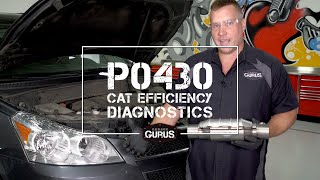
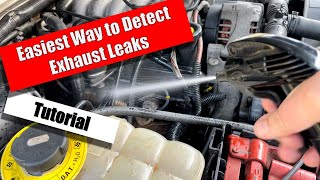
![How to Fix FORD P0430 Engine Code in 3 Minutes [3 DIY Methods / Only $4.97]](https://img.youtube.com/vi/iyJ5M8mryuk/mqdefault.jpg)
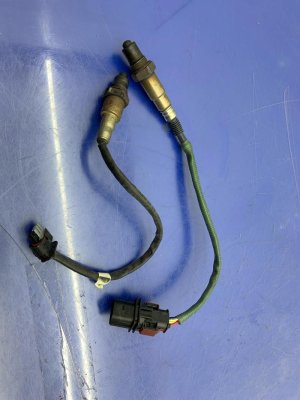
Used OEM Parts in Stock
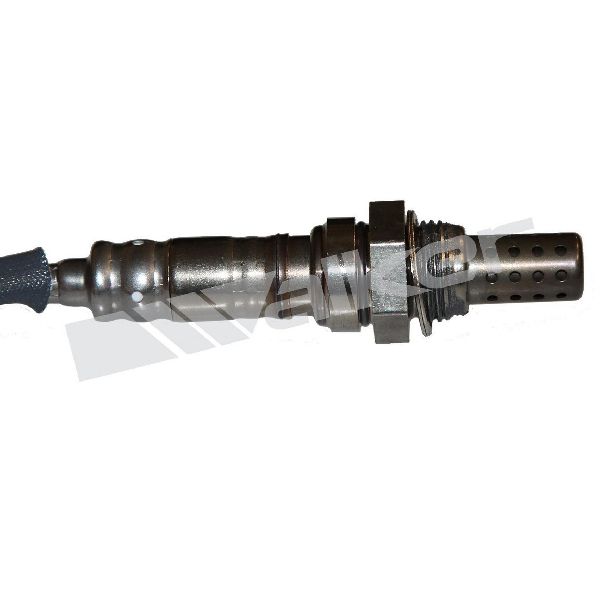
New Aftermarket Parts Available

The information in this article is provided for general reference and educational purposes only. Vehicle specifications, procedures, and part compatibility can vary by production date, trim level, and region. Always consult your vehicle's factory service manual and verify part numbers before purchasing or performing repairs. Safety-critical components such as airbags, seat belts, and braking systems should be installed by a qualified professional.
- Ford Mustang:
- 🎬 Helpful Videos
- 🛍️ Shop This Part
- What's Unique About the 2018-2019 Ford Mustang
- Symptoms You May Notice
- Most Likely Causes
- Rare But Worth Checking
- Diagnosis Steps
- Parts You'll Likely Need
- Related Codes That Often Appear With This One
- Technical Service Bulletins (TSBs) & Recalls
- Platform-Specific Known Issues
- Mechanic-Grade Diagnostic Values
- Scan Tool Commands That Help
- Wiring & Ground Locations
- Real Owner Repair Stories
- OEM Part Supersession History
- Model Year Variations Within This Range
- Diagnostic Flowchart
- Other Known Issues on This Vehicle
- Used vs. New Parts: Buying Guide for This Vehicle
- Real Owner Stories
- 2018 Ford Mustang GT 5.0L — 8300 miles
- 2019 Ford Mustang Roush Stage 3 5.0L — ~12000 miles
- 2018-2019 Ford Mustang 5.0L — 80200 miles
- Related OBD-II Codes
- Frequently Asked Questions
- 🎟️ Get 5% Off