

P0430 on 2004-2011 Chevrolet Suburban: Catalyst Efficiency Causes and Fixes
On a 2004-2011 Suburban, P0430 almost always means the Bank 2 (passenger side) catalytic converter has failed. Before replacing it, meticulously check for exhaust manifold leaks, as a broken rear bolt is a very common and cheaper issue. On 2007-2011 models, this code is frequently a direct consequence of excessive oil consumption caused by the AFM system, which must be addressed to prevent repeat failure.
- P0430 on a 2004-2011 Suburban points to a problem with the passenger-side catalytic converter.
- Before spending money on a new converter, thoroughly inspect the passenger-side exhaust manifold for broken bolts, as this is a common and much cheaper fix.
- Do not automatically replace the oxygen sensors; they are usually reporting the problem correctly, not causing it.
- If you have a 2007-2011 model, check for excessive oil consumption, as this is a known issue that will destroy a new catalytic converter if not addressed.
- When replacing the converter, invest in an OEM or high-quality aftermarket part to avoid having the code return in a few months.
What's Unique About the 2004-2011 Chevrolet SUBURBAN
This year range spans two Suburban generations. The later 2007-2011 models (GMT900 platform) with the 5.3L V8 are known for excessive oil consumption issues, often related to the PCV system and Active Fuel Management (AFM). This oil burning can contaminate and prematurely destroy the catalytic converters, making P0430 a common consequence of an underlying engine issue. GM issued Technical Service Bulletin 10-06-01-008I to address this, which involves solutions ranging from an updated valve cover to piston ring replacement in severe cases. The earlier 2004-2006 models (GMT800) are less prone to this specific oil consumption problem but can still suffer from age-related converter failure and broken exhaust manifold bolts.
Diagnostic Flowchart
Tap your situation to follow the diagnostic path that matches what you're seeing on this vehicle.
Generation note: The 2004-2011 range covers the end of the 9th generation (2004-2006, GMT800) and the start of the 10th generation (2007-2011, GMT900). The 10th-gen models are particularly susceptible to oil consumption problems (per TSB 10-06-01-008I) that can lead to this code.
Symptoms You May Notice
- Check Engine Light is on
- Failed emissions test
- Reduced engine power or sluggish acceleration (if converter is clogged)
- Rotten egg or sulfur smell from the exhaust (less common)
- Rattling noise from under the vehicle (if converter substrate is broken)
- Ticking or puffing noise from the passenger side of the engine bay, especially on a cold start, indicating an exhaust manifold leak.
- Replacing the oxygen sensors without proper diagnosis. Many owners replace the O2 sensors hoping for a cheap fix, only for the P0430 code to return because the catalytic converter was the actual problem. An owner complaint to the NHTSA (ODI #10643439) describes this exact scenario, where replacing O2 sensors only provided a temporary fix.
Most Likely Causes
- Failing Catalytic Converter (Bank 2) 🔴 High Probability On high-mileage vehicles, converters simply wear out. On 2007-2011 models, excessive oil consumption linked to the AFM system (addressed in TSB 10-06-01-008I) is a primary cause of premature failure. Unburned oil poisons the catalyst materials, rendering them ineffective.
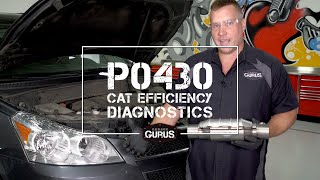
How to confirm: Use a scan tool to view live O2 sensor data; if the downstream sensor (Bank 2, Sensor 2) voltage graph mimics the upstream sensor (Bank 2, Sensor 1), the cat has failed. Alternatively, use an infrared thermometer to measure the converter's inlet and outlet pipes; the outlet should be at least 100°F hotter than the inlet.
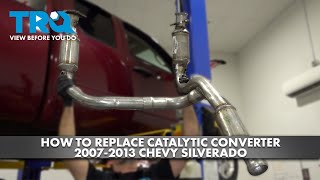
Typical fix: Replace the Bank 2 catalytic converter assembly (often part of a Y-pipe). 🎬 See this step-by-step walkthrough for replacing the catalytic converter assembly. It is highly recommended to use OEM or high-quality, CARB-compliant aftermarket converters, as cheap units often fail quickly and trigger the code again. If oil consumption is present, the root cause must be fixed per TSB 10-06-01-008I or the new converter will also fail.
Est. part cost: $400-$1000 - Exhaust Leak 🟡 Medium Probability The rear-most exhaust manifold bolts on GM V8s are notorious for breaking off, creating a leak between the cylinder head and the manifold. This leak allows oxygen into the exhaust stream, which fools the O2 sensors into providing false data that triggers the P0430 code.
How to confirm: Visually inspect the exhaust manifold on the passenger side for missing or broken bolt heads, especially the one closest to the firewall. Listen for a 'ticking' or 'puffing' sound from the engine bay, especially on a cold start. You may also see black soot trails around the leak on the cylinder head or manifold flange.
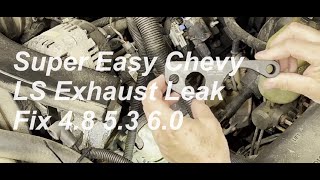
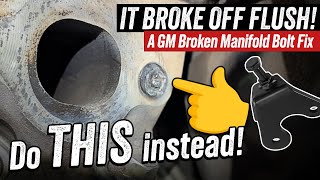
Typical fix: Replace the broken exhaust manifold bolt(s) and the manifold gasket. If the bolt is broken flush, welding a nut onto the stud is a common extraction method. In some cases, aftermarket repair brackets can be installed to clamp the manifold down without removing the broken bolt. 🎬 Watch: An easy way to fix broken exhaust manifold bolts.
Est. part cost: $20-$80 - Failing Downstream Oxygen Sensor (Bank 2, Sensor 2) ⚪ Low Probability
How to confirm: This is rarely the sole cause. Forum users consistently report that P0430 without other O2 sensor codes (like heater circuit faults) is almost never a bad sensor. The sensors are usually doing their job correctly by reporting the converter's inefficiency. However, if cat and leak checks pass, the sensor can be tested with a multimeter or by swapping it with the Bank 1 downstream sensor to see if the code follows.
Typical fix: Replace the Bank 2, downstream (post-catalyst) oxygen sensor. This is often done as preventative maintenance when replacing the converter.
Est. part cost: $50-$120
Rare But Worth Checking
- Engine Misfires or Fuel Mixture Issues: An engine that is misfiring or running consistently rich will dump unburned fuel into the exhaust, which can rapidly overheat and destroy a catalytic converter. If you have other codes like P0300-P0308 (misfires) or P0172/P0175 (rich condition), you must fix that root cause first, or the new converter will fail again.
Diagnosis Steps
- Check for other DTCs. Address any misfire (P0300-P0308), fuel system (P0172/P0175), or O2 sensor heater circuit codes before diagnosing P0430.
- Inspect the Bank 2 (passenger side) exhaust system for leaks. Pay very close attention to the exhaust manifold for broken bolts (especially the rear-most one) and the flanges for bad gaskets or soot trails.
- For 2007-2011 models, check engine oil levels and investigate for oil consumption. If consumption exceeds 1 quart per 2,000 miles, investigate the PCV system and AFM issues as the root cause of the converter failure, referencing TSB 10-06-01-008I.
- If no leaks or oil issues are found, use a scan tool to observe the live data for the Bank 2 upstream (Sensor 1) and downstream (Sensor 2) O2 sensors. With the engine at operating temperature and held around 2000 RPM, the upstream sensor should fluctuate rapidly, while the downstream sensor should hold a steady voltage. If the downstream sensor mirrors the upstream, the converter is bad.
- (Alternative to Step 4) Use an infrared temperature gun to measure the inlet and outlet of the Bank 2 catalytic converter. A working converter should be at least 100°F hotter at the outlet. If temperatures are similar or the inlet is hotter, the converter has failed or is clogged.
- If the converter tests good but the code persists, test the Bank 2 downstream O2 sensor and its wiring for failure, though this is an unlikely cause.
Parts You'll Likely Need
- Catalytic Converter (Bank 2) — This is the most common failure item for a P0430 code on a high-mileage Suburban.
Trusted brands: ACDelco, Walker Exhaust, MagnaFlow
OEM price range: $700-$1200
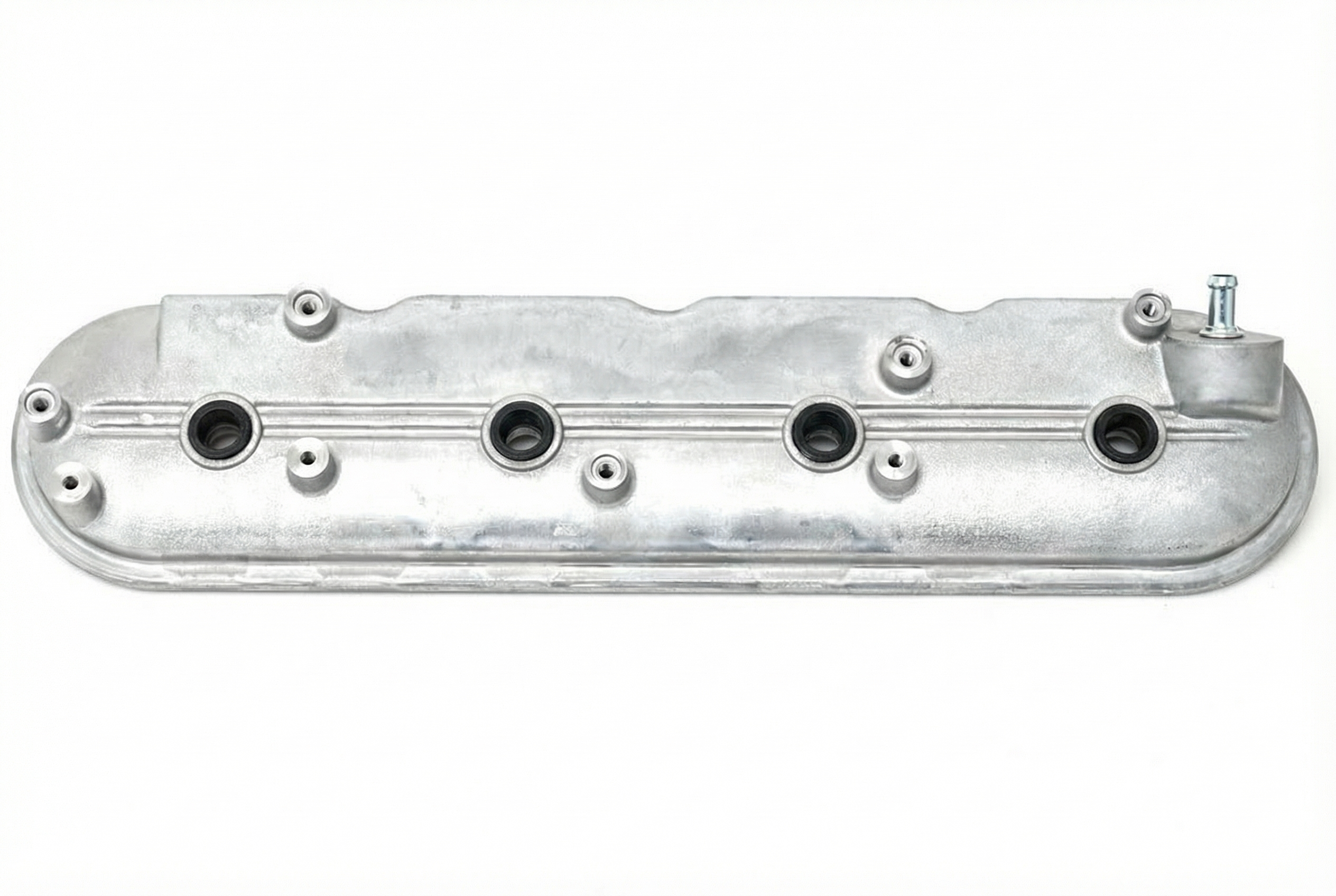
Aftermarket price range: $350-$700 - Updated Left (Driver's Side) Valve Cover
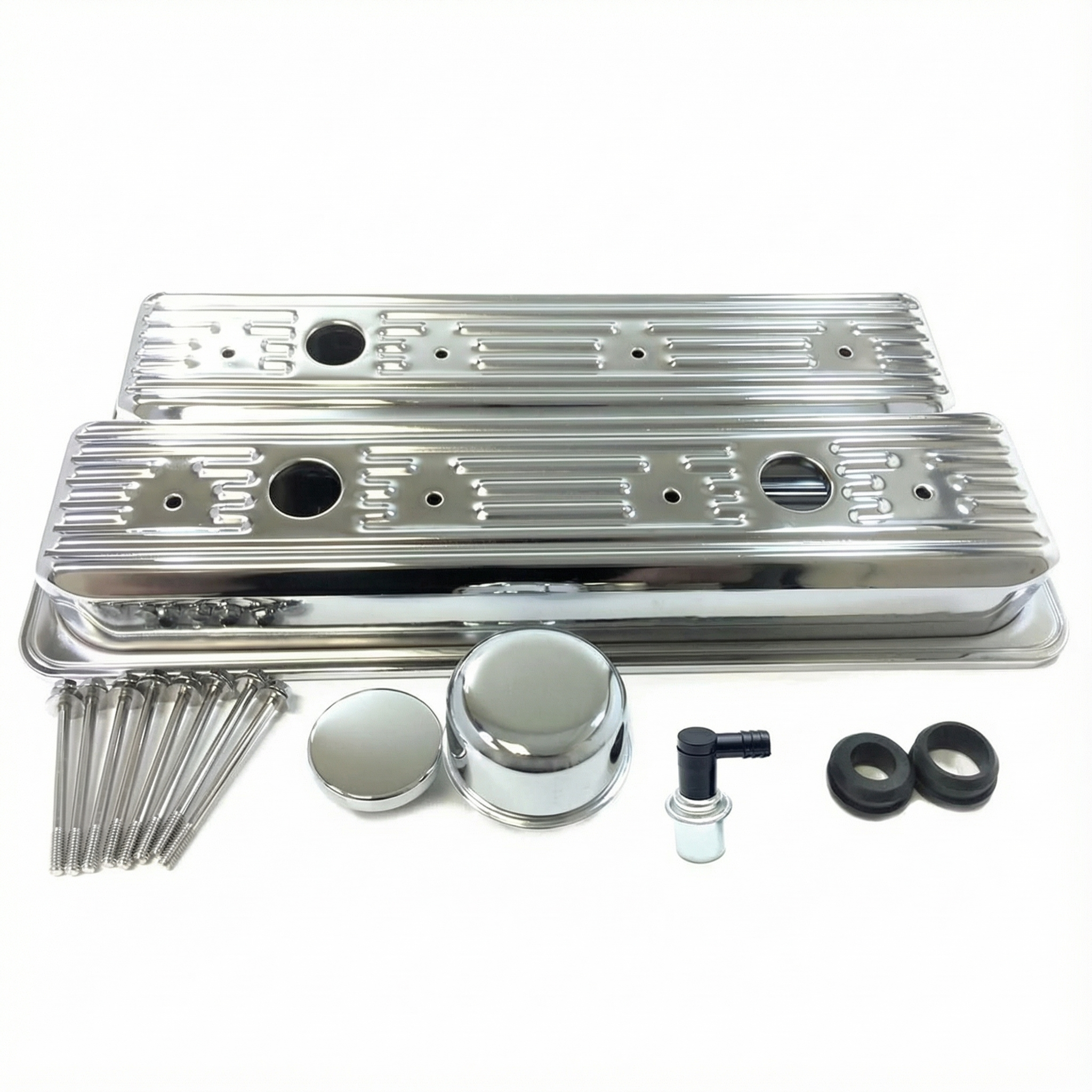
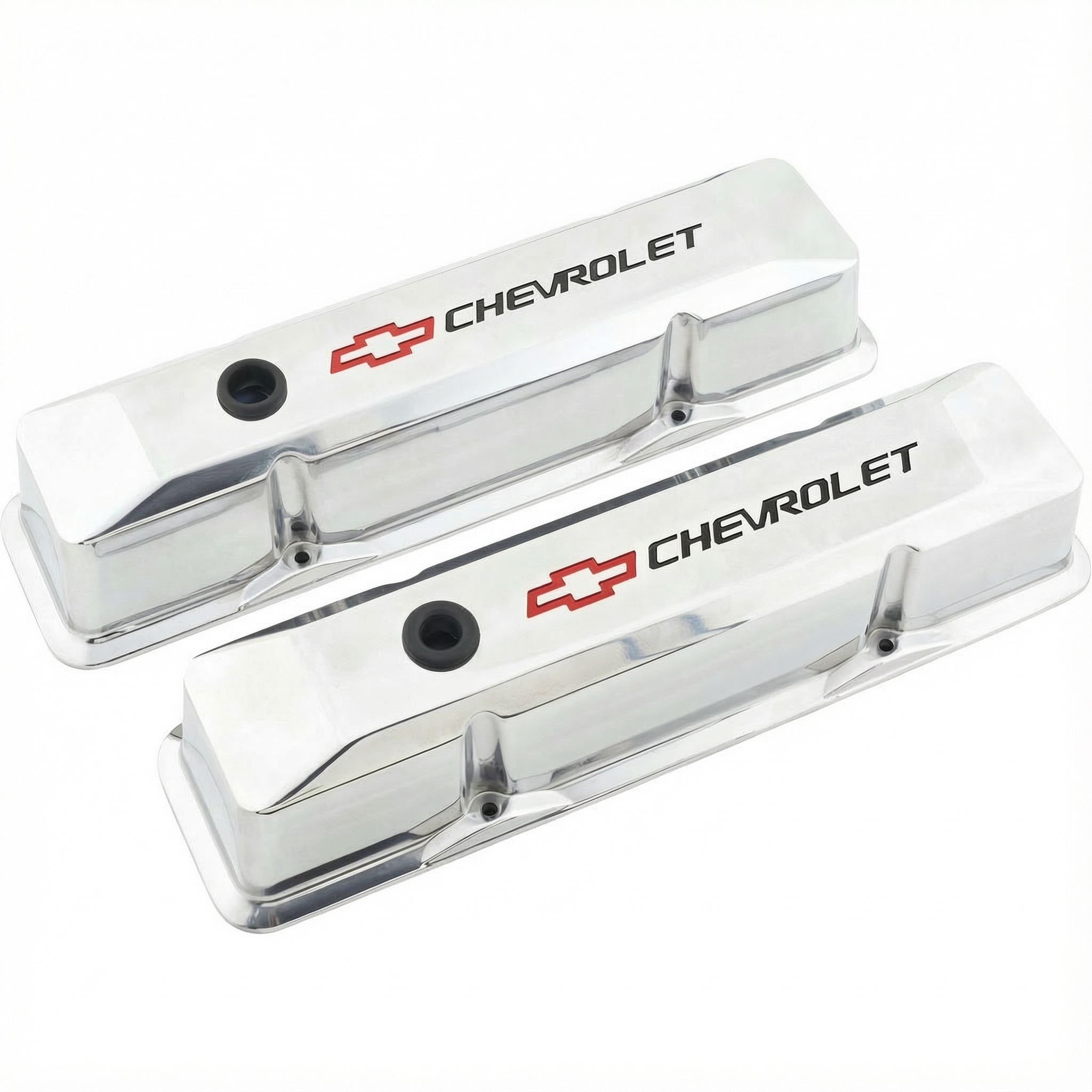
(OEM #12570427 (original TSB part, may be superseded))— For 2007-2011 models with oil consumption, this updated valve cover with a revised PCV baffle is the first step in the fix outlined by GM TSB 10-06-01-008I to reduce oil being pulled into the intake.
Trusted brands: ACDelco (GM Genuine)
OEM price range: $80-$150
Aftermarket price range: $50-$100 - Exhaust Manifold Gasket and Bolt Kit — Needed to fix a common exhaust leak at the manifold, which can falsely trigger a P0430 code.
Trusted brands: ACDelco, Fel-Pro
OEM price range: $40-$70
Aftermarket price range: $20-$40 - Downstream Oxygen Sensor (Bank 2, Sensor 2)
(OEM #ACDelco 19207229 (example, verify by VIN))— This is the most common misdiagnosis, but can be the cause if the sensor itself fails. It's often replaced with the converter as good practice.
Trusted brands: ACDelco, Denso, Bosch
OEM price range: $80-$150
Aftermarket price range: $50-$100
Related Codes That Often Appear With This One
- P0420 — This is the identical code but for Bank 1 (driver's side). It's common for both converters to fail around the same time due to age or underlying issues like oil consumption, causing both codes to appear together.
Technical Service Bulletins (TSBs) & Recalls
- 10-06-01-008I: The most critical TSB for this issue on 2007-2011 models. It addresses excessive engine oil consumption related to the Active Fuel Management (AFM) system, which leads to fouled plugs and destroyed catalytic converters. Fixes range from an updated valve cover to piston/ring replacement.
- PIP3119P: Notes that the diagnostic for P0420/P0430 may be disabled for the first hour of operation on some vehicles to prevent false codes at low mileage.
Platform-Specific Known Issues
- AFM Oil Consumption (2007-2011 5.3L V8): Excessive oil consumption is a well-documented problem that destroys catalytic converters. GM TSB 10-06-01-008I details the cause and repair. It often stems from a poorly designed driver-side valve cover/PCV system and oil spray from the AFM pressure relief valve coking up piston rings. The first step is often replacing the valve cover with an updated design and cleaning the pistons. In severe cases, new pistons and rings are required.
- Broken Exhaust Manifold Bolts: The rearmost exhaust manifold bolts on the 5.3L and 6.0L V8 engines are prone to breaking, causing an exhaust leak right before the upstream O2 sensor. This introduces extra oxygen into the exhaust stream, which makes the PCM believe the engine is running lean. The PCM then commands a richer fuel mixture, which can eventually damage the catalytic converter and trigger a P0430 code. A tell-tale sign is a ticking noise from the engine bay, especially when cold.
Mechanic-Grade Diagnostic Values
- Downstream O2 Sensor (Bank 2, Sensor 2) Voltage — expected: A steady reading between 625-750 mV (0.625-0.750V) when the engine is at operating temperature and holding a steady RPM.. Failure: If the voltage is fluctuating rapidly, mimicking the upstream O2 sensor's pattern, it indicates the catalyst is not storing oxygen and has failed.
- Upstream O2 Sensor (Bank 2, Sensor 1) Voltage — expected: Rapidly fluctuating or cycling between a low value (less than 100-200 mV) and a high value (greater than 800 mV).. Failure: A lazy or non-responsive sensor will not show rapid switching, which would typically set its own sensor-specific code but is important context for P0430.
- Long Term Fuel Trim (Bank 2) — expected: Ideally close to 0%, but a combined short and long term trim of +/- 10% is generally acceptable.. Failure: High positive fuel trims can indicate a pre-catalyst exhaust leak (false lean condition), while high negative trims can indicate a rich running condition that could damage the converter.
Hidden / Shadow Codes Worth Checking
- Mode $06, TID $05, CID $0A: This specific test ID monitors the Catalyst Test for Bank 2 on many GM vehicles using the GMLAN protocol. It measures catalyst efficiency using Oxygen Sensor Cross (OSC) normalized ratio units. (see via A professional scan tool capable of displaying Mode $06 data. The raw value needs to be compared against the manufacturer's specified min/max thresholds to see if the test is passing or failing, even before a DTC is set.)
Scan Tool Commands That Help
- Tech2 / GDS2: Catalyst Monitor Test Conditions Met — After a repair, a technician can use the scan tool to monitor this parameter. Driving the vehicle under the specific conditions required by the ECM will change this parameter to 'Yes', confirming the catalyst efficiency diagnostic has been run. This verifies if the fix was successful without waiting for the check engine light to potentially return.
Wiring & Ground Locations
- G102 — Located at the left rear of the engine.. This ground is for the 8 ignition coils. A poor ground here can cause weak spark or misfires, leading to unburned fuel entering the exhaust and damaging the catalytic converter.
- G103 — Located on the cowl at the left rear of the engine compartment, often above the brake booster.. This is a critical ground point for the Engine Control Module (ECM) and Body Control Module (BCM). A poor connection at G103 can cause a wide range of erratic sensor readings and codes, including misdiagnosed P0430 issues.
- Underhood Fuse Block — On the driver's side of the engine bay.. Contains fuses for the oxygen sensor heaters (e.g., Fuse #8 and #18 on some models). A blown fuse will set a heater circuit code but can also affect the sensor's ability to provide accurate readings for the catalyst monitor test.
Real Owner Repair Stories
- YouTube user comment/video (2007 Chevrolet Tahoe (new body style)) — P0430 code, known oil consumption issue.
❌ Tried (didn't work) The owner believed the catalytic converter was genuinely bad due to the oil burning.
✅ What actually fixed it As a temporary measure to pass an inspection, the owner poured one gallon of lacquer thinner into a nearly half-full gas tank and drove for 2-3 hours. This cleared the code long enough for all readiness monitors to set to 'Ready', allowing the vehicle to pass the emissions test. This is not a permanent fix but highlights a real-world method used to temporarily restore enough catalyst function to clear the code. - Tahoe Yukon Forum (2002 Tahoe 5.3L with 189k miles) — P0430 code, vehicle runs great.
❌ Tried (didn't work) Replaced the downstream Bank 2 O2 sensor. The code returned after a couple of days.
✅ What actually fixed it Forum experts advised that P0430 is almost never the sensor if there are no other sensor-specific codes. The actual cause was confirmed to be a failing catalytic converter that was no longer efficient, even though it was not clogged and did not affect performance. The fix is to replace the catalytic converter.
OEM Part Supersession History
12561820, 12559894→12570427— This is the updated driver's side valve cover with a revised PCV baffle designed to reduce oil consumption on 2007-2011 5.3L engines with AFM.
Heads up: This is a required update for vehicles suffering from the oil consumption TSB. Using an old-style cover will not solve the root cause of catalyst contamination.
Model Year Variations Within This Range
- 2007-2011 (GMT900): This generation introduced several 5.3L V8 versions with Active Fuel Management (AFM), such as the iron-block LY5/LMG and the aluminum-block LC9. These are the engines primarily affected by the oil consumption issues (piston rings, PCV valve cover) that lead to premature P0430 failures.
- 2010-2011: The LC9 5.3L engine gained Variable Valve Timing (VVT) in addition to AFM. These engines have pistons with valve reliefs and a slightly lower compression ratio (9.6:1 vs 9.9:1) compared to the 2007-2009 versions. While the root cause of P0430 is often the same (oil consumption), the specific internal parts may differ.
- 2004-2006 (GMT800): These models typically used the Gen III iron-block LM7 or flex-fuel L59 5.3L engines. These engines do not have AFM and are not prone to the same type of widespread oil consumption issues as the later generation. P0430 on these vehicles is more likely due to normal high-mileage catalyst failure or exhaust manifold leaks.
Helpful Videos
Used OEM Parts in Stock
New Aftermarket Parts Available



The information in this article is provided for general reference and educational purposes only. Vehicle specifications, procedures, and part compatibility can vary by production date, trim level, and region. Always consult your vehicle's factory service manual and verify part numbers before purchasing or performing repairs. Safety-critical components such as airbags, seat belts, and braking systems should be installed by a qualified professional.
- Chevrolet SUBURBAN:
- 🎬 Helpful Videos
- 🛍️ Shop This Part
- What's Unique About the 2004-2011 Chevrolet SUBURBAN
- Diagnostic Flowchart
- Symptoms You May Notice
- Most Likely Causes
- Rare But Worth Checking
- Diagnosis Steps
- Parts You'll Likely Need
- Related Codes That Often Appear With This One
- Technical Service Bulletins (TSBs) & Recalls
- Platform-Specific Known Issues
- Mechanic-Grade Diagnostic Values
- Hidden / Shadow Codes Worth Checking
- Scan Tool Commands That Help
- Wiring & Ground Locations
- Real Owner Repair Stories
- OEM Part Supersession History
- Model Year Variations Within This Range
- 🎟️ Get 5% Off