

P0430 on 2014-2019 Chevrolet Corvette: Catalyst Efficiency Causes and Fixes
On a C7 Corvette, code P0430 often points to a failing passenger-side catalytic converter. However, before replacing this expensive part, inspect the engine air filter box seal, as a known issue covered by TSB #16-NA-111 can cause this code. Also, check for exhaust leaks and faulty oxygen sensors. The catalytic converter may be covered under the 8-year/80,000-mile federal emissions warranty.
- Before any other diagnosis on a 2014-2019 Corvette, inspect the engine air filter and airbox for a proper seal, as per TSB #16NA111.
- Do not automatically assume the catalytic converter is bad. Test or swap the downstream O2 sensors and check for exhaust leaks first to avoid a costly misdiagnosis.
- P0430 refers to Bank 2, which is the passenger side of the engine.
- If you have any engine misfire codes (P030x), you must resolve them before replacing the catalytic converter, or the new one will quickly fail.
What's Unique About the 2014-2019 Chevrolet CORVETTE
For the C7 Corvette, a unique and documented cause for P0430 (and its Bank 1 counterpart, P0420) is an improperly sealed engine air filter box. GM issued Technical Service Bulletin (TSB) #16-NA-111 🎬 Watch: How this TSB causes P0430 codes on the C7. because an unseated air filter can allow unmetered air, sand, and debris to enter the engine. This debris can directly contaminate and damage the HO2S (Heated Oxygen Sensor) element and physically block the passages within the catalytic converter, leading to a legitimate efficiency code when the root cause was the air intake. This makes inspecting the air intake system a critical first step, unlike on many other vehicles where a P0430 almost always means a bad converter or O2 sensor.
Diagnostic Flowchart
Tap your situation to follow the diagnostic path that matches what you're seeing on this vehicle.
Symptoms You May Notice
- Check Engine Light is on
- Vehicle fails emissions testing
- Reduced engine power, especially if the converter is clogged
- A 'rotten egg' or sulfur smell from the exhaust, which is hydrogen sulfide indicating the converter is not processing exhaust gases correctly
- Immediately replacing the catalytic converter without first checking for the airbox seal issue (TSB #16NA111), exhaust leaks, or faulty O2 sensors. The converter is the most expensive part, and these other issues are common and much cheaper to fix.
- Replacing the O2 sensor when the actual cause is an exhaust leak before the sensor, which gives a false reading.
Most Likely Causes
- Improperly Sealed Engine Air Filter/Air Box 🔴 High Probability A known issue documented in GM Technical Service Bulletin #16-NA-111. The air filter seal can become dislodged or improperly seated, allowing unmetered air and debris to enter the intake, which can poison the O2 sensors and clog the catalytic converter.
How to confirm: Visually inspect the engine air filter and the seal around the airbox housing. Check for dirt/debris trails past the filter seal inside the housing and outlet duct. Ensure the housing is securely clamped shut with no gaps or missing tabs.
Typical fix: Reseat the air filter and airbox cover correctly. If the filter or seal is damaged, replace it. Clean any debris found in the intake tract.
Est. part cost: $40-$70 - Failed Catalytic Converter (Bank 2) 🔴 High Probability Converters can fail from age or contamination from engine issues like misfires or burning oil. They are a known failure point and may be covered under the federal 8-year/80,000-mile emissions warranty.
How to confirm: After ruling out other causes, a technician can use a temperature gun to check for a significant temperature increase across the converter (a working cat should be hotter at the outlet). A downstream O2 sensor voltage that fluctuates rapidly like the upstream sensor indicates a failed converter.
Typical fix: Replace the Bank 2 (passenger side) catalytic converter. This is often covered by the federal emissions warranty if the vehicle is under 8 years old and 80,000 miles.
Est. part cost: $800-$1500 - Failed Oxygen (O2) Sensor 🟡 Medium Probability O2 sensors are wear items and can fail over time, providing inaccurate readings to the ECM. Contamination from fuel additives, engine oil, or debris from a faulty air filter seal can also cause failure.
How to confirm: Monitor sensor voltage with a scan tool. A lazy or non-responsive downstream sensor is a sign of failure. A common DIY diagnostic is to swap the Bank 1 and Bank 2 downstream O2 sensors and see if the code changes to P0420.
Typical fix: Replace the faulty downstream (post-cat) oxygen sensor 🎬 Watch this quick guide on how to replace O2 sensors. on Bank 2.
Est. part cost: $50-$150 - Exhaust System Leak 🟡 Medium Probability Leaks can develop at gaskets or weld points. A leak anywhere between the upstream and downstream O2 sensors allows outside oxygen into the exhaust stream, which the downstream sensor reads as a lean condition, mimicking the symptom of a failing converter.
How to confirm: Perform a visual inspection of the exhaust system from the manifold to the rear O2 sensor. Listen for hissing sounds. A smoke machine test is the most effective way to pinpoint small leaks. Some owners use a shop-vac in reverse to blow air into the tailpipe and spray soapy water on joints to find leaks.
Typical fix: Replace the leaking gasket or repair the leaking section of the exhaust pipe.
Est. part cost: $20-$200
Rare But Worth Checking
- Engine Misfire: An unresolved engine misfire will dump raw fuel into the exhaust, quickly destroying a new catalytic converter. A Corvette owner on the forums traced their P0430 to previous misfires caused by rodent-damaged wiring. If you have other codes like P0300-P0308, you must fix the misfire first.
- Rich or Lean Fuel Condition: Problems with the fuel system or mass airflow (MAF) sensor can alter the air/fuel ratio, which can damage the catalytic converter over time. Look for codes like P0171, P0172, P0174, or P0175. An over-oiled aftermarket air filter can also contaminate the MAF sensor and cause these issues.
- Aftermarket High-Flow Catalytic Converters: Owners who install aftermarket long-tube headers with high-flow cats frequently report getting P0420 and P0430 codes because the aftermarket cats are less efficient than the OEM units. This is often resolved by getting a custom tune to disable the rear O2 sensor monitoring or by using O2 sensor spacers.
Diagnosis Steps
- Scan for other DTCs. If any misfire (P030x) or fuel trim (P017x) codes are present, diagnose and fix them first, as they are likely the root cause.
- Inspect the engine air filter and airbox housing. Per TSB #16-NA-111, remove the airbox cover and inspect for any dirt or debris trails that indicate the seal is not working. Ensure the filter is correctly seated and the housing is fully sealed.
- Check for exhaust leaks. Visually inspect all gaskets and connections between the engine and the rear O2 sensor. A smoke test is the most reliable method.
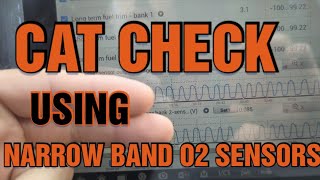
- Use an OBD-II scanner with live data to monitor O2 sensor voltage at a steady 🎬 See how to use a scanner to check converter health. 2500-3000 RPM once the engine is at operating temperature. The upstream sensor (Sensor 1) should fluctuate rapidly between ~0.1V and ~0.9V. The downstream sensor (Sensor 2) should remain relatively stable, ideally between 0.7V and 0.8V.
- If the downstream O2 sensor's voltage mirrors the upstream sensor's rapid fluctuations, the catalytic converter has failed.
- If the downstream sensor's voltage is flatlined (e.g., stuck at 0V or 1V) or very slow to respond, the sensor itself is likely faulty.
- To confirm a bad O2 sensor, swap the downstream sensors from Bank 1 and Bank 2. Clear the codes and drive the vehicle. If the code returns as P0420 (Bank 1), the sensor you moved is bad.
- If all other possibilities have been ruled out, the Bank 2 catalytic converter has failed. Before replacing, check if your vehicle is covered under the 8-year/80,000-mile federal emissions warranty.
Parts You'll Likely Need
- Bank 2 Catalytic Converter
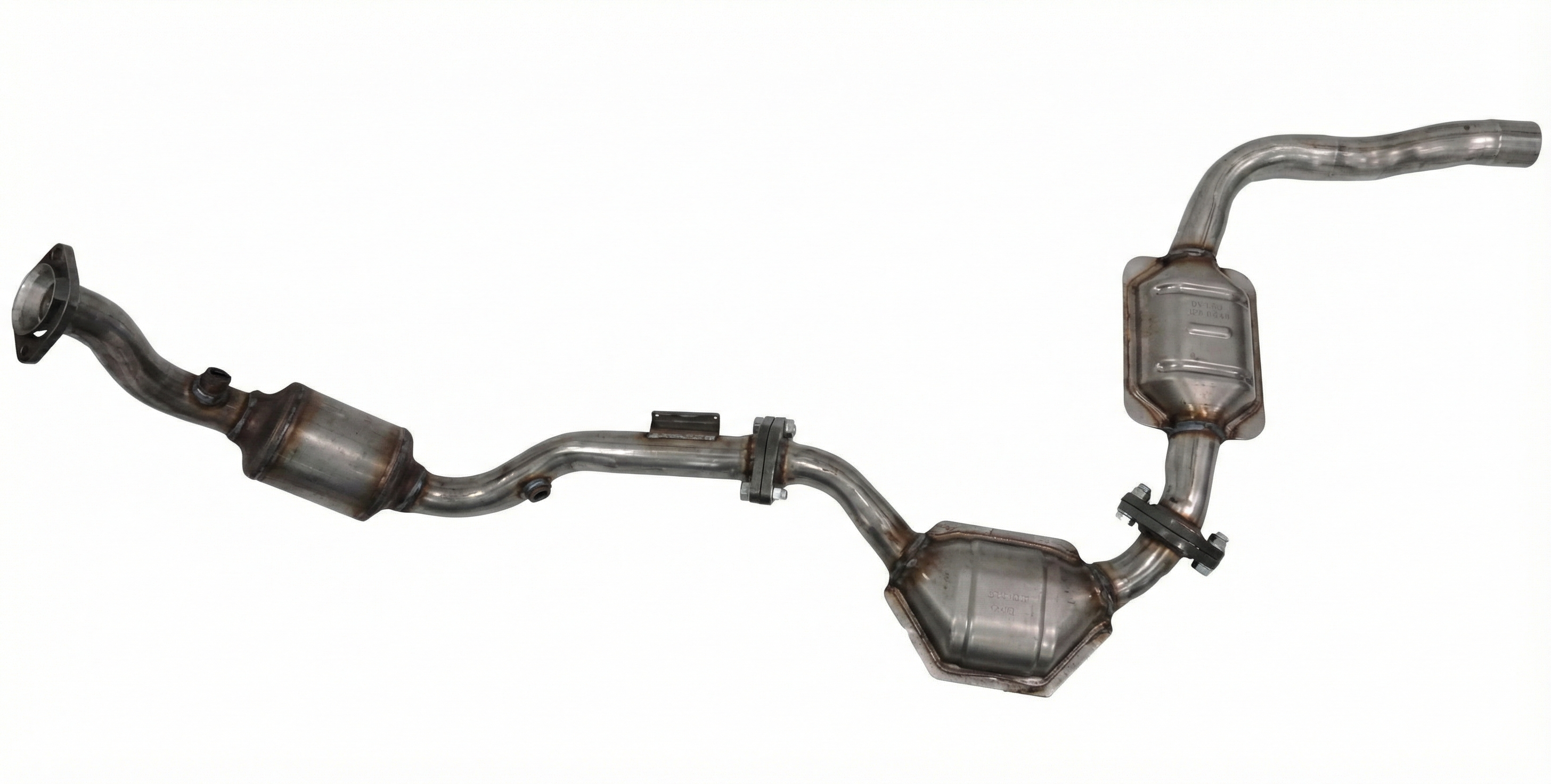
(OEM #84328541)— This is the most common direct cause for the code after other diagnostics are performed. It fails due to age or contamination. Note: Part number may vary by specific model year/options, particularly between automatic and manual transmissions.
Trusted brands: ACDelco (GM Genuine)
OEM price range: $800-$1500
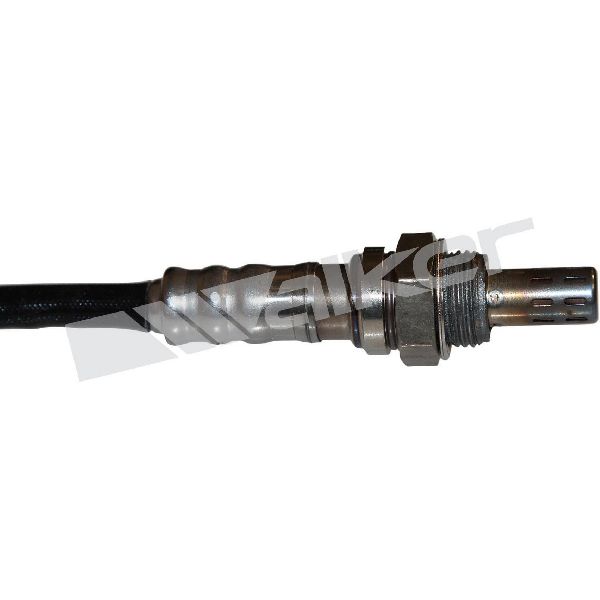
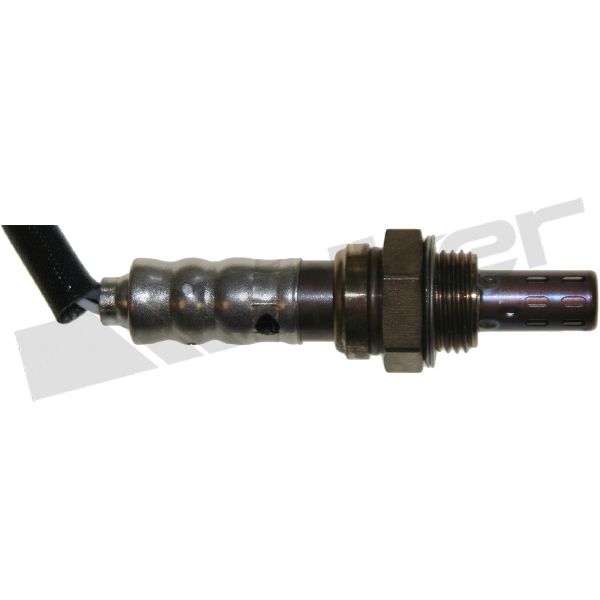
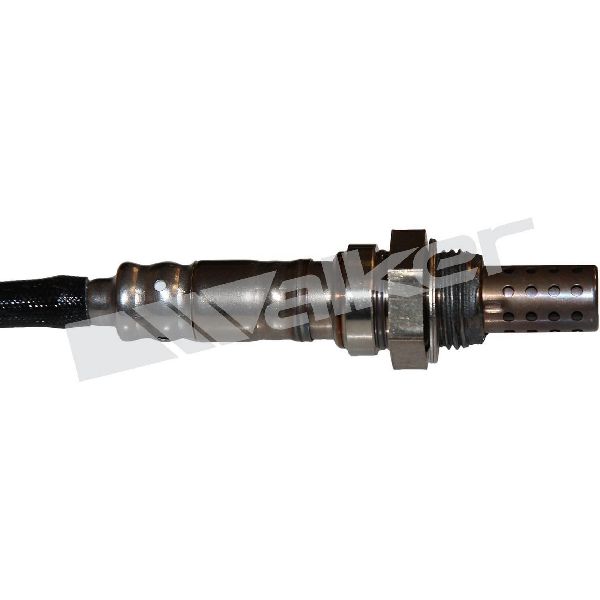
Aftermarket price range: $400-$800 - Bank 2, Sensor 2 (Downstream) Oxygen Sensor
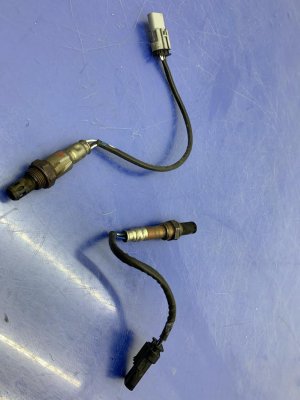
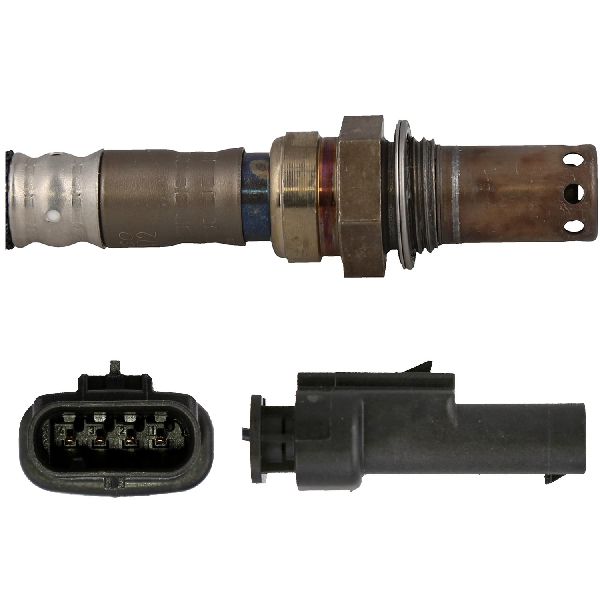
(OEM #12677990 (ACDelco 213-4764))— A faulty sensor can send incorrect data, falsely triggering the P0430 code. It's a common wear-and-tear item and can be damaged by intake debris per TSB #16-NA-111.
Trusted brands: ACDelco, Denso, Bosch
OEM price range: $100-$180
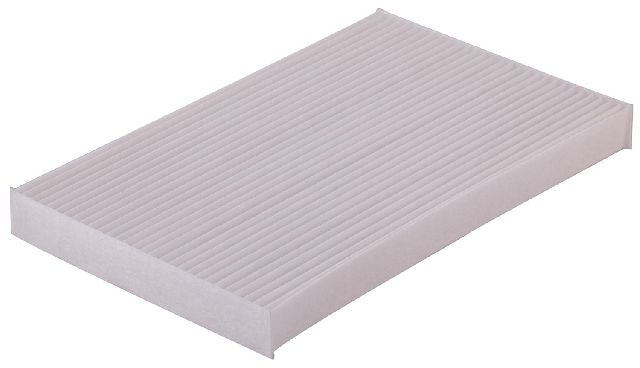
Aftermarket price range: $50-$120 - Engine Air Filter
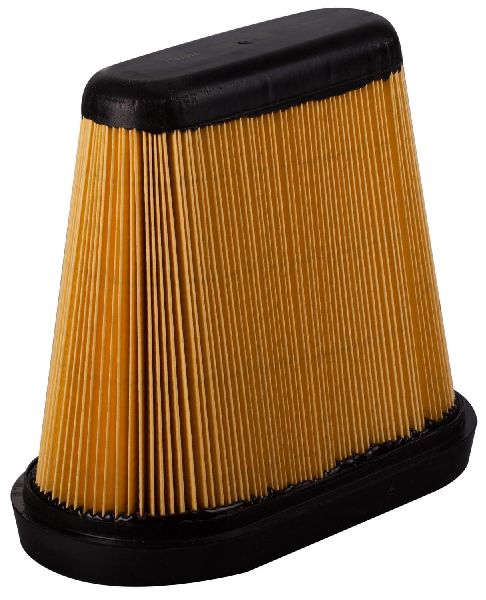
(OEM #23334839 (ACDelco A3181C))— A damaged or incorrect filter can lead to the airbox seal issue described in TSB #16-NA-111, which is a specific cause for this code on the C7 Corvette.
Trusted brands: ACDelco
OEM price range: $40-$70
Aftermarket price range: $20-$50
Related Codes That Often Appear With This One
- P0420 — This is the identical code but for Bank 1 (driver's side). Seeing both at once could point to a systemic issue like the airbox seal issue affecting the entire system, contaminated fuel, or an issue with an aftermarket tune.
- P0300-P0308 — These are misfire codes. A misfire is a root cause of catalytic converter failure, as it sends unburnt fuel into the exhaust, overheating and destroying the catalyst material.
Technical Service Bulletins (TSBs) & Recalls
- 16-NA-111
Platform-Specific Known Issues
- TSB #16-NA-111: An improperly seated engine air filter or a deformed air box seal can allow sand and debris into the intake, which can contaminate O2 sensors and clog the catalytic converter, directly causing P0420 and P0430 codes.
Mechanic-Grade Diagnostic Values
- Downstream O2 Sensor (Bank 2, Sensor 2) Voltage — expected: Relatively stable voltage between 0.4V and 0.8V when the engine is at operating temperature and steady RPM.. Failure: Voltage fluctuates rapidly, mimicking the upstream sensor's 0.1V to 0.9V swings, indicating a failed converter. A flatlined or very slow-to-respond voltage suggests a failed sensor.
- O2 Sensor Heater Element Resistance — expected: Typically between 3 and 25 Ohms, measured across the two wires of the same color on the sensor's connector.. Failure: An open circuit (infinite resistance) or very low resistance indicates the internal heater has failed, which will set its own DTCs and prevent the main catalyst monitor from running correctly.
- Long Term Fuel Trims (Bank 2) — expected: Ideally within +/- 5% at idle and steady cruise.. Failure: Consistently high positive values (e.g., > +10%) can indicate an exhaust leak before the upstream O2 sensor. Consistently high negative values can indicate leaking injectors, which can lead to cat failure.
Scan Tool Commands That Help
- GM GDS2 (or equivalent high-end scanner): Catalyst System Test / Service Bay Test — This function forces the vehicle's computer to run the catalyst monitor readiness test under controlled conditions in the service bay. It is used to verify that a repair (like a new converter or O2 sensor) was successful without having to perform a lengthy, specific drive cycle.
- OBD-II Scanner with I/M Readiness function: Readiness Monitor Status — Before going for an emissions test, check the status of the 'Catalyst' monitor. If it shows 'Not Ready' or 'Incomplete', the vehicle will fail the test. A specific GM drive cycle must be completed to set the monitor to 'Ready'.
Wiring & Ground Locations
- G107 — On the rear of the driver's side cylinder head. Some diagrams show a similar ground on the passenger side head for Bank 2 components.. This is a primary engine ground point. A poor connection here can affect the ignition coils and sensors for an entire bank, potentially causing misfires (which destroy cats) or erratic sensor readings that could falsely trigger a P0430.
- X131 — This is the electrical harness connector for the Bank 2, Sensor 2 (downstream) oxygen sensor.. When diagnosing a faulty O2 sensor, this is the connector to disconnect for testing resistance or checking for voltage and ground on the harness side. It's also where you would connect a tool to check the sensor's signal directly.
Real Owner Repair Stories
- CorvetteForum user (2017 C7 Z06 with 20,000 miles) — Check Engine Light with code P0430 after a history of misfires caused by rodent-damaged wiring.
❌ Tried (didn't work) Clearing the code (it returned).
✅ What actually fixed it The dealer replaced the Bank 2 catalytic converter under the 8-year/80,000-mile federal emissions warranty. The previous misfires had likely damaged the converter. - Forum user report (Jeep with P0430 (principle is applicable)) — P0430 code, some noise on cold start-up.
❌ Tried (didn't work) Initial visual inspection did not reveal an obvious exhaust leak.
✅ What actually fixed it Upon closer inspection, hairline cracks were found in the Bank 2 exhaust manifold. Replacing the manifold resolved the P0430 code, as the pre-catalyst leak was allowing oxygen in and skewing the O2 sensor readings.
"I Checked Everything" — The Actual Cause
- A common scenario is a hairline crack in the exhaust manifold. A smoke test may not reveal such a small leak, especially when the engine is cold. As the manifold heats up and expands, the crack can open enough to let in ambient air, tricking the O2 sensors and causing a P0430 code. The fix is to replace the exhaust manifold.
When the Usual Fixes Don't Work
- While the TSB regarding the airbox seal is a critical first check for the C7 Corvette, many owners report that even after ensuring the airbox is perfectly sealed, the P0430 code persisted. In a significant number of these cases, the root cause was ultimately a failed catalytic converter, often damaged by previous, unrelated issues like engine misfires. One owner on CorvetteForum had a history of misfires from chewed wires; after fixing the wiring, the P0430 code appeared and was only resolved by replacing the converter under the emissions warranty. This highlights that while the TSB is a unique starting point for this car, converter failure remains a very common final diagnosis.
Model Year Variations Within This Range
- 2014-2019: While the diagnostic process is the same, the catalytic converter part number (e.g., 84328541) can differ between models with a manual transmission versus an automatic transmission due to slight variations in the exhaust pipe routing and length. Always verify the part number with the vehicle's VIN.
Helpful Videos
Used OEM Parts in Stock

New Aftermarket Parts Available

The information in this article is provided for general reference and educational purposes only. Vehicle specifications, procedures, and part compatibility can vary by production date, trim level, and region. Always consult your vehicle's factory service manual and verify part numbers before purchasing or performing repairs. Safety-critical components such as airbags, seat belts, and braking systems should be installed by a qualified professional.
- Chevrolet CORVETTE:
- 🎬 Helpful Videos
- 🛍️ Shop This Part
- What's Unique About the 2014-2019 Chevrolet CORVETTE
- Diagnostic Flowchart
- Symptoms You May Notice
- Most Likely Causes
- Rare But Worth Checking
- Diagnosis Steps
- Parts You'll Likely Need
- Related Codes That Often Appear With This One
- Technical Service Bulletins (TSBs) & Recalls
- Platform-Specific Known Issues
- Mechanic-Grade Diagnostic Values
- Scan Tool Commands That Help
- Wiring & Ground Locations
- Real Owner Repair Stories
- "I Checked Everything" — The Actual Cause
- When the Usual Fixes Don't Work
- Model Year Variations Within This Range
- 🎟️ Get 5% Off