

P0430 on 2013-2018 Cadillac XTS: Causes for Catalyst Efficiency Failure
For a 2013-2018 Cadillac XTS, code P0430 almost always points to a failed Bank 2 catalytic converter. A specific GM Technical Service Bulletin (TSB #17-NA-321) notes that these converters can crack near the mounting flange. While an O2 sensor is a possibility, the converter itself is the most common failure point. This issue is also common on its platform-mate, the Chevrolet Impala.
- P0430 on a 2013-2018 Cadillac XTS means the catalytic converter for the front cylinder bank (Bank 2) is inefficient.
- Before buying any parts, physically inspect the Bank 2 converter for cracks near the mounting flange, as this is a known issue covered by GM TSB #17-NA-321.
- Do not automatically replace the O2 sensors; use a scan tool to confirm the diagnosis, but be aware the converter itself is the most likely culprit.
- The correct OEM replacement part for the Bank 2 converter is GM part number 84216836.
- This exact problem is also common on the 2014-2018 Chevrolet Impala with the 3.6L engine.
What's Unique About the 2013-2018 Cadillac XTS
For the Cadillac XTS with the 3.6L V6 engine, a P0430 code has a very specific, documented failure pattern. General Motors issued Technical Service Bulletin #17-NA-321 (superseding PIP5419B) because the catalytic converters on these vehicles are prone to cracking around the mounting flange. This crack introduces unmetered oxygen into the exhaust stream before the downstream O2 sensor, causing the sensor to report readings that mimic an inefficient converter. This makes a physical inspection of the converter for cracks a critical first diagnostic step, even before testing sensors. This issue is so specific that the TSB also covers the Chevrolet Impala, which shares the same engine and platform.
Diagnostic Flowchart
Tap your situation to follow the diagnostic path that matches what you're seeing on this vehicle.
Symptoms You May Notice
- Check Engine Light is on
- An exhaust smell or audible leak, especially from the front of the car
- Reduced fuel economy
- Sluggish acceleration or lack of power
- Rattling noises from under the vehicle, indicating a broken internal catalyst substrate
- Replacing the oxygen sensors when the catalytic converter is actually faulty. It's crucial to diagnose properly by performing a visual inspection for the known TSB-related crack or using a smoke test before buying parts.
Most Likely Causes
- Failed Catalytic Converter (Bank 2) 🔴 High Probability As documented in TSB #17-NA-321, the Bank 2 converter assembly is known to develop cracks around the mounting flange, leading to leaks and efficiency codes. This is the most common point of failure for this specific code on this vehicle.
How to confirm: Visually inspect the catalytic converter connected to the front cylinder bank (Bank 2, radiator side) for cracks, especially where it bolts to the engine. Look for black soot trails indicating a leak path. A professional smoke test can also pinpoint the leak. A scan tool can graph O2 sensor data; if the downstream sensor mimics the upstream sensor's activity, the converter has failed or a leak is present.
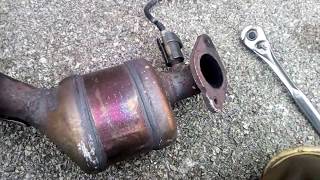
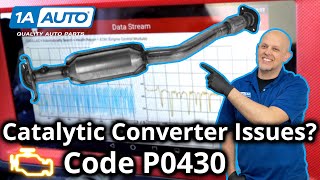
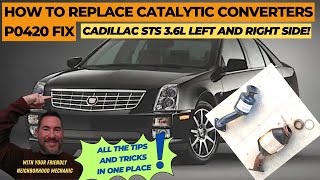
Typical fix: Replace the Bank 2 catalytic converter assembly. Per the TSB, it should be replaced with the new, updated service part 🎬 See the fastest way to replace these GM converters (GM Part #84216836).
Est. part cost: $400-$1200 - Failed Oxygen (O2) Sensor 🟡 Medium Probability
How to confirm: Use a scan tool to graph the voltage of the Bank 2, Sensor 2 (downstream) O2 sensor. A healthy sensor on a warm engine should show a relatively stable voltage. If the voltage is stuck, erratic, or mirrors the upstream sensor even without a confirmed converter failure or exhaust leak, the sensor is likely bad. However, forum discussions often confirm that replacing sensors alone rarely fixes this code on this platform.
Typical fix: Replace the Bank 2 downstream oxygen sensor.
Est. part cost: $50-$150 - Exhaust System Leak 🟡 Medium Probability The TSB regarding cracked converters makes this a specific and highly probable type of exhaust leak to check for. Other leaks from gaskets or pipe corrosion can also occur but are less common than the flange crack.
How to confirm: Perform a visual inspection of the entire exhaust system from the engine to the tailpipe. Listen for hissing or ticking sounds. A smoke test is the most effective way to find leaks that aren't obvious.
Typical fix: Repair the leak. This may involve replacing a gasket, tightening bolts, or replacing the cracked/corroded component (often the entire converter assembly in the case of the flange crack).
Est. part cost: $10-$500
Rare But Worth Checking
- Engine Misfires or Fuel System Issues: An engine that is misfiring or has a leaking fuel injector can send unburnt fuel into the exhaust, which will quickly overheat and destroy a catalytic converter. The LFX engine is also known to consume some oil, which can contaminate the catalyst over a long period. If you replace the converter without fixing the root cause, the new one will fail as well. Check for other codes like P0300-P0306.
Diagnosis Steps
- Check for other diagnostic trouble codes (DTCs) that could point to a root cause, such as engine misfires (P030x) or fuel trim issues.
- Perform a thorough visual inspection of the exhaust system. On the XTS, pay extremely close attention to the Bank 2 (front, radiator side) catalytic converter flange for any signs of cracks or black soot indicating a leak, as per TSB #17-NA-321.
- If no obvious leaks are found, use a scan tool to observe the live data for the upstream (Sensor 1) and downstream (Sensor 2) oxygen sensors for Bank 2.
- With the engine fully warmed up and at a steady RPM (around 2000-2500), the upstream sensor's voltage should switch rapidly. The downstream sensor's voltage should remain relatively stable and steady.
- If the downstream sensor's voltage graph mimics the upstream sensor's graph, the catalytic converter is not storing oxygen and has failed, or a significant exhaust leak exists before the sensor.
- If the downstream sensor's voltage is stuck high, low, or does not respond, the sensor itself may be faulty. Test the sensor before condemning the converter.
- If an exhaust leak is suspected but not visible, perform a smoke test to pinpoint its location.
Parts You'll Likely Need
- Bank 2 Catalytic Converter
(OEM #84216836)— This is the most common cause of P0430 on the Cadillac XTS, often due to a specific defect where the converter flange cracks, as noted in TSB #17-NA-321. This part number is the updated service part for the left (Bank 2) side.
Trusted brands: ACDelco (GM Genuine), Walker (e.g., Part #16679), MagnaFlow
OEM price range: $800-$1400
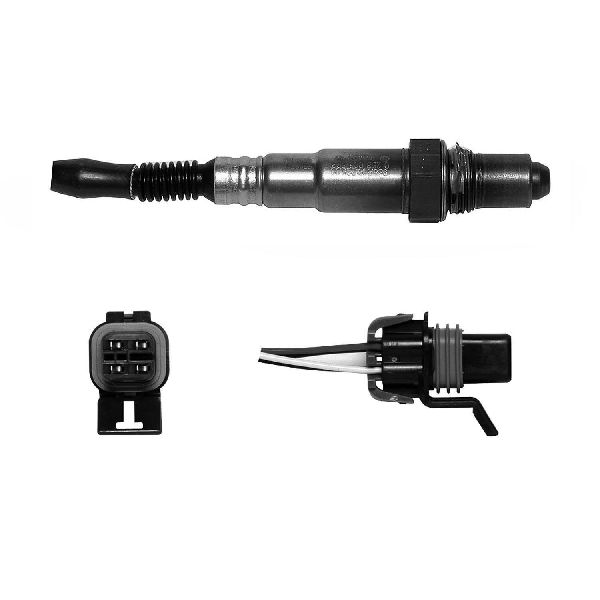
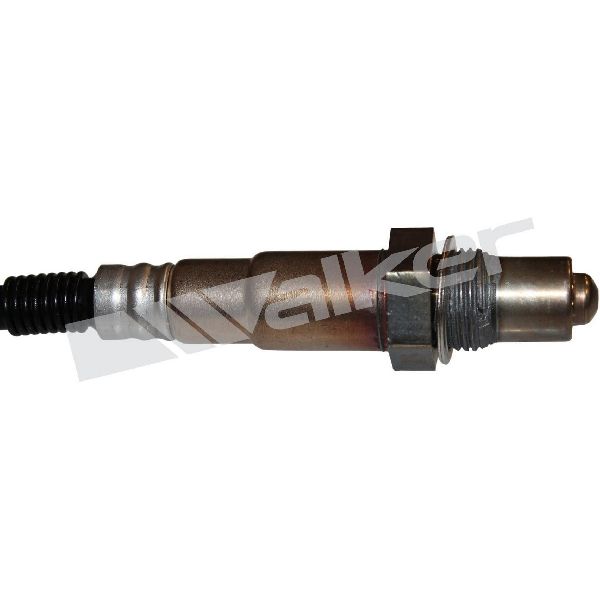
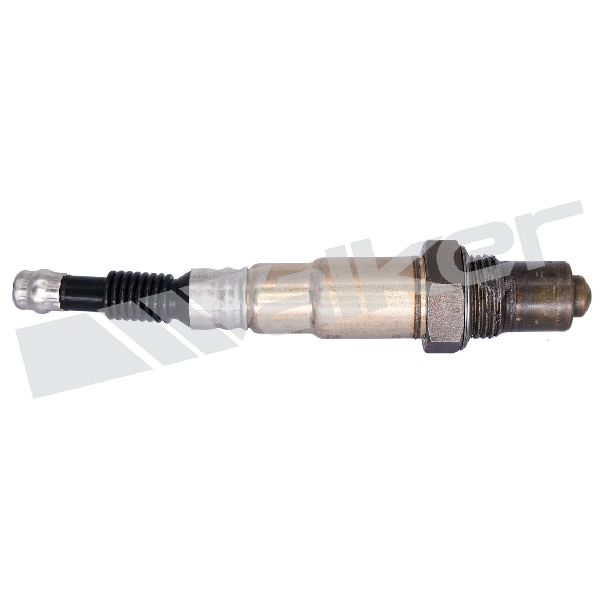
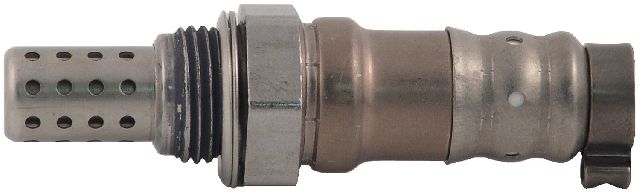
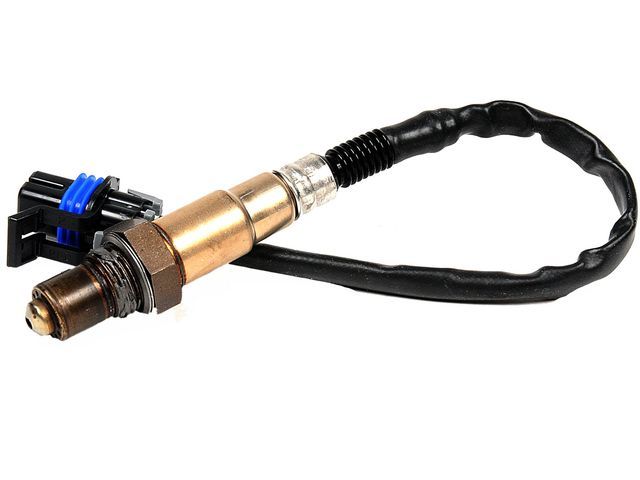
Aftermarket price range: $400-$900 - Bank 2, Sensor 2 (Downstream) Oxygen Sensor — This sensor is responsible for reporting the converter's efficiency. If it fails, it can falsely trigger a P0430 code. It is often replaced as a precaution when the converter is changed, but should not be the first part replaced without diagnosis.
Trusted brands: ACDelco, Denso, Bosch
OEM price range: $80-$150
Aftermarket price range: $50-$100
Related Codes That Often Appear With This One
- P0420 — This is the identical code for Bank 1 (the firewall-side converter). TSB #17-NA-321 explicitly mentions that both codes can appear, suggesting the cracking issue can affect both converters, although Bank 2 (P0430) is more commonly reported.
- P0300, P0302, P0304, P0306 — These are misfire codes for Bank 2 cylinders. A misfire is a primary cause of catalytic converter failure, as it sends raw fuel into the exhaust, which then burns inside and melts the converter's internal structure.
Technical Service Bulletins (TSBs) & Recalls
- 17-NA-321: Notes that customers may report an exhaust smell/leak and that technicians may find DTC P0430 or P0420 due to a crack around the catalytic converter mounting flange. Specifies replacement of the converter assembly.
- PIP5419B: The predecessor to TSB 17-NA-321, which described the same condition while it was under engineering investigation.
Platform-Specific Known Issues
- TSB #17-NA-321 (superseding PIP5419B) documents a known issue where the catalytic converter mounting flange can crack, causing an exhaust leak, a potential exhaust smell, and triggering codes P0430 and/or P0420. The recommended fix is to replace the entire converter assembly with the updated part. This TSB also applies to the 2014-2018 Chevrolet Impala.
Mechanic-Grade Diagnostic Values
- Downstream O2 Sensor (Bank 2, Sensor 2) Voltage — expected: Relatively stable voltage, typically between 0.6V and 0.8V (600-800mV) on a warm, running engine.. Failure: Voltage rapidly switching similar to the upstream sensor, or stuck at a specific voltage.
- Short-Term (STFT) and Long-Term (LTFT) Fuel Trims — expected: Within +/- 10% at idle and steady cruise.. Failure: Consistently high positive trims (> +10%) can indicate a pre-catalyst exhaust leak (like the TSB-noted crack) or a vacuum leak, which can affect O2 sensor readings and trigger P0430.
- Low-Side Fuel Pressure (Key On, Engine Off) — expected: 50-60 PSI (345-414 kPa).. Failure: Low fuel pressure can lead to lean conditions, while high pressure can lead to rich conditions, both of which can damage the catalytic converter over time. This is a root-cause check.
- Mode $06 Catalyst Monitor Efficiency (TID $81, CID $21) — expected: The test value reported by the scan tool should be below the maximum threshold stored in the ECM.. Failure: A test value that exceeds the ECM's maximum limit confirms the catalyst has failed the on-board diagnostic test, directly causing the P0430 code.
Scan Tool Commands That Help
- GM GDS2 / Tech2Win: Catalyst System Test — To force the catalyst efficiency monitor to run under controlled conditions, providing a quick pass/fail result without needing to perform a full drive cycle. This is useful for verifying a repair.
- GM GDS2 / Professional Scan Tool: Reset Fuel Trim / Catalyst Learned Values — This should be performed after replacing a catalytic converter. It clears the ECM's learned adjustments for the old, inefficient converter, allowing it to adapt to the new unit correctly and preventing a potential false P0430 code on the new part.
Wiring & Ground Locations
- G103 / G104 — G103 is often located on the left front of the engine compartment, while G104 is on the front of the right cylinder head.. These are primary ground points for the Engine Control Module (ECM) and various sensors. A corroded or loose ground at these locations can cause erratic voltage signals from the oxygen sensors, potentially leading to a false P0430 code or other sensor-related issues.
- Bank 2 O2 Sensor Harness — The harness for the Bank 2 sensors runs down the front (radiator side) of the engine and transmission.. This harness is susceptible to heat damage from the exhaust manifold and physical rubbing against the transmission case or other components. A visual and physical inspection (wiggle test) of the harness and connectors for both Bank 2 O2 sensors is crucial to rule out wiring faults.
Real Owner Repair Stories
- chevroletforum.com user report (2014 Chevrolet Impala 3.6L (platform-mate), 98,000 miles) — Check Engine Light with code P0430 and an audible ticking/exhaust leak noise.
❌ Tried (didn't work) Initial diagnosis pointed towards the common causes.
✅ What actually fixed it The dealer confirmed a cracked Bank 2 catalytic converter, consistent with TSB #17-NA-321. The owner opted to have an independent shop replace the failed converter with an aftermarket Walker part (#16679), which resolved the code and the noise. - YouTube repair video (2018 Cadillac XTS) — Check Engine Light with code P0430.
✅ What actually fixed it The mechanic replaced the Bank 2 (front) catalytic converter. The video highlights the need for an impact wrench for rusted bolts and the importance of replacing the gaskets with the new converter. The repair successfully cleared the code.
"I Checked Everything" — The Actual Cause
- In some cases, the crack in the catalytic converter flange (as described in TSB #17-NA-321) may only open and leak when the exhaust system is hot and under pressure. A standard smoke test on a cold engine may not reveal the leak. Technicians should always perform a cold visual inspection for black soot trails around the flange, as this is a clear indicator of a leak that occurs during operation.
OEM Part Supersession History
e.g., 12643987 (and others)→84216836— The original converter design was prone to cracking at the flange. The updated part number reflects a revised assembly intended to correct this flaw.
Model Year Variations Within This Range
- 2013-2019: This article and TSB specifically apply to the naturally-aspirated 3.6L LFX V6 engine. The high-performance XTS V-Sport models were equipped with a 3.6L Twin-Turbo LF3 engine, which has a different exhaust system and may not be susceptible to the same flange crack issue.
- 2018-2019: The Cadillac XTS received a significant exterior facelift for the 2018 model year. While the LFX engine and the associated TSB remained the same, some wiring harness routing and connector locations may differ slightly from earlier models.
Helpful Videos
We Have This Part in Stock


The information in this article is provided for general reference and educational purposes only. Vehicle specifications, procedures, and part compatibility can vary by production date, trim level, and region. Always consult your vehicle's factory service manual and verify part numbers before purchasing or performing repairs. Safety-critical components such as airbags, seat belts, and braking systems should be installed by a qualified professional.
- Cadillac XTS:
- 🎬 Helpful Videos
- 🛍️ Shop This Part
- What's Unique About the 2013-2018 Cadillac XTS
- Diagnostic Flowchart
- Symptoms You May Notice
- Most Likely Causes
- Rare But Worth Checking
- Diagnosis Steps
- Parts You'll Likely Need
- Related Codes That Often Appear With This One
- Technical Service Bulletins (TSBs) & Recalls
- Platform-Specific Known Issues
- Mechanic-Grade Diagnostic Values
- Scan Tool Commands That Help
- Wiring & Ground Locations
- Real Owner Repair Stories
- "I Checked Everything" — The Actual Cause
- OEM Part Supersession History
- Model Year Variations Within This Range
- 🎟️ Get 5% Off