

P0430 on 2012-2018 Cadillac Escalade ESV: Catalyst Efficiency Causes and Fixes
P0430 on a Cadillac Escalade ESV most often means the Bank 2 catalytic converter is failing and needs replacement. However, before spending over $1,000 on a new converter, you must rule out cheaper causes like a faulty oxygen sensor, an exhaust leak, or a specific air filter seal issue mentioned in a GM service bulletin.
- P0430 means the Bank 2 (driver's side) catalytic converter is not working efficiently.
- Before replacing the expensive converter, ALWAYS check for cheaper fixes first: exhaust leaks, bad O2 sensors, and the air filter seal issue noted in TSB #16NA111.
- Use a scan tool to watch live O2 sensor data. This is the best way to confirm if the converter is truly bad.
- The vehicle spans two generations (2012-14 and 2015-18); ensure you buy the correct parts for your specific year.
- Ignoring the code will lead to a failed emissions test and can cause engine performance problems if the converter becomes clogged.
What's Unique About the 2012-2018 Cadillac ESCALADE ESV
This year range covers two Escalade generations, the GMT900 (2012-2014) and the K2XX (2015-2018), which use different engines and exhaust components. While a failing converter is common, GM issued a specific Technical Service Bulletin (TSB #16-NA-111) for these trucks indicating that a poorly sealed air filter or airbox can cause this exact code. This TSB explains that sand or debris can bypass a bad filter seal, contaminating the O2 sensors and even blocking the catalytic converter, leading to a false P0430/P0420 code. This creates a unique and important diagnostic step that is often overlooked, potentially saving owners from a very expensive and unnecessary converter replacement. Additionally, TSB #PIP3119N notes that on some models, the catalyst efficiency diagnostics are disabled for the first hour of engine operation, which can delay the code from setting during short test drives.
Diagnostic Flowchart
Tap your situation to follow the diagnostic path that matches what you're seeing on this vehicle.
Generation note: The 2012-2018 range covers two generations. The 2012-2014 models belong to the third generation (GMT900) with the 403-hp 6.2L L94 V8. The 2015-2018 models are the fourth generation (K2XX) with the 420-hp 6.2L L86 V8. Catalytic converters and oxygen sensors are not interchangeable between these generations. The Bank 2 converter is on the driver's side for these GM V8 engines.
Symptoms You May Notice
- Check Engine Light is on
- Vehicle fails emissions inspection
- Reduced engine power or sluggish acceleration if the converter is clogged.
- A sulfur or "rotten egg" smell from the exhaust.
- In severe cases of clogging, the engine may stall at idle or experience a rough idle.
- Rattling noise from underneath the vehicle, especially on a cold start, if the converter's internal structure has broken apart.
- Replacing the catalytic converter without first checking for exhaust leaks, faulty O2 sensors, or the airbox seal issue described in TSB #16-NA-111.
- Replacing the oxygen sensor when the catalytic converter has actually failed.
- Using cheap, poor-quality aftermarket catalytic converters that fail quickly or are not efficient enough to satisfy the PCM, causing the code to return. 🎬 See this breakdown of common causes and fixes for catalyst codes
Most Likely Causes
- Failing Catalytic Converter (Bank 2) 🔴 High Probability Catalytic converters have a finite lifespan and can fail from age, contamination from burning oil or coolant, or damage from chronic engine misfires. Forum discussions among owners of Escalades and their platform mates (Tahoe, Yukon) confirm this is the most frequent resolution for a persistent P0430.
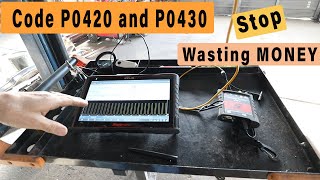
How to confirm: After confirming O2 sensors and the exhaust system are good, monitor O2 sensor data on a scan tool. A healthy downstream sensor (Bank 2, Sensor 2) will show a relatively steady voltage, while a bad converter will cause it to fluctuate rapidly, mimicking the upstream sensor 🎬 Watch: How to diagnose P0420 and P0430 codes using live data (Bank 2, Sensor 1). Another test is to use an infrared thermometer to measure the temperature of the pipe before and after the converter; a working converter should be significantly hotter at the outlet than the inlet. Tapping the converter with a rubber mallet when cool may also reveal a rattling sound, indicating broken internal substrate.
Typical fix: Replace the Bank 2 catalytic converter assembly.
Est. part cost: $600-$1600 - Faulty Downstream Oxygen (O2) Sensor (Bank 2, Sensor 2) 🟡 Medium Probability O2 sensors are exposed to extreme heat and contaminants and can degrade over time, sending inaccurate signals to the ECM. While many forum users state that a bad O2 sensor has its own codes, some owners have successfully resolved a P0430 by replacing the downstream sensor first.
How to confirm: Test the sensor's voltage output and heater circuit resistance with a multimeter or advanced scan tool. A common DIY method is swapping the downstream sensors between Bank 1 and Bank 2. If the code changes to P0420 (for Bank 1), the sensor is confirmed to be faulty.
Typical fix: Replace the Bank 2, Sensor 2 oxygen sensor. Using OEM (ACDelco) or high-quality aftermarket (Denso, Bosch, NTK) sensors is highly recommended, as some forum members report issues with cheaper aftermarket sensors.
Est. part cost: $50-$120 - Exhaust System Leak 🟡 Medium Probability Exhaust manifold gaskets, flange gaskets, and welds can fail from heat cycles and corrosion, allowing outside air to enter the exhaust stream. This unmetered air can trick the downstream O2 sensor into sending false readings, triggering a P0430 code.
How to confirm: Visually inspect the exhaust system from the engine manifold to the rear O2 sensor for cracks or black soot trails. Listen for ticking or hissing noises when the engine is cold. A smoke test is the most effective method to find small leaks. Some owners have found pinhole leaks in the Y-pipe to be the culprit.
Typical fix: Replace the leaking gasket or repair/replace the cracked pipe section.
Est. part cost: $20-$150 - Improperly Sealed Air Box / Air Filter ⚪ Low Probability Per TSB #16-NA-111, an improperly seated air filter or a damaged airbox seal can allow unmetered, dirty air into the engine. This can contaminate O2 sensors and even the catalytic converter with debris, affecting the air-fuel ratio and triggering a false catalyst code.
How to confirm: Carefully inspect the air filter housing to ensure the filter is seated correctly and that the housing seals are intact and not damaged or missing. Check for dirt or debris past the filter seal inside the air intake tube.
Typical fix: Reseat the air filter, replace the air filter, or replace the airbox housing/seal if damaged.
Est. part cost: $5-$200 - Engine Misfires or Rich/Lean Fuel Condition ⚪ Low Probability Issues like failing spark plugs, ignition coils, or leaking fuel injectors can send unburned fuel into the exhaust, which superheats and damages the catalytic converter. Similarly, issues causing a lean condition can also affect converter operation.
How to confirm: Check for other trouble codes, especially misfire codes (P0300-P0308) or fuel trim codes (P0171, P0172, P0174, P0175). Address these codes first, as they indicate the root cause that will destroy a new converter if not fixed.
Typical fix: Perform a full engine tune-up, replacing spark plugs, wires, or faulty injectors as needed. Repair any vacuum leaks.
Est. part cost: $100-$800
Rare But Worth Checking
- Contaminated Catalytic Converter:
- PCM Software Issues:
Diagnosis Steps
- Check for other DTCs. If any misfire, fuel system, or O2 sensor circuit codes are present, diagnose and repair them before addressing P0430.
- Inspect the air intake system. Per TSB #16-NA-111, carefully check that the air filter is properly seated in the airbox and that the housing seals are in good condition. Look for any signs of debris bypassing the filter.
- Inspect for exhaust leaks. Visually and audibly check the entire exhaust system from the engine to the rear O2 sensor for any signs of leaks (soot, cracks, hissing/ticking sounds), especially around gaskets and welds. A smoke test is the most reliable method.
- Analyze O2 sensor data. Use a scan tool with live data capability. Graph the voltage for Bank 2 Sensor 1 and Bank 2 Sensor 2. The upstream sensor (S1) should fluctuate rapidly between ~0.1V and ~0.9V. The downstream sensor (S2) should hold a relatively steady, high voltage (e.g., >0.6V). If the S2 voltage is fluctuating similarly to the S1 voltage, the converter is likely not working.
- Test the oxygen sensors. If the scan tool data is inconclusive, test the O2 sensors directly. You can also swap the downstream sensors between Bank 1 and Bank 2. If the code follows the sensor and changes to P0420, the sensor is bad.
- Perform a converter temperature check. With an infrared temperature gun, measure the inlet and outlet pipe temperatures of the Bank 2 converter after the engine is fully warmed up. The outlet should be at least 100°F hotter than the inlet. 🎬 Watch: A professional walkthrough of catalytic efficiency diagnostics If not, the converter is not functioning.
- If all other possibilities have been ruled out, the Bank 2 catalytic converter is faulty and requires replacement.
Parts You'll Likely Need
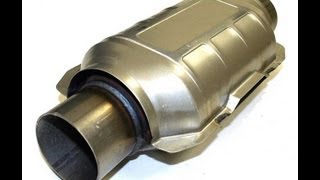
- Catalytic Converter (Bank 2)
(OEM #86781749 (supercedes multiple previous numbers for K2XX models))— This is the most common cause of P0430, as the internal materials of the converter degrade over time.
Trusted brands: Walker, MagnaFlow, AP Exhaust, ACDelco (OEM)
OEM price range: $1500-$2500+
Aftermarket price range: $600-$1600 - Downstream Oxygen Sensor (Bank 2, Sensor 2)
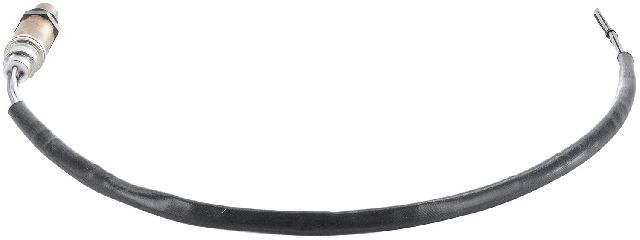
(OEM #ACDelco 213-4693 (Gen 3), ACDelco 12659516 (Gen 4))— A faulty sensor can send incorrect data, falsely triggering the P0430 code. It is a common point of failure and much cheaper to replace than a converter.
Trusted brands: ACDelco, Denso, Bosch, NTK
OEM price range: $90-$150
Aftermarket price range: $50-$120 - Exhaust Manifold Gasket — A leak at the exhaust manifold is a common source of exhaust leaks that can trigger this code.
Trusted brands: Fel-Pro, ACDelco
OEM price range: $30-$60
Aftermarket price range: $15-$40
Related Codes That Often Appear With This One
- P0420 — This is the identical code for Bank 1 (passenger side). It is common for both converters to degrade at a similar rate, causing both codes to appear together, especially on higher mileage vehicles.
- P0300-P0308 — Misfire codes (P0300 for random, P0301-P0308 for specific cylinders) indicate an underlying engine problem. Unburned fuel from misfires can destroy a new catalytic converter, so these must be fixed first.
Technical Service Bulletins (TSBs) & Recalls
- 16-NA-111: Diagnostic Tip for Malfunction Indicator Light (MIL) Illuminated, DTC P0420 and P0430 Set. This TSB advises technicians to inspect the air filter and airbox for improper sealing before replacing any parts, as debris bypassing the filter can cause these codes.
- PIP3119N: This TSB notes that catalyst efficiency codes P0420 and P0430 are disabled for the first hour of engine operation on some vehicles to prevent false codes at low mileage.
Platform-Specific Known Issues
- TSB #16-NA-111 - Air Filter Seal: A known issue on 2015-2018 models where a poorly sealing air filter allows debris to pass, contaminating O2 sensors and the catalytic converter, falsely triggering P0420/P0430. Inspection of the airbox is a critical first step before replacing any parts.
- Aftermarket Converter Woes: Multiple owners on forums report that after installing a non-OEM catalytic converter, the P0430 code returned. In one case, the aftermarket manufacturer admitted to a bad batch of converters. Sticking with high-quality or OEM converters is recommended to avoid repeat repairs.
Mechanic-Grade Diagnostic Values
- Downstream O2 Sensor (Bank 2, Sensor 2) Voltage — expected: A relatively steady voltage, typically around or above 0.45V - 0.6V when the catalytic converter is working efficiently.. Failure: Voltage fluctuates rapidly between approximately 0.1V and 0.9V, mimicking the upstream sensor's behavior.
- Upstream O2 Sensor (Bank 2, Sensor 1) Voltage — expected: Constantly and rapidly fluctuating between approximately 0.1V and 0.9V as the ECM adjusts the air-fuel mixture.. Failure: A slow or non-responsive sensor that stays at a fixed voltage or switches sluggishly.
Hidden / Shadow Codes Worth Checking
- Mode 6, Catalyst Monitor Test ($06): This is not a DTC but a function on advanced scan tools that shows the raw test results from the PCM's internal catalyst efficiency monitor. It provides a numerical value for the converter's oxygen storage capacity, along with the minimum and maximum allowable thresholds. (see via Use a scan tool with Global OBD-II Mode 6 capability, such as a Launch Tech X-431 or similar professional-grade scanner. The data can be used to see if the converter is marginal or failing before a P0430 code is officially set.)
Scan Tool Commands That Help
- GDS2 / Professional Scan Tool: Catalyst Monitor Test — This function, often found under 'System Tests' or 'Service Functions', forces the vehicle to run the internal diagnostic for the catalytic converter. It is useful to verify a repair after replacing a converter or O2 sensor, without having to complete multiple drive cycles.
- GDS2 / Professional Scan Tool: Clear Fuel Trim Values — After addressing a root cause like a vacuum leak, leaking injector, or MAF sensor issue, the long-term fuel trim values should be reset. This forces the ECM to relearn the fuel strategy immediately with the new, correct inputs, which is critical for accurate catalyst monitoring.
Wiring & Ground Locations
- G101 / G106 — Located on the front center of the frame cross rail, under the crank pulley. G101 jumpers to G106.. This ground serves the Engine Control Module (ECM) and Transmission Control Module (TCM). A poor connection here can cause erratic behavior from multiple systems, including incorrect sensor readings that could potentially trigger false P0430 codes.
- G103 — Located at the left rear of the engine compartment on the cowl, above the brake booster.. This is a major body and module ground, serving the BCM, Instrument Panel Cluster (IPC), and Data Link Connector (DLC). While not directly tied to the O2 sensors, a bad ground here can cause communication issues with scan tools or other strange electrical problems that can complicate diagnosis.
- Frame Grounds (Driver Side) — There are typically two main ground points on the frame rail under the driver's side door.. These are primary body-to-frame grounds. Corrosion at these points is common and can cause a host of bizarre electrical issues, including flickering dash lights and incorrect sensor readings, as the modules seek a proper ground path.
Real Owner Repair Stories
- YouTube channel 'Auto Repair Tips' (2014 Chevrolet Silverado 5.3L (similar platform)) — Persistent P0420 and P0430 codes.
❌ Tried (didn't work) A shop replaced both catalytic converters, but the codes returned., A second shop replaced all four oxygen sensors with aftermarket parts, but the codes returned., The second shop then recommended replacing the fuel injectors.
✅ What actually fixed it The third shop (the video creator) identified that the aftermarket O2 sensors were not performing correctly. They replaced the Bank 1 sensors with OEM-quality parts, which resolved the P0420 code. The conclusion was that the initial problem was likely just the O2 sensors, but the use of cheap aftermarket replacements led to a costly and prolonged misdiagnosis involving unnecessary converter and injector replacement.
"I Checked Everything" — The Actual Cause
- In some cases on GM V8 trucks, a P0420/P0430 code can be triggered by a leaking intake manifold gasket. Even if a smoke test of the exhaust system shows no leaks, a vacuum leak at the intake manifold can alter the air-fuel mixture enough to affect catalyst efficiency readings, especially on one bank more than the other. This is often accompanied by a rough idle or changes in fuel trim values.
Model Year Variations Within This Range
- 2012-2014 (GMT900) vs 2015-2018 (K2XX): The entire platform, engine (L94 vs L86), and exhaust systems are different. Catalytic converters, oxygen sensors, and related wiring harnesses are not interchangeable between these two generations. Diagnostic procedures are broadly similar, but specific component locations and part numbers will vary.
- 2015-2018 (K2XX): These models are specifically called out in TSB #16-NA-111 regarding the air box seal issue causing false P0420/P0430 codes. While the issue could potentially affect earlier models, the bulletin focuses on the K2XX platform.
Helpful Videos
Used OEM Parts in Stock

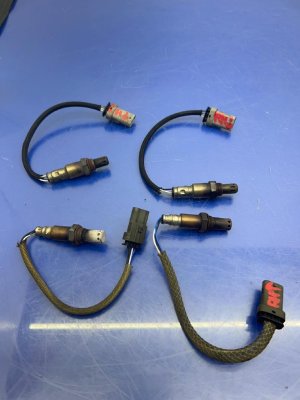
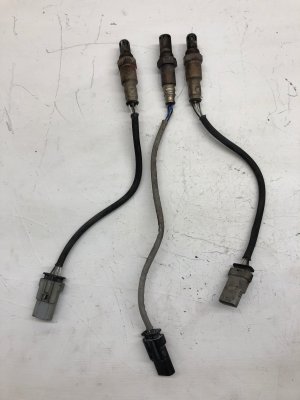
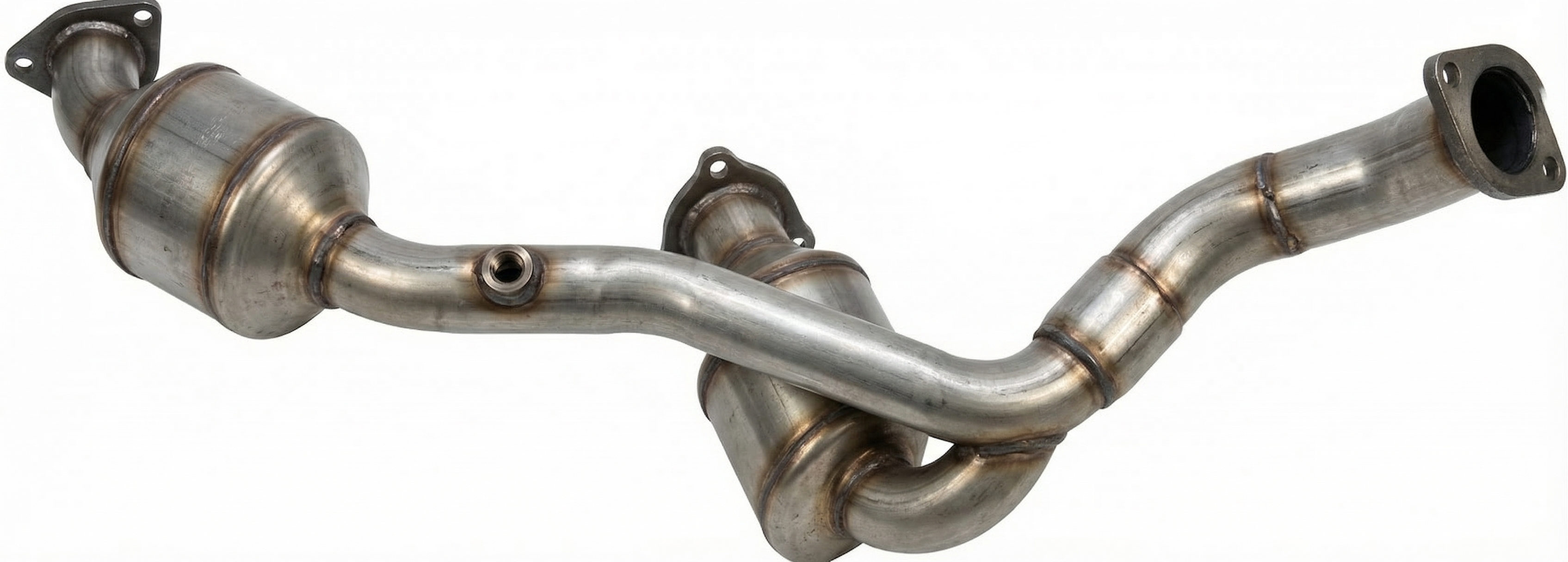
New Aftermarket Parts Available
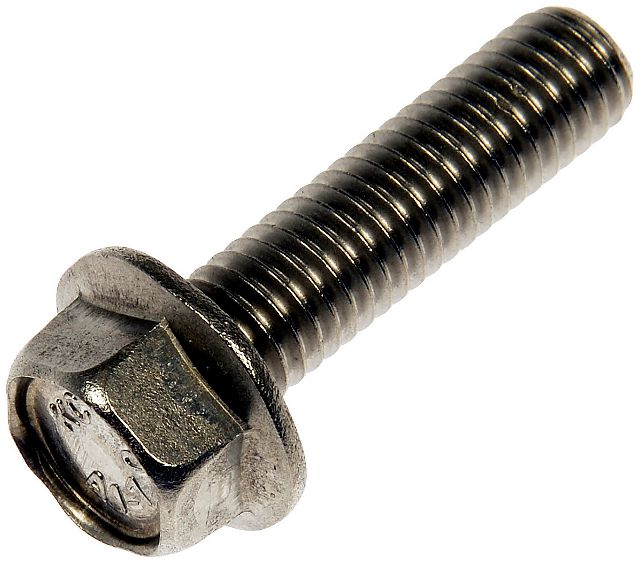

The information in this article is provided for general reference and educational purposes only. Vehicle specifications, procedures, and part compatibility can vary by production date, trim level, and region. Always consult your vehicle's factory service manual and verify part numbers before purchasing or performing repairs. Safety-critical components such as airbags, seat belts, and braking systems should be installed by a qualified professional.
- Cadillac ESCALADE ESV:
- 🎬 Helpful Videos
- 🛍️ Shop This Part
- What's Unique About the 2012-2018 Cadillac ESCALADE ESV
- Diagnostic Flowchart
- Symptoms You May Notice
- Most Likely Causes
- Rare But Worth Checking
- Diagnosis Steps
- Parts You'll Likely Need
- Related Codes That Often Appear With This One
- Technical Service Bulletins (TSBs) & Recalls
- Platform-Specific Known Issues
- Mechanic-Grade Diagnostic Values
- Hidden / Shadow Codes Worth Checking
- Scan Tool Commands That Help
- Wiring & Ground Locations
- Real Owner Repair Stories
- "I Checked Everything" — The Actual Cause
- Model Year Variations Within This Range
- 🎟️ Get 5% Off