

P0430 on 2004-2011 Cadillac Escalade ESV: Catalyst Efficiency Fixes
P0430 on a Cadillac Escalade ESV almost always means the Bank 2 (passenger side) catalytic converter is failing. While an oxygen sensor or exhaust leak is possible, the most common fix is replacing the converter, which can be costly. Before replacing the cat, rule out exhaust manifold leaks, especially broken bolts, which are a known issue.
- P0430 means the catalytic converter on Bank 2 (driver's side for the Escalade) is no longer working efficiently.
- The most likely cause is a failed catalytic converter, especially on higher-mileage vehicles.
- Before replacing the expensive converter, rule out exhaust leaks and faulty oxygen sensors.
- Always fix any engine misfires (P030x codes) or fuel mixture problems first, as they will destroy a new converter.
What's Unique About the 2004-2011 Cadillac ESCALADE ESV
The 2004-2011 Escalade ESV spans two generations (GMT800 and GMT900) with different V8 engines (6.0L LQ9 and 6.2L L92/L94). While P0430 points to the same fundamental issue, a very common problem on these GM trucks and SUVs is exhaust manifold bolt failure. 🎬 Watch: How to remove broken manifold bolts without pulling the engine. The bolts, especially those near the firewall, are prone to breaking, causing an exhaust leak that can trick the O2 sensors and trigger a false P0430 code. This should be investigated before condemning the expensive catalytic converter. Additionally, TSB #PIP3119N notes that on some vehicles, the P0420/P0430 tests are disabled for the first hour of operation to prevent false codes.
Diagnostic Flowchart
Tap your situation to follow the diagnostic path that matches what you're seeing on this vehicle.
Generation note: This range covers the second generation (2004-2006, GMT800 platform with 6.0L V8) and the third generation (2007-2011, GMT900 platform with 6.2L V8). The underlying cause of the code is the same, but exhaust components are not interchangeable between these generations. Bank 2 is the passenger side on these V8 engines. A specific 'Heated O2 Sensor Relearn' function may be required on 2007-2011 models after sensor replacement.
Symptoms You May Notice
- Check Engine Light is on.
- Failure to pass an emissions test.
- Reduced engine power or sluggish acceleration, especially if the converter is clogged.
- A rotten egg or sulfur smell from the exhaust.
- A ticking or hissing noise from the engine bay, especially when cold, which could indicate an exhaust manifold leak.
- Replacing the oxygen sensors when the catalytic converter is the true cause of failure. Forum users frequently state that P0430 almost always means a bad cat, and that O2 sensors have their own specific failure codes.
- Replacing the catalytic converter when a less-expensive exhaust manifold leak is the actual root cause. The ticking sound of a manifold leak is a key symptom to listen for.
Most Likely Causes
- Failing Catalytic Converter (Bank 2) 🔴 High Probability Catalytic converters have a finite lifespan and degrade over time. Contamination from engine oil consumption or coolant leaks, or damage from persistent engine misfires, can destroy the internal substrate, causing this code. It is the most common failure.
How to confirm: Use a scan tool to monitor live data from Bank 2 O2 sensors. The downstream sensor (Sensor 2) voltage should be relatively stable and high (e.g., >0.6V). If it fluctuates rapidly like the upstream sensor (Sensor 1), the converter is not working. An infrared thermometer can also be used; the outlet of a working converter should be at least 100°F hotter than the inlet.
Typical fix: Replace the Bank 2 catalytic converter assembly.
Est. part cost: $400-$2500+ - Exhaust System Leak 🟡 Medium Probability A very common issue on GMT800/900 trucks is for the exhaust manifold bolts to rust and break, particularly the rearmost bolts. This creates a leak between the cylinder head and the manifold, allowing fresh air to be drawn into the exhaust stream. This extra oxygen disrupts the O2 sensor readings and can trigger a P0430 code even if the converter is good.
How to confirm: Listen for a distinct ticking sound from the passenger side of the engine, especially on a cold start, that may quiet down as the engine warms and the metal expands. Visually inspect the exhaust manifold bolts, especially the one closest to the firewall, for breakage. A smoke test is the most definitive way to find leaks.
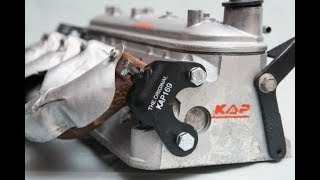
Typical fix: Replace the broken exhaust manifold bolts and the manifold gasket. In cases where bolts are broken flush and inaccessible, special repair clamps (e.g., Dorman or ProMaxx) can be installed as a permanent workaround without removing the cylinder head.
Est. part cost: $20-$200 - Faulty Oxygen Sensor (Bank 2) ⚪ Low Probability While O2 sensors do fail, they are more likely to set their own specific performance or heater circuit codes. It's a common misdiagnosis to replace the O2 sensor for a P0430, only for the code to return. However, a lazy or biased sensor can contribute to an incorrect diagnosis by the ECM.
How to confirm: Observe the sensor's live data on a scan tool. A faulty downstream sensor might have a flatline voltage or a very slow response time. Swapping the downstream sensors from Bank 1 and Bank 2 is a good diagnostic step; if the code changes to P0420 (Bank 1), the sensor is bad.
Typical fix: Replace the downstream (Sensor 2) oxygen sensor on Bank 2.
Est. part cost: $50-$150
Rare But Worth Checking
- Engine Misfires or Fuel System Issues: If you have other codes like P0300-P0308 (misfires) or P0171/P0174 (lean condition), address them first. Unburnt fuel from misfires can enter the exhaust and overheat, destroying the catalytic converter.
- Internal Engine Problems: Burning oil (e.g., from worn piston rings or valve seals) or coolant (from a bad head gasket) can contaminate and ruin a new catalytic converter quickly. A Reddit user with a 2007 Escalade noted white smoke (a sign of coolant burn) along with P0420 and P0430 codes, pointing to a potential head gasket issue. This must be fixed before replacing the converter.
- Improperly Sealed Air Filter Housing: GM TSB 16-NA-111 describes a condition where sand and debris can bypass a poorly sealed air filter, damaging the O2 sensor element and potentially clogging the catalytic converter. Before making repairs for P0420/P0430, the bulletin advises inspecting the air filter box for proper sealing and signs of dirt bypass.
Diagnosis Steps
- Check for any other stored DTCs. If misfire, fuel system, or O2 sensor circuit codes are present, diagnose and repair those issues first.
- Listen for a ticking noise from the passenger side of the engine on a cold start. If present, carefully inspect the exhaust manifold bolts for breakage, especially the rear-most one.
- Perform a visual inspection or smoke test on the exhaust system from the engine to the rear O2 sensor to check for any leaks, paying close attention to the manifold gasket and the flanges around the converter.
- Use a scan tool to graph the voltage of the Bank 2, Sensor 1 and Bank 2, Sensor 2 oxygen sensors.
- At a steady 2,500 RPM, the upstream sensor (Sensor 1) should show rapid, fluctuating voltage (crossing above and below 0.45V). The downstream sensor (Sensor 2) should show a steady, relatively stable voltage, typically above 0.6V.
- If the downstream sensor's graph mimics the upstream sensor's graph, the catalytic converter has failed.
- If the downstream sensor's voltage is stuck (e.g., 0V or 1V) or responds very slowly, the sensor itself may be faulty. Consider swapping it with the Bank 1 downstream sensor to see if the code follows.
- If no definitive conclusion can be made, use an infrared thermometer to measure the inlet and outlet pipe temperatures of the catalytic converter. The outlet should be at least 100°F hotter than the inlet on a fully warmed-up, working converter.
Parts You'll Likely Need
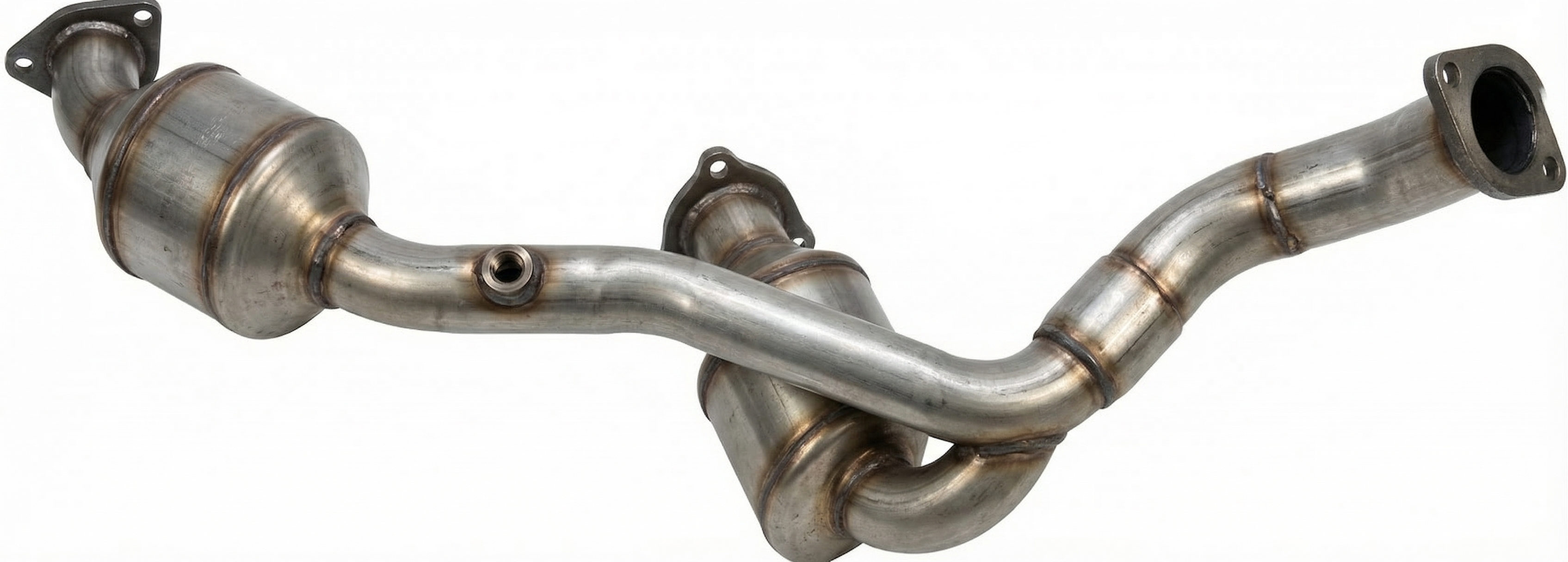
- Catalytic Converter (Bank 2)
(OEM #GMT900 (2007-2011, 6.2L): ACDelco 19420124 (replaces 15896591). GMT800 (2004-2006, 6.0L): Varies, check VIN.)— This is the most common cause of P0430, as the code directly measures the converter's efficiency.
Trusted brands: ACDelco (GM Genuine), Walker Exhaust, MagnaFlow
OEM price range: $900-$2500
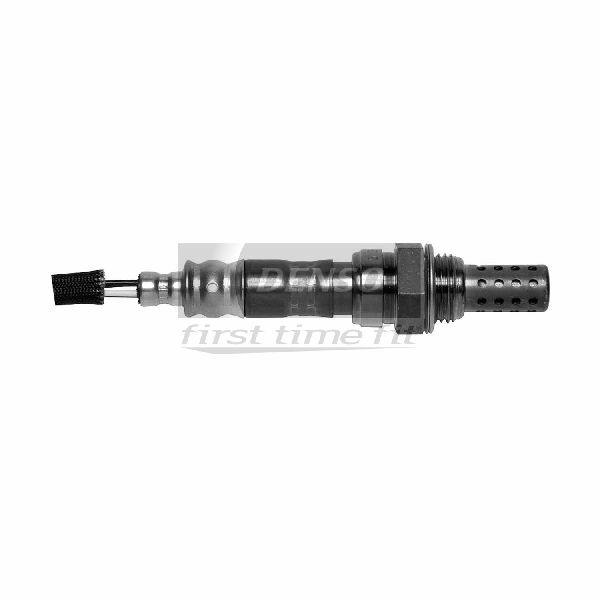
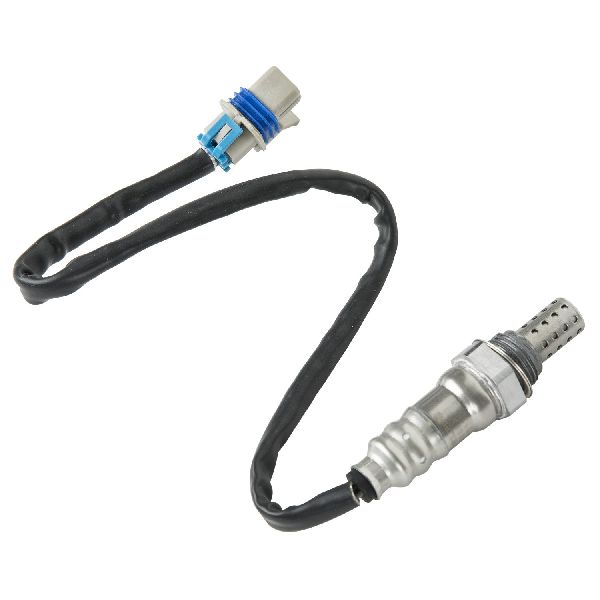
Aftermarket price range: $300-$800 - Downstream Oxygen Sensor (Bank 2, Sensor 2)
(OEM #GMT900 (2007-2011): ACDelco 213-4256 or Denso 234-4256. GMT800 (2004-2006): ACDelco 213-1574 or Denso 234-4668.)— A faulty sensor can send incorrect data, triggering the code. It's a common part to replace during diagnosis, though often not the root cause.
Trusted brands: ACDelco, Denso, Bosch
OEM price range: $100-$180
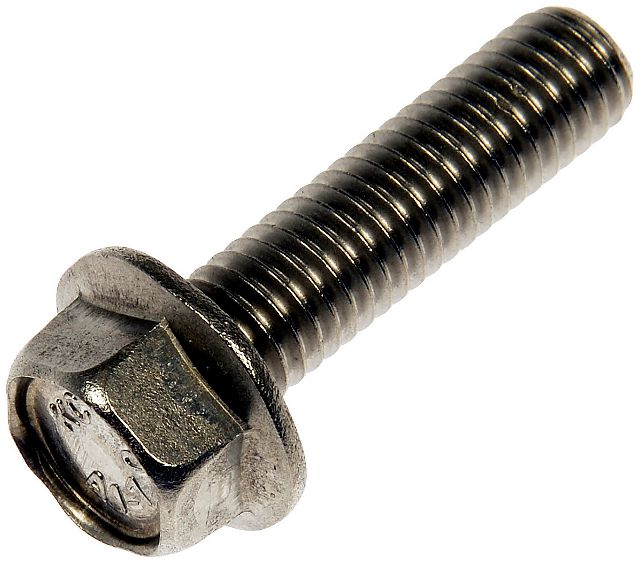
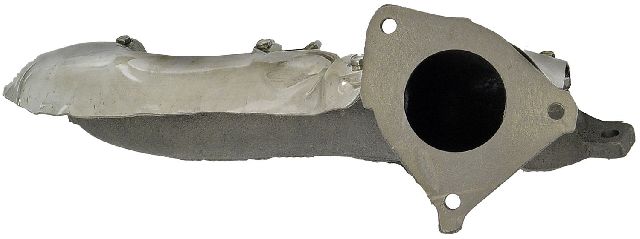
Aftermarket price range: $50-$100 - Exhaust Manifold Gasket Kit
(OEM #Varies by engine, but kits often include gaskets and new bolts.)— If an exhaust leak from a broken manifold bolt is found to be the cause, the gasket and bolts must be replaced.
Trusted brands: Fel-Pro, ACDelco, Dorman
OEM price range: $40-$80
Aftermarket price range: $20-$50
Related Codes That Often Appear With This One
- P0420 — P0420 is the identical code for Bank 1 (driver's side). When both appear together, it suggests a systemic issue (like contaminated fuel, high mileage, or engine wear) has damaged both catalytic converters simultaneously.
- P0300-P0308 — These are misfire codes (P0300 for random, P0301-P0308 for specific cylinders). A persistent misfire allows unburnt fuel to enter the exhaust, which can rapidly overheat and destroy the catalytic converter.
Technical Service Bulletins (TSBs) & Recalls
- PIP3119N: Mentions that the diagnostic for P0430 may be disabled for the first hour of operation on some vehicles to prevent false codes.
- 16-NA-111: Advises to check for a properly sealed air filter housing, as debris bypassing the filter can damage O2 sensors and catalytic converters, causing P0420/P0430.
Platform-Specific Known Issues
- TSB #PIP3119N notes that for some GM vehicles, the diagnostic tests for P0420 and P0430 are intentionally disabled for the first hour of engine operation to prevent false codes.
Mechanic-Grade Diagnostic Values
- Downstream O2 Sensor (Bank 2, Sensor 2) Voltage — expected: A steady voltage reading around 0.45V to 0.8V when the engine is at operating temperature and holding a steady RPM.. Failure: Voltage rapidly fluctuates between ~0.1V and ~0.9V, mimicking the upstream O2 sensor's pattern. This indicates the catalyst is not storing oxygen.
- Short-Term and Long-Term Fuel Trims (STFT/LTFT) — expected: Ideally within +/- 5% at idle and steady cruise.. Failure: Consistently high positive values (e.g., > +10%) can indicate a vacuum or exhaust leak, which can trick the O2 sensors and cause a false P0430. Consistently high negative values indicate a rich condition that can damage the converter.
Hidden / Shadow Codes Worth Checking
- Mode $06, TID $81-$84, CID $01-$02: This is not a DTC, but a function in Global OBD-II that allows viewing of the raw test results for the catalyst efficiency monitor. A technician can compare the vehicle's current test value against the manufacturer's maximum allowable threshold. A value that is close to the threshold indicates a marginal converter, even if the P0430 code has not set yet. (see via Requires a professional scan tool with Mode $06 diagnostic capabilities, such as a Launch Tech X-431 or similar.)
Scan Tool Commands That Help
- Tech2 / GDS2 or equivalent professional scanner: Heated O2 Sensor Relearn — On 2007-2013 GM trucks/SUVs, this procedure may be required after replacing oxygen sensors to reset learned values in the ECM. It should be performed after clearing any existing DTCs.
Wiring & Ground Locations
- G102 — Located at the left rear of the engine.. This is a primary ground for all 8 ignition coils. A poor ground here can cause weak spark or misfires, which can lead to unburnt fuel damaging the catalytic converter.
- G103 — Located on the cowl in the left rear of the engine compartment, above the brake booster.. Grounds the Body Control Module (BCM), Instrument Panel Cluster (IPC), and the Data Link Connector (DLC). A fault here can cause a wide range of communication and electrical issues, potentially affecting diagnostic procedures.
- Bank 2 O2 Sensor Harness — Runs from the sensors on the passenger side exhaust, up towards the top of the transmission bellhousing where it connects to the main engine harness.. The wiring is susceptible to damage from heat, rubbing against the transmission or frame, or being stretched during other repairs. A short or open in the downstream O2 sensor wiring will cause incorrect readings and can trigger a P0430.
Real Owner Repair Stories
- Tahoe Yukon Forum user (2013 Escalade ESV (similar GMT900 platform)) — Ticking noise from engine bay, especially when cold. P0430 code present.
❌ Tried (didn't work) Initially considered replacing the catalytic converter.
✅ What actually fixed it Identified that the rearmost exhaust manifold bolts on the passenger side had broken off. Instead of drilling them out, a Dorman or ProMaxxTool exhaust manifold clamp kit was installed. This bracket uses other existing holes in the cylinder head to apply pressure to the manifold, sealing the leak and resolving the code. - Reddit user in r/MechanicAdvice (2007 Escalade, 110k miles) — P0420 and P0430 codes, a small cloud of white smoke from exhaust, occasional stalling at idle that requires a 5-10 minute cool-down before restarting.
❌ Tried (didn't work) Throwing parts at it for a month.
✅ What actually fixed it The user suspected a failing head gasket was leaking coolant into the cylinders, which was causing the white smoke and contaminating the catalytic converters, leading to the P0420/P0430 codes. The final fix would be a head gasket replacement before replacing the cats.
"I Checked Everything" — The Actual Cause
- A cracked intake manifold or leaking intake manifold gasket can cause a persistent lean condition (triggering fuel trims to go high) or a coolant leak into the combustion chamber. While an exhaust system smoke test would come back clean, the resulting rich air/fuel mixture or contaminated exhaust gases will destroy the catalytic converter over time, causing a P0430. Technicians may miss this by focusing only on the exhaust system from the manifold back.
When the Usual Fixes Don't Work
- While Pass 2 correctly identifies a failing catalytic converter as the most common cause, multiple forum and mechanic reports emphasize that on these specific GM trucks, the root cause is very often an exhaust leak from broken manifold bolts. One owner on a forum fixed his P0430 with a $30 clamp kit after confirming a broken rear bolt, avoiding a $1,500+ catalytic converter replacement. This suggests that for this platform, investigating the manifold bolts should be given equal, if not higher, priority than assuming the converter has failed on its own.
Model Year Variations Within This Range
- 2007-2011 (GMT900): These models with the 6.2L V8 may require a 'Heated O2 Sensor Relearn' procedure using a scan tool like the GM Tech2 after replacing O2 sensors. This function is not typically present on earlier GMT800 models.
Helpful Videos
Used OEM Parts in Stock
New Aftermarket Parts Available


The information in this article is provided for general reference and educational purposes only. Vehicle specifications, procedures, and part compatibility can vary by production date, trim level, and region. Always consult your vehicle's factory service manual and verify part numbers before purchasing or performing repairs. Safety-critical components such as airbags, seat belts, and braking systems should be installed by a qualified professional.
- Cadillac ESCALADE ESV:
- 🎬 Helpful Videos
- 🛍️ Shop This Part
- What's Unique About the 2004-2011 Cadillac ESCALADE ESV
- Diagnostic Flowchart
- Symptoms You May Notice
- Most Likely Causes
- Rare But Worth Checking
- Diagnosis Steps
- Parts You'll Likely Need
- Related Codes That Often Appear With This One
- Technical Service Bulletins (TSBs) & Recalls
- Platform-Specific Known Issues
- Mechanic-Grade Diagnostic Values
- Hidden / Shadow Codes Worth Checking
- Scan Tool Commands That Help
- Wiring & Ground Locations
- Real Owner Repair Stories
- "I Checked Everything" — The Actual Cause
- When the Usual Fixes Don't Work
- Model Year Variations Within This Range
- 🎟️ Get 5% Off