

P0430 on 2018 Cadillac Escalade: Catalyst Efficiency Causes & Fixes
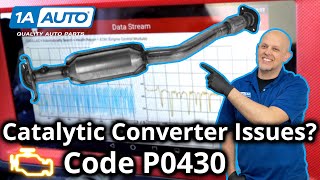
P0430 on a 2018 Escalade indicates the driver's side catalytic converter is inefficient. Before replacing the expensive converter, inspect the air filter box for a poor seal as noted in TSB #16-NA-111, which can contaminate sensors and the converter. Also, check for exhaust leaks (especially broken manifold bolts) and test the downstream O2 sensor, as these are common and cheaper fixes.
- P0430 on a 2018 Escalade means the driver's side (Bank 2) catalytic converter is not working efficiently.
- A unique and critical first check for this vehicle is the air filter housing seal, as per GM TSB #16NA111, which can cause a false code if it leaks.
- Always rule out cheaper fixes like exhaust leaks and a faulty downstream O2 sensor before condemning the very expensive catalytic converter.
- If other codes are present, especially for engine misfires (P030x), they must be repaired first to avoid damaging a new converter.
- Using a scan tool to graph live O2 sensor data is the most effective way to confirm whether the converter or a sensor is the true cause of the problem.
What's Unique About the 2018-2018 Cadillac ESCALADE
For this specific generation of Escalade and its GM truck siblings, a P0430 code has a very notable and unusual potential cause. GM issued Technical Service Bulletin #16-NA-111, which states that a poorly sealed air filter box can allow dirt, sand, and debris to bypass the filter. This debris can contaminate the oxygen sensors or even physically clog the catalytic converter, leading to a false P0430 code. The TSB instructs technicians to inspect the airbox for missing tabs or fasteners and check for signs of debris past the filter seal before replacing any parts. This makes inspecting the air intake system a critical and unique first step before assuming more common causes are to blame.
Diagnostic Flowchart
Tap your situation to follow the diagnostic path that matches what you're seeing on this vehicle.
Symptoms You May Notice
- Check Engine Light is on
- Failed emissions test
- Reduced fuel economy
- Sluggish acceleration or lack of engine power if the converter is clogged
- A sulfur or "rotten egg" smell from the exhaust, indicating the converter is not processing gases correctly
- Immediately replacing the catalytic converter without first checking for air intake leaks (per TSB #16-NA-111), exhaust leaks, or testing the downstream oxygen sensor. These alternative causes are much cheaper to fix.
- Replacing the upstream (Bank 2, Sensor 1) oxygen sensor to fix a P0430 code. This code is based on the readings from the downstream (Bank 2, Sensor 2) sensor, which is the one that monitors the converter's performance.
- Using cheap aftermarket oxygen sensors or converters, which can fail to meet OEM specifications and cause the code to return.
Most Likely Causes
- Failing Catalytic Converter (Bank 2) 🔴 High Probability Catalytic converters have a finite lifespan and fail due to age, contamination from engine issues (like burning oil), or damage from misfires sending unburnt fuel into the exhaust. On these GM V8s, they are a common failure item, especially after 100,000 miles.
How to confirm: After ruling out all other causes, this is the most likely culprit. A definitive test involves using a scan tool to watch live O2 sensor data; the downstream sensor (Bank 2, Sensor 2) voltage should be steady, not fluctuating like the upstream sensor. An infrared temperature gun can also be used; the converter's outlet should be significantly hotter than its inlet.
Typical fix: Replace the Bank 2 (driver's side) catalytic converter assembly. Using OEM or high-quality aftermarket converters is recommended, as some owners report issues with cheaper units. The OEM part is an assembly that includes the exhaust pipe.
Est. part cost: $300-$3010 - Faulty Downstream Oxygen (O2) Sensor (Bank 2, Sensor 2) 🟡 Medium Probability O2 sensors are exposed to extreme heat and exhaust gases, causing them to degrade over time and send inaccurate signals to the ECM. While a bad sensor often has its own code, it can sometimes fail in a way that incorrectly triggers P0430.
How to confirm: Use a scan tool to graph the sensor's voltage. If it's stuck, slow to respond, or mirrors the upstream sensor's pattern (after confirming no exhaust leaks), it's likely faulty. A common DIY test is to swap the downstream sensors from Bank 1 and Bank 2. If the code changes to P0420 (Bank 1), the sensor is bad.
Typical fix: Replace the Bank 2, Sensor 2 (downstream, driver's side) oxygen sensor. It is highly recommended to use OEM (ACDelco) or reputable aftermarket brands like Denso, Bosch, or NTK, as owners on forums report that cheaper sensors can be unreliable.
Est. part cost: $50-$150 - Exhaust System Leak 🟡 Medium Probability Heat cycles and corrosion can cause gaskets and welds to fail, allowing outside air into the exhaust stream. Broken exhaust manifold bolts are a known issue on these GM V8 engines (L86), particularly the rearmost bolts near the firewall, which are difficult to access. This leak tricks the O2 sensors and is a very common cause for a false P0430.
How to confirm: Visually inspect the exhaust system from the engine to the rear O2 sensor for soot, cracks, or holes. Listen for a ticking sound, especially on a cold start. A smoke test is the most reliable method to find small leaks. You can also spray soapy water on cold exhaust joints and look for bubbles.
Typical fix: Replace the leaking gasket or repair the cracked pipe. If an exhaust manifold bolt is broken, it will need to be extracted and replaced. Specialty drill templates are available for this specific repair on GM V8s.
Est. part cost: $20-$100 - Improperly Sealed Air Intake System ⚪ Low Probability Per TSB #16-NA-111, a warped air box, broken tabs, or a poor seal on the air filter can allow abrasive debris to enter the engine, which can damage O2 sensors or clog the catalytic converter. This is a documented issue for the K2XX platform.
How to confirm: Carefully inspect the air filter housing. Ensure all tabs and fasteners are present and that the filter is seated correctly, creating a tight seal. Check the 'clean' side of the airbox and intake tube for any signs of dust or debris.
Typical fix: Reseat the air filter properly, replace the filter, or replace the air filter housing assembly if it is damaged or warped.
Est. part cost: $50-$250
Rare But Worth Checking
- Underlying Engine Issues: An engine that is misfiring or burning oil/coolant can send contaminants into the exhaust, which will quickly destroy a new catalytic converter. These issues must be fixed first and will usually be accompanied by other trouble codes (e.g., P0300-P0308 for misfires, P0171/P0174 for lean conditions).
- New Catalytic Converter Out-Gassing: According to some service information, a brand new converter with less than 100 miles on it may temporarily set a P0420 or P0430 code due to the internal matting out-gassing during its initial heat cycles. Driving at highway speed for about an hour may resolve this condition.
Diagnosis Steps
- Check for any other stored trouble codes. Address any misfire (P030x), fuel system (P017x), or O2 sensor circuit codes before diagnosing P0430.
- Inspect the air intake system per TSB #16-NA-111. Check for a warped air box, broken tabs, a bad filter seal, or any signs of debris bypassing the filter into the intake tube.
- Visually and audibly inspect the exhaust system from the driver's side engine manifold to the rear O2 sensor. Look for cracks, holes, or black soot indicating a leak. A common failure point is broken exhaust manifold bolts, especially the rear-most ones.
- Use a scan tool with live data capability. Graph the voltage for Bank 2 Sensor 1 (upstream) and Bank 2 Sensor 2 (downstream).
- A healthy system will show the upstream sensor fluctuating rapidly between ~0.1V and ~0.9V, while the downstream sensor remains relatively steady and slow-switching, typically above 0.5V.
- If the downstream sensor's voltage is fluctuating in a similar pattern to the upstream sensor, it confirms the catalytic converter is not storing oxygen and has likely failed.
- If the downstream sensor's voltage is stuck high or low and not responding, the sensor itself is likely faulty.
- If unsure about the sensor, swap the downstream sensors between Bank 1 and Bank 2. Clear the codes and drive the vehicle. If the code returns as P0420, the sensor you moved is bad.
- Perform a temperature check using an infrared thermometer. The outlet of the converter should be at least 100°F hotter than the inlet after the engine is fully warmed up. If not, the catalyst is inactive.
- If all other checks pass, the catalytic converter is the confirmed point of failure.
Parts You'll Likely Need
- Catalytic Converter (Bank 2)
(OEM #19420265)— This is the most frequent cause of a persistent P0430 code after other possibilities have been ruled out. The internal materials degrade over time.
Trusted brands: ACDelco (GM Genuine), Walker Exhaust, MagnaFlow
OEM price range: $1980-$2965
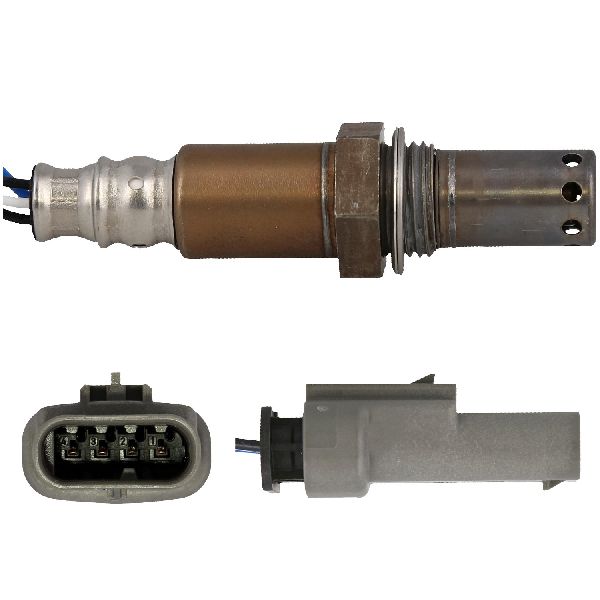
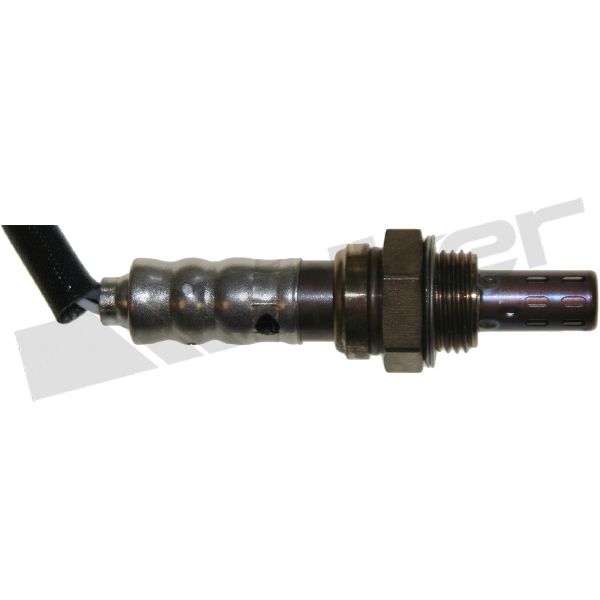
Aftermarket price range: $300-$1600 - Downstream Oxygen Sensor (Bank 2, Sensor 2)
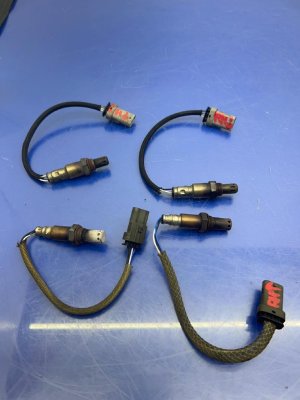
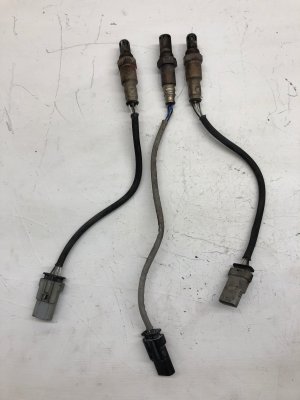
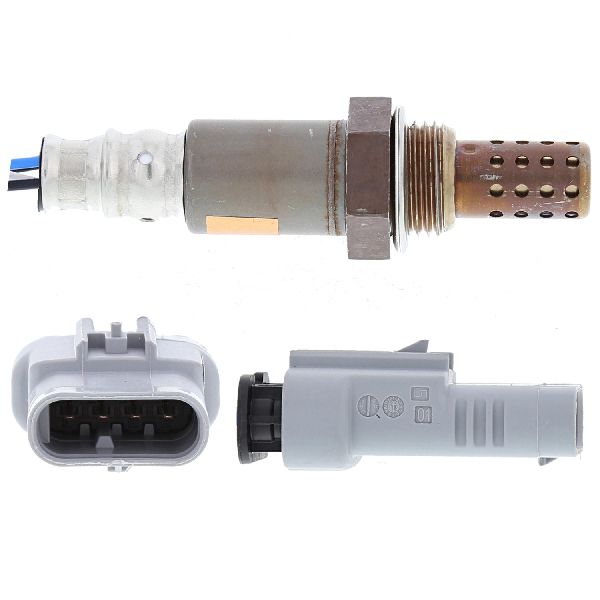
(OEM #12659516)— A faulty sensor can send incorrect data, falsely triggering the P0430 code. It is a common failure point and much cheaper to replace than a converter.
Trusted brands: ACDelco, Bosch, Denso, NTK
OEM price range: $80-$150
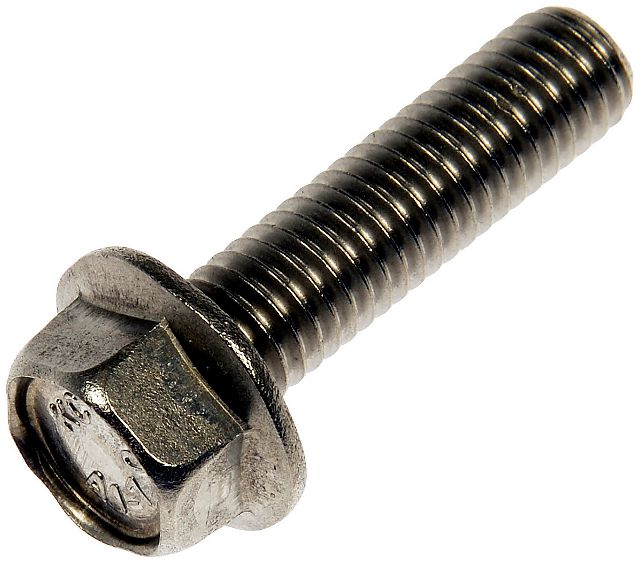
Aftermarket price range: $50-$120 - Exhaust Manifold Gasket — A leak at the exhaust manifold is a common source of exhaust leaks that can trigger P0430, often due to broken manifold bolts on the L86 engine.
Trusted brands: ACDelco, Fel-Pro
OEM price range: $20-$40
Aftermarket price range: $10-$25
Related Codes That Often Appear With This One
- P0420 — This is the identical code for Bank 1 (passenger side). If both appear, it could point to a systemic issue like the air intake leak from TSB #16-NA-111, or that both converters have failed due to age.
- P0300-P0308 — These are misfire codes. An unresolved engine misfire sends unburnt fuel into the exhaust, which can overheat and destroy the catalytic converter, leading to a P0430 code. The misfire must be fixed first to prevent damaging a new converter.
- P2099 — This code for "Post Catalyst Fuel Trim System Too Rich Bank 2" can be caused by the same issues that trigger P0430, such as an exhaust leak or a faulty downstream O2 sensor.
Technical Service Bulletins (TSBs) & Recalls
- 16-NA-111: "Diagnostic Tip for Malfunction Indicator Light (MIL) Illuminated, DTC P0420 and P0430 Set." Details how a poorly sealed air filter housing can allow debris to bypass the filter, damaging O2 sensors and clogging the converter.
- PIP3119P: "Service Engine Soon Malfunction Indicator Lamp...DTCs P0420 and or P0430 stored." Informs technicians that the catalyst efficiency test is disabled for the first hour of engine operation on low-mileage vehicles to prevent false codes.
Platform-Specific Known Issues
- Broken Exhaust Manifold Bolts: The 6.2L L86 V8 engine and its smaller 5.3L L83 sibling are known for breaking exhaust manifold bolts, particularly the ones at the rear of the cylinder heads near the firewall. This creates an exhaust leak that is a very common cause of a false P0430 or P0420 code.
- Air Intake Seal (TSB 16-NA-111): A unique-to-GM-trucks issue where the factory airbox may not seal properly against the air filter, allowing dirt and sand to be ingested by the engine. This can damage O2 sensors and the catalytic converters, directly causing efficiency codes P0420/P0430.
Mechanic-Grade Diagnostic Values
- Downstream O2 Sensor (Bank 2, Sensor 2) Voltage — expected: Relatively steady voltage between 0.45V and 0.8V at a constant RPM on a warm engine.. Failure: Voltage fluctuates in a pattern similar to the upstream sensor, or is stuck at a fixed value.
- Upstream O2 Sensor (Bank 2, Sensor 1) Voltage — expected: Rapidly fluctuates between approximately 0.1V (lean) and 0.9V (rich) in closed loop.. Failure: Slow, lazy, or stuck voltage reading.
- Long Term Fuel Trim (Bank 2) — expected: Within +/- 10% at idle and steady cruise.. Failure: Consistently high positive values (e.g., > +10%) can indicate an unmetered air leak, while high negative values can indicate a rich condition that damages the converter.
- Mass Airflow (MAF) Sensor Reading — expected: Approximately 6.0-8.0 g/s at idle for the 6.2L L86 engine.. Failure: Readings significantly outside this range can indicate a sensor or intake issue affecting the air/fuel ratio.
Hidden / Shadow Codes Worth Checking
- Mode $06, TID $81/$82 (example): Mode $06 provides access to the raw results from the ECM's last-run self-tests. The Catalyst Efficiency Monitor test results can be viewed here before a DTC is set. The specific Test ID (TID) can vary, but it allows a technician to see if the converter is borderline or has failed the test definitively. (see via An advanced OBD-II scan tool that supports Mode $06 diagnostics.)
Scan Tool Commands That Help
- GDS2 / Tech2 or equivalent: Graphing Live Data (O2 Sensors, Fuel Trims) — This is the primary diagnostic step for P0430. Graphing Bank 2 Sensor 1 and Bank 2 Sensor 2 voltages on the same screen allows for direct comparison to see if the downstream sensor is mimicking the upstream, which confirms poor catalyst efficiency.
- GDS2 / Tech2 or equivalent: Misfire Data — Before condemning the catalytic converter, check for any current or history misfire counts on all cylinders. An engine misfire will send raw fuel into the exhaust, destroying a new converter quickly. This must be addressed first.
Wiring & Ground Locations
- G102 / G103 — Typically located on the cylinder heads or the front/side of the engine block.. The oxygen sensor circuits rely on a clean and solid engine ground connection. A corroded or loose engine ground can introduce electrical noise or voltage offsets, causing incorrect sensor readings and potentially triggering a false P0430 code.
Real Owner Repair Stories
- TahoeYukonForum user (GM SUV with P0420/P0430) — Persistent P0420 and P0430 codes for two years.
❌ Tried (didn't work) Replaced catalytic converters, Replaced upstream O2 sensors, Replaced spark plugs and coils
✅ What actually fixed it The issue was ultimately suspected to be the original downstream O2 sensors, which had not been replaced along with the other parts. - Reddit user in r/MechanicAdvice (2007 Escalade, 110k miles) — P0420 and P0430 codes, white smoke from exhaust, occasional stalling.
❌ Tried (didn't work) Replacing various parts for a month without success.
✅ What actually fixed it The root cause was determined to be a failing head gasket leaking coolant into the cylinders. This contaminated and destroyed the catalytic converters, causing the codes. The head gasket needed to be replaced before the converters.
"I Checked Everything" — The Actual Cause
- A technician diagnosing a P0430 on a similar GM vehicle found the cause to be a small pinhole leak in the exhaust Y-pipe, located *after* the catalytic converter and downstream O2 sensor. The high-speed flow of exhaust gas over the pinhole created a venturi effect, sucking fresh air into the pipe. This fresh air traveled back upstream during exhaust pulses and was detected by the downstream O2 sensor, making it read lean and causing the computer to incorrectly flag the converter as inefficient.
When the Usual Fixes Don't Work
- While replacing the downstream O2 sensor is a common first step, many experienced technicians and forum users report that for a P0430 code with no other accompanying codes (misfire, fuel trim, etc.) and no exhaust leaks, the catalytic converter is almost always the true point of failure. Replacing the sensor first can often lead to the code returning, as the sensor was correctly reporting the inefficiency of the failing converter. Another counterpoint to common wisdom is that an exhaust leak *after* the downstream O2 sensor can still trigger the code by pulling in fresh air via a venturi effect, which then gets read by the sensor.
OEM Part Supersession History
ACDelco 213-4229 (GM 12609457)→ACDelco 213-4764 / GM 12657188 (example)— Engine generation change.
Heads up: The 2015+ K2XX platform with the L86 engine uses different oxygen sensors than the previous generation 2007-2014 GMT900 platform with the L94 engine. Ensure the correct part number is used for the specific model year.
Helpful Videos
Used OEM Parts in Stock

New Aftermarket Parts Available


The information in this article is provided for general reference and educational purposes only. Vehicle specifications, procedures, and part compatibility can vary by production date, trim level, and region. Always consult your vehicle's factory service manual and verify part numbers before purchasing or performing repairs. Safety-critical components such as airbags, seat belts, and braking systems should be installed by a qualified professional.
- Cadillac ESCALADE:
- 🎬 Helpful Videos
- 🛍️ Shop This Part
- What's Unique About the 2018-2018 Cadillac ESCALADE
- Diagnostic Flowchart
- Symptoms You May Notice
- Most Likely Causes
- Rare But Worth Checking
- Diagnosis Steps
- Parts You'll Likely Need
- Related Codes That Often Appear With This One
- Technical Service Bulletins (TSBs) & Recalls
- Platform-Specific Known Issues
- Mechanic-Grade Diagnostic Values
- Hidden / Shadow Codes Worth Checking
- Scan Tool Commands That Help
- Wiring & Ground Locations
- Real Owner Repair Stories
- "I Checked Everything" — The Actual Cause
- When the Usual Fixes Don't Work
- OEM Part Supersession History
- 🎟️ Get 5% Off