

P0430 on 2002-2009 Cadillac Escalade: Catalyst Efficiency Fixes for Bank 2
P0430 on a Cadillac Escalade points to a failing catalytic converter on the passenger side (Bank 2). Before replacing the expensive converter, first check for cheaper fixes like exhaust leaks, damaged O2 sensor wiring, or a faulty downstream oxygen (O2) sensor, as these are common culprits that can mimic a bad converter.
- P0430 means the catalytic converter on the passenger side (Bank 2) is inefficient.
- Before spending money, always check for exhaust leaks and test the downstream O2 sensor, as these are cheaper, common fixes.
- If you have engine misfires or are burning oil, you MUST fix those problems first, or you will destroy a new catalytic converter.
- A working converter should be much hotter at its outlet than its inlet. An infrared temperature gun is a great diagnostic tool for this.
- Check if your vehicle is still under the 8-year/80,000-mile federal emissions warranty, as the converter replacement could be free.
What's Unique About the 2002-2009 Cadillac ESCALADE
On these GM V8 trucks and SUVs, the P0430 code is extremely common and very often points to an aged or failing catalytic converter. However, these engines, particularly in the earlier years, can be prone to oil consumption, which can contaminate and ruin a new catalytic converter if the root cause isn't addressed. It's also common for owners to mistakenly replace the expensive converter when a much cheaper downstream O2 sensor, its wiring, or a simple exhaust leak was the actual problem. Using cheap aftermarket O2 sensors is also a known cause for triggering false codes on this platform.
Diagnostic Flowchart
Tap your situation to follow the diagnostic path that matches what you're seeing on this vehicle.
Generation note: This range covers two Escalade generations: - 2nd Gen (GMT800, 2002-2006): Used 5.3L and 6.0L V8 engines. - 3rd Gen (GMT900, 2007-2009): Primarily used the 6.2L V8 engine. While the code's meaning is the same, the specific part numbers for catalytic converters and oxygen sensors will differ between these generations. The underlying diagnostic principles are identical across both generations and their platform mates.
Symptoms You May Notice
- Check Engine Light is on
- Reduced engine power and sluggish acceleration, especially if the converter is clogged.
- A sulfur or "rotten egg" smell from the exhaust.
- Rattling noises from underneath the vehicle if the converter's internal honeycomb has broken apart.
- Vehicle will fail an emissions test.
- A ticking or hissing sound from the exhaust area, indicating a leak.
- Replacing the catalytic converter when the actual fault was a less expensive downstream O2 sensor or an exhaust leak.
- Replacing the catalytic converter with a cheap aftermarket unit that isn't efficient enough, causing the code to return.
- Using a cheap aftermarket O2 sensor which sends incorrect data and causes the P0430 code to persist or return.
Most Likely Causes
- Failing Catalytic Converter 🔴 High Probability Catalytic converters have a finite lifespan and fail from age. They can also be damaged by upstream engine problems like misfires or burning oil, which are not uncommon on these V8 engines, leading to a melted or clogged internal structure.
How to confirm: Use an infrared thermometer to check the converter's temperature on a fully warmed-up engine. The outlet pipe should be at least 100°F hotter than the inlet pipe. If temperatures are similar or the inlet is hotter, the converter is likely clogged or not working. You can also tap the converter with a rubber mallet (engine off) to listen for a rattling sound, which indicates the internal substrate has broken.
Typical fix: Replace the Bank 2 (passenger side) catalytic converter. It is critical to fix any engine misfires or oil consumption issues first, otherwise the new converter will be quickly destroyed.
Est. part cost: $300-$800 - Faulty Downstream Oxygen Sensor (Bank 2) 🟡 Medium Probability O2 sensors wear out over time and can become 'lazy' or biased, sending slow or inaccurate signals that trick the ECU into thinking the converter has failed. Wiring and connector issues are also common.
How to confirm: Use a scan tool to graph the voltage of the Bank 2 downstream O2 sensor (Sensor 2). A healthy sensor on a working converter will show a relatively steady voltage (around 0.45V). If it's switching rapidly like the upstream sensor, is stuck at a certain voltage, or doesn't respond, it's likely bad. A good diagnostic step is to swap the downstream sensors from Bank 1 and Bank 2. If the code changes to P0420 (Bank 1), the sensor is confirmed to be the problem.
Typical fix: Replace the Bank 2, Sensor 2 (downstream, passenger side) oxygen sensor. Using a quality OEM or Denso/NGK sensor is highly recommended over cheaper alternatives.
Est. part cost: $50-$120 - Exhaust System Leak 🟡 Medium Probability Exhaust manifold gaskets and the flange gaskets around the converter can degrade and leak over time due to heat cycles and corrosion. Broken exhaust manifold bolts are also a very common issue on these GM V8s.
How to confirm: Visually inspect the exhaust system from the engine to the rear O2 sensor for black soot marks, which indicate a leak. Listen for a ticking or hissing sound. You can also use a shop towel to briefly block the tailpipe while listening for hissing sounds from the exhaust manifold or pipe connections. Spraying soapy water on cold exhaust joints and looking for bubbles is another effective method.
Typical fix: Replace the leaking gasket or repair the cracked pipe. Exhaust manifold bolt repairs are also common. 🎬 See how to fix common exhaust manifold leaks on GM V8s.
Est. part cost: $10-$50 - Upstream Engine Problems ⚪ Low Probability Issues like a constant engine misfire (e.g., from a bad spark plug or ignition coil) or leaking fuel injectors can dump raw fuel into the exhaust, which superheats and melts the catalytic converter's internal structure. Oil consumption from issues like the Active Fuel Management (AFM) system can also foul the converter over time.
How to confirm: Check for other trouble codes, especially misfire codes (P0300-P0308) or fuel trim codes (P0171, P0174). Address these codes *before* addressing P0430.
Typical fix: Perform a full engine tune-up (spark plugs, wires), replace faulty ignition coils, or replace leaking fuel injectors. Address any oil consumption issues.
Est. part cost: $100-$500+
Rare But Worth Checking
- Improperly Sealed Air Filter Housing: A GM TSB for later models notes that a poor seal on the engine air filter box can let sand and dirt bypass the filter. This abrasive material can damage the delicate element in the O2 sensors and physically clog the catalytic converter. It's a wise check on any GM truck.
- O2 Sensor Wiring/Connector Fault: The wiring harness for the downstream O2 sensor can get damaged by road debris or heat from the exhaust. Corrosion inside the connector can also cause faulty readings. Wiggling the connector while watching live data can help identify an intermittent connection.
Diagnosis Steps
- Scan for other DTCs. If any misfire, fuel system, or air/fuel ratio codes are present, diagnose and fix them first. These issues can destroy a new converter.
- Inspect the exhaust system thoroughly for leaks, especially around the Bank 2 exhaust manifold, gaskets, and converter flanges. Listen for hissing or ticking sounds and look for black soot trails.
- Inspect the O2 sensor wiring and connector for damage, corrosion, or loose connections. Perform a wiggle test on the connector while observing live data.
- With a scan tool, observe the live data for the Bank 2 upstream (Sensor 1) and downstream (Sensor 2) O2 sensors. The upstream sensor should fluctuate rapidly between ~0.1V and ~0.9V. The downstream sensor should be relatively stable around 0.45V-0.7V. If the downstream sensor is mirroring the upstream, the converter is not working.
- If the downstream sensor seems unresponsive, stuck, or is behaving erratically, it is a likely culprit. A good test is to swap the left and right downstream sensors and see if the code follows the sensor (changes to P0420). If it does, replace the sensor.
- Use an infrared temperature gun to measure the temperature of the pipe entering the catalytic converter and the pipe exiting it. The outlet should be significantly hotter (100°F+). If not, the converter has failed.
- Physically inspect the catalytic converter. Tap it with a rubber mallet to listen for rattling, which indicates a broken internal substrate.
Parts You'll Likely Need
- Catalytic Converter (Bank 2) — This is the most common cause of P0430, typically due to age or damage from engine issues.
Trusted brands: ACDelco (OEM), Walker Exhaust, MagnaFlow
OEM price range: $600-$1200
Aftermarket price range: $300-$800 - Downstream Oxygen Sensor (Bank 2, Sensor 2)
(OEM #ACDelco 213-4229 (for many 2008+ models))— A faulty O2 sensor is a frequent cause and a common misdiagnosis for a bad converter. It's often wise to replace this sensor if it's old before condemning the converter.
Trusted brands: ACDelco, Denso, NTK
OEM price range: $80-$150
Aftermarket price range: $50-$120
Related Codes That Often Appear With This One
- P0420 — This is the identical code for Bank 1 (driver's side). It's common for both converters to fail around the same time due to age or systemic engine issues like oil consumption.
- P0300-P0308 — These are misfire codes. An unresolved misfire will destroy a new catalytic converter quickly by sending unburnt fuel into it.
- P0449 — This is an EVAP system code often seen on these trucks. While not directly related to the catalyst efficiency, it points to the general age of emissions components. One owner on a forum reported tackling both P0430 and P0449 at the same time.
Technical Service Bulletins (TSBs) & Recalls
- TSB #PIP3119P: This bulletin is highly relevant. It explains that new catalytic converters require a break-in period to out-gas internal materials. On new vehicles, the P0420/P0430 tests are disabled for the first hour of engine operation. If a converter is replaced on a higher-mileage vehicle, this diagnostic may run before the converter is broken in, causing a false code. The fix is to clear the codes and perform a specific highway drive cycle to allow for proper break-in. This TSB applies to the entire 2002-2009 Escalade range and its platform mates.
Platform-Specific Known Issues
- Federal Emissions Warranty: Remember that catalytic converters are covered under a federal emissions warranty for 8 years or 80,000 miles, whichever comes first. If your vehicle falls within this window, the repair may be covered by the dealership.
- Oil Consumption: Some of the V8 engines in this era, particularly those with Active Fuel Management (AFM), can consume oil. This oil burns in the combustion chamber and will contaminate oxygen sensors and catalytic converters, leading to premature failure. If you are adding oil between changes, this root cause must be investigated before replacing a catalytic converter.
- O2 Sensor Spacers / Non-Foulers: Some owners on forums report using a spark plug non-fouler or a dedicated O2 sensor spacer to pull the downstream sensor out of the direct exhaust stream. This can trick the computer and turn off the light, but it does not fix the underlying problem and may be illegal in areas with emissions testing. It is generally considered a temporary workaround, not a proper repair.
- Catalytic Converter Break-in Period: GM TSB #PIP3119P notes that a brand new catalytic converter needs a break-in period. The P0420/P0430 diagnostic tests are disabled for the first hour of engine run time on a new vehicle. If a converter is replaced on an older vehicle, it may not get this break-in, potentially setting a false code. The TSB recommends a specific drive cycle (sustained highway driving) to properly break in the new converter before condemning it.
Mechanic-Grade Diagnostic Values
- Upstream O2 Sensor (Bank 2, Sensor 1) Voltage — expected: Fluctuating constantly between 0.1 and 0.9 volts on a warmed-up engine.. Failure: Stays fixed at a particular voltage, remains below 0.5V, or goes above the 0.1-0.9V range.
- Downstream O2 Sensor (Bank 2, Sensor 2) Voltage — expected: A fairly constant and steady voltage of around 0.45 volts on a warmed-up engine with a healthy converter.. Failure: Voltage consistently bounces between 0.1V and 0.9V, mimicking the upstream sensor. This indicates the catalyst is not storing oxygen.
Hidden / Shadow Codes Worth Checking
- Mode $06: Mode $06 data provides the raw test results from the PCM's onboard diagnostic monitors, including the catalyst efficiency test. It allows a technician to see the measured value and the pass/fail threshold before a DTC is officially set. This is invaluable for diagnosing marginal converter failures. (see via A professional scan tool with Mode $06 capabilities is required. The data is presented in hexadecimal and needs interpretation, though some modern scan tools translate it automatically.)
Scan Tool Commands That Help
- GM Tech 2 / GDS2: Catalyst Monitor Test (Idle) — This is a service function that forces the PCM to run the catalyst efficiency test. On many GM vehicles from this era, the test runs at idle. The tool commands specific lean/rich fuel mixtures and observes the downstream O2 sensor's reaction time and oxygen storage capacity, providing a definitive pass or fail without a full drive cycle.
Wiring & Ground Locations
- G103 — On the right front of the cylinder head surface (passenger side).. This is a primary engine ground. A TSB for similar GM trucks mentions this as a ground point for the Body Control Module (BCM). Poor grounding here can cause a variety of erratic electrical issues and potentially affect sensor readings due to electrical noise or voltage offsets.
- Engine Block to Frame Ground Strap — A large braided or solid cable running from the engine block to the vehicle's frame, often on the passenger side near the front of the engine.. This is the main ground path for the entire engine assembly. If this strap is broken, corroded, or loose, the starter may not work, and control modules (including the ECM) can behave erratically as they seek ground through other, smaller paths. This can lead to incorrect sensor readings and phantom codes.
- O2 Sensor Harness Connector — Located on the vehicle harness near each oxygen sensor.. A GM service document explicitly warns against soldering repairs on O2 sensor wiring. The sensor uses the air gap between the wire strands to get a clean air reference. Soldering or using other sealants can block this path, degrading sensor performance and causing incorrect readings that could trigger a P0430 code. If the pigtail is damaged, the entire sensor should be replaced.
Real Owner Repair Stories
- Tahoe / Yukon Forum user (2015 Tahoe 5.3L (Similar GMT platform with known issue)) — Check engine light with codes P0420 and P0430. Ticking noise from engine bay.
❌ Tried (didn't work) Initially suspected a bad catalytic converter and had it replaced.
✅ What actually fixed it The actual cause was a broken exhaust manifold bolt on the passenger side rear cylinder, creating an exhaust leak before the primary O2 sensor. This allowed unmetered air to enter the exhaust, fooling the O2 sensors into reporting a bad converter. The fix was installing a manifold bolt repair clamp (Kral Auto Parts KAP-single) which sealed the leak without needing to remove the cylinder head.
Model Year Variations Within This Range
- 2006 vs. 2007: The 2007 model year marked a major generation change (GMT800 to GMT900). The 2006 model typically used the 6.0L LQ9 V8 and a 4-speed automatic transmission. The 2007 model introduced the all-aluminum 6.2L L92 V8 with variable valve timing and a 6-speed 6L80 automatic transmission. While the P0430 code's meaning is the same, the engine, transmission, and associated control systems are significantly different, which can affect diagnostic procedures and part numbers.
Helpful Videos
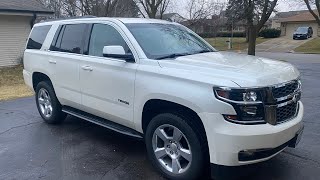
We Have This Part in Stock


The information in this article is provided for general reference and educational purposes only. Vehicle specifications, procedures, and part compatibility can vary by production date, trim level, and region. Always consult your vehicle's factory service manual and verify part numbers before purchasing or performing repairs. Safety-critical components such as airbags, seat belts, and braking systems should be installed by a qualified professional.
- Cadillac ESCALADE:
- 🎬 Helpful Videos
- 🛍️ Shop This Part
- What's Unique About the 2002-2009 Cadillac ESCALADE
- Diagnostic Flowchart
- Symptoms You May Notice
- Most Likely Causes
- Rare But Worth Checking
- Diagnosis Steps
- Parts You'll Likely Need
- Related Codes That Often Appear With This One
- Technical Service Bulletins (TSBs) & Recalls
- Platform-Specific Known Issues
- Mechanic-Grade Diagnostic Values
- Hidden / Shadow Codes Worth Checking
- Scan Tool Commands That Help
- Wiring & Ground Locations
- Real Owner Repair Stories
- Model Year Variations Within This Range
- 🎟️ Get 5% Off