

P0426 on 2014 Ram 1500 EcoDiesel: Catalyst Temperature Sensor Causes and Fixes
On a 2014 Ram 1500 with the 3.0L EcoDiesel, code P0426 most often points to a faulty catalyst temperature sensor (specifically, the EGT sensor Bank 1 Sensor 1) or a needed PCM software update. This sensor is located in the exhaust downpipe just after the turbocharger. A sensor replacement is a common fix, costing around $50-$120 for the part.
- For a 2014 Ram 1500 EcoDiesel, P0426 means an issue with the Bank 1 Sensor 1 Catalyst Temperature Sensor circuit.
- Always check for and perform any available PCM software updates before replacing parts, as this is a common fix for this specific truck.
- The most likely failed part is the temperature sensor itself, located just after the turbocharger.
- Symptoms typically include a Check Engine Light and noticeably worse fuel economy.
- Do not immediately assume the catalytic converter is bad; the issue is almost always upstream with the sensor, wiring, or software.
What's Unique About the 2014-2014 Ram 1500

The 2014 Ram 1500 was the debut year for the 3.0L EcoDiesel engine, a complex powertrain with a sophisticated emissions system involving a Diesel Oxidation Catalyst (DOC), Diesel Particulate Filter (DPF), and multiple EGT sensors. Many early issues with this engine, including P0426, were addressed through numerous software updates issued by Ram via Technical Service Bulletins (TSBs). Therefore, unlike many other vehicles, a crucial first step for this specific truck is checking for and applying any pending PCM updates before replacing parts, as the update may adjust the sensor's expected operating parameters within the software.
Diagnostic Flowchart

Tap your situation to follow the diagnostic path that matches what you're seeing on this vehicle.
Symptoms You May Notice
- Check Engine Light (MIL) is on
- Reduced fuel economy
- Decreased engine performance or sluggish acceleration
- Engine hesitation or shudder
- EVIC message 'Exhaust Filter XX% Full Safely Drive at Highway Speed to Remedy' may appear and fail to clear.
- A louder than normal whistling or whining noise during acceleration has been noted by some owners.
- Replacing the Oxygen (O2) Sensor instead of the EGT/Catalyst Temperature Sensor. While some generic definitions confuse the two, on the EcoDiesel, this code specifically refers to the Exhaust Gas Temperature (EGT) sensor, not the O2 sensor.
- Replacing the catalytic converter immediately. The code points to a sensor circuit performance issue, which is far more likely to be the sensor, wiring, or software than the expensive converter itself.
Most Likely Causes

- Faulty Catalyst Temperature Sensor (Bank 1, Sensor 1) 🔴 High Probability Sensors in the high-heat environment of a diesel exhaust system are common failure points. On the EcoDiesel, this is the first EGT sensor located in the downpipe after the turbocharger, making it subject to extreme temperatures.
How to confirm: Use an OBD-II scanner to monitor the live data for the 'Catalyst Temperature Bank 1 Sensor 1'. With the key on and engine off, the reading should be close to ambient temperature. If it reads an extreme value (like -40°F or 1800°F) or doesn't change logically as the engine warms up, the sensor is likely bad. A resistance test can also be performed; per TSB 18-021-15 REV. E, the resistance between the two sensor terminals should be 200-240 ohms at room temperature (65-75°F).
Typical fix: Replace the Bank 1 Sensor 1 catalyst temperature sensor. The Mopar OEM part number is 68211210AA. 🎬 Watch: Step-by-step guide on installing a new EGT sensor.
Est. part cost: $65-$120 - Outdated Powertrain Control Module (PCM) Software 🔴 High Probability As an early model year for the EcoDiesel, Ram issued multiple software updates to correct sensor parameter logic and improve system performance. These flashes can adjust the acceptable voltage ranges the PCM expects from the sensor, resolving a 'range/performance' code without a hardware change.
How to confirm: A Ram dealership or a well-equipped independent shop can check your vehicle's VIN against FCA/Stellantis records to see if TSBs like 18-018-14 REV. E apply and have not been performed.
Typical fix: Reprogram the PCM with the latest available software using the wiTECH diagnostic application. This is often referred to as 'flashing' the module.
Est. part cost: $0-$200 (depending on dealer labor rates and warranty/recall status) - Damaged Wiring or Connectors 🟡 Medium Probability The exhaust system generates extreme heat, which can make wiring harnesses and connectors brittle and prone to cracking or corrosion over time. The EGT sensor harnesses run across the top of the transmission to a main connector before heading to the PCM, creating multiple points for potential failure.
How to confirm: Visually inspect the wiring harness leading to the catalyst temperature sensor for any signs of melting, chafing, corrosion, or loose connections. The harness runs over the top of the transmission, and the plug can be accessed from the passenger side. Check for continuity using a multimeter from the sensor connector to the PCM connector.
Typical fix: Repair the damaged section of the wiring harness or replace the connector pigtail. In one documented case, a dealer replaced both sides of a corroded main connector to resolve multiple codes.
Est. part cost: $15-$50 for a pigtail, but can be significantly more if a larger harness section is needed.
Rare But Worth Checking
- Exhaust Leaks: A leak in the exhaust system between the turbo and the sensor can allow fresh air to enter, skewing the temperature readings and potentially triggering the code.
- Failing Catalytic Converter or DPF: While less common to be the root cause of P0426, a failing or clogged catalytic converter can create abnormal temperatures that damage the sensor or cause erratic readings. This is usually a consequence of a long-ignored issue (like a bad sensor preventing DPF regen) rather than the initial cause.
- Faulty Powertrain Control Module (PCM): In very rare cases, the PCM itself can fail, causing it to misinterpret a perfectly good sensor signal. This should only be considered after all other possibilities, especially software updates, have been exhausted.
Diagnosis Steps
- Connect an OBD-II scanner and confirm P0426 is present. Note any other codes, especially P0428.
- Check for applicable TSBs (e.g., 18-018-14 REV. E, 18-021-15 REV. E) related to PCM software updates. This is a critical first step for the 2014 model year. If updates are available, have the PCM reprogrammed first, clear the codes, and see if the issue returns.
- Using the scanner's live data function, monitor the 'Catalyst Temperature Bank 1 Sensor 1' reading. Check for illogical values (e.g., -40°F or an extremely high temp with a cold engine).
- Perform a resistance test on the sensor. Disconnect the sensor and measure resistance across its two terminals. According to Chrysler TSBs, the reading should be between 200 and 240 ohms at room temperature.
- Visually inspect the wiring and connector for the temperature sensor. It is located on the passenger side of the exhaust downpipe, just after the turbocharger. The wiring runs over the transmission. Look for signs of heat damage, corrosion, or loose pins.
- If wiring is intact and software is up-to-date, but the sensor readings are still incorrect or resistance is out of spec, replace the Bank 1 Sensor 1 catalyst temperature sensor (Mopar P/N 68211210AA).
- When replacing, apply high-temperature copper anti-seize to the threads to prevent future seizure. A 17mm crow's foot socket may be needed for access.
- If the problem persists, check for exhaust leaks between the manifold and the sensor.
- As a final step, consider testing the catalytic converter's health, but this is unlikely to be the primary cause.
Parts You'll Likely Need
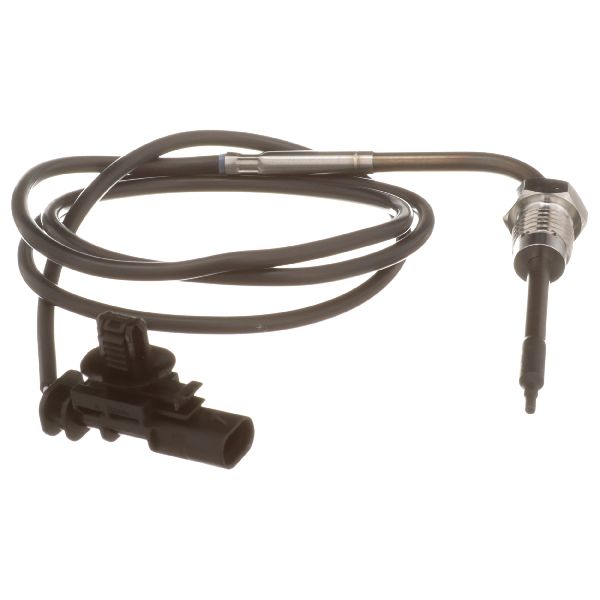
- Catalyst Temperature Sensor (EGT Sensor, Bank 1 Sensor 1)
(OEM #68211210AA)— This is the most frequent hardware failure for code P0426, as the sensor's reading is out of the expected range.
Trusted brands: Mopar, Bosch, NTK, Dorman
OEM price range: $90-$145
Aftermarket price range: $65-$90
Related Codes That Often Appear With This One
- P0428 — Stands for 'Catalyst Temperature Sensor Circuit High'. P0426 is a range/performance code, while P0428 indicates the signal voltage is stuck high. They often point to the same faulty sensor or wiring issue.
- P0420 — Stands for 'Catalyst System Efficiency Below Threshold (Bank 1)'. If the temperature sensor provides inaccurate data for a long period, the PCM may incorrectly determine that the catalyst itself is failing, leading to a P0420 code.
- P242B — Relates to the performance of another Exhaust Gas Temperature Sensor (Bank 1, Sensor 3). Problems in one part of the complex EcoDiesel exhaust system can sometimes trigger codes for other related sensors. 🎬 Watch: Advanced diagnostics for EcoDiesel SCR and DEF system issues.
Technical Service Bulletins (TSBs) & Recalls

- 18-021-15 REV. E: Mentions P0426-00 - Catalyst Temperature Sensor Circuit Performance (1/1) as one of several DTCs addressed by a PCM software update and potential O2/EGT sensor service.
- 18-018-14 REV. E: Supersedes previous versions and lists P0426-00 as a code addressed by a PCM software update for '3.0 L MIL Illumination Diagnostic and System Improvements'.
- 18-028-14 REV. D: Lists P0426-00 as a potential DTC.
- 18-028-14 REV. A: Lists P0426-00 - CATALYST TEMPERATURE SENSOR CIRCUIT PERFORMANCE (BANK 1 SENSOR 1).
Platform-Specific Known Issues
- Multiple Technical Service Bulletins (TSBs) were issued for the 2014 model year to update the PCM software, which could resolve this code without replacing any parts. TSB 18-018-14 REV. E and 18-021-15 REV. E specifically list P0426 as a code addressed by a software flash.
- A user on RamForum.com with a 2015 model experienced the P0426 code simultaneously with DPF clogging messages ('Exhaust filter 80% full'), highlighting the link between a bad sensor reading and the DPF's inability to regenerate.
Mechanic-Grade Diagnostic Values

- EGT Sensor Resistance (Bank 1, Sensor 1) — expected: 200 - 240 Ohms at room temperature (65-75°F / 18-25°C). Failure: A reading outside this range indicates a faulty sensor.
- Catalyst Temperature Sensor Voltage — expected: Typically 0.1V at 200°C to 4.5V at 800°C, cycling during operation.. Failure: Voltage that is stuck, or does not correspond logically to exhaust temperature.
- Wiring Harness Resistance to Ground — expected: Less than 5 Ohms. Failure: Resistance greater than 5 Ohms indicates a compromised wire or connector in the circuit.
Scan Tool Commands That Help
- wiTECH: PCM Reprogram/Flash — This is the OEM tool used to apply TSB software updates that can resolve P0426. It should be a primary diagnostic step on the 2014 model year after checking for codes.
- wiTECH: Live Data Graphing — To monitor and compare all four EGT sensor readings simultaneously. This can help identify an outlier sensor that isn't behaving logically compared to the others as the engine warms up.
Wiring & Ground Locations
- EGT Sensor Harness Routing — The wiring for all EGT sensors runs into a main harness that jumps across the top of the transmission housing.. This area is a common point for heat damage, chafing, or corrosion, which can affect the sensor signal to the PCM. A fault here can cause P0426.
- PCM Connector — The EGT sensor wiring ultimately terminates at the Powertrain Control Module (PCM).. When diagnosing a wiring issue, checking for continuity and voltage requires testing pins at both the sensor connector and the main PCM connector.
Real Owner Repair Stories
- RamForum.com user TylerR337 (2015 Ram 1500 EcoDiesel, 88k miles) — Check Engine Light with code P0426. Also received an EVIC message 'exhaust filter 80% full' which quickly jumped to 90% full.
❌ Tried (didn't work) The user had a forced DPF regeneration performed by the dealer a month prior, but the issue returned.
✅ What actually fixed it The user posted the initial problem but did not follow up with the final confirmed fix. However, the story is valuable as it directly links the P0426 sensor code to the DPF system's inability to perform a regeneration cycle, a critical symptom.
OEM Part Supersession History
68148173AA, 68193645AA, 68193645AB→68383247AA— Standard part updates and revisions by the manufacturer.
Heads up: Note: These part numbers refer to the manifold EGT sensor, which is a different sensor in the system than the one typically associated with P0426 (Bank 1, Sensor 1, post-turbo). However, it shows a history of revisions for similar sensors on this engine.
Helpful Videos
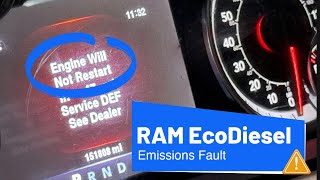
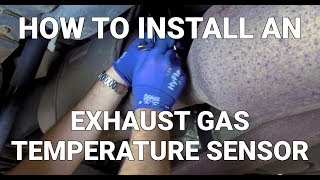
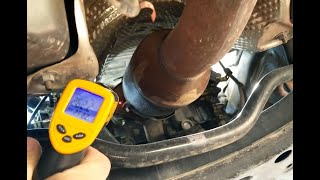

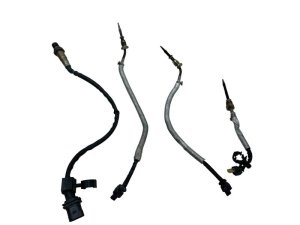
Used OEM Parts in Stock
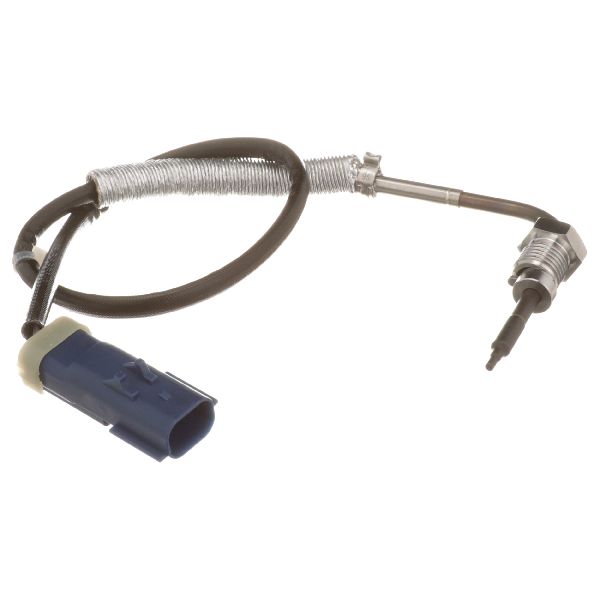
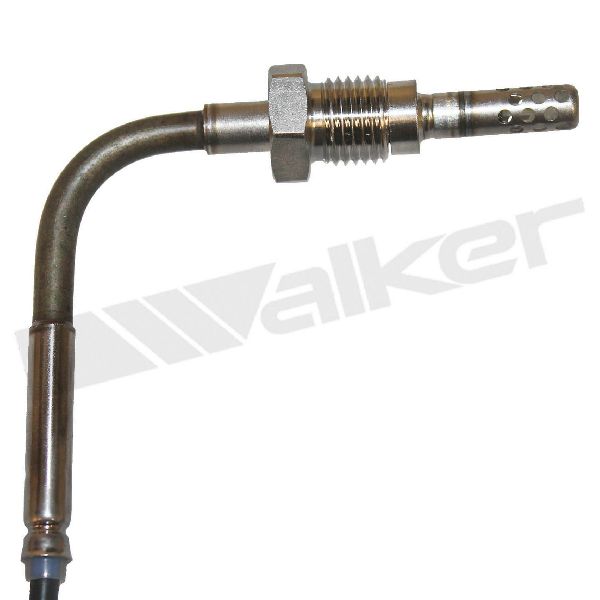
New Aftermarket Parts Available


The information in this article is provided for general reference and educational purposes only. Vehicle specifications, procedures, and part compatibility can vary by production date, trim level, and region. Always consult your vehicle's factory service manual and verify part numbers before purchasing or performing repairs. Safety-critical components such as airbags, seat belts, and braking systems should be installed by a qualified professional.
- Ram 1500:
- 🎬 Helpful Videos
- 🛍️ Shop This Part
- What's Unique About the 2014-2014 Ram 1500
- Diagnostic Flowchart
- Symptoms You May Notice
- Most Likely Causes
- Rare But Worth Checking
- Diagnosis Steps
- Parts You'll Likely Need
- Related Codes That Often Appear With This One
- Technical Service Bulletins (TSBs) & Recalls
- Platform-Specific Known Issues
- Mechanic-Grade Diagnostic Values
- Scan Tool Commands That Help
- Wiring & Ground Locations
- Real Owner Repair Stories
- OEM Part Supersession History
- 🎟️ Get 5% Off