

P0421 on 2014-2015 Mazda MAZDA3: Software Glitch or Bad Catalyst?
On a 2014-2015 Mazda3, code P0421 is very often a software issue in the engine computer, not a bad catalytic converter. A dealership software update, outlined in TSB #01-010-16-3185, is the most common and cost-effective first step before attempting any hardware replacements. This TSB also applies to other Mazda models of the same era, like the Mazda6 and CX-5.
- For a 2014-2015 Mazda3, P0421 is more likely a software bug than a hardware failure.
- Always start by checking if your vehicle is covered by Mazda's TSB #01-010-16-3185 before buying any parts.
- A PCM reflash at a dealership is the most common, cheapest, and effective fix for this specific problem.
- Do not replace the catalytic converter or oxygen sensors unless the PCM update has been performed and the code persists.
What's Unique About the 2014-2015 Mazda MAZDA3

For this specific generation of Mazda3, the P0421 code is frequently a false alarm. Mazda issued a Technical Service Bulletin (TSB #01-010-16-3185), which supersedes a previous one (TSB #01-016/15), acknowledging that improper control logic in some Mitsubishi-made PCMs could falsely trigger the P0421 code. This happens even when the catalytic converter and sensors are working perfectly. The TSB explains this is due to the PCM falsely detecting an error with the A/F sensor, leading to the P0421 code. This makes a PCM software update at a dealership the most probable fix, saving owners from the significant expense of replacing a catalytic converter that may not be faulty.
Diagnostic Flowchart

Tap your situation to follow the diagnostic path that matches what you're seeing on this vehicle.
Symptoms You May Notice

- Check Engine Light is on
- Failed emissions test
- Slightly rough idle or sluggish performance (less common, reported by some owners)
- Replacing the catalytic converter before checking for TSBs and performing the PCM software update. This is a very expensive and often unnecessary repair for this specific vehicle and its platform mates.
- Replacing oxygen sensors without proper diagnosis. While O2 sensors can fail, the PCM software issue is more probable and should be addressed first. Some owners have replaced sensors only to have the light return.
Most Likely Causes

- Improper PCM Control Logic (Software Glitch) 🔴 High Probability A known issue acknowledged by Mazda in TSB #01-010-16-3185 for vehicles with a Mitsubishi-made PCM. The software is too sensitive and can misinterpret sensor data during the warm-up phase.
How to confirm: Check your vehicle's VIN against the ranges specified in the TSB. A Mazda dealer can confirm if the update has been applied. The TSB applies to Japan-built models with VINs lower than JM1BM**267077 and Mexico-built models with VINs lower than 3MZBM**207478.
Typical fix: Reprogramming the Powertrain Control Module (PCM) with updated software at a Mazda dealership. This is a non-mechanical repair.
Est. part cost: $0-$250 - Failing or Faulty Oxygen Sensor 🟡 Medium Probability O2 sensors are wear items. A 'lazy' downstream sensor that doesn't respond quickly can provide inaccurate data, leading the PCM to believe the catalyst is inefficient. This is the next logical part to check after the PCM reflash.
How to confirm: Use a scan tool to monitor live voltage data from both upstream and downstream O2 sensors. A healthy downstream sensor should show a relatively steady voltage (typically above 0.6V), while a faulty one might fluctuate rapidly, mimicking the upstream sensor's wave pattern.
Typical fix: Replace the faulty oxygen sensor (usually the downstream/post-catalyst sensor, Bank 1 Sensor 2).
Est. part cost: $50-$150 - Exhaust Leak ⚪ Low Probability
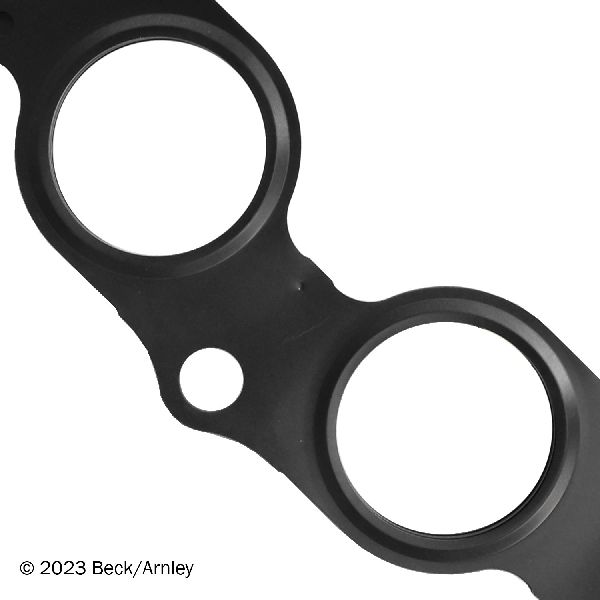
How to confirm: Visually inspect the exhaust manifold, gaskets, and pipes for soot trails or cracks. Listen for a ticking or hissing sound from the engine bay, especially when cold. An exhaust leak before the downstream O2 sensor can introduce extra oxygen, skewing the sensor's readings and triggering the code.
Typical fix: Replace the leaking gasket or repair the cracked exhaust component.
Est. part cost: $20-$100 - Failing Warm-Up Catalytic Converter ⚪ Low Probability While this is the textbook cause, it's less likely on this vehicle due to the known software issue. Actual failure is usually caused by other engine issues like persistent misfires, burning oil, or using poor quality fuel, which can contaminate or destroy the catalyst over time.
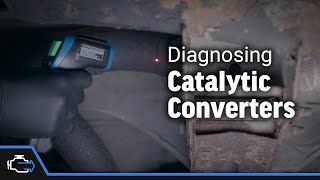
How to confirm: After ruling out all other causes, including performing the PCM update, this becomes the likely culprit. A technician can use a Mode 6 scan tool to check the 'Catalyst monitor bank 1' value; a value less than 1.0 suggests deterioration. 🎬 See this guide on how to professionally diagnose catalytic converters. An infrared thermometer can also be used to check inlet and outlet temperatures; the outlet should be significantly hotter.
Typical fix: Replace the exhaust manifold assembly, which includes the integrated catalytic converter.
Est. part cost: $800-$1700
Rare But Worth Checking
- Failing PCM: In some rare cases, owners have reported that the PCM fails to retain the software update, causing the P0421 code to return repeatedly. This may indicate a faulty PCM that needs replacement, which is a very expensive repair.
- Worn Spark Plugs or Ignition Issues: Weak spark can lead to incomplete combustion, sending unburnt fuel into the exhaust and damaging the catalytic converter over time, eventually leading to a real P0421 code.
- Leaking Fuel Injector: A stuck or leaking fuel injector can dump raw fuel into the exhaust, overwhelming and damaging the catalytic converter, leading to a legitimate P0421 code.
Diagnosis Steps
- Check for Technical Service Bulletins (TSBs): Before any other step, check if your vehicle's VIN falls within the range of TSB #01-010-16-3185 (supersedes #01-016/15). This is the most critical first step.
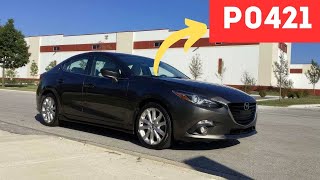
- Perform PCM Reprogramming: If the TSB applies, the first step is to have a Mazda dealer reprogram the PCM. Many owners report this permanently fixes the code. 🎬 Watch: A technician explains the P0421 software fix and solutions. The cost is typically one hour of labor.
- Verify the Repair: After the reflash, the TSB outlines a specific drive cycle to confirm the fix. If the code returns, proceed to hardware diagnosis.
- Inspect for Exhaust Leaks: If the code returns, thoroughly inspect the exhaust system from the manifold to the post-catalyst O2 sensor for any leaks, paying close attention to gaskets and flex pipes.
- Analyze Oxygen Sensor Data: Use a scan tool to view live data. The downstream O2 sensor (Bank 1, Sensor 2) voltage should be relatively stable and high (e.g., >0.6V) on a warm engine. If it mirrors the rapid switching of the upstream sensor, it points towards a weak converter. If it's flat or unresponsive, the sensor itself may be bad.
- Test Oxygen Sensors: If data is inconclusive, test the sensors directly for response time and heater circuit function.
- Inspect the Catalytic Converter: Only after exhausting all other possibilities should you consider the catalytic converter itself to be the problem. Check for physical damage, rattling (indicating a broken internal substrate), or perform a backpressure test. A Mode 6 test showing a catalyst monitor value below 1.0 is a strong indicator of failure.
Parts You'll Likely Need
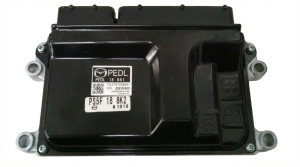
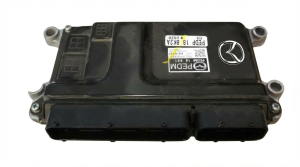
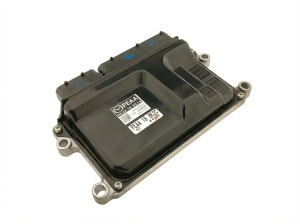
- PCM Reprogramming Service — This is not a physical part, but a software update that corrects the control logic flaw identified in Mazda's TSB #01-010-16-3185, which is the most common cause of P0421 on this vehicle.
Trusted brands: Mazda Dealership Service
OEM price range: $100-$250
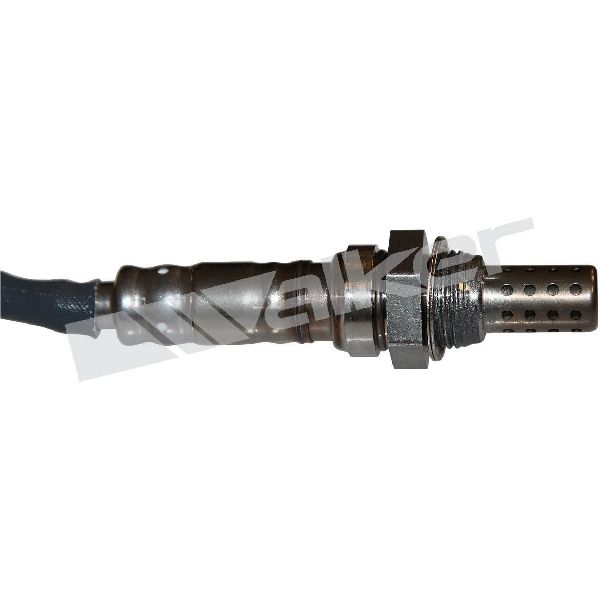
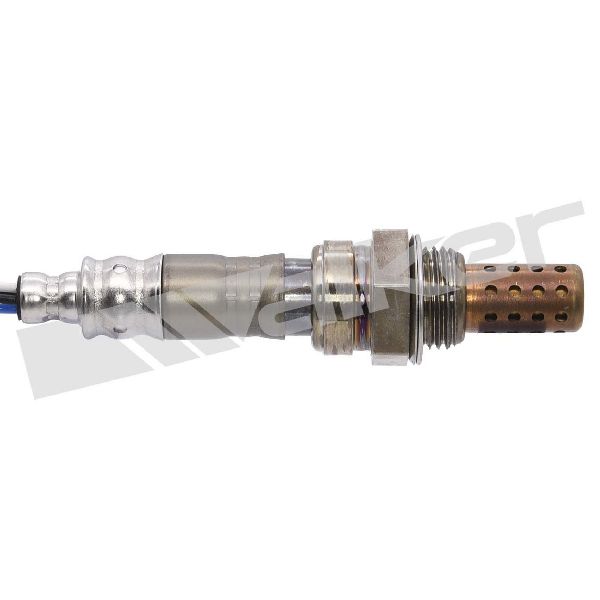
Aftermarket price range: N/A - Downstream Oxygen Sensor (Bank 1, Sensor 2)
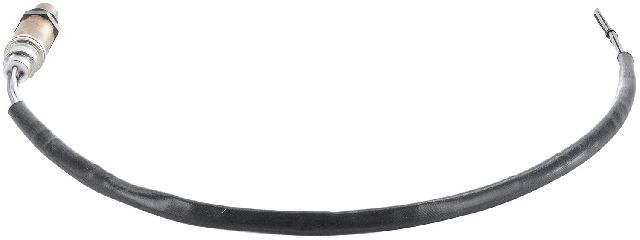
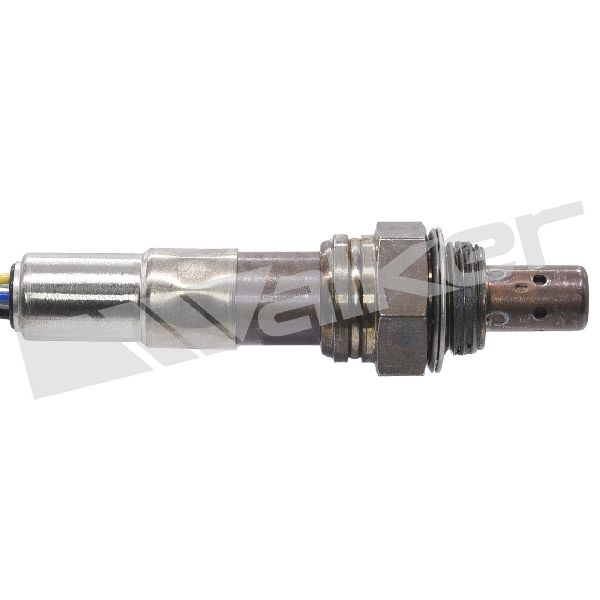
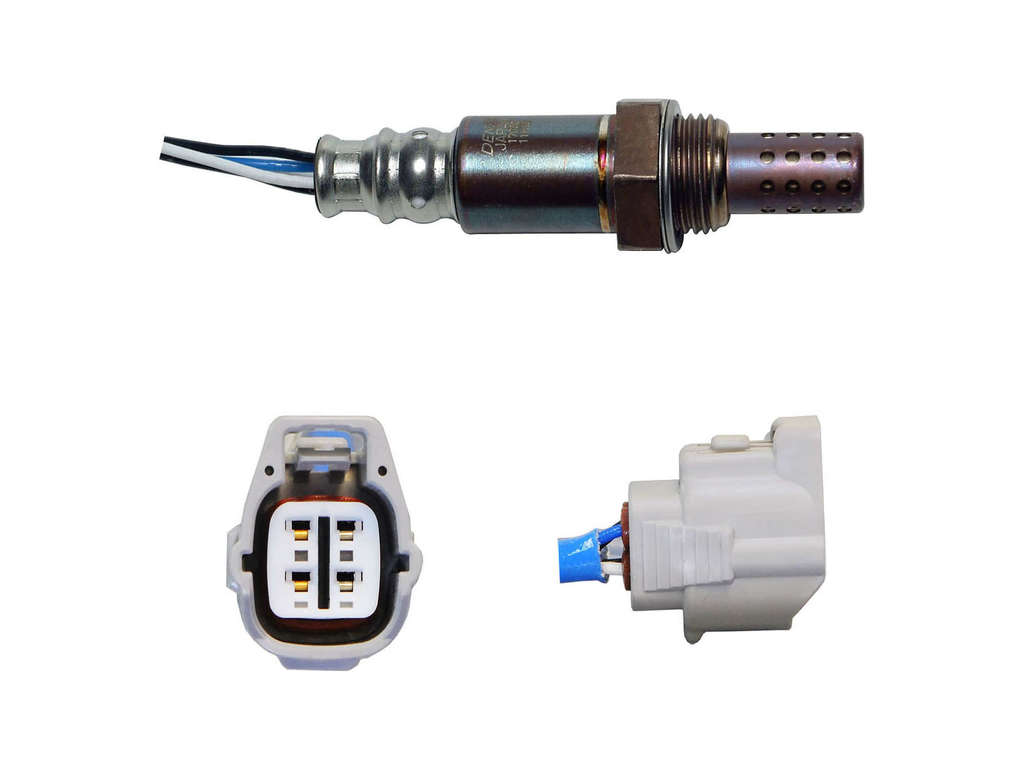
(OEM #PEDE-18-86Z (for Mexico-built 2.0L))— If the PCM update does not resolve the issue, the next most likely culprit is a lazy or failing downstream oxygen sensor providing incorrect data to the PCM.
Trusted brands: Denso (e.g., 234-4939), NGK/NTK, Bosch
OEM price range: $140-$250
Aftermarket price range: $50-$150 - Exhaust Manifold with Integrated Catalytic Converter
(OEM #PEB5-20-50X (for Mexico-built 2.0L); PEA7-20-50X (for Japan-built 2.0L))— This is the last resort after all other causes have been ruled out. On this vehicle, the warm-up catalyst is integrated into the exhaust manifold. Part number depends on the vehicle's country of origin.
Trusted brands: Mazda (OEM), Walker Exhaust, MagnaFlow
OEM price range: $975-$1500
Aftermarket price range: $600-$1200
Technical Service Bulletins (TSBs) & Recalls
- Bulletin #01-010-16-3185 (supersedes #01-016/15): Addresses a Check Engine Light with DTC P0421 due to improper PCM control logic on certain 2014-2015 Mazda3, Mazda6, and CX-5 vehicles. Specifies VIN ranges and the PCM reprogramming procedure.
Platform-Specific Known Issues
- A significant number of 2014-2015 Mazda3 models were subject to a TSB for a false P0421 code caused by overly sensitive PCM software logic.
- Owners on forums frequently report that a dealership PCM reflash was the definitive fix, often after being quoted for an expensive and unnecessary catalytic converter replacement.
- Some owners have experienced frustrating dealership visits where the PCM update was not applied correctly or seemed to 'revert', requiring multiple trips to resolve the issue, which in some rare cases pointed to a faulty PCM itself.
Mechanic-Grade Diagnostic Values
- Mode 6 Catalyst Monitor Bank 1 Value — expected: Equal to 1 or higher. Failure: A value less than 1 indicates the Warm-Up Three-Way Catalyst (WU-TWC) may be deteriorated.
- Downstream O2 Sensor (HO2S) Voltage — expected: Relatively steady waveform, toggling slowly between 0.1V and 0.9V, often staying above 0.6V when the catalyst is working.. Failure: Voltage switches rapidly in unison with the upstream (A/F) sensor, creating a mirror-image waveform, indicating the catalyst is not storing oxygen.
Scan Tool Commands That Help
- Mazda M-MDS (or equivalent like FORScan): Mode 6, Catalyst Monitor Bank 1 Test — Use this after performing the TSB-specified drive cycle to verify if the catalytic converter has passed its internal efficiency test. It provides a numerical value for pass/fail instead of just waiting for the DTC to return.
- FORScan: Live Data Graphing (PIDs for O2S11, O2S12) — To visually compare the upstream and downstream oxygen sensor waveforms. This is crucial for determining if the downstream sensor is mimicking the upstream one, which points to a bad catalyst, or if the sensor is lazy/dead.
Wiring & Ground Locations
- G01 — Near the left (driver's side in US) headlight.. This is a primary ground distribution point for multiple engine compartment components, including the PCM and various sensors. A poor connection here can cause erratic sensor readings.
- G02 — Left side of the engine compartment.. Serves as another critical engine compartment ground. A user on a forum traced intermittent electrical issues, including dimming lights, to a corroded ground on the passenger side fender brace, demonstrating the importance of clean ground points.
- G08 — Left rear of the engine.. This ground is located near the PCM. Ensuring it is clean and tight is essential for stable PCM operation and reliable sensor data processing.
- PCM Location — Left rear of the engine compartment.. Knowing the physical location is necessary for inspecting its connectors and nearby grounds (like G08) for corrosion or damage, which could mimic PCM failure.
Real Owner Repair Stories
- Reddit user in r/mazda (2015 Mazda 3 Sport 2.0L, ~265,000 KM) — Check Engine Light with code P0421.
❌ Tried (didn't work) Resetting the code (it returned after a week)., Dealership performed the PCM software update, but the light returned after 50 km.
✅ What actually fixed it The owner changed the spark plugs (which were due), filled the tank with 91 octane fuel, and added a bottle of Duralube catalytic converter cleaner. The check engine light went out on its own after 100km and had not returned after 300km. This suggests a borderline catalyst may have been cleaned up by better combustion and additives. - Reddit user in r/Cartalk (2015 Mazda CX-5 Sport) — Intermittent P0421 code since January.
❌ Tried (didn't work) Initial diagnosis from a non-dealer shop suggested replacing the catalytic converter., Mazda dealer performed the TSB software update, but the light returned after two weeks., Dealer found the PCM had 'dropped' the update and reflashed it again; light returned two weeks later., Dealer reflashed a third time and kept the car for a week; light still returned after the owner got it back.
✅ What actually fixed it The story highlights a rare failure mode where the PCM itself was likely faulty, as it repeatedly failed to retain the software update. The final resolution was not posted, but the evidence strongly points to needing a PCM replacement after multiple failed reflash attempts. - Reddit user in r/MechanicAdvice (2014 Mazda 6, 135k miles) — P0421 code appearing every ~20 miles after a separate repair.
❌ Tried (didn't work) Clearing the code; it would always return.
✅ What actually fixed it The root cause was a failed fuel injector that was dumping raw fuel into the exhaust. After replacing the injector, ignition coils, and spark plugs, the P0421 code began appearing. The mechanic advised that the catalytic converter was likely fouled with unburnt fuel and needed to be 'burned off' with extended driving. This illustrates how an unrelated engine fault can directly lead to a P0421 code by contaminating the catalyst.
When the Usual Fixes Don't Work
- While the TSB software update is the most common fix, several owner accounts show it is not always a silver bullet. In one case, a 2015 Mazda 3 with high mileage had the code return even after the PCM update. The owner ultimately resolved the issue by performing a tune-up (new spark plugs) and using high-octane fuel with a catalyst cleaner additive, suggesting the catalyst's efficiency was borderline and could be improved through better combustion. In another documented instance, the PCM itself was faulty and would not retain the software update, causing the code to reappear repeatedly and leading to a frustrating diagnostic loop for the owner and dealer.
Helpful Videos
Used OEM Parts in Stock



New Aftermarket Parts Available

The information in this article is provided for general reference and educational purposes only. Vehicle specifications, procedures, and part compatibility can vary by production date, trim level, and region. Always consult your vehicle's factory service manual and verify part numbers before purchasing or performing repairs. Safety-critical components such as airbags, seat belts, and braking systems should be installed by a qualified professional.
- Mazda MAZDA3:
- 🎬 Helpful Videos
- 🛍️ Shop This Part
- What's Unique About the 2014-2015 Mazda MAZDA3
- Diagnostic Flowchart
- Symptoms You May Notice
- Most Likely Causes
- Rare But Worth Checking
- Diagnosis Steps
- Parts You'll Likely Need
- Technical Service Bulletins (TSBs) & Recalls
- Platform-Specific Known Issues
- Mechanic-Grade Diagnostic Values
- Scan Tool Commands That Help
- Wiring & Ground Locations
- Real Owner Repair Stories
- When the Usual Fixes Don't Work
- 🎟️ Get 5% Off