

P0420 on 2015-2017 Volkswagen Golf: Catalyst Efficiency Causes and Fixes
P0420 on a 2015-2017 VW Golf usually means the catalytic converter is failing or a downstream oxygen sensor is bad. While the O2 sensor is a cheaper first replacement, forum experience shows the code often returns, indicating the converter is the ultimate failure. Always diagnose before replacing the expensive converter; check for exhaust leaks and address any engine misfires first.
- P0420 means the catalytic converter on Bank 1 is not operating efficiently.
- Do not immediately replace the catalytic converter. First, rule out cheaper and simpler problems.
- Thoroughly check for exhaust leaks between the two oxygen sensors; a smoke test is the best method.
- Test the downstream oxygen sensor's performance using a scanner with live data. This is a common point of failure and much cheaper to replace than the converter.
- Address any other engine codes for misfires or fuel system problems before replacing emissions components, as they are often the root cause of converter failure.
What's Unique About the 2015-2017 Volkswagen GOLF

The Mk7 Golf's 1.8T TSI engine, a turbocharged direct-injection unit, can be susceptible to conditions that lead to premature catalytic converter failure. Issues like carbon buildup on intake valves (a known trait of TSI engines), oil consumption, and misfires can damage the catalyst over time. Many owners in forums report replacing the rear O2 sensor only to have the P0420 code return, suggesting the converter itself was the issue all along. Furthermore, Volkswagen has issued TSBs for other models related to sensitive P0420 diagnostics, and the Ross-Tech wiki advises checking for potential ECM software updates that may address overly sensitive monitoring parameters.
Diagnostic Flowchart

Tap your situation to follow the diagnostic path that matches what you're seeing on this vehicle.
Symptoms You May Notice
- Check Engine Light is on
- Reduced engine power or sluggish acceleration
- Poor fuel economy
- A sulfur or "rotten egg" smell from the exhaust
- Failing an emissions test
- Engine stumbling or hesitation while cruising
- Replacing the catalytic converter when the actual problem is a cheaper fix like an exhaust leak or a faulty O2 sensor.
- Replacing the upstream (pre-cat) O2 sensor when the P0420 code is based on the readings from the downstream (post-cat) sensor.
- Ignoring underlying engine problems like misfires or carbon buildup, which leads to the new catalytic converter failing prematurely.
Most Likely Causes

- Failing Catalytic Converter 🔴 High Probability Catalytic converters can fail from age, but are often damaged by underlying engine issues like misfires, excessive oil consumption, or coolant leaks. Unburned fuel from misfires can overheat and melt the converter's internal structure. Many owner reports confirm that after other checks, the converter is the final culprit.
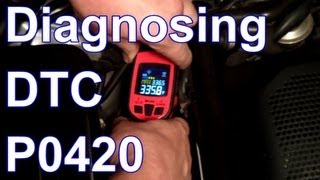
How to confirm: After confirming O2 sensors and the exhaust system are good, the converter is the likely culprit. A mechanic can perform a backpressure test or use an infrared thermometer to check the inlet and outlet temperatures; the outlet should be significantly hotter on a working converter.
Typical fix: Replace the catalytic converter assembly. It is highly recommended to also replace the oxygen sensors at the same time, especially if they are high-mileage.
Est. part cost: $400-$1200 - Faulty Downstream Oxygen (O2) Sensor 🟡 Medium Probability The downstream O2 sensor's sole job is to monitor the catalyst. If it becomes slow, lazy, or sends inaccurate voltage readings, it can falsely trigger a P0420 code. Given the much lower cost, it's a common first part to replace, though many owners find the code returns, indicating the sensor wasn't the root cause.
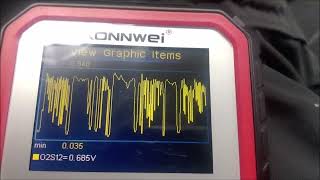
How to confirm: Use an OBD-II scanner with live data to graph the voltage of the upstream and downstream O2 sensors. The upstream sensor (Sensor 1) should fluctuate rapidly. A healthy downstream sensor (Sensor 2) on a working converter should show a much more stable, steady voltage, typically in the 0.6V to 0.8V range. If the downstream sensor's graph mirrors the upstream one, it points to a bad converter or a faulty downstream sensor.
Typical fix: Replace the downstream (post-catalyst) oxygen sensor. A common repair attempt, but be prepared for it not to be the final fix.
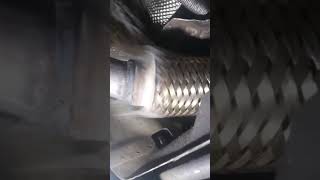
Est. part cost: $80-$200 - Exhaust System Leak 🟡 Medium Probability Leaks in the exhaust system between the upstream and downstream O2 sensors can draw in outside air, tricking the downstream sensor. On the Mk7 platform, the flexible pipe section of the exhaust is a known weak point that can crack and cause leaks that trigger a P0420. A leak can cause the code even if it's slightly *after* the sensor due to pressure fluctuations.
How to confirm: Visually inspect the exhaust system for cracks, rust, or black soot, paying close attention to the flex pipe. A smoke test is the most effective way to pinpoint a small leak. Listening for ticking noises on a cold start can also indicate a leak near the manifold.
Typical fix: Repair the leak by welding the cracked section or replacing the damaged exhaust component (e.g., the flex pipe).
Est. part cost: $50-$300
Rare But Worth Checking
- Engine Misfires or Rich/Lean Fuel Condition: Unburned fuel from misfires (bad plugs, coils, injectors) can enter the exhaust and destroy the catalytic converter. On these TSI engines, severe carbon buildup on intake valves can also lead to poor combustion and misfires, indirectly causing P0420. Always fix underlying engine codes (e.g., P0300-P0304) before replacing the converter.
- Damaged O2 Sensor Wiring: The wiring for the O2 sensors runs close to the hot exhaust and can become brittle, frayed, or damaged over time, leading to incorrect signals.
- ECM Software Issue: Less commonly, the diagnostic parameters in the Engine Control Module (ECM) can be too sensitive. The Ross-Tech wiki suggests checking with a dealer for any applicable TSBs or software updates for your specific VIN that might adjust these parameters.
- Aftermarket Downpipe/Modifications: In the enthusiast community, installing a high-flow or catless aftermarket downpipe 🎬 See how a catless downpipe install affects your exhaust system is a frequent cause of the P0420 code. The fix is often an O2 sensor spacer (a small extender with a built-in filter) to pull the sensor out of the direct exhaust stream, or an ECU tune that disables the rear O2 sensor monitoring.
Diagnosis Steps
- Scan for any other trouble codes. If you have codes for misfires, fuel mixture, or other sensors, address those first as they can be the root cause.
- Visually inspect the exhaust system from the manifold to the rear muffler. Look for any signs of cracks, holes, or black soot that would indicate a leak, paying close attention to the flex pipe.
- Use an OBD-II scanner with live data (like VCDS for VW/Audi). Graph the voltage signals from both the upstream (Bank 1, Sensor 1) and downstream (Bank 1, Sensor 2) O2 sensors. The upstream sensor's voltage should switch rapidly between ~0.1V and ~0.9V. The downstream sensor's voltage should be relatively stable and steady, typically above 0.5V.
- If the downstream O2 sensor's readings are fluctuating wildly, mirroring the upstream sensor, it indicates the catalytic converter is not working or the sensor is bad.
- If an exhaust leak is suspected but not visible, perform a smoke test to find the exact location of the leak.
- Consider trying a fuel system/catalyst cleaner additive (like Cataclean or Seafoam) as a low-cost first step, as some users have reported temporary success.
- If the O2 sensor is suspected, test its resistance or replace it. This is a common but often inconclusive step.
- If all other possibilities are ruled out, the catalytic converter is likely inefficient and needs to be replaced.
Parts You'll Likely Need

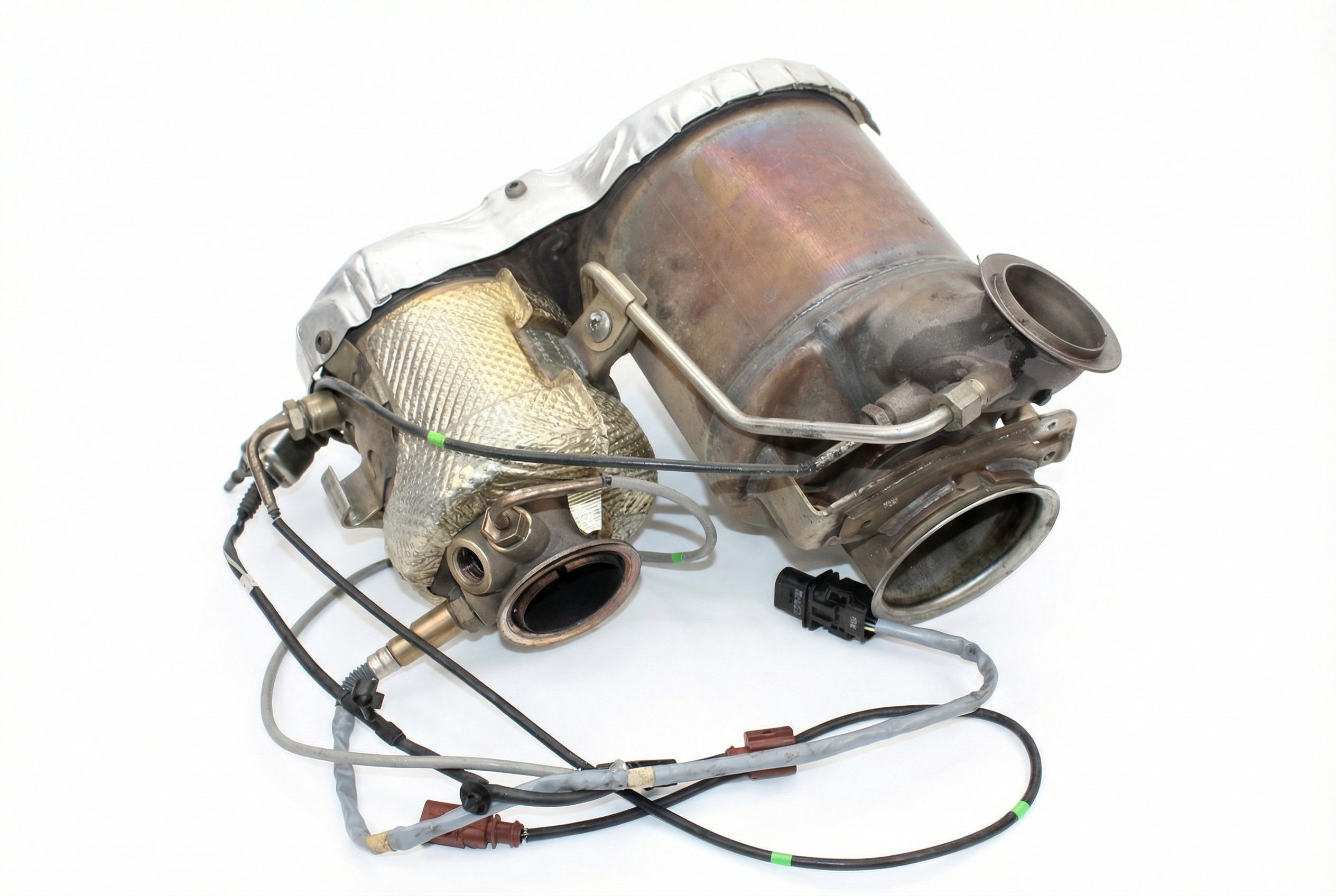
- Catalytic Converter
(OEM #Varies by specific model/year, often part of downpipe assembly (e.g., 5Q0254501T). Sourcing OEM is expensive.)— This is the most common cause for a persistent P0420 code after other possibilities have been eliminated. The internal materials degrade over time or get damaged by engine problems.
Trusted brands: Walker, MagnaFlow, AP Exhaust, Bosal
OEM price range: $1000-$1800
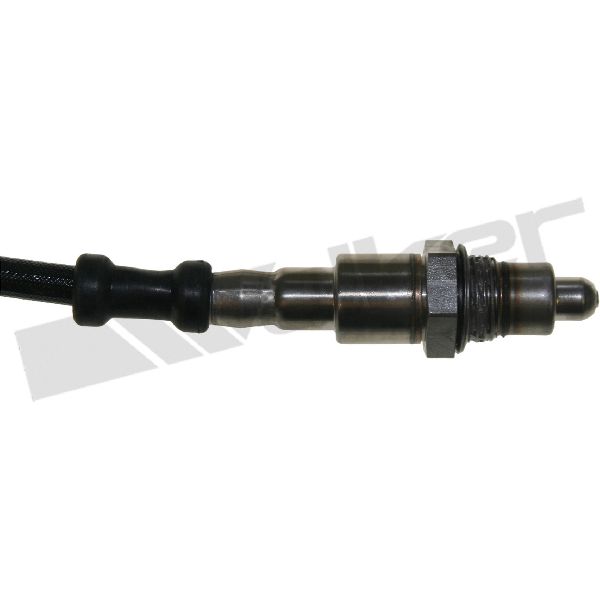
Aftermarket price range: $400-$900 - Downstream Oxygen Sensor
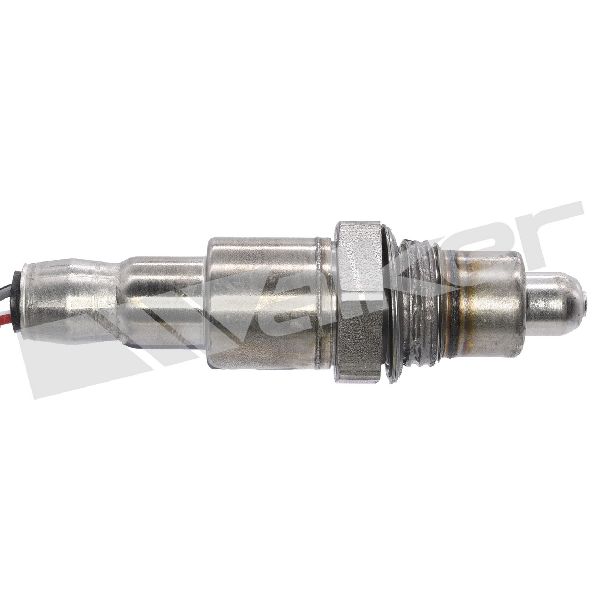
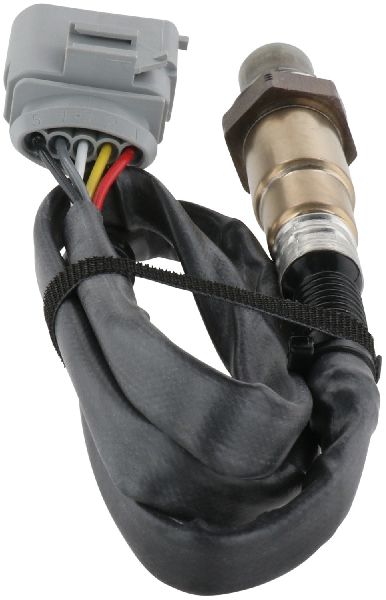
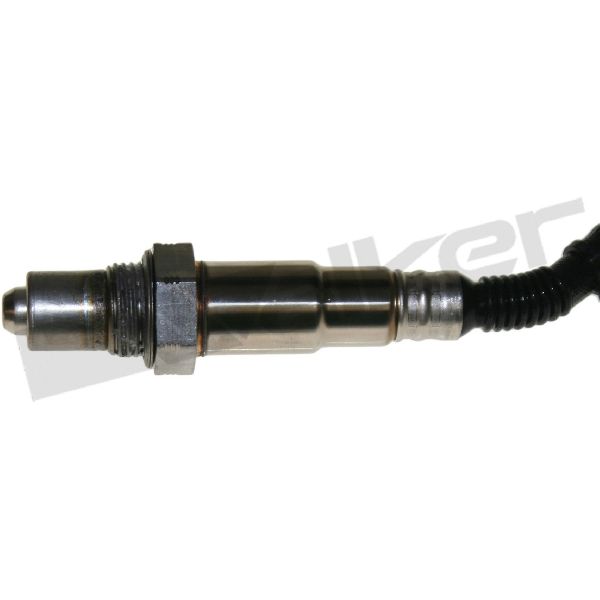
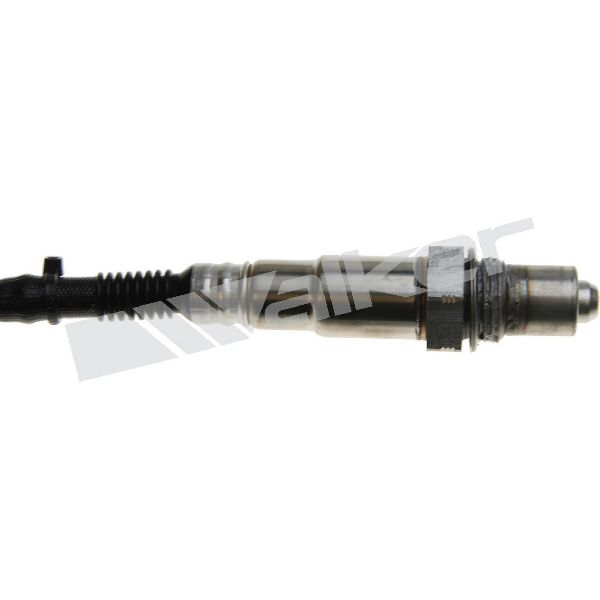
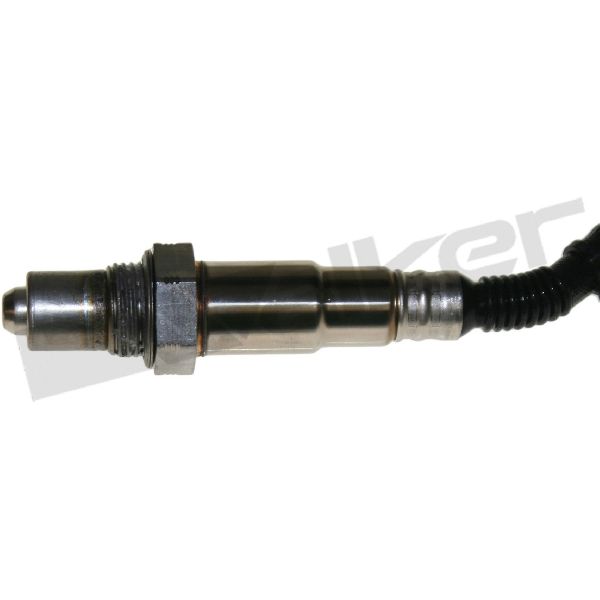
(OEM #06K906262D (Bosch 17091 is a common aftermarket equivalent))— This sensor measures catalyst efficiency. If it fails, it can send incorrect data and trigger a false P0420 code. It's a common and relatively inexpensive part to replace as a primary diagnostic step.
Trusted brands: Bosch (OEM supplier), NGK, Denso
OEM price range: $150-$250
Aftermarket price range: $80-$150
Related Codes That Often Appear With This One
- P0430 — This is the same efficiency code but for Bank 2. It's not applicable to the 4-cylinder Golf which has a single bank exhaust, but may appear on V6/V8 engines in other VW/Audi models.
- P0300-P0304 — These are misfire codes for specific cylinders. An engine misfire can dump raw fuel into the exhaust, which can quickly damage the catalytic converter, causing a P0420 code.
- P013E — This code relates to a delayed response from the downstream O2 sensor. It can appear alongside P0420 and points more directly to a failing O2 sensor itself or its wiring.
Technical Service Bulletins (TSBs) & Recalls
- VIN-4-A-PIN Sept (2016 ENGINE, dated 2017-09-07): Mentions P0420 in conjunction with other codes, but provides no specific fix.
- General TSB Search: While no specific TSB directly addresses a P0420 fix for this model, the Ross-Tech wiki advises checking for dealer-level Engine Controller flash updates that may revise catalyst monitoring sensitivity.
Platform-Specific Known Issues

- A Technical Service Bulletin (TSB #VIN-4-A-PIN) from September 2017 notes that a MIL-on with P0420 can occur in conjunction with other codes, indicating a potential for complex related issues.
- Forum discussions among Mk7 Golf owners consistently show that replacing the rear O2 sensor is often attempted first but frequently fails to fix the P0420 code long-term, strongly suggesting a more definitive catalytic converter failure.
- Carbon buildup on the intake valves of the direct-injection 1.8TSI engine can contribute to conditions that eventually harm the catalytic converter.
Mechanic-Grade Diagnostic Values
- Downstream O2 Sensor (Bank 1, Sensor 2) Voltage at steady cruise — expected: Relatively stable voltage between 0.6V and 0.8V.. Failure: Voltage fluctuates rapidly, mirroring the upstream O2 sensor, or drops to 0.2V-0.3V intermittently.
- Catalytic Converter Temperature Differential — expected: The outlet temperature should be significantly hotter than the inlet temperature after the engine has warmed up for about 20 minutes.. Failure: Inlet temperature is hotter than or equal to the outlet temperature, indicating the converter is not performing its exothermic reaction.
- PCV System Check — expected: When removing the oil cap with the engine running, the engine should stumble or hiccup, indicating the PCV is holding vacuum.. Failure: No change in engine idle, or finding significant oil residue in the PCV hoses connected to the intake.
Scan Tool Commands That Help
- VCDS (VAG-COM): Guided Readiness Script (Set Readiness) — To force the vehicle's emissions monitors to run and set readiness after a repair or clearing codes, without extensive driving. This can help confirm if a fix was successful. The tool guides the user through holding specific RPMs.
- VCDS (VAG-COM): Basic Settings - Automatic Test Sequence (e.g., IDE00553) — On newer UDS-based engine controllers, this function automates the readiness monitor tests. The user holds the brake and accelerator while the ECU runs the engine at various RPMs to complete the tests.
Wiring & Ground Locations
- Engine Bay Ground Point — There are several ground points in the engine bay. One primary location is on the bulkhead behind the battery.. A poor ground connection for the engine sensors, including the O2 sensors, can cause erratic readings and trigger false fault codes. Ensuring this ground is clean and tight is a crucial electrical diagnostic step.
- O2 Sensor Harness Connector — The downstream O2 sensor connector is located near the catalytic converter, often attached to a small bracket on the transmission or body.. This connector and its wiring are exposed to significant heat and road debris. Physical inspection for melted plastic, corrosion (green copper), or frayed wires is necessary, as damage can interrupt the signal to the ECM.
Real Owner Repair Stories
- AudiWorld Forums user 'macgy' (2002 Audi A4 1.8T (Similar EA113 engine architecture, relevant to EA888 issues)) — Persistent P0420 check engine light for approximately 2 years.
❌ Tried (didn't work) Not specified, but the code was long-term and recurring.
✅ What actually fixed it The user replaced the PCV (Positive Crankcase Ventilation) valve, and the P0420 code did not return for a significant period. - Reddit user 'joebally10' (MK7 GTI (EA888 engine)) — P0420 code appeared immediately after installing a MAP GESI catted aftermarket downpipe and an EQT Stage 2 tune.
❌ Tried (didn't work) Using a high-flow GESI catted downpipe, which is often advertised as not causing a CEL, did not prevent the code.
✅ What actually fixed it The recommended fix from the community was to install an O2 sensor spacer (specifically a 90-degree or J-style spacer) to pull the downstream sensor out of the direct exhaust flow. This is a common workaround for tuned cars with high-flow cats.
"I Checked Everything" — The Actual Cause
- In some cases with the related EA888 engine, a persistent P0420 code with no apparent exhaust leak was ultimately traced back to a failing PCV valve. A faulty PCV can alter crankcase pressure and allow oil vapor into the exhaust, contaminating the O2 sensors and catalytic converter over time, leading to an efficiency code.
OEM Part Supersession History
Varies→Varies— The downstream oxygen sensor for the 1.8TSI, 06K906262D, is a common part number. While no major supersession with incompatibility is noted, it's critical to use a quality OEM (Bosch) or equivalent (NGK/Denso) sensor. Using cheap, unbranded sensors is a frequent cause of recurring codes because their voltage response and heating characteristics may not match the ECU's expectations.
Model Year Variations Within This Range
- 2016-2017: A new MIB II infotainment system with VW Car-Net App-Connect (supporting Apple CarPlay/Android Auto) was introduced. While not directly related to the P0420 code, it marks a significant electronic change in the vehicle.
- 2017: The two-door Golf model was discontinued for this model year. The SE and SEL trims were replaced by a new Wolfsburg Edition trim. These changes are primarily cosmetic and do not affect the diagnosis of a P0420 code.
- 2015: A recall was issued for a potential fuel rail leak on some 2015 models. While not a direct cause of P0420, an unaddressed fuel leak could lead to rich running conditions that damage the catalytic converter over time.
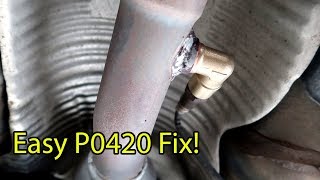
Helpful Videos


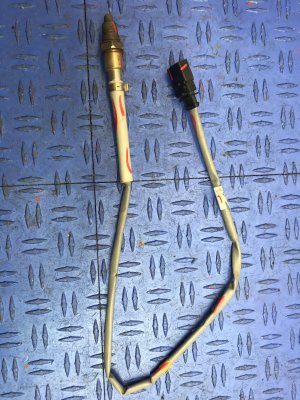
Used OEM Parts in Stock
New Aftermarket Parts Available

The information in this article is provided for general reference and educational purposes only. Vehicle specifications, procedures, and part compatibility can vary by production date, trim level, and region. Always consult your vehicle's factory service manual and verify part numbers before purchasing or performing repairs. Safety-critical components such as airbags, seat belts, and braking systems should be installed by a qualified professional.
- Volkswagen GOLF:
- 🎬 Helpful Videos
- 🛍️ Shop This Part
- What's Unique About the 2015-2017 Volkswagen GOLF
- Diagnostic Flowchart
- Symptoms You May Notice
- Most Likely Causes
- Rare But Worth Checking
- Diagnosis Steps
- Parts You'll Likely Need
- Related Codes That Often Appear With This One
- Technical Service Bulletins (TSBs) & Recalls
- Platform-Specific Known Issues
- Mechanic-Grade Diagnostic Values
- Scan Tool Commands That Help
- Wiring & Ground Locations
- Real Owner Repair Stories
- "I Checked Everything" — The Actual Cause
- OEM Part Supersession History
- Model Year Variations Within This Range
- 🎟️ Get 5% Off