

P0420 on 2013-2017 Volkswagen Beetle: Catalyst Efficiency Causes & Fixes
P0420 on a 2013-2017 VW Beetle most often means the catalytic converter is failing. Before replacing this expensive part, it's critical to rule out cheaper causes like a bad downstream oxygen sensor or an exhaust leak. On 1.8T and 2.0T engines, oil consumption issues can be the root cause, so any underlying engine problems must be fixed first. A new converter can cost over $1,000, while an O2 sensor is typically $250-$500.
- P0420 means your catalytic converter's efficiency is low, not necessarily that the converter itself is the only problem.
- Always diagnose in order: check for other codes first, inspect for exhaust leaks, then test the oxygen sensors before condemning the expensive catalytic converter.
- A faulty downstream O2 sensor is a common misdiagnosis for a bad catalytic converter and is much cheaper to replace.
- If you do replace the catalytic converter, ensure any underlying engine problems (like misfires or oil burning) are fixed to prevent damaging the new part.
- You can continue driving with a P0420 code, but your vehicle will not pass an emissions test and you may experience reduced performance.
What's Unique About the 2013-2017 Volkswagen BEETLE

The 2013-2017 Beetle (A5 generation) was offered with a variety of gasoline and diesel engines, including the 2.5L 5-cylinder, 1.8T, and 2.0T TSI/TFSI engines. While the P0420 code's meaning is the same across all engines, the root cause can be linked to specific engine issues. For example, the turbocharged 1.8T and 2.0T TSI engines can be prone to oil consumption due to issues with piston rings or the PCV (Positive Crankcase Ventilation) system. This oil burning contaminates the catalytic converter over time, leading to premature failure and a P0420 code. It's critical to address any underlying engine running issues (misfires, oil consumption, lean/rich conditions) before replacing the converter, or the new part will fail as well.
Diagnostic Flowchart
Tap your situation to follow the diagnostic path that matches what you're seeing on this vehicle.
Symptoms You May Notice
- Check Engine Light is on.
- Reduced engine power or sluggish acceleration if the converter is clogged.
- Rotten egg or sulfur smell from the exhaust, indicating an overheating and failing converter.
- Rattling noises from under the vehicle if the internal structure of the converter has broken apart.
- Decreased fuel economy.
- Engine may run rough or hesitate.
- Immediately replacing the catalytic converter without proper diagnosis. The converter is often the victim of another problem, not the root cause. Always check O2 sensors, look for exhaust leaks, and confirm there are no engine performance issues (like misfires or oil consumption) first.
Most Likely Causes

- Failing Catalytic Converter 🔴 High Probability Catalytic converters fail from age (over 100,000 miles) or contamination. On the 1.8T and 2.0T engines, contamination from burning oil or coolant is a common killer. On all engines, persistent misfires can send unburnt fuel into the exhaust, overheating and destroying the catalyst material.
How to confirm: A professional diagnosis involves using a scan tool (like VCDS for VWs) to analyze O2 sensor data graphs and an infrared thermometer to check the converter's inlet and outlet temperatures. The outlet should be at least 100°F hotter than the inlet on a fully warmed-up engine.
Typical fix: Replace the catalytic converter. It is critical to fix the root cause of the failure (e.g., misfires, oil consumption from PCV/piston rings) to avoid damaging the new converter.
Est. part cost: $800-$2000+ - Faulty Downstream Oxygen (O2) Sensor 🟡 Medium Probability O2 sensors are wear items exposed to extreme heat. A faulty or 'lazy' downstream sensor can send incorrect data to the ECM, falsely triggering a P0420 code when the converter is still good. They are a common failure point and much cheaper to replace than the converter.
How to confirm: Use a scan tool to graph the voltage of the downstream O2 sensor at a steady 2000-2500 RPM. A healthy sensor on a working converter should show a relatively steady voltage (e.g., ~0.6-0.8V). If the sensor's readings fluctuate rapidly, mimicking the upstream sensor, the converter is likely bad. If the reading is stuck, flatlined, or slow to respond to changes, the sensor itself is likely faulty.
Typical fix: Replace the downstream (Bank 1, Sensor 2) oxygen sensor. Using a quality OEM brand like Bosch or NGK/NTK is highly recommended for Volkswagens.
Est. part cost: $150-$300 - Exhaust Leak ⚪ Low Probability Exhaust components, especially flex pipes and gaskets, can develop leaks from rust and vibration. An exhaust leak located before the catalytic converter or between the two O2 sensors can allow outside air into the system, which skews the O2 sensor readings and triggers the code.
How to confirm: Perform a visual inspection for soot trails or cracks around exhaust connections, the exhaust manifold, and the flex pipe. A mechanic may use a smoke machine to inject smoke into the exhaust system to precisely pinpoint the location of any leaks. 🎬 Watch: How to diagnose P0420 codes and test for exhaust leaks.
Typical fix: Repair the leak by replacing the faulty gasket, flex pipe, or affected section of the exhaust.
Est. part cost: $50-$300
Rare But Worth Checking
- Engine Misfires or Fuel System Issues: While not the direct cause, persistent engine misfires (P030x codes) or a rich/lean running condition can dump unburnt fuel into the exhaust, overheating and destroying the catalytic converter. These issues MUST be addressed before replacing the converter, or the new one will fail quickly.
- Outdated ECM Software: In some cases, Volkswagen may release a software update for the Engine Control Module (ECM) that adjusts the sensitivity of the P0420 monitor. It's worth checking with a dealer or a well-equipped independent shop if any Technical Service Bulletins (TSBs) for an ECM reflash apply to your vehicle's VIN.
Diagnosis Steps

- Retrieve all stored fault codes with an OBD-II scanner. Address any other codes (especially for misfires, fuel trim, or other sensor faults) before diagnosing P0420.
- Check for any applicable Technical Service Bulletins (TSBs) for your vehicle's VIN. An ECM software update may exist to change the catalyst monitor's sensitivity.
- Perform a visual inspection of the exhaust system from the engine to the tailpipe. Look for any signs of cracks, rust, or black soot that would indicate a leak, paying close attention to the flex pipe.
- Use a scan tool with live data capability (like VCDS) to monitor the upstream (Sensor 1) and downstream (Sensor 2) oxygen sensors for Bank 1.
- Observe the sensor readings with the engine at full operating temperature and held at a steady 2,000-2,500 RPM. The upstream sensor voltage should fluctuate rapidly between rich and lean (e.g., ~0.1V to ~0.9V). The downstream sensor should show a much steadier, flatter voltage (typically above 0.5V). If the downstream sensor is fluctuating just like the upstream, the converter is likely not working.
- If the downstream sensor's reading is stuck, erratic, or not responding, the sensor itself is likely faulty.
- If no exhaust leaks are found and the O2 sensors appear to be functioning correctly, use an infrared thermometer to measure the temperature of the exhaust pipe just before and just after the catalytic converter. The outlet temperature should be at least 100°F (38°C) hotter than the inlet. If it's not, the converter is not functioning chemically. 🎬 See how to test a catalytic converter like a professional.
- If all other components test okay, the catalytic converter is the most likely culprit.
Parts You'll Likely Need

- Catalytic Converter
(OEM #Varies by engine. e.g., for 2.5L: 1K0254506T, 1K0253058FJ.)— This is the most common direct cause for a legitimate P0420 code, where the catalyst materials have degraded (often due to age or contamination) and can no longer efficiently clean exhaust gases.
Trusted brands: Walker Exhaust, MagnaFlow, Bosal, OEM Volkswagen
OEM price range: $1200-$2500
Aftermarket price range: $500-$1200 - Downstream Oxygen Sensor (Bank 1, Sensor 2)
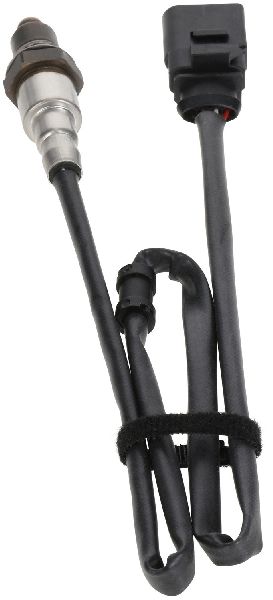
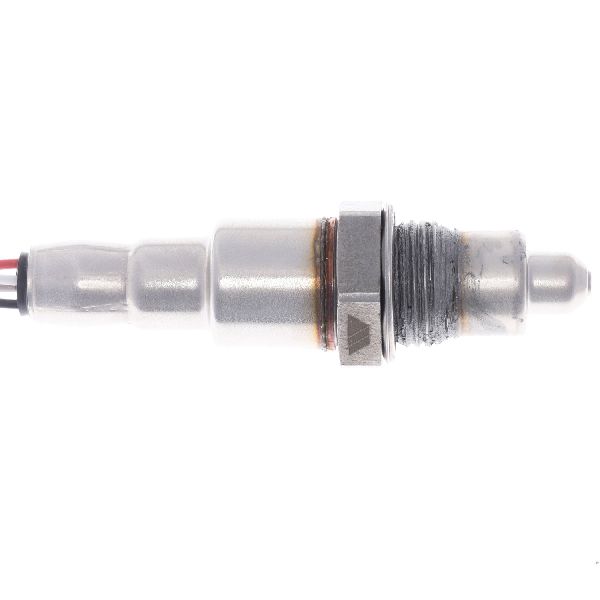
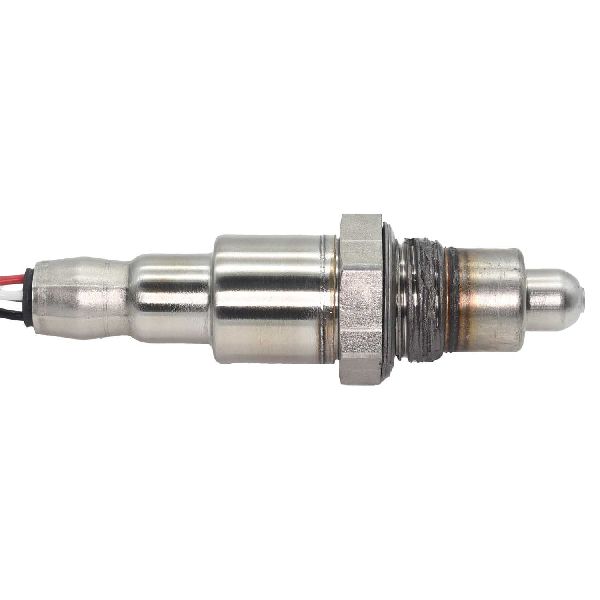
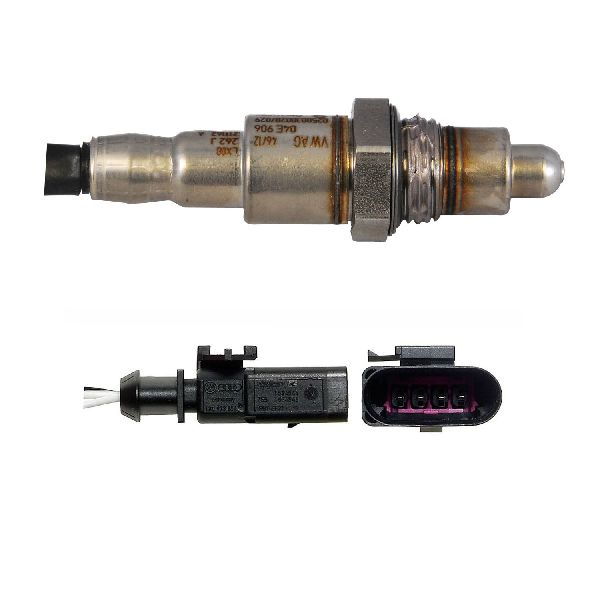
(OEM #Varies by engine. e.g., for 1.8T/2.0T: 06K906262CE. For 2.5L: 1K0998262T.)— This sensor is responsible for monitoring the converter's efficiency. If it fails, it can provide false readings that trigger the P0420 code. It's a common failure point and much cheaper to replace than the converter.
Trusted brands: Bosch, NGK/NTK, Denso
OEM price range: $250-$400
Aftermarket price range: $100-$200 - Exhaust Manifold Gasket / Flex Pipe — An exhaust leak before or at the converter can allow oxygen into the system, fooling the sensors into thinking the converter has failed. The flex pipe is a common point of failure.
Trusted brands: Victor Reinz, Elring, Walker
OEM price range: $50-$150
Aftermarket price range: $20-$80
Related Codes That Often Appear With This One
- P0300-P0304 — Random or specific cylinder misfire codes indicate that unburnt fuel is entering the exhaust, which can quickly damage the catalytic converter.
- P0136 — This code points specifically to a fault in the downstream O2 sensor circuit (Bank 1, Sensor 2), which is a primary suspect when P0420 appears.
- P0299 — On 1.8T/2.0T engines, an underboost condition can be related to other system issues (like vacuum leaks) that may also contribute to incorrect fuel mixtures and eventual catalyst failure.
- P2187 / P2178 — Codes for 'System Too Lean at Idle' or 'System Too Rich Off Idle' indicate a fuel mixture problem. A persistent lean or rich condition is a common root cause for catalytic converter failure.
Technical Service Bulletins (TSBs) & Recalls
- No specific TSB number was identified, but Ross-Tech (a definitive source for VAG diagnostics) recommends checking for any dealer-level TSBs related to Engine Controller flash updates for the vehicle in question, as software adjustments can sometimes resolve false P0420 triggers.
Platform-Specific Known Issues
- 1.8T/2.0T TSI Engine Oil Consumption: A known issue on some TSI engines
Mechanic-Grade Diagnostic Values
- Long/Short Term Fuel Trims — expected: -5% to +5% at idle and steady cruise. Failure: Consistently high positive trims (>10%) can indicate a vacuum leak (e.g., from a failed PCV valve) fooling the O2 sensors. Consistently high negative trims can indicate leaking injectors, which can foul the converter.
- Downstream O2 Sensor (Bank 1, Sensor 2) Voltage — expected: Relatively steady voltage between 0.4V and 0.8V on a warm engine at steady RPM.. Failure: Voltage rapidly switching similar to the upstream sensor indicates a failed converter. Voltage stuck low (near 0V) can indicate an exhaust leak. Voltage stuck high (near 1V) or completely flat can indicate a failed sensor.
- Catalytic Converter Temperature Differential — expected: Outlet temperature should be at least 100°F (38°C) hotter than the inlet temperature on a fully warmed-up engine at 2000 RPM.. Failure: Outlet temperature being the same or cooler than the inlet indicates the catalytic converter is not performing its chemical reaction and has failed.
- Downstream O2 Sensor Internal Resistance (VCDS) — expected: Within specified range (varies by sensor).. Failure: A VCDS reading showing 'internal resistance limit' and a very high value like 81976 Ohm indicates a definitive sensor failure.
- Mode 6, Test ID $21 (Catalyst Monitor Bank 1) — expected: The measured value should be below the maximum threshold set by the manufacturer.. Failure: If the scan tool shows the measured value has exceeded the maximum limit for the catalyst efficiency test, it confirms the ECU's reason for setting the P0420 code.
Hidden / Shadow Codes Worth Checking
- 16804: This is the VW-specific fault code that directly corresponds to the generic OBD-II code P0420, meaning "Catalyst System; Bank 1: Efficiency Below Threshold". (see via A Volkswagen-specific scan tool like VCDS (VAG-COM) or OBDeleven will display this code in addition to the generic P-code.)
Scan Tool Commands That Help
- VCDS (VAG-COM) / ODIS: Basic Settings / Readiness — After a repair, a technician can run the catalyst readiness monitor test to confirm the fix without having to perform a long, specific drive cycle. This forces the system to evaluate catalyst efficiency and will either pass the monitor or fail it, causing the P0420 to return quickly if the fix was unsuccessful.
- VCDS (VAG-COM): Oxygen Sensor Aging Check — This function, mentioned in Ross-Tech documentation, can be used to test the response rate and performance of the oxygen sensors themselves, helping to determine if a 'lazy' sensor is the cause of the P0420 code, rather than the converter.
- VCDS (VAG-COM): Advanced Measuring Blocks (Groups 030-049) — To diagnose a P0420, a technician will access these specific data blocks to view live data for upstream and downstream O2 sensors, catalyst temperature, and lambda control simultaneously to get a complete picture of the system's operation.
Wiring & Ground Locations
- Engine Control Module (ECM) — Located in the plenum chamber, which is the area at the base of the windshield under the plastic cowl cover.. The ECM is the central computer that receives signals from the O2 sensors. Water intrusion into the plenum chamber can corrode the ECM or its connectors, leading to erratic sensor readings and false codes.
- G655 (Ground Connection) — On the frame at the left front of the engine compartment.. A poor ground connection for the engine sensor harness can introduce electrical noise or incorrect voltage offsets to the O2 sensor signals, potentially causing the ECM to misinterpret the data and set a P0420 code.
- Oxygen Sensor Connectors — The upstream sensor connector is typically on a bracket near the top of the engine, while the downstream sensor connector is often located on the transmission or a bracket on the underbody heat shield.. These connectors are exposed to heat and moisture. Corrosion or damage to the pins or wires at these points can disrupt the sensor signal, mimicking a sensor or catalyst failure.
Real Owner Repair Stories
- Ross-Tech Forums user 'Florian' (VW with 226,000 km, which previously suffered from severe oil consumption (1L/1000km) that was fixed by replacing pistons and rings.) — Intermittent P0420 code.
❌ Tried (didn't work) Using fuel additives twice.
✅ What actually fixed it The catalytic converter was replaced with a used OEM unit from a lower-mileage crashed vehicle. The user's original converter was found to be clogged with white powder, likely a result of the previous heavy oil consumption, confirming the contamination had permanently damaged it. - Reddit user 'ab0ngcd' (Chevrolet Volt (demonstrates a universal principle applicable to VW TSI engines with integrated PCV).) — P0420 code appeared after a period of the engine not running much.
❌ Tried (didn't work) The dealer recommended replacing the catalytic converter and oxygen sensors.
✅ What actually fixed it The actual cause was a leaking PCV valve, which on this platform is integrated into the valve cover. Replacing the entire valve cover assembly fixed the vacuum leak, which in turn resolved the P0420 code without touching the exhaust system.
"I Checked Everything" — The Actual Cause
- On TSI engines, a failed PCV valve diaphragm can create a significant unmetered air (vacuum) leak. This will cause the engine to run lean, and the ECM will compensate by adding fuel (positive fuel trims). This altered air/fuel mixture can affect the catalyst's ability to operate efficiently, triggering a P0420 code. A technician performing a standard exhaust smoke test would find no leaks, because the leak is in the crankcase ventilation system, not the exhaust. The key symptom is often a whistling noise from the engine bay at idle or difficulty removing the oil cap with the engine running due to strong vacuum.
When the Usual Fixes Don't Work
- A common 'fix' discussed in owner forums for a legitimate P0420 code where the converter is truly degraded is to install an O2 sensor spacer (also called a 'non-fouler' or 'defouler'). This involves unscrewing the downstream O2 sensor, installing the spacer into the exhaust bung, and then screwing the O2 sensor into the spacer. This pulls the sensor tip partially out of the direct exhaust stream, exposing it to fewer gases and 'dampening' its reading. The ECU then sees the steady, flat voltage it expects from a working converter and does not set the code. It is critical to note that this does not fix the underlying emissions problem and is illegal for road use in jurisdictions with emissions testing, as it is considered a 'tampering' device.
Helpful Videos
We Have This Part in Stock



The information in this article is provided for general reference and educational purposes only. Vehicle specifications, procedures, and part compatibility can vary by production date, trim level, and region. Always consult your vehicle's factory service manual and verify part numbers before purchasing or performing repairs. Safety-critical components such as airbags, seat belts, and braking systems should be installed by a qualified professional.
- Volkswagen BEETLE:
- 🎬 Helpful Videos
- 🛍️ Shop This Part
- What's Unique About the 2013-2017 Volkswagen BEETLE
- Diagnostic Flowchart
- Symptoms You May Notice
- Most Likely Causes
- Rare But Worth Checking
- Diagnosis Steps
- Parts You'll Likely Need
- Related Codes That Often Appear With This One
- Technical Service Bulletins (TSBs) & Recalls
- Platform-Specific Known Issues
- Mechanic-Grade Diagnostic Values
- Hidden / Shadow Codes Worth Checking
- Scan Tool Commands That Help
- Wiring & Ground Locations
- Real Owner Repair Stories
- "I Checked Everything" — The Actual Cause
- When the Usual Fixes Don't Work
- 🎟️ Get 5% Off