

P0420 on 2017-2023 Subaru Crosstrek: Catalyst Efficiency Fixes
On a 2017-2023 Subaru Crosstrek, P0420 almost always correctly identifies a failing catalytic converter, especially with over 70,000 miles. Before replacement, it's critical to rule out faulty oxygen sensors and exhaust leaks. The Federal Emissions Warranty covers the converter for 8 years/80,000 miles. If not under warranty, prepare for a replacement, which can cost from $500 for an aftermarket part to over $2,500 for an OEM part installed.
- P0420 on a 2017-2023 Crosstrek is a known issue addressed by Subaru TSB 09-110-23R.
- While the cause could be a bad O2 sensor or exhaust leak, the most likely failure on a vehicle with over 70,000 miles is the catalytic converter itself.
- Do not replace any parts without proper diagnosis. Graphing the O2 sensor data is the best way to confirm if the converter has failed.
- Do not use an O2 sensor spacer; it doesn't fix the problem and can cause other issues.
- An OEM catalytic converter is very expensive, but cheap aftermarket converters may fail prematurely and cause the code to return.
What's Unique About the 2017-2023 Subaru CROSSTREK

Subaru has issued a specific Technical Service Bulletin (TSB 09-110-23R) for this exact code on these vehicles, indicating it's a known and complex issue. The bulletin outlines a detailed multi-step diagnostic procedure that technicians must follow, which includes checking for other specific DTCs and performing a specific road test before condemning the catalytic converter. This suggests that simply swapping parts without proper testing can lead to the code returning. The issue affects the entire 2017-2023 model range, spanning two different Crosstrek generations and is also common on platform mates like the Impreza and Forester. In some cases across the Subaru lineup, the ECM logic for monitoring catalyst efficiency has been overly sensitive, and service campaigns have involved reprogramming the ECM with updated software to correct this.
Diagnostic Flowchart

Tap your situation to follow the diagnostic path that matches what you're seeing on this vehicle.
Generation note: The 2017-2023 range covers two generations. The 2017 model year is the final year of the first-generation Crosstrek (GP). The 2018-2023 models are the second generation (GT), built on the Subaru Global Platform with a revised 2.0L engine and the later addition of a 2.5L option. The P0420 TSB 09-110-23R applies to both generations in this range. The 2018 model introduced a retooled engine with about 80% new components, including direct injection.
Symptoms You May Notice

- Check Engine Light is on
- Cruise control light flashing and traction control light on (common Subaru behavior when CEL is active)
- Failure to pass an emissions inspection
- Slightly reduced fuel economy
- Reduced engine power or sluggish acceleration if the converter is clogged or internally damaged
- Rotten egg (sulfur) smell from the exhaust, indicating the converter is struggling with a rich fuel mixture
- Replacing the oxygen sensors when the catalytic converter is the actual failed component. This is a very common mistake that results in the code returning shortly after.
- Installing an O2 sensor spacer or 'defouler' to trick the sensor. This does not fix the underlying emissions problem and is illegal in many jurisdictions. It often leads to other codes, such as P2096 (Post Catalyst Fuel Trim System Too Lean), as the sensor is pulled too far out of the exhaust stream.
Most Likely Causes

- Failing Catalytic Converter 🔴 High Probability Catalytic converters have a finite lifespan and can be degraded by age, high mileage, or contamination from engine issues like oil consumption. This is the most frequent root cause of a legitimate P0420 code, especially on vehicles over 80,000 miles. The Federal Emissions Warranty covers this part for 8 years/80,000 miles.
How to confirm: After confirming O2 sensors are working correctly, a technician can graph sensor data. A rear O2 sensor that mimics the front O2 sensor's waveform under steady cruise (e.g., 2500 RPM) indicates a bad converter. A temperature gun can also be used to check for a significant temperature increase between the converter's inlet and outlet, which signifies proper function. TSB 09-110-23R specifies a road test to get the catalyst temperature above 500°C (932°F) while monitoring sensor data with the Subaru Select Monitor.
Typical fix: Replace the front catalytic converter assembly. Using an OEM Subaru part is highly recommended over aftermarket options, which are known to fail prematurely and cause the code to return.
Est. part cost: $400-$2500 - Faulty Oxygen (O2) or Air/Fuel (A/F) Sensor 🟡 Medium Probability A failing rear O2 sensor can send incorrect, fluctuating data, falsely triggering a P0420. A failing or 'lazy' front A/F sensor can create a poor fuel mixture that damages the converter over time, eventually causing a real P0420 code.
How to confirm: Use a scan tool to graph the sensor voltage. The front A/F sensor should fluctuate rapidly. The rear O2 sensor should be relatively steady on a healthy converter. A lazy or non-responsive sensor needs replacement. TSB 09-110-23R specifically calls for checking other sensor-related DTCs first.
Typical fix: Replace the faulty sensor, typically the rear (downstream) O2 sensor. Use quality OEM brands like Denso or NTK to avoid compatibility issues.
Est. part cost: $80-$250 - Exhaust Leak ⚪ Low Probability Rust can cause leaks at gaskets (especially the donut gaskets between manifold and pipe) or flex pipes, particularly in regions that use road salt. An exhaust leak can introduce oxygen into the exhaust stream, confusing the O2 sensors and triggering a false P0420.
How to confirm: Perform a visual inspection of the exhaust system from the engine to the rear O2 sensor. Listen for hissing or ticking sounds. A smoke test is the most definitive way to identify small leaks. 🎬 Watch: How to perform a professional exhaust leak smoke test. Look for black soot trails around gasket flanges.
Typical fix: Replace the leaking gasket or repair/replace the damaged section of the exhaust pipe.
Est. part cost: $20-$300
Rare But Worth Checking
- Engine Oil Leak / Consumption: Excessive oil consumption, a known issue on some Subaru engines, can contaminate the catalytic converter with phosphorus and other deposits, leading to premature failure and a P0420 code. A Reddit user also reported a P0420 on a 2017 Crosstrek caused by a camshaft carrier oil leak dripping onto the exhaust and O2 sensor, a rare but severe underlying cause.
- Engine Misfires or Fuel System Issues: Unburned fuel from persistent misfires (bad spark plugs, coils) or faulty/leaking injectors can enter the exhaust and overheat/destroy the catalytic converter. This usually presents with other codes (e.g., P030X misfire codes) that should be addressed first as per TSB 09-110-23R.
- ECU Software: In some cases across the Subaru lineup, the ECM logic for monitoring catalyst efficiency has been overly sensitive. Some service campaigns have involved reprogramming the ECM with updated software to correct this. TSB 09-110-23R instructs technicians to confirm the vehicle has the latest ECM calibration before proceeding with hardware diagnosis.
Diagnosis Steps
- Check Warranty: Verify if the vehicle is still under the Federal Emissions Warranty (8 years / 80,000 miles), which covers the catalytic converter.
- Scan for all codes. If other codes are present (misfire, fuel trim, sensor codes), diagnose and fix them first, as per Subaru TSB 09-110-23R.
- Visually inspect the exhaust system between the engine and the rear O2 sensor for any signs of leaks, cracks, or damage. Pay close attention to gaskets and the flex pipe.
- Check engine oil level and look for signs of excessive oil consumption (blue/white smoke from tailpipe), which can contaminate the converter.
- Use a scan tool with live data graphing capabilities. Warm the engine to full operating temperature.
- Observe the upstream (Bank 1, Sensor 1) Air/Fuel Ratio sensor and downstream (Bank 1, Sensor 2) oxygen sensor waveforms at a steady 2500 RPM.
- A healthy upstream sensor will show rapid fluctuation. A healthy downstream sensor will show a steady, flat voltage, typically above 0.5V-0.6V.
- If the downstream sensor's waveform mimics the upstream sensor's fluctuations, the catalytic converter is not working and needs to be replaced. 🎬 Watch: A step-by-step guide to diagnosing and addressing P0420.
- If the downstream sensor is stuck high, low, or is not responding ('lazy'), the sensor itself is likely faulty and should be replaced first.
- If diagnosis is inconclusive, follow the specific road test procedure outlined in TSB 09-110-23R to allow the ECM to re-evaluate the catalyst.
Parts You'll Likely Need
- Catalytic Converter (Front)
(OEM #44620AD82A (or superseded versions))— This is the most common true cause for the P0420 code on a higher mileage Crosstrek. OEM is strongly recommended.
Trusted brands: Subaru (OEM)
OEM price range: $1200-$2200
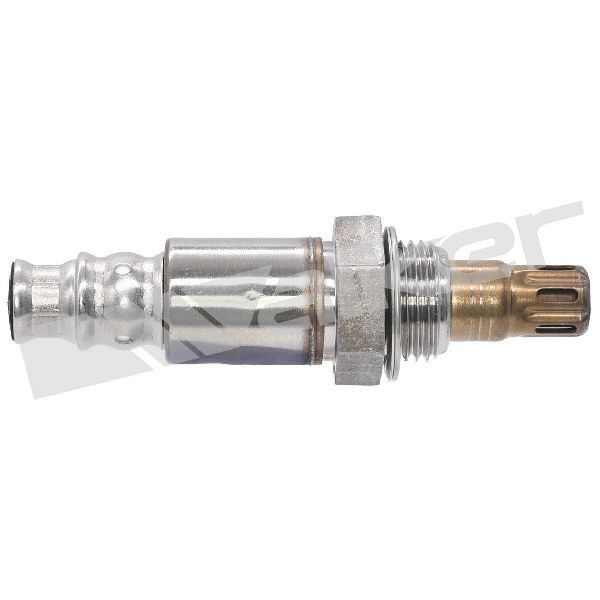
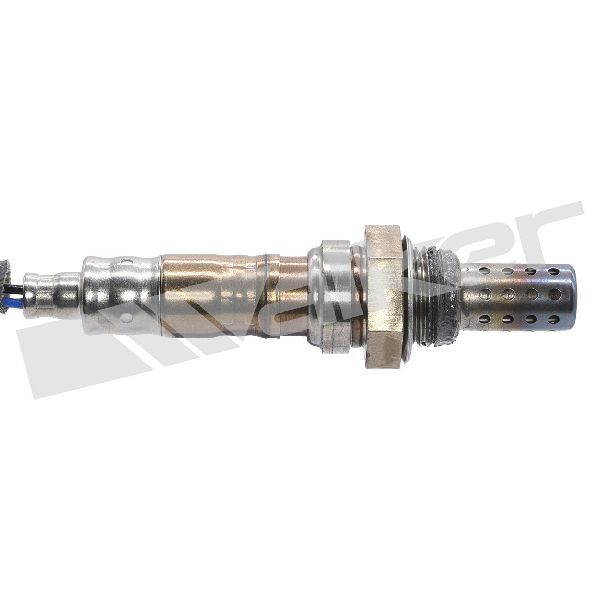
Aftermarket price range: $400-$900 - Rear Oxygen Sensor (Downstream)
(OEM #Denso 234-4513 (for 2016-2017 models, verify for others))— This sensor is responsible for reporting catalyst efficiency. If it fails, it can trigger a false P0420 code.
Trusted brands: Denso, NTK
OEM price range: $180-$250
Aftermarket price range: $80-$170 - Front Air/Fuel Ratio Sensor (Upstream)
(OEM #Denso 234-9138 (for 2016-2017 models, verify for others))— Less common to fail in a way that causes P0420 directly, but a faulty A/F sensor can ruin a new catalytic converter if not addressed.
Trusted brands: Denso, NTK
OEM price range: $200-$300
Aftermarket price range: $100-$180
Related Codes That Often Appear With This One
- P0171 — System Too Lean (Bank 1). This can be caused by an exhaust leak before the front O2 sensor, or a vacuum leak. A lean condition can raise combustion temperatures and damage the converter over time. A user on Reddit reported this code appearing after installing an O2 spacer to defeat P0420.
- P2096 — Post Catalyst Fuel Trim System Too Lean (Bank 1). This code often appears when someone has installed an O2 sensor spacer to try and defeat a P0420, as it pulls the sensor too far out of the exhaust stream.
- P0300-P0304 — Misfire codes. A persistent misfire allows unburned fuel to enter the exhaust, which can quickly overheat and destroy the catalytic converter. TSB 09-110-23R explicitly states to diagnose and fix these codes before addressing the P0420.
Technical Service Bulletins (TSBs) & Recalls
- 09-110-23R: DTC P0420 Diagnostic Procedure - Announces a specific multi-step diagnostic procedure to be followed when DTC P0420 is detected, prioritizing diagnosis of other codes first before condemning the converter. Applies to Crosstrek, Impreza, Forester, and others.
Platform-Specific Known Issues
- Subaru issued Technical Service Bulletin #09-110-23R which provides a specific, multi-step diagnostic procedure for DTC P0420. This includes checking for other codes (misfires, fuel trim, O2 sensor faults), inspecting for oil consumption, and performing a specific road test to monitor catalyst temperatures before authorizing a converter replacement.
- The Federal Emissions Defect Warranty covers the catalytic converter for 8 years or 80,000 miles, whichever comes first. Owners of vehicles within this window should contact a Subaru dealer for potential warranty coverage.
- Some owners on forums report success with catalytic converter cleaner products as a temporary measure, but this is not a permanent fix and is unlikely to work if the catalyst substrate is physically damaged or severely contaminated.
Mechanic-Grade Diagnostic Values
- Rear O2 Sensor (Bank 1, Sensor 2) Heater Resistance — expected: 5.6 Ohms +/- 0.8 Ohms at 20°C (68°F). Failure: Reading outside of this range indicates a faulty heater element in the sensor.
- Rear O2 Sensor (Bank 1, Sensor 2) Voltage at steady cruise (healthy cat) — expected: Steady reading, typically between 0.5V and 0.8V. Failure: Voltage fluctuates in a sine wave pattern similar to the upstream sensor.
- Catalyst Temperature during TSB 09-110-23R road test — expected: Must reach 500°C (932°F) or higher. Failure: Inability to reach this temperature may indicate a problem preventing catalyst light-off, which must be resolved before condemning the converter.
- Long/Short Term Fuel Trims — expected: Within +/- 5% to 8% at idle and steady cruise. Failure: Consistently high positive trims (>10%) suggest a vacuum or unmetered air leak; high negative trims suggest a rich condition (e.g., leaking injector) that could damage the converter.
Scan Tool Commands That Help
- Subaru Select Monitor (SSM): Catalyst Efficiency Test / Drive Pattern — As outlined in TSB 09-110-23R, this specific road test procedure uses the SSM to monitor live data (like Catalyst Temperature #11) to definitively confirm or deny P0420 after initial checks for other codes and leaks are complete.
- Subaru Select Monitor (SSM): ECM Reprogramming (FlashWrite) — Used to update the Engine Control Module to the latest software calibration. Some older calibrations were overly sensitive and could set a false P0420. This should be checked before replacing parts, as it is covered under the emissions warranty for 8 years/80,000 miles.
Wiring & Ground Locations
- Engine Ground Strap — There are multiple, but a key one connects the engine block to the chassis frame rail on the driver's side, just in front of the tire.. A corroded or broken engine ground strap can cause erratic voltage signals and poor sensor performance, including for the oxygen sensors. This can lead to incorrect readings and potentially trigger a false P0420 code. It's a cheap and often overlooked item to inspect.
- Rear O2 Sensor Connector (Bank 1, Sensor 2) — On the exhaust pipe, after the catalytic converter.. For manual testing, Pin 1 (Red wire) should have Battery Voltage (+) with the key on. Pin 2 (Green/Yellow wire) is the ground. Testing resistance between these two pins on the sensor side checks the integrity of the sensor's internal heater circuit.
Real Owner Repair Stories
- Reddit user mkl_dwn_ur_vincents (2018 Subaru Crosstrek, 140,000 miles) — Persistent P0420 code.
❌ Tried (didn't work) Replacing spark plugs, Checking the MAF sensor, Replacing both upstream and downstream O2 sensors with OEM parts
✅ What actually fixed it The user's final options were to try an O2 sensor spacer or replace the catalytic converter, with the strong implication that the converter was the final point of failure after all other components were replaced. The code returned just 15 minutes after replacing both O2 sensors, pointing away from the sensors being the root cause.
OEM Part Supersession History
44620AD82A→44620AD82B, then 44620AD82C— Standard part revision and improvement by the manufacturer.
Heads up: These parts are listed as replacements for each other and should be compatible for the specified 2.5L models (Legacy/Outback), but are often cross-referenced for Crosstrek as well. Always verify fitment with VIN.44620AD88A→44620AD88B— Standard part revision and improvement by the manufacturer.
Heads up: Appears to be another valid part number chain for this application. Verifying the correct part number with a Subaru dealer using the vehicle's VIN is critical.
Model Year Variations Within This Range
- 2018-2023: The 2018 model year marked a full redesign onto the Subaru Global Platform. The 2.0L engine was heavily revised (~80% new parts) and gained direct injection. This change in fuel delivery and engine management could lead to different underlying causes for fuel trim issues that might eventually cause a P0420, compared to the 2017 port-injected engine.
- 2017: The 2017 model is the final year of the first generation (GP platform). While it shares the P0420 TSB with the newer models, its parts (engine, chassis, some sensors) are from the previous generation and may not be interchangeable with 2018+ models.
Helpful Videos
We Have This Part in Stock


The information in this article is provided for general reference and educational purposes only. Vehicle specifications, procedures, and part compatibility can vary by production date, trim level, and region. Always consult your vehicle's factory service manual and verify part numbers before purchasing or performing repairs. Safety-critical components such as airbags, seat belts, and braking systems should be installed by a qualified professional.
- Subaru CROSSTREK:
- 🎬 Helpful Videos
- 🛍️ Shop This Part
- What's Unique About the 2017-2023 Subaru CROSSTREK
- Diagnostic Flowchart
- Symptoms You May Notice
- Most Likely Causes
- Rare But Worth Checking
- Diagnosis Steps
- Parts You'll Likely Need
- Related Codes That Often Appear With This One
- Technical Service Bulletins (TSBs) & Recalls
- Platform-Specific Known Issues
- Mechanic-Grade Diagnostic Values
- Scan Tool Commands That Help
- Wiring & Ground Locations
- Real Owner Repair Stories
- OEM Part Supersession History
- Model Year Variations Within This Range
- 🎟️ Get 5% Off