

P0420 on 2014-2020 Ram 2500 6.7L Cummins: Catalyst Efficiency Causes & Fixes
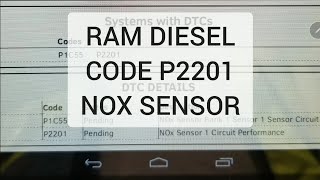
On a 2014-2020 Ram 2500 with the 6.7L Cummins, P0420 is almost always caused by a faulty NOx sensor, not the expensive catalyst itself. Before replacing any parts, check for software updates via TSBs or recalls, as a simple reflash can often fix the issue. The presence of code P2201 is a very strong indicator that the upstream NOx sensor has failed.
- On a 2014-2020 Ram 2500, P0420 almost exclusively applies to the 6.7L Cummins Diesel and its complex after-treatment system.
- Do not immediately assume the expensive catalytic converter has failed. The most common culprits are a faulty NOx sensor or the need for a PCM software update.
- Always have a dealer or qualified shop check for open recalls or TSBs related to emissions before beginning any hardware diagnosis or replacement.
- Diagnosis requires a scan tool that can read live data from the NOx sensors to properly identify the root cause and avoid costly misdiagnosis.
What's Unique About the 2014-2020 Ram 2500

Unlike a gasoline engine where P0420 points to a simple three-way catalytic converter, on the 6.7L Cummins it refers to a complex, multi-stage diesel after-treatment system. The diagnosis is more involved because the fault could lie with the Diesel Oxidation Catalyst (DOC), the Selective Catalytic Reduction (SCR) system, the DEF (Diesel Exhaust Fluid) injector, or, most commonly, one of the expensive NOx sensors that monitor the system. Numerous software updates and recalls have also been issued, indicating that the code can be triggered by overly sensitive diagnostic logic, making a dealer visit to check for software updates a critical first step. TSBs like 18-102-22 Rev. A confirm that a PCM reflash is designed to fix a wide array of codes including P0420, P20EE, and P2002 simultaneously.
Diagnostic Flowchart
Tap your situation to follow the diagnostic path that matches what you're seeing on this vehicle.
Generation note: This range covers the end of the Fourth Generation (2014-2018) and the beginning of the Fifth Generation (2019-2020). While both use a 6.7L Cummins with a complex after-treatment system, sensor designs, part numbers, and software calibrations may differ. For example, the upstream NOx sensor for a 2019+ model is Mopar part #68447681AA. The downstream NOx sensor for 2019-2020 models is Mopar part #68460215AB. The 2019 model year introduced a redesigned, larger aftertreatment system to improve flow and efficiency.
Symptoms You May Notice
- Check Engine Light illuminated
- Reduced engine power or 'limp mode', sometimes with speed restrictions as low as 5 mph.
- Message on the instrument cluster regarding the exhaust, DEF system, or "Exhaust Filter Full".
- Increased fuel consumption.
- Vehicle will fail an emissions test.
- Harsh downshifting or clunking during exhaust brake deceleration has been noted as a related symptom addressed by software updates.
- Replacing the catalytic converter assembly when the actual fault is a much cheaper NOx sensor.
- Replacing oxygen (O2) sensors. These diesel systems use Nitrogen Oxide (NOx) sensors, not traditional O2 sensors, for monitoring catalyst efficiency.
- Replacing any hardware before checking for required PCM software updates, which are a very common and documented fix.
Most Likely Causes

- Faulty NOx Sensor(s) 🔴 High Probability The NOx sensors on the 6.7L Cummins platform are a widely documented high-failure item, operating in a harsh, high-heat environment. Owner forums consistently point to a faulty NOx sensor as the primary cause of P0420, often before the catalyst itself fails.
How to confirm: Use a scan tool capable of reading live data to monitor the NOx sensor readings in parts-per-million (PPM). The upstream sensor should fluctuate with engine load, while the downstream should be low and steady. A sensor that is stuck, unresponsive, or provides erratic data is faulty. The presence of code P2201 almost always confirms a fault with the upstream NOx sensor.
Typical fix: Replace the faulty NOx sensor module. There is an upstream (Bank 1 Sensor 1) and a downstream sensor; diagnosis is required to determine which has failed. Accessing the upstream sensor often requires removing the front passenger-side wheel and inner fender liner. 🎬 Watch: Step-by-step guide to replacing the upstream NOx sensor.
Est. part cost: $300 - $700 per sensor - PCM Software Update Needed 🔴 High Probability Stellantis (formerly FCA) and Cummins have issued numerous Technical Service Bulletins and emissions recalls that involve updating the PCM software to correct overly sensitive diagnostic logic that can falsely trigger P0420 and other codes. TSB 18-102-22 Rev. A is a prime example for 2020 models.
How to confirm: A Ram dealership or a well-equipped independent shop can check the vehicle's VIN against open recalls (like the '67A' campaign) and TSBs to see if a software update is available. This should be the first step in any diagnosis.
Typical fix: Reprogram the Powertrain Control Module (PCM) with the latest factory software. This is often performed free of charge under a recall or emissions warranty.
Est. part cost: $0 - $200 - Failed Diesel Oxidation Catalyst (DOC) or SCR Catalyst 🟡 Medium Probability The catalyst can become contaminated by engine oil or coolant, physically damaged from vibration, or simply lose its chemical efficiency over time and with high mileage. A plugged DPF resulting from other unresolved issues can also contribute to catalyst failure.
How to confirm: This is diagnosed by exclusion. If all sensors are confirmed to be working correctly, there are no exhaust leaks, and the software is up to date, the catalyst itself is the likely culprit. A temperature check using an infrared thermometer on the inlet and outlet of the catalyst can also help; a working catalyst should be significantly hotter on the outlet side during operation.
Typical fix: Replace the Diesel Oxidation Catalyst (DOC) or the Selective Catalytic Reduction (SCR) assembly. This is a very expensive repair, with the full DPF/SCR assembly costing thousands.
Est. part cost: $2000 - $5000+ - Exhaust System Leak ⚪ Low Probability Leaks at gaskets, V-band clamps, or flex pipes between the turbo and the after-treatment sensors can allow oxygen to enter the exhaust stream, skewing sensor readings and tricking the PCM into thinking the catalyst is inefficient.
How to confirm: Visually inspect the exhaust system for soot trails, especially around flanges and clamps. A smoke test is the most effective way to pinpoint a leak. Owners have reported loose clamps and system misalignment as a cause.
Typical fix: Replace the leaking gasket or tighten/replace the faulty clamp.
Est. part cost: $20 - $150
Rare But Worth Checking
- DEF System Malfunction: If P0420 is accompanied by P20EE (SCR NOx Catalyst Efficiency Below Threshold), the issue may be with the Diesel Exhaust Fluid (DEF) system. A clogged DEF injector, bad DEF pump, or poor quality fluid can prevent the SCR system from reducing NOx, indirectly causing an efficiency code.
Diagnosis Steps

- Check for any open recalls or Technical Service Bulletins (TSBs) for your vehicle's VIN. This should always be the first step, as a software update (like TSB 18-102-22) may be the required fix.
- Scan for all DTCs. Pay close attention to accompanying codes like P2201 (points to NOx sensor) or P20EE (points to SCR/DEF issue).
- Inspect the entire exhaust system from the turbocharger back to the tailpipe for any signs of leaks, such as soot stains at flanges or cracks.
- Using a capable scan tool, monitor live data from the upstream and downstream NOx sensors. Compare the PPM readings to verify sensor functionality and catalyst efficiency.
- If a NOx sensor is suspected, inspect its wiring and connector for damage before replacing the sensor module. The NOx sensor module communicates over the J1939 datalink, and a loss of communication can also indicate a wiring or power supply issue.
- If sensors and wiring are good and there are no leaks, investigate the DEF system (injector, pump, fluid quality), especially if code P20EE is present.
- If all other components are verified to be working correctly, the Diesel Oxidation Catalyst (DOC) or SCR catalyst assembly is likely faulty. This is a diagnosis of exclusion.
Parts You'll Likely Need
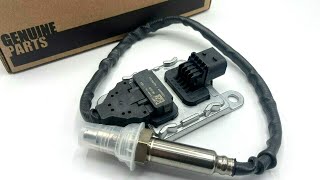
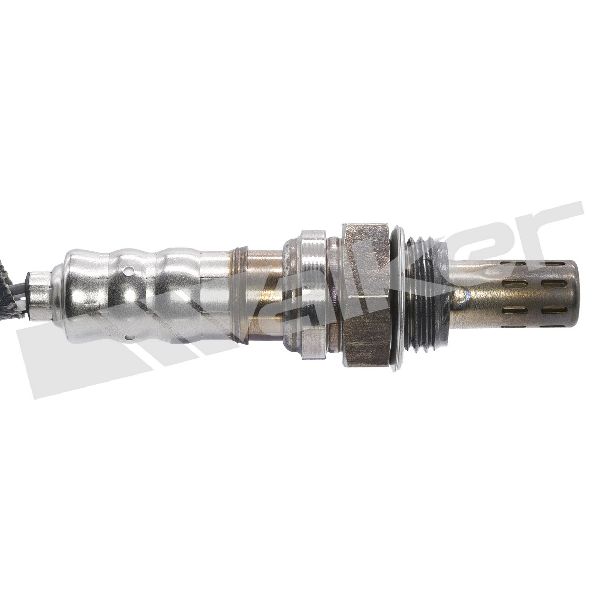
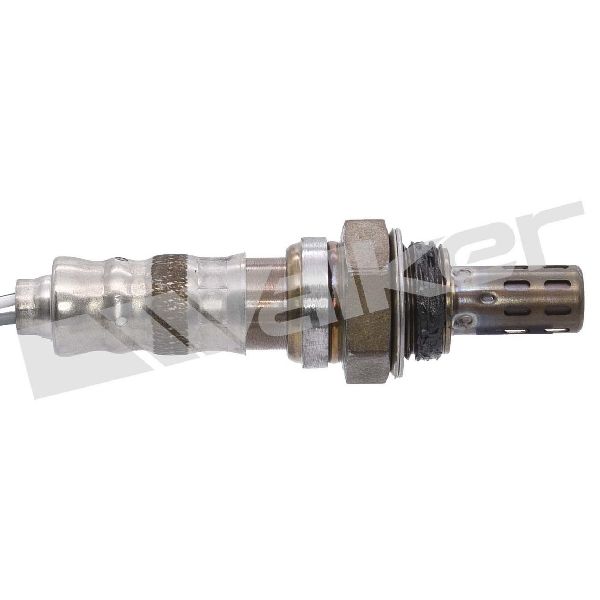
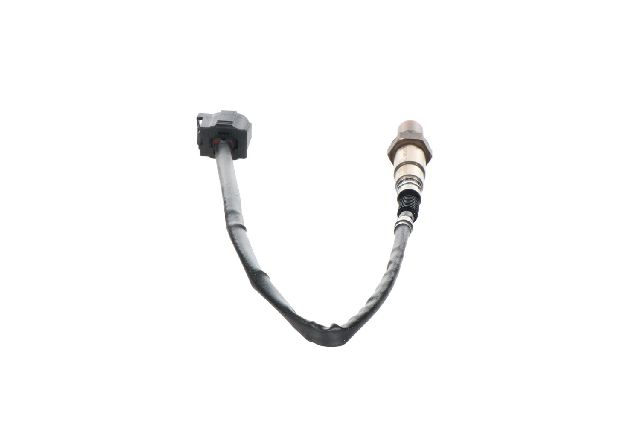
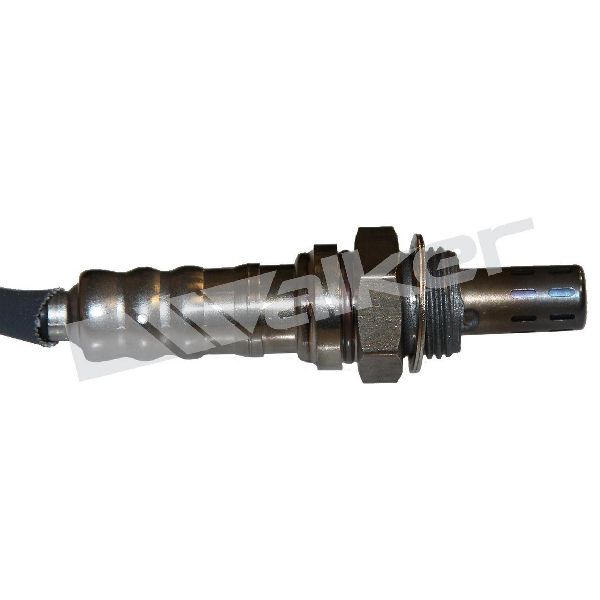
- Upstream NOx Sensor (Bank 1 Sensor 1)
(OEM #68447681AA (2019-2020), Dorman 904-6030 (2013-2018))— This is the most frequent hardware failure causing P0420, often accompanied by code P2201.
Trusted brands: Mopar, Bosch, Dorman, Walker Products
OEM price range: $450-$700
Aftermarket price range: $250-$500 - Downstream NOx Sensor (Bank 1 Sensor 2)
(OEM #68460215AB (2019-2020), 68227486AA (2014-2017))— The second most likely sensor to fail. Diagnosis is required to differentiate between upstream and downstream sensor failure.
Trusted brands: Mopar, Bosch, Dorman, Walker Products
Related Codes That Often Appear With This One
- P2201 — This code indicates a fault with the "NOx Sensor Circuit Range/Performance Bank 1 Sensor 1" (the upstream sensor). It is a very strong indicator that the NOx sensor itself has failed, causing the P0420 code.
- P20EE — This code specifically points to "SCR NOx Catalyst Efficiency Below Threshold," directly related to the SCR system's performance. Its presence is noted in TSB #18-102-22 and often points to a software issue or DEF system problem.
- P2002 — This code for "Diesel Particulate Filter Efficiency Below Threshold" is often seen with P0420 in manufacturer TSBs (#18-102-22 Rev. A), indicating a broader issue within the entire after-treatment system that can be fixed with a software update.
Technical Service Bulletins (TSBs) & Recalls

- 1810222REVA
- 1810122REVA
- 18-102-22
- 1801221REVA
- 18-067-23 (Supersedes 18-102-22 Rev. A)
Platform-Specific Known Issues
- Frequent NOx Sensor Failures: Owner forums and repair data frequently point to faulty NOx sensors as a primary trigger for P0420 on these trucks, sometimes accompanied by code P2201. These sensors are exposed to extreme heat and corrosive exhaust gases, leading to a high failure rate.
- Software Sensitivity: The large number of TSBs and recalls related to PCM software updates (e.g., TSB 18-102-22, Recall 67A) shows that the factory calibration is highly sensitive and can trigger false P0420 codes. It is critical to ensure the vehicle's software is fully updated before beginning any hardware diagnosis.
Mechanic-Grade Diagnostic Values
- NOx Sensor Live Data (PPM) Comparison — expected: On a fully warm system, the upstream (inlet) sensor will show fluctuating NOx levels (e.g., 200-500 PPM) depending on engine load. The downstream (outlet) sensor should read very low and steady, close to 0 PPM.. Failure: If the downstream sensor's reading mirrors the upstream, is stuck at a high value (e.g., 65,532 PPM), or is stuck at zero, the sensor or catalyst has likely failed.
- DEF Injector (Doser) Electrical Resistance — expected: 11 - 13 Ohms.. Failure: An open circuit (OL) or a reading outside the specified range indicates a failed injector coil.
- NOx Sensor CAN Bus Resistance — expected: With the key off for at least 2 minutes, the resistance between the two CAN bus wires at the NOx sensor connector should be approximately 60 ohms.. Failure: A reading of 120 ohms indicates a break in the circuit or a missing terminating resistor. A reading near 0 ohms indicates a short between the two wires.
- NOx Sensor CAN Bus Voltage — expected: With the key on, CAN High should be ~2.5V and CAN Low should be ~2.5V, mirroring each other during data transmission (one goes up to ~3.5V while the other drops to ~1.5V).. Failure: Voltages shorted to ground (0V), shorted to power, or not mirroring each other indicate a wiring or module fault.
Scan Tool Commands That Help

- wiTECH (Chrysler/Ram Dealer Tool): SCR Efficiency Test — This is a guided, automated test that runs the engine at specific RPMs and temperatures to actively measure the performance of the SCR system. It provides a clear pass/fail result, helping to confirm if the catalyst is faulty after sensors and wiring have been checked.
- wiTECH (Chrysler/Ram Dealer Tool): DEF Doser Injector Quantity Test — Used when a DEF system issue is suspected (often with code P20EE). This function commands the DEF injector to spray a specific amount of fluid, which is collected and measured to verify correct operation and check for clogging.
- wiTECH (Chrysler/Ram Dealer Tool): NOx Sensor Reset/Learned Value Reset — This function should be performed after replacing a NOx sensor. It clears the learned values from the old sensor and forces the PCM to adapt to the new sensor's readings, preventing a recurring code due to incorrect stored data.
Wiring & Ground Locations
- Aftertreatment Control Module (ACM) — The ACM is typically mounted on the vehicle chassis frame rail in a protected area.. The ACM is the brain of the emissions system. It receives inputs from all aftertreatment sensors (including NOx and temperature sensors) and controls components like the DEF injector. All wiring for these components terminates at the ACM's 21-pin and 120-pin connectors, making it a central point for diagnosing circuit faults.
- NOx Sensor Module CAN Bus Circuit — This is the wiring harness connecting the NOx sensor modules to the main vehicle databus and the ACM. The NOx modules themselves have power, ground, and two CAN (J1939) wires.. A P0420 code can be triggered not just by a bad sensor probe, but by a failure in communication between the sensor's control module and the rest of the truck. A wiring issue (chafe, corrosion) or loss of power/ground to the module can cause a loss of communication (e.g., U029D) or corrupt data, leading to an incorrect efficiency calculation.
Real Owner Repair Stories
- Reddit user geekgiant (2018 Ram 3500 6.7L Cummins) — Recurring P0420 code over multiple visits to the dealership.
❌ Tried (didn't work) Replacing the DPF under warranty., A software update (fixed P2201, but P0420 returned)., Dealership suggested replacing exhaust temp sensors and MAP sensor.
✅ What actually fixed it The final resolution was a combination of replacing a faulty NOx sensor and another ECU flash. The DPF was also found to be plugged as a secondary consequence of the bad NOx sensor readings.
Model Year Variations Within This Range
- 2019-2020: The 5th Generation trucks introduced in 2019 feature a completely redesigned and physically larger aftertreatment system (DOC/DPF/SCR assembly). The components are not interchangeable with 2014-2018 models. The exhaust flow was increased, and the distance between the DOC and DPF was changed.
- 2019+: The 2019+ models use a CP4 high-pressure fuel injection pump, which differs from the CP3 pump used in earlier 4th generation trucks. While not directly related to P0420, any issue affecting combustion can indirectly impact the aftertreatment system.
Helpful Videos
![How to Fix P0420 Engine Code in 9 Minutes [7 Methods / Only $9.99]](https://img.youtube.com/vi/lSlfTE77zjE/mqdefault.jpg)
We Have This Part in Stock

The information in this article is provided for general reference and educational purposes only. Vehicle specifications, procedures, and part compatibility can vary by production date, trim level, and region. Always consult your vehicle's factory service manual and verify part numbers before purchasing or performing repairs. Safety-critical components such as airbags, seat belts, and braking systems should be installed by a qualified professional.
- Ram 2500:
- 🎬 Helpful Videos
- 🛍️ Shop This Part
- What's Unique About the 2014-2020 Ram 2500
- Diagnostic Flowchart
- Symptoms You May Notice
- Most Likely Causes
- Rare But Worth Checking
- Diagnosis Steps
- Parts You'll Likely Need
- Related Codes That Often Appear With This One
- Technical Service Bulletins (TSBs) & Recalls
- Platform-Specific Known Issues
- Mechanic-Grade Diagnostic Values
- Scan Tool Commands That Help
- Wiring & Ground Locations
- Real Owner Repair Stories
- Model Year Variations Within This Range
- 🎟️ Get 5% Off