

P0420 on 2014-2016 Kia Sportage: Catalyst Efficiency Fixes & TSB Info
On a 2014-2016 Kia Sportage with the 2.4L GDI engine, code P0420 is often caused by outdated engine computer software. Before replacing the expensive catalytic converter, have a Kia dealer check for TSB ENG160R1, which provides a software update to fix overly sensitive monitoring. If the converter has failed, likely due to underlying oil consumption issues common to this engine, expect to pay $2400+ for an OEM replacement. Check if your vehicle is covered by the 15-year/150,000-mile PZEV emissio
- Before any repairs, have a Kia dealer check if TSB ENG160R1 (ECU software update) applies to your Sportage; this is a common and inexpensive fix.
- Do not automatically replace the catalytic converter. A faulty downstream O2 sensor or an exhaust leak can also trigger this code for much less money.
- If the catalytic converter has failed, ensure any underlying issues like engine misfires or high oil consumption are addressed to protect the new part.
- Driving with a P0420 code will cause you to fail an emissions test and can lead to worse performance over time.
What's Unique About the 2014-2016 Kia SPORTAGE

For this specific generation of Kia Sportage, the P0420 code is frequently not a hardware failure. Kia issued Technical Service Bulletin (TSB) ENG160R1 because the original engine computer software was overly sensitive, especially during long periods of engine braking (like going down a steep hill). This can incorrectly flag a perfectly good catalytic converter as faulty. Therefore, the first diagnostic step for this vehicle should always be to check if this crucial software update has been performed. This same issue is also documented for its platform-mate, the 2014-2015 Hyundai Tucson 2.4L, under Hyundai TSB 16-FL-003. Furthermore, the Theta II GDI engine in these vehicles is known for potential oil consumption, which can contaminate and destroy the catalytic converter, making it critical to investigate root causes beyond the converter itself.
Diagnostic Flowchart

Tap your situation to follow the diagnostic path that matches what you're seeing on this vehicle.
Symptoms You May Notice
- Check Engine Light is on.
- Reduced engine power or acceleration if the converter is clogged.
- A rotten egg or sulfur smell from the exhaust.
- Failing a vehicle emissions test.
- Engine may feel sluggish or refuse to go above 30-40 mph in severe cases of clogging.
- Replacing the catalytic converter without first checking for the ECU software update specified in TSB ENG160R1.
- Replacing the catalytic converter when the actual fault is a less expensive downstream oxygen sensor.
- Replacing the catalytic converter without addressing the root cause, such as oil consumption or engine misfires, leading to premature failure of the new part.
Most Likely Causes

- Outdated Engine Control Unit (ECU) Software 🔴 High Probability Kia identified that the original ECU logic was too sensitive and could set a false P0420 code, particularly during prolonged engine braking on downhill grades. This is the subject of TSB ENG160R1, which explicitly covers the 2014-2016 Sportage.
How to confirm: A Kia dealership or a properly equipped independent shop must check the vehicle's software (ROM ID) against TSB ENG160R1 to see if the update is needed.
Typical fix: Reprogramming the ECU with the updated software provided in the TSB. This is often the only repair needed if the converter is still good.
Est. part cost: $0 - Failed Catalytic Converter 🔴 High Probability GDI engines, particularly the Theta II series, can be susceptible to excessive oil consumption which contaminates the catalyst material, rendering it ineffective. If the ECU update doesn't resolve the code, the converter itself has likely degraded due to contamination or age.
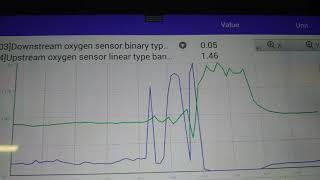
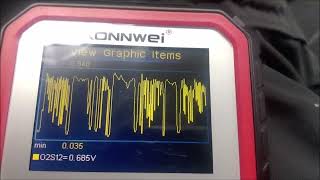
How to confirm: After confirming the ECU software is up to date, a technician can use a scan tool to graph O2 sensor data. If the downstream sensor voltage mimics the upstream sensor, the converter has failed. A temperature check (outlet should be hotter than inlet) can also confirm this.
Typical fix: Replace the catalytic converter assembly. It is critical to also inspect and repair the root cause (e.g., oil consumption, misfires) to prevent repeat failure.
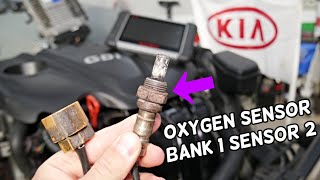
Est. part cost: $2400-$3600 - Failed Oxygen (O2) Sensor 🟡 Medium Probability A faulty downstream (post-catalyst) O2 sensor can send incorrect data to the ECU, falsely indicating a bad converter. It's a common misdiagnosis to replace the converter when only the sensor is bad. 🎬 Watch: How to tell if the converter or sensor failed.
How to confirm: Test the sensor's operation using a scan tool to view live data or a multimeter to check its voltage response. Compare its readings to a known-good sensor. A lazy or flat-lined downstream sensor is a strong indicator of failure.
Typical fix: Replace the faulty oxygen sensor, typically the downstream (Bank 1, Sensor 2).
Est. part cost: $50-$150 - Exhaust System Leak ⚪ Low Probability Leaks from cracked exhaust manifolds or failed gaskets between the two oxygen sensors can allow outside air into the exhaust stream, confusing the downstream sensor.
How to confirm: Perform a visual inspection for cracks or soot trails at gaskets and flanges. A smoke machine test is the most effective way to pinpoint small leaks.
Typical fix: Replace the leaking gasket or repair/replace the cracked exhaust component.
Est. part cost: $20-$300
Rare But Worth Checking
- Engine Misfires or Fuel System Problems: If you have other codes like P0300-P0304 (misfires) or P0171 (lean condition), these must be fixed first. A misfire can dump raw fuel into the exhaust, which rapidly overheats and destroys a new catalytic converter.
- PZEV Emissions Warranty Coverage: For vehicles originally sold or registered in California, Connecticut, Massachusetts, Maine, Maryland, New Jersey, New York, Rhode Island, or Vermont, the catalytic converter may be covered under the PZEV (Partial Zero Emission Vehicle) extended warranty for 15 years or 150,000 miles. Always check with a dealer to see if your vehicle qualifies for a free replacement before paying for repairs.
Diagnosis Steps
- Scan the ECU for trouble codes. Note if P0420 is present alone or with other codes like P0171 or P030x.
- Crucial First Step: Contact a Kia dealer and reference TSB ENG160R1. Have them verify if your vehicle's software (ROM ID) is outdated. If it is, have the ECU reprogrammed. This may be the only fix required.
- Check Warranty: If in a PZEV state (CA, CT, MA, etc.), inquire about the 15-year/150,000-mile emissions warranty for the catalytic converter. The repair could be free.
- Check for Oil Consumption: Investigate if the engine is consuming excessive oil, a known issue with the Theta II GDI engine. Check the oil level and look for signs of blue smoke from the exhaust. This root cause must be addressed.
- If the software is updated and warranty is not applicable, perform a thorough inspection for exhaust leaks between the engine and the downstream O2 sensor, paying close attention to the exhaust manifold for hairline cracks.
- Use a scan tool to observe live data from the Bank 1 upstream (Sensor 1) and downstream (Sensor 2) oxygen sensors. At a steady 2500 RPM, the upstream sensor should show rapid fluctuation (0.1-0.9V), while the downstream sensor should remain relatively flat and steady, ideally around 0.4-0.5V. If the downstream sensor mirrors the upstream, the converter is likely bad. 🎬 Watch: A universal guide to diagnosing a P0420 code.
- If the downstream sensor appears lazy or non-responsive, test the oxygen sensor itself for proper function before condemning the converter.
- If the catalytic converter is confirmed to be faulty, you must investigate and repair any underlying engine issues (e.g., misfires, oil consumption, fuel system problems) before installing a new converter to prevent a repeat failure.
Parts You'll Likely Need
- Catalytic Converter
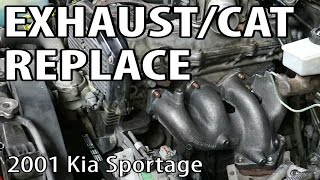
(OEM #28950-2G360 (SULEV, Auto Trans); 28960-2G880 (ULEV, Manual Trans). Verify with VIN.)— This is the component the code directly points to as having failed. On many Sportage models, this is integrated with the exhaust manifold. 🎬 See this DIY exhaust manifold and catalytic converter replacement walkthrough. Failure is often a symptom of another problem like oil consumption.
Trusted brands: Kia (OEM), Walker Exhaust, MagnaFlow
OEM price range: $2400-$3600
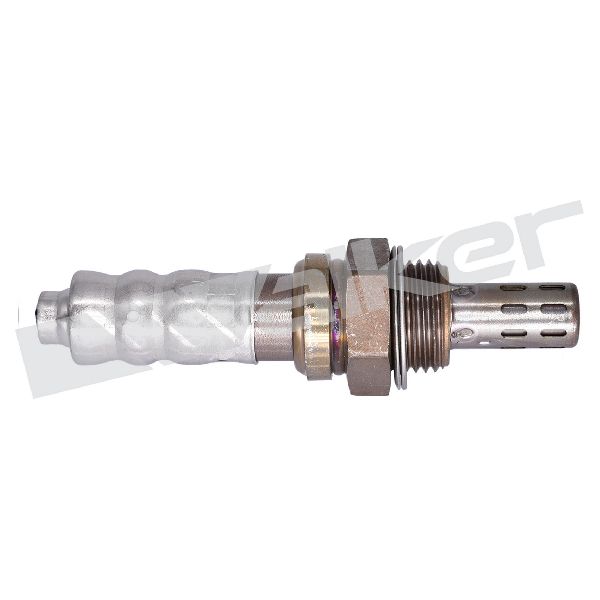
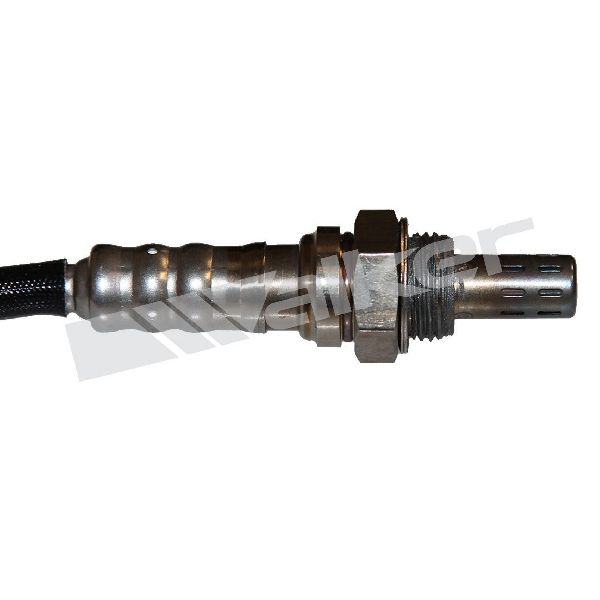
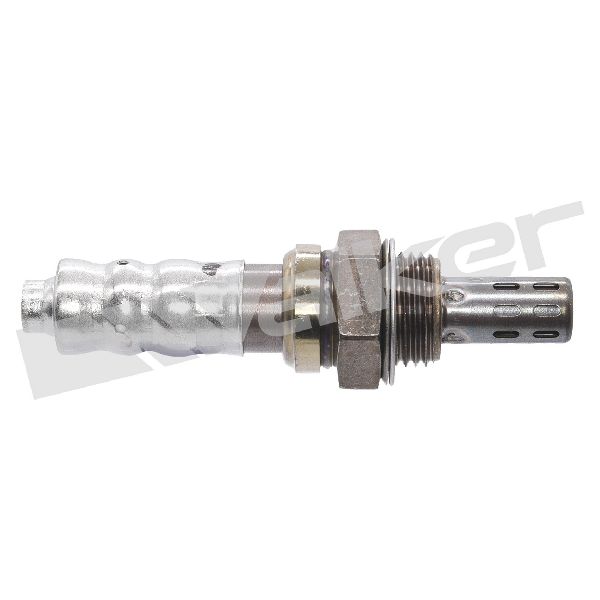
Aftermarket price range: $400-$800 - Downstream Oxygen Sensor (Bank 1, Sensor 2)
(OEM #39210-2G380 (Verify with VIN))— This sensor is responsible for monitoring the converter's efficiency. Its failure can mimic a bad converter, and it is a common point of failure.
Trusted brands: Bosch, Denso, NGK/NTK
OEM price range: $120-$200
Aftermarket price range: $50-$120
Related Codes That Often Appear With This One
- P0171 — TSB ENG160R1 explicitly mentions that P0171 (System Too Lean) can appear alongside P0420 due to the same ECU software sensitivity issue.
- P0300-P0304 — Misfire codes indicate an underlying engine problem that can cause the catalytic converter to fail from being flooded with unburnt fuel or from catalyst overheating.
Technical Service Bulletins (TSBs) & Recalls

- TSB-ENG160R1
Platform-Specific Known Issues
- A known ECU software issue can cause a false P0420 code, which is correctable via a software update per TSB ENG160R1.
- The 2.4L Theta II GDI engine in this generation was subject to recalls and warranty extensions for engine-related issues that could lead to oil consumption, which in turn can contaminate and destroy the catalytic converter.
- In some cases, owners have reported the P0420 code returning even after replacing the catalytic converter with an aftermarket part, suggesting the vehicle's ECU is highly sensitive and may require an OEM part or that the root cause was not fixed.
Mechanic-Grade Diagnostic Values
- Downstream O2 Sensor (Bank 1, Sensor 2) Voltage — expected: Relatively steady reading between 0.4 to 0.5 volts at a constant RPM.. Failure: Voltage fluctuates rapidly, mimicking the upstream sensor's readings.
- Oxygen Sensor Installation Torque — expected: 30 - 35 lb-ft (45 - 49 N.m). Failure: Over-tightening can damage threads in the exhaust manifold; under-tightening can cause leaks.
Hidden / Shadow Codes Worth Checking
- Mode 6, Catalyst Monitor Data ($06): Provides the raw test data and numerical results the ECU uses to determine catalyst efficiency, rather than just a pass/fail status. This allows a technician to see how close the converter is to the failure threshold. (see via A professional scan tool with Global OBD-II capabilities, such as a Launch Tech X-431 or the dealer GDS/KDS tool.)
Scan Tool Commands That Help
- Kia KDS/GDS: ECU Upgrade / Reprogramming — Used to apply the software update from TSB ENG160R1, which corrects the overly sensitive logic that can cause a false P0420 code.
- Kia KDS/GDS: Create Vehicle Diagnosis Number (VDN) — This is a required step within the dealer diagnostic system before performing certain warranty repairs or recalls related to DTCs like P0420, ensuring the repair is properly documented.
- Professional Scan Tool (e.g., Launch, Autel): View Mode 6 Data — To analyze the catalyst monitor's raw performance data to confirm a failing converter or to verify that a new converter is functioning well above the minimum threshold.
Wiring & Ground Locations
- Bank 1, Sensor 2 Connector — The downstream oxygen sensor is located on the catalytic converter, underneath the vehicle, after the main catalyst body. The electrical connector is typically clipped to the underbody nearby.. This is the sensor that measures catalyst efficiency. Damage to its wiring from road debris or heat, or a corroded connector, can cause false P0420 codes.
Real Owner Repair Stories
- Reddit user on r/KiaSoulClub (2016 Kia Soul (similar Theta II engine family), 90,000+ miles) — Intermittent P0420 Check Engine Light, no drivability issues.
❌ Tried (didn't work) Using Seafoam fuel additive made the light disappear temporarily but it always returned.
✅ What actually fixed it The original poster was quoted over $2,000 for a catalytic converter. Another user commented that their '14 model's converter failed before 80k miles and was replaced under warranty, with the dealer stating the original part was 'set to run too hot and failed prematurely'. Another user correctly speculated that oil consumption was the likely root cause of the converter failure. - Medium article (2002 Volvo S60 (Note: Not a Kia, but demonstrates a universal P0420 diagnostic path)) — P0420 Check Engine Light.
❌ Tried (didn't work) Using a catalytic converter cleaner (OXICAT) in the fuel tank resolved the code for a few months, but it eventually returned.
✅ What actually fixed it The problem was permanently solved by replacing the downstream (post-catalyst) oxygen sensor with a new Denso part.
"I Checked Everything" — The Actual Cause
- In one documented case on a Kia Sportage, the technician first identified a crack in the exhaust manifold, a common cause for P0420-type codes. After replacing the manifold, the code returned. Further diagnosis using a scan tool to graph O2 sensor data while revving the engine revealed the true cause: the catalytic converter itself was faulty, as the downstream sensor voltage began to fluctuate wildly under load instead of remaining steady. This shows that an obvious leak may not be the only problem.
OEM Part Supersession History
28950-2G360→N/A— This part number is specific to SULEV (Super Ultra Low Emission Vehicle) models, typically sold in California and other PZEV states.
Heads up: This part is not interchangeable with the ULEV (Ultra Low Emission Vehicle) converter (28960-2G880). Installing the wrong type will likely result in a persistent check engine light because the ECU is calibrated for a specific catalyst efficiency level.
Model Year Variations Within This Range
- 2014-2016: The 2014 model year marked a mid-cycle refresh that introduced the 2.4L Gasoline Direct Injection (GDI) engine, replacing the previous Multi-Port Injection (MPI) version. This GDI engine is the one specifically referenced in TSB ENG160R1 for the P0420/P0171 software update.
Helpful Videos
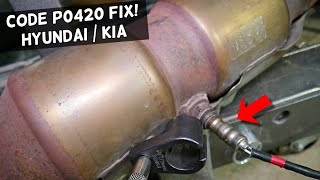
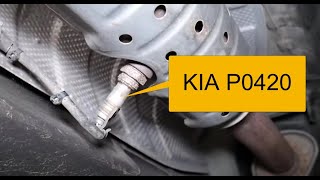
We Have This Part in Stock
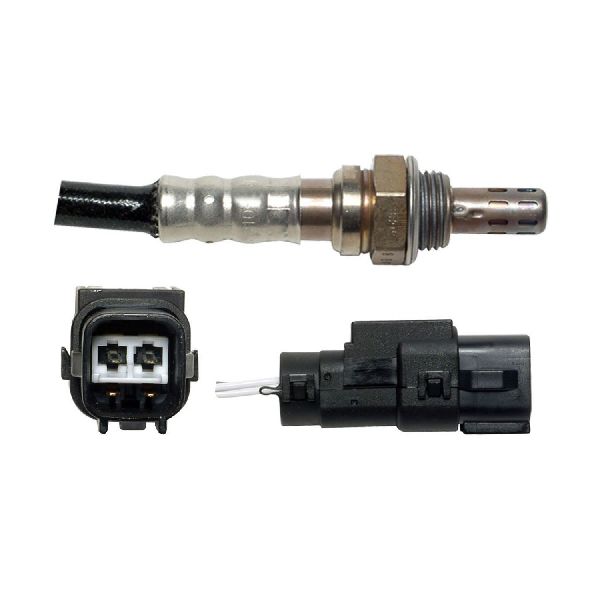

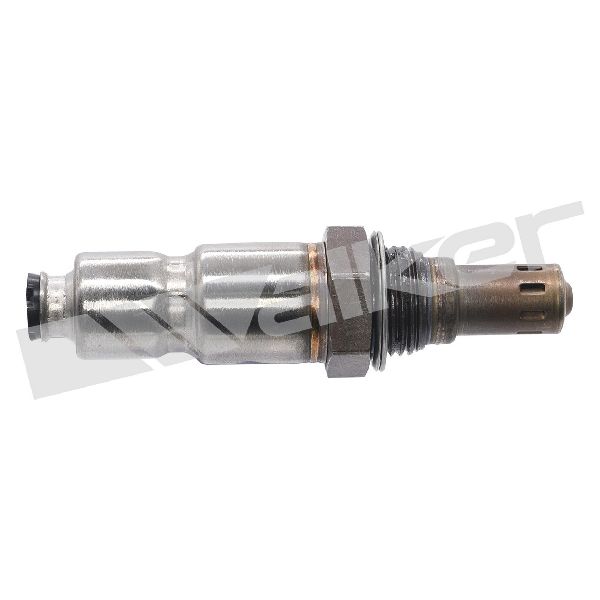

The information in this article is provided for general reference and educational purposes only. Vehicle specifications, procedures, and part compatibility can vary by production date, trim level, and region. Always consult your vehicle's factory service manual and verify part numbers before purchasing or performing repairs. Safety-critical components such as airbags, seat belts, and braking systems should be installed by a qualified professional.
- Kia SPORTAGE:
- 🎬 Helpful Videos
- 🛍️ Shop This Part
- What's Unique About the 2014-2016 Kia SPORTAGE
- Diagnostic Flowchart
- Symptoms You May Notice
- Most Likely Causes
- Rare But Worth Checking
- Diagnosis Steps
- Parts You'll Likely Need
- Related Codes That Often Appear With This One
- Technical Service Bulletins (TSBs) & Recalls
- Platform-Specific Known Issues
- Mechanic-Grade Diagnostic Values
- Hidden / Shadow Codes Worth Checking
- Scan Tool Commands That Help
- Wiring & Ground Locations
- Real Owner Repair Stories
- "I Checked Everything" — The Actual Cause
- OEM Part Supersession History
- Model Year Variations Within This Range
- 🎟️ Get 5% Off