

P0420 on 2012-2015 Kia Sorento: Catalytic Converter & O2 Sensor Guide
P0420 on a 2012-2015 Sorento usually means the catalytic converter has failed, often due to an underlying issue like oil consumption on the 2.4L Theta II engine, which was subject to recalls and a class-action lawsuit. Replacing the converter can cost over $2,000, so it's crucial to diagnose the root cause first, which could also be a cheaper fix like a bad oxygen sensor, an exhaust leak, or an ECU software update per TSB ENG160R1.
- P0420 on a 2012-2015 Sorento points to a failing catalytic converter, but the converter itself is often a victim of another problem.
- Before replacing the expensive catalytic converter, you must rule out a bad downstream O2 sensor, exhaust leaks, and any engine misfires.
- If you have the 2.4L engine, investigate for excessive oil consumption, as this is a known issue that destroys catalytic converters.
- Always check with a Kia dealer for any potential software updates (ECU reflash) for your VIN that might address the P0420 code logic.
- If you replace the converter, it's wise to replace the downstream O2 sensor at the same time to protect your investment.
What's Unique About the 2012-2015 Kia SORENTO

For the 2012-2015 Kia Sorento, particularly models with the 2.4L GDI 'Theta II' engine, the P0420 code is often a secondary failure. These engines were part of a major class-action lawsuit due to manufacturing issues (e.g., metal debris restricting oil passages) that can lead to excessive oil consumption 🎬 Watch: Why Kia engines burn oil and how to manage it. or catastrophic engine failure. This oil burning contaminates and destroys the catalytic converter over time. Kia issued TSB ENG160R1, which applies to the Sorento and involves an ECU software upgrade to address P0420, sometimes in conjunction with converter replacement. Due to the engine's history, owners may be eligible for a lifetime warranty on certain engine components, so checking with a dealer about any open campaigns or warranty extensions is critical before paying for repairs.
Diagnostic Flowchart

Tap your situation to follow the diagnostic path that matches what you're seeing on this vehicle.
Generation note: The 2012-2015 model years all fall within the second generation (XM) of the Kia Sorento. However, engine options changed during this period, including a 2.4L I4, a 3.5L V6 (through 2013), and a 3.3L V6 (2014-2015). The root cause of P0420 can be engine-specific, with the 2.4L being particularly known for oil consumption issues leading to this code.
Symptoms You May Notice

- Check Engine Light is on
- Reduced engine power and sluggish acceleration
- Decreased fuel economy
- A rotten egg or sulfur smell from the exhaust
- Rattling noise from underneath the vehicle if the converter's internal structure has broken apart
- Inability to accelerate past 30-40 mph in severe cases
- Replacing the upstream (Bank 1, Sensor 1) oxygen sensor. This sensor is used for fuel control, not for monitoring catalyst efficiency. While a bad upstream sensor can cause problems, it's not the direct cause of a P0420 code.
- Immediately replacing the catalytic converter without diagnosing the root cause. If the converter failed due to oil contamination or misfires, the new converter will quickly fail as well.
- Using a cheap, non-OEM-grade aftermarket catalytic converter, which may not have enough precious metals to satisfy the ECU's efficiency monitoring, causing the code to return.
Most Likely Causes

- Failed Catalytic Converter 🔴 High Probability Often fails due to contamination from burning oil (especially on 2.4L Theta II engines) or from engine misfires sending unburned fuel into the exhaust, which overheats the converter. Aftermarket converters are also frequently reported by owners to be less effective, causing the code to return.
How to confirm: Use an infrared thermometer to check the temperature of the exhaust pipe before and after the converter (with the engine at 2,000 RPM). The outlet should be at least 100°F hotter than the inlet. If it's cooler or the same temperature, the converter is not working. A visual inspection may also reveal a broken internal honeycomb if it's rattling.
Typical fix: Replace the catalytic converter. It is critical to fix the root cause (e.g., oil consumption, misfires) before replacing the converter, or the new one will also fail. Many owners recommend using OEM or high-quality CARB-compliant aftermarket converters to avoid recurring codes.
Est. part cost: $500-$2,600 - Faulty Downstream Oxygen (O2) Sensor 🟡 Medium Probability The O2 sensor is responsible for reporting the converter's efficiency. A lazy or failed sensor can send incorrect data to the ECM, falsely triggering the P0420 code. Cleaning the sensor is not considered an effective repair.
How to confirm: Use a scan tool to graph the voltage of the upstream and downstream O2 sensors. The upstream sensor should switch rapidly between ~0.1V and ~0.9V. The downstream sensor should hold a steady voltage around 0.6-0.8V. If the downstream sensor is fluctuating wildly like the upstream one, the converter is likely bad. If the downstream sensor is stuck at a low voltage or not responding, the sensor itself is likely faulty.
Typical fix: Replace the downstream (Bank 1, Sensor 2) oxygen sensor.
Est. part cost: $70-$150 - Exhaust Leak 🟡 Medium Probability Leaks from a cracked exhaust manifold, a rusted flex pipe, or a bad gasket between exhaust components can allow extra oxygen into the system before the downstream O2 sensor, skewing its readings and causing a false P0420 code.
How to confirm: Perform a visual inspection of the exhaust system from the engine to the tailpipe, looking for black soot marks, cracks, or holes. A common method is to use a shop-vac in reverse to blow air into the tailpipe and spray soapy water on exhaust connections; bubbles will reveal a leak.
Typical fix: Replace the leaking gasket or repair/replace the cracked exhaust component.
Est. part cost: $20-$300 - Underlying Engine Issue (Misfires, Rich/Lean Condition) ⚪ Low Probability Ignition system problems (bad spark plugs, coils) can cause misfires, sending raw fuel into the converter and overheating it. Fuel system issues or excessive oil consumption can also contaminate and damage the converter.
How to confirm: Check for other diagnostic trouble codes, especially misfire codes (P0300-P0304) or fuel trim codes (P0171, P0172). Address these codes first.
Typical fix: Repair the root cause, which could involve replacing spark plugs, ignition coils, fuel injectors, or addressing an oil consumption problem (which may require significant engine work).
Est. part cost: $50-$500+
Rare But Worth Checking
- ECU Software Update Needed: Kia has issued TSB ENG160R1 for 2012-2015 Sorentos to adjust the sensitivity of the P0420 monitoring logic. This can be a no-parts-needed fix performed by a dealer and should be investigated before replacing expensive components.
- Clogged or Faulty PCV Valve: A failing Positive Crankcase Ventilation (PCV) valve can cause an increase in crankcase pressure and lead to higher oil consumption. This excess oil burning can then foul the oxygen sensors and the catalytic converter, eventually triggering a P0420 code. It's an inexpensive part that is often overlooked.
Diagnosis Steps
- Check for other DTCs. If misfire (P030x), fuel trim (P0171/P0172), or knock sensor (P1326) codes are present, diagnose and fix them first.
- Check for applicable TSBs and Recalls. Contact a Kia dealer with your VIN to see if TSB ENG160R1 (ECU update) or any engine warranty extensions apply to your vehicle.
- Inspect the entire exhaust system for leaks. Look for cracks in the manifold, broken flange bolts, or bad gaskets. Pay close attention to the flex pipe area.
- Use a scan tool with live data capabilities to graph the upstream (Bank 1 Sensor 1) and downstream (Bank 1 Sensor 2) oxygen sensors.
- Observe the sensor readings with the engine fully warmed up and running at around 2,000 RPM. The upstream sensor should show a rapidly fluctuating waveform. The downstream sensor's voltage should be relatively flat and steady.
- If the downstream sensor waveform mirrors the upstream sensor, the catalytic converter has failed.
- If the downstream sensor shows a flat, low, or non-responsive voltage, the sensor itself is likely bad.
- If the sensors appear to be working and there are no exhaust leaks, perform a temperature test on the catalytic converter using an infrared thermometer. The outlet pipe should be significantly hotter (at least 100°F) than the inlet pipe.
Parts You'll Likely Need
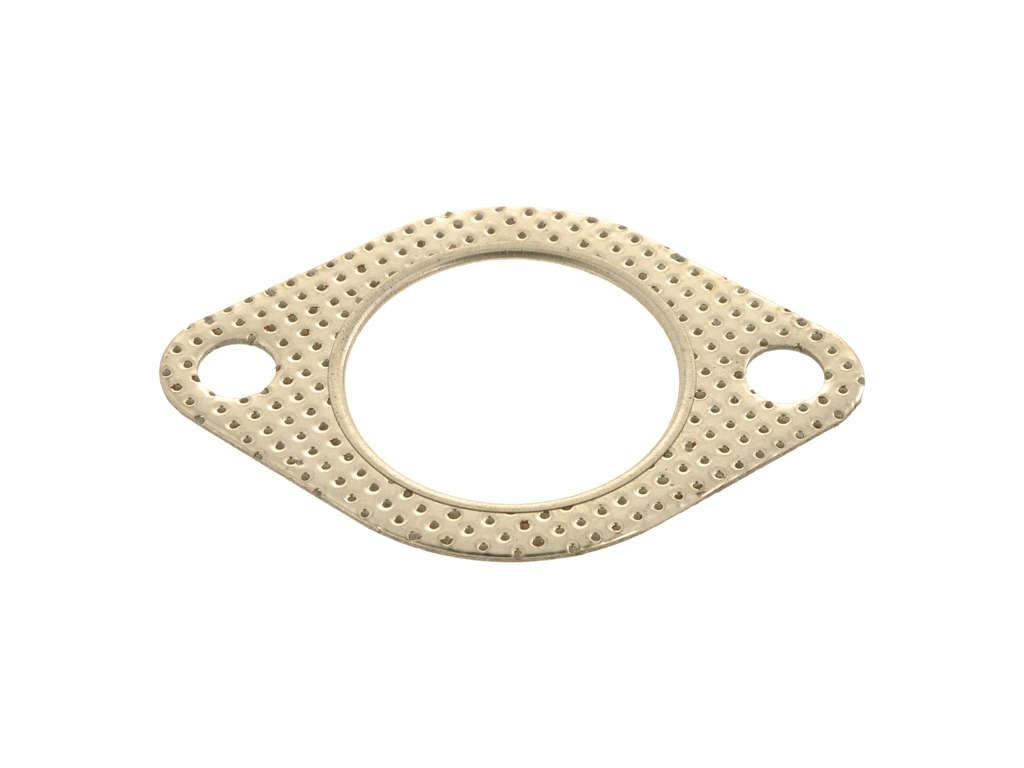
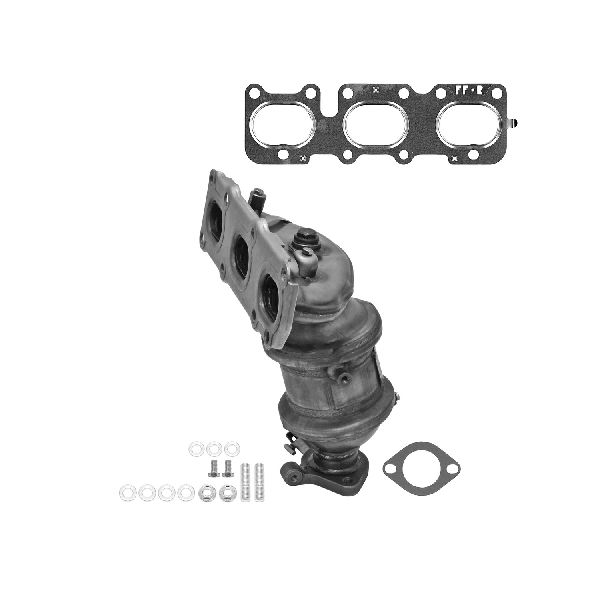
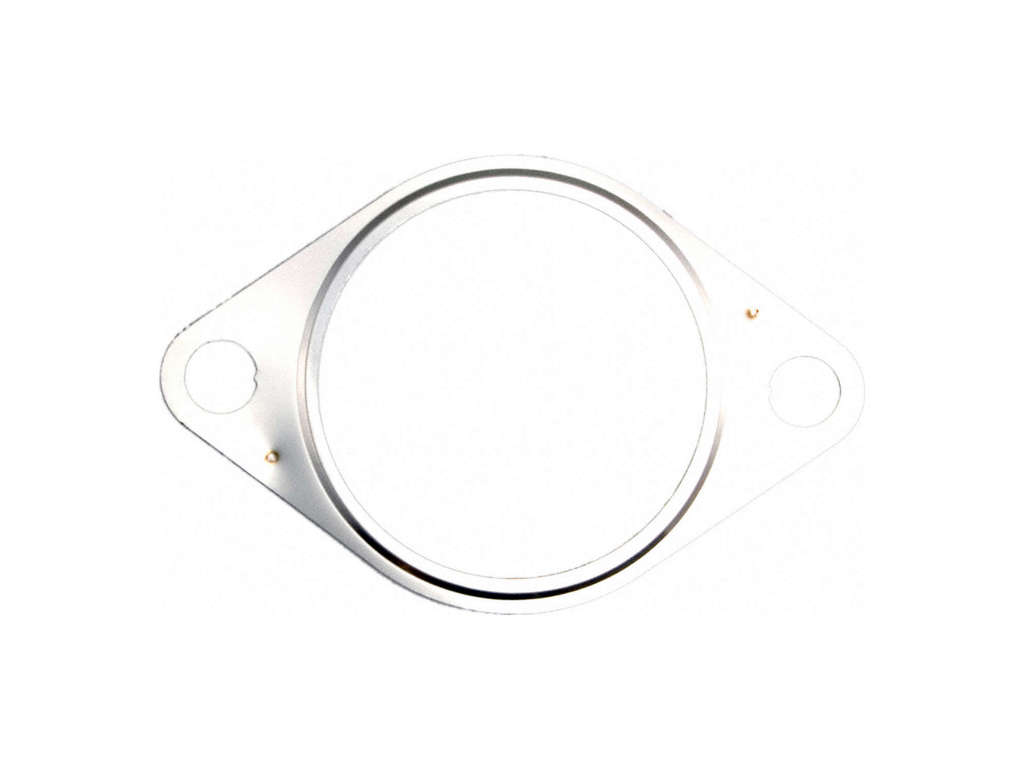
- Catalytic Converter (Bank 1)
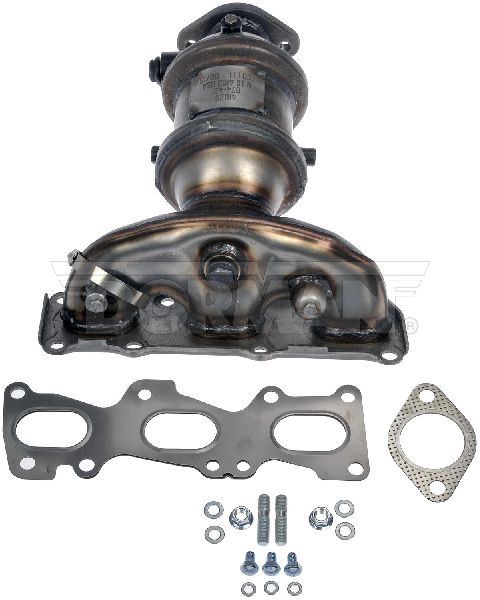
(OEM #28510-2G445 (for 2.4L), 285252G250 (Pass 1 number, likely under-floor cat))— This is the most common failure part for a true P0420 code, especially on higher mileage vehicles or those with a history of oil consumption. The 2.4L has a manifold converter and an under-floor converter. The 3.3L/3.5L V6 has two manifold converters (Bank 1 and Bank 2).
Trusted brands: Kia (OEM), Dorman, Walker, MagnaFlow
Related Codes That Often Appear With This One
- P0171 — System Too Lean (Bank 1). Often seen with P0420 if an exhaust leak is present, as the leak allows unmetered air into the exhaust. TSB ENG160R1 also specifically calls out the combination of P0420 and P0171 as being addressed by an ECU update.
- P0172 — System Too Rich (Bank 1). A rich condition from a leaking fuel injector or other issue can overwhelm and damage the catalytic converter, causing P0420.
- P0300-P0304 — Misfire codes. A cylinder misfire sends unburned fuel into the exhaust, which can superheat and destroy the catalytic converter, leading to the P0420 code.
- P1326 — Knock Sensor Detection System. This is a critical code on these engines, often triggered by the Knock Sensor Detection System (KSDS) software update. It indicates potential engine bearing wear, a known issue with the Theta II engine. The vibrations can be related to the same underlying engine problems that cause oil consumption and eventual P0420.
Technical Service Bulletins (TSBs) & Recalls
- TSB ENG160R1: ECU Upgrade for MIL On with DTC P0420/P0171. Applies to 2012-2015 Sorento models and adjusts ECU logic.
- NHTSA Campaign SC176: While for the Kia Soul, it details a similar pattern of ECU logic updates for catalyst overheating protection, showing a trend in how Kia addresses these issues.
Platform-Specific Known Issues
- TSB ENG160R1: Specifically addresses P0420 (sometimes with P0171) on 2012-2015 Sorentos. The fix is an ECU software update performed by a dealer, which may resolve the code without replacing parts. It's crucial to check for this before undertaking expensive repairs.
- Theta II Engine Problems (2.4L): Many owners experience P0420 as a direct result of the engine's known oil consumption issues. A Reddit user noted their mechanic attributed the oil consumption to 'gunked up piston rings,' and replacing them was the proposed fix to stop the cycle of destroying catalytic converters. Checking for oil consumption is a primary diagnostic step.
- Aftermarket Converter Issues: There are numerous owner reports on forums like Reddit about the P0420 code returning shortly after installing a cheaper, aftermarket catalytic converter. These parts may not have sufficient catalyst material to meet the ECU's strict efficiency standards.
Mechanic-Grade Diagnostic Values
- Upstream O2 Sensor (Bank 1, Sensor 1) Voltage — expected: Rapidly fluctuating between 0.1V and 0.9V.. Failure: Slow or no fluctuation.
- Downstream O2 Sensor (Bank 1, Sensor 2) Voltage (Good Converter) — expected: Relatively steady voltage, typically between 0.6V and 0.8V.. Failure: Voltage fluctuates similarly to the upstream sensor.
- Downstream O2 Sensor (Bank 1, Sensor 2) Voltage (Bad Sensor) — expected: Relatively steady voltage.. Failure: Voltage is stuck low (near 0V), stuck high (near 1V), or shows no activity.
- Downstream O2 Sensor (Bank 1, Sensor 2) Voltage (Exhaust Leak) — expected: Relatively steady voltage.. Failure: A flat line stuck near 0V can indicate an exhaust leak between the engine and the sensor, which introduces extra oxygen.
- Catalytic Converter Temperature Differential — expected: Outlet temperature should be at least 100°F (38°C) hotter than the inlet temperature.. Failure: Outlet temperature is the same or cooler than the inlet, indicating the catalyst is not working.
Scan Tool Commands That Help
- Kia GDS (Global Diagnostic System): Live Data Graphing (O2 Sensors) — This is the primary OEM tool function for diagnosing P0420. It allows for graphing and comparing upstream and downstream O2 sensor voltages to assess catalyst efficiency.
- Kia GDS (Global Diagnostic System): Vehicle S/W Management — Used to perform ECU updates, such as the one specified in TSB ENG160R1, which can adjust the P0420 monitoring parameters.
Wiring & Ground Locations
- Engine Ground Points — Key grounding points for the engine management system are typically on the cylinder head, engine block, and intake manifold.. A poor ground connection for the engine or ECU can cause erratic sensor readings, including from the oxygen sensors, potentially leading to a false P0420 code. Always check for clean, tight ground connections during diagnosis.
- O2 Sensor Connector (Downstream) — For the 2.4L engine, the downstream O2 sensor connector is located on a bracket near the upstream sensor connector, accessible from the top of the engine bay. The harness then routes down behind the engine to the sensor itself.. The plastic connector and its mounting bracket are known to become brittle and break, leading to a loose connection or damaged wiring. Inspecting the physical integrity of the connector is crucial.
Real Owner Repair Stories
- Reddit user, r/MechanicAdvice (2011 Kia Sorento LX 2.4L with ~150k Miles) — P0420 code immediately after replacing bad OEM cats with aftermarket ones.
❌ Tried (didn't work) Replacing both upstream and downstream O2 sensors., Using a single non-fouler (spacer) on the downstream O2 sensor., Using a double non-fouler on the downstream O2 sensor.
✅ What actually fixed it The issue was unresolved in the thread, but the user's experience highlights a critical pattern: the P0420 code appeared immediately after installing aftermarket converters, and standard attempts to trick the sensor with non-foulers failed. This strongly implies the aftermarket converters were not efficient enough to satisfy the Kia's ECU, a common complaint. - YouTube Commenter (2014 Kia Soul (similar 2.4L engine logic)) — Persistent P0420 code.
❌ Tried (didn't work) Replacing both O2 sensors., Replacing the catalytic converter.
✅ What actually fixed it The problem remained unsolved after replacing all major components, with no exhaust leaks found. This points to a less common cause, such as a wiring issue, an ECU problem (requiring the TSB update), or an underlying engine condition that was not addressed and is still affecting the new parts.
Model Year Variations Within This Range
- 2012-2013: Models with the V6 engine used the 3.5L Lambda II. The Bank 1 catalytic converter is integrated with the exhaust manifold.
- 2014-2015: Models with the V6 engine switched to the 3.3L Lambda GDI. While also having manifold-integrated converters, the part numbers are different from the 3.5L engine due to engine and exhaust system changes during the 2014 model year refresh.
Helpful Videos

We Have This Part in Stock



The information in this article is provided for general reference and educational purposes only. Vehicle specifications, procedures, and part compatibility can vary by production date, trim level, and region. Always consult your vehicle's factory service manual and verify part numbers before purchasing or performing repairs. Safety-critical components such as airbags, seat belts, and braking systems should be installed by a qualified professional.
- Kia SORENTO:
- 🎬 Helpful Videos
- 🛍️ Shop This Part
- What's Unique About the 2012-2015 Kia SORENTO
- Diagnostic Flowchart
- Symptoms You May Notice
- Most Likely Causes
- Rare But Worth Checking
- Diagnosis Steps
- Parts You'll Likely Need
- Related Codes That Often Appear With This One
- Technical Service Bulletins (TSBs) & Recalls
- Platform-Specific Known Issues
- Mechanic-Grade Diagnostic Values
- Scan Tool Commands That Help
- Wiring & Ground Locations
- Real Owner Repair Stories
- Model Year Variations Within This Range
- 🎟️ Get 5% Off