

P0420 on 2011-2015 Kia Optima: Causes, Fixes, and TSB Details
For a 2011-2015 Kia Optima, code P0420 often points to overly sensitive ECU software. Before replacing the expensive catalytic converter, check if TSB ENG160R1 (for 2012-2015 models) has been performed. This ECU update can resolve the code without any parts replacement. Underlying engine issues with the Theta II engine, such as oil consumption, are also a very common root cause of true converter failure.
- For 2012-2015 models, your first step should always be to check if TSB-ENG160R1 (ECU update) has been performed.
- Do not automatically replace the catalytic converter. It is the most expensive fix and may not be the root cause.
- Underlying engine issues like oil burning or misfires must be fixed first, or you will destroy the new converter.
- A scan tool that can read live O2 sensor data is the best tool for diagnosing whether the converter or a sensor is at fault.
- An exhaust leak between the two oxygen sensors can mimic the symptoms of a bad catalytic converter.
What's Unique About the 2011-2015 Kia OPTIMA

A key issue for this generation of Kia Optima is that the factory engine control software can be too sensitive, triggering a false P0420 code, particularly during prolonged engine braking. Kia acknowledged this by issuing Technical Service Bulletin (TSB) ENG160R1 for 2012-2015 models, which involves an ECU software upgrade to correct the monitoring logic. Furthermore, the 2.0L and 2.4L Theta II GDI engines used in these cars were subject to massive recalls and class-action lawsuits due to manufacturing defects (metal debris from the crankshaft manufacturing process) that could lead to bearing wear, catastrophic engine failure, and excessive oil consumption. This oil consumption is a primary driver of true catalytic converter failure, as the burning oil contaminates the catalyst material.
Diagnostic Flowchart

Tap your situation to follow the diagnostic path that matches what you're seeing on this vehicle.
Symptoms You May Notice

- Check Engine Light is on
- Failure to pass an emissions inspection
- Reduced engine power and acceleration, especially if the converter is clogged.
- Poor fuel economy
- A 'rotten egg' or sulfur smell from the exhaust.
- Engine stalling or hesitation if the converter is severely blocked.
- Replacing the catalytic converter when only an ECU software update (TSB-ENG160R1) was needed.
- Replacing oxygen sensors when the catalytic converter has truly failed due to oil contamination from the known Theta II engine issues.
- Replacing the catalytic converter without addressing the root cause of its failure, such as engine oil consumption or misfires, leading to the new converter failing again.
Most Likely Causes

- Outdated Engine Control Unit (ECU) Software 🔴 High Probability Kia issued TSB-ENG160R1 specifically for 2012-2015 Optima models to address false P0420 codes, sometimes appearing with P0171, caused by overly sensitive software logic, especially during long periods of engine braking.
How to confirm: Contact a Kia dealership with your VIN to see if this TSB is open for your vehicle or if the update has already been performed. 🎬 Watch: How to diagnose and fix Kia P0420 codes The TSB applies to 2012-2015 models.
Typical fix: A Kia dealer or qualified shop with OEM tools performs the ECU software upgrade.
Est. part cost: $0-$150 - Failed Catalytic Converter 🔴 High Probability The Theta II GDI engines have known defects from manufacturing that can cause excessive oil consumption. This burning oil contaminates and clogs the catalytic converter, leading to genuine failure. This issue was so widespread it led to a $1.3 billion class-action settlement covering 2011-2019 Kia and Hyundai models.
How to confirm: After ruling out other causes, a mechanic can use a scan tool to graph O2 sensor data. If the downstream sensor voltage mirrors the upstream sensor, the converter is not working. A clogged converter can also be diagnosed with an exhaust backpressure test or by using an infrared thermometer to see if the outlet temperature is cooler than the inlet temperature.
Typical fix: Replacement of the catalytic converter assembly. Root cause (e.g., oil consumption) must be fixed first.
Est. part cost: $300-$1800 - Faulty Downstream Oxygen (O2) Sensor ⚪ Low Probability An aged or 'lazy' O2 sensor can send incorrect data to the ECU, mimicking the signal of a failed catalytic converter. While less common than the ECU or converter issues on this platform, it's a possible cause.
How to confirm: Use a scan tool to monitor the O2 sensor's voltage. A healthy downstream sensor should show a relatively stable voltage (e.g., ~0.6-0.8V) on a warm engine at steady RPMs. If it's stuck or fluctuating wildly like the upstream sensor, it's likely faulty.
Typical fix: Replace the downstream (Bank 1, Sensor 2) oxygen sensor.
Est. part cost: $50-$150 - Exhaust Leak ⚪ Low Probability Rust can cause leaks at gaskets or flex pipes. A leak between the upstream and downstream O2 sensors allows oxygen to enter the exhaust, which can trick the downstream sensor into sending readings that suggest poor catalyst efficiency.
How to confirm: Visually inspect the exhaust manifold, gaskets, and pipes for cracks or black soot marks. Listen for a ticking or hissing noise, especially when the engine is cold.
Typical fix: Replace the leaking gasket or repair/replace the damaged exhaust component.
Est. part cost: $20-$200
Rare But Worth Checking
- Engine Misfires or Fuel System Issues: Persistent engine misfires (P0300-P0304) or a rich fuel condition (leaking injectors, bad fuel pressure regulator) can destroy a new catalytic converter quickly by sending unburned fuel into the exhaust, causing it to overheat. Always fix underlying engine problems before replacing the converter.
- Worn Spark Plugs: Some owners on Kia forums have reported that replacing worn-out spark plugs resolved their P0420 code. An incomplete burn caused by a weak spark can lead to excess unburned fuel entering the exhaust, affecting O2 sensor readings and potentially damaging the converter over time.
Diagnosis Steps
- Check for TSBs: First, contact a Kia dealer with your VIN to determine if TSB-ENG160R1 (for 2012-2015 models) is applicable and has been performed. If not, this is the most cost-effective first step.
- Check for Engine Recalls & Warranty Extensions: Given the history of the Theta II engine, check if your VIN is covered by any engine-related recalls (like SC147) or warranty extensions for engine failure or oil consumption. A failing engine is a common root cause.
- Inspect for Exhaust Leaks: Visually and audibly inspect the exhaust system from the engine manifold to the rear O2 sensor for any signs of leaks, such as soot or audible ticking sounds.
- Analyze O2 Sensor Data: Use a scan tool with live data capability. At operating temperature and a steady 2500 RPM, observe the upstream and downstream O2 sensor voltages. The upstream (Sensor 1) should fluctuate rapidly. The downstream (Sensor 2) should remain relatively steady and high. If Sensor 2 mirrors Sensor 1, the converter is likely bad. 🎬 Watch: EricTheCarGuy explains how to test catalyst efficiency
- Check for a Clogged Converter: Use an infrared thermometer to measure the temperature of the pipe before and after the catalytic converter. The outlet should be significantly hotter than the inlet. If it's the same temperature or cooler, the converter may be clogged or inactive.
- Address Other Engine Codes: If any other codes are present, especially for misfires (P030x), fuel trim (P0171), or knock sensor (P1326), diagnose and repair those issues first as they are likely the root cause of the catalyst failure.
- Confirm Catalytic Converter Failure: If all other possibilities have been eliminated and the O2 sensor data confirms inefficiency, the converter is the most likely culprit.
Parts You'll Likely Need
- Catalytic Converter
(OEM #28950-2G420)— This is the component identified by the P0420 code as inefficient. It frequently fails on this platform due to contamination from burning oil caused by underlying engine defects.
Trusted brands: Kia (OEM), MagnaFlow, Walker Exhaust, Davico
OEM price range: $1250-$1900
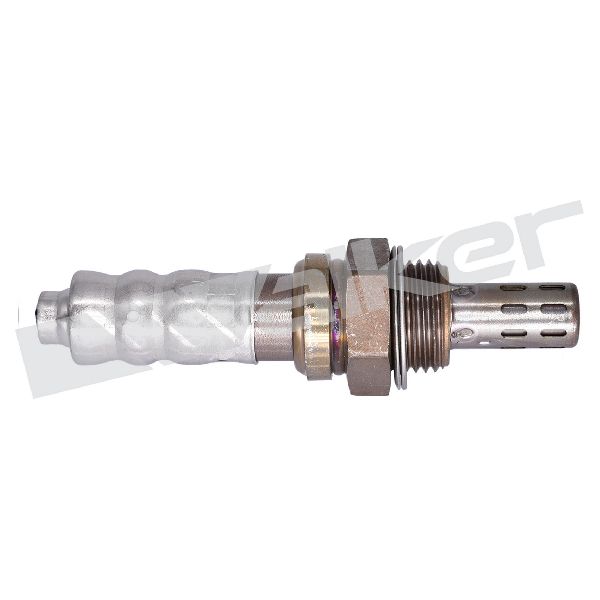
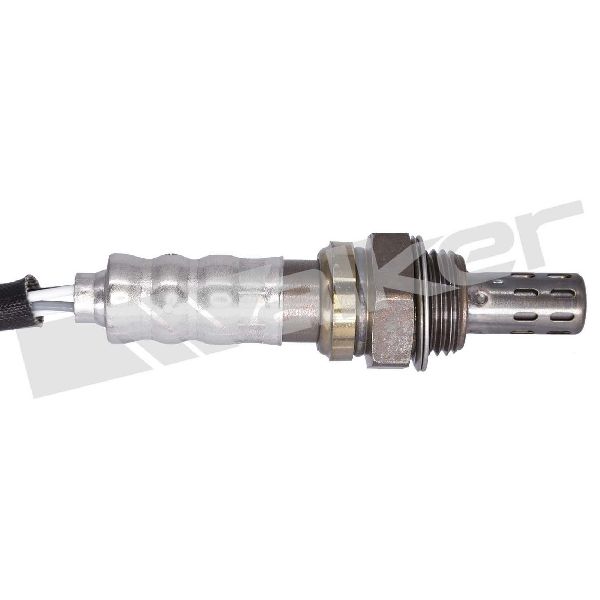
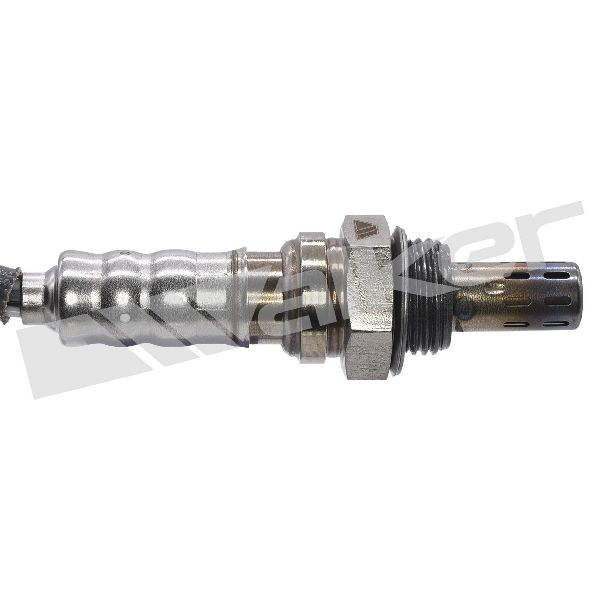
Aftermarket price range: $300-$800 - Downstream Oxygen Sensor
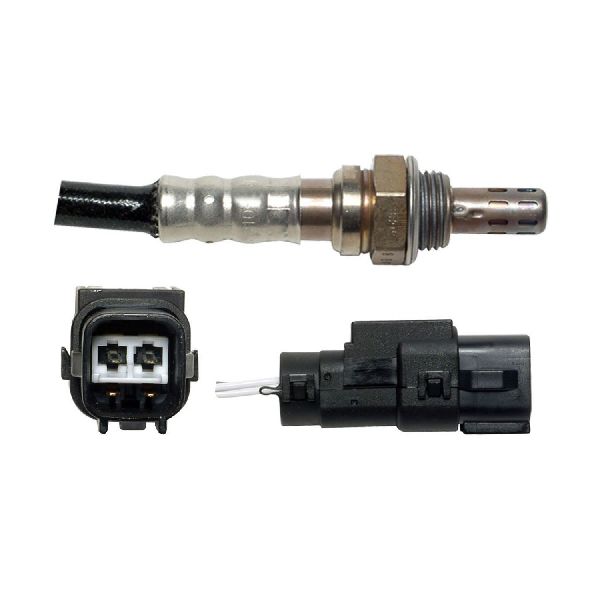
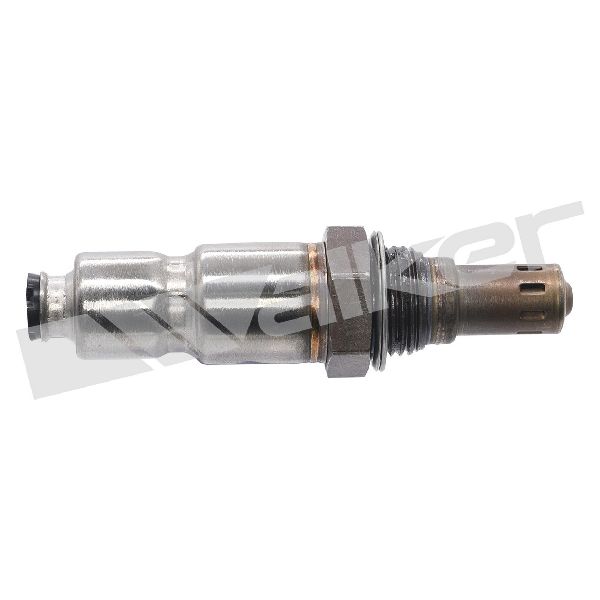
(OEM #39210-2G200)— A faulty downstream O2 sensor can send incorrect readings, falsely triggering a P0420 code. It's often replaced as a diagnostic step or if it's aged.
Trusted brands: Denso, Bosch, NTK, Kia (OEM)
OEM price range: $130-$200
Aftermarket price range: $50-$120
Related Codes That Often Appear With This One
- P0171 — System Too Lean (Bank 1). TSB-ENG160R1 specifically mentions that P0420 can appear with P0171, and that an ECU update addresses both.
- P0300-P0304 — Random or specific cylinder misfire codes. Misfires cause unburned fuel to enter the exhaust, which can damage the catalytic converter and trigger P0420.
- P1326 — Knock Sensor Detection System. This code is often associated with the Theta II engine issues and may lead to the vehicle entering a limp mode. The underlying engine problem can also cause the P0420 code.
Technical Service Bulletins (TSBs) & Recalls
- TSB-ENG160R1: Addresses an ECU software upgrade for 2012-2015 Optima models to correct false P0420 codes, sometimes appearing with P0171.
Platform-Specific Known Issues
- A known issue is the ECU software being too sensitive, prompting Kia to issue TSB-ENG160R1 for an update on 2012-2015 models.
- The 2.4L and 2.0L GDI Theta II engines are notorious for manufacturing defects that lead to excessive oil consumption and catastrophic engine failure, which directly causes catalytic converter failure. This has resulted in numerous recalls and class-action lawsuits.
Mechanic-Grade Diagnostic Values
- Downstream O2 Sensor (Sensor 2) Voltage — expected: A steady voltage of 450mV (0.45V) or higher at various driving conditions.. Failure: Voltage fluctuates in a similar pattern to the upstream O2 sensor, or consistently reads low.
- High-Pressure Fuel System (GDI Engines) — expected: 290 - 3,626 PSI. This pressure is significantly higher than conventional MPI systems.. Failure: Pressure readings outside this range can indicate issues with the high-pressure fuel pump, affecting combustion and potentially leading to catalyst damage.
- Long-Term and Short-Term Fuel Trims — expected: Ideally within +/- 5%, but acceptable up to +/- 10%.. Failure: Consistently high positive values (e.g., >10%) suggest a lean condition (vacuum leak, weak fuel pump) which can cause P0420. Consistently high negative values suggest a rich condition (leaking injector) which can damage the converter.
Hidden / Shadow Codes Worth Checking
- Mode $06, Test ID $21 (or similar): This function on an advanced scan tool shows the raw test results from the catalyst efficiency monitor. It provides a measured value and compares it against a minimum and maximum threshold. A value close to the failure threshold can indicate a borderline converter before a P0420 code is officially set. (see via Use a scan tool with Mode $06 capabilities. The specific Test ID and Component ID for the catalyst monitor can vary by year and ECU software.)
Scan Tool Commands That Help
- Kia GDS/KDS: ECU Upgrade — Used to perform the software update as specified in TSB-ENG160R1. This is the primary step to address false P0420 codes on 2012-2015 models.
- Generic OBD-II Scanner: Clear/Reset Emission-Related Diagnostic Information — After a repair (like replacing an O2 sensor or fixing a leak), this function clears the P0420 code. The vehicle must then be driven through a complete drive cycle to allow the catalyst monitor to run and confirm the fix was successful.
- Generic OBD-II Scanner with Live Data: Graph O2 Sensor Voltages (B1S1 and B1S2) — This is the fundamental diagnostic test. Graphing both sensors simultaneously allows a technician to visually compare their behavior to determine if the catalytic converter is storing oxygen correctly.
Wiring & Ground Locations
- Oxygen Sensor Fuse — In the main engine compartment fuse box, typically labeled 'SENSOR 1' or similar.. The oxygen sensors have heater circuits that are critical for quick warm-up and accurate readings. A blown fuse for these heaters can cause incorrect sensor data, potentially leading to a false P0420 code.
- Upstream O2 Sensor (Bank 1, Sensor 1) — Screwed into the exhaust manifold, before the primary catalytic converter. The connector is typically located near the top-back of the engine.. This sensor provides the baseline reading of pre-catalyst exhaust gases. Its wiring is exposed to high heat and can become brittle or damaged.
- Downstream O2 Sensor (Bank 1, Sensor 2) — Screwed into the exhaust pipe after the primary catalytic converter, often visible from underneath the vehicle. The wiring is routed up into the engine bay.. This sensor's reading is what the ECU uses to judge catalyst efficiency. Damage to its wiring harness from road debris or heat is a possible cause of failure.
Real Owner Repair Stories
- YouTube Commenter on 'How To Fix KIA P0420' (2014 Kia Soul (shares powertrain components)) — Persistent P0420 code.
❌ Tried (didn't work) Replaced both O2 sensors, Replaced the catalytic converter
✅ What actually fixed it The user reported the code still would not go away even after replacing the O2 sensors and the catalytic converter, and confirmed there were no exhaust leaks. This highlights a scenario where the root cause is likely the ECU software (requiring the TSB update) or a more obscure engine performance issue.
OEM Part Supersession History
35320-2G720→35320-2G740— Update/revision for the high-pressure fuel pump used on GDI engines.
Heads up: While not directly causing P0420, a failing high-pressure fuel pump can affect fuel mixture and engine performance, which can indirectly lead to catalyst issues. Using the latest revised part is recommended during replacement.
Model Year Variations Within This Range
- 2011: The 2011 model year is notably excluded from TSB-ENG160R1. This is likely because it used a different ECU or software version than the 2012-2015 models, and its programming was not considered overly sensitive in the same way. For a 2011 model, a P0420 is more likely to be a genuine component failure rather than a software glitch.
- 2014-2015: These facelift years saw minor cosmetic updates and a slight de-rating of the 2.4L engine to 192 hp (from 200 hp). However, the core engine architecture (Theta II GDI) and emissions components relevant to P0420 remained the same as the 2012-2013 models.
Helpful Videos

We Have This Part in Stock


The information in this article is provided for general reference and educational purposes only. Vehicle specifications, procedures, and part compatibility can vary by production date, trim level, and region. Always consult your vehicle's factory service manual and verify part numbers before purchasing or performing repairs. Safety-critical components such as airbags, seat belts, and braking systems should be installed by a qualified professional.
- Kia OPTIMA:
- 🎬 Helpful Videos
- 🛍️ Shop This Part
- What's Unique About the 2011-2015 Kia OPTIMA
- Diagnostic Flowchart
- Symptoms You May Notice
- Most Likely Causes
- Rare But Worth Checking
- Diagnosis Steps
- Parts You'll Likely Need
- Related Codes That Often Appear With This One
- Technical Service Bulletins (TSBs) & Recalls
- Platform-Specific Known Issues
- Mechanic-Grade Diagnostic Values
- Hidden / Shadow Codes Worth Checking
- Scan Tool Commands That Help
- Wiring & Ground Locations
- Real Owner Repair Stories
- OEM Part Supersession History
- Model Year Variations Within This Range
- 🎟️ Get 5% Off