

P0420 on 2020-2026 Hyundai Palisade: Catalyst Efficiency Causes and Fixes
P0420 indicates that your Palisade's Bank 1 catalytic converter is not cleaning the exhaust effectively. While the converter itself may have failed, it's often misdiagnosed. Always check for faulty oxygen sensors, their wiring, or exhaust leaks first to avoid an expensive and unnecessary repair.
- P0420 means the Bank 1 catalytic converter's efficiency is low, but this doesn't automatically mean the converter is bad.
- Always diagnose in order: check for other codes, inspect for exhaust leaks, and test the oxygen sensors before considering converter replacement.
- A faulty downstream (Sensor 2) O2 sensor is a very common misdiagnosis for this code.
- Be aware of underlying engine issues like misfires or oil consumption, as they can destroy a new catalytic converter quickly.
- Due to some reports of premature failure on this platform, if the vehicle is under the 8-year/80,000-mile federal emissions warranty, this repair may be covered.
What's Unique About the 2020-2026 Hyundai Palisade
While P0420 is a generic code, the Hyundai Palisade has shown some specific tendencies. There are owner reports of catastrophic catalytic converter failure at extremely low mileage, including one case on a 2021 model that threw the code at just 34 miles from new. The owner on Reddit reported the dealer diagnosed a failed catalytic converter where the internals had come apart, requiring replacement under warranty. Furthermore, NHTSA records for other Hyundai models with different engines show a pattern of premature catalyst failures, sometimes linked to underlying issues like oil consumption, suggesting owners should be vigilant about engine health. [ODI #11501904, ODI #11571134, 44] The Lambda II 3.8L GDI engine itself is known for potential carbon buildup on intake valves due to its direct-injection design, which can affect combustion and indirectly lead to downstream exhaust issues.
Symptoms You May Notice
- Check Engine Light is on
- Possible reduction in fuel economy
- Vehicle may not pass an emissions inspection
- In rare cases of a clogged converter, a decrease in engine power or a rotten egg smell from the exhaust.
- In some instances, owners report black smoke during acceleration or a strong exhaust smell in the cabin, which can point to an exhaust leak or a severely malfunctioning converter.
- Immediately replacing the catalytic converter without first testing the oxygen sensors and their wiring.
- Replacing the catalytic converter without checking for exhaust leaks between the engine and the converter.
- Replacing the converter without addressing underlying engine misfires or rich/lean running conditions that caused the original failure.
- Replacing O2 sensors without first performing a smoke test to rule out small exhaust leaks that can mimic a sensor failure.
Most Likely Causes
- Failed Catalytic Converter 🔴 High Probability Owner reports and data from other Hyundai models suggest a possibility of premature failure. The converter can become contaminated by engine oil/coolant or physically break apart internally. One Reddit user's 2021 Palisade required a new converter at only 34 miles. [30, ODI #11501904] Underlying engine issues like misfires or oil consumption are known to destroy new converters quickly.
How to confirm: After confirming O2 sensors and the exhaust system are good, a technician can use an infrared thermometer to check for a significant temperature increase between the converter's inlet and outlet, which indicates proper function. A lack of temperature rise, or a converter that is hotter before the inlet than after, suggests a clog or failure.
Typical fix: Replace the Bank 1 catalytic converter assembly. It is critical to fix any underlying engine issues (e.g., oil consumption, misfires) first, or the new converter will fail as well. Bank 1 is the firewall-side of the engine on the transverse V6.
Est. part cost: $800-$2000+ - Faulty Oxygen (O2) Sensor 🟡 Medium Probability O2 sensors are wear-and-tear items that degrade over time. A 'lazy' or failed downstream (post-catalyst) sensor can send incorrect data, falsely triggering a P0420 code. Wiring to the sensor can also be a failure point; a defective cable was found to be the root cause for one owner.
How to confirm: Use a scan tool with live data graphing. The Bank 1 Sensor 1 (upstream) voltage should fluctuate rapidly. The Bank 1 Sensor 2 (downstream) voltage should be relatively steady. If the Sensor 2 voltage is erratic and mirrors Sensor 1, the converter is likely bad. If Sensor 2 is flat or unresponsive, the sensor itself or its wiring is suspect.
Typical fix: Replace the faulty oxygen sensor. Bank 1 Sensor 2 is the most common culprit for a false P0420, but Sensor 1 can also be a factor. Always inspect the wiring harness for damage before replacing the sensor.
Est. part cost: $50-$150 - Exhaust System Leak 🟡 Medium Probability Leaks from cracked exhaust manifolds, failed gaskets, or broken flex pipes are common on all vehicles. These leaks can occur before the catalytic converter or near the O2 sensors, introducing oxygen and corrupting sensor readings.
How to confirm: Perform a visual inspection for soot marks or cracks around the exhaust manifold and flanges. Listen for an audible ticking or hissing sound, especially when the engine is cold. A smoke test is the most definitive way to find small leaks.
Typical fix: Repair the leak by replacing the failed gasket or welding the cracked component.
Est. part cost: $20-$300 - Engine Performance Issues ⚪ Low Probability Issues like persistent engine misfires (from bad spark plugs or coils), leaking fuel injectors, or incorrect fuel pressure can send unburned fuel into the exhaust, overheating and destroying the catalytic converter. The 3.8L GDI engine is also susceptible to carbon buildup on intake valves, which can disrupt airflow and cause performance issues over time.
How to confirm: Check for other trouble codes, especially misfire codes (P0300-P0306) or fuel trim codes (P0171, P0174). Analyze engine data for misfire counts and fuel trim values.
Typical fix: Address the root cause, such as replacing spark plugs, ignition coils, or faulty fuel injectors. A walnut blast cleaning may be needed for significant carbon buildup on intake valves.
Est. part cost: $50-$500
Rare But Worth Checking
- Engine Oil or Coolant Consumption: As seen in NHTSA complaints for other Hyundai models, an engine that burns oil or leaks coolant internally can quickly poison the precious metals in the catalytic converter, leading to a P0420 code. [14, ODI #11501904, 44] This must be investigated before replacing the converter, as some Lambda II V6 engines have been reported to have oil consumption issues.
- ECU Software Glitch: Occasionally, manufacturers release software updates (TSBs) to adjust the sensitivity of the catalyst monitoring system. Checking with a Hyundai dealer for any available emissions-related software updates for the Engine Control Module (ECM) is a worthwhile step before replacing expensive parts.
Diagnosis Steps
- Scan for all diagnostic trouble codes. If other codes are present (especially for misfires or fuel trim), diagnose and fix them first.
- Visually inspect the exhaust system from the engine to the catalytic converter for any signs of leaks, such as black soot marks, cracks, or audible hissing sounds. Perform a smoke test for a definitive diagnosis.
- Use a scan tool to view live data for the Bank 1 oxygen sensors (Sensor 1 and Sensor 2).
- Observe the voltage patterns: Sensor 1 should switch rapidly between high and low voltage (approx. 0.1V to 0.9V). A healthy Sensor 2 should hold a relatively steady, intermediate voltage (typically above 0.5V).
- If Sensor 2's readings mirror Sensor 1's rapid switching, the catalytic converter is likely not working.
- If Sensor 2's reading is flat, stuck high, or stuck low, the sensor itself or its wiring is likely faulty. Test the sensor and check for continuity and voltage at the harness connector.
- If sensors and exhaust system check out, investigate the health of the engine. Check for pending misfires, abnormal fuel pressure, and any signs of oil or coolant being burned.
- Check for any available Technical Service Bulletins (TSBs) related to the ECM software or emissions system before condemning the converter.
- Only after ruling out all other possibilities should the catalytic converter be condemned.
Parts You'll Likely Need
- Catalytic Converter (Bank 1)
(OEM #28950-3L200 (Note: Part numbers can vary by specific production date and 2WD/AWD configuration. Always verify with VIN. This is a reference number for a similar Lambda engine.))— This is the most common direct cause for a legitimate P0420 code, where the converter's internal materials have degraded or been damaged.
Trusted brands: Hyundai (OEM), Walker Exhaust, MagnaFlow, Bosal
OEM price range: $1200-$2000+
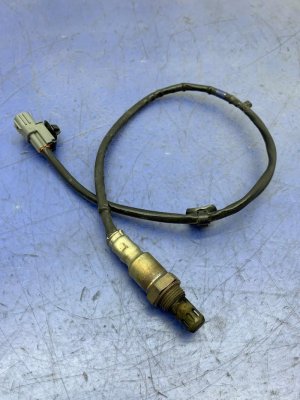
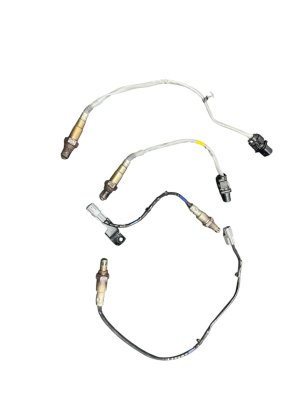
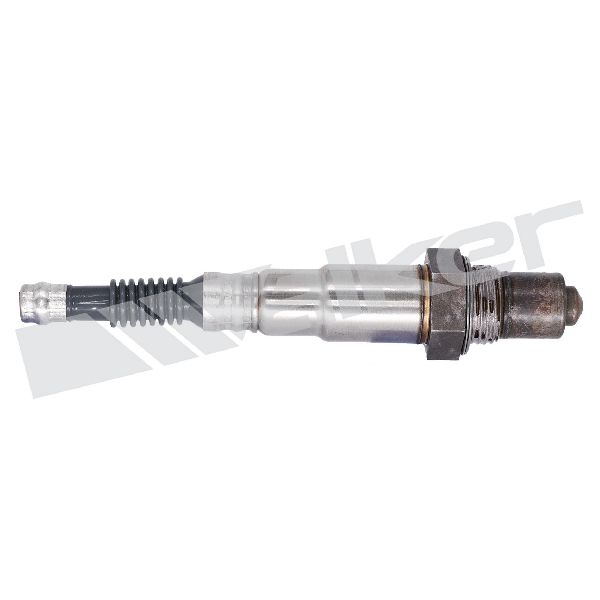
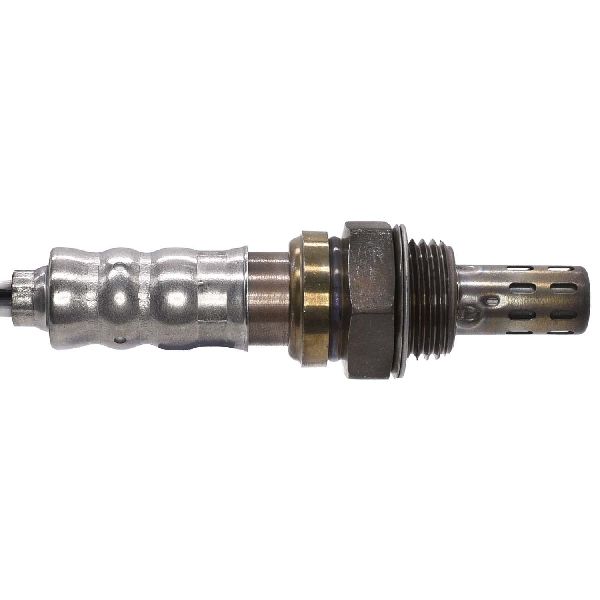
Aftermarket price range: $500-$1000 - Oxygen Sensor (Bank 1, Sensor 2)
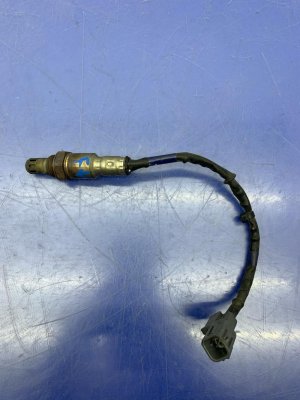
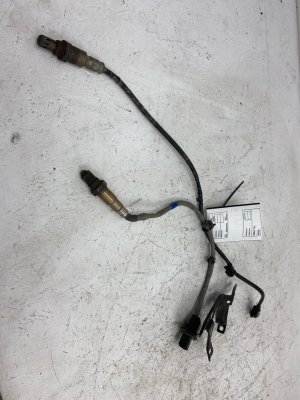
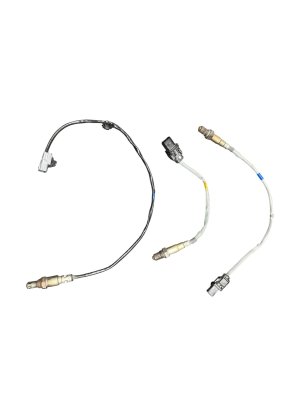
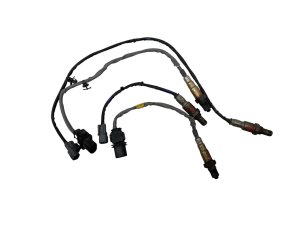
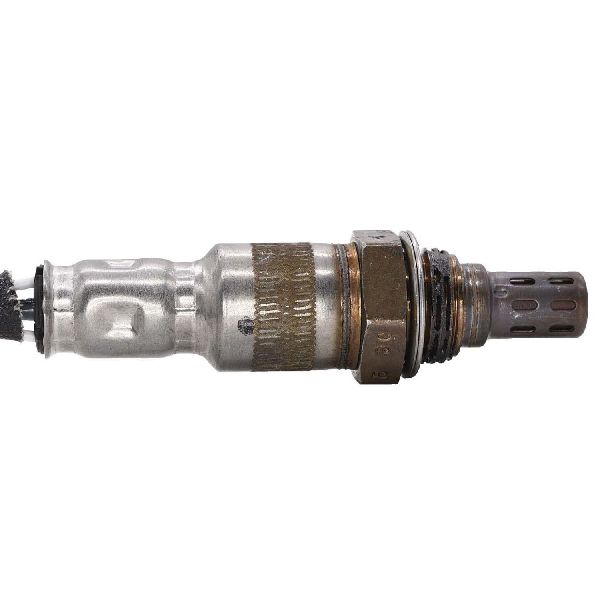
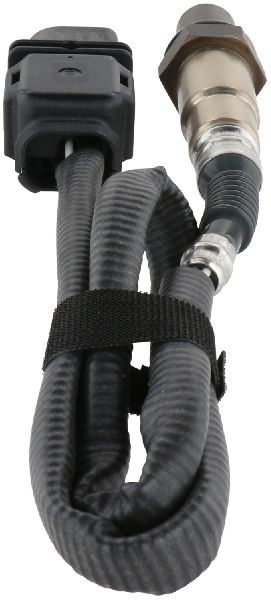
(OEM #39210-3LNB0)— This downstream sensor is responsible for monitoring catalyst efficiency. A faulty or 'lazy' sensor is a common cause of a false P0420 code.
Trusted brands: Hyundai (OEM), Denso, NTK, Bosch
OEM price range: $100-$200
Aftermarket price range: $50-$150
Related Codes That Often Appear With This One
- P0430 — This is the identical code but for Bank 2 (the other side of the V6 engine). Seeing both codes at once could point to a systemic issue like contaminated fuel or a widespread engine problem.
- P0300-P0306 — These are misfire codes. An engine misfire sends raw, unburned fuel into the exhaust, which can quickly overheat and destroy the catalytic converter, causing P0420.
- P0171, P0174 — These codes indicate a lean condition on Bank 1 and Bank 2, respectively. An unmetered air leak (vacuum leak or exhaust leak) is a common cause, which can also lead to an incorrect P0420 reading.
Platform-Specific Known Issues
- A 2021 Palisade owner on Reddit reported a P0420 code at only 34 miles. The dealer diagnosed it as a failed catalytic converter where the internals had come apart, requiring replacement under warranty.
- NHTSA complaints for other Hyundai vehicles show a pattern of premature catalyst failure. A 2020 Tucson required a new converter at 19k miles (ODI #11571134) and another at 37k miles (ODI #11608382).
- A complaint for a 2019 Tucson explicitly links the P0420 code to oil consumption, a known catalyst killer. [ODI #11501904]
- A user on the Carly forum with a 2020 Palisade experiencing multiple exhaust-related symptoms traced the issue to a defective cable to the O2 sensor, avoiding a more costly repair.
Mechanic-Grade Diagnostic Values
- Short-Term (STFT) and Long-Term (LTFT) Fuel Trims — expected: Healthy trims should be below +/- 10% at idle and various RPMs (1500, 2500).. Failure: Consistently high positive trims (>10%) suggest a vacuum or exhaust leak. Consistently high negative trims (<-10%) suggest a leaking injector or other rich condition that could damage the converter.
- Mode $06 Catalyst Efficiency Test (TID $81, MID $21 on some models) — expected: The test value should be below the maximum limit specified by the scan tool. A low value indicates high efficiency.. Failure: A test value that is very close to, or exceeds, the maximum limit indicates the catalyst is failing its self-test, even if the CEL isn't on yet. This can confirm a failing converter before replacement.
- Catalytic Converter Temperature Differential — expected: The outlet pipe temperature should be at least 100°F hotter than the inlet pipe temperature when the engine is at operating temperature and held at ~2000 RPM.. Failure: If the outlet temperature is the same as or cooler than the inlet, the catalytic converter is not functioning.
Hidden / Shadow Codes Worth Checking
- Mode $06 Test Data: Mode $06 is not a 'code' but a diagnostic mode that reveals the raw results of the ECU's self-tests before a full-blown DTC is set. For P0420, this allows a technician to see the measured catalyst efficiency value and compare it to the manufacturer's pass/fail threshold. This can confirm a borderline converter that hasn't failed badly enough to keep the light on constantly. (see via A professional scan tool with Mode $06 capability is required. The catalyst monitor test is often listed under a Test ID (TID) or Monitor ID (MID).)
Scan Tool Commands That Help
- Hyundai GDS (Global Diagnostic System): Resetting Adaptive Values — After replacing a major component like a catalytic converter or oxygen sensor, this function should be used to clear the old learned values from the ECU. This forces the system to re-learn with the new parts, preventing a potential false code from reappearing.
- Hyundai GDS (Global Diagnostic System): S/W Management (ECU Update) — Before replacing any parts, a technician should use this function to check if a newer version of the engine control software is available. Sometimes, Hyundai releases updates to change the sensitivity of the catalyst monitor, which can fix a P0420 code without any hardware replacement.
- Professional Scan Tool: Catalyst Monitor Drive Cycle — After a repair, the catalyst monitor must be run to completion to verify the fix. This involves a specific, and often tricky, driving pattern. A scan tool can be used to monitor the readiness status in real-time to confirm the test has been completed.
Wiring & Ground Locations
- Bank 1 O2 Sensor Connectors — Bank 1 on the Palisade's transverse 3.8L V6 is the bank closer to the firewall. The connectors for the upstream (Sensor 1) and downstream (Sensor 2) sensors are located on or near the exhaust manifold and pipe for that bank.. Damaged wiring or corroded pins at these connectors can mimic a failed O2 sensor, causing a false P0420. A visual inspection and continuity test of the harness is critical before replacing a sensor.
- Engine and Chassis Grounds — Key ground points are typically located on the engine block, the transmission housing, and from the battery negative terminal to the chassis in the engine bay. Specific diagrams are available from paid services.. A poor ground connection can introduce electrical noise and voltage offsets into the O2 sensor circuits, leading to incorrect readings and false P0420 codes. Ensuring all ground straps are clean and tight is a crucial, often overlooked, diagnostic step.
Real Owner Repair Stories
- Reddit user in r/Hyundai (2017 Hyundai Accent, 88k miles) — Intermittent P0420 code, excessive oil consumption, rough idle where RPMs drop and surge.
❌ Tried (didn't work) The user was considering replacing the catalytic converter.
✅ What actually fixed it Another user commented that the root cause is likely the engine burning oil, which clogs the catalytic converter. They stated that simply replacing the converter is a waste of money without fixing the oil consumption issue (e.g., piston soak or engine replacement). In their case, Hyundai ultimately replaced the engine and catalytic converter.
Model Year Variations Within This Range
- 2023-2026: The 2023 model year introduced a significant facelift for the Palisade, including a new front fascia, a larger 12.3-inch infotainment screen, and additional driver-assist features. However, the core powertrain, the 3.8L V6 engine and 8-speed automatic transmission, remained unchanged from the 2020-2022 models. Therefore, the causes and diagnostic procedures for a P0420 code are identical across the 2020-2026 range.
Diagnostic Flowchart
Other Known Issues on This Vehicle
Issues unrelated to this code that are worth knowing about as an owner of this generation:
- Excessive Wind Noise 🟡 Low — Common on 2020-2021 models. Many owners report a whistling or rushing wind sound from the door seals or side mirrors at highway speeds. (Ref: TSB 21-BD-003H provides a procedure to replace moldings and add pads to mitigate the noise.)
- Foul Interior Odor 🟡 Low — A widely reported issue on 2020-2021 Limited and Calligraphy trims with Nappa leather, described as a chemical, garlic, or old socks smell. (Ref: Hyundai issued a TSB to address the smell, which was traced to the headrests. The fix involves treating or replacing the headrests.)
- Transmission Hesitation or Failure 🟠 Medium — Some owners have reported hesitation, stuttering during acceleration from a stop, or, in some cases, complete transmission failure requiring replacement under warranty.
- Towing Harness Fire Risk 🔴 High — Affects vehicles with the factory tow hitch harness. Debris and moisture can accumulate on the harness's circuit board, causing an electrical short and potential fire. (Ref: NHTSA Recall 22V-633)
- Engine Failure / Oil Consumption 🔴 High — While not widespread, there are documented cases of catastrophic engine failure on the 3.8L V6, sometimes linked to oil starvation or other internal issues, even on dealer-maintained vehicles. (Ref: NHTSA Recall 24V-171 (Incorrectly manufactured engine valve springs on some 2024 models))
- Seat Belt Latching/Unlatching Issues 🔴 High — NHTSA opened an investigation (PE24021) into reports of seatbelts inadvertently unlatching on 2020-2023 models. (Ref: NHTSA Investigation PE24021)
Used vs. New Parts: Buying Guide for This Vehicle
When a used part is the smart pick: Used parts are generally not recommended for the core components of this repair. A used catalytic converter is a major gamble, as its remaining lifespan is unknown and it may not meet emissions standards. Used O2 sensors are also unwise as they are wear-and-tear items.
Donor-vehicle mileage cap: roughly under 30000 miles for the part to have meaningful remaining life.
What to inspect on the donor part:
- For a catalytic converter, there is no reliable way to visually inspect its internal condition.
- Ensure the donor vehicle was not in a front-end collision that could have damaged the exhaust manifold.
- Check for excessive rust or corrosion on the part itself.
OEM-only on this vehicle (don't cheap out):
- Catalytic Converter: Mechanics strongly recommend using OEM converters. Aftermarket converters, especially budget options, have a high failure rate on emissions re-testing, sometimes within a year, leading to the P0420 code returning.
Aftermarket brands forum-validated for this vehicle:
- Oxygen Sensors: Denso and NTK are highly regarded as they are often the original equipment suppliers to Hyundai. Bosch is also a quality option.
- Catalytic Converters (if OEM is not an option): MagnaFlow and Walker are the most trusted aftermarket brands, known for better build quality and a higher chance of meeting emissions standards long-term compared to budget brands.
Brands owners have reported issues with on this vehicle:
- Catalytic Converters: Unbranded, low-cost converters found on sites like Amazon or eBay should be avoided. Brands like Catco and Davico have received poor reviews from mechanics.
Real Owner Stories
Aggregated from forums and TSBs cited above. Mileages and costs reflect what owners reported in those sources.
2021 Hyundai Palisade 3.8L V6 — 34 miles
Symptoms: Check engine light (P0420) appeared on a brand new vehicle.
What fixed it: The dealer diagnosed failed catalytic converter internals and replaced the converter assembly under warranty.
Source hint: Reddit: 2021 Palisade - P0420
2020 Hyundai Palisade 3.8L V6
Symptoms: Multiple exhaust-related symptoms and smells.
What fixed it: The issue was traced to a defective cable to the oxygen sensor.
Source hint: Carly Community: Seeking Advice on Exhaust Aftertreatment Issues in 2020 Hyundai Palisade
2019 Hyundai Tucson (Related Engine/Brand Case)
Symptoms: P0420 code triggered by engine oil consumption.
What fixed it: Identified as oil consumption acting as a 'catalyst killer.'
Source hint: NHTSA ODI #11501904
Related OBD-II Codes
Frequently Asked Questions
I have a brand new 2021 Palisade with very low mileage and the P0420 code just appeared. Is this a known issue?
Could the P0420 code on my 2020 Palisade be related to a wiring issue instead of a expensive converter?
Does the 3.8L GDI engine in the Palisade have any specific issues that might cause the catalytic converter to fail?
Where is Bank 1 located on the Palisade's V6 engine for the P0420 repair?
My Palisade has a P0420 code and I smell 'rotten eggs' from the exhaust. What does this mean?
Helpful Videos
Used OEM Parts in Stock
New Aftermarket Parts Available

The information in this article is provided for general reference and educational purposes only. Vehicle specifications, procedures, and part compatibility can vary by production date, trim level, and region. Always consult your vehicle's factory service manual and verify part numbers before purchasing or performing repairs. Safety-critical components such as airbags, seat belts, and braking systems should be installed by a qualified professional.
- Hyundai Palisade:
- 🎬 Helpful Videos
- 🛍️ Shop This Part
- What's Unique About the 2020-2026 Hyundai Palisade
- Symptoms You May Notice
- Most Likely Causes
- Rare But Worth Checking
- Diagnosis Steps
- Parts You'll Likely Need
- Related Codes That Often Appear With This One
- Platform-Specific Known Issues
- Mechanic-Grade Diagnostic Values
- Hidden / Shadow Codes Worth Checking
- Scan Tool Commands That Help
- Wiring & Ground Locations
- Real Owner Repair Stories
- Model Year Variations Within This Range
- Diagnostic Flowchart
- Other Known Issues on This Vehicle
- Used vs. New Parts: Buying Guide for This Vehicle
- Real Owner Stories
- 2021 Hyundai Palisade 3.8L V6 — 34 miles
- 2020 Hyundai Palisade 3.8L V6
- 2019 Hyundai Tucson (Related Engine/Brand Case)
- Related OBD-II Codes
- Frequently Asked Questions
- 🎟️ Get 5% Off