

P0420 on 2012-2016 GMC Yukon Denali: Catalyst, O2 Sensor, or Something Else?
On a 2012-2016 GMC Yukon Denali, P0420 almost always points to a failing catalytic converter on the driver's side (Bank 1). Before replacing this expensive part (OEM assemblies can exceed $2,500), first rule out cheaper causes like a bad downstream oxygen sensor or an exhaust leak. For 2015+ models, using aftermarket converters is risky as they often cause the code to return. Address underlying issues like oil consumption or broken exhaust manifold bolts first.
- P0420 on a Yukon Denali most often means the driver's side catalytic converter has failed.
- Always diagnose before replacing parts. Check for exhaust leaks and test the O2 sensors first to avoid wasting money.
- For 2015 and newer models, be prepared to buy an expensive OEM (ACDelco) catalytic converter, as aftermarket versions often don't work.
- Check the air filter housing for a proper seal (per TSB 16-NA-111) on 2015+ models, as this can be an unusual root cause.
- If you have any other engine codes (especially for misfires), fix those problems first or you will destroy your new catalytic converter.
What's Unique About the 2012-2016 Gmc YUKON DENALI

This year range covers two Yukon generations: the GMT900 (2012-2014) and the K2XX (2015-2016). While the cause is similar for both, the 2015 and newer models with the EcoTec3 6.2L V8 are known to be particularly sensitive to the quality of the replacement catalytic converter. Owners and even dealers frequently report that less expensive aftermarket converters fail to resolve the P0420 code, making the much pricier OEM ACDelco part a near necessity. Furthermore, some of these V8 engines can consume oil, which can contaminate and prematurely destroy the catalytic converters, so it's important to address any underlying engine issues first. Broken exhaust manifold bolts are also a very common issue that can cause exhaust leaks and trigger this code.
Diagnostic Flowchart

Tap your situation to follow the diagnostic path that matches what you're seeing on this vehicle.
Generation note: The 2012-2014 models are part of the third generation (GMT900 platform), while 2015-2016 models belong to the fourth generation (K2XX). The K2XX generation is known to be more sensitive to aftermarket catalytic converters, often requiring OEM parts to fix a P0420 code. TSB 16-NA-111 specifically applies to 2015 and newer models regarding a potential air intake leak causing this code. TSB 18-NA-331 also notes that some vehicles may just need a PCM software update to correct a calibration error that falsely triggers P0420.
Symptoms You May Notice
- Check Engine Light is on
- Reduced engine power or sluggish acceleration, especially if the converter is clogged
- A 'rotten egg' or sulfur smell from the exhaust
- Rattling noise from underneath the vehicle if the converter's internal structure has broken apart
- Failing a state emissions test
- Ticking noise from the engine bay, especially when cold, which gets quieter as the engine warms up (indicative of an exhaust manifold leak from a broken bolt)
- Immediately replacing the catalytic converter without checking for exhaust leaks, faulty O2 sensors, or underlying engine performance problems that caused the original converter to fail.
- Replacing the catalytic converter when only a PCM software update was needed to correct a calibration sensitivity issue.
Most Likely Causes

- Failed Catalytic Converter (Bank 1) 🔴 High Probability Converters fail from age, but also due to contamination from engine issues like oil consumption or misfires, which are not uncommon in these V8 engines. Raw fuel from misfires can superheat and melt the converter's internal structure.
How to confirm: After ruling out all other causes, this is the default diagnosis. A technician can use a scan tool to graph O2 sensor data; if the 🎬 Watch: How to diagnose catalyst efficiency codes with confidence downstream sensor voltage switches rapidly like the upstream sensor, the converter is bad. An infrared thermometer can also be used to check temperatures; the outlet should be significantly hotter than the inlet on a working converter.
Typical fix: Replace the Bank 1 catalytic converter. This is typically sold as a 'Y-pipe' assembly that includes the converter.
Est. part cost: $500-$2900 - Exhaust Leak 🟡 Medium Probability Broken exhaust manifold bolts are a known, widespread issue on GM trucks and SUVs. The bolts, especially those near the firewall, are prone to snapping. A leak before or near the O2 sensors allows unmetered oxygen into the exhaust, skewing sensor readings and triggering the code.
How to confirm: Perform a visual inspection of the exhaust manifolds for cracks or black soot trails indicating a leak. A cold start will often produce an audible 'ticking' sound that fades as the metal expands with heat. A mechanic can use a smoke machine to pinpoint the exact location of a leak.
Typical fix: Repair the leak. This may involve replacing a gasket, repairing a cracked pipe, or extracting and replacing broken manifold bolts. Special aftermarket clamps exist to repair broken manifold bolts without removing the cylinder head.
Est. part cost: $20-$500 - Faulty Downstream Oxygen (O2) Sensor 🟡 Medium Probability O2 sensors are exposed to extreme heat and can degrade over time, sending slow or inaccurate signals that trick the computer into thinking the converter is bad. Oil consumption can also foul the sensors.
How to confirm: A simple diagnostic trick is to swap the downstream (post-cat) O2 sensors between Bank 1 (driver's side) and Bank 2 (passenger's side). Clear the codes and drive. If the code returns as P0430 (Bank 2), the sensor is bad. If P0420 returns, the sensor is likely good.
Typical fix: Replace the Bank 1, Sensor 2 (downstream) oxygen sensor.
Est. part cost: $50-$150 - Poorly Sealing Air Filter Housing (2015+ models) ⚪ Low Probability TSB 16-NA-111 notes that debris can bypass a poorly sealed air filter, contaminating the MAF sensor, damaging O2 sensors, and even clogging the catalytic converter.
How to confirm: Inspect the air filter housing for a proper seal and look for any dirt or sand in the air intake tube past the filter. The TSB advises checking for missing tabs or fasteners on the airbox cover.
Typical fix: Ensure the air filter is seated correctly or replace the air cleaner assembly if it's warped or damaged. Clean the intake tract and replace damaged sensors or the converter if necessary.
Est. part cost: $50-$200
Rare But Worth Checking
- Engine Misfires or Fuel System Issues: A constant misfire or a leaking fuel injector sends unburnt fuel into the exhaust, which superheats and melts the inside of the catalytic converter. You must fix these underlying issues (often accompanied by codes like P030x or P0172/P0175) before replacing the converter, or the new one will quickly fail.
- PCM Calibration Error: In some cases, particularly on newer models, the issue may be a software anomaly. TSB 18-NA-331 addresses a calibration error that can cause a false P0420. A dealer or qualified shop can check if a PCM software update is available, which may resolve the code without any parts replacement.
Diagnosis Steps
- Scan for other DTCs. Address any misfire (P030x), fuel system (P017x), or O2 sensor circuit codes first, as these can be the root cause.
- Check for TSBs. For 2015+ models, check for PCM updates related to TSB 18-NA-331 before replacing parts.
- Inspect for Exhaust Leaks. On a cold engine, start it and listen for a 'ticking' noise near the firewall, which indicates a common broken manifold bolt. Visually inspect for soot around the manifold and connecting pipes. A smoke test is the most definitive way to find leaks.
- Inspect the air intake system for dirt/debris past the air filter, per TSB 16-NA-111, especially on 2015+ models.
- Use a scan tool to monitor live O2 sensor data. At a steady 2000 RPM, the upstream (Sensor 1) voltage should fluctuate rapidly between ~0.1V and ~0.9V, while the downstream (Sensor 2) voltage should remain relatively stable and high (~0.7V). If Sensor 2 mirrors Sensor 1, the converter is likely bad.
- To rule out a bad sensor, swap the downstream O2 sensors from Bank 1 and Bank 2. Clear codes and drive. If P0430 appears, the sensor you moved is faulty. If P0420 returns, the converter is the problem.
- If a new converter is installed, perform the catalyst break-in drive cycle described in TSB PIP3119P to prevent a false code from returning. This involves sustained highway driving.
- If all other checks pass, the catalytic converter has failed and needs replacement.
Parts You'll Likely Need

- Catalytic Converter Assembly (Bank 1)
(OEM #ACDelco 23486656 (or similar, verify by VIN))— This is the most common failure point for a P0420 code that persists after other diagnostics.
Trusted brands: ACDelco (OEM - Recommended for 2015+), Walker, MagnaFlow
OEM price range: $2000-$2900
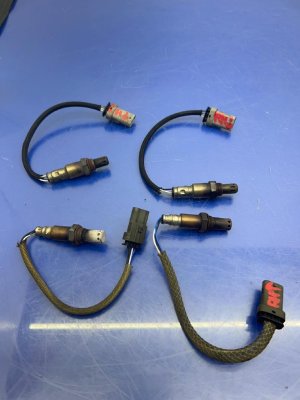
Aftermarket price range: $500-$1200 - Downstream Oxygen Sensor (Bank 1, Sensor 2)
(OEM #ACDelco 213-4229 / Denso 234-4256 (For GMT900, verify by VIN))— This is the second most likely cause and a common misdiagnosis. It's much cheaper to replace than the converter.
Trusted brands: ACDelco, Denso, Bosch, NTK
OEM price range: $100-$180
Aftermarket price range: $50-$120 - Upstream Oxygen Sensor (Bank 1, Sensor 1)
(OEM #ACDelco 213-4230 / Denso 234-4668 (For GMT900, verify by VIN))— While less common to cause P0420 directly, a lazy upstream sensor can affect fuel control and indirectly harm the converter over time. It's often replaced as preventative maintenance.
Trusted brands: ACDelco, Denso, Bosch, NTK
OEM price range: $100-$180
Aftermarket price range: $50-$120
Related Codes That Often Appear With This One
- P0430 — This is the identical code for Bank 2 (passenger side). It's common for both converters to fail around the same time, especially if the failure is due to age or a systemic engine problem like oil consumption.
- P0300-P0308 — These are misfire codes. An engine misfire is a primary cause of catalytic converter failure because it dumps raw fuel into the exhaust, overheating the converter.
Technical Service Bulletins (TSBs) & Recalls

- PIP3119P: Notes that P0420/P0430 diagnostics may be disabled on certain low-mileage vehicles.
- 16-NA-111: Details how a faulty air filter seal can lead to P0420/P0430 on 2015-2018 models by allowing debris to damage components.
Platform-Specific Known Issues
- TSB 16-NA-111: On 2015-2018 models, a poorly sealed air filter housing can allow debris to enter the intake, damaging O2 sensors and the catalytic converter, causing P0420/P0430. The airbox seal must be checked before replacing parts.
- Aftermarket Converter Sensitivity: Owners of 2015+ models frequently report that the P0420 code returns soon after installing non-OEM catalytic converters. A Reddit user with a 2016 Yukon XL Denali reported P0420 returning 3 days after installing a direct-fit MagnaFlow converter, with the dealership stating the ECM is 'too finicky' for non-OEM parts.
- TSB PIP3119P: On new or newly-replaced converters, a P0420/P0430 can set falsely if a proper break-in procedure is not followed. The diagnostic is disabled for the first hour of engine run time on a new vehicle. If a battery disconnect occurred or a new converter is installed on an older vehicle, the code may set before the converter is 'seasoned'. A specific drive cycle is required to clear it.
- Broken Exhaust Manifold Bolts: This is an extremely common problem. Owners on forums like tahoeyukonforum.com report this as a frequent cause of P0420/P0430 due to the resulting exhaust leak near the upstream O2 sensor. The bolts at the rearmost cylinders (closest to the firewall) are the most common to break.
Mechanic-Grade Diagnostic Values
- Long-Term Fuel Trim (LTFT) at idle and various RPMs — expected: Should be less than +/- 10%. Ideally within +/- 5%.. Failure: Values consistently greater than +10% indicate a vacuum leak or other lean condition; values less than -10% indicate a rich condition. These must be corrected before condemning the converter.
- Downstream O2 Sensor (Bank 1, Sensor 2) Voltage at idle (warm engine) — expected: Slowly fluctuating voltage, remaining relatively stable between 0.1V and 0.8V.. Failure: Voltage rapidly switching between 0.1V and 0.8V, mimicking the pattern of the upstream sensor, indicates the converter is not storing oxygen and has failed.
- Mode $06 Catalyst Monitor Test (Bank 1) — expected: The test value should be within the MIN/MAX range specified by the manufacturer and report an 'OK' or 'PASS' status.. Failure: A test value that exceeds the maximum threshold will report a 'FAIL' status, often before a DTC is set. For GM, look for Test ID $21 (Catalyst Monitor) and Component ID $A9 (Bank 1 Catalyst).
- Mass Airflow (MAF) Sensor Reading at idle (warm engine) — expected: Approximately 5.0-6.0 g/s for the 5.3L/6.2L V8.. Failure: Significantly different readings can indicate a vacuum leak (if trims are high) or a faulty sensor, affecting the air/fuel mixture required for proper catalyst operation.
- O2 Sensor Heater Element Resistance — expected: Typically between 5 and 6 ohms, but verify with manufacturer specs.. Failure: A reading of infinite resistance (open circuit) or zero resistance (short) indicates a failed heater element, which will delay the vehicle from entering closed-loop fuel control and can affect catalyst performance.
Hidden / Shadow Codes Worth Checking
- Mode $06, Test ID $21, Component ID $A9: This is not a DTC, but the raw test data for the Bank 1 Catalyst Efficiency monitor. It allows a technician to see the measured efficiency value that the PCM uses to determine if it should set a P0420 code. Viewing this can show a converter that is marginal and close to failing before the light comes on. (see via A professional scan tool with Mode $06 diagnostic capabilities is required. Navigate to On-Board Monitors or Mode $06, then select the Catalyst Monitor Test ID ($21 for GM).)
Scan Tool Commands That Help
- GDS2 / Tech 2 or equivalent professional scanner: Catalyst System Test / Catalyst Break-In Procedure — After replacing a catalytic converter, TSB PIP3119P specifies a mandatory drive cycle to allow the new converter to break in. Use the scan tool to clear codes, then perform the specific highway driving procedure to run the catalyst monitor and ensure it passes, preventing a false P0420 from returning.
- Any graphing scan tool: Graphing O2 Sensor Data (B1S1 vs B1S2) — This is the primary method to visually confirm a failed converter. Graph both Bank 1 sensors simultaneously. If the downstream sensor (B1S2) waveform mirrors the upstream (B1S1), the converter is not working. A good converter will show a relatively flat B1S2 voltage.
- Professional scanner: Readiness Monitor Status — After a repair (like fixing a vacuum leak) or clearing codes, check the readiness monitor status to see if the Catalyst Monitor has run and completed its self-test. If it shows 'Incomplete' or 'Not Ready', the specific drive cycle conditions to run the monitor have not yet been met.
Wiring & Ground Locations
- ECM/PCM Location — In the engine compartment on the passenger side, mounted to a bracket near the firewall for both GMT900 (2012-14) and K2XX (2015-16) platforms.. Provides a central point for testing power, ground, and signal wires for the O2 sensors directly at the control module connectors to rule out wiring issues.
- K2XX (2015-16) Frame Grounds — Located on the frame right behind both front wheels.. These grounds are in a poor location and are highly susceptible to corrosion from tire splash, which can cause a variety of electrical issues, including erratic sensor readings. They should be inspected and cleaned.
- GMT900 (2012-14) Cylinder Head Grounds — A ground strap runs from the negative battery cable to the passenger side cylinder head, and another from the body to the driver's side cylinder head.. The engine block and heads serve as a primary ground plane. A poor connection here can affect sensor readings, including O2 sensors which are grounded through the exhaust and engine.
- GMT900 (2012-14) Main Harness Ground — A ground wire runs from the main wiring harness down to the engine block, often secured with a 10mm bolt. This is a suspected main ground for the PCM.. Corrosion or fraying of this specific ground can cause poor engine performance and phantom codes as the PCM seeks a ground path through other circuits.
Real Owner Repair Stories
- Tahoe Yukon Forum user 'mftrnr' (2007-2014 generation (unspecified year)) — P0420 code returned immediately after fixing a rich fuel condition (P0172/P0175).
❌ Tried (didn't work) Fixing the rich fuel condition alone did not clear the P0420.
✅ What actually fixed it Replacing the catalytic converters. A responding user confirmed, 'Nope, been there, done that,' indicating that once the underlying fuel issue was fixed, the converter itself, having been damaged by the prior condition, was the final point of failure and required replacement. - Car Talk Community user (2010 GMC Yukon XL Denali) — Persistent P0420 code.
❌ Tried (didn't work) Replacing the catalytic converter., Replacing both Bank 1 oxygen sensors.
✅ What actually fixed it The vehicle was taken to a different shop that found it was running rich and had two pinhole exhaust leaks. The final fix was sealing the leaks and addressing the rich condition, implying the new converter and sensors were likely replaced unnecessarily.
"I Checked Everything" — The Actual Cause
- A common scenario is replacing the converter for P0420, only for the code to return. While an exhaust leak is a frequent cause, a smoke test may come back clean. The actual root cause is often an underlying fuel control issue, such as a rich condition (e.g., from a leaking injector or faulty fuel pressure regulator) or a lean condition (e.g., from a contaminated MAF sensor). These issues will not be found with a smoke test but will poison a new catalytic converter over time, causing the P0420 to return. Always check long-term fuel trims; if they are outside +/- 10%, a fuel control problem exists and must be fixed first.
When the Usual Fixes Don't Work
- While P0420 is most commonly a failed catalytic converter, there are numerous owner accounts where the code persisted after replacing the converter. In a documented case on a 2010 Yukon, the code only resolved after a new shop diagnosed and fixed two small, previously missed pinhole exhaust leaks and addressed an underlying rich fuel condition. This highlights the necessity of ruling out all other possibilities before committing to the expensive converter replacement, as the converter is often the victim of another problem, not the root cause.
Model Year Variations Within This Range
- 2015-2016 (K2XX Platform): These models have critical frame ground points located directly behind the front wheels, making them extremely vulnerable to corrosion from road spray. Poor grounding at these locations can cause widespread, difficult-to-diagnose electrical issues that may affect sensor readings.
- 2012-2014 (GMT900 Platform): These models have a known potential issue with the main PCM ground wire that runs from the harness to the engine block. This wire can fray or corrode at the block connection, leading to poor engine performance and erratic codes.
Helpful Videos
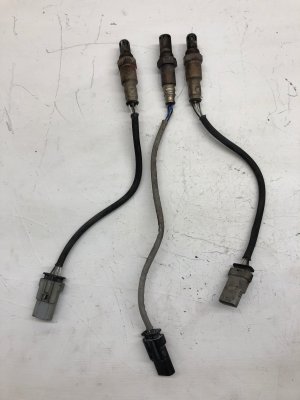
Used OEM Parts in Stock

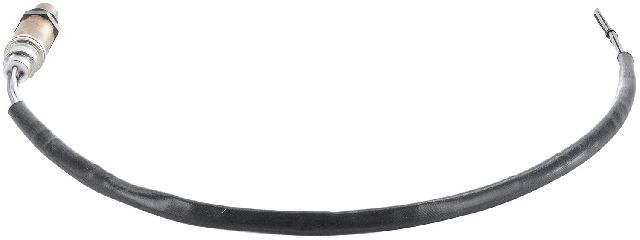
New Aftermarket Parts Available




The information in this article is provided for general reference and educational purposes only. Vehicle specifications, procedures, and part compatibility can vary by production date, trim level, and region. Always consult your vehicle's factory service manual and verify part numbers before purchasing or performing repairs. Safety-critical components such as airbags, seat belts, and braking systems should be installed by a qualified professional.
- Gmc YUKON DENALI:
- 🎬 Helpful Videos
- 🛍️ Shop This Part
- What's Unique About the 2012-2016 Gmc YUKON DENALI
- Diagnostic Flowchart
- Symptoms You May Notice
- Most Likely Causes
- Rare But Worth Checking
- Diagnosis Steps
- Parts You'll Likely Need
- Related Codes That Often Appear With This One
- Technical Service Bulletins (TSBs) & Recalls
- Platform-Specific Known Issues
- Mechanic-Grade Diagnostic Values
- Hidden / Shadow Codes Worth Checking
- Scan Tool Commands That Help
- Wiring & Ground Locations
- Real Owner Repair Stories
- "I Checked Everything" — The Actual Cause
- When the Usual Fixes Don't Work
- Model Year Variations Within This Range
- 🎟️ Get 5% Off