

P0420 on 2012-2016 GMC Savana: Catalyst Efficiency Causes & Fixes
On a 2012-2016 GMC Savana, P0420 indicates the Bank 1 (passenger side) catalytic converter is failing. However, before replacing this expensive part, it is critical to inspect for exhaust leaks, especially broken rearmost exhaust manifold bolts, which are a very common failure on these Vortec engines. Also, test the oxygen sensors and check for required PCM software updates, as these are cheaper-to-fix issues that frequently trigger a false P0420 code.
- P0420 on a GMC Savana means the Bank 1 (passenger side) catalytic converter is not efficient.
- Do not immediately replace the catalytic converter. It is expensive and may not be the root cause.
- First, thoroughly inspect for exhaust leaks. Broken exhaust manifold bolts are a known, common issue on these vans that can trigger a false P0420 code.
- Use a scan tool to check oxygen sensor data. A faulty downstream O2 sensor is a much cheaper fix and a common culprit.
- Always resolve any engine misfire (P030x) or fuel trim (P017x) codes before replacing the catalytic converter to prevent damaging the new part.
What's Unique About the 2012-2016 Gmc SAVANA
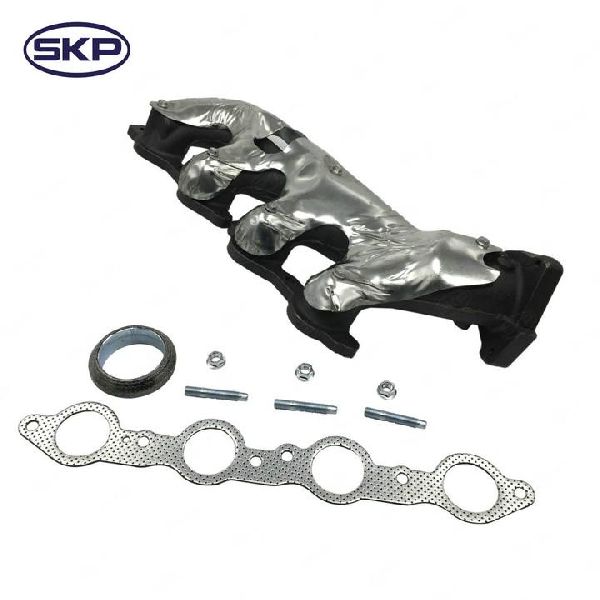
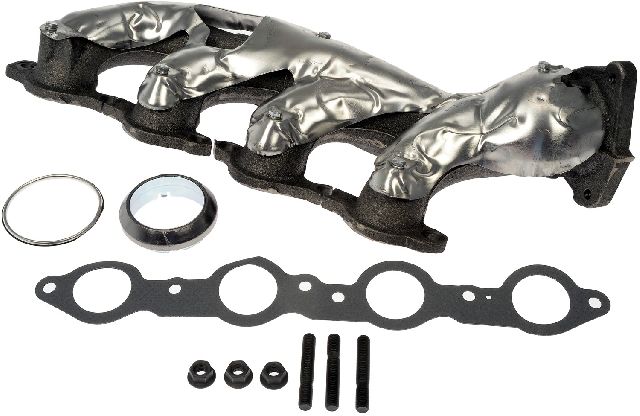
GMC Savana and Chevrolet Express vans are workhorses, and their exhaust systems endure heavy use. A key, widely-documented issue on the 4.8L and 6.0L V8 engines is a tendency for the rearmost exhaust manifold bolts to break off in the cylinder head. This creates a significant exhaust leak right at the engine, which allows oxygen into the exhaust stream before the O2 sensors, corrupting their readings and causing a false P0420 code. GM also issued TSB #PIP5110C directing technicians to check for leaks *after* the rear O2 sensor, and TSB #PIP3119P which details a specific drive cycle to 'break-in' a new converter to prevent false codes, suggesting software sensitivity.
Diagnostic Flowchart
Tap your situation to follow the diagnostic path that matches what you're seeing on this vehicle.
Symptoms You May Notice
- Check Engine Light is on
- Vehicle will fail an emissions test
- Reduced engine power or hesitation, especially if the converter is severely clogged
- A rotten egg or sulfur smell from the exhaust
- A ticking or tapping noise from the engine bay, especially when cold, indicating an exhaust manifold leak
- Replacing the catalytic converter without first checking for exhaust leaks. A leak from a broken manifold bolt is a very common cause for this code on the Savana and is a much cheaper fix.
- Replacing the catalytic converter without fixing the root cause, such as an engine misfire or fuel system problem, which will cause the new converter to fail prematurely.
- Replacing an oxygen sensor when the catalytic converter is truly the part that has failed. 🎬 Watch: A mechanic explains how to diagnose P0420 codes
Most Likely Causes
- Failed Catalytic Converter (Bank 1) 🔴 High Probability While converters can fail from age, they are most often damaged by an underlying engine issue like persistent misfires or an improper air/fuel mixture which overheats them.
How to confirm: After confirming no exhaust leaks and that O2 sensors are functioning correctly, a scan tool showing a rapidly switching downstream O2 sensor voltage that mirrors the upstream sensor indicates a failed converter. An infrared thermometer should also show the outlet of the converter is at least 100°F hotter than the inlet; if not, it's not working.
Typical fix: Replace the Bank 1 catalytic converter assembly. Must address any underlying engine issues first.
Est. part cost: $450-$2500+ - Exhaust Leak (especially broken manifold bolts) 🔴 High Probability This is a very common problem on GM trucks and vans with Vortec V8s. The rearmost exhaust manifold bolts are prone to breaking, causing a leak at the cylinder head. This leak introduces unmetered oxygen and tricks the O2 sensors. TSB #PIP5110C also points to checking for leaks after the rear O2 sensor.
How to confirm: Listen for a distinct ticking noise from the engine bay on a cold start. Visually inspect the exhaust manifold at the cylinder head for black soot trails, especially at the rearmost port on the passenger side. A smoke test can pinpoint the leak's exact location.
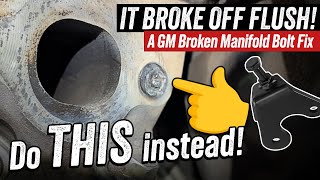
Typical fix: Repair the leak. For broken manifold bolts, a common repair that avoids bolt extraction is to install a specialized repair bracket (e.g., Dorman, Kral KAP108) that clamps the manifold 🎬 Watch: How to install a manifold bolt repair bracket against the head. Otherwise, the broken bolt must be extracted and replaced along with the gasket.
Est. part cost: $20-$150 - Faulty Oxygen (O2) Sensor 🟡 Medium Probability A 'lazy' or failing downstream (Bank 1, Sensor 2) O2 sensor can send incorrect data to the PCM, mimicking the signal of a bad converter. It's a much cheaper part to replace as a diagnostic step than the converter.
How to confirm: Use a scan tool to graph the O2 sensor voltages. The downstream sensor voltage should be relatively flat and steady (typically >0.6V) when the engine is warm and at a steady RPM. If it's stuck low or fluctuating wildly like the upstream sensor, the sensor is likely bad.
Typical fix: Replace the faulty oxygen sensor, typically the downstream one (Bank 1, Sensor 2).
Est. part cost: $40-$100 - Engine Misfires or Fuel System Issues ⚪ Low Probability Issues like failing spark plugs, ignition coils, or leaky fuel injectors can cause unburned fuel to enter the exhaust, which rapidly overheats and destroys the catalytic converter's internal structure.
How to confirm: Check for other trouble codes, especially P0300-P0308 (misfires) or P0171/P0174 (lean condition). Address and fix these codes before replacing the catalytic converter.
Typical fix: Perform a tune-up (spark plugs, wires), replace faulty ignition coils, or repair fuel system components as needed.
Est. part cost: $50-$500
Rare But Worth Checking
- Contaminated Air Filter Housing: A TSB for other GM trucks (17-NA-137) notes that a poorly sealed air filter box can allow sand/debris to enter the engine, damaging O2 sensors and clogging the converter. It's worth checking the air filter housing for a proper seal.
- PCM Calibration Issue: TSB #PIP3119P suggests that on low-mileage vehicles or after a converter replacement, the diagnostic may run before the converter is properly 'broken in', setting a false code. In some cases, a PCM software update may be available to correct overly sensitive diagnostic parameters.
Diagnosis Steps
- Scan for Codes: Use an OBD-II scanner to confirm P0420 and check for any other codes. Prioritize fixing misfire (P030x), fuel trim (P017x), or O2 sensor circuit codes first.
- Inspect for Exhaust Leaks: This is the most critical step for this vehicle. Start the engine cold and listen for a distinct 'ticking' sound from the passenger side of the engine. Visually inspect the exhaust manifold for black soot trails, paying extremely close attention to the rearmost bolt. 🎬 See this simple trick for fixing broken manifold bolts Also inspect the flanges and gaskets before and after the converter.
- Analyze O2 Sensor Data: Use a scan tool with live data. At a steady 2,500 RPM, graph Bank 1 Sensor 1 and Bank 1 Sensor 2. Sensor 1 (upstream) should fluctuate rapidly between ~0.1V and ~0.9V. Sensor 2 (downstream) should be relatively stable and high (e.g., >0.6V). If Sensor 2 mirrors Sensor 1, the converter is likely bad (assuming no leaks). If Sensor 2 is flat/unresponsive, the sensor itself may be faulty.
- Check for TSBs and Software Updates: Ask a dealer or equipped independent shop to check if your vehicle's VIN has any open campaigns or requires a PCM reflash related to TSB #PIP3119P or similar calibration updates for P0420.
- Temperature Gun Test: Use an infrared thermometer to measure the temperature of the pipe entering the catalytic converter and the pipe exiting. The outlet should be at least 100°F hotter than the inlet after the engine is fully warmed up. If temperatures are similar or the outlet is cooler, the converter is not functioning.
- Perform Converter Break-In: If you have just replaced the converter and the code returns, perform the drive cycle outlined in TSB #PIP3119P: Drive at highway speed for 25-30 minutes, stop and shut off the engine for 1 minute, then resume highway speed for another 10-15 minutes.
Parts You'll Likely Need
- Exhaust Manifold Bolt Repair Bracket — A common, time-saving fix for the notorious broken exhaust manifold bolt. This bracket uses other bolt holes on the cylinder head to clamp the manifold in place, avoiding the need to extract the broken bolt.
Trusted brands: Dorman, Kral Auto Parts (KAP108/KAP169)
OEM price range: N/A
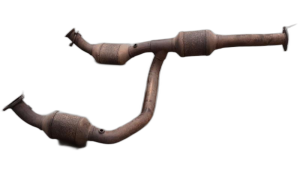
Aftermarket price range: $30-$70 - Catalytic Converter (Bank 1)
(OEM #19420297)— This is the direct cause if it has truly failed. OEM is extremely expensive; direct-fit aftermarket options are common.
Trusted brands: ACDelco (OEM), Walker (e.g., 16468), MagnaFlow, AP Exhaust
OEM price range: $2000-$3700
Aftermarket price range: $450-$800 - Downstream Oxygen Sensor (Bank 1, Sensor 2) — The downstream sensor is the primary reporter on catalyst efficiency. A lazy or contaminated sensor can send false data, triggering the P0420 code. It's a common maintenance item and a wise diagnostic replacement before the converter.
Trusted brands: ACDelco, Denso, Bosch
OEM price range: $60-$120
Aftermarket price range: $40-$100
Related Codes That Often Appear With This One
- P0430 — This is the same catalyst efficiency code but for Bank 2 (driver's side). If both appear, it may suggest a common cause like a fuel system issue affecting both banks, or that both manifold bolt sets have failed.
- P0300-P0308 — These are misfire codes (P0300 for random, P0301-P0308 for specific cylinders). An engine misfire is a primary cause of catalytic converter failure, as it sends raw, unburned fuel into the exhaust, overheating the converter.
- P0171, P0174 — These 'System Too Lean' codes can be caused by an exhaust leak before the upstream O2 sensor (like a broken manifold bolt) or an unmetered air leak in the intake. A lean condition can increase temperatures and damage the converter over time.
Technical Service Bulletins (TSBs) & Recalls
- TSB #PIP5110C: Directs technicians to check for exhaust leaks *behind* the rear oxygen sensor, which can introduce air and mimic a bad converter.
- TSB #PIP3119P: Advises on a specific catalytic converter 'break-in' drive cycle to prevent false P0420/P0430 codes on new/low-mileage vehicles or after a converter has been replaced. Suggests a potential software calibration issue.
- TSB #19-NA-057: While for other GM models, it establishes a precedent of P0420 being caused by a software calibration error, requiring an ECM reprogram.
Platform-Specific Known Issues
- TSB #PIP5110C: Specifically advises technicians to check for a possible leak in the exhaust system behind the Bank 1 Number 2 oxygen sensor when diagnosing a P0420 code.
- TSB #PIP3119P: Notes that on low mileage vehicles, the P0420 and P0430 diagnostic checks may be disabled, suggesting a potential software sensitivity from the factory.
- Common Failure of Exhaust Manifold Bolts: The Vortec V8 engines used in these vans are known for the rear exhaust manifold bolts breaking off, causing a leak that directly leads to a false P0420 code.
Mechanic-Grade Diagnostic Values
- Downstream O2 Sensor (Bank 1, Sensor 2) Voltage — expected: Relatively steady voltage between 0.45V and 0.75V at operating temperature and steady cruise.. Failure: Voltage fluctuates rapidly, mirroring the upstream sensor's ~0.1V to ~0.9V switching pattern.
- O2 Sensor Heater Element Resistance — expected: 5 to 25 ohms. For many GM applications, 5-6 ohms is common.. Failure: A reading outside the expected range indicates a faulty heater circuit in the sensor.
- Fuel Pressure (Gasoline V8s) — expected: 55-65 PSI with key on, engine off (static). May drop slightly to 50-60 PSI while idling.. Failure: Significantly lower pressure (e.g., dropping to 25-30 PSI under load) indicates a weak fuel pump, which can cause lean conditions and damage the converter.
Hidden / Shadow Codes Worth Checking
- Mode $06, TID $21, CID $A2: This is the non-continuous monitor for Catalyst Efficiency on Bank 1. A professional scan tool can read the raw test value. If the value is close to or exceeds the manufacturer's maximum limit, it confirms the PCM's finding that the catalyst is inefficient, even before a code fully sets. (see via A scan tool that supports Mode $06 data, such as a GM GDS2, Launch X-431, or high-end Snap-on or Autel scanner.)
Scan Tool Commands That Help
- GM GDS2 / Tech2: Catalyst System Test — This is a specific service function that forces the catalyst monitor to run under controlled conditions, allowing a technician to verify a repair or confirm a failure without a lengthy drive cycle. It manipulates fuel trim to test the oxygen storage capacity.
- GM GDS2 / Tech2: Control Functions / Bidirectional Controls — While not directly for P0420, a technician can use bidirectional controls to command fuel injectors, the EVAP vent solenoid, and other components on and off to test their function. This helps rule out underlying engine issues that could cause a P0420 code.
Wiring & Ground Locations
- G102 — On the left (driver's side) rear of the engine.. This ground is used for the ignition coils. A poor ground here can cause weak spark and misfires, which can lead to an incorrect air/fuel mixture and damage the catalytic converter.
- G103 — On the right (passenger's side) rear of the engine.. This is a primary engine ground. A poor connection here can affect the Engine Control Module (ECM) and its sensor readings, including those from the oxygen sensors.
- O2 Sensor Fuses — In the underhood fuse block. For similar GM platforms, these are often dedicated 15A fuses for the pre- and post-catalyst sensors (e.g., Fuse #41 and #43 on a GMC Terrain).. A blown fuse for the O2 sensor heater circuit will cause the sensor to respond slowly or not at all, leading to incorrect readings and potentially triggering a P0420 code along with heater circuit codes.
Real Owner Repair Stories
- Chevrolet Forum user 'whfh99' (2007 Chevrolet Suburban 1500 5.3L with 173,000 miles (similar Vortec platform)) — Persistent P0420 code.
❌ Tried (didn't work) Replaced catalytic converter with an aftermarket (Eastern Catalytic) unit., Replaced both upstream and downstream O2 sensors on Bank 1., Replaced the catalytic converter a second time with a different aftermarket brand.
✅ What actually fixed it The user's scan tool data showed the downstream O2 sensor voltage starting to swing like the upstream sensor after about 10 minutes, indicating the aftermarket converters were not efficient enough to satisfy the PCM's monitoring. The thread implies that many aftermarket converters, especially cheaper ones, lack sufficient precious metals to work correctly on these vehicles, and an OEM converter is often the only solution when the code persists after replacing other components.
"I Checked Everything" — The Actual Cause
- In some cases, a vehicle can pass a smoke test for exhaust leaks, but the root cause is a leaking intake manifold gasket. On the GM 4.8L/5.3L/6.0L engines, the plastic intake gaskets are a known failure point. A leak here introduces unmetered air *after* the MAF sensor, causing a lean condition. The PCM tries to compensate by adding fuel, which can disrupt the precise air/fuel ratio needed for the catalytic converter to operate efficiently, eventually triggering a P0420 code.
OEM Part Supersession History
25943820→19420294, then 23269390, final and current is 19420297.— Standard part updates for manufacturing improvements, material changes, or minor design revisions.
Heads up: While all parts are for the same application, using a non-OEM or a cheap aftermarket converter is a very common reason for the P0420 code to return, as they often lack the necessary amount of precious metals to meet GM's catalyst efficiency monitoring standards.
Model Year Variations Within This Range
- 1999-2015 (including the 2012-2016 range): The OEM plastic carrier-style intake manifold gaskets are prone to degradation from heat and ethanol-blended fuels. Later model years may have updated gasket materials, but the design remains a potential failure point across this generation. Aftermarket solutions like Fel-Pro's MS 98016 T use a more durable aluminized steel carrier to prevent this.
Helpful Videos


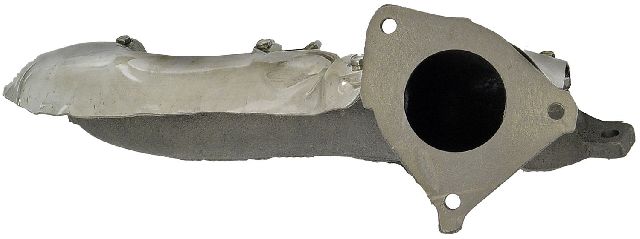
Used OEM Parts in Stock
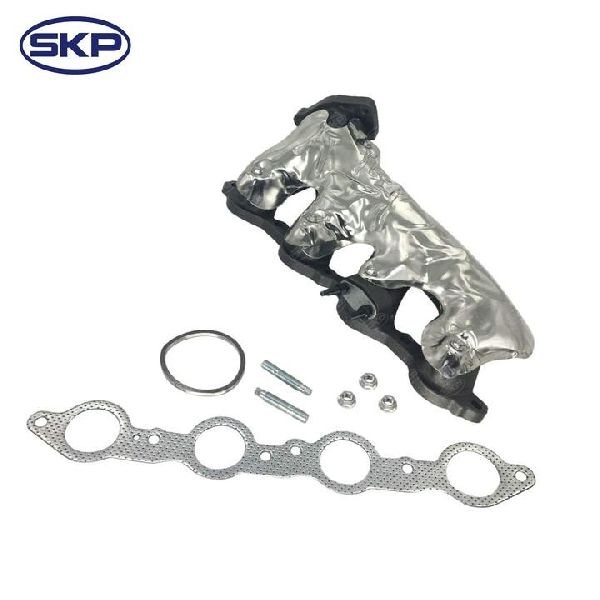
New Aftermarket Parts Available



The information in this article is provided for general reference and educational purposes only. Vehicle specifications, procedures, and part compatibility can vary by production date, trim level, and region. Always consult your vehicle's factory service manual and verify part numbers before purchasing or performing repairs. Safety-critical components such as airbags, seat belts, and braking systems should be installed by a qualified professional.
- Gmc SAVANA:
- 🎬 Helpful Videos
- 🛍️ Shop This Part
- What's Unique About the 2012-2016 Gmc SAVANA
- Diagnostic Flowchart
- Symptoms You May Notice
- Most Likely Causes
- Rare But Worth Checking
- Diagnosis Steps
- Parts You'll Likely Need
- Related Codes That Often Appear With This One
- Technical Service Bulletins (TSBs) & Recalls
- Platform-Specific Known Issues
- Mechanic-Grade Diagnostic Values
- Hidden / Shadow Codes Worth Checking
- Scan Tool Commands That Help
- Wiring & Ground Locations
- Real Owner Repair Stories
- "I Checked Everything" — The Actual Cause
- OEM Part Supersession History
- Model Year Variations Within This Range
- 🎟️ Get 5% Off