

P0420 on 2018-2019 Ford Mustang: Catalyst Efficiency Causes and Fixes
For the 2018-2019 Ford Mustang, a P0420 code is very likely caused by a failing catalytic converter, an issue so common that Ford issued Technical Service Bulletins (TSBs) for both the 2.3L and 5.0L engines. These TSBs explicitly state the cause may be related to the Powertrain Control Module (PCM) operation and prescribe replacing the catalytic converter and reprogramming the PCM. This repair is often covered under the federal emissions warranty (8 years/80,000 miles).
- For a 2018-2019 Mustang, P0420 is not a generic code; it points to a known issue acknowledged by Ford.
- Before paying for repairs, check if your vehicle is covered by TSB 19-2201 (5.0L) or TSB 18-2355 (2.3L).
- The repair may be covered under the federal emissions warranty (8 years or 80,000 miles).
- The official Ford fix involves replacing the catalytic converter AND reprogramming the vehicle's main computer (PCM).
- If you have other codes besides P0420/P0430, diagnose and fix those first to prevent damaging the new converter.
What's Unique About the 2018-2019 Ford MUSTANG

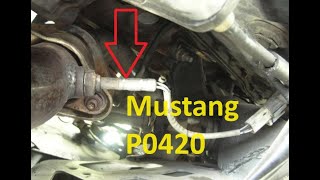
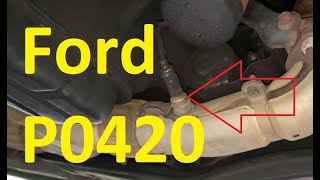
What makes the 2018-2019 Mustang unique regarding code P0420 is that Ford has officially acknowledged problems leading to premature catalytic converter failure. The manufacturer released specific Technical Service Bulletins (TSBs) for both the 2.3L EcoBoost and the 5.0L V8 engines within this model year range. TSB 19-2201 for the 5.0L and TSB 18-2355 for the 2.3L directly link the code to PCM operation and mandate a converter replacement and PCM reprogram. 🎬 Watch: Step-by-step guide to fixing the P0420 code on your Mustang. This means that unlike in many other vehicles where a P0420 might be a faulty sensor, on this specific Mustang, there is a high, documented probability that the catalytic converter itself is the root cause. Forum discussions on Mustang6G.com are filled with owners who experienced this failure at low mileage and had it resolved under warranty per the TSBs.
Diagnostic Flowchart

Tap your situation to follow the diagnostic path that matches what you're seeing on this vehicle.
Symptoms You May Notice

- Check Engine Light is on
- Reduced engine power and acceleration
- Worse fuel economy
- A sulfur or "rotten egg" smell from the exhaust.
- Failure to pass an emissions test
- Rough idle, particularly when warm
- Replacing the oxygen sensors when the catalytic converter is actually the problem. Given the specific TSBs for this vehicle, the converter should be considered the primary suspect if no other codes are present. Many owners in forums share stories of being advised to change O2 sensors first, only for the code to return, confirming the converter was the real issue.
Most Likely Causes

- Failed Catalytic Converter (Per Ford TSBs) 🔴 High Probability Ford issued TSB 19-2201 for the 5.0L V8 and TSB 18-2355 for the 2.3L EcoBoost, indicating a known issue where PCM operation causes premature catalyst failure. The fix prescribed by Ford is to replace the converter and reprogram the PCM. Forum members on Mustang6G.com frequently report this exact failure, often at mileages as low as 20,000-40,000 miles, with the repair being covered under the emissions warranty.
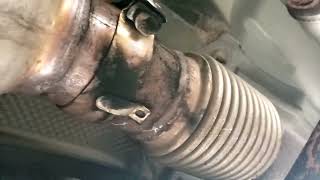
How to confirm: After ruling out exhaust leaks and O2 sensor failure, the converter is the prime suspect. A temperature check using an infrared thermometer showing the outlet is not significantly hotter than the inlet can indicate a dead converter. The presence of only code P0420 (and/or P0430 on V8s) strengthens this diagnosis, as per the TSBs. A forum user on Mustang6G notes that the substrate can crack, creating a leak path that triggers the code.
Typical fix: Replace the Bank 1 catalytic converter and reprogram the PCM as per the relevant TSB. This repair is often covered under the federal emissions warranty (8 years/80,000 miles). The TSB for the 5.0L engine specifies labor times from 1.0 hour (Bank 2 only) to 3.1 hours (both banks).
Est. part cost: $600-$1700 - Faulty Downstream Oxygen (O2) Sensor ⚪ Low Probability While less common than converter failure on these models, a faulty O2 sensor can still occur. However, many forum users advise against replacing the O2 sensors first, as the car's computer can typically detect a failed sensor with a different code, and the TSBs point directly to the converter.
How to confirm: Use a diagnostic scan tool to graph the voltage of the downstream O2 sensor (Bank 1, Sensor 2). A healthy sensor monitoring a good converter should show a relatively steady voltage. If it's switching rapidly like the upstream sensor, the catalytic converter has failed. If the sensor voltage is stuck, flat, or slow to respond during cruise conditions, the sensor itself is likely faulty.
Typical fix: Replace the Bank 1 downstream oxygen sensor. The Motorcraft part number for the 2.3L EcoBoost is often listed as DY-1335.
Est. part cost: $50-$150 - Exhaust System Leak ⚪ Low Probability
How to confirm: Visually inspect the exhaust manifold and all piping/gaskets between the upstream and downstream O2 sensors for cracks or black soot indicating a leak. A shop can perform a smoke test to pinpoint hard-to-see leaks. An exhaust leak was confirmed as the cause by one owner on StangNet forums.
Typical fix: Replace the leaking gasket or repair the cracked component. TSB 19-2201 lists several related gaskets and nuts that may be needed during the converter replacement job, such as Left Exhaust Manifold Gasket GR3Z-9448-D.
Est. part cost: $20-$200
Rare But Worth Checking
- Engine Misfire or Fuel System Issue: An underlying issue like a bad spark plug, faulty ignition coil, or leaking fuel injector can dump unburnt fuel into the exhaust, overheating and destroying the catalytic converter. If other codes (like P030x for misfires or P0172/P0175 for rich conditions) are present, they must be addressed first to avoid damaging a new converter.
- Aftermarket Modifications (Tune or Parts): Installing long-tube headers or high-flow catalytic converters frequently causes P0420/P0430 codes because the less restrictive cats don't operate as efficiently as the OEM units. Owners on Reddit and Mustang6G.com confirm that a custom tune is often required to disable the rear O2 sensors to prevent the code. Using O2 sensor spacers (defoulers) is another common, though not always emissions-legal, workaround.
Diagnosis Steps
- Scan for Codes: Use an OBD-II scanner to confirm P0420 is present. Check if P0430 or any other codes (misfire, fuel trim, O2 sensor specific codes) are also stored.
- Check TSBs: Verify if your vehicle's VIN, engine, and build date fall under TSB 19-2201 (5.0L with auto trans, built on or before April 23, 2019) or TSB 18-2355 (2.3L, built on or before Oct 17, 2018). If they do, and P0420/P0430 are the only codes, the catalytic converter is the most likely cause.
- Inspect for Exhaust Leaks: Thoroughly check the exhaust manifold, gaskets, and pipes leading to the catalytic converter for any signs of leaks. A smoke test is the most effective method.
- Analyze O2 Sensor Data: Use a scan tool with live data graphing. While cruising at a steady speed, watch the voltage for the upstream (B1S1) and downstream (B1S2) O2 sensors. The upstream sensor should fluctuate rapidly. The downstream sensor should remain relatively stable and flat. If the downstream sensor mirrors the upstream's fluctuations, the converter has failed.
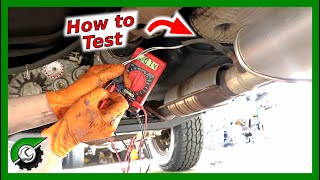
- Test O2 Sensors: If the downstream sensor's signal is flatlined, biased, or not responding, test the sensor and its circuit before condemning the converter. The heater circuit within the sensor can also fail.
- Inspect Catalytic Converter: If all other tests pass, the catalytic converter is almost certainly the culprit. A temperature test using an infrared thermometer can provide final confirmation; the outlet should be significantly hotter than the inlet on a working converter.
- Check Warranty: Before purchasing parts, contact a Ford dealer with your VIN to check for coverage under the 8-year/80,000-mile federal emissions warranty, as this repair is frequently covered.
Parts You'll Likely Need

- Catalytic Converter (Bank 1)
(OEM #JR3Z-5E212-C (for 2.3L per TSB 18-2355); JR3Z-5E212-A / JR3Z-5E212-Q (for 5.0L Bank 1/Right side).)— This is the most common failure part for P0420 on this vehicle, as documented by Ford's own Technical Service Bulletins.
Trusted brands: Motorcraft, Walker Exhaust, MagnaFlow, Eastern Catalytic
OEM price range: $700-$1700
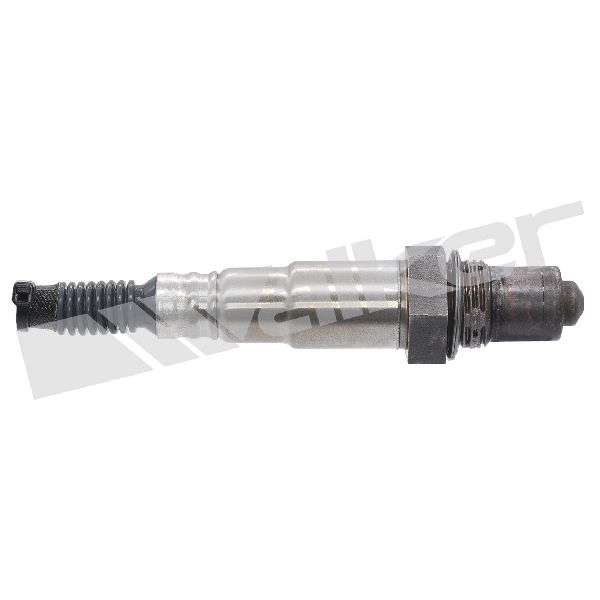
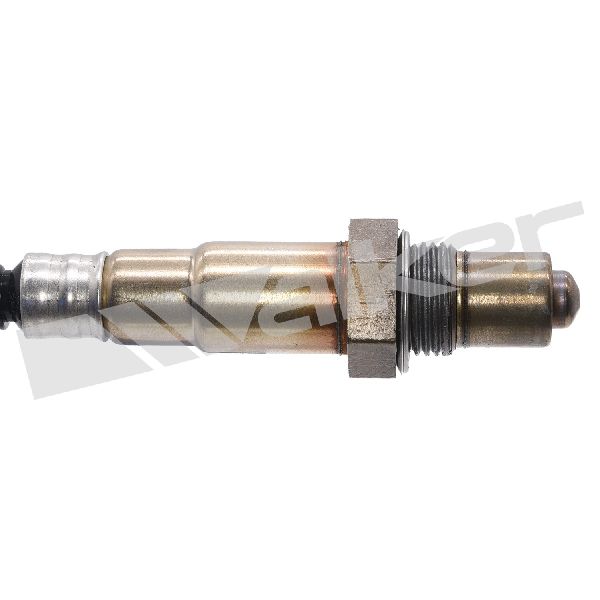
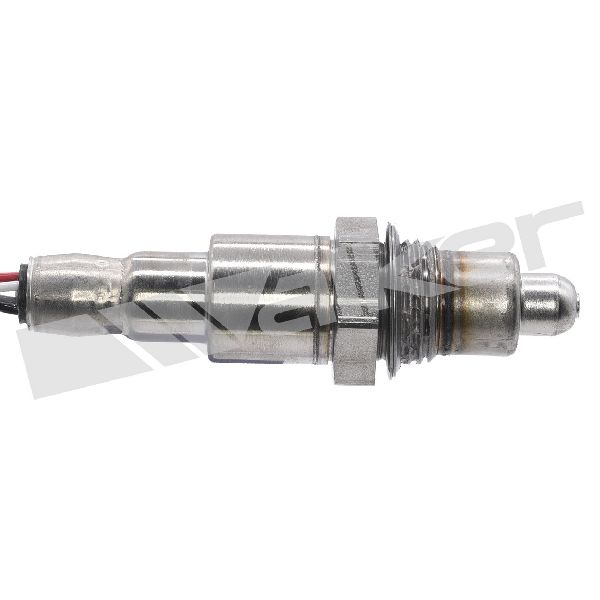
Aftermarket price range: $400-$900 - Downstream Oxygen Sensor (Bank 1, Sensor 2)
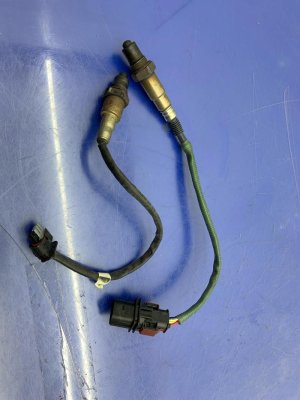
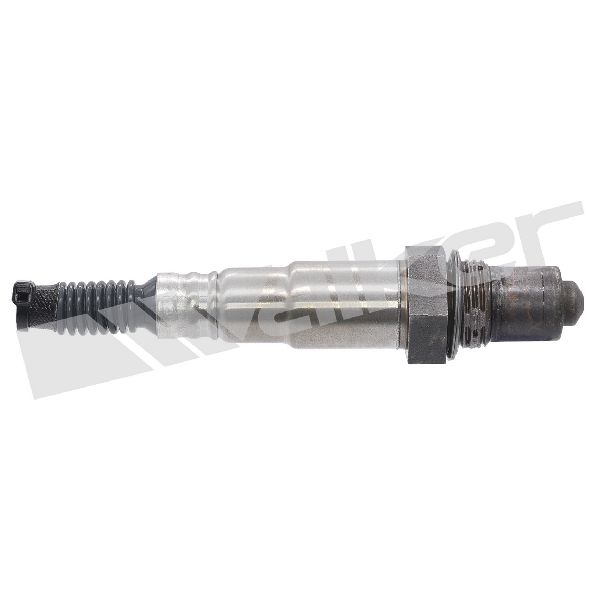
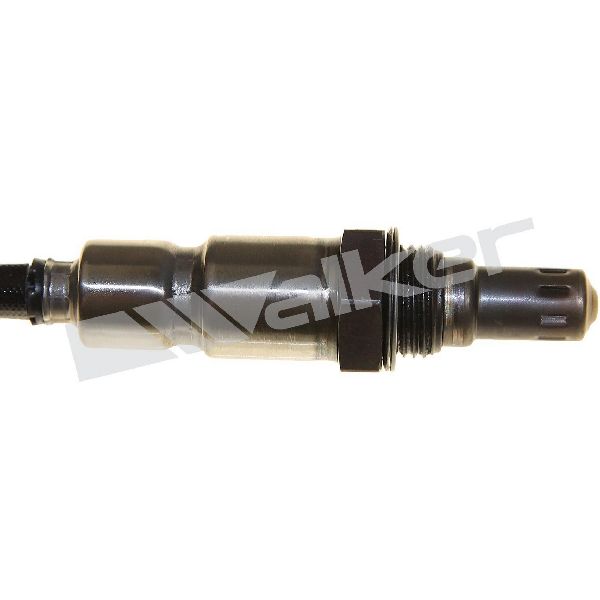
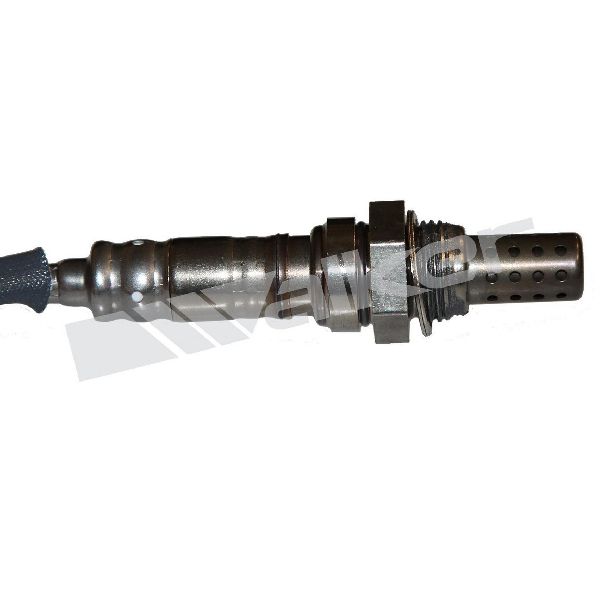
(OEM #Motorcraft DY-1335 (for 2.3L); Motorcraft DY-1438 (for 5.0L Right/Bank 1).)— This is the second most likely cause and a common misdiagnosis. It's responsible for reporting the converter's efficiency to the PCM.
Trusted brands: Motorcraft, Bosch, Denso, NTK
OEM price range: $80-$150
Aftermarket price range: $50-$100
Related Codes That Often Appear With This One
- P0430 — This is the identical code for Bank 2 (the driver's side on the 5.0L V8). TSB 19-2201 for the 5.0L specifically mentions that P0420 and P0430 may appear together, indicating both catalytic converters could be failing. Forum threads often discuss both codes appearing simultaneously.
Technical Service Bulletins (TSBs) & Recalls
- TSB 19-2201: Addresses P0420/P0430 on 5.0L models with automatic transmissions built on or before 23-Apr-2019, requiring catalyst replacement and a PCM reprogram.
- TSB 18-2355: Addresses P0420 on 2.3L models built on or before 17-Oct-2018, requiring catalyst replacement and a PCM reprogram.
Platform-Specific Known Issues
- TSB 19-2201: Affects some 2018-2019 Mustangs with the 5.0L engine and automatic transmission built on or before April 23, 2019. It states that DTC P0420 and/or P0430 may be caused by PCM operation and requires replacing the affected catalytic converter(s) and reprogramming the PCM.
- TSB 18-2355: Affects some 2018-2019 Mustangs with the 2.3L engine built on or before October 17, 2018. If only DTC P0420 is present, the procedure is to replace the catalytic converter and reprogram the PCM.
Mechanic-Grade Diagnostic Values
- Mode $06 - Catalyst Monitor Bank 1 (TID $01, CID $01) — expected: The test value should be below the maximum threshold specified by the PCM. A typical threshold for the switch ratio is 75% or 0.75.. Failure: If the scan tool shows a test value that exceeds the maximum limit, it indicates the catalyst has failed the onboard diagnostic test.
- Upstream O2 Sensor (B1S1/B2S1) Voltage — expected: Rapidly fluctuating between approximately 0.1V (lean) and 0.9V (rich) at idle once in closed loop.. Failure: A sensor that is slow to switch, or is stuck at a specific voltage, may be faulty.
- Downstream O2 Sensor (B1S2/B2S2) Voltage — expected: A steady voltage, typically between 0.5V and 0.8V, while cruising at a constant speed.. Failure: If the voltage fluctuates rapidly, mirroring the upstream sensor, it confirms the catalytic converter is not storing oxygen and has failed.
Scan Tool Commands That Help
- Ford IDS (Integrated Diagnostic System): Powertrain > OBD Test Modes > Mode $06 — Use this to view the raw results of the catalyst efficiency monitor test before the PCM has run enough cycles to set a DTC. This can confirm a borderline converter.
- Ford IDS (Integrated Diagnostic System): Module Reprogramming > PCM — This is required as the final step when replacing the catalytic converter per TSB 19-2201 and TSB 18-2355 to load the updated software that prevents premature failure.
- FORScan: Tests > OBDII I/M Readiness — A popular tool among enthusiasts, FORScan can be used to check if the catalyst monitor has completed its self-test after a repair or clearing codes, which is necessary to pass an emissions inspection.
- FORScan: Service Functions > PCM > Reset All Adaptations — After replacing a component like a catalytic converter or O2 sensor, resetting adaptations forces the PCM to relearn fuel trims and other parameters with the new hardware.
Wiring & Ground Locations
- HEGO Sensor Ground — An orange wire with a ring terminal located in the fuel injector wiring harness, which comes out near the throttle body and connects to a bolt on the intake manifold or cylinder head.. This is the specific ground for the oxygen sensor heaters. A poor connection here can affect sensor performance and potentially lead to incorrect readings that could contribute to or be mistaken for a P0420 fault.
- G102 / G103 — These are chassis ground points for various PCM circuits. On S197 Mustangs (a predecessor to the S550), these were located on the inner fender aprons in the engine bay. While exact S550 locations may vary, checking major chassis grounds is critical.. Multiple PCM pins related to sensor inputs and processing ground at these locations. A corroded or loose ground can introduce electrical noise and cause erratic sensor behavior, mimicking other faults.
Real Owner Repair Stories
- Mustang6G.com forum user (2018 Mustang GT with Roush Phase 2 supercharger kit) — Check Engine Light with codes P0420 and P0430.
❌ Tried (didn't work) The user first suspected the aftermarket tune or O2 sensors.
✅ What actually fixed it The user was informed of the TSB for catalytic converter issues on 2018/early 2019 Mustangs. The dealer replaced both catalytic converters under the emissions warranty, which resolved the codes.
OEM Part Supersession History
JR3Z-5E212-B→JR3Z-5E212-A— Part number JR3Z-5E212-A is the updated part for the Bank 1 (right side) catalytic converter on the 5.0L Mustang, replacing the previous -B version. This is likely the revised part used in the TSB repair.
Model Year Variations Within This Range
- 2018+: The O2 sensor electrical connectors for 2018 and newer Mustangs are a different, flat style compared to the round style used on 2015-2017 models. This is critical when installing aftermarket long-tube headers, as the included O2 extensions from older kits will not fit, requiring either a new harness-specific extension or careful rerouting of the factory wiring.
Helpful Videos

Used OEM Parts in Stock
New Aftermarket Parts Available

The information in this article is provided for general reference and educational purposes only. Vehicle specifications, procedures, and part compatibility can vary by production date, trim level, and region. Always consult your vehicle's factory service manual and verify part numbers before purchasing or performing repairs. Safety-critical components such as airbags, seat belts, and braking systems should be installed by a qualified professional.
- Ford MUSTANG:
- 🎬 Helpful Videos
- 🛍️ Shop This Part
- What's Unique About the 2018-2019 Ford MUSTANG
- Diagnostic Flowchart
- Symptoms You May Notice
- Most Likely Causes
- Rare But Worth Checking
- Diagnosis Steps
- Parts You'll Likely Need
- Related Codes That Often Appear With This One
- Technical Service Bulletins (TSBs) & Recalls
- Platform-Specific Known Issues
- Mechanic-Grade Diagnostic Values
- Scan Tool Commands That Help
- Wiring & Ground Locations
- Real Owner Repair Stories
- OEM Part Supersession History
- Model Year Variations Within This Range
- 🎟️ Get 5% Off