

P0420 on 2012-2015 Ford Focus: Why It's Often an EVAP Issue, Not the Catalytic Converter
On a 2012-2015 Ford Focus, code P0420 is frequently caused by a faulty canister purge valve, not the catalytic converter itself. This is a known issue covered by Ford Safety Recall 18S32 (NHTSA 18V735) and TSB 16-0062. Replacing the purge valve (Part No. BV6Z-9D289-R or Motorcraft CX2349) is a common, relatively inexpensive first step before considering a costly converter replacement.
- On a 2012-2015 Focus, P0420 is very often a symptom of a bad canister purge valve, not the catalytic converter.
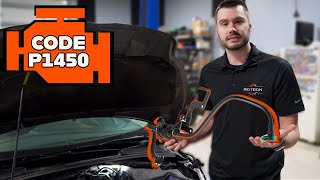
- Always check for accompanying EVAP codes like P1450, which strongly points to the purge valve.
- Diagnosing the purge valve is simple and should be your first step. A replacement is far cheaper than a new catalytic converter.
- This issue is well-documented by Ford in TSB 16-0062 and related safety recall 18S32.
- Do not ignore the code, as a faulty purge valve can eventually lead to fuel tank deformation and damage the catalytic converter.
What's Unique About the 2012-2015 Ford FOCUS

Unlike many vehicles where P0420 almost always points to a bad catalytic converter or oxygen sensor, the 2012-2015 Ford Focus has a well-documented history of this code being triggered by a faulty EVAP system, specifically the canister purge valve. A stuck-open purge valve allows unmetered fuel vapors to be constantly drawn from the fuel tank into the engine's intake manifold. This creates a rich air-fuel mixture that the ECM tries to correct, leading to erratic oxygen sensor readings that mimic a failing catalytic converter. This specific issue is acknowledged by Ford in Technical Service Bulletin (TSB) 16-0062 and is the subject of Safety Recall 18S32.
Diagnostic Flowchart

Tap your situation to follow the diagnostic path that matches what you're seeing on this vehicle.
Symptoms You May Notice

- Check Engine Light is on
- Reduced engine performance or hesitation during acceleration.
- Inaccurate fuel gauge or 'distance to empty' reading.
- Difficulty starting after refueling.
- Rough idle.
- Engine stalling, especially when coming to a stop.
- Rotten egg smell from the exhaust (less common, but possible if the converter is failing).
- Immediately replacing the catalytic converter without checking the canister purge valve first. Given the high frequency of purge valve failure on this specific vehicle, as documented by a recall, it should be the first component checked.
Most Likely Causes

- Faulty Canister Purge Valve 🔴 High Probability This is a widely recognized issue on this platform, as documented in Ford TSB 16-0062 and Safety Recall 18S32. The valve sticks open, causing a constant vacuum on the fuel tank and feeding unmetered fuel vapors into the intake. Owner complaints frequently link P0420 to EVAP codes like P1450, which is also caused by this valve.
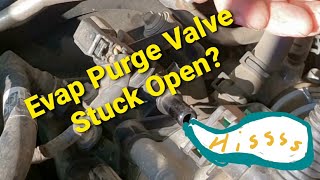
How to confirm: With the engine running, disconnect the electrical connector from the purge valve. Then, disconnect the EVAP line that runs from the valve towards the back of the car. Place your finger over the port on the valve itself. 🎬 Watch: A quick demonstration of this suction test. If you can feel suction, it is stuck open and needs to be replaced.
Typical fix: Replace the canister purge valve assembly. It is located on the driver's side of the engine, near the firewall, and is a relatively simple replacement. 🎬 See this step-by-step guide to replacing the valve. The OEM part number is BV6Z-9D289-R, which corresponds to Motorcraft part CX2349.
Est. part cost: $40-$80 - Failing Catalytic Converter 🟡 Medium Probability While the purge valve is a more common initial culprit, the catalytic converter can still fail from age, contamination, or from being subjected to the rich/lean conditions caused by a faulty purge valve over time. If the purge valve issue is ignored, it can eventually poison and destroy the catalyst materials.
How to confirm: After confirming the purge valve and O2 sensors are good, a mechanic can perform a catalyst efficiency test. An infrared thermometer can also be used to check temperatures; the outlet should be significantly hotter than the inlet on a working converter.
Typical fix: Replace the catalytic converter. This is a more expensive and involved repair. Due to the lower precious metal content, aftermarket converters may only last a year or two before triggering the P0420 code again.
Est. part cost: $300-$1200 - Faulty Oxygen (O2) Sensors ⚪ Low Probability
How to confirm: Use a scan tool to graph the voltage of the upstream and downstream O2 sensors. The upstream sensor (Sensor 1) should fluctuate rapidly between ~0.1V and ~0.9V. The downstream sensor (Sensor 2) should hold a relatively steady voltage. If the downstream sensor is lazy, not responding, or mirroring the upstream sensor's fluctuations, it may be faulty.
Typical fix: Replace the faulty oxygen sensor. The downstream sensor is the one that monitors catalyst efficiency. 🎬 Watch: How to locate and replace the O2 sensors. The OEM part number for the downstream sensor is often listed as CV6Z-9G444-A (Motorcraft DY1179).
Est. part cost: $50-$150 - Exhaust Leak ⚪ Low Probability
How to confirm: Visually inspect the exhaust system from the engine to the tailpipe for cracks, holes, or loose connections, especially between the engine and the catalytic converter. Listen for hissing or ticking sounds. A smoke test can definitively identify leaks.
Typical fix: Repair the leak by replacing the gasket, tightening bolts, or welding the damaged section.
Est. part cost: $10-$200
Rare But Worth Checking
- Deformed Fuel Tank: A severely stuck-open purge valve can create enough vacuum to physically deform and collapse the plastic fuel tank. TSB 16-0062 and Safety Recall 18S32 specifically instruct technicians to inspect for this. If the tank is deformed by more than 1 inch, it must be replaced along with the purge valve and potentially the fuel delivery module.
Diagnosis Steps
- Scan for all DTCs. Pay close attention to any EVAP codes like P1450, P0456, or P2196, as they strongly point to the purge valve.
- Test the Canister Purge Valve. With the engine running, disconnect the valve's electrical connector and the hose leading towards the back of the car. If vacuum is present at the valve's port, it is faulty and must be replaced. This is the most crucial first step.
- If the purge valve is good, inspect the exhaust system for any leaks between the engine and the downstream O2 sensor.
- Graph the O2 sensors. Use a scan tool to observe the voltage signals. The upstream (Bank 1, Sensor 1) should switch rapidly between ~0.1V and ~0.9V. The downstream (Bank 1, Sensor 2) should remain relatively stable around 0.6V-0.8V. If the downstream sensor is erratic or mirrors the upstream, it may be faulty.
- Inspect the fuel tank. Check the bottom of the fuel tank for any signs of upward deformation or collapse, as noted in TSB 16-0062 and Recall 18S32.
- If all other components are confirmed to be working correctly, perform a catalytic converter efficiency test to confirm its failure.
Parts You'll Likely Need
- Canister Purge Valve / Solenoid
(OEM #BV6Z-9D289-R (Motorcraft CX2349))— This is the most probable cause of P0420 on this specific vehicle, as documented by Ford's own Safety Recall 18S32 and TSB 16-0062.
Trusted brands: Motorcraft, Dorman, Genuine Ford
OEM price range: $60-$100
Aftermarket price range: $40-$80 - Catalytic Converter
(OEM #BV6Z-5E212-A)— If the purge valve and O2 sensors are functioning correctly, the catalytic converter has likely failed due to age or contamination, possibly from long-term exposure to the conditions caused by the bad purge valve.
Trusted brands: Walker Exhaust, MagnaFlow, Bosal, Ford OEM
OEM price range: $800-$1200
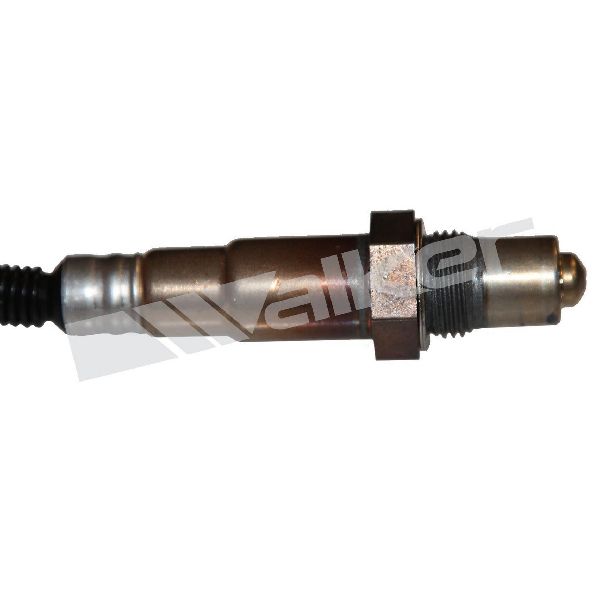
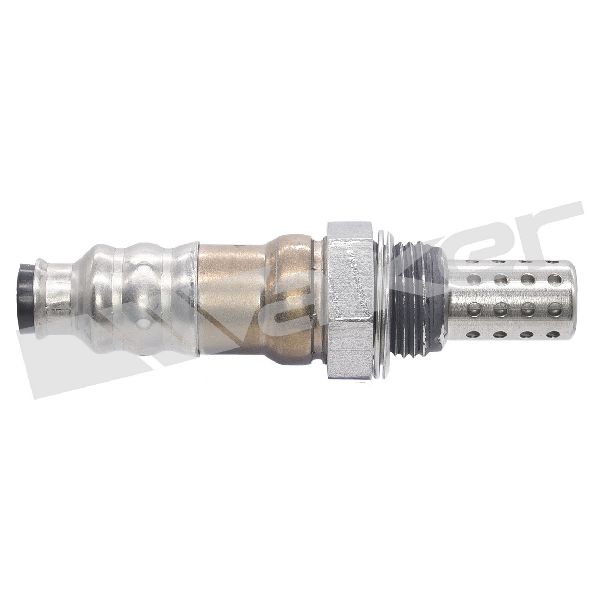
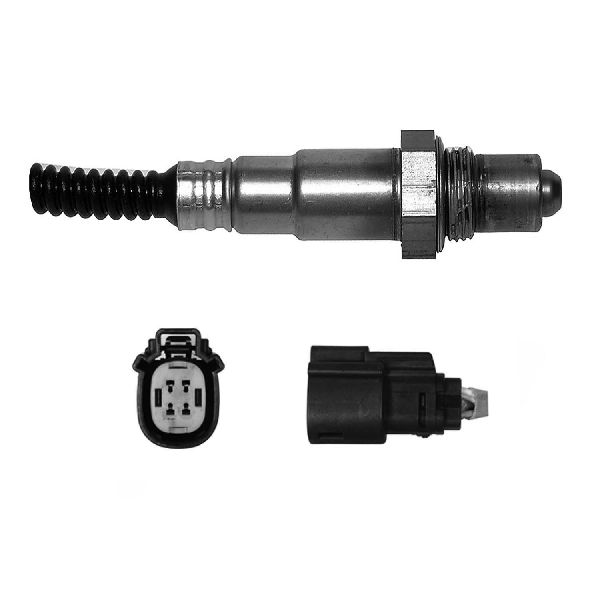
Aftermarket price range: $300-$700 - Downstream Oxygen Sensor
(OEM #CV6Z-9G444-A (Motorcraft DY1179))— A lazy or failed downstream O2 sensor can send incorrect data, falsely triggering a P0420 code. It's less common than the purge valve but a possible cause.
Trusted brands: Motorcraft, Bosch, Denso, NTK
OEM price range: $80-$150
Aftermarket price range: $50-$100
Related Codes That Often Appear With This One
- P1450 — This code for 'Unable to Bleed Up Fuel Tank Vacuum' is the most common companion to P0420 on this car. Both are primary symptoms of a stuck-open canister purge valve, as noted in TSB 16-0062 and Recall 18S32.
- P0456 — 'EVAP System Small Leak Detected'. This is another EVAP code that can be triggered by a faulty purge valve, and is listed as a possible related DTC in Ford's official service documents.
- P144A — 'EVAP Emission System Purge Vapor Line Restricted/Blocked'. An owner complaint cited this code alongside P0420 and P1450, pointing to a comprehensive EVAP system fault.
- P2196 — 'O2 Sensor Signal Biased/Stuck Rich (Bank 1, Sensor 1)'. This code is also listed in the TSB and recall information, as the constant flow of fuel vapor from the stuck purge valve can cause the upstream O2 sensor to report a persistent rich condition.
Technical Service Bulletins (TSBs) & Recalls
- 16-0062: Links inaccurate fuel gauge, P0420, P1450, and other codes to a faulty canister purge valve and potential fuel tank deformation.
Platform-Specific Known Issues
- Safety Recall 18S32 (NHTSA 18V735): Ford issued this recall because the PCM software may not adequately detect a stuck-open canister purge valve (CPV). This can lead to excessive vacuum, deforming the fuel tank, causing stalling, and triggering DTCs including P0420 and P1450. The fix involves reprogramming the PCM and, if symptoms or codes are present, replacing the purge valve and inspecting the fuel tank and canister for damage.
- TSB 16-0062: This TSB addresses an illuminated Malfunction Indicator Lamp (MIL) with multiple DTCs, including P0420 and P1450, which may also be accompanied by an inaccurate fuel gauge or distance-to-empty reading. It points towards a fault in the EVAP system, often the canister purge valve, as the root cause for what appears to be a catalyst efficiency issue.
Mechanic-Grade Diagnostic Values
- Canister Purge Valve Solenoid Resistance — expected: 15 to 30 Ohms. Failure: A reading far outside this range indicates a damaged internal circuit in the valve.
- Downstream O2 Sensor Voltage (at steady cruise) — expected: Relatively stable voltage, typically above 0.5V. Failure: Voltage that fluctuates rapidly, mirroring the upstream O2 sensor, indicates the catalyst is not storing oxygen correctly.
- Mode $06 - Catalyst Monitor Efficiency (TID $81, CID $01) — expected: The measured value should be below the maximum threshold set by the manufacturer.. Failure: If the scan tool shows the test value has exceeded the maximum limit, it confirms the PCM has detected a catalyst efficiency failure.
Scan Tool Commands That Help
- FORScan: EVAP System Test / Purge Valve Duty Cycle Control — This bidirectional command allows you to manually open and close the canister purge valve while the engine is running. You can command it to 50-60% duty cycle and listen for a distinct clicking sound, confirming the solenoid is activating. This is more definitive than a simple resistance test.
- FORScan: Read System Monitor Status — After a repair, you can use this function to see if the Catalyst, O2 Sensor, and EVAP monitors have completed their self-tests. If they show 'Complete', it means the PCM has run the necessary checks and has not detected a fault.
- FORScan: Mode $06 Test Results — Use this to view the raw test data from the PCM's last self-test of the catalyst system. It provides specific measurement values and the pass/fail thresholds, which can confirm a catalyst failure before the CEL is triggered again.
Wiring & Ground Locations
- Downstream O2 Sensor Connector — Located in the front section of the exhaust pipe, at the rear of the engine. The connector is a black, 4-terminal male plug.. Corrosion or damage to this connector or its wiring can cause incorrect signals from the downstream O2 sensor, leading to a false P0420 code. Inspecting the connector and harness is a key step before replacing the sensor itself.
- Upstream O2 Sensor Connector — Easily accessible at the top rear of the engine bay, with a distinctive blue wire leading to it. The connector itself is a 6-pin female plug.. While less likely to directly cause P0420, a faulty upstream sensor can affect fuel trim, which over time can damage the catalytic converter. A poor connection here can cause performance issues that indirectly lead to P0420.
Real Owner Repair Stories
- GenVibe Forums (2005 Toyota Matrix (similar P0420 diagnostic principle)) — Persistent P0420 Check Engine Light, occasionally with a P0171 (System Too Lean) code.
❌ Tried (didn't work) Replaced catalytic converter with an inexpensive aftermarket version, Replaced both upstream and downstream oxygen sensors, Replaced intake manifold gasket, Replaced spark plugs
✅ What actually fixed it Installing two spark plug non-foulers as spacers for the downstream oxygen sensor. This pulled the sensor out of the direct exhaust stream, tricking the computer into seeing a lower oxygen reading, which was sufficient to pass an emissions test. This indicates the aftermarket converter was not efficient enough for the PCM's standards.
OEM Part Supersession History
BV6Z-9D289-A, BV6Z-9D289-B→BV6Z-9D289-R— Standard part revision and improvement by the manufacturer to address reliability issues.
Model Year Variations Within This Range
- 2015-2018: The 2015 model year marked a significant facelift for the Focus, including a redesigned front end, new interior materials, and a revised infotainment system. While the primary 2.0L GDI engine remained the same, the PCM software and other vehicle electronics were updated. This can affect diagnostic procedures and which software updates (like the one in recall 18S32) are applicable.
Helpful Videos



Used OEM Parts in Stock

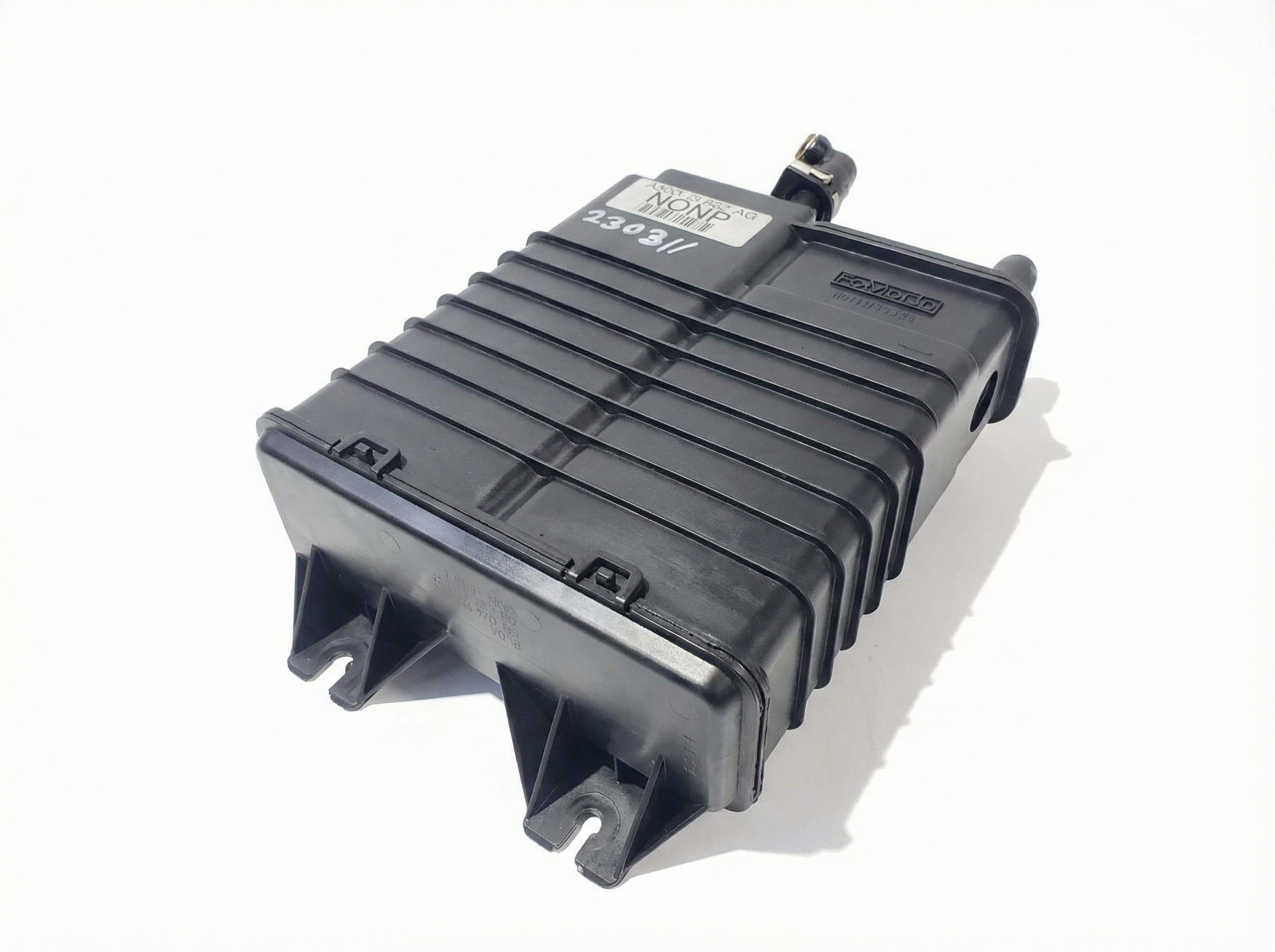
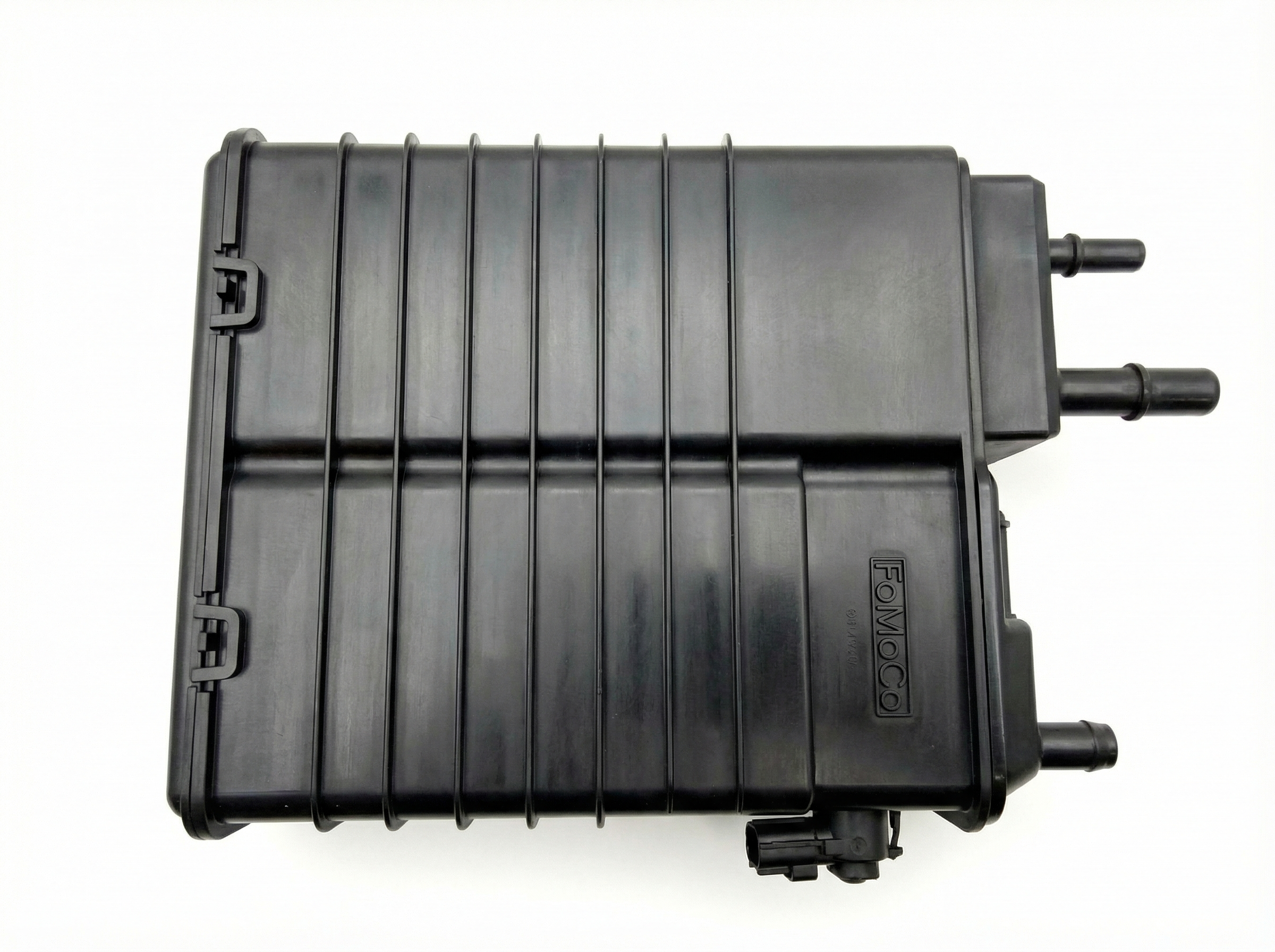
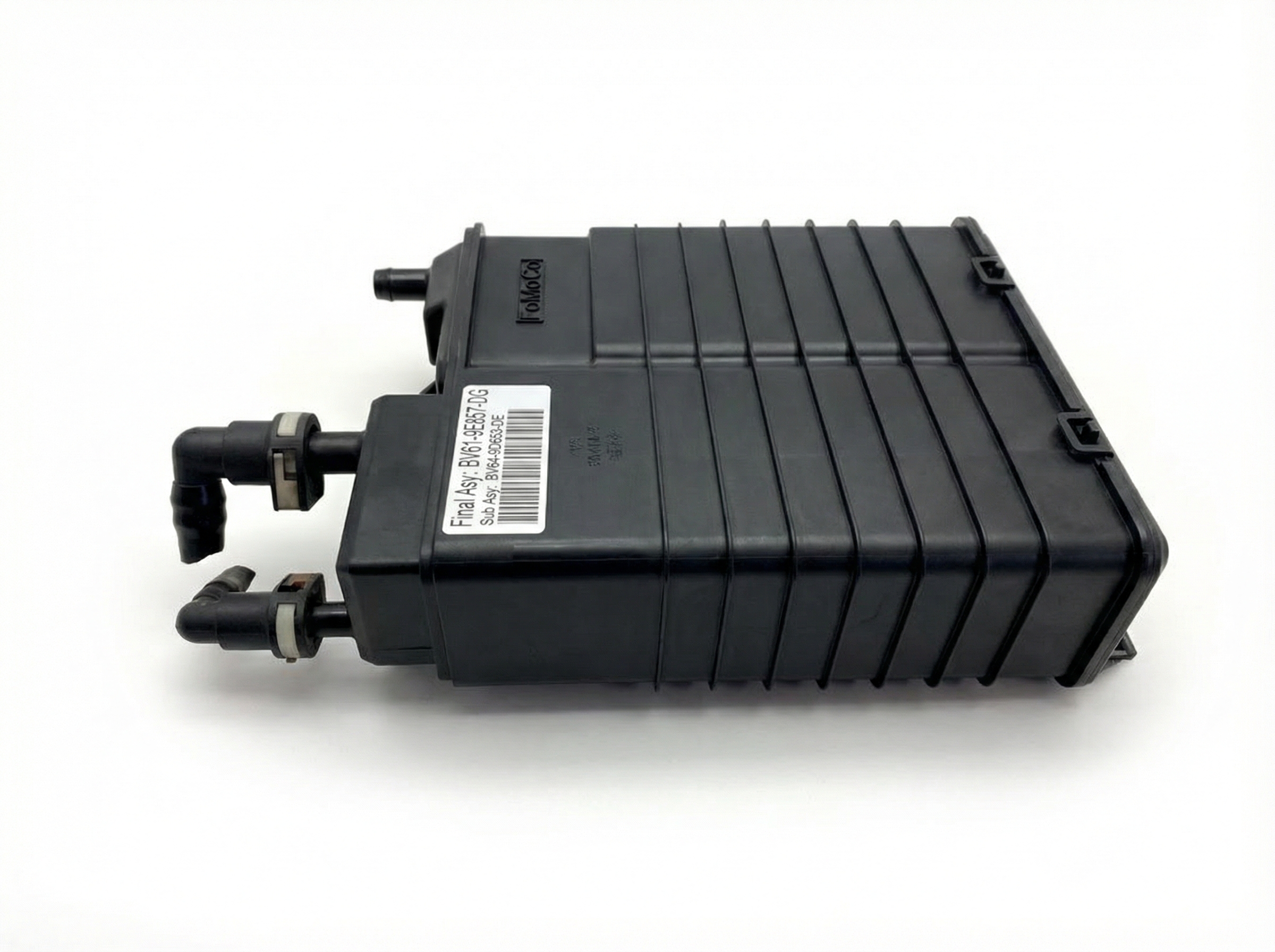

New Aftermarket Parts Available
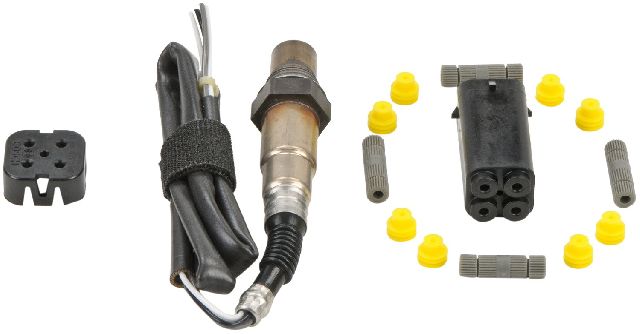


The information in this article is provided for general reference and educational purposes only. Vehicle specifications, procedures, and part compatibility can vary by production date, trim level, and region. Always consult your vehicle's factory service manual and verify part numbers before purchasing or performing repairs. Safety-critical components such as airbags, seat belts, and braking systems should be installed by a qualified professional.
- Ford FOCUS:
- 🎬 Helpful Videos
- 🛍️ Shop This Part
- What's Unique About the 2012-2015 Ford FOCUS
- Diagnostic Flowchart
- Symptoms You May Notice
- Most Likely Causes
- Rare But Worth Checking
- Diagnosis Steps
- Parts You'll Likely Need
- Related Codes That Often Appear With This One
- Technical Service Bulletins (TSBs) & Recalls
- Platform-Specific Known Issues
- Mechanic-Grade Diagnostic Values
- Scan Tool Commands That Help
- Wiring & Ground Locations
- Real Owner Repair Stories
- OEM Part Supersession History
- Model Year Variations Within This Range
- 🎟️ Get 5% Off