

P0420 on 2014-2018 Chevrolet Impala: Catalyst Efficiency Causes & Fixes
On a 2014-2018 Chevrolet Impala, P0420 often points to a failing catalytic converter. For V6 models, a known issue is a cracked converter flange, covered by TSB 17-NA-321 and potentially the 8yr/80k mile federal emissions warranty. Before replacing the converter, always check for exhaust leaks and test the oxygen sensors, as misdiagnosis is common.
- The most likely cause for P0420 on a 2014-2018 Impala is a failing catalytic converter, not a bad oxygen sensor.
- For V6 models, a known issue is a cracked converter flange; inspect this area carefully for cracks or soot before buying any parts.
- Always rule out exhaust leaks and test the oxygen sensors using a scan tool's live data before condemning the expensive catalytic converter.
- If you have a V6 and also see a P0430 code, it strongly points to the issue described in TSB #17-NA-321.
What's Unique About the 2014-2018 Chevrolet IMPALA

For the 2014-2018 Impala, particularly models with the 3.6L V6 engine, the P0420 code has a specific, documented cause beyond normal wear. General Motors issued Technical Service Bulletin (TSB) #17-NA-321 (which superseded PIP5419B) identifying a potential crack around the catalytic converter's mounting flange. This crack causes an exhaust leak that allows oxygen to enter the exhaust stream, confusing the O2 sensors and triggering the P0420 code, often accompanied by an audible exhaust leak or a smell of exhaust fumes in the cabin. This makes a thorough visual inspection of the converter and its flanges a critical first step on these vehicles. For the 2.5L engine, P0420 is often a secondary failure caused by catalyst contamination from excessive oil consumption.
Diagnostic Flowchart

Tap your situation to follow the diagnostic path that matches what you're seeing on this vehicle.
Symptoms You May Notice
- Check Engine Light is on
- Reduced engine power or sluggish acceleration
- Noticeable smell of exhaust fumes, sometimes described as rotten eggs
- Audible exhaust leak noise, often a ticking or hissing sound that is louder on a cold start
- Decreased fuel economy
- Rattling noise from under the vehicle if the internal catalyst substrate has broken apart 🎬 Watch: Identifying converter rattle noises on a 3.6L Impala
- Replacing the oxygen sensors without proper diagnosis. A P0420 code indicates the *efficiency* of the converter is low, which the O2 sensors are often correctly reporting. If the sensors are graphing data correctly, replacing them will not fix the underlying problem.
Most Likely Causes

- Cracked or Failing Catalytic Converter 🔴 High Probability TSB #17-NA-321 specifically calls out cracks around the catalytic converter mounting flange on 2014-2018 models with the 3.6L V6 engine. This is a known manufacturing defect. For the 2.5L engine, converters can fail due to contamination from engine oil if the vehicle suffers from excessive oil consumption. Beyond these specific issues, converters can also fail from age or damage from unresolved engine misfires.
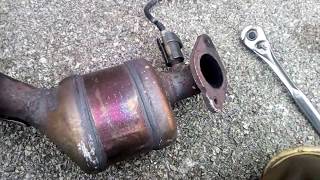
How to confirm: Visually inspect the catalytic converter and its flanges for cracks or black soot marks indicating a leak. A temperature gun can also be used; the outlet of a working converter should be at least 100°F hotter than the inlet after the engine is fully warmed up. If the outlet is cooler or at a similar temperature to the inlet, the converter is not functioning.
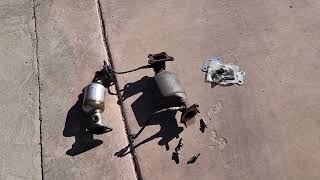
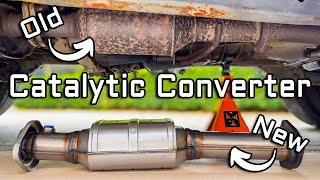
Typical fix: Replace the catalytic converter assembly. Per TSB #17-NA-321, a new service part should be used. 🎬 Watch: Step-by-step 3.6L catalytic converter replacement walkthrough This repair may be covered under the Federal Emissions Warranty (8 years/80,000 miles), although some owners have reported dealer disputes.
Est. part cost: $200-$1200 - Exhaust Leak 🟡 Medium Probability Leaks can occur at gaskets or flex pipes, but the TSB for cracked converter flanges makes this a particularly relevant cause for the 3.6L Impala. An exhaust leak before or near the O2 sensors allows outside air to enter the exhaust stream, which can corrupt sensor readings and lead to a false P0420 code.
How to confirm: Perform a visual and audible inspection of the entire exhaust system from the engine to the tailpipe. Look for black soot marks around flanges and listen for hissing or ticking sounds, especially when the engine is cold. A smoke test is the most definitive way to locate hard-to-find leaks.
Typical fix: Repair the leak. This may involve replacing a gasket, tightening bolts, or welding a crack. If the crack is on the converter body as described in the TSB, the entire converter must be replaced.
Est. part cost: $10-$150 - Faulty Oxygen (O2) Sensor ⚪ Low Probability While O2 sensors can fail on any vehicle, they are often replaced unnecessarily for a P0420 code. A faulty sensor is a possible cause, but it's more likely the sensor is accurately reporting a problem with the converter or an exhaust leak.
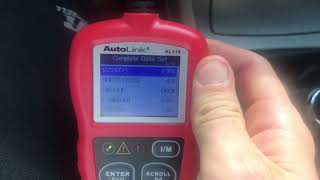
How to confirm: Use a scan tool with live data capability to graph the voltage of the upstream and downstream O2 sensors. The upstream sensor (Bank 1, Sensor 1) should fluctuate rapidly between approximately 0.1V and 0.9V. The downstream sensor (Bank 1, Sensor 2) should show a much steadier, flatter voltage (typically above 0.5V). If the downstream sensor is mirroring the upstream sensor's activity, the converter is likely bad. If the downstream sensor's reading is flat, stuck low (e.g., <0.2V), or slow to respond, the sensor itself may be faulty. 🎬 See how to troubleshoot O2 sensors and converter efficiency
Typical fix: Replace the faulty oxygen sensor. Bank 1 Sensor 2 is the downstream sensor.
Est. part cost: $30-$120
Rare But Worth Checking
- Engine Misfire or Fuel System Issue: An underlying engine problem (like a bad spark plug, failing ignition coil, or leaky fuel injector) can cause unburned fuel to enter the exhaust, overheating and permanently damaging the catalytic converter. If other codes (like misfire codes P0300-P0306 or fuel trim codes like P0172/P2097) are present, they must be addressed first to prevent destroying a new converter.
- PCM Software Calibration Error: While less common for this specific model, other Chevrolet vehicles have had TSBs issued for P0420 caused by overly sensitive PCM software. Checking with a dealer for any available software updates can be a final diagnostic step if all hardware checks out.
Diagnosis Steps
- Read the code with an OBD-II scanner and check for any other stored codes. Address any misfire (P030x), fuel system (P017x, P209x), or O2 sensor circuit codes first.
- Perform a thorough visual inspection of the exhaust system with the engine off. Pay extremely close attention to the catalytic converter flanges for cracks, as noted in TSB #17-NA-321, especially on the 3.6L V6. Look for any signs of leaks, such as black soot or broken hangers.
- Start the engine when cold and listen for any exhaust leak sounds (ticking, hissing).
- Use a scan tool to observe the live data from the upstream (Sensor 1) and downstream (Sensor 2) oxygen sensors for Bank 1. A good converter will show a steady, relatively flat voltage from the downstream sensor, while a failing one will show the downstream sensor fluctuating similarly to the upstream sensor.
- With the engine fully warmed up (driven for 15-20 minutes), use an infrared thermometer to measure the temperature of the exhaust pipe just before and just after the catalytic converter. The outlet should be at least 100°F hotter than the inlet. If not, the converter has failed.
- If an exhaust leak is suspected but not visible, perform a smoke test to pinpoint the source.
- If all other possibilities are ruled out, the catalytic converter is the most likely cause.
Parts You'll Likely Need
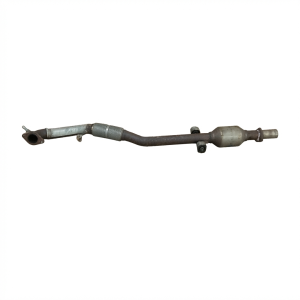
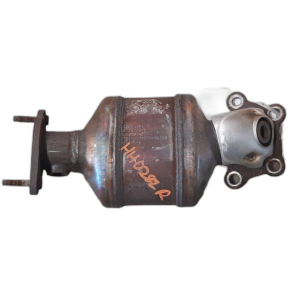
- Catalytic Converter (Bank 1, Rear for V6)
(OEM #3.6L V6 (Bank 1/Rear): 84216836 (replaces 20929196); 2.5L I4: 19420234 (Federal) or 19420231 (California/PZEV))— This is the most common cause of P0420, especially on V6 models with the known flange crack issue. Part numbers vary by engine and emissions type.
Trusted brands: ACDelco (GM Genuine), Walker, MagnaFlow, Eastern Catalytic
OEM price range: $600-$1200
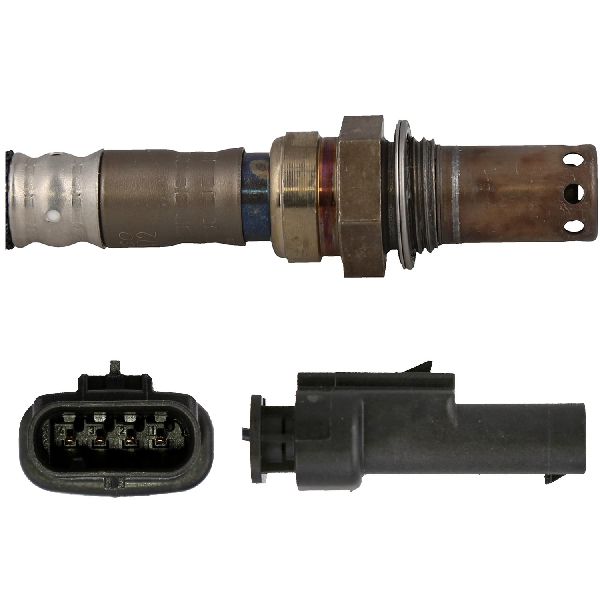
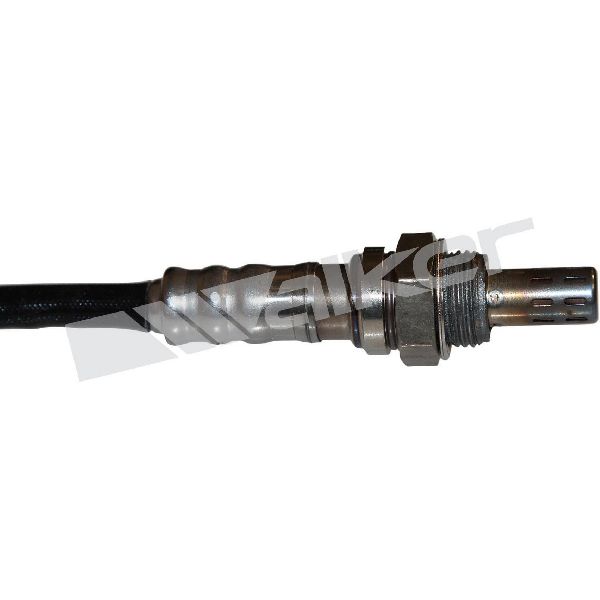
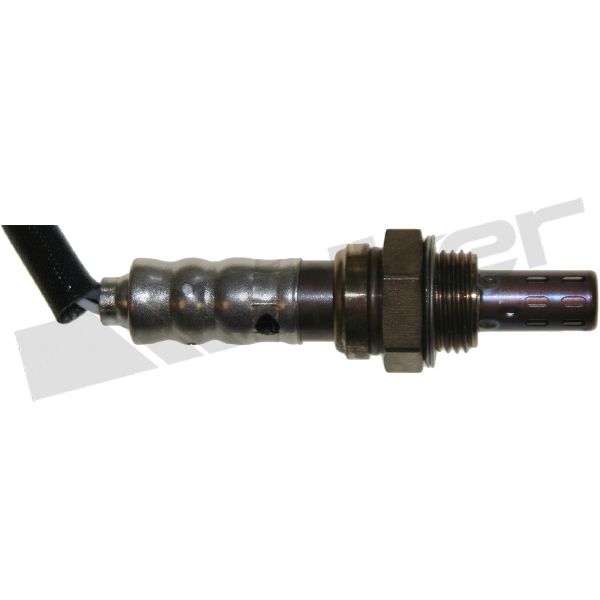
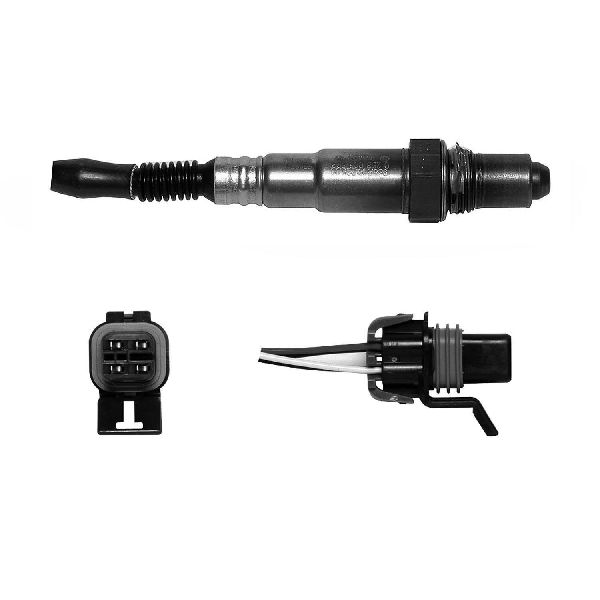
Aftermarket price range: $250-$700 - Downstream Oxygen Sensor (Bank 1, Sensor 2)
(OEM #13503594)— Though less common than a bad converter, a failing O2 sensor can cause this code. It's often replaced during a converter job as a preventative measure.
Trusted brands: ACDelco, Denso, Bosch, NGK
OEM price range: $80-$150
Aftermarket price range: $30-$90 - Exhaust Gasket — Necessary when replacing the catalytic converter or fixing an exhaust leak at a flange. Always use new gaskets when replacing components.
Trusted brands: Fel-Pro, Walker, ACDelco
OEM price range: $15-$40
Aftermarket price range: $5-$20
Related Codes That Often Appear With This One
- P0430 — This is the equivalent code for Bank 2 (the front/radiator side bank on V6 engines). TSB #17-NA-321 mentions that P0420 and P0430 can appear together, indicating a potential issue with the converter assembly on V6 models, as both sides can crack.
- P2097 — This code for 'Post Catalyst Fuel Trim System Too Rich' can be caused by an exhaust leak, which is also a primary trigger for P0420 on this vehicle. A long-term rich condition can also damage the converter, eventually causing a P0420 code.
Technical Service Bulletins (TSBs) & Recalls
- 17-NA-321: Exhaust Smell and/or Leak with Possible Malfunction Indicator Lamp Illuminated, potentially setting DTC P0420 and/or P0430, due to a cracked catalytic converter mounting flange. This bulletin supersedes PIP5419B.
- PIP5419B: The previous version of the bulletin addressing the same cracked converter issue, now replaced by 17-NA-321.
Platform-Specific Known Issues
- TSB #17-NA-321: Some customers may experience an exhaust smell or leak with a P0420 and/or P0430 code. This may be due to a crack around the catalytic converter mounting flange on 3.6L V6 models. The official correction is to replace the converter assembly.
- Federal Emissions Warranty: The catalytic converter and PCM are covered under the Federal Emissions Control System Warranty for 8 years or 80,000 miles. Owners experiencing P0420 within this window should contact a dealer, though the specific cause (like the TSB-identified crack) may lead to service disputes.
Mechanic-Grade Diagnostic Values
- Downstream O2 Sensor (Bank 1 Sensor 2) Voltage — expected: Steady voltage above 650 millivolts (0.65V) when the converter is hot and working efficiently.. Failure: Voltage fluctuates in a pattern similar to the upstream sensor, or stays consistently low.
- O2 Sensor Heater Element Resistance — expected: Approximately 5 to 15 ohms when measured across the two heater circuit wires of the sensor connector.. Failure: An open circuit (infinite resistance) or a reading far outside the expected range indicates a failed internal heater, requiring sensor replacement.
- Mode $06 Catalyst Monitor Test — expected: A 'Pass' result on the catalyst monitor test (e.g., TID $21). The raw test value should be well below the maximum failure threshold provided by the scan tool.. Failure: A 'Fail' result, or a test value that is very close to the maximum limit, indicates the catalyst's oxygen storage capacity has degraded.
Hidden / Shadow Codes Worth Checking
- Mode $06, TID $21 (Catalyst Monitor Bank 1): This is not a DTC, but a raw data report from the PCM's self-test of the Bank 1 catalytic converter. It provides the actual measured efficiency value against the PCM's programmed pass/fail threshold. (see via A professional scan tool capable of displaying Mode $06 data. This allows a technician to see if the converter is borderline failing, even before the P0420 code becomes permanent.)
Scan Tool Commands That Help
- GDS2 (or equivalent professional scanner): Catalyst Monitor Test — After a repair (like replacing a converter or O2 sensor), a technician can use this function to command the PCM to run the catalyst efficiency test under controlled conditions to verify the fix, rather than waiting for the monitor to run during normal driving.
- GDS2 (or equivalent professional scanner): Active Fuel Injector Test (AFIT) — If a rich condition is suspected (e.g., if P2097 is also present), this bidirectional test can be used to command each fuel injector individually and check for leaks or flow rate issues that could be contaminating the catalytic converter.
Wiring & Ground Locations
- G103 — On the cowl in the left rear of the engine compartment, often above the brake booster.. This is a major ground point for the Body Control Module (BCM) and the Data Link Connector (DLC). A poor connection here can cause erratic communication and diagnostic issues, though it's less likely to be a direct cause of P0420.
- G102 — Located at the left rear of the engine.. This ground is for the ignition coils. A faulty ground here can lead to weak spark and engine misfires, which will quickly destroy a catalytic converter and cause a P0420 code.
- Engine/Transmission Grounds (e.g., G113) — Various points on the engine block and transaxle case, such as G113 on the left side of the transaxle.. The PCM and its sensors, including the oxygen sensors, rely on clean engine and transmission grounds for an accurate reference voltage. A corroded or loose ground strap can cause fluctuating sensor readings, potentially leading to a false P0420 code.
Real Owner Repair Stories
- GenVibe Forums (2005 Pontiac Vibe (uses similar OBD-II logic)) — Persistent P0420 code.
❌ Tried (didn't work) Replacing the catalytic converter, Replacing both upstream and downstream oxygen sensors, Replacing the intake manifold gasket, Replacing spark plugs
✅ What actually fixed it Installing two spark plug non-foulers on the downstream O2 sensor to pull its probe slightly out of the direct exhaust stream. This tricked the PCM into seeing a larger difference between the upstream and downstream sensor readings, clearing the code. - Tony Fix it (YouTube) (Vehicle with 3.6L V6 engine, under 60,000 miles) — P0420 code for the firewall-side cat (Bank 1) returned even after a new catalytic converter was installed.
❌ Tried (didn't work) Replacing the Bank 1 catalytic converter.
✅ What actually fixed it The root cause was a previous, poorly-done repair on the exhaust flex pipe. The welds were incomplete and sealed with muffler cement that had failed, creating an exhaust leak near the downstream oxygen sensor. Correctly re-welding the flex pipe to seal the leak resolved the P0420 code.
"I Checked Everything" — The Actual Cause
- A cracked plastic retainer on the PCV inlet tube where it connects to the main air intake snorkel, after the Mass Airflow (MAF) sensor. This allows a small amount of unmetered air to enter the engine, leaning out the mixture slightly. The PCM compensates by adding fuel, which can alter exhaust chemistry enough to affect the catalyst monitor and trigger a P0420 code over time. This type of leak is in the intake system and would not be found with an exhaust smoke test.
Model Year Variations Within This Range
- 2015-2019: The 2.5L I4 engine gained engine start/stop technology for improved city fuel economy starting in the 2015 model year.
- 2017-2020: The high-end LTZ trim level was renamed to 'Premier' starting with the 2017 model year.
- 2016+: Apple CarPlay compatibility was added to the MyLink infotainment system.
Helpful Videos
Used OEM Parts in Stock
New Aftermarket Parts Available



The information in this article is provided for general reference and educational purposes only. Vehicle specifications, procedures, and part compatibility can vary by production date, trim level, and region. Always consult your vehicle's factory service manual and verify part numbers before purchasing or performing repairs. Safety-critical components such as airbags, seat belts, and braking systems should be installed by a qualified professional.
- Chevrolet IMPALA:
- 🎬 Helpful Videos
- 🛍️ Shop This Part
- What's Unique About the 2014-2018 Chevrolet IMPALA
- Diagnostic Flowchart
- Symptoms You May Notice
- Most Likely Causes
- Rare But Worth Checking
- Diagnosis Steps
- Parts You'll Likely Need
- Related Codes That Often Appear With This One
- Technical Service Bulletins (TSBs) & Recalls
- Platform-Specific Known Issues
- Mechanic-Grade Diagnostic Values
- Hidden / Shadow Codes Worth Checking
- Scan Tool Commands That Help
- Wiring & Ground Locations
- Real Owner Repair Stories
- "I Checked Everything" — The Actual Cause
- Model Year Variations Within This Range
- 🎟️ Get 5% Off