

P0420 on 2016-2019 Chevrolet Camaro: Catalyst Efficiency Causes & Fixes
On a 2016-2019 Camaro, code P0420 often points to a bad catalytic converter, but a known issue with the airbox seal (per TSB #16-NA-111) or an exhaust leak should be checked first. A faulty oxygen sensor is also a common cause. Forum discussions frequently highlight that even tiny exhaust leaks, especially after installing aftermarket parts, are a primary trigger for this code.
- Before buying any parts, inspect the air filter and airbox for a perfect seal, as specified in TSB #16NA111.
- Thoroughly check for exhaust leaks between the engine and the rear oxygen sensor, especially if you have an aftermarket exhaust.
- Use a scan tool to analyze O2 sensor data. This is the best way to determine if the fault lies with the sensor or the catalytic converter itself.
- Do not replace the catalytic converter unless you have ruled out all other possibilities, as it is the most expensive component.
What's Unique About the 2016-2019 Chevrolet CAMARO

While P0420 commonly means a bad catalytic converter on most cars, the 2016-2019 Camaro has specific, documented issues. General Motors issued Technical Service Bulletin #16-NA-111 which points to a faulty air box or air filter seal as a potential cause for P0420 and P0430 codes. This TSB explains that debris bypassing the seal can contaminate the O2 sensors and even block the catalytic converter. Additionally, for V6 models, TSB PIP5419 notes that cracks can form on the exhaust pipe flange, creating a leak that mimics a bad converter. Forum members on Camaro6.com repeatedly stress that even minuscule exhaust leaks from aftermarket exhaust clamps or header installations are a very common trigger for this code.
Diagnostic Flowchart

Tap your situation to follow the diagnostic path that matches what you're seeing on this vehicle.
Symptoms You May Notice
- Check Engine Light is on.
- Vehicle fails emissions test.
- Possible reduction in engine performance or fuel economy.
- A 'rotten egg' or sulfur smell from the exhaust in some cases.
- In severe cases of a clogged converter, the car may feel sluggish or struggle to accelerate.
- Replacing the catalytic converter immediately without checking for air intake leaks (per TSB #16-NA-111), exhaust leaks, or testing the oxygen sensors first. A faulty O2 sensor or a simple leak is a much cheaper fix. One owner on Camaro6 had a dealer replace an O2 sensor and a catalytic converter under warranty, but the code returned until an independent shop found and welded an exhaust leak at a clamp. 🎬 Watch: How one owner fixed a Camaro P0420 for just $20.
Most Likely Causes

- Improperly Sealed Air Box or Air Filter 🔴 High Probability A known issue documented in GM TSB #16-NA-111. An air leak before the mass airflow sensor can allow sand and debris to bypass the filter, contaminating the O2 sensor element and potentially clogging the converter. This is a critical first check on this platform.
How to confirm: Visually inspect the air box assembly, its closing tabs, and the air filter seal for any signs of damage, improper fitment, or debris preventing a tight seal. Check the air intake tube downstream of the filter for any dust or sand.
Typical fix: Reseat the air filter and air box cover correctly. Replace the air filter if dirty or the air box assembly if it's warped or broken.
Est. part cost: $20-$150 - Exhaust Leak 🔴 High Probability Forum discussions on Camaro6.com are filled with owners who traced a P0420 code to an exhaust leak, especially after installing aftermarket headers or cat-back systems. Even a "mouse fart" sized leak at a clamp or flange before the rear O2 sensor can draw in oxygen and trigger the code. For V6 models, TSB PIP5419 points to potential cracks at the manifold flange weld.
How to confirm: Perform a visual inspection of the exhaust system from the engine to the rear O2 sensor. Look for black soot marks, cracks, or listen for hissing/ticking sounds. A smoke test is the most effective way to find small leaks. 🎬 See how to find tiny exhaust leaks using a smoke machine. Some owners suggest applying high-temp RTV sealant like Permatex Ultra Copper to slip-fit connections to ensure a perfect seal.
Typical fix: Repair the leak by replacing gaskets, re-clamping connections (sometimes with upgraded T-bolt style clamps), or welding a crack.
Est. part cost: $10-$200 - Failed Catalytic Converter 🔴 High Probability This is a common cause for P0420 on any vehicle. It can fail from age, or be damaged by underlying engine issues like misfires, a rich fuel condition, or contamination from an airbox leak.
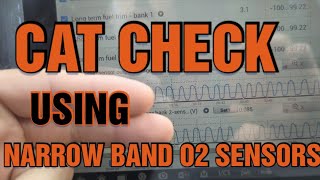
How to confirm: After confirming O2 sensors are working, use a scan tool to watch live data. If the downstream O2 sensor voltage graph mimics the upstream sensor's graph, the converter is not storing oxygen and has failed. An infrared thermometer should also show the outlet of the converter is at least 100°F hotter 🎬 Watch: EricTheCarGuy shows you how to diagnose a bad catalytic converter. than the inlet.
Typical fix: Replace the Bank 1 catalytic converter. Note that emissions components may be covered under a federal warranty for 8 years/80,000 miles. In California, this warranty may be longer.
Est. part cost: $400-$1700 - Faulty Downstream Oxygen (O2) Sensor 🟡 Medium Probability A lazy or failed post-catalyst O2 sensor can send incorrect data to the PCM, making a good catalytic converter appear to be bad. This is a frequent point of misdiagnosis, as detailed in a Camaro6 forum thread where a dealer replaced a converter only to find the issue was a simple exhaust clamp leak.
How to confirm: Using a scan tool with live data, observe the Bank 1 Sensor 2 voltage. It should be relatively stable and steady. If it is stuck at one voltage, mirrors the upstream sensor, or responds very slowly, the sensor is likely faulty.
Typical fix: Replace the Bank 1, Sensor 2 (downstream) oxygen sensor. The ACDelco GM Genuine part number is often 12671087 or similar, depending on the specific engine.
Est. part cost: $50-$150
Rare But Worth Checking
- Engine Misfires or Fuel System Issues: Codes like P0300-P0308 (misfires) or P2097 (Post Catalyst Fuel Trim System High Limit) can be the root cause. Unburnt fuel from a misfire can enter the exhaust and overheat the catalytic converter, destroying it. Always fix misfire or fuel system codes before replacing a converter.
- ECM Calibration Issue: In some cases, the logic within the Engine Control Module (ECM) can be too sensitive. GM has issued bulletins for other vehicles (e.g., TSB 19-NA-248) for P0420 caused by a calibration error. A dealer may need to reprogram the ECM to the latest software version. This is especially relevant if no physical faults can be found.
- Aftermarket Tune/Modifications: Installing long-tube headers without high-flow cats will almost certainly cause a P0420/P0430 code. A proper tune is required to disable these codes, but modern tuning software like HP Tuners has restricted this ability. Importantly, on 2017+ models, if the code sets *before* it is tuned out, it can become a permanent DTC that is very difficult to clear.
Diagnosis Steps
- Read all stored DTCs with an OBD-II scanner. Address any misfire, fuel system, or other O2 sensor codes first, as they are likely the root cause.
- Thoroughly inspect the air intake system, specifically the air filter box and its seal, for any damage or improper fitment as described in TSB #16-NA-111. Check for debris in the intake tract past the filter.
- Visually and audibly inspect the exhaust system for leaks, especially at clamps and flanges between the engine and the rear O2 sensor. Pay close attention to aftermarket connections. A smoke test is the most accurate method.
- For V6 models, specifically inspect the weld where the exhaust manifold/pipe bolts to the engine for cracks, as noted in TSB PIP5419.
- Use a scan tool to graph the voltage of the upstream (Bank 1 Sensor 1) and downstream (Bank 1 Sensor 2) oxygen sensors. The upstream sensor should fluctuate rapidly between approximately 0.1V and 0.9V. The downstream sensor should hold a relatively steady, high voltage (typically >0.6V).
- If the downstream sensor's graph mirrors the upstream sensor's fluctuations, the catalytic converter is not functioning correctly.
- If the downstream sensor's voltage is flat, stuck, or slow to respond, the sensor itself is likely the problem.
- If all else checks out, especially if modifications are present or the code is persistent with no clear cause, check for any available ECM software updates at a dealership.
Parts You'll Likely Need

- Catalytic Converter (Bank 1)
(OEM #Varies by engine (e.g., GM 23483448 for some V8 models))— This is the part indicated by the code if it has truly failed due to age or damage from other engine issues. Replacement costs can be high.
Trusted brands: ACDelco (GM Genuine), Walker Exhaust, MagnaFlow
OEM price range: $800-$1700
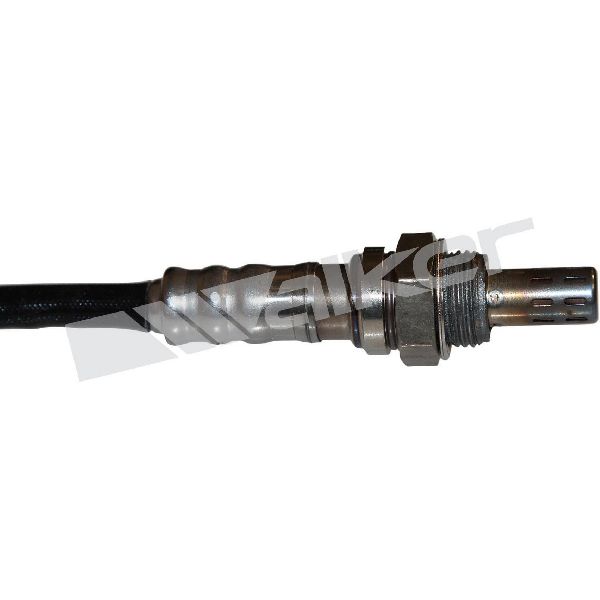
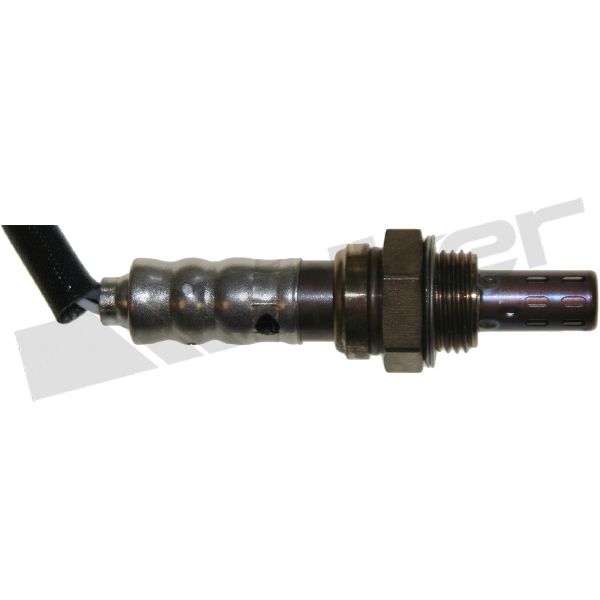
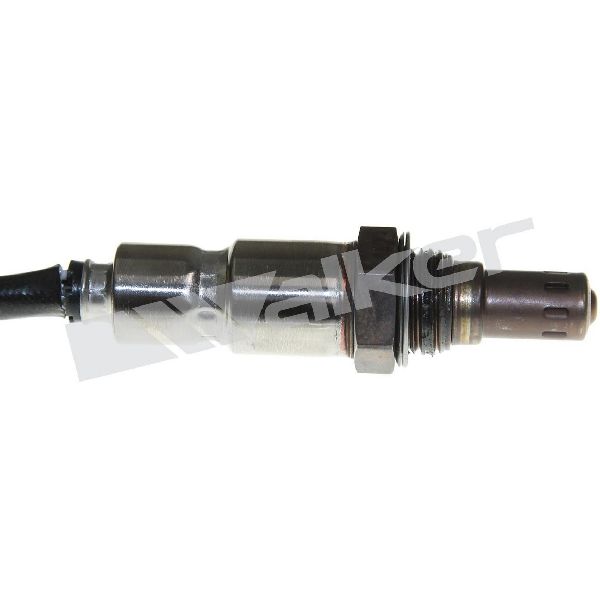
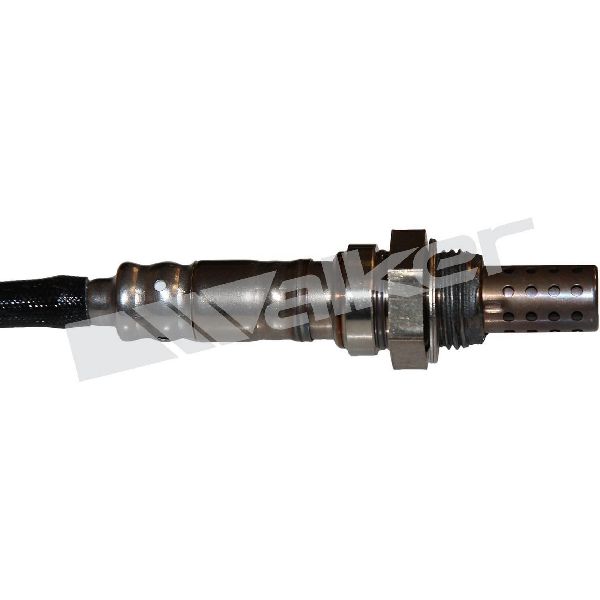
Aftermarket price range: $400-$900 - Downstream Oxygen Sensor (Bank 1, Sensor 2)
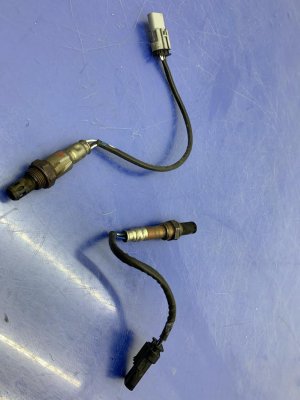
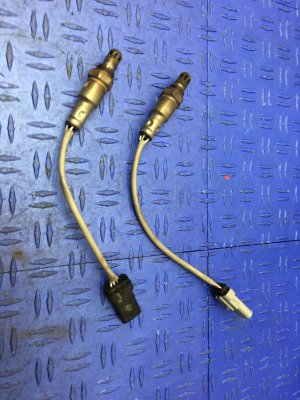
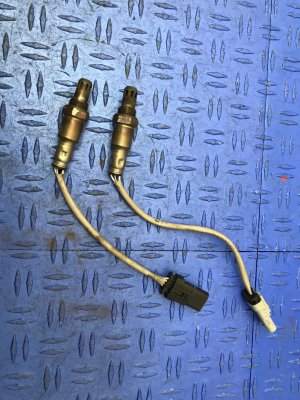
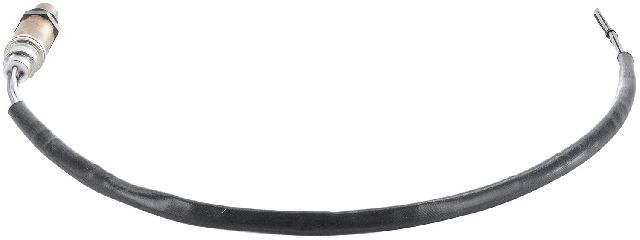
(OEM #ACDelco 12671087)— This sensor is responsible for monitoring the converter's efficiency. A faulty sensor can mimic a bad converter and is a common misdiagnosis. It's often replaced as a preventative measure when the converter is replaced.
Trusted brands: ACDelco (GM Genuine), Denso, Bosch, NTK
OEM price range: $50-$100
Aftermarket price range: $30-$80
Related Codes That Often Appear With This One
- P0430 — This is the identical code for Bank 2 (passenger side). TSB #16-NA-111 mentions that the airbox seal issue can cause both codes simultaneously. If both appear together, it points towards a systemic problem affecting both banks, such as the air intake, a bad tune, or fuel issues.
- P0300-P0308 — These are misfire codes. A persistent misfire allows unburned fuel to enter the exhaust, which will quickly damage the catalytic converter and cause a P0420 code.
- P2097 — This code for 'Post Catalyst Fuel Trim System High Limit' can appear with P0420, often pointing to a mismatch in readings between the pre- and post-cat O2 sensors. This combination frequently suggests an exhaust leak or a rich running condition that the system is trying to compensate for.
Technical Service Bulletins (TSBs) & Recalls
- 16-NA-111: Diagnostic Tip for Malfunction Indicator Light (MIL) Illuminated, DTC P0420 and P0430 Set. Points to air box seal issues.
- PIP5419: Mentions potential for exhaust pipe flange cracks on 3.6L V6 engines causing P0420/P0430.
Platform-Specific Known Issues

- TSB #16-NA-111 indicates that an improperly sealed air box or air filter can cause DTCs P0420 and P0430. Debris entering the intake can damage the O2 sensor and clog the catalytic converter.
- TSB #PIP5419 (for V6 models) points to a potential for cracks to develop at the exhaust pipe-to-manifold flange, causing a leak that triggers catalyst codes.
- Owners on forums frequently report P0420 after installing aftermarket headers or cat-back exhausts, almost always traced back to a small leak at a connection clamp.
Mechanic-Grade Diagnostic Values
- Upstream O2 Sensor (Bank 1 Sensor 1) Voltage — expected: Rapidly fluctuating between ~0.1V (lean) and ~0.9V (rich) during closed-loop operation.. Failure: Slow, lazy, or flat-lined voltage.
- Downstream O2 Sensor (Bank 1 Sensor 2) Voltage — expected: Relatively stable and steady voltage, typically above 0.45V (often 0.6V to 0.8V) when the catalyst is hot and working efficiently.. Failure: Voltage mimics the rapid fluctuations of the upstream sensor, indicating the catalyst is not storing oxygen. Voltage dropping below 0.450V frequently can also indicate a problem.
- Mode $06 Catalyst Efficiency Test (TID $81) — expected: The test result value should be below the maximum limit specified by the manufacturer's data. A value of 0 or 1 count often indicates a passing test.. Failure: The test result value exceeds the maximum threshold. On some GM systems, a value greater than 1 count indicates a failing test.
Scan Tool Commands That Help
- GDS2 (GM Global Diagnostic System 2): Catalyst System Test — This is a guided diagnostic function that runs the engine at specific RPMs and loads to actively test the catalyst monitor. It can help confirm a P0420 failure without extensive driving by forcing the monitor to run under controlled conditions.
- GDS2 (GM Global Diagnostic System 2): Oxygen Sensor Heater Test — Before condemning an O2 sensor for slow response, this bidirectional test commands the heater circuit on and off to verify its integrity. A failed heater will prevent the sensor from reaching operating temperature quickly, affecting its readings and potentially triggering other codes.
Wiring & Ground Locations
- Engine Harness Ground (Passenger Side) — On the rear of the passenger side cylinder head, near the firewall. A second ground point is on the engine block underneath the passenger exhaust manifold, near the starter.. A poor ground connection at these locations can cause erratic behavior in the ECM and its sensors, including the oxygen sensors. The ground near the starter has been reported by owners to be loose from the factory, causing various issues. A stable ground is critical for accurate sensor voltage readings.
- Bank 1 O2 Sensor Connectors — Bank 1 (driver's side on V8/V6 models). Sensor 1 (upstream) is on the exhaust manifold/header before the catalytic converter. Sensor 2 (downstream) is located after the primary catalytic converter.. These are the direct connection points for the sensors that trigger the P0420 code. Inspecting for corrosion, damage, or loose pins is a key diagnostic step. Aftermarket headers may require harness extensions (e.g., BBK Part No. 1113) to reach the new sensor locations.
Real Owner Repair Stories
- Camaro6 Forum user 'Diamond' (2018 Camaro ZL1) — Check engine light with code P0420 appeared shortly after purchasing the car, which had an aftermarket AWE cat-back exhaust installed.
❌ Tried (didn't work) Resetting the code (it returned)., Dealership replaced the Bank 1 O2 sensor (light returned within 5 miles)., Dealership replaced the Bank 1 catalytic converter (light returned within 2 miles)., Dealership installed a supposedly 'missing' clamp on the catalytic converter (light returned within 3 miles).
✅ What actually fixed it The user suspected the root cause was a small exhaust leak at the connection point where the aftermarket AWE system attached to the factory primary catalysts, allowing air to be drawn in and skewing the post-cat O2 sensor reading. The final resolution was not posted by the original user, but subsequent posters confirmed this is the most likely cause.
OEM Part Supersession History
Unknown→12671087 (ACDelco)— Standard part evolution and consolidation across multiple GM platforms.
Heads up: Part 12671087 is a heated oxygen sensor used in multiple positions (Left/Right Rear/Lower) on many GM vehicles. Always verify fitment with VIN, but it is the commonly cited service part for this application.
Model Year Variations Within This Range
- 2019: The 2019 model year received a significant facelift, primarily affecting the front and rear fascias, especially on the SS model. While this didn't directly change the P0420 causes, the 8-speed automatic transmission in SS models was replaced by a 10-speed automatic. Some forum users also noted changes to the factory exhaust tuning for more 'pops and burbles' on 2019+ models, indicating potential minor calibration differences.
- 2016-2018: These early 6th-gen models featured the original front-end styling and the 8-speed automatic transmission (8L90 in the SS). The 8-speed transmission has been the subject of some owner complaints and class-action lawsuits for shuddering, which, while not a direct cause of P0420, can contribute to owner concern about overall powertrain health.
Helpful Videos
Used OEM Parts in Stock
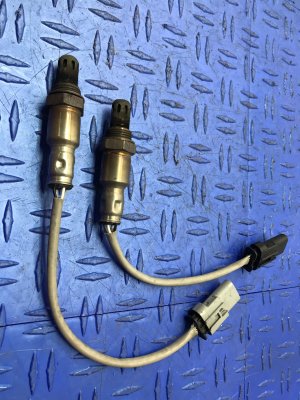
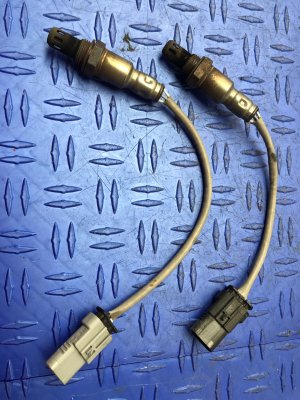
New Aftermarket Parts Available
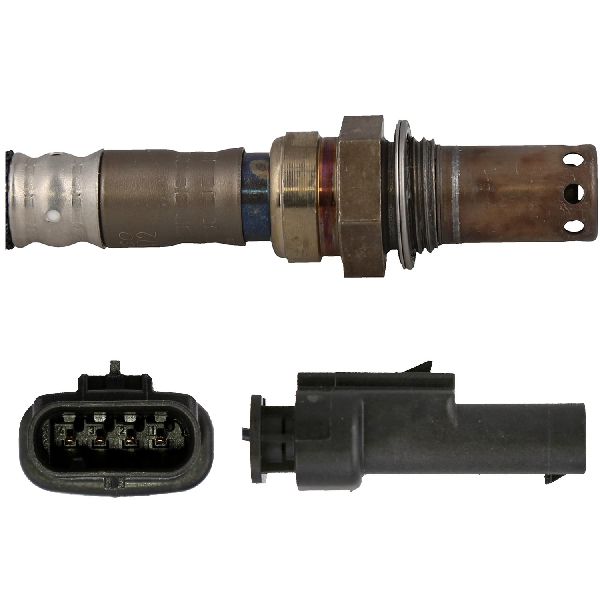

The information in this article is provided for general reference and educational purposes only. Vehicle specifications, procedures, and part compatibility can vary by production date, trim level, and region. Always consult your vehicle's factory service manual and verify part numbers before purchasing or performing repairs. Safety-critical components such as airbags, seat belts, and braking systems should be installed by a qualified professional.
- Chevrolet CAMARO:
- 🎬 Helpful Videos
- 🛍️ Shop This Part
- What's Unique About the 2016-2019 Chevrolet CAMARO
- Diagnostic Flowchart
- Symptoms You May Notice
- Most Likely Causes
- Rare But Worth Checking
- Diagnosis Steps
- Parts You'll Likely Need
- Related Codes That Often Appear With This One
- Technical Service Bulletins (TSBs) & Recalls
- Platform-Specific Known Issues
- Mechanic-Grade Diagnostic Values
- Scan Tool Commands That Help
- Wiring & Ground Locations
- Real Owner Repair Stories
- OEM Part Supersession History
- Model Year Variations Within This Range
- 🎟️ Get 5% Off