

P0420 on 2012-2018 Cadillac Escalade ESV: Catalyst Efficiency Causes & Fixes
The P0420 code on a 2012-2018 Cadillac Escalade ESV most often indicates a failing catalytic converter on Bank 1. However, before replacing this expensive part, it's crucial to rule out faulty oxygen sensors, exhaust leaks, and a unique issue with the air filter box seal mentioned in GM Technical Service Bulletin #16-NA-111, which can allow debris to enter and damage emissions components.
- P0420 on your Escalade means the passenger-side catalytic converter system is inefficient.
- Before replacing the expensive catalytic converter, always check for other causes first.
- Inspect the air filter box for a proper seal, as this is a known issue on these trucks (TSB #16NA111).
- Check for exhaust leaks between the engine and the rear O2 sensor.
- Use a scan tool to analyze O2 sensor data to confirm if the converter is bad or if a sensor is failing.
What's Unique About the 2012-2018 Cadillac ESCALADE ESV
The Cadillac Escalade ESV from this era uses a large 6.2L V8 engine, which places significant demand on the emissions system. While catalytic converter failure is common across many vehicles with this code, these specific GM trucks have a documented issue where a poor seal on the air filter box can trigger a P0420 code, as outlined in TSB #16-NA-111. This TSB explains that excessive sand or debris can bypass a faulty air filter seal, potentially damaging the O2 sensor element and even blocking the catalytic converter with particles. This is an unusual but important diagnostic step that is specific to this platform and can save owners from an unnecessary and expensive converter replacement.
Diagnostic Flowchart
Tap your situation to follow the diagnostic path that matches what you're seeing on this vehicle.
Generation note: This range covers two generations of the Escalade ESV. The 2012-2014 models belong to the third generation (GMT900 platform) with the 6.2L L94 V8. The 2015-2018 models are the fourth generation (K2XX platform) with the 6.2L L86 V8. While the fundamental cause of the code is the same, part numbers for converters and sensors will differ between these generations. For example, a downstream O2 sensor for a 2013 model is Denso part #234-4668, while a 2015 model uses a different part. The catalytic converter designs and part numbers also changed significantly between the GMT900 and K2XX platforms.
Symptoms You May Notice
- Check Engine Light is on
- Failure to pass an emissions inspection
- Reduced engine power (less common, but possible if the converter is clogged)
- A rotten egg or sulfur smell from the exhaust (indicates a failing converter)
- Vehicle may feel sluggish or hesitant on acceleration if the converter is partially blocked.
- Immediately replacing the catalytic converter without checking for exhaust leaks, faulty O2 sensors, or the airbox seal issue.
- Replacing the O2 sensor when the catalytic converter is truly the component that has failed. This may happen if a misfire has already damaged the converter.
- Replacing the catalytic converter without fixing the root cause (like an engine misfire or rich fuel condition), leading to the new converter failing prematurely.
- Using a cheaper, non-OEM compliant aftermarket converter. Some owners report that the vehicle's computer is too sensitive for certain aftermarket parts, causing the P0420 code to return.
Most Likely Causes
- Failing Catalytic Converter 🔴 High Probability Catalytic converters have a finite lifespan and can be damaged by other engine issues like misfires or oil consumption, which can occur on higher-mileage V8 engines. Unburnt fuel from misfires can overheat and destroy the internal honeycomb structure of the converter.
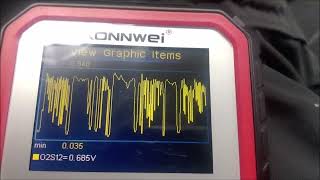
How to confirm: Use a scan tool to monitor the upstream and downstream O2 sensor data. If the downstream sensor's voltage fluctuates similarly to the upstream sensor, the converter is not storing oxygen and has likely failed. An infrared thermometer can also be used; the outlet of a working converter should be significantly hotter (100°F or more) than the inlet after the engine is fully warmed up.
Typical fix: Replace the Bank 1 catalytic converter. Owners on forums often report that if one converter fails, the other is not far behind.
Est. part cost: $400-$1500 - Faulty Downstream Oxygen (O2) Sensor 🟡 Medium Probability O2 sensors wear out over time and can send inaccurate or 'lazy' readings to the computer, falsely indicating a bad converter. It is a common first step in diagnosis due to its lower cost compared to a converter.
How to confirm: Swap the downstream O2 sensors from Bank 1 and Bank 2. Clear the codes and drive the vehicle. If the code changes to P0430 (Bank 2), the sensor is faulty. Alternatively, check the sensor's live data for slow, erratic, or flat-lined voltage readings.
Typical fix: Replace the Bank 1, Sensor 2 (downstream) oxygen sensor.
Est. part cost: $50-$150 - Exhaust Leak 🟡 Medium Probability Exhaust manifold gaskets or the donut gasket at the collector can fail, allowing outside oxygen to enter the exhaust stream before the O2 sensors. This extra oxygen skews the readings and can trick the ECM into setting a P0420 code.
How to confirm: Perform a visual inspection for black soot trails or cracks, especially around the exhaust manifold and flanges. A smoke test is the most effective way to pinpoint a leak. An exhaust leak after the downstream O2 sensor will not cause a P0420 code.
Typical fix: Replace the leaking gasket or repair the cracked component.
Est. part cost: $20-$200 - Underlying Engine Issues ⚪ Low Probability Problems like engine misfires (common with Active Fuel Management/AFM lifter issues on these engines), leaking fuel injectors, or excessive oil consumption can send unburnt fuel and contaminants into the exhaust, destroying the catalytic converter. A P0300 code is a strong indicator that a misfire is the root cause.
How to confirm: Check for other trouble codes, especially misfire codes (P0300-P0308) or fuel trim codes (P0171, P0174, P0172, P0175). Address these codes first, as they will ruin a new converter if not fixed.
Typical fix: Repair the root cause, which could involve replacing spark plugs, ignition coils, fuel injectors, or addressing internal engine problems like AFM lifter failure.
Est. part cost: $50-$2000+
Rare But Worth Checking
- Improperly Sealing Air Box / Air Filter: Per GM TSB #16-NA-111, a leak at the air filter housing seal can cause this code. This is a simple and crucial check before replacing expensive parts. Inspect the airbox for damage, missing clips, and ensure the filter and seal are seated correctly. Debris bypassing the filter can contaminate and damage the O2 sensors and converter.
- New Converter Break-in Not Performed: Per GM TSB #PIP3119P, a new catalytic converter needs a break-in period. If a P0420 code appears shortly after replacing a converter, it may be a false code because the diagnostic ran before the new part was fully seasoned. The fix is to clear the codes and perform a specific drive cycle to allow for proper break-in.
Diagnosis Steps
- Scan for all stored DTCs. Address any misfire, fuel system, or other O2 sensor codes before diagnosing P0420.
- Inspect the air intake system, specifically the air filter box and its seal, for any leaks, damage, or improper fitment, as noted in TSB #16-NA-111.
- Visually inspect the exhaust system from the engine to the rear O2 sensor for any signs of leaks, such as black soot marks or audible hissing. A smoke machine is the most reliable method.
- Use a scan tool with live data capability to observe the voltage of the Bank 1 upstream (Sensor 1) and downstream (Sensor 2) O2 sensors with the engine at operating temperature and held around 2,000 RPM.
- A properly functioning system will show the upstream sensor fluctuating rapidly between approximately 0.1V and 0.9V, while the downstream sensor remains relatively steady and flat (typically above 0.45V).
- If the downstream sensor's voltage graph mimics the upstream sensor's graph, the catalytic converter is not functioning correctly and likely needs replacement.
- If the downstream sensor shows a flat, unchanging voltage (e.g., stuck at 0.1V or 0.9V), the sensor itself is likely faulty.
- If the converter is suspected of being clogged, check for a significant temperature drop between the inlet and outlet pipe using an infrared thermometer. The outlet should be hotter than the inlet on a functioning converter.
- If all else seems correct, consider testing for a clogged converter using an exhaust back pressure gauge.
Parts You'll Likely Need
- Catalytic Converter (Bank 1)
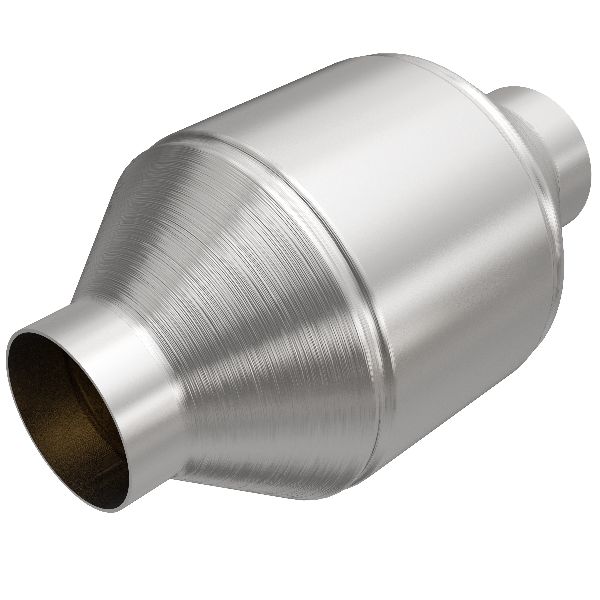
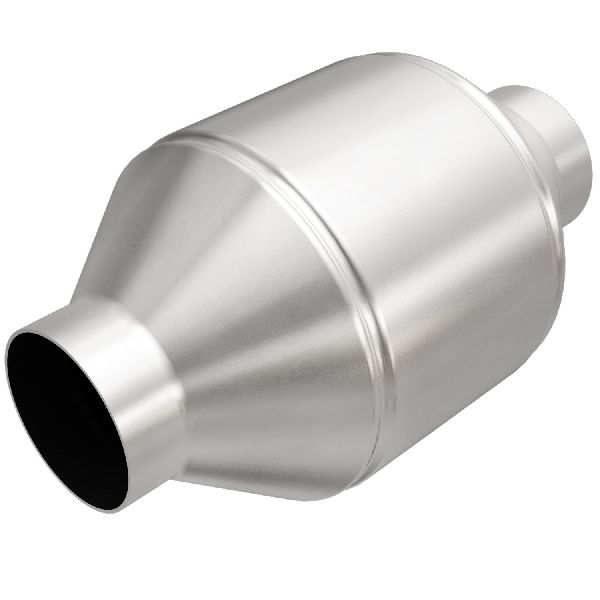
(OEM #19420284 (K2XX, 2015-2016, supersedes 22948166), 19420110 (GMT900))— This is the most common direct cause for a legitimate P0420 code where the converter's efficiency has degraded over time.
Trusted brands: ACDelco (GM Genuine), Walker Exhaust, MagnaFlow
OEM price range: $1100-$2100
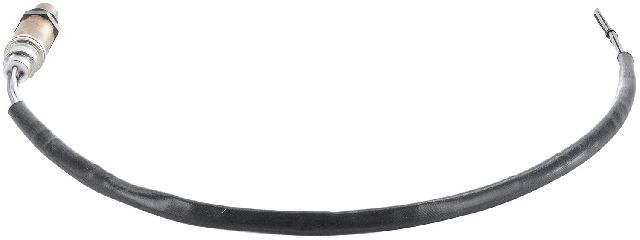
Aftermarket price range: $400-$900 - Downstream Oxygen Sensor (Bank 1, Sensor 2) — This sensor is responsible for monitoring the converter's efficiency. It can fail and send false readings, making it a common misdiagnosis or a valid, lower-cost first repair attempt.
Trusted brands: ACDelco, Denso, Bosch
OEM price range: $80-$160
Aftermarket price range: $50-$120
Related Codes That Often Appear With This One
- P0430 — This is the identical code for Bank 2 (driver's side). If the conditions causing P0420 are present on both sides of the engine (e.g., old age, contaminated fuel, airbox leak), both codes may appear together.
- P0300 — A P0300 (Random/Multiple Cylinder Misfire) code indicates an engine problem that is sending unburnt fuel into the exhaust. This unburnt fuel will quickly destroy the catalytic converters, causing P0420/P0430 to set.
- P0171/P0174 — These codes indicate a lean fuel condition on Bank 1 and Bank 2. An unmetered air leak, such as from the airbox issue described in TSB #16-NA-111 or a cracked exhaust pipe weld, could cause both lean codes and the P0420/P0430 codes.
Technical Service Bulletins (TSBs) & Recalls
- 16-NA-111: Malfunction Indicator Lamp (MIL) Illuminated, DTCs P0420 and/or P0430 Set.
- PIP3119P: Catalytic Converter Break-In Information To Prevent DTCs P0420 And/Or P0430.
Platform-Specific Known Issues
- TSB #16-NA-111: Notes that an improperly sealed air box or air filter can cause DTCs P0420 and P0430. This should be one of the first inspection points. Debris can bypass the filter and damage the O2 sensor or clog the converter.
- TSB #PIP3119P: Informs technicians that a P0420/P0430 code on a very low mileage vehicle or after a converter replacement may be false. The diagnostic monitor may run before the new converter has had a chance to break in. The fix is to clear the code and perform a specific drive cycle.
- Active Fuel Management (AFM) Lifter Failure: A well-known issue on these 6.2L V8s is the failure of AFM lifters, which can cause persistent misfires (P0300). These misfires dump unburnt fuel into the exhaust, which will quickly destroy the catalytic converters. A P0420 code is often a symptom of this deeper engine problem.
Mechanic-Grade Diagnostic Values
- Downstream O2 Sensor (Bank 1, Sensor 2) Voltage — expected: Relatively steady reading between 0.4V to 0.5V or higher at normal operating temperature.. Failure: Voltage fluctuates rapidly, mimicking the upstream O2 sensor's pattern, or is stuck at a very low or high reading.
- Short-Term and Long-Term Fuel Trims — expected: Within a range of -5% to +5% at idle and steady cruise.. Failure: Consistently high positive values (e.g., > +10%) suggest a vacuum/exhaust leak, while high negative values suggest a rich condition, either of which can lead to converter damage.
- Catalytic Converter Temperature Differential — expected: The outlet pipe should be at least 100°F (38°C) hotter than the inlet pipe after the engine is fully warmed up and held at ~2000 RPM.. Failure: The outlet temperature is the same as or cooler than the inlet temperature, indicating the converter is not performing its exothermic reaction.
Scan Tool Commands That Help
- GM SPS (Service Programming System): Engine Control Module Reprogramming — Use when a P0420 code sets without any other faults like leaks or sensor failures. A GM TSB for other models indicates a calibration error can be the cause, requiring an ECM software update. The TSB notes the ECM and TCM must be reprogrammed simultaneously.
Wiring & Ground Locations
- G103 — On the front of the passenger side (Bank 1) cylinder head (for GMT900, 2012-2014 models).. This is a primary engine ground that provides a ground path for the Engine Control Module (ECM). A poor connection here can cause erratic sensor readings and incorrect diagnostic calculations, potentially leading to a false P0420 code.
- G104 — On the left rear corner of the engine, mounted to the left cylinder head (for GMT900, 2012-2014 models).. This ground is for the ignition coil harness. While not directly tied to the O2 sensors, a poor ground here can contribute to intermittent misfires, which can in turn damage the catalytic converter and cause a P0420 code.
"I Checked Everything" — The Actual Cause
- A GM preliminary bulletin (PIP5681C) for other vehicles with similar engine architecture describes a scenario where a cracked exhaust flex pipe, caused by a broken or poor weld on a support bracket, can cause P0420/P0430 and lean codes. A standard smoke test at low pressure might not reveal this hairline crack, which can open up under engine torque or heat expansion, allowing oxygen to enter the exhaust stream and corrupt O2 sensor readings. The fix is to replace the affected pipe section, not the catalytic converter.
OEM Part Supersession History
22948166→19420284— Standard part update/revision by the manufacturer.
Heads up: Using the old part number may result in receiving older stock. Always order the latest revision (19420284) for 2014-2018 models to ensure compatibility and any design improvements.
Model Year Variations Within This Range
- 2012-2014: These models are on the GMT900 platform with the 6.2L L94 V8. Ground locations and specific exhaust component part numbers are unique to this generation.
- 2015-2018: These models are on the K2XX platform with the direct-injected 6.2L L86 V8. This generation features a different engine, transmission (initially 6-speed, later 8-speed), exhaust system design, and catalytic converter part numbers (e.g., 19420284). Fuel efficiency and horsepower are notably higher than the previous generation.
Helpful Videos
![How to Fix P0420 Engine Code in 9 Minutes [7 Methods / Only $9.99]](https://img.youtube.com/vi/lSlfTE77zjE/mqdefault.jpg)
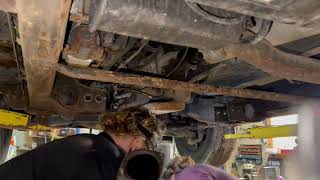
Used OEM Parts in Stock

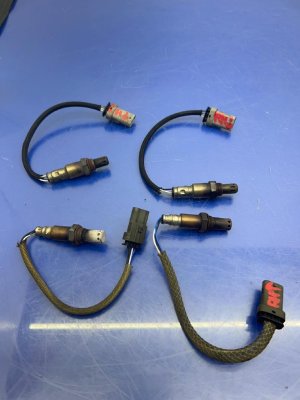
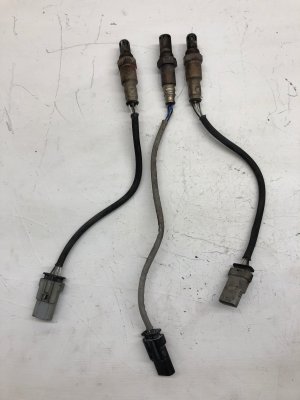
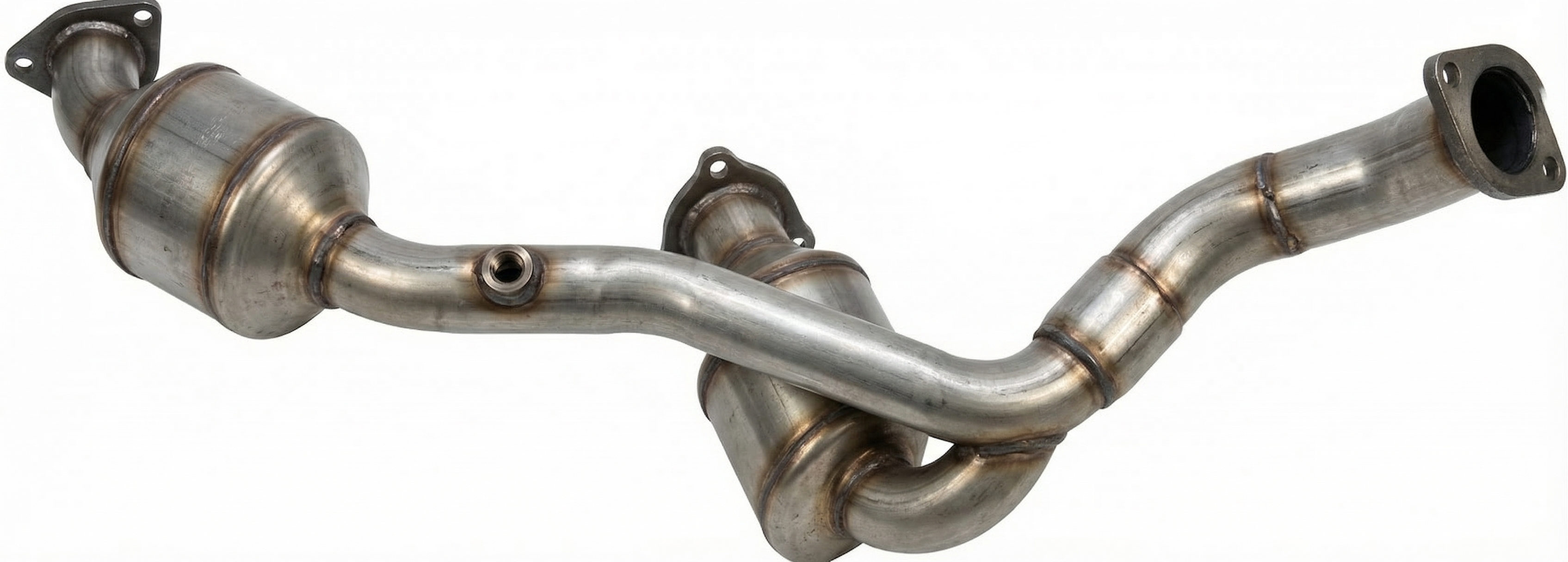
New Aftermarket Parts Available

The information in this article is provided for general reference and educational purposes only. Vehicle specifications, procedures, and part compatibility can vary by production date, trim level, and region. Always consult your vehicle's factory service manual and verify part numbers before purchasing or performing repairs. Safety-critical components such as airbags, seat belts, and braking systems should be installed by a qualified professional.
- Cadillac ESCALADE ESV:
- 🎬 Helpful Videos
- 🛍️ Shop This Part
- What's Unique About the 2012-2018 Cadillac ESCALADE ESV
- Diagnostic Flowchart
- Symptoms You May Notice
- Most Likely Causes
- Rare But Worth Checking
- Diagnosis Steps
- Parts You'll Likely Need
- Related Codes That Often Appear With This One
- Technical Service Bulletins (TSBs) & Recalls
- Platform-Specific Known Issues
- Mechanic-Grade Diagnostic Values
- Scan Tool Commands That Help
- Wiring & Ground Locations
- "I Checked Everything" — The Actual Cause
- OEM Part Supersession History
- Model Year Variations Within This Range
- 🎟️ Get 5% Off