

P0420 on 2010-2017 Cadillac Escalade: Catalyst Efficiency Causes and Fixes
P0420 on a 2010-2017 Escalade means the Bank 1 catalytic converter is inefficient. While this often points to a bad converter, first check for exhaust leaks, faulty oxygen sensors, and, critically, an improperly sealed air filter box, which is a known issue on these trucks documented in TSB #16NA111. Also consider AFM-related oil consumption fouling the converter.
- P0420 means the passenger side catalytic converter is not working correctly.
- On 2015-2017 models, ALWAYS inspect the air filter box for a poor seal before buying any parts. This is a known issue (TSB #16NA111).
- Do not automatically replace the catalytic converter. First, rule out cheaper and common causes like faulty oxygen sensors and exhaust leaks.
- Use a scan tool to watch live O2 sensor data. This is the best way to confirm if the converter is bad or if an O2 sensor is providing faulty readings.
- If you have any misfire codes (P0300-P0308), you must fix that problem first, or you will destroy the new catalytic converter.
What's Unique About the 2010-2017 Cadillac ESCALADE

The 2010-2017 Escalade spans two generations (GMT900 and K2XX) with different V8 engines. A key issue, especially on the 2015-2017 models, is a known problem with the air filter housing not sealing correctly. This allows dirt and sand to bypass the filter, damaging the oxygen sensors and clogging the catalytic converters, leading directly to a P0420 code. This is documented in GM Technical Service Bulletin #16NA111 and is a critical first check before replacing expensive parts. Additionally, issues with Active Fuel Management (AFM) can lead to increased oil consumption, which can contaminate and ruin the catalytic converters over time, a condition addressed in GM bulletin #10-06-01-008M.
Diagnostic Flowchart

Tap your situation to follow the diagnostic path that matches what you're seeing on this vehicle.
Generation note: This range covers the end of the third generation (2010-2014, GMT900 platform with L92/L94 V8s) and the start of the fourth generation (2015-2017, K2XX platform with the L86 V8). The airbox sealing issue cited in TSB #16NA111 is particularly relevant to the 2015-2017 models. While causes are similar, part numbers for exhaust and sensors will differ between these generations. For example, the downstream O2 sensor for a 2010-2014 model is often ACDelco 213-4229, while the 2015-2017 model uses a different part.
Symptoms You May Notice
- Check Engine Light is on
- Reduced engine power or sluggish acceleration
- A smell of rotten eggs from the exhaust
- Decreased fuel economy
- Vehicle may stall at idle in some cases
- Rough Idle
- Immediately replacing the catalytic converter without checking for other causes. The converter often fails because of another problem (airbox leak, oil consumption, misfires). If the root cause isn't fixed, the new converter will fail as well.
- Replacing the oxygen sensor without verifying its failure with a scan tool. While O2 sensors are a common cause, they are not always the culprit.
- Using cheap, universal aftermarket O2 sensors or catalytic converters. Many forum posts indicate these trucks' ECMs are sensitive and may reject non-OEM parts, causing the code to return.
Most Likely Causes

- Failed Catalytic Converter 🔴 High Probability Converters can fail from age, but failure is often caused by an underlying issue like engine misfires, excessive oil consumption from AFM issues, or contamination from a bad air filter seal allowing debris into the exhaust.
How to confirm: After confirming O2 sensors are working and there are no exhaust leaks, a scan tool showing the downstream O2 sensor voltage mirroring the upstream sensor's fluctuations points to a bad converter. Another test is to use an infrared thermometer to measure the temperature of the pipe before and after the converter; a working converter should be significantly hotter on the outlet side.
Typical fix: Replace the Bank 1 catalytic converter. It is often recommended to replace both converters at the same time, as the other may not be far behind. Some owners on forums report success with aftermarket brands like Magnaflow, though some have had issues with non-OEM parts causing the code to return.
Est. part cost: $400-$1200 - Faulty Oxygen (O2) Sensor 🟡 Medium Probability O2 sensors can become lazy or fail with age, sending incorrect data to the ECM. Contamination from oil burning (AFM) or dirt from a leaky airbox can also cause premature failure. It's a very common first step to replace the downstream (Bank 1, Sensor 2) sensor.
How to confirm: Use a scan tool to graph the voltage of the upstream and downstream O2 sensors. The downstream (Bank 1, Sensor 2) sensor should show a relatively steady voltage. If it's stuck, slow to respond, or fluctuating wildly like the upstream sensor, it may be faulty. A simple diagnostic trick is to swap the downstream sensors from Bank 1 and Bank 2 to see if the code follows the sensor (changes to P0430).
Typical fix: Replace the faulty oxygen sensor, typically the downstream (post-cat) one. Sticking with OEM brands like ACDelco or Denso is highly recommended as these trucks can be sensitive to aftermarket sensors. Do not solder O2 sensor wires, as this can block the sensor's clean air reference path and cause incorrect readings.
Est. part cost: $50-$150 - Improperly Sealed Air Filter Housing 🟡 Medium Probability A specific GM TSB (#16NA111) highlights that on 2015-2017 models, the air filter box may not seal correctly, allowing sand and debris to bypass the filter. This contaminates the MAF sensor, O2 sensors, and can physically clog the catalytic converter. The bulletin explicitly states not to replace other parts until the airbox seal is validated.
How to confirm: Inspect the air filter housing for broken tabs, a warped cover, or signs of dirt/debris in the air intake tube *after* the filter. The TSB provides diagrams for inspection.
Typical fix: Replace the air filter and, if necessary, the entire air cleaner assembly (GM P/N depends on year) to ensure a proper seal. Clean the intake tract and MAF sensor. After this is fixed, the damaged O2 sensors or converter may still need replacement.
Est. part cost: $20-$250 - Exhaust Leak ⚪ Low Probability Rust and vibration can cause leaks at manifold gaskets or exhaust pipe flanges. Leaks ahead of or near the O2 sensors can draw in outside air, skewing the readings and tricking the ECM into setting a P0420. A leak after the rear O2 sensor will not cause this code.
How to confirm: Perform a visual inspection for soot trails or cracks. A common method is to use a shop vacuum in 'blow' mode at the tailpipe and spray soapy water on exhaust joints to look for bubbles. A smoke machine is the most effective tool.
Typical fix: Replace the leaking gasket or repair the cracked pipe.
Est. part cost: $20-$100
Rare But Worth Checking
- Engine Misfires or Fuel System Issues: Unburnt fuel from a misfiring cylinder (due to a bad spark plug, ignition coil, or injector) can enter the exhaust and overheat the catalytic converter, destroying it. Always address misfire codes (P0300-P0308) before dealing with a P0420.
- Excessive Oil Consumption: Many GM V8s with Active Fuel Management (AFM) can consume excessive oil. This is addressed in GM service bulletin #10-06-01-008M. This oil can foul spark plugs, O2 sensors, and ultimately contaminate and destroy the catalytic converter. A Reddit user with a P0420 on a 2016 Denali mentioned the vehicle was also in the shop for lifter replacement, a common AFM-related repair.
- ECM Calibration Issue: GM issued TSB #18-NA-331 (which supersedes a previous version) for some models, indicating that a false P0420 can be set due to a calibration error. The fix is to reprogram the ECM with the latest software. This should be considered if other causes are ruled out.
- New Catalytic Converter Break-in Not Completed: According to TSB #PIP3119P, the P0420/P0430 diagnostic is disabled for the first hour of engine run time on a new vehicle to allow the converter to break in. If the battery is disconnected or a new converter is installed on an older vehicle, the code may set falsely. A specific drive cycle may be required to properly break in the new converter and clear the code.
Diagnosis Steps
- Scan for all stored trouble codes. If any misfire (P030x), fuel trim (P017x), or O2 sensor circuit codes are present, diagnose and fix them first.
- Inspect the air intake system thoroughly, especially on 2015-2017 models. Per TSB #16NA111, check for a proper seal at the air filter box and look for any signs of dirt or debris in the intake tube past the filter.
- Visually inspect the exhaust system from the engine manifolds to the rear O2 sensor. Look for cracks, holes, or black soot marks indicating a leak. An exhaust leak must be upstream of the rear O2 sensor to cause a P0420.
- Use a scan tool with live data capability. Graph the voltage for 'Bank 1 Sensor 1' (upstream) and 'Bank 1 Sensor 2' (downstream).
- At a steady 2,500 RPM, the upstream sensor (B1S1) should fluctuate rapidly between approximately 0.1V and 0.9V. The downstream sensor (B1S2) should remain relatively stable and steady, typically above 0.5V.
- If the downstream sensor's graph mimics the upstream sensor's rapid fluctuations, the catalytic converter is not working efficiently.
- If the downstream sensor shows no activity or a fixed low voltage, the sensor itself may be faulty.
Parts You'll Likely Need

- Catalytic Converter (Bank 1)
(OEM #Varies by year. Example for 2011-2014 6.2L is GM 19420110. Example for 2015+ K2XX may be GM 84114391.)— This is the most common direct cause for the code, though its failure is often a symptom of another issue.
Trusted brands: ACDelco (OEM), Walker Exhaust, MagnaFlow
OEM price range: $700-$1500
Aftermarket price range: $400-$900 - Downstream Oxygen Sensor (Bank 1, Sensor 2)
(OEM #2010-2014 (GMT900): ACDelco 213-4229. 2015-2017 (K2XX): ACDelco 12666729 or 12677895 (Verify by VIN).)— A faulty or 'lazy' sensor can send incorrect data, falsely triggering the P0420 code. It's a common point of failure and a frequent first-step replacement.
Trusted brands: ACDelco (OEM), Denso, NGK/NTK
OEM price range: $60-$120
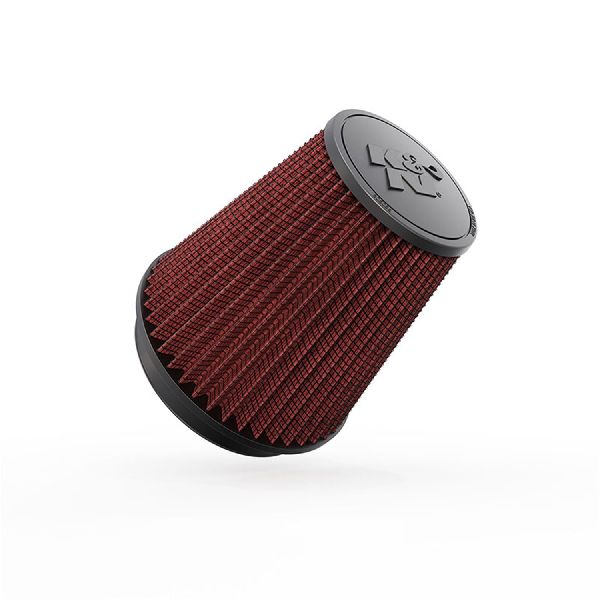
Aftermarket price range: $40-$90 - Air Cleaner Assembly
(OEM #Varies by year, e.g., GM 23178786 for some 2015-2017 models.)— Required if the original housing is warped or has broken tabs, causing an improper seal per TSB #16NA111.
Trusted brands: ACDelco (OEM)
OEM price range: $150-$250
Aftermarket price range: $100-$180
Related Codes That Often Appear With This One
- P0430 — This is the identical code for Bank 2 (driver's side). It is very common for both to appear together, indicating a systemic issue like a bad air filter seal, oil consumption, or that both converters are failing around the same time.
- P0172 / P0175 — These codes indicate a rich fuel condition on Bank 1 and Bank 2. A rich condition can overload and damage the catalytic converter. A user on a Tahoe forum noted their P0420 appeared right after fixing a P0172/P0175 issue.
- P0300-P0308 — These are misfire codes. An engine misfire allows unburnt fuel to enter the exhaust, which can quickly destroy the catalytic converter. Misfires must be fixed first.
Technical Service Bulletins (TSBs) & Recalls
- TSB #16NA111: Documents the air filter housing seal issue on 2015-2018 models causing P0420/P0430 by allowing debris to contaminate sensors and cats.
- TSB #PIP3119P: Explains the catalyst monitor is disabled for the first hour of engine run time on new vehicles for break-in. A code can be set falsely if this process is interrupted or after a new converter is installed.
- TSB #18-NA-331: Addresses a potential calibration error in the ECM that can cause a false P0420. The fix is to reprogram the ECM to the latest software version.
- TSB #10-06-01-008M: Details issues with excessive oil consumption on AFM-equipped V8 engines, a root cause for fouling O2 sensors and catalytic converters.
Platform-Specific Known Issues
- Air Filter Housing Seal Failure (2015-2017): As detailed in TSB #16-NA-111, the air cleaner assembly on K2XX platform trucks is prone to warping or having broken tabs, creating a poor seal. This allows abrasive sand and dirt to be ingested by the engine, which damages the MAF sensor, fouls the O2 sensors, and can physically clog the honeycomb structure of the catalytic converters, directly causing P0420 and P0430 codes. This should be one of the first inspection points on these model years.
- Active Fuel Management (AFM) Oil Consumption: The 6.2L V8 engines are equipped with AFM, which can sometimes lead to excessive oil consumption due to issues with piston rings or the PCV system, as outlined in GM bulletin #10-06-01-008M. This consumed oil contaminates the exhaust stream, fouling O2 sensors and poisoning the catalytic converters over time, leading to premature failure and the P0420 code.
Mechanic-Grade Diagnostic Values
- Mass Airflow (MAF) Sensor Reading at Idle — expected: Approximately 6.0-8.0 g/s for a 6.2L engine at normal operating temperature.. Failure: Significantly lower or higher readings, or readings that don't increase smoothly with RPM, can indicate a dirty or faulty sensor, which can affect the air/fuel mixture and damage the converter.
- Upstream O2 Sensor (Bank 1, Sensor 1) Voltage — expected: Rapidly fluctuating between ~0.1V (lean) and ~0.9V (rich) on a warm engine in closed loop.. Failure: A slow, lazy, or stuck signal indicates a faulty sensor that cannot provide the ECM with accurate air-fuel ratio data.
- Downstream O2 Sensor (Bank 1, Sensor 2) Voltage — expected: A relatively steady voltage, typically between 0.5V and 0.75V, when the catalytic converter is hot and working efficiently.. Failure: Voltage that rapidly fluctuates and mirrors the upstream sensor's activity indicates a failing catalytic converter. A voltage stuck low (e.g., < 0.2V) or high could indicate a sensor fault.
- Long Term Fuel Trim (LTFT) — expected: Within +/- 10%. Ideally close to 0%.. Failure: High positive trims (e.g., > +10%) indicate the engine is compensating for a lean condition (like a vacuum leak or under-reporting MAF). High negative trims (e.g., < -10%) indicate a rich condition. Both can lead to catalyst damage.
Scan Tool Commands That Help
- GM GDS2/Tech2 or equivalent professional scan tool: Catalyst System Test — This is a guided diagnostic function that actively commands the engine to run under specific conditions to test the catalyst's oxygen storage capacity. It provides a more definitive pass/fail result than just observing O2 sensor data during normal driving.
- Any scan tool with readiness monitor status: Catalyst Monitor Drive Cycle — After a repair (like replacing a converter or O2 sensor) or disconnecting the battery, the emissions monitors must be reset. For the catalyst monitor on these GM trucks, this typically involves holding a steady speed of 55 mph for 5 minutes after the engine is warm. It may take several drive cycles for the monitor to complete.
Wiring & Ground Locations
- G101 / G106 — G101 is on the lower front of the engine block. It may be jumpered to G106, located on the front center of the frame cross rail under the crank pulley.. This ground location serves the Engine Control Module (ECM) and Transmission Control Module (TCM). A poor connection here can cause erratic sensor readings and unpredictable ECM behavior, potentially leading to false codes.
- G103 — Located at the left rear of the engine compartment on the cowl, often above the brake booster.. This is a critical ground for the Body Control Module (BCM), Instrument Panel Cluster (IPC), and the Data Link Connector (DLC). A fault here can disrupt communication with your scan tool or cause various seemingly unrelated electrical issues.
- O2 Sensor Harness — Runs along the exhaust system. The connectors are typically attached to brackets on the transmission or frame.. The wiring is susceptible to damage from heat, road debris, or improper routing. GM specifies that O2 sensor pigtails should NOT be repaired by soldering, as the sensor draws its clean air reference through the wire strands; a solder joint can block this path and cause incorrect readings. The entire sensor must be replaced if the pigtail is damaged.
Real Owner Repair Stories
- Reddit user on r/MechanicAdvice (2016 GMC Yukon XL Denali 6.2L) — P0420 code for Bank 1.
❌ Tried (didn't work) Replaced the Bank 1 catalytic converter with a direct-fit aftermarket MagnaFlow unit (California-compliant model).
✅ What actually fixed it The P0420 code returned after 3 days. The user was told by the dealership that the ECM is very sensitive and often requires an OEM catalytic converter to satisfy the monitor. The vehicle was also simultaneously being repaired for a common AFM lifter issue, which could have been the original root cause of the converter failure due to oil consumption. The final resolution for the P0420 was not posted, but the failure of the high-quality aftermarket part is a critical data point.
OEM Part Supersession History
22948166→19420284— Part update or supplier change.
Heads up: This is a GM genuine part number for the Y-pipe with catalytic converter assembly. Using aftermarket converters, even high-quality ones, may not resolve the code on these vehicles.85542368→86781749— Part update or supplier change.
Heads up: This is another GM genuine part number for a converter assembly. Always verify the correct part number with a VIN, as multiple designs exist.
Model Year Variations Within This Range
- 2015-2017 (K2XX Platform): These models feature the L86 6.2L V8 with direct injection and are paired with an 8-speed (8L90) automatic transmission, whereas 2010-2014 models had a 6-speed. The TSB #16NA111 regarding the faulty air box seal is most prominent for the 2015+ models.
- 2010-2014 (GMT900 Platform): These models use the L92 or L94 6.2L V8 engines, which are port-injected. While still susceptible to AFM oil consumption issues, they do not have the specific air box sealing TSB associated with the 2015+ models.
Helpful Videos

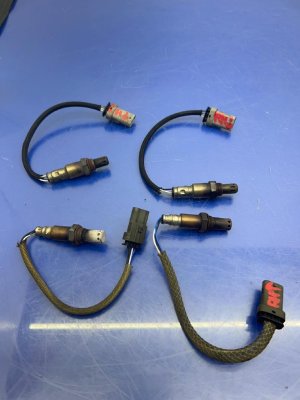
Used OEM Parts in Stock

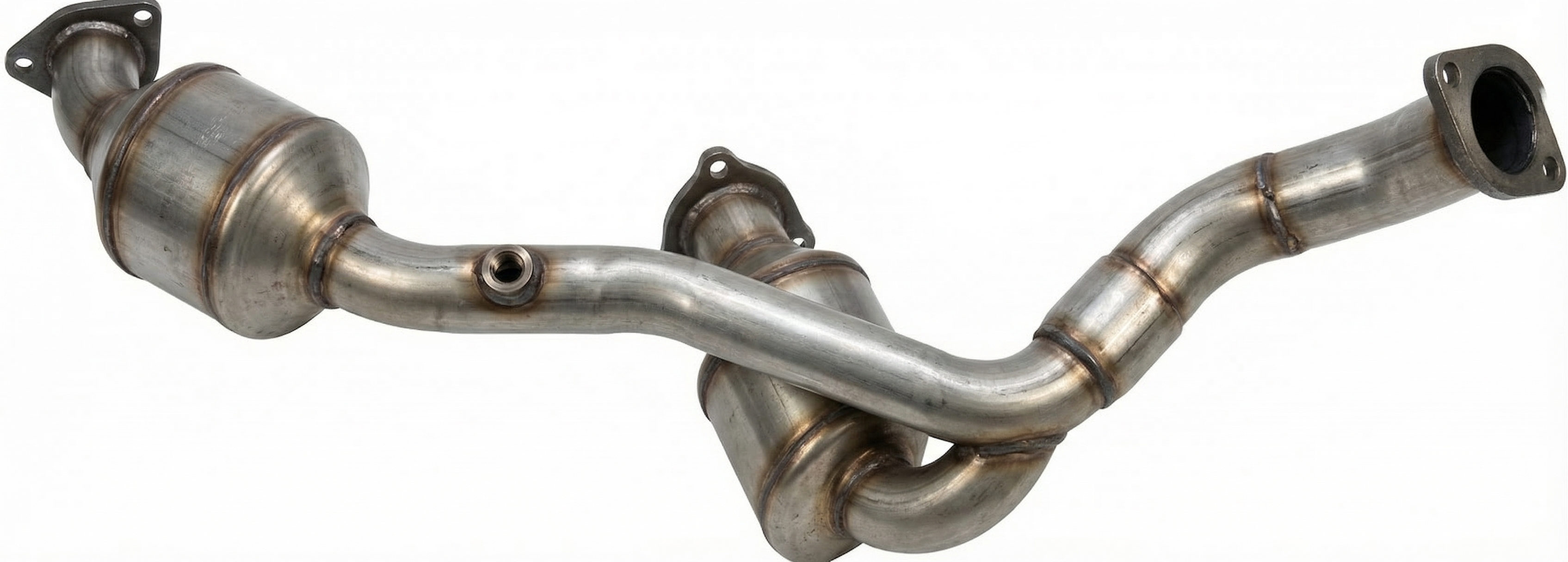
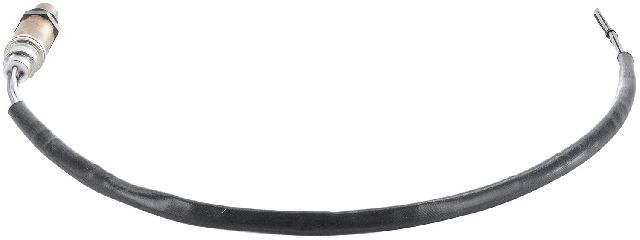
New Aftermarket Parts Available

The information in this article is provided for general reference and educational purposes only. Vehicle specifications, procedures, and part compatibility can vary by production date, trim level, and region. Always consult your vehicle's factory service manual and verify part numbers before purchasing or performing repairs. Safety-critical components such as airbags, seat belts, and braking systems should be installed by a qualified professional.
- Cadillac ESCALADE:
- 🎬 Helpful Videos
- 🛍️ Shop This Part
- What's Unique About the 2010-2017 Cadillac ESCALADE
- Diagnostic Flowchart
- Symptoms You May Notice
- Most Likely Causes
- Rare But Worth Checking
- Diagnosis Steps
- Parts You'll Likely Need
- Related Codes That Often Appear With This One
- Technical Service Bulletins (TSBs) & Recalls
- Platform-Specific Known Issues
- Mechanic-Grade Diagnostic Values
- Scan Tool Commands That Help
- Wiring & Ground Locations
- Real Owner Repair Stories
- OEM Part Supersession History
- Model Year Variations Within This Range
- 🎟️ Get 5% Off