

P0420 on 2016-2019 Cadillac CTS: Catalyst Efficiency Causes and Fixes
On a 2016-2019 Cadillac CTS, a P0420 code most often means the catalytic converter on Bank 1 has failed, which can cost over $1,000 to replace. However, before replacing the converter, check for a faulty downstream oxygen (O2) sensor, which is a much cheaper fix. Also, inspect the air filter box for a poor seal, as a specific GM Technical Service Bulletin (#16-NA-111) notes this can lead to debris damaging the O2 sensor and converter, a known issue on these vehicles.
- The P0420 code on a 2016-2019 CTS means the Bank 1 catalytic converter is not working efficiently.
- Before replacing the expensive catalytic converter, always check for a faulty downstream O2 sensor and potential exhaust leaks.
- **Crucially, inspect the air filter housing for a poor seal, as GM issued a TSB (#16NA111) stating this can cause debris to enter and damage emissions components, triggering this specific code.**
- Driving for an extended time with a clogged converter can reduce power and potentially harm the engine.
- If you have a V6 model, P0420 refers to Bank 1 (passenger side). P0430 is the code for Bank 2 (driver side).
What's Unique About the 2016-2019 Cadillac CTS
For the 2016-2019 Cadillac CTS, a P0420 code has a unique and well-documented cause beyond the usual suspects. General Motors issued Technical Service Bulletin #16-NA-111, which states that a poorly sealing air filter box can allow sand and debris to bypass the filter. This debris can contaminate the oxygen sensors and physically clog the catalytic converter, leading directly to a P0420 code. This makes inspecting the air filter housing 🎬 Watch: See how a broken air box causes this failure. a critical and unusual first step in diagnosing this code on these specific Cadillac models. Additionally, TSB #17-NA-321 addresses cracks forming at the catalytic converter's mounting flange on some GM vehicles with the 3.6L V6, which can cause an exhaust leak and trigger this code.
Diagnostic Flowchart
Tap your situation to follow the diagnostic path that matches what you're seeing on this vehicle.
Symptoms You May Notice
- Check Engine Light is on
- Reduced engine power and sluggish acceleration
- A sulfur or "rotten egg" smell from the exhaust.
- Failing a state emissions test.
- Rattling noises from the exhaust if the internal converter material has broken apart.
- Immediately replacing the catalytic converter without testing the oxygen sensors or checking for exhaust leaks. A faulty O2 sensor is a much cheaper fix and a common cause.
- Replacing the O2 sensor without checking for the improperly sealed air filter box (TSB #16-NA-111). If debris is entering the intake, it will likely cause the new sensor or converter to fail again.
Most Likely Causes
- Failed Catalytic Converter 🔴 High Probability Catalytic converters are wear items that fail over time from heat and contamination. Engine issues like misfires or burning oil can send unburned fuel into the exhaust, overheating and destroying the converter. Some GM vehicles with the 3.6L V6 have also been noted to have cracks form around the catalytic converter mounting flange, which is an integral part of the converter assembly.
How to confirm: A professional can use a scan tool to view O2 sensor data graphs. A healthy converter shows a rapidly fluctuating upstream O2 sensor signal and a relatively steady downstream O2 sensor signal. If the downstream sensor's graph mimics the upstream sensor's fluctuations, the converter has failed. Another test involves using an infrared thermometer on the converter with the engine at operating temperature; the outlet should be at least 100°F hotter than the inlet. If temperatures are similar or the outlet is cooler, the converter is not working.
Typical fix: Replace the Bank 1 catalytic converter assembly.
Est. part cost: $700-$1200+ - Faulty Downstream Oxygen (O2) Sensor 🟡 Medium Probability O2 sensors degrade over time and can send false signals to the computer, making it seem like the converter has failed when it hasn't. This is a common misdiagnosis for P0420 and a much cheaper part to replace. Debris from a faulty air box seal can also directly damage the sensor.
How to confirm: Test the sensor's operation with a scan tool. If the sensor's voltage reading is stuck (often near 0.45V), flatlined, or slow to respond when the engine's air/fuel mixture is manually changed, it is likely faulty.
Typical fix: Replace the Bank 1, Sensor 2 (downstream) oxygen sensor.
Est. part cost: $50-$150 - Improperly Sealed Air Filter Housing 🟡 Medium Probability As per TSB #16-NA-111, the air filter box on these vehicles may not seal properly, allowing sand and other abrasive debris to enter the intake. This debris can contaminate the Mass Airflow (MAF) sensor, score cylinder walls, and damage the O2 sensor element and catalytic converter substrate, leading to P0420.
How to confirm: Visually inspect the air filter housing for dirt, sand, or debris trails bypassing the filter seal. Check for missing or broken tabs, clips, or fasteners on the housing cover that would prevent a tight seal. Also inspect the clean side of the air duct for any visible debris.
Typical fix: Clean the intake tract and replace the air filter. If the housing is damaged or warped, it must be replaced to prevent recurrence.
Est. part cost: $20-$300 - Exhaust Leak ⚪ Low Probability Leaks in the exhaust system between the engine and the catalytic converter can allow extra oxygen to enter, confusing the O2 sensors and triggering the code. TSB #17-NA-321 notes that cracks can form around the catalytic converter flange on some GM vehicles with the 3.6L V6 engine, which is a common failure point.
How to confirm: Perform a visual inspection for black soot marks, cracks, or loose connections in the exhaust manifold and pipes, especially at the flange welds. A smoke test is the most effective way to pinpoint the exact location of a small leak.
Typical fix: Repair the leak by replacing the gasket or tightening bolts. If a component like the manifold/converter assembly is cracked, it will need to be replaced.
Est. part cost: $20-$500+
Rare But Worth Checking
- Engine Misfire or Fuel System Issue: An engine misfire or a leaking fuel injector can send unburned fuel into the exhaust, which can overheat and rapidly damage the catalytic converter. If you have other codes like P0300 (misfire) or P0171/P0174 (lean condition), they must be addressed first, as they are the root cause of the converter failure.
- Contaminated Fuel: High sulfur content in gasoline can lead to sulfur contamination of the catalytic converter, reducing its efficiency and triggering a P0420 code. While less common with modern fuel, it's a possibility noted in some manufacturer bulletins for similar codes.
Diagnosis Steps
- Read the code with an OBD-II scanner and check for any other stored codes. Freeze frame data can provide clues about the conditions when the code was set.
- Crucial Step for this vehicle: Per TSB #16-NA-111, thoroughly inspect the air filter and air filter housing for a proper seal. Look for any signs of dirt, sand, or debris bypassing the filter into the clean air duct. If found, replace the housing and clean the intake before proceeding.
- Inspect the exhaust system for any leaks, paying close attention to the exhaust manifold and the flanges around the catalytic converter for cracks, as noted in TSB #17-NA-321. A smoke test is recommended. 🎬 Watch: How to perform a professional exhaust leak smoke test.
- Use a scan tool with live data graphing to observe the voltage of the upstream (Bank 1, Sensor 1) and downstream (Bank 1, Sensor 2) oxygen sensors while holding the engine at a steady 2,000-2,500 RPM.
- Analyze the graph: The upstream sensor (B1S1) should show a rapid, fluctuating waveform. The downstream sensor (B1S2) should be relatively flat and steady (e.g., around 0.6-0.8V).
- If the downstream sensor's graph mirrors the upstream sensor's fluctuations, the catalytic converter has failed and is no longer storing oxygen.
- If the downstream sensor's reading is flat, stuck, or does not respond, the sensor itself is the likely problem.
- If diagnosis is still unclear, use an infrared thermometer to measure the converter's inlet and outlet pipes. The outlet should be at least 100°F hotter than the inlet. If not, the converter is inactive.
- If no definitive cause is found, investigate underlying engine issues like misfires, incorrect fuel trim, or coolant consumption that could be contaminating the converter.
Parts You'll Likely Need
- Bank 1 Catalytic Converter
(OEM #23355679 (For 3.6L V6 LGX, Bank 1/Left Side))— This is the most common cause for a P0420 code when all other possibilities have been ruled out. For the 3.6L V6, this is an integrated exhaust manifold and converter assembly.
Trusted brands: ACDelco (GM Genuine), Walker Exhaust, MagnaFlow
OEM price range: $700-$1100 + Core Charge.
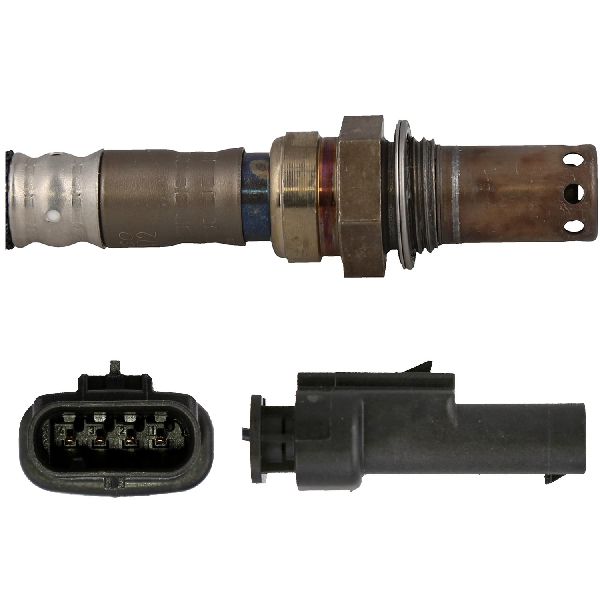
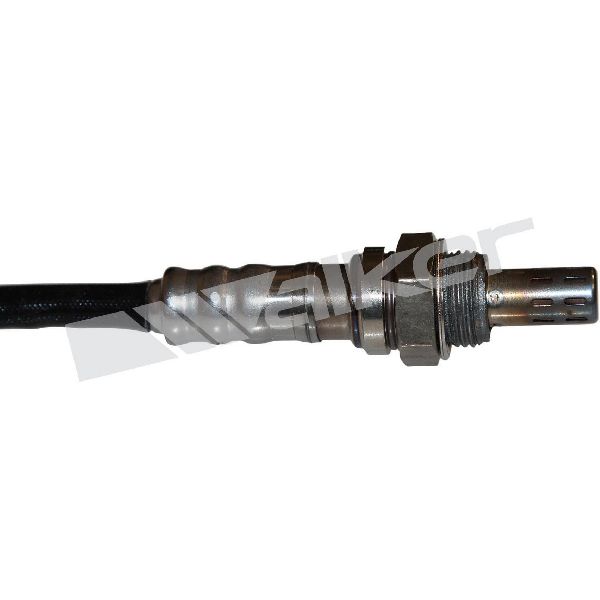
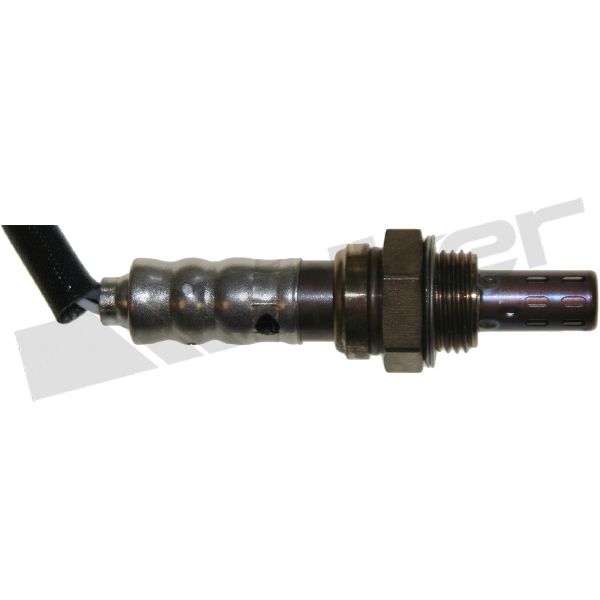
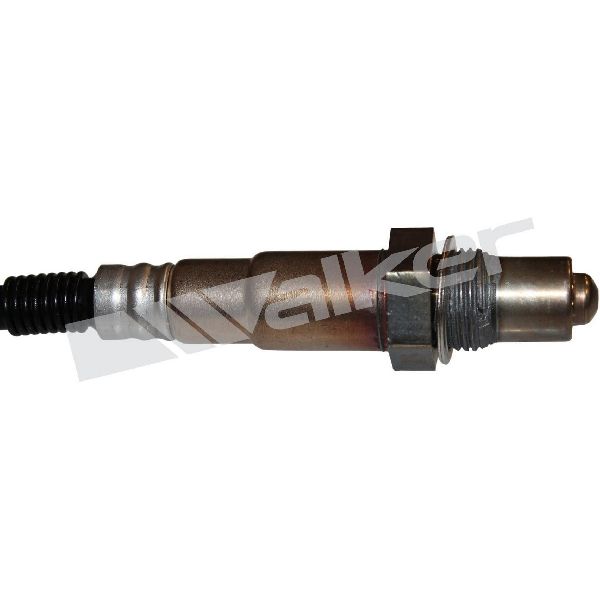
Aftermarket price range: $400-$800 - Downstream Oxygen Sensor (Bank 1, Sensor 2)
(OEM #12639692 (ACDelco 213-4768))— A faulty sensor can incorrectly trigger a P0420 code and is a common point of failure. It's often replaced as a diagnostic step or preventative measure.
Trusted brands: ACDelco, Bosch, Denso
OEM price range: $50-$90
Aftermarket price range: $40-$75
Related Codes That Often Appear With This One
- P0430 — If your CTS has a V6 engine, it has two banks. P0430 is the identical code for Bank 2 (the driver's side). It's not uncommon for both converters to fail around the same time, or for a systemic issue like the air box leak to affect both sides.
- P0300-P0306 — These are cylinder misfire codes. A persistent misfire can dump raw fuel into the exhaust, destroying the catalytic converter. The misfire must be fixed to prevent damage to the new converter.
Technical Service Bulletins (TSBs) & Recalls
- 16-NA-111: Diagnostic Tip for Malfunction Indicator Light (MIL) Illuminated, DTC P0420 and P0430 Set.
- 17-NA-321: Exhaust Smell and/or Leak with Possible Malfunction Indicator Lamp (MIL) Illuminated.
Platform-Specific Known Issues
- TSB #16-NA-111: This bulletin is critical for this vehicle. It details how an improperly sealing air filter box allows sand and debris to enter the engine. This directly causes damage to the O2 sensors and can clog the catalytic converter, leading to P0420 and/or P0430 codes. The bulletin instructs technicians to validate the air box is sealed *before* replacing any other parts.
- TSB #17-NA-321 (replaces PIP5419B): This bulletin applies to some GM vehicles with the 3.6L V6 and notes that cracks can form on the catalytic converter's mounting flange. This creates an exhaust leak right before the primary O2 sensor, which can alter sensor readings and falsely trigger a P0420 or P0430 code. The fix is to replace the entire converter assembly.
Mechanic-Grade Diagnostic Values
- Downstream O2 Sensor (Bank 1, Sensor 2) Voltage — expected: A steady voltage between 0.6V and 0.8V on a fully warm engine at steady RPM.. Failure: Voltage fluctuates rapidly, mimicking the upstream sensor's pattern, or is stuck flatlined.
- Upstream O2 Sensor (Bank 1, Sensor 1) Voltage — expected: Rapidly fluctuates between approximately 0.1V (lean) and 0.9V (rich) on a warm, running engine.. Failure: Slow to respond, stuck at a specific voltage, or flatlined.
- Catalyst Monitor Trigger (related code P0131) — expected: Sensor voltage should remain above 400mV (0.4V).. Failure: A code may be set if the sensor voltage remains below 400 millivolts for more than 20 seconds.
- Low-Side Fuel Pressure (Key On, Engine Off) — expected: 50-100 psi (345-690 kPa).. Failure: Pressure below 50 psi can indicate a weak fuel pump, leading to lean conditions that can affect catalyst readings over time.
Hidden / Shadow Codes Worth Checking
- Mode 6, Test ID $21 (or similar): This is not a DTC but a diagnostic monitor within the Global OBD-II standard. It provides the raw test data the PCM uses to determine catalyst efficiency. It shows the measured value from the last test cycle, along with the minimum and maximum allowable thresholds. A value approaching the failure threshold can indicate a declining converter before a P0420 code is set. (see via A professional scan tool (like a GM GDS2, Launch X-431, etc.) capable of accessing Global OBD-II Mode 6 data.)
Scan Tool Commands That Help
- GDS2 / Professional Scan Tool: Catalyst System Oxygen Storage Capacity Test — This is a specific, commanded test used to definitively check the converter's health. The tool forces the engine to run rich to deplete the converter of oxygen, then lean, while measuring the time delay for the downstream O2 sensor to react. A healthy converter will show a significant delay (e.g., >2 seconds), proving it can store and release oxygen.
- GDS2 / Professional Scan Tool: View Global OBD-II Mode 6 Data — Use this after a repair to verify the fix. After replacing a converter or sensor, clearing codes, and running a drive cycle, viewing Mode 6 data for the catalyst monitor can confirm the system has passed its self-test and the repair was successful, even before the monitor is 'Ready'.
Wiring & Ground Locations
- G131 / G136 — G131 is located on the rear of the left cylinder bank. G136 is also on the rear of the left cylinder bank.. These are primary engine grounds. A loose or corroded ground at these locations can introduce electrical noise or incorrect voltage offsets into sensor circuits, including the heated oxygen sensors, potentially causing false readings and incorrect diagnostic codes.
- ECM Connector C2 (or X2) — At the Engine Control Module (ECM).. This is where the O2 sensor signals are processed. For direct testing, you can probe the pins. For Bank 1 Sensor 2: the high signal wire is typically Purple/White and the low signal wire is Tan/White. Checking for voltage, continuity, or shorts at these pins can isolate a wiring problem from a faulty sensor.
Real Owner Repair Stories
- YouTube channel 'TweekerDan1984' (Cadillac (model appears to be a CTS of similar generation)) — Persistent P0420 Check Engine Light that would return within 5 minutes of idling.
❌ Tried (didn't work) The owner did not report trying other fixes first.
✅ What actually fixed it Replacing the Bank 1, Sensor 2 (downstream) oxygen sensor resolved the issue and the code did not return.
"I Checked Everything" — The Actual Cause
- In a documented case on a similar GM engine, a persistent post-catalyst fuel trim code (related to O2 readings) was present despite the exhaust system passing a smoke test. The root cause was discovered to be a microscopic pinhole in the weld of the O2 sensor bung itself. This tiny leak did not show up with smoke but was found by pressurizing the exhaust and spraying the area with soapy water. It allowed just enough air to be drawn in to skew sensor readings.
Model Year Variations Within This Range
- 2016-2019: The 2016 model year marked the replacement of the 3.6L LFX V6 engine with the significantly redesigned 3.6L LGX V6. While the P0420 diagnosis is similar, technicians should be aware that major engine components, cylinder heads, and some sensors are not interchangeable with the earlier 2014-2015 CTS models.
Helpful Videos
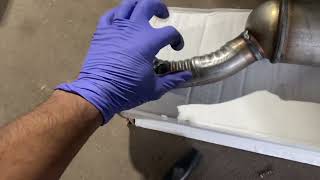
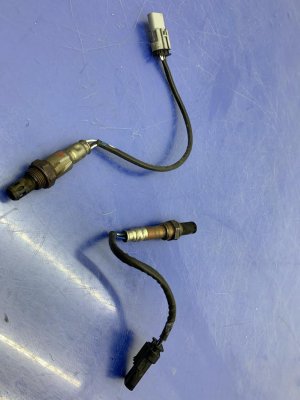
Used OEM Parts in Stock
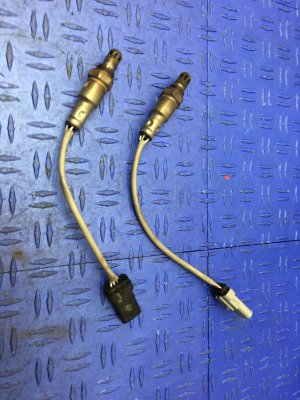
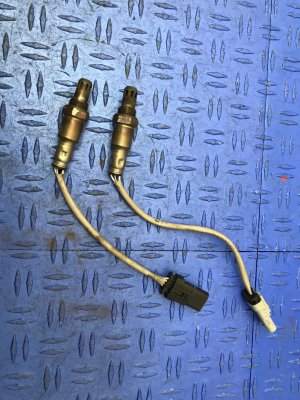
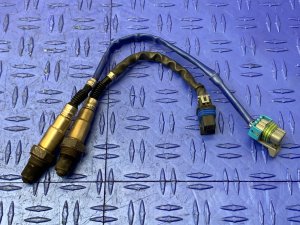
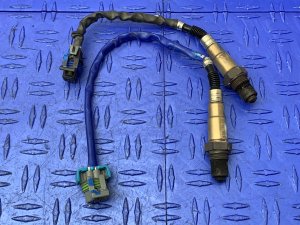
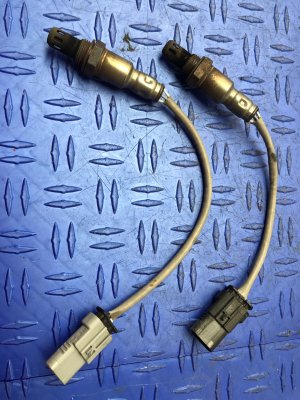
New Aftermarket Parts Available

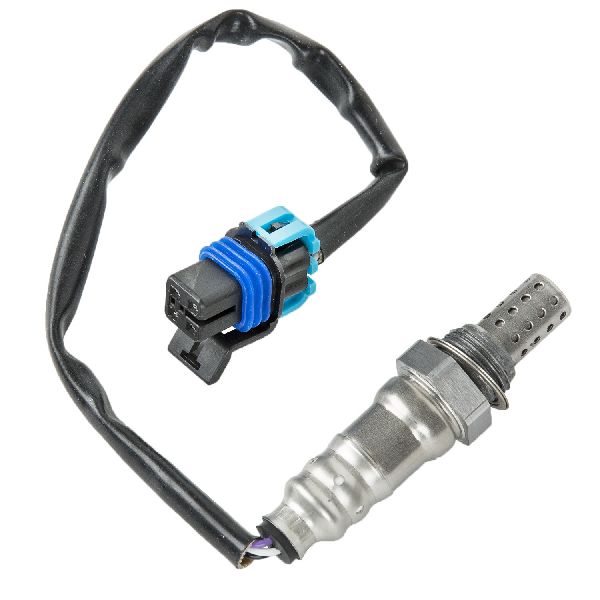

The information in this article is provided for general reference and educational purposes only. Vehicle specifications, procedures, and part compatibility can vary by production date, trim level, and region. Always consult your vehicle's factory service manual and verify part numbers before purchasing or performing repairs. Safety-critical components such as airbags, seat belts, and braking systems should be installed by a qualified professional.
- Cadillac CTS:
- 🎬 Helpful Videos
- 🛍️ Shop This Part
- What's Unique About the 2016-2019 Cadillac CTS
- Diagnostic Flowchart
- Symptoms You May Notice
- Most Likely Causes
- Rare But Worth Checking
- Diagnosis Steps
- Parts You'll Likely Need
- Related Codes That Often Appear With This One
- Technical Service Bulletins (TSBs) & Recalls
- Platform-Specific Known Issues
- Mechanic-Grade Diagnostic Values
- Hidden / Shadow Codes Worth Checking
- Scan Tool Commands That Help
- Wiring & Ground Locations
- Real Owner Repair Stories
- "I Checked Everything" — The Actual Cause
- Model Year Variations Within This Range
- 🎟️ Get 5% Off