

OBD-II Code P0419: Secondary Air Injection System 'B' Circuit Malfunction
The Ultimate 2026 Guide: What P0419 Means, Why It Triggers, and How to Fix It for Good
- P0419 indicates an electrical failure in the secondary air injection system, which operates for exactly 30-90 seconds during cold starts to reduce emissions.
- Always test the $20 SAI relay and 50-amp system fuse first; these inexpensive components fail far more often than the $300+ air pump.
- A failed one-way check valve allows exhaust moisture to enter and freeze inside the air pump, causing it to seize and blow the system fuse.
- Never replace the air pump without also replacing the one-way check valve, or exhaust moisture will destroy the new pump within months.
- While safe to drive immediately, ignoring P0419 for over 6 months forces the catalytic converter to run cold, risking a $1,500 replacement.
What Does P0419 Mean?
The P0419 code signifies that your car's Powertrain Control Module (PCM) detected an electrical malfunction in the 'B' control circuit of the Secondary Air Injection (SAI) system. This emissions system pumps fresh ambient air into the exhaust manifold for the first 30-90 seconds after a cold engine start. This process completely burns the initially rich fuel mixture, reducing harmful pollutants like hydrocarbons (HC) and carbon monoxide (CO) while heating the catalytic converter faster.
Technical definition: The official SAE/OBD-II definition for code P0419 is "Secondary Air Injection System Control 'B' Circuit Malfunction". This indicates the PCM detected an out-of-spec voltage condition (an open, short to ground, or short to power) in the electrical control circuit for the component designated as 'B'. This is typically the SAI pump relay or a specific air switching/diverter valve solenoid. The PCM triggers the code if the detected voltage differs from the expected value by more than 10%.
Can I Drive With P0419?
Yes, But With Caution. Yes, you can continue to drive your vehicle. The P0419 code does not impact the engine's primary operation or pose an immediate safety threat. However, ignoring it causes an automatic failure on an emissions test. Over several months, the lack of secondary air during cold starts leads to premature failure of the catalytic converter, a repair costing between $800 and $2,500.
Common Causes
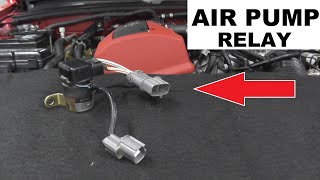
- Faulty Secondary Air Injection (SAI) Relay (Very Common) — The relay is a high-current switch that powers the air pump. It is a common failure point due to age, internal corrosion from moisture, or burnout from a seized air pump drawing excessive amperage.
- Blown Fuse for the SAI System (Very Common) — A blown fuse is a clear sign of an over-current condition. This is almost always a symptom of a seized air pump or a short circuit in the pump's wiring.
- Failed One-Way Check Valve (Common) — This valve prevents hot, corrosive exhaust gases and moisture from flowing back into the air pump. When it fails, condensation destroys the pump's bearings and motor, leading to a seized pump that causes an electrical fault.
- Failed Secondary Air Injection Pump (Common) — The pump motor fails due to water intrusion from a bad check valve, especially in cold climates where trapped water freezes and seizes the pump. A seized pump draws excessive current, blowing a fuse or damaging the control relay.
- Damaged Wiring or Corroded Connectors (Common) — Wiring harnesses near the engine are exposed to extreme heat and vibration, causing insulation to crack or wires to break. Connectors accumulate moisture and corrode, leading to high resistance or an open circuit.
- Faulty Air Switching/Diverter Valve Solenoid (Less Common) — The solenoid that actuates the valve directing airflow fails electrically. An internal short or open in the solenoid's coil is detected by the PCM as a circuit malfunction.
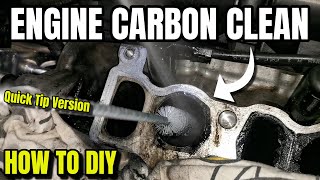
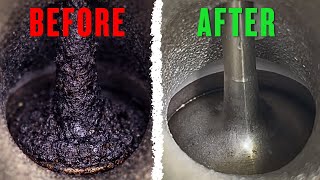
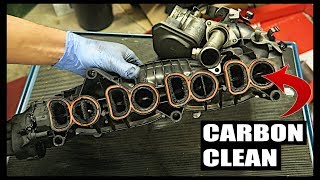
- Clogged Secondary Air Passages (Less Common) — On certain vehicles, particularly German makes like BMW and Audi, carbon builds up inside the cylinder head ports. While this mechanical blockage usually causes flow codes (P0491/P0492), the resulting pressure changes stress system components and contribute to related electrical faults.
- Leaking or Cracked Vacuum Hoses (Rare) — In systems where diverter valves are vacuum-actuated, a cracked vacuum line prevents the valve from opening. While this typically sets a flow code (P0411), some logic paths interpret it as a system fault.
- Poor Electrical Ground (Rare) — The SAI circuit requires a clean, solid ground connection. A corroded or loose ground strap causes intermittent or high-resistance faults that trigger a P0419 code.
- Faulty Powertrain Control Module (PCM) (Very Rare) — In extremely rare instances, the driver circuit within the PCM that controls the SAI relay fails. Consider this the absolute last resort after proving all other components, wiring, fuses, and grounds are in perfect working order.
Symptoms
- Check Engine Light On — This is the most common and often the only symptom. The light triggers as soon as the PCM detects the electrical fault during its self-test.
- Failed Emissions Test — With an active P0419 code, the Check Engine Light remains on, resulting in an automatic failure of any state-mandated emissions inspection.
- Loud Noise at Cold Start — A failing air pump sounds like a loud vacuum cleaner or a high-pitched whine for the first 30-90 seconds after starting a cold engine.
- Hesitation or Rough Idle on Cold Start — The engine stumbles, idles roughly, or hesitates for the first minute after a cold start because the fuel mixture expects extra air that isn't delivered.
- Burning Smell or Noises from Engine Bay — If the air pump relay sticks in the 'on' position, the pump runs continuously, overheats, and melts its plastic housing, creating a distinct burning smell and posing a fire risk.
Diagnostic Flowchart
Tap your situation to follow the diagnostic path that matches what you're seeing on this code.
Common Fixes & Costs
- Replace Secondary Air Injection Relay — Parts: $15-$60, Labor: $30-$80, ~0.3 hr book time (DIY)
- Replace Blown SAI Fuse and Diagnose Root Cause — Parts: $1-$10, Labor: $50-$150, ~0.2 hr book time (DIY)
- Replace One-Way Check Valve(s) — Parts: $50-$180, Labor: $100-$200, ~2.5 hr book time (Intermediate)
- Replace Secondary Air Injection Pump — Parts: $250-$700, Labor: $150-$450, ~1.5 hr book time (Intermediate)
- Repair Damaged Wiring or Connectors — Parts: $10-$30, Labor: $150-$350, ~2 hr book time (Professional)
Used vs. New Parts: Buying Guide
When a used part is worth it: For expensive components like the SAI pump, a used part from a low-mileage, accident-damaged vehicle offers significant savings. It is a gamble, as the part's remaining lifespan is unknown.
Donor-vehicle mileage cap: roughly under 60000 miles for the part to have meaningful remaining life.
Donor quality checklist:
- Verify the donor vehicle was not scrapped due to engine or emissions problems.
- Visually inspect the part for corrosion, heat damage, or signs of water intrusion.
- Match the part number exactly, as even slight variations are not compatible.
Decision logic:
- If The failed part is a simple relay or fuse. → Always buy new; the cost is minimal and the reliability is assured.
- If The vehicle is over 150,000 miles and budget is the top priority. → A used SAI pump is a reasonable risk, but it must be paired with a new check valve to protect it.
- If The part is an aftermarket pump from a brand like Dorman. → Be aware that fitment sometimes requires reusing old connectors or housings, but they offer a lifetime warranty which a used part does not.
Warranty tradeoff: Used parts typically have a 30-90 day warranty at best. New aftermarket parts often carry a 1-year to limited lifetime warranty. New OEM parts have a 1-year warranty.
Worst-case if a used part fails: $200-$500 if a used pump fails shortly after installation, as you pay for the labor a second time.
What Happens If You Wait — Timeline
- 0-1 month: Code P0419 is set, and the Check Engine Light is on. The SAI system fails its self-test on cold starts. No other symptoms are noticeable to the driver. (MPG impact: 0-1%% · Added cost: $0)
- 1-6 months: The catalytic converter is no longer being pre-heated effectively. During the first 90 seconds of operation on cold days, the engine runs overly rich, increasing emissions and putting minor thermal stress on the catalyst materials. (MPG impact: 1-3%% · Added cost: $20-$60 in wasted fuel)
- 6-18 months: The efficiency of the catalytic converter begins to degrade measurably due to prolonged operation outside its ideal temperature window during warm-up. It begins to set a P0420 (Catalyst System Efficiency Below Threshold) code intermittently. (MPG impact: 3-5%% · Added cost: $500-$900 (Catalytic converter is now damaged and requires eventual replacement))
- 18+ months: The catalytic converter is permanently damaged and fails completely, causing a persistent P0420 code and a guaranteed emissions test failure. The engine feels sluggish, and fuel economy worsens significantly. (MPG impact: 5-10%% · Added cost: $950-$2,500 (Full replacement of the catalytic converter is now mandatory to pass emissions and restore performance))
Cost of Not Fixing It
- Immediate: Guaranteed failure of any OBD-II emissions or smog test due to the active Check Engine Light. (Added cost: $0)
- 1-6 months: The catalytic converter is forced to operate outside its ideal temperature range during cold starts. This thermal stress begins to degrade the catalyst materials, reducing its efficiency. (Added cost: $0)
- 6-18 months: Continued lack of secondary air leads to premature failure of the catalytic converter. This results in additional codes (e.g., P0420) and a significant repair bill. (Added cost: $950-$2,500)
Diagnosis Steps
- Scan for Codes and Review Freeze Frame Data
Use a quality OBD-II scanner to confirm P0419 is present. Look for other related codes like P0418 ('A' Circuit), P0411 (Incorrect Flow), or P244x (Stuck Valve) which pinpoint the problem area. Review the freeze frame data to see the engine conditions when the code set.
Tools: OBD-II Scanner (Beginner) - Check Fuses and Relays
Locate the fuse and relay for the SAI system using the owner's manual or fuse box diagram. Pull the fuse to check if it is blown. Swap the SAI relay with an identical relay from a non-critical system (like the horn) to quickly determine if the relay is the culprit.
Tools: Owner's Manual, Fuse Puller (Beginner) - Thorough Visual Inspection
Visually inspect the entire SAI system. Look for cracked or disconnected air hoses, brittle vacuum lines, and pay close attention to the wiring harness for the air pump and switching valves. Check for melted plastic on the pump, and look for corroded electrical connectors.
Tools: Flashlight, Inspection Mirror (Beginner) - Test the One-Way Check Valve
Remove the large hose between the air pump and the check valve. Inspect the hose and pump outlet for signs of black soot or moisture, which indicates a failed check valve. Remove the valve and try to blow through it in both directions. It must only allow air to flow one way (towards the exhaust).
Tools: Pliers, Screwdriver (Intermediate) - Test the SAI Pump Manually
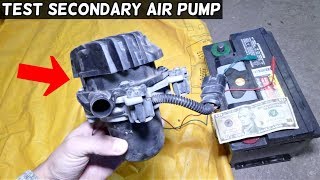
Disconnect the air pump's electrical connector. Use a power probe or fused jumper wires to apply 12V directly to the pump motor. If the pump does not run, it has failed. If it runs, it confirms the pump itself is functional.
Tools: Power Probe or Jumper Wires, Basic Hand Tools (Intermediate) - Pro Tip: Test the Relay Control Circuit
Using a multimeter, check the relay socket. With the key on and engine off (or using a scanner's active test), you must have 12V power on one terminal (from the fuse) and a ground signal from the PCM on the control side terminal. A missing ground signal when the system is commanded on points to a wiring issue or a faulty PCM driver.
Tools: Multimeter, Vehicle-Specific Wiring Diagram (Advanced) - Pro Tip: Perform a Voltage Drop Test
A voltage drop test is superior to a simple continuity test. Connect the positive multimeter lead to the battery positive post and the negative lead to the power supply wire at the pump connector. With the pump commanded on, the reading must be less than 0.5 volts. Perform the same test on the ground side. A higher reading indicates excessive resistance in the wiring or connectors.
Tools: Multimeter with long leads (Advanced) - Pro Tip: Measure Pump Amperage Draw
For the ultimate diagnosis, use a multimeter with an amp clamp around the pump's main power wire. When activated, a healthy pump has a smooth, steady current draw within the manufacturer's specification (typically 15-30 amps). A huge initial spike that blows the fuse indicates a seized pump. A low or erratic reading suggests a failing motor or bad connection.
Tools: Amp Clamp Multimeter (Advanced) - Pro Tip: Test Circuit Continuity and Resistance
Disconnect the relevant connectors and use a multimeter to check for continuity on the power and ground wires of the 'B' circuit. The resistance must be very low, typically less than 0.5 ohms. Also, check the resistance of the diverter valve solenoid coil. Compare this reading to the manufacturer's specification (usually between 20-50 ohms).
Tools: Multimeter, Vehicle-Specific Wiring Diagram (Advanced) - Pro Tip: Check System Pressure
If your scan tool supports it, monitor the Secondary Air Injection Pressure Sensor PID. At rest, it reads close to atmospheric pressure. When the pump activates, the pressure rises. A specification for some systems is a minimum of 13.7 kPa (1.99 psi). If the pressure does not rise, it confirms a flow problem (bad pump, blockage, major leak) which caused the electrical fault.
Tools: Advanced Scan Tool, Pressure Gauge (optional) (Advanced)
When This Code Triggers (Freeze-Frame Conditions)
- Engine Coolant Temp: 40-80°F (Cold start (ambient temperature))
- RPM: 0 or 700-1200 (Key-On Engine-Off or immediately after starting)
- Engine Load: 15-30% (High idle during initial warm-up phase)
- Vehicle Speed: 0 mph (Vehicle is stationary during the circuit self-test)
Related Codes
- P0418 — This is the identical fault but for the 'A' circuit. If your vehicle has two air pumps or two control relays (one for each cylinder bank), P0418 points to the other circuit. Seeing both P0418 and P0419 together strongly suggests a shared power or ground issue, or a blown main fuse for the entire SAI system.
- P0411 — This code means 'Incorrect Flow Detected'. P0419 is an electrical circuit fault, while P0411 is a performance fault. The PCM sets P0411 when the electrical components work, but the upstream O2 sensor doesn't detect the expected change from the injected air. A P0419 fault prevents flow, causing P0411 to set as a secondary code.
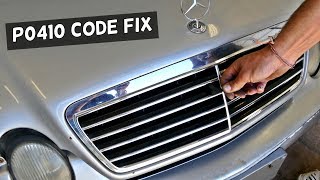
- P0410 — This is a more generic code for 'Secondary Air Injection System Malfunction'. It is a catch-all code set alongside the more specific P0419. If P0410 appears alone, it indicates a general system problem that isn't isolated to a specific circuit or flow measurement.
- P2440 - P2447 — This family of codes points to a mechanical failure, not an electrical one. For example, P2440 means 'Switching Valve Stuck Open' and P2445 means 'Pump Stuck Off'. The PCM knows this from a dedicated pressure sensor within the SAI system. A mechanically stuck valve (P2440) causes electrical stress that triggers a P0419 circuit code.
Climate & Environmental Factors
- Cold Weather: This is the single most significant environmental factor. A failing one-way check valve allows exhaust moisture to enter the air pump. In freezing temperatures, this moisture turns to ice, seizing the pump motor. The next cold start attempts to run the frozen pump, causing a massive current spike that blows the fuse or burns out the control relay.
- High Humidity / Heavy Rain: Moisture finds its way into unprotected electrical connectors, causing corrosion and high resistance. On early Toyota Tundras, a poor intake design directly ingests rainwater, leading to pump failure.
- High Engine Bay Temperatures: Extreme heat near the exhaust manifold degrades plastic wiring insulation, making it brittle and prone to cracking. This leads to short circuits that trigger a P0419 code.
- Altitude: Altitude has minimal direct effect on triggering a P0419 electrical fault. However, it affects the performance of the SAI system, making marginal systems more likely to set performance codes (like P0411) at high altitude.
How to Talk to a Mechanic About This Code
Say this: "I have a P0419 code, which is a Secondary Air Injection System 'B' circuit malfunction. I'd like to book a diagnostic appointment. Please start by testing the fuse, the relay, and the one-way check valve before condemning the air pump."
This signals you understand the code is electrical and that cheap components often fail first. It directs the technician to follow a logical diagnostic path instead of immediately replacing the most expensive part (the air pump).
Avoid saying:
- 'My check engine light is on, can you look at it?' (too vague, invites a wide-ranging and expensive diagnostic)
- 'My car is making a weird noise when it's cold.' (describes a symptom, not the known problem)
- 'Just fix whatever is wrong with the emissions system.'
Questions to ask before authorizing the repair:
- Did you test the SAI relay and fuse? Were they good?
- Did you find any evidence of water or soot in the air pump or hoses, suggesting a bad check valve?
- If the pump needs to be replaced, what was the specific failure mode? Did it seize, and did you test for power and ground at its connector?
- What is the warranty on the parts and labor for this specific repair?
Where to Take It: Dealer vs Independent vs Chain
- Dealer:
Recommended for specific TSBs/recalls. For a straightforward electrical fault on an out-of-warranty car, an independent shop is more cost-effective.
Best for: Vehicles with known recalls (e.g., Subaru relay fire risk) or warranty extensions (e.g., Toyota Tundra water ingestion)., Complex, make-specific issues like carbon-clogged ports on German vehicles (BMW, Audi)., Vehicles still under the original powertrain or emissions warranty.
Downsides: Highest labor rates, often 1.5x to 2x an independent shop., May recommend replacing an entire assembly when only a small component has failed. (Typical cost: +50% vs. baseline) - Independent Shop:
Best fit for most P0419 repairs on common, out-of-warranty vehicles. A good independent shop easily diagnoses and fixes the most frequent causes like relays, fuses, and pumps.
Best for: Out-of-warranty vehicles where cost is a major factor., Standard electrical diagnosis (testing relays, wiring, pumps)., Most common vehicles (Chevy, Ford, Hyundai) without complex, known design flaws.
Downsides: Quality and diagnostic skill vary greatly. Vet the shop by checking for ASE certifications and online reviews., May lack expensive, specialized tools for issues like cleaning BMW carbon buildup. (Typical cost: +0% vs. baseline) - Chain Shop:
AVOID for P0419 diagnosis. The risk of misdiagnosis and being sold an unnecessary, expensive air pump is high. Only use if you have already diagnosed a simple relay failure yourself and just need them to install the part.
Best for: Simple, high-volume jobs like oil changes, tires, and brakes.
Downsides: Technician skill varies dramatically and is often not suited for nuanced electrical diagnosis., Business model pressures technicians to upsell, leading to unnecessary replacement of expensive parts like the air pump without proper diagnosis. (Typical cost: -10% vs. baseline)
When to Walk Away From the Repair
If the estimated repair cost for the P0419 fault exceeds 40-50% of your car's private-party value (e.g., from Kelley Blue Book), it is time to seriously consider selling or trading in the vehicle.
- Car worth $4000, fix is $1800: Walk away. The repair cost is 45% of the car's value. This is not a sound investment, especially on an older vehicle.
- Car worth $12000, fix is $1200: Fix it. The repair cost is only 10% of the vehicle's value. This is a worthwhile repair to maintain the car's value and pass emissions.
- Car worth $2500, fix is $1500: Walk away. The repair cost is 60% of the car's value. The vehicle is nearing the end of its economic life.
What Scan Tool You Need for This Code
Minimum: A basic OBD-II code reader that reads and clears codes.
A basic $20 reader only tells you the P0419 code exists. It cannot perform the active tests (bi-directional control) needed to command the SAI pump and relay on/off. Without this, you are just guessing at which part of the electrical circuit failed, leading to replacing good parts.
Budget: BlueDriver Pro (~$100) — Reads and clears the code, provides freeze-frame data, and offers repair reports. However, it has limited to no bi-directional control, making it a good starting point but insufficient for a full diagnosis of this specific code.
Mid-range: Foxwell NT510 Elite / Innova 5610 (~$180) — These scanners offer bi-directional control (active tests). This is the key feature needed for P0419, as it allows you to command the SAI relay and pump to turn on from the scanner, letting you test the circuit in real-time without waiting for a cold start.
Professional: Autel MaxiCOM MK808 / Launch X431 Series (~$450-900) — Provides full bi-directional control for all systems, including guided diagnostic functions for the SAI system on many vehicles. These professional-grade tools offer comprehensive active testing and live data graphing to quickly pinpoint whether the fault is the relay, pump, wiring, or PCM driver.
Rent vs buy: For a one-time diagnosis, many auto parts stores (like AutoZone) read your code for free. However, their tools are basic and won't perform the necessary active tests. If you plan to do your own diagnosis beyond just reading the code, buying a mid-range scanner with bi-directional control is the most effective investment.
How to Clear the Code After You Fix It
- Use an OBD-II scan tool to clear the P0419 code.
- Ensure the fuel tank is between 15% and 85% full.
- Perform the specific drive cycle to run the SAI readiness monitor.
Drive cycle (~20 minutes): Let the vehicle sit for at least 8 hours to ensure a true cold start. Start the engine and let it idle for 2-5 minutes for the SAI monitor to run. Then, drive for 15-20 minutes with a mix of city (25-45 mph) and highway (55-65 mph) speeds to set other related monitors like O2 sensor and Catalyst.
Readiness monitors affected: Secondary Air System, Catalyst, Oxygen (O2) Sensor
Before emissions retest: drive at least 50 miles to fully set monitors.
Watch out for:
- Disconnecting the battery clears the code but also resets all readiness monitors, requiring a full drive cycle for all systems.
- The Secondary Air monitor specifically requires a cold start; it will not run once the engine is warm.
- If the root cause is not fixed, the code returns on the next cold start when the PCM re-tests the circuit.
Will This Fail Emissions / State Inspection?
Yes — this code typically fails an OBD-II emissions inspection.
- California: An active P0419 code is an automatic test failure. After repair, a full drive cycle must be completed to set all readiness monitors before a retest is possible.
- New York: The NYVIP3 inspection includes an OBD-II scan. An illuminated Check Engine Light for P0419 results in an immediate failure.
- Texas: In the 17 counties requiring emissions testing (including Dallas, Houston, Austin areas), a P0419 code causes the vehicle to fail the OBD-II portion of the inspection.
Most Commonly Affected Vehicles
- Toyota Tundra / Sequoia (2007-2011) — These models are infamous for a design flaw where the air pump inlet allows water ingestion. This seizes the pumps and corrodes the valves, triggering P0419 and a host of other SAI codes. Toyota issued TSB T-SB-0160-11 and a Warranty Enhancement Program (10 years/150,000 miles) to address this.
- Subaru Forester (XT), Impreza (WRX/STI), Legacy (GT) (2007-2014) — Turbocharged models were subject to a critical safety recall (NHTSA Campaign ID: 16V738, Subaru recall: WTM-73) for a faulty SAI pump relay. The defective relay sticks in the 'on' position, causing the pump to run continuously, overheat, and create a fire hazard.
- Chevrolet / GMC Silverado, Sierra, Tahoe, Suburban (2007-2014) — Common failures on these V8 trucks include bad relays and moisture-damaged pumps. Another key issue, detailed in TSB 18-NA-061, is carbon buildup completely blocking the air passages in the cylinder heads, which causes flow codes that accompany a P0419.
- BMW 3-Series (E90), 5-Series (E60), X3, X5 (2006-2013) — P0419 on BMWs is often a secondary code appearing with P0491/P0492 (flow codes). The primary cause is frequently carbon-clogged ports in the cylinder head or failed vacuum lines to the diverter valve. Technicians mistakenly replace pumps and valves when the head needs professional cleaning. SULEV (N51 engine) models have extended warranty coverage for these components.
- Audi / Volkswagen A4, Q7, Jetta, Golf (2008-2015) — These vehicles suffer from a combination of pump failures due to moisture, stuck switching valves, and carbon buildup in the 'combi valve' and cylinder head ports. An Audi Q7 pump replacement is particularly expensive, often exceeding $1,300 for parts and labor.
- Mercedes-Benz C-Class, E-Class, ML-Class (2005-2012) — Failures are typical of other German makes, including seized pumps from moisture, failed check valves, and faulty relays. Carbon buildup in the exhaust head ports is a known issue that restricts airflow and leads to a variety of SAI system codes.
- Ford F-150, Mustang (2004-2010) — While less common than on other brands, P0419 occurs on Ford vehicles. The causes are straightforward electrical issues, such as a failed diverter valve solenoid, a bad relay, or chafed wiring in the engine bay.
- Hyundai / Kia Sonata, Optima, Santa Fe (2011-2018) — P0419 on these models is generally not due to a systemic design flaw but rather standard electrical failures. Diagnosis typically points to a faulty relay, a wiring issue, or an occasional failed air pump.
Manufacturer-Specific Notes
- Toyota: On 2007-2011 Tundra and Sequoia models, the air pump's inlet assembly is poorly designed and allows rainwater to be directly ingested. This water destroys the pumps and valves. The official fix, detailed in TSB T-SB-0160-11, involves replacing all damaged components and installing a new, redesigned inlet cover. Toyota created a Warranty Enhancement Program (Customer Support Program ZLT) extending coverage for these parts to 10 years or 150,000 miles.
- Subaru: A faulty air pump relay on many 2007-2014 turbocharged models led to a safety recall (NHTSA Campaign ID: 16V738; Subaru Recall Code: WTM-73). The relay sticks in the 'on' position, causing the pump to run continuously until it melts and potentially catches fire. This is a critical safety check for any owner of these vehicles.
- General Motors (Chevy/GMC): Water intrusion from failed check valves is a primary cause of pump failure. A common diagnostic error is replacing only the pump, which leads to a repeat failure when the bad check valve allows water to destroy the new unit. On V8 engines, the air injection ports in the cylinder heads become completely clogged with carbon (See TSB 18-NA-061), requiring significant labor to clean.
- BMW: The most common underlying cause for a cascade of SAI codes (including P0419, P0491, and P0492) is severe carbon buildup in the cylinder head's secondary air passages. Many shops misdiagnose this as a pump or valve failure. The correct, but expensive, repair is to have the ports professionally cleaned, which requires removal of the intake manifold. Check for cracked vacuum lines to the diverter valve first.
Real Owner Stories
2008 Subaru WRX STI - P0419 & Recall Notice
Owner of a 2008 WRX STI experienced a P0419 code. They discovered a safety recall (NHTSA Campaign ID: 16V738) for the secondary air pump relay.
What they tried:
- Initially diagnosed the P0419 code.
- Researched the code online and found information about the Subaru-specific recall (WTM-73).
Outcome: The owner contacted a Subaru dealer to have the recall service performed. The dealer replaced the faulty relay at no cost, which resolved the P0419 code and prevented the risk of the pump overheating and causing a fire.
Lesson: For affected Subaru models (2007-2014 turbo models), the first step for a P0419 code is to check if the WTM-73 safety recall has been performed. A faulty relay is the most likely cause and is a free repair.
2008 Toyota Tundra 5.7L - The Misleading Pump
Owner of a 2008 Tundra got a P0419 code. Both air pumps seemed to function when powered directly from the battery.
What they tried:
- Verified pumps worked with direct 12V power.
- Checked fuses and wiring, finding no obvious damage.
- Discovered the pump was full of water upon removal.
Outcome: The root cause was a faulty check valve and a poorly designed air inlet that allowed water to enter and seize the pump motor intermittently. Even though the pumps worked on the bench, the water caused an electrical fault under normal operation. Replacing the pump, check valve, and installing the updated inlet cover (per TSB T-SB-0160-11) fixed the issue.
Lesson: Don't assume a pump is good just because it runs on the bench. On Toyota trucks, water intrusion is the primary suspect. Check for moisture and replace the check valves and inlet cover along with the pump to prevent a repeat failure.
2007 BMW 3-Series (E90) - A Cascade of Codes
Owner faced a P0419 code along with P0491 and P0492 (Incorrect Flow Bank 1 & 2). No unusual noises were heard from the pump.
What they tried:
- A mechanic initially suggested replacing the expensive air pump and both diverter valves.
- Owner sought a second opinion after reading forums about BMW-specific issues.
Outcome: The second mechanic identified the true culprit: the secondary air passages in the cylinder head were completely clogged with carbon. The pump and valves were working, but the air had nowhere to go, causing electrical stress and flow codes. The fix involved a labor-intensive cleaning of the ports, which cost around $800 but was less than replacing the entire system unnecessarily.
Lesson: On German vehicles like BMW and Audi, SAI circuit codes are often accompanied by flow codes (P0491/P0492). Before replacing expensive components, investigate carbon buildup in the cylinder head ports as the root cause.
2011 Chevy Silverado - The Simple Relay Fix
Owner of a Silverado with 120k miles got a P0419 code. The air pump made no noise on cold starts.
What they tried:
- Checked the 50A fuse for the AIR system and found it was intact.
- Located the AIR relay in the under-hood fuse box.
Outcome: The owner swapped the AIR relay with the identical horn relay. The horn stopped working, and after clearing the code, the P0419 did not return on the next cold start. A new relay cost $25 and took two minutes to install, completely fixing the problem.
Lesson: Always start with the simplest and cheapest parts. A relay swap is a free and effective diagnostic step that saves hundreds of dollars in unnecessary parts and labor.
How to Prevent This Code From Triggering
- Periodically inspect and clean SAI check valves (Every 60,000 miles or if symptoms appear) — Carbon and exhaust moisture cause the one-way check valve to stick or fail. A failed valve allows hot, corrosive exhaust and water back into the air pump, destroying it. Cleaning with carburetor cleaner or replacing it prevents pump failure.
- Apply dielectric grease to electrical connectors (Whenever servicing the system or during routine maintenance) — The SAI pump and connectors are often in areas exposed to moisture (like fender wells). Dielectric grease seals connectors from water, preventing the corrosion that leads to high resistance and circuit fault codes like P0419.
- On Toyota trucks, install the Uni-Filter Mod or updated inlet (Once, proactively) — The original foam filter inside the pump assembly degrades and gets sucked into the pump, destroying it. A popular DIY solution is to attach a small engine air filter (like Uni Filter UP-107) to the pump's intake hose, or install Toyota's redesigned inlet cover to prevent water/debris ingestion.
- On German vehicles, use high-quality fuel and consider periodic intake valve cleaning (Ongoing / Every 50,000 miles) — Direct-injection engines are prone to carbon buildup. While this primarily affects intake valves, excessive carbon also clogs the small SAI ports in the cylinder head, leading to flow codes and stressing the system. Using Top Tier gasoline and performing intake cleaning services reduces overall carbon accumulation.
Frequently Asked Questions
What is the most common misdiagnosis for a P0419 code?
The most frequent mistake is replacing the expensive secondary air pump without testing the entire system. The pump often fails because a much cheaper component, like a one-way check valve or a relay, failed first. Always test the relay, fuse, and check valve for moisture before condemning the pump to avoid a costly and ineffective repair.
Can I just remove the fuse for the air pump to turn off the Check Engine Light?
No. The PCM actively monitors the circuit's integrity. Removing the fuse creates a permanent open circuit, which ensures the P0419 code sets immediately and the Check Engine Light remains illuminated.
Why did this problem happen right after it got cold outside?
This is a classic symptom of a failed check valve allowing exhaust moisture into your air pump. In freezing temperatures, this moisture turns to ice and locks the pump solid. The next cold start commands the frozen pump to run, causing a massive current spike that blows the fuse or fries the relay.
I replaced the air pump and the code came back. What went wrong?
There are two likely reasons. First, a bad one-way check valve is likely still allowing moisture into the system, which already damaged your new pump. Second, the original failure was a corroded connector or damaged wire that was overlooked, meaning the electrical circuit fault never actually went away.
What is the difference between P0419 and P0410?
P0419 is highly specific: 'Secondary Air Injection System 'B' Circuit Malfunction', meaning the computer sees an electrical short or open on a particular wire. P0410 is a general code for 'Secondary Air Injection System Malfunction'. P0410 indicates the system as a whole is not working, without specifying if it is an electrical, mechanical, or performance issue.
Can I legally bypass or delete the secondary air injection system?
In most jurisdictions, it is illegal to tamper with or disable any federally mandated emissions control device. Bypassing the system causes an automatic failure of visual and OBD-II emissions inspections. While bypass kits exist for off-road use, they are not a legal solution for street-driven vehicles.
Is the 'B' circuit always for Bank 2?
Not necessarily. While on a V-engine 'A' often refers to Bank 1 and 'B' to Bank 2, this is not a universal rule. 'B' refers to the second relay in a sequence, a specific diverter valve, or another designated part of the circuit, requiring a vehicle-specific wiring diagram to confirm.
Key Takeaways
- P0419 indicates an electrical failure in the secondary air injection system, which operates for exactly 30-90 seconds during cold starts to reduce emissions.
- Always test the $20 SAI relay and 50-amp system fuse first; these inexpensive components fail far more often than the $300+ air pump.
- A failed one-way check valve allows exhaust moisture to enter and freeze inside the air pump, causing it to seize and blow the system fuse.
- Never replace the air pump without also replacing the one-way check valve, or exhaust moisture will destroy the new pump within months.
- While safe to drive immediately, ignoring P0419 for over 6 months forces the catalytic converter to run cold, risking a $1,500 replacement.
Helpful Videos


The information in this article is provided for general reference and educational purposes only. Vehicle specifications, procedures, and part compatibility can vary by production date, trim level, and region. Always consult your vehicle's factory service manual and verify part numbers before purchasing or performing repairs. Safety-critical components such as airbags, seat belts, and braking systems should be installed by a qualified professional.
- 🎬 Helpful Videos
- What Does P0419 Mean?
- Can I Drive With P0419?
- Common Causes
- Symptoms
- Diagnostic Flowchart
- Common Fixes & Costs
- Used vs. New Parts: Buying Guide
- What Happens If You Wait — Timeline
- Cost of Not Fixing It
- Diagnosis Steps
- When This Code Triggers (Freeze-Frame Conditions)
- Related Codes
- Climate & Environmental Factors
- How to Talk to a Mechanic About This Code
- Where to Take It: Dealer vs Independent vs Chain
- When to Walk Away From the Repair
- What Scan Tool You Need for This Code
- How to Clear the Code After You Fix It
- Will This Fail Emissions / State Inspection?
- Most Commonly Affected Vehicles
- Manufacturer-Specific Notes
- Real Owner Stories
- 2008 Subaru WRX STI - P0419 & Recall Notice
- 2008 Toyota Tundra 5.7L - The Misleading Pump
- 2007 BMW 3-Series (E90) - A Cascade of Codes
- 2011 Chevy Silverado - The Simple Relay Fix
- How to Prevent This Code From Triggering
- Frequently Asked Questions
- What is the most common misdiagnosis for a P0419 code?
- Can I just remove the fuse for the air pump to turn off the Check Engine Light?
- Why did this problem happen right after it got cold outside?
- I replaced the air pump and the code came back. What went wrong?
- What is the difference between P0419 and P0410?
- Can I legally bypass or delete the secondary air injection system?
- Is the 'B' circuit always for Bank 2?
- Key Takeaways
- 🎟️ Get 5% Off