

P0402 on 2017-2019 Ford F-250 SD 6.7L: EGR Excessive Flow Causes and Fixes
On a 2017-2019 F-250 with the 6.7L Power Stroke, P0402 is most often caused by a software issue, not a failed part. Check for applicable TSBs (like 19-2343) first, as a dealer PCM reflash is the most common and required first step. If software isn't the cause, suspect a soot-fouled MAP sensor, which can be cleaned or replaced. A sticking EGR valve is a less common, but possible, mechanical failure.
- For a P0402 code on a 2017-2019 F-250 6.7L, the first step is always to check if TSB 19-2343 or TSB 16-0152 applies. A software fix is the most likely solution.
- Do not immediately replace the EGR valve. This can be an expensive and unnecessary repair if the root cause is software.
- If software is ruled out, the next most likely and inexpensive step is to inspect and clean the MAP sensor for soot buildup.
- A mechanically stuck EGR valve is a possible cause, but should be considered after software and MAP sensor issues are addressed.
What's Unique About the 2017-2019 Ford F-250 SD

For this specific generation of the 6.7L Power Stroke, the P0402 code is very frequently a software or sensor adaptation issue rather than a mechanical failure. Ford issued multiple Technical Service Bulletins (TSBs), most notably TSB 19-2343, advising technicians to reprogram the PCM as the primary fix for this code, often alongside P0401, P2074, and P0170. This is a crucial distinction, as owners could waste significant money replacing parts like the EGR valve when only a software update is needed. Forum discussions are filled with owners who confirm the PCM reflash solved the problem, while others chased the issue by replacing parts first, only to find the TSB was the answer.
Diagnostic Flowchart
Tap your situation to follow the diagnostic path that matches what you're seeing on this vehicle.
Symptoms You May Notice
- Check Engine Light is on
- Rough or unstable idle, especially when the engine is cold
- Engine stalling or dying at idle
- Hesitation or surging during acceleration, sometimes described as feeling like a 'miss'
- Reduced engine power or the truck entering 'limp mode', especially under load
- Increased black smoke from the exhaust
- Decreased fuel economy
- Pinging or knocking noises during driving
- Replacing the EGR valve when a PCM software update (TSB 19-2343) was the actual required fix.
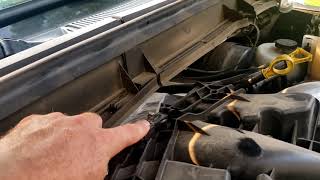
- Replacing the Mass Airflow (MAF) sensor. While a MAF reset is part of the software fix, the sensor itself is rarely the root cause of P0402 on this platform. One owner on a forum reported a dealer replaced the MAF sensor, but the code returned within 200 miles. 🎬 Watch: Why you should avoid replacing the MAF sensor first.
Most Likely Causes

- Powertrain Control Module (PCM) Software Calibration 🔴 High Probability Ford TSB 19-2343 explicitly states that for vehicles built on or before Jan 9, 2019, this code can be caused by strategies within the PCM software. This is the most widely acknowledged cause and the first step in professional diagnosis.
How to confirm: Check the vehicle's build date and service history. A Ford dealer or a shop with access to Ford's service information can check if TSB 19-2343 applies and if the update has been performed. The TSB applies if P0402 is present, sometimes with P0401, P2074, and/or P0170.
Typical fix: Reprogram the PCM to the latest software version and perform a Mass Air Flow (MAF) sensor parameter reset. This must be done by a dealer or qualified shop using a tool like the Ford IDS. Note: The TSB advises that this update will increase Diesel Exhaust Fluid (DEF) consumption during high-load operation. - Faulty or Soot-Fouled Manifold Absolute Pressure (MAP) Sensor 🟡 Medium Probability The MAP sensor is exposed to the intake air stream, which contains recirculated (and sooty) exhaust gas. Soot can coat the sensor, causing it to send inaccurate pressure readings to the PCM, which then miscalculates EGR flow. This is a very common issue discussed on owner forums and shown in repair videos.
How to confirm: Remove the MAP sensor from the upper intake manifold and visually inspect it for a thick coating of soot. In some forum cases, owners noted that replacing a cracked intercooler pipe (which sets other codes) can suddenly cause P0402 to appear, likely because the newly sealed system reveals the MAP sensor's inability to read correct pressures.
Typical fix: Carefully clean the sensor with a dedicated MAP/MAF sensor cleaner. If cleaning doesn't resolve the issue or the sensor is damaged, it must be replaced. Many owners report success with just cleaning.
Est. part cost: $40-$100 - EGR Valve Stuck Open 🟡 Medium Probability Like many diesel engines, the 6.7L Power Stroke's EGR system is susceptible to soot and carbon buildup, which can cause the valve's pintle to stick in the open position. While less common than the software issue for this specific code, it remains a primary mechanical suspect.
How to confirm: With the engine off, a technician can command the EGR valve open and closed with a bidirectional scan tool while monitoring the EGR position sensor data to see if it responds correctly. A physical inspection for carbon buildup may be necessary if scan tool tests are inconclusive.
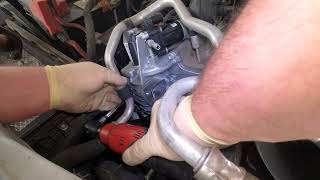
Typical fix: The EGR valve can sometimes be cleaned, but replacement is often more reliable, especially on higher-mileage trucks. A technician in a repair video noted that even after pinpoint tests pointed to the valve, it showed no visual defects, but replacement was the prescribed fix. 🎬 See this walkthrough on how to replace the EGR valve.
Est. part cost: $250-$500 - Mass Air Flow (MAF) Sensor Adaptation Not Learned ⚪ Low Probability Specifically for early 2017 models built on or before Oct 24, 2016, TSB 16-0152 notes that the MAF sensor's adaptive learning feature may not have completed, causing a false P0402 code with no other symptoms.
How to confirm: This applies to early 2017 models with P0402 as the only code and no reported drivability issues. A technician would use a scan tool to check the 'MAFLRN_AIDLE' PID value; if it's not >= 0.04, the TSB applies.
Typical fix: A Ford dealer or qualified technician must update the 'as-built' data in the PCM using a diagnostic tool. This is a specific programming action, not just a standard reflash.
Est. part cost: $0
Rare But Worth Checking
- Clogged EGR Cooler: While a clogged cooler typically causes insufficient flow (P0401), a partial or unusual restriction can sometimes alter pressure dynamics in a way that triggers a P0402. This was noted by some owners after other fixes failed.
- Faulty Exhaust Back Pressure (EBP) Sensor: The PCM uses the MAP sensor and the EBP sensor signals to calculate EGR flow. If the EBP sensor is faulty and reading incorrectly, it can lead the PCM to misinterpret the flow rate and set a P0402 code.
- Cracked or Leaking Cold Air Charge (CAC) Pipe: Ironically, a leak in the intake system can mask other problems. Several owners on Ford-Trucks.com reported that after replacing a cracked CAC pipe (which often causes a P00BD code), a P0402 code immediately appeared. This suggests the unmetered air from the leak was compensating for an existing EGR flow or sensor issue.
Diagnosis Steps
- Connect an OBD-II scanner to confirm P0402 is present and check for any other codes. Note any related codes like P0401, P2074, or P0170.
- Check for applicable Technical Service Bulletins (TSBs). For this vehicle, TSB 19-2343 is highly relevant for 2017-2019 models. For early 2017 models, TSB 16-0152 may apply. If the vehicle's VIN and build date match, a PCM reflash is the most likely first step.
- If no TSBs apply or the software is up to date, inspect the Manifold Absolute Pressure (MAP) sensor. It is located on the upper intake manifold. Remove it and check for heavy soot buildup.
- Clean the MAP sensor with a dedicated electronics cleaner or replace it if cleaning is ineffective. Clear codes and test drive.
- Using a bidirectional scan tool, command the EGR valve open and closed while monitoring the EGR position sensor PID to check for proper mechanical operation.
- With the Key On, Engine Off (KOEO), compare the MAP sensor and Exhaust Pressure (EP) sensor readings to the Barometric Pressure (BARO) PID. All three should be nearly identical at atmospheric pressure. 🎬 Watch: A technician demonstrates how to diagnose P0402 sensor readings. A skewed reading from one indicates a faulty sensor.
- If the EGR valve does not respond correctly to scan tool commands, remove it for physical inspection. Check for carbon buildup that could cause it to stick open.
- Clean or replace the EGR valve as necessary.
- Inspect all vacuum lines (if applicable) and electrical connectors to the EGR valve and related sensors for damage or corrosion.
Parts You'll Likely Need

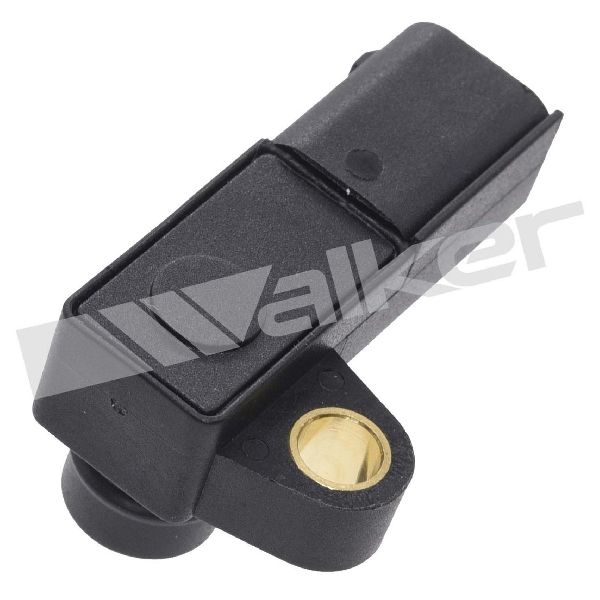
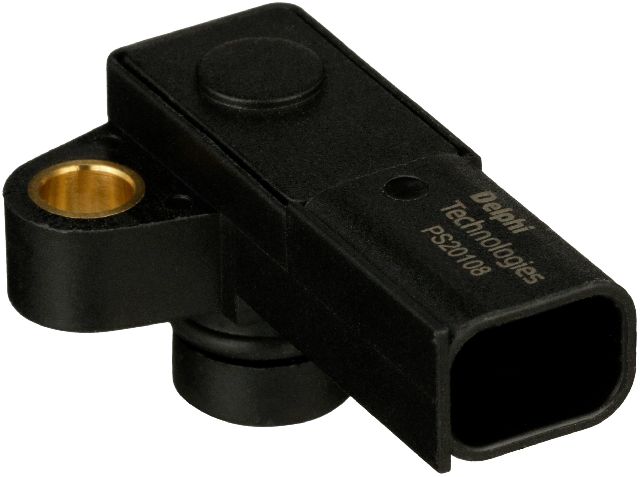
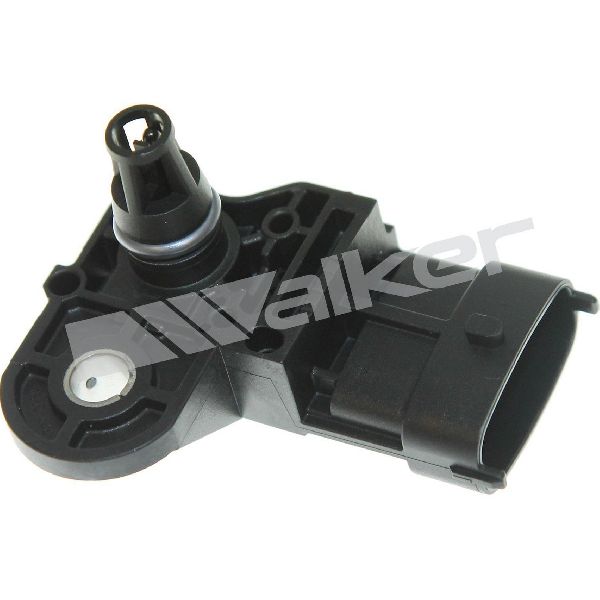
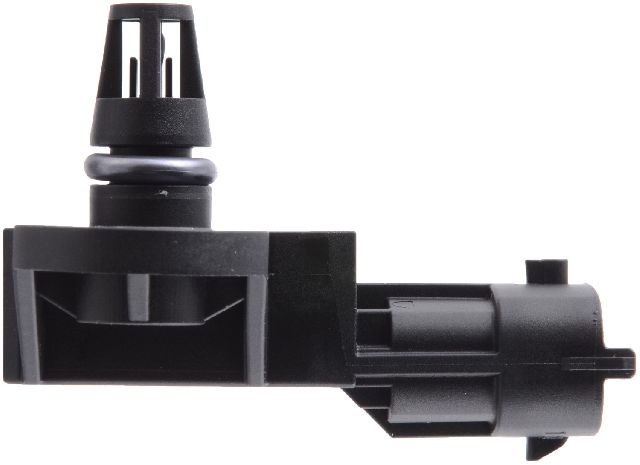
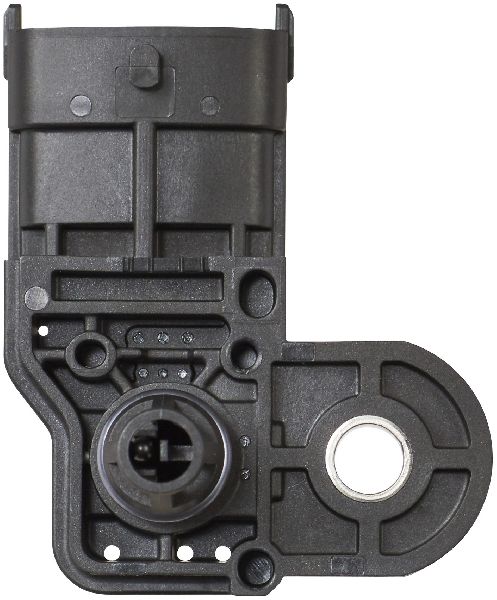
- Manifold Absolute Pressure (MAP) Sensor
(OEM #BC3Z-9F479-B)— A soot-fouled MAP sensor is a very common cause of an incorrect P0402 code on the 6.7L Power Stroke, as it provides faulty data to the PCM. Cleaning is often sufficient, but replacement may be needed.
Trusted brands: Motorcraft, Bosch, Alliant Power
OEM price range: $60-$95
Aftermarket price range: $40-$70 - EGR Valve
(OEM #BC3Z-9D475-J)— This is the primary mechanical component that can stick open due to carbon buildup, causing excessive EGR flow. It is a less frequent cause than software or MAP sensor issues on this platform but is still a notable possibility.
Trusted brands: Motorcraft, Standard Motor Products (SMP)
OEM price range: $250-$400
Aftermarket price range: $180-$300
Related Codes That Often Appear With This One
- P0401 — Insufficient EGR Flow. TSB 19-2343 lists P0401 and P0402 together as being caused by the same PCM software issue.
- P2074 — Manifold Absolute Pressure/Mass Air Flow - Throttle Position Correlation. This code is also listed in TSB 19-2343 as being related to the same PCM software glitch.
- P0170 — Fuel Trim Malfunction. Also listed in TSB 19-2343 as part of the same software-related group of codes.
Technical Service Bulletins (TSBs) & Recalls
- TSB 19-2343
- TSB 16-0152
- SSM 46115
Platform-Specific Known Issues
- TSB 19-2343: For 2017-2019 models built on or before 9-Jan-2019, DTCs P0402, P0401, P2074, and/or P0170 can be caused by PCM software logic. The fix is to reprogram the PCM and reset MAF parameters. Ford notes this update will increase DEF consumption.
- TSB 16-0152: For some 2017 models built on or before 24-Oct-2016, P0402 can be set by itself due to the Mass Air Flow (MAF) sensor adaptation feature not having learned yet. The fix is a specific PCM 'as-built' data update and is only applicable if there are no drivability complaints.
- SSM 46115: This early service message directed technicians to specific diagnostic manual procedures for the P0402 code on 2017 models, indicating it was a known issue from the start of the generation.
Mechanic-Grade Diagnostic Values
- MAP vs. EBP vs. BARO Sensor Correlation at KOEO — expected: With the Key On, Engine Off (KOEO), the Manifold Absolute Pressure (MAP), Exhaust Pressure (EBP), and Barometric Pressure (BARO) sensor readings should all be nearly identical, reflecting atmospheric pressure.. Failure: If one sensor reads significantly different from the other two (e.g., >0.5 PSI difference), it indicates a biased or faulty sensor that will cause incorrect EGR flow calculations.
- MAF Learned Idle Airflow (MAFLRN_AIDLE) PID — expected: Greater than or equal to 0.04.. Failure: A value less than 0.04 on an early 2017 model with only a P0402 code indicates that the MAF sensor adaptation has not been learned, as per TSB 16-0152.
Scan Tool Commands That Help

- Ford IDS (or equivalent like FORScan): EGR Valve Actuation / Bidirectional Control — To test the mechanical function of the EGR valve without removal. A technician can command the valve open and closed while monitoring position PIDs (EGR_V_CMD vs EGR_V_POS) to see if it is physically sticking or responding slowly.
- Ford IDS: MAF Sensor Parameter Reset — This is a mandatory step after reprogramming the PCM per TSB 19-2343. It clears the old learned adaptive values for the MAF sensor, forcing the PCM to relearn airflow characteristics with the new software strategy.
- Ford IDS (or equivalent): Reset All Adaptations / Clear TCM KAM — After replacing a major component like an EGR valve, CAC pipe, or MAP sensor, resetting the PCM's adaptive learning tables can be crucial. This forces the computer to relearn the flow characteristics of the new components, preventing codes from being set based on old, invalid data.
Wiring & Ground Locations
- G104 — Located in the left rear of the engine compartment on the fender apron.. This is a major ground point for the Powertrain Control Module (PCM). A loose, damaged, or corroded connection here can cause erratic behavior from the PCM and incorrect sensor readings from the MAP, EBP, and EGR sensors, potentially leading to a false P0402 code.
- MAP Sensor Connector — On the MAP sensor itself, which is mounted to the top of the intake manifold.. This 3-pin connector provides the sensor with a 5V reference, ground, and a signal return to the PCM. Damage or corrosion here can cause a complete loss of signal (P0107) or incorrect readings that trigger P0402.
Real Owner Repair Stories
- ScannerDanner Forum (2017 Ford F-350 6.7L with ~32,000 miles) — Check Engine Light came on while pulling a travel trailer. Codes P0402 and P0107 (MAP Circuit Low) were present.
❌ Tried (didn't work) Initial online research pointed towards the EGR valve.
✅ What actually fixed it The scan tool showed 0 volts for the MAP sensor live data. The MAP sensor was replaced, which cleared both the P0107 and the P0402 codes. - Ford Truck Zone forum user (2019 Ford F-250) — P0402 code, engine in derate mode while hauling a travel trailer.
❌ Tried (didn't work) Initial diagnosis was to bring it to the dealer.
✅ What actually fixed it The dealer confirmed the EGR valve needed to be replaced to fix the excessive flow condition. - Ford-Trucks.com forum user (2019 F-250 6.7L with 117k miles) — P0402 appeared a few drive cycles after replacing a failed aftermarket cold-side charge air cooler (CAC) pipe with a stock part.
❌ Tried (didn't work) Replacing the CAC pipe.
✅ What actually fixed it The thread did not have a final confirmed fix from the original poster, but the consensus among multiple users with the identical issue was that the PCM had adapted its fuel and airflow strategy to the pre-existing boost leak. Once the leak was fixed with a new pipe, the old strategy was incorrect, triggering the P0402. The suggested fix was to clean the MAP sensor (which may have been fouled) and/or perform a PCM adaptive memory reset.
When the Usual Fixes Don't Work
- While PCM software and MAP sensor issues are the most common causes, they are not the only ones. A forum member with a 2017 F-350 with less than 40,000 miles had the P0402 code resolved only by a complete EGR valve replacement by the dealer, confirming that direct mechanical failure of the valve can occur even on lower-mileage trucks within this year range.
OEM Part Supersession History
BC3Z-9F479-A→BC3Z-9F479-B— Standard part revision by the manufacturer.
Heads up: The parts are directly interchangeable. BC3Z-9F479-B is the correct service part for the entire 2017-2019 range.
Model Year Variations Within This Range
- 2017 (early models): Early 2017 models built on or before Oct 24, 2016, can set a false P0402 due to the MAF sensor adaptation not having learned yet. This is addressed by TSB 16-0152, which requires a specific 'as-built' data update rather than a standard PCM reflash.
- 2017-2019: The engine and emissions systems are largely the same across the 2017-2019 model years. The primary software-related TSB (19-2343) applies to vehicles across this range built before January 9, 2019. The EGR cooler design carried over from 2017-2019 into the 2020+ models.
Helpful Videos
We Have This Part in Stock


The information in this article is provided for general reference and educational purposes only. Vehicle specifications, procedures, and part compatibility can vary by production date, trim level, and region. Always consult your vehicle's factory service manual and verify part numbers before purchasing or performing repairs. Safety-critical components such as airbags, seat belts, and braking systems should be installed by a qualified professional.
- Ford F-250 SD:
- 🎬 Helpful Videos
- 🛍️ Shop This Part
- What's Unique About the 2017-2019 Ford F-250 SD
- Diagnostic Flowchart
- Symptoms You May Notice
- Most Likely Causes
- Rare But Worth Checking
- Diagnosis Steps
- Parts You'll Likely Need
- Related Codes That Often Appear With This One
- Technical Service Bulletins (TSBs) & Recalls
- Platform-Specific Known Issues
- Mechanic-Grade Diagnostic Values
- Scan Tool Commands That Help
- Wiring & Ground Locations
- Real Owner Repair Stories
- When the Usual Fixes Don't Work
- OEM Part Supersession History
- Model Year Variations Within This Range
- 🎟️ Get 5% Off