

P0391 on 2013 Scion FR-S: Camshaft Position Sensor 'B' (Bank 2) Causes and Fixes
On a 2013 Scion FR-S, code P0391 is most often caused by a faulty exhaust camshaft position sensor on Bank 2 or incorrect sensor clearance. A TSB was issued for the clearance issue affecting early 2013 models, which can be fixed by adding a specific shim (Part #SU003-04600). Replacing the sensor costs about $95 for an OEM part (Part #SU003-00414).
- P0391 on a 2013 FR-S points to a problem with the exhaust camshaft position sensor on the driver's side (Bank 2).
- Before replacing the sensor, check if your car's VIN is earlier than JF1ZNAA1#D#721474. If so, the problem is most likely incorrect sensor clearance, which is fixed by installing a shim (Part #SU003-04600) per TSB S-SB-0013-14.
- A simple diagnostic step is to swap the driver's side exhaust sensor with the passenger's side exhaust sensor. If the code moves to Bank 1 (P0366), the sensor is confirmed to be faulty.
- Be aware of the vehicle's history regarding the valve spring recall, as improper repairs have been linked to subsequent engine and timing issues.
What's Unique About the 2013-2013 Scion FR-S
The 2013 Scion FR-S, a joint project with Subaru, uses a Subaru FA20 boxer engine. This design has two separate cylinder heads (banks), each with its own set of camshafts and sensors. A well-documented issue for early 2013 models is the camshaft position sensor clearance being out of specification, which prompted Toyota to issue Technical Service Bulletin S-SB-0013-14. This TSB, which specifically addresses P0391 and related codes, makes an incorrect air gap a unique and highly probable cause for this vehicle, unlike in many other cars where the sensor itself is the more likely point of failure.
Diagnostic Flowchart
Tap your situation to follow the diagnostic path that matches what you're seeing on this vehicle.
Symptoms You May Notice
- Check Engine Light is on
- Rough or unstable idle
- Engine hesitation or stumbling during acceleration
- Reduced engine power or 'limp-home' mode
- Engine may stall, especially at low speeds or when stopping
- Difficulty starting the engine or extended cranking time
- Increased fuel consumption
- Inconsistent RPM fluctuations
- Replacing the crankshaft position sensor.
- Replacing ignition coils or spark plugs for misfires without first addressing the cam sensor code.
- Assuming the sensor is faulty when the actual problem is the sensor clearance (TSB issue) on an early 2013 model.
Most Likely Causes
- Incorrect Camshaft Position Sensor Clearance 🔴 High Probability A known issue for early production 2013 models produced before VIN JF1ZNAA1#D#721474, addressed by TSB S-SB-0013-14. The air gap between the sensor and the timing cover can be out of spec, causing an erratic signal.
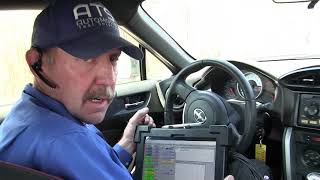
How to confirm: Check the vehicle's production VIN against the TSB. A technician can measure the clearance or use an oscilloscope to check for an abnormal waveform, which is the recommended procedure in the parallel Subaru TSB. 🎬 Watch: A walkthrough of the cam and crank sensor clearance issue.
Typical fix: Install the appropriate shim kit between the sensor and the timing cover. For the Bank 2 exhaust sensor, the correct kit is Toyota Part #SU003-04600. Do not stack shims.
Est. part cost: $10-$20 for the shim kit. - Faulty Exhaust Camshaft Position Sensor (Bank 2) 🔴 High Probability
How to confirm: After checking wiring, swap the Bank 2 exhaust sensor (driver's side) with the Bank 1 exhaust sensor (passenger side). Clear codes and drive. If the code changes to P0366 (Camshaft Position Sensor 'B' Circuit Range/Performance Bank 1), the sensor is bad. This is a common diagnostic step mentioned by owners.
Typical fix: Replace the Bank 2 exhaust camshaft position sensor. The OEM part is made by Mitsubishi.
Est. part cost: $60-$125 - Wiring or Connector Issue 🟡 Medium Probability The engine harness connectors can become brittle. Oil contamination from a leaking camshaft seal or front timing cover can also degrade the connector and wiring.
How to confirm: Visually inspect the wiring harness and connector for the Bank 2 exhaust cam sensor for damage, corrosion, or oil saturation. Use a multimeter to check for 5V reference, ground continuity, and signal. Wiggle the harness while monitoring live data to check for intermittent faults.
Typical fix: Repair the damaged section of the wiring harness or replace the connector pigtail.
Est. part cost: $10-$50
Rare But Worth Checking
- Stretched Timing Chain or Faulty Cam Phaser (AVCS Sprocket): While less common, mechanical timing issues can cause the camshaft and crankshaft signals to be out of sync, triggering a performance code. This is usually accompanied by rattling noises from the front of the engine and may affect both banks.
- Low/Dirty Oil or Clogged Oil Control Valve (OCV): The AVCS system uses oil pressure to adjust cam timing. Low or dirty oil, or a clogged OCV filter, can cause the camshaft to respond slowly or incorrectly, leading to a performance code like P0391.
- Failing Powertrain Control Module (PCM): This is extremely rare. The PCM should only be considered after all other possibilities, including sensors, wiring, the TSB, and mechanical timing, have been exhaustively ruled out.
Diagnosis Steps
- Read the trouble codes with an OBD-II scanner and note any other codes present, especially misfire or other cam sensor codes.
- Check your vehicle's VIN. If it was produced before JF1ZNAA1#D#721474, the TSB for sensor clearance is the most likely cause.
- Visually inspect the wiring and connector for the Bank 2 (driver's side) exhaust camshaft position sensor. Look for signs of melting, corrosion, or oil contamination from nearby seals.
- If wiring looks good, clear codes. Swap the Bank 2 exhaust sensor with the Bank 1 (passenger side) exhaust sensor. They are identical parts.
- Drive the vehicle and re-scan. If the code changes to P0366, the sensor you moved is faulty and needs replacement.
- If P0391 returns, the issue is almost certainly the sensor clearance. Obtain the shim kit (Part #SU003-04600) and install the 0.2mm shim according to TSB S-SB-0013-14.
- If the issue persists, use an oscilloscope to compare the cam and crank sensor signals to a known-good pattern. This can reveal deeper mechanical timing issues.
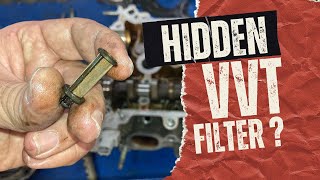
- As a final, rare check, investigate the PCM or check for clogged OCV filters if oil maintenance has been neglected. 🎬 Watch: How to find and clean the hidden VVT filters.
Parts You'll Likely Need
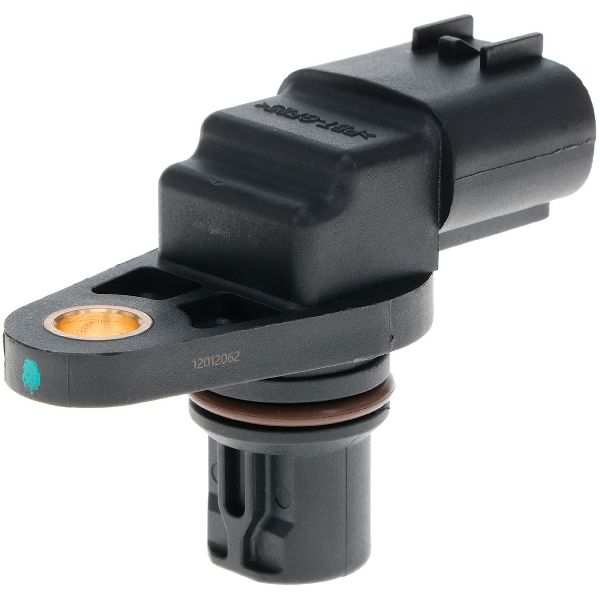
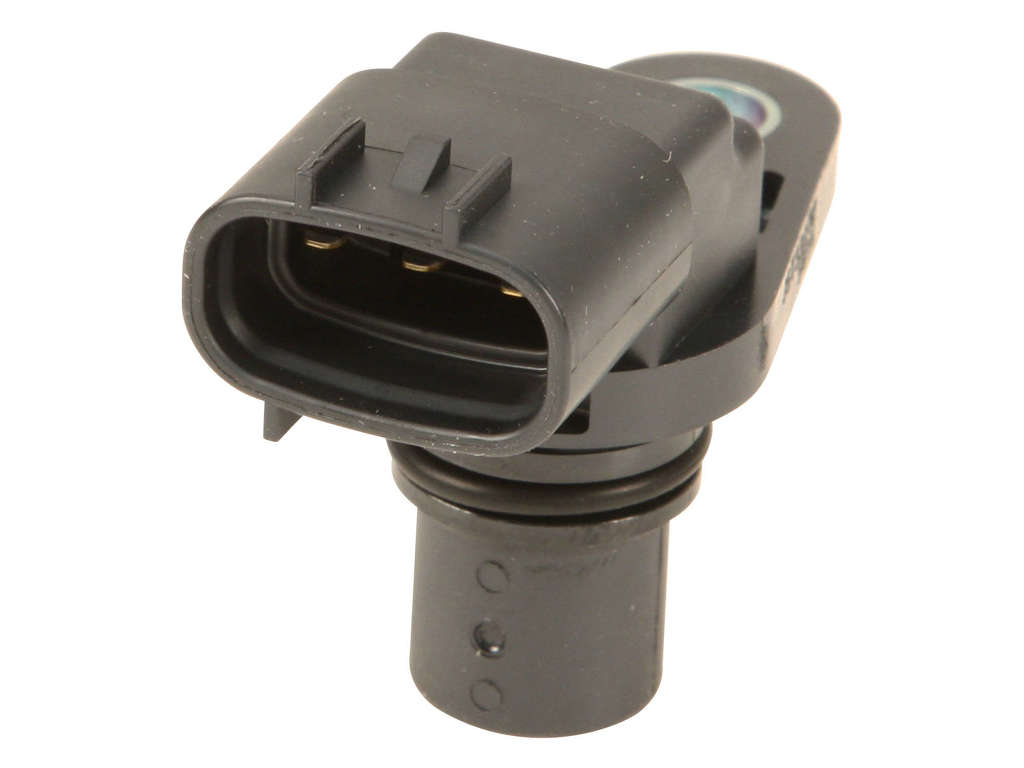
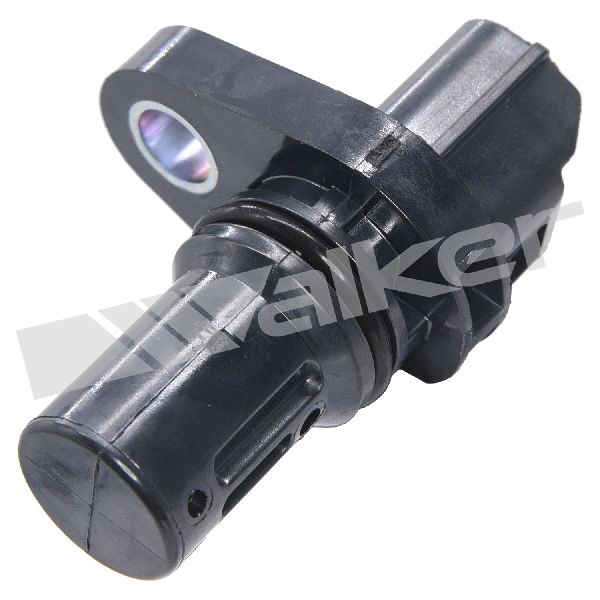
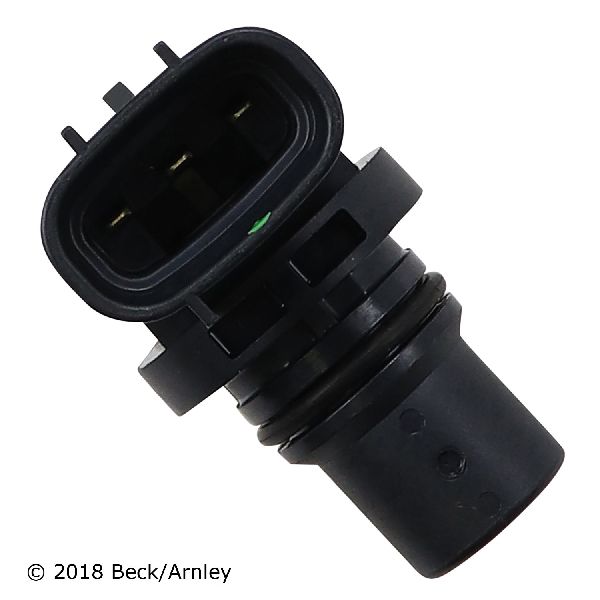
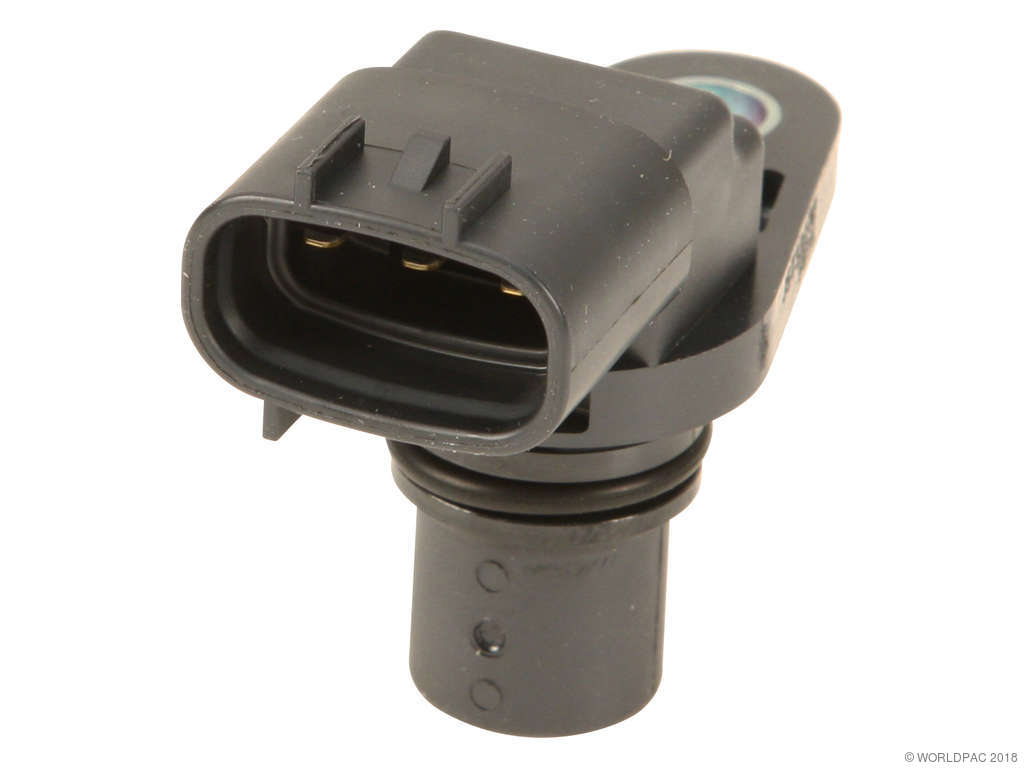
- Camshaft Position Sensor
(OEM #SU003-00414)— This sensor is the primary component responsible for the signal. It can fail internally or have its reading affected by the known clearance issue on this vehicle.
Trusted brands: Toyota/Subaru (Genuine OEM, made by Mitsubishi), Denso, NTK/NGK, Delphi
OEM price range: $95-$125
Aftermarket price range: $40-$80 - Camshaft Position Sensor Shim Kit
(OEM #SU003-04600)— Required to fix the sensor clearance issue as specified in Toyota's Technical Service Bulletin S-SB-0013-14 for early 2013 models. This kit is for the intake and Bank 2 (LH) exhaust sensors.
Trusted brands: Toyota (Genuine)
OEM price range: $10-$20
Related Codes That Often Appear With This One
- P0390 — This is the generic circuit fault code for the same sensor (Camshaft Position Sensor 'B' Circuit Bank 2). It often appears with P0391, as seen in owner reports.
- P0366 — This is the equivalent range/performance code for the exhaust cam sensor on Bank 1. Seeing both P0391 and P0366 could point to a systemic issue like low oil pressure, a timing problem affecting both banks, or a wiring harness issue common to both.
- P0302, P0304 — These are misfire codes for cylinders on Bank 2 (driver's side). A bad cam sensor signal disrupts timing on that bank, leading to misfires. The TSB S-SB-0013-14 explicitly lists these codes as potential companions.
Technical Service Bulletins (TSBs) & Recalls
- S-SB-0013-14 / S-SB-0033-13: Addresses MIL ON with various camshaft position sensor and misfire DTCs (including P0391) due to incorrect sensor clearance on vehicles built before VIN JF1ZNAA1#D#721474. The fix is to install a shim kit.
- Subaru TSB 11-130-13: The parallel bulletin for the Subaru BRZ, covering the same issue and repair procedure.
Platform-Specific Known Issues
- TSB for Incorrect Sensor Clearance: A Technical Service Bulletin (S-SB-0013-14, which supersedes S-SB-0033-13) was issued for 2013 FR-S models built before VIN JF1ZNAA1#D#721474. It addresses codes like P0391 caused by an out-of-spec air gap for the cam sensors. The fix involves adding a 0.2mm shim. Forum users on ft86club.com widely report this TSB as the definitive fix for early 2013 models.
- Complications from Valve Spring Recall: The 2013 model year was subject to a major safety recall for engine valve springs that could fracture. Numerous owners have reported severe engine problems, including engine failure and fires, shortly after the recall work was performed by dealerships. Some owners on forums have anecdotally linked the onset of timing-related codes like P0391 to improperly executed recall repairs, potentially due to incorrect application of sealant or other reassembly errors.
Mechanic-Grade Diagnostic Values
- Camshaft Position Sensor Connector Voltage (3-Wire Hall Effect Sensor) — expected: Pin 1 (VCC/Power): ~5V DC with key on, engine off. Pin 2 (Signal): Should switch between ~0V and ~5V when engine is cranked (best viewed on oscilloscope). Pin 3 (Ground): Near 0V, with continuity to chassis ground (<10 Ohms).. Failure: No power on Pin 1, no signal switching on Pin 2, or high resistance on Pin 3 indicates a wiring or PCM issue.
- Oil Control Valve (OCV) / VVT Solenoid Resistance — expected: 6.9 – 7.9 Ω at 68°F (20°C). Failure: Resistance outside this range indicates a faulty solenoid, which can cause the cam phaser to respond incorrectly and trigger a performance code like P0391.
Hidden / Shadow Codes Worth Checking
- Enhanced Freeze Frame Data: While the FR-S does not use proprietary 'shadow codes' in the same way as some German manufacturers, Toyota's Techstream software provides highly detailed freeze frame data. This captures a much wider array of engine parameters at the exact moment the P0391 code was set, offering more diagnostic clues than standard OBD-II scanners. (see via Toyota Techstream diagnostic software.)
Scan Tool Commands That Help
- Toyota Techstream: Active Test: Control the VVT System (Bank 2 Exhaust) — This bidirectional command allows a technician to manually order the ECM to advance or retard the Bank 2 exhaust camshaft timing. While monitoring live data for 'VVT Angle' and 'Target VVT Angle', the technician can confirm if the mechanical AVCS phaser is responding correctly to commands. If the phaser fails to move or responds slowly, it points to a mechanical or hydraulic issue (bad phaser, clogged OCV, low oil pressure) rather than a sensor or wiring fault.
Wiring & Ground Locations
- E7 — The electrical connector for the Bank 2 (driver's side) exhaust camshaft position sensor.. This is the direct connection point for the sensor. Checking for power, ground, and signal at this connector's pins is a primary diagnostic step. Damage or corrosion here will directly cause P0391.
- EA / EB — Main engine ground points located on the left (EA) and right (EB) cylinder heads.. The camshaft position sensors are grounded through the engine harness, which relies on these primary ground points. A loose or corroded ground at these locations can introduce electrical noise or incorrect voltages, affecting sensor readings for the entire bank.
Real Owner Repair Stories
- ft86club.com forum member (2013 Scion FR-S) — Check Engine Light with P0390/P0391.
❌ Tried (didn't work) Replacing the camshaft position sensor., Applying the TSB shim kit.
✅ What actually fixed it The dealer found the camshaft sprocket (AVCS gear) was faulty and replaced it. This indicates a mechanical failure of the variable timing system itself. - ft86club.com forum member (2013 Scion FR-S, post-valve spring recall) — Check Engine Light with P0390.
❌ Tried (didn't work) Replacing the camshaft position sensor.
✅ What actually fixed it The dealer discovered the camshaft carrier was scored. The final repair involved replacing the cam carrier, the camshaft itself, and associated seals, suggesting mechanical damage occurred during the previous recall repair. - Anecdotal reports from multiple FT86 forum members (2013 Scion FR-S / Subaru BRZ, often after major engine work like the valve spring recall.) — Rough idle and camshaft timing codes (P0391, P0366, etc.) appearing after a repair.
❌ Tried (didn't work) Sensor replacement., Checking sensor clearance (TSB).
✅ What actually fixed it Discovery of excessive RTV sealant (liquid gasket) partially clogging oil passages or the filter screen for the Oil Control Valve (OCV). The fix required removing the timing cover or other components to clean out the stray sealant and restore proper oil flow to the AVCS system.
"I Checked Everything" — The Actual Cause
- A common scenario for this code on the FA20 engine involves issues that a smoke test (for vacuum leaks) would not find. After a major repair like the valve spring recall, excessive RTV sealant can break off internally and clog small oil passages leading to the AVCS cam phasers or the Oil Control Valve (OCV) filter screens. This starves the phaser of the oil pressure it needs to adjust cam timing, causing a performance code like P0391. The engine is mechanically sound and has no vacuum leaks, but the hydraulic control of the camshaft is impaired. Diagnosis requires ruling out the sensor and wiring, then investigating for blockages, often prompted by the code appearing shortly after another engine service.
When the Usual Fixes Don't Work
- While the TSB for sensor clearance and sensor replacement are the most common fixes, there are multiple documented cases on owner forums where these steps did not resolve the P0391 code. In one instance, the issue persisted until the dealer replaced the entire AVCS camshaft sprocket, pointing to a mechanical failure within the phaser itself. In another case following the valve spring recall, the root cause was found to be a scored camshaft carrier, requiring replacement of the camshaft and carrier. A third pattern involves excessive RTV sealant from a previous repair breaking loose and clogging oil passages to the OCV or cam phaser, which required extensive cleaning to fix. These stories highlight that if the common fixes fail, the problem is likely mechanical or hydraulic within the AVCS system, not electronic.
OEM Part Supersession History
SU003-00414→SU003-00414— No supersession. This remains the current and original part number for the camshaft position sensor.
Model Year Variations Within This Range
- Early 2013: Models produced before VIN JF1ZNAA1#D#721474 are prone to incorrect camshaft position sensor clearance, as addressed in TSB S-SB-0013-14. Later 2013 models and subsequent years had this manufacturing tolerance corrected and are not subject to the TSB.
- 2015+: While not directly related to P0391, a known issue with coil pack wiring harnesses on 2013-2014 models was resolved with an updated harness design in 2015. In one documented case, a user attempting to fix the coil pack issue by repinning the harness inadvertently created a new wiring problem that triggered P0390/P0391.
Helpful Videos
We Have This Part in Stock


The information in this article is provided for general reference and educational purposes only. Vehicle specifications, procedures, and part compatibility can vary by production date, trim level, and region. Always consult your vehicle's factory service manual and verify part numbers before purchasing or performing repairs. Safety-critical components such as airbags, seat belts, and braking systems should be installed by a qualified professional.
- Scion FR-S:
- 🎬 Helpful Videos
- 🛍️ Shop This Part
- What's Unique About the 2013-2013 Scion FR-S
- Diagnostic Flowchart
- Symptoms You May Notice
- Most Likely Causes
- Rare But Worth Checking
- Diagnosis Steps
- Parts You'll Likely Need
- Related Codes That Often Appear With This One
- Technical Service Bulletins (TSBs) & Recalls
- Platform-Specific Known Issues
- Mechanic-Grade Diagnostic Values
- Hidden / Shadow Codes Worth Checking
- Scan Tool Commands That Help
- Wiring & Ground Locations
- Real Owner Repair Stories
- "I Checked Everything" — The Actual Cause
- When the Usual Fixes Don't Work
- OEM Part Supersession History
- Model Year Variations Within This Range
- 🎟️ Get 5% Off