

P0390 on 2014-2018 Ram ProMaster: Camshaft Sensor 'B' Bank 2 Causes and Fixes
P0390 on a Ram ProMaster with the 3.6L V6 engine indicates a fault with the camshaft position sensor circuit for Bank 2. This is the easier-to-access sensor on the cylinder bank near the radiator. The most common fix is replacing the sensor itself, but checking the wiring for damage or oil contamination is a critical first step, as oil leaks from the nearby oil cooler housing are a known issue on this engine.
- P0390 points to the camshaft position sensor circuit on the front, radiator-side cylinder bank, which is relatively easy to access.
- Before buying a new sensor, inspect its wiring and connector for damage and especially for oil contamination, and try swapping it with the rear sensor to confirm the failure.
- A very common underlying cause for this code on the 3.6L Pentastar is a leaking oil filter/cooler housing, which drips oil onto the sensor and wiring.
- A manufacturer TSB exists for this code, which suggests the root cause can sometimes be more complex than just a bad sensor.
- While the most likely fix is a new camshaft position sensor, be prepared to address oil leaks or, in rare, high-mileage cases, investigate timing chain issues if the problem persists.
What's Unique About the 2014-2018 Ram PROMASTER

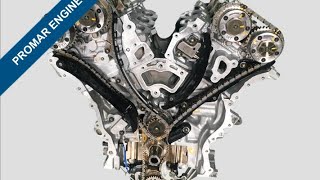
On the transversely mounted 3.6L Pentastar in the ProMaster, the Bank 2 sensor targeted by code P0390 is on the front of the engine, making it significantly easier to access and replace than the Bank 1 sensor against the firewall. 🎬 Watch: Locate the Bank 2 sensor on your ProMaster engine A notable Technical Service Bulletin (TSB) from the manufacturer instructed technicians to call an engineering hotline before replacing this sensor for a P0390 code, suggesting that a simple part swap may not always be the complete fix and that underlying wiring or other issues were being tracked. Furthermore, the 3.6L Pentastar is notorious for oil leaks from the oil filter/cooler housing assembly located in the engine valley, which can drip down and saturate the Bank 2 cam sensor and its connector, leading directly to this code.
Diagnostic Flowchart
Tap your situation to follow the diagnostic path that matches what you're seeing on this vehicle.
Symptoms You May Notice
- Check Engine Light is on
- Engine runs rough or idles poorly
- Hesitation or lack of power during acceleration
- Engine may be hard to start or fails to start
- Possible stalling at low speeds
- Decreased fuel mileage.
- Replacing the crankshaft position sensor. While related to engine timing, the P0390 code specifically points to the camshaft sensor circuit.
- Replacing the Bank 1 (rear) camshaft sensor. The code is specific to Bank 2, which is the front, radiator-side bank on a ProMaster.
- Repeatedly replacing the sensor without addressing an underlying oil leak from the oil cooler housing.
Most Likely Causes

- Failed Camshaft Position Sensor 🔴 High Probability Engine heat and vibration can cause the sensor's internal electronics to fail over time. Oil contamination is also a very common cause of failure.
How to confirm: Swap the Bank 2 (front) sensor with the Bank 1 (rear) sensor. If the trouble code changes to a Bank 1 code (like P0340 or P0345), the sensor is faulty. If the P0390 code returns, the problem is in the wiring or PCM.
Typical fix: Replace the Bank 2 camshaft position sensor.
Est. part cost: $40-$120 - Wiring Harness or Connector Damage 🟡 Medium Probability The wiring harness is exposed to engine heat and potential oil leaks, which can degrade the insulation or contaminate the connector pins, causing a poor connection. The plastic connector can become brittle and break. Wires are also known to break inside the loom near the rear doors on ProMaster vans, indicating a general vulnerability in the vehicle's wiring harnesses.
How to confirm: Visually inspect the wiring and connector leading to the Bank 2 cam sensor for any signs of melting, chafing, corrosion, or loose pins. Check for oil saturation. Use a multimeter to test for a consistent 5-volt reference signal and good ground at the connector.
Typical fix: Repair the damaged section of the wiring harness or clean/replace the electrical connector. A pigtail connector may be required if the original is damaged.
Est. part cost: $5-$50 - Oil Contamination from Oil Cooler Housing Leak 🟡 Medium Probability The 3.6L Pentastar engine is widely known for failures of the plastic oil filter/cooler housing assembly located in the 'V' of the engine. When it leaks, oil runs down the back of the engine, often dripping directly onto the Bank 2 camshaft position sensor and its wiring harness, causing a short or poor connection.
How to confirm: Inspect the area around and below the oil filter housing for signs of fresh or caked-on oil. The back of the engine block and the top of the transmission bellhousing will be wet with oil. If the cam sensor connector is full of oil, this is the likely root cause.
Typical fix: First, replace the camshaft sensor and clean the connector. Then, the leaking oil filter/cooler housing assembly must be replaced to prevent a repeat failure. This is a more involved repair.
Est. part cost: $150-$400 for the oil cooler assembly, plus the sensor cost. - Timing Chain or Phaser Issue ⚪ Low Probability While less common, higher-mileage 3.6L Pentastar engines can experience timing chain stretch or phaser problems. This can be exacerbated by oil starvation on startup, leading to wear on rockers and cams (the 'Pentastar Tick'), which disrupts the cam/crank correlation and can trigger this code.
How to confirm: This is a complex diagnosis that usually requires checking cam/crank correlation with an advanced scan tool or physically inspecting the timing components. This is often accompanied by rattling noises from the engine, especially on startup. A persistent P0390 that does not resolve with a new sensor or wiring repair may point to this.
Typical fix: Replace timing chains, tensioners, and guides. This is a labor-intensive job.
Est. part cost: $400-$800
Rare But Worth Checking
- Faulty Powertrain Control Module (PCM): This is very rare. The PCM should only be considered after all other possibilities, including the sensor and its entire circuit, have been thoroughly tested and ruled out.
Diagnosis Steps
- Read the code with an OBD-II scanner and check for any other related codes, especially oil pressure codes like P06DE.
- Visually inspect the wiring harness and connector for the Bank 2 (front) camshaft position sensor. Look for any signs of damage, corrosion, or especially oil contamination from above.
- If the wiring looks good, swap the Bank 2 sensor with the Bank 1 (rear) sensor. They are the same part.
- Clear the codes and drive the vehicle. If the code returns as P0390, the issue is in the wiring or PCM. If a Bank 1 code (like P0340) appears, the sensor you moved is faulty.
- If the sensor is confirmed to be good, use a multimeter to test the connector for the correct voltage (around 5V) and a solid ground connection.
- If the circuit tests good and the sensor is good, inspect the engine valley for signs of an oil leak from the oil filter/cooler housing. This is a very common failure point.
- If no wiring or oil leak issues are found, the problem may be more complex, such as a mechanical timing issue (stretched chain) or, rarely, a faulty PCM. This may require an advanced scan tool to check cam/crank correlation.
Parts You'll Likely Need

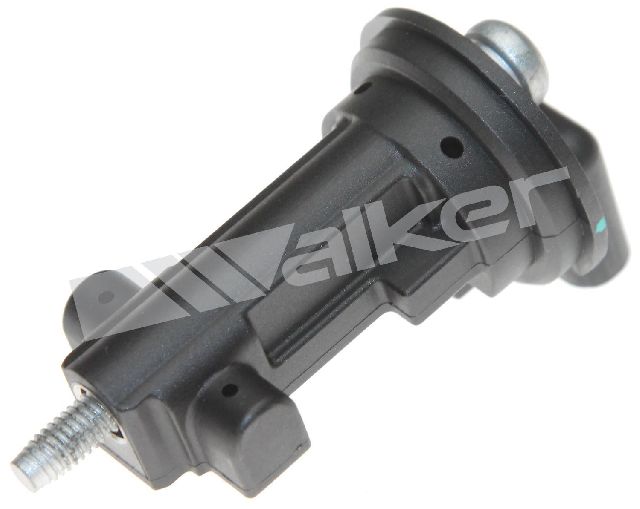
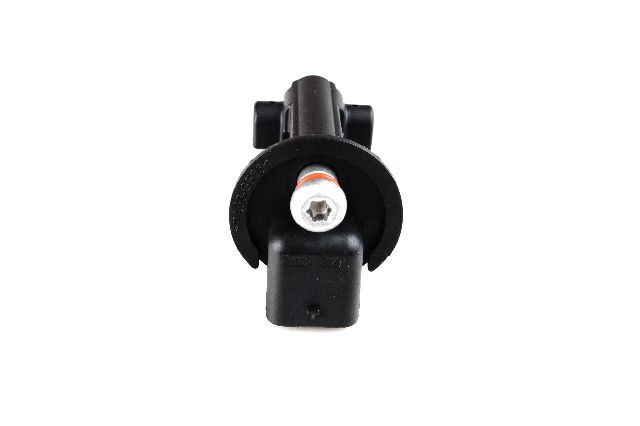
- Camshaft Position Sensor
(OEM #5149141AF)— This sensor is the most frequent point of failure for the P0390 code due to its electronic nature and exposure to harsh engine conditions, particularly oil leaks.
Trusted brands: Mopar, NTK/NGK, Delphi, Dorman
OEM price range: $70-$120
Aftermarket price range: $40-$80 - Oil Filter / Oil Cooler Housing Assembly
(OEM #68105583AF (or newer revision))— This is a common failure item on the 3.6L Pentastar. When it leaks oil, it often contaminates the Bank 2 cam sensor, causing code P0390. Replacing the sensor without fixing this leak will lead to a repeat failure.
Trusted brands: Mopar, Dorman (often available in an aluminum version)
OEM price range: $200-$300
Aftermarket price range: $150-$250
Related Codes That Often Appear With This One
- P0394 — This code indicates an intermittent signal from the same sensor, which can be a precursor to the complete circuit failure indicated by P0390.
- P0369 — This is another code related to the same Bank 2 sensor, often pointing to a performance or range issue rather than a complete circuit failure.
- P06DE or P06DD — These codes relate to the dual-stage oil pump being stuck in low or high-pressure mode. An oil pressure issue can affect the operation of the variable valve timing (VVT) phasers, which can in turn cause the PCM to flag a cam position error. This is especially relevant if the P0390 is intermittent.
Technical Service Bulletins (TSBs) & Recalls
- 05149141A: Instructs technicians to contact engineering before replacing the camshaft position sensor for P0390 and other related codes, indicating a known issue that may not be a simple sensor failure.
Platform-Specific Known Issues
- Water intrusion from the cowl area can drip onto the front of the engine, potentially affecting the Bank 2 sensor connector over time.
- The plastic oil filter/cooler housing assembly seated in the engine valley is a well-documented failure point. Leaking oil runs down the back of the engine, directly onto the Bank 2 cam sensor, saturating the connector and causing circuit faults like P0390.
Mechanic-Grade Diagnostic Values
- Camshaft Position Sensor 5V Supply — expected: 4.8V - 5.2V with key on, engine off.. Failure: Voltage below 4.8V or absent indicates a wiring or PCM issue.
- Camshaft Position Sensor Ground Circuit Resistance — expected: Less than 3.0 ohms to chassis ground.. Failure: Resistance higher than 3.0 ohms indicates a poor ground connection, which can cause erratic sensor signals.
- Camshaft Position Sensor Signal (Hall-Effect Test) — expected: The sensor signal wire should toggle between 5V and 0V when a magnet or metal object is passed in front of the sensor tip.. Failure: If the voltage does not switch cleanly between 5V and 0V, the sensor is likely faulty.
Scan Tool Commands That Help
- wiTECH (Chrysler/FCA Dealer Tool): Cam/Crank Relearn — This procedure is recommended after replacing a camshaft or crankshaft position sensor to ensure the PCM relearns the precise positions of the new components.
- wiTECH (Chrysler/FCA Dealer Tool): VVT System Test — If a mechanical timing issue is suspected, this bidirectional test can command the VVT solenoids and cam phasers to move, helping to identify if a phaser is stuck or slow to respond, which could trigger a P0390 code.
Wiring & Ground Locations

- Primary Engine/Transmission Ground Strap — A braided strap connecting the transmission case to a bolt on the transmission mount, accessible after removing the driver's side headlight.. This is the primary ground for the engine and transmission. A poor or intermittent connection here can cause inconsistent voltage references for all engine sensors, including the camshaft position sensor, leading to erratic signals and fault codes.
- PCM Connector C2, Pin 63 — On the main Powertrain Control Module (PCM).. This is the pin for 'CMP SIGNAL 3' (Camshaft Position Signal 3) on a 3.6L engine, which corresponds to one of the signals from the Bank 2 sensor. Technicians may need to test for continuity or voltage at this pin to diagnose a wiring break between the sensor and the PCM.
- PCM Connector C2, Pin 61 — On the main Powertrain Control Module (PCM).. This is the pin for 'CMP SIGNAL 4' (Camshaft Position Signal 4) on a 3.6L engine, which corresponds to the other signal from the dual-reading Bank 2 sensor. A fault related to P0390 could originate from the circuit connected to this pin.
Real Owner Repair Stories
- JK-Forum.com user (2018 Jeep JKU with 3.6L Pentastar (engine is the same family, wiring principles apply)) — Crank-no-start condition with multiple camshaft position sensor codes, including P0390.
❌ Tried (didn't work) Replacing both camshaft position sensors., Verifying 4.9V supply and <3 ohm ground at the connectors., Checking for shorts to ground or voltage on signal wires., Disconnecting and reconnecting all related harness connectors.
✅ What actually fixed it The user had rebuilt the engine and incorrectly timed the camshafts. The final fix was to completely re-time the engine, ensuring the phasers and chains were aligned correctly. The sensor codes were a symptom of the mechanical mistiming.
When the Usual Fixes Don't Work
- While the most common cause of P0390 is a failed sensor, the existence of TSB #05149141A, which instructed technicians to call an engineering hotline before replacement, strongly suggests that Chrysler was aware of underlying issues that a simple part swap wouldn't fix. This could include wiring harness problems, software sensitivity, or the mechanical phaser issues detailed in the edge cases. A forum user's experience with a complete engine re-time being the ultimate fix after replacing sensors highlights that when basic electrical diagnostics don't solve the code, the root cause can be purely mechanical.
OEM Part Supersession History
5149141AE (and earlier)→5149141AF— Standard part revision for improved reliability or manufacturing process change.
Heads up: While older part numbers may exist, 5149141AF is the recommended and currently supplied Mopar replacement. Using non-OEM sensors is noted in forums to sometimes cause persistent issues.
Helpful Videos

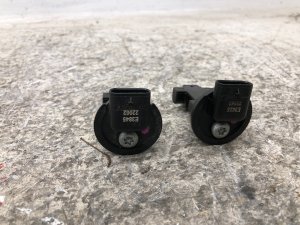
Used OEM Parts in Stock

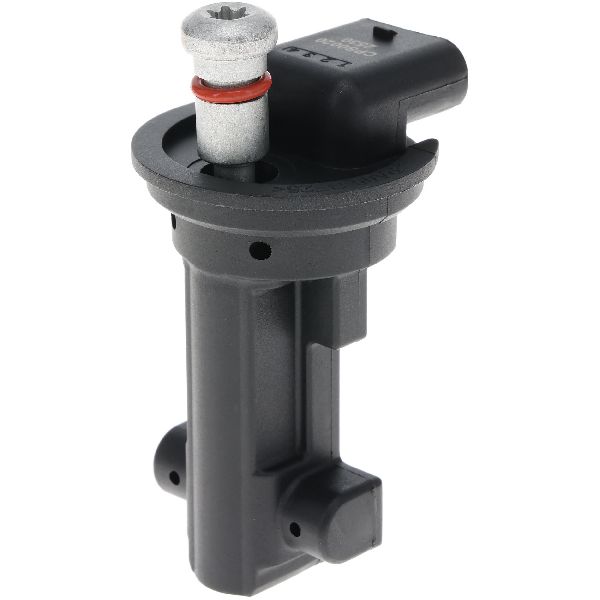
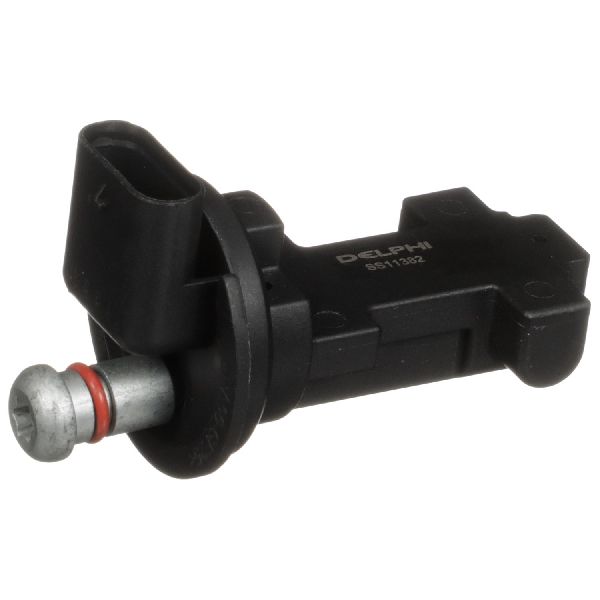
New Aftermarket Parts Available


The information in this article is provided for general reference and educational purposes only. Vehicle specifications, procedures, and part compatibility can vary by production date, trim level, and region. Always consult your vehicle's factory service manual and verify part numbers before purchasing or performing repairs. Safety-critical components such as airbags, seat belts, and braking systems should be installed by a qualified professional.
- Ram PROMASTER:
- 🎬 Helpful Videos
- 🛍️ Shop This Part
- What's Unique About the 2014-2018 Ram PROMASTER
- Diagnostic Flowchart
- Symptoms You May Notice
- Most Likely Causes
- Rare But Worth Checking
- Diagnosis Steps
- Parts You'll Likely Need
- Related Codes That Often Appear With This One
- Technical Service Bulletins (TSBs) & Recalls
- Platform-Specific Known Issues
- Mechanic-Grade Diagnostic Values
- Scan Tool Commands That Help
- Wiring & Ground Locations
- Real Owner Repair Stories
- When the Usual Fixes Don't Work
- OEM Part Supersession History
- 🎟️ Get 5% Off