

P0390 on 2018-2020 Ford F-150 5.0L: VCT Solenoid and Cam Sensor Fixes
On a 2018-2020 F-150 with the 5.0L V8, code P0390 is most often caused by a faulty Bank 2 (driver's side) exhaust VCT oil control solenoid, per Ford TSB 18-2360. This is a known issue also affecting the 2018-2019 Mustang GT. Expect to pay ~$35-$50 for the Motorcraft solenoid and ~$45-$70 for the required valve cover gasket set.
- For a 2018-2020 F-150 5.0L, P0390 almost always points to a bad Bank 2 (driver's side) exhaust VCT solenoid, not the cam sensor, as per TSB 18-2360.
- A key symptom is a rattle from the driver's side of the engine when letting off the gas.
- The repair requires removing the valve cover, so replacing the gasket and VCT seals at the same time is not optional.
- Always check the engine oil level first, as these engines have a known oil consumption issue that can affect VCT performance.
What's Unique About the 2018-2020 Ford F-150
For this specific F-150 and engine (and its platform mate, the Mustang GT), Ford released Technical Service Bulletin (TSB) 18-2360, which is critical for diagnosing P0390. The TSB states that if P0390 and/or P0394 are the only codes present, the cause is almost certainly a faulty exhaust VCT oil control solenoid on Bank 2, not the camshaft position sensor itself. This makes the diagnostic path unique, pointing directly to a known issue with the VCT solenoid on the 3rd generation Coyote V8 engine, allowing a technician to bypass traditional sensor testing and go straight to the likely point of failure.
Symptoms You May Notice
- Illuminated Check Engine Light
- Rough or unstable idle
- Engine stalling, especially at low RPM
- Noticeable loss of engine power and poor acceleration
- Difficulty starting the engine
- Decreased fuel economy
- A distinct rattling, crackling, or chattering noise from the driver's side front of the engine, especially when letting off the throttle 🎬 See how to identify and fix that deceleration rattle. (deceleration). This can be felt by hand on the solenoid itself.
- Replacing the camshaft position sensor without first considering the VCT solenoid. Due to TSB 18-2360, the solenoid is the primary and most likely culprit when P0390 appears alone on this specific vehicle.
Most Likely Causes
- Faulty Bank 2 Exhaust VCT Oil Control Solenoid 🔴 High Probability This is a well-documented failure on the 2018+ 5.0L engine, leading Ford to issue TSB 18-2360. The solenoid can fail internally, causing the rattle and triggering the circuit code.
How to confirm: Using a scan tool, verify that P0390 (or P0394) is the only diagnostic trouble code stored. If so, TSB 18-2360 directs you to replace the solenoid without further diagnosis. You can sometimes physically feel the solenoid chattering by hand during a throttle snap.
Typical fix: Replace the Bank 2 (driver's side) exhaust VCT oil control solenoid. This requires removing the driver's side valve cover. It is mandatory to replace the valve cover gasket and the VCT solenoid seals in the valve cover. A dab of RTV sealant (Ford TA-30 or equivalent) should be applied where the timing cover meets the cylinder head.
Est. part cost: $80-$120 - Faulty Camshaft Position Sensor (Bank 2 Exhaust) ⚪ Low Probability
How to confirm: This should only be investigated if replacing the VCT solenoid does not resolve the code, or if other codes are present. Test the sensor by checking for a proper AC voltage signal with the engine cranking, or check resistance across its pins with a multimeter.
Typical fix: Replace the Bank 2 exhaust camshaft position sensor. It is located on the rear of the driver's side cylinder head.
Est. part cost: $25-$40 - Wiring or Connector Issue ⚪ Low Probability
How to confirm: Visually inspect the wiring harness and connectors for both the Bank 2 cam sensor and the VCT solenoid. Look for chafing, breaks, corrosion, or oil contamination. Use a multimeter to check for continuity and shorts in the circuit from the PCM to the component.
Typical fix: Repair the damaged section of the wiring harness or clean/replace the electrical connector.
Est. part cost: $5-$50
Rare But Worth Checking
- Low or Dirty Engine Oil: The VCT system is hydraulic and relies on clean oil at the proper pressure to function. Given the known oil consumption issues with this engine (TSB 19-2365), it is critical to check the oil level and condition first. Low oil can cause erratic VCT operation and trigger various timing codes. Manufacturer bulletin SSM 47441 specifically notes that P0390 and P0394 may be caused by a low engine oil level and advises ensuring the level is between the minimum and maximum marks before further diagnosis.
- Base Timing Issue (e.g., Stretched Timing Chain, Failed Phaser): While a more serious and less common cause for an isolated P0390, a problem with the mechanical timing components like the phaser itself can lead to this code. This would typically be accompanied by other codes (like P0011, P0012, P0021, P0022) and more severe symptoms.
Diagnosis Steps
- Connect an OBD-II scanner and retrieve stored codes.
- Confirm if P0390 and/or P0394 are the only codes present. If yes, proceed based on Ford TSB 18-2360.
- If other codes are present, this TSB does not apply; proceed with standard diagnostics for the other codes first.
- CRITICAL: Check the engine oil level and condition. Top off or change if necessary. These engines are known to consume oil. 🎬 Watch: Why low oil often triggers the P0390 code. As stated in SSM 47441, a low oil level can be the direct cause of these specific DTCs.
- Per TSB 18-2360, the definitive next step is to replace the Bank 2 (driver's side) exhaust VCT oil control solenoid.
- To perform the repair, disconnect the battery, remove the airbox, and unplug the necessary sensors and ignition coils. Pull the wiring harness back from the driver's side valve cover.
- Remove the ignition coils and all valve cover bolts. The high-pressure fuel pump may need to be unbolted from the cover for access.
- Remove the valve cover. The solenoid is at the front of the head, held by an 8mm bolt.
- Replace the VCT solenoid, the main valve cover gasket, and the two VCT solenoid seals in the valve cover itself.
- Before reinstalling the valve cover, clean the mating surfaces and apply a small dab of silicone sealant (e.g., Motorcraft TA-30) at the corners where the timing cover meets the cylinder head.
- Reassemble all components, clear the codes, and perform a test drive, listening for the absence of the decel rattle to confirm the repair.
Parts You'll Likely Need
- VCT Oil Control Solenoid (Exhaust/Intake)
(OEM #HL3Z-6M280-A)— This is the most common cause of an isolated P0390 code on this vehicle, as identified by Ford TSB 18-2360. This part number is used for both intake and exhaust solenoids.
Trusted brands: Motorcraft
OEM price range: $35-$50
Aftermarket price range: $25-$40 - Valve Cover Gasket (Left/Driver Side)
(OEM #JL3Z-6584-D)— This gasket is a required replacement when removing the valve cover to access the VCT solenoid. It is not reusable.
Trusted brands: Motorcraft, Fel-Pro
OEM price range: $45-$70
Aftermarket price range: $30-$50 - VCT Solenoid Valve Cover Seal
(OEM #BR3Z-6C535-A)— This is the small circular seal in the valve cover that the top of the VCT solenoid passes through. TSB 18-2360 calls for its replacement. Two are needed per side.
Trusted brands: Motorcraft
OEM price range: $5-$10
Aftermarket price range: $3-$7 - Camshaft Position Sensor
(OEM #HX7Z-6B288-A)— If the VCT solenoid does not fix the issue, the sensor itself is the next most likely component to have failed.
Trusted brands: Motorcraft, NGK, Delphi, Standard Motor Products
OEM price range: $25-$40
Aftermarket price range: $15-$30
Related Codes That Often Appear With This One
- P0394 — P0394 is 'Camshaft Position Sensor 'B' Circuit Intermittent (Bank 2)'. It indicates an intermittent version of the same fault and is often caused by the same failing VCT solenoid. TSB 18-2360 applies to both codes.
Technical Service Bulletins (TSBs) & Recalls
- TSB 18-2360: '5.0L - Illuminated Malfunction Indicator Lamp (MIL) With Diagnostic Trouble Codes (DTCs) P0390 And/Or P0394'. This bulletin is the primary document for this issue, identifying a faulty Bank 2 exhaust VCT oil control solenoid as the cause and providing the part numbers and procedure for the fix. It applies to 2018 F-150 and 2018-2019 Mustang models.
- SSM 47441: This manufacturer bulletin notes that 2018 F-150 vehicles with the 5.0L engine may exhibit P0390 and/or P0394 due to low engine oil levels, and advises verifying the oil level before performing other repairs.
Platform-Specific Known Issues
- The 2018 5.0L V8 is known for having issues with the VCT solenoids, leading Ford to issue TSB 18-2360 to address codes P0390 and P0394 specifically by replacing the solenoid rather than the sensor.
- This issue is often accompanied by a noticeable rattle from the front of the engine on deceleration, which is a key indicator pointing towards the VCT solenoid.
Mechanic-Grade Diagnostic Values
- VCT Oil Control Solenoid internal resistance — expected: 7.0 - 15.0 Ohms. Measurements on a known-good 5.0L Coyote were 7.8-7.9 Ohms.. Failure: A reading of 0 Ohms (short) or infinite/OL (open circuit) indicates a failed solenoid coil.
- VCT Solenoid connector voltage (Key On, Engine Off) — expected: ~12V (Battery Voltage) on the power supply pin.. Failure: Low or no voltage points to a wiring issue upstream of the solenoid, not the solenoid itself.
- Camshaft Position Sensor (CMP) internal resistance — expected: Approximately 200 - 600 Ohms. (Note: A value of 334 Ohms was measured on a 2.5L Ranger, and 205-579 Ohms is spec for a 5.4L 3V).. Failure: A reading significantly outside this range suggests a faulty sensor. This is a secondary test if the VCT solenoid replacement does not fix the code.
- CMP Sensor connector voltage (Key On, Engine Off) — expected: For 3-wire sensors, expect a 5V reference (VREF) on one pin and ground on another.. Failure: Missing VREF or ground indicates a wiring or PCM issue.
Scan Tool Commands That Help
- Ford IDS (or equivalent professional scanner): VCT Solenoid Output State Control / Bidirectional Test — With the engine idling, a technician can command the suspect VCT solenoid on and off. A healthy solenoid will produce an audible click and cause a noticeable change in idle quality or may even stall the engine. If there is no click or change in idle, it confirms the solenoid is not actuating, either due to an internal failure or a circuit problem.
- Ford IDS (or equivalent professional scanner): Camshaft Position Sensor Relearn — This may be required after replacing a camshaft position sensor. If the engine runs poorly after sensor replacement, initiating this procedure can help the PCM learn the new sensor's specific electronic characteristics.
Wiring & Ground Locations
- Firewall to Cylinder Head Ground Strap — On the driver's side, a braided ground strap runs from the firewall (near the brake booster) to a bolt on the rear of the driver's side (Bank 2) cylinder head.. This is a primary ground point for engine sensors on Bank 2. If this strap is loose, corroded, or broken, it can cause an unstable ground reference for the camshaft position sensor, leading to erratic signals and a P0390 code even if the sensor and its direct wiring are good.
- CMP22 Circuit — This refers to the wiring circuit between the PCM and the Bank 2 Exhaust Camshaft Position Sensor.. The official diagnostic manual lists potential faults as an open, short to ground, or short to voltage in this specific circuit. Technicians must check for continuity and shorts on these wires between the PCM connector and the sensor connector.
- Engine Bay Power Distribution Box — Located in the engine bay on the passenger's side, near the battery.. This box contains fuses and relays that supply power to engine control circuits. While less common, a blown fuse related to the PCM or engine sensors could cause this code.
Real Owner Repair Stories
- f150forum.com user 'rolandlf150texas' and YouTube user 'Matt' (2019 F-150 5.0L with 40k miles) — Check Engine Light with P0390.
❌ Tried (didn't work) Replacing the Bank 2 exhaust camshaft position sensor. The code returned shortly after.
✅ What actually fixed it The engine was found to be 5 quarts low on oil. After topping off the oil to the correct level and clearing the code, the code did not return and the truck ran fine. This highlights the VCT system's sensitivity to oil level and pressure. - Mustang6G.com forum user (2019 Mustang GT 5.0L (same engine and VCT system)) — Rough idle, intermittent stalling, but no codes initially.
❌ Tried (didn't work) The owner was about to replace all four VCT solenoids.
✅ What actually fixed it The user discovered one of the electrical connectors to a VCT solenoid on the driver's side was not fully seated or had a bad connection. Replacing the pigtail connector resolved all symptoms without needing to replace the solenoid itself.
Documented NHTSA Reports
- An owner reported in NHTSA ODI #11585258 that their truck exhibited a check engine light and an occasional strange noise; an EEC test revealed code P0390 and the engine was found to be 5 quarts of oil low despite a recent oil change.
- NHTSA ODI #11661383 describes a situation where a truck threw a P0390 code because it was out of oil, noting that the oil gauge did not provide a warning that the oil was low.
When the Usual Fixes Don't Work
- While TSB 18-2360 is the primary diagnostic path and points directly to the VCT solenoid, multiple owner reports confirm that P0390 can also be triggered by a significantly low engine oil level. The VCT system is hydraulically operated, and low oil pressure can prevent the phasers from moving correctly, which the PCM can misinterpret as a sensor circuit fault. Therefore, checking the oil level is a critical first step that should be performed even before following the TSB, especially given the known oil consumption issues of this engine.
OEM Part Supersession History
HL3Z-6M280-A→HL3Z-6M280-A (current)— This part number appears to be the stable, long-running part for the Gen 3 Coyote VCT solenoids.
Heads up: While older Coyote generations had different VCT solenoid part numbers that went through revisions (e.g., BR3Z-6M280-D to -E), the HL3Z-6M280-A is the correct and specified part for the 2018-2020 F-150 5.0L.
Model Year Variations Within This Range
- 2018-2020: The 2018 model year marked the debut of the significantly updated 'Gen 3' 5.0L Coyote V8. It introduced a dual-fuel system (direct and port injection) and Plasma Transferred Wire Arc (PTWA) cylinder liners, among other changes. While TSB 18-2360 only explicitly lists the '2018 F-150', the engine and VCT system remained fundamentally the same through 2020, making the TSB's diagnosis and fix applicable to the entire 2018-2020 range.
Diagnostic Flowchart
Other Known Issues on This Vehicle
Issues unrelated to this code that are worth knowing about as an owner of this generation:
- Excessive Oil Consumption 🔴 High — Widespread on 2018-2020 models. Ford defines 'excessive' as more than 1 quart per 3,000 miles. Often noticed within the first 30,000 miles. (Ref: TSB 19-2365. The fix involves a PCM reprogram to reduce engine vacuum on deceleration and, for earlier builds, a revised dipstick.)
- Engine Rattle on Deceleration ('Decel Rattle') 🟠 Medium — Very common on 2018+ 5.0L engines, often present from new. It is a light, metallic rattle when decelerating between ~1500-800 RPM. (Ref: TSB 18-2354 was issued but many owners report it did not fix the noise, and dealers often classify the sound as a 'normal characteristic'.)
- 10R80 Transmission Harsh/Erratic Shifting 🟠 Medium — Common across many 2017+ Ford vehicles with the 10-speed automatic. Symptoms include hard shifts (especially 3rd-5th gear), jerking, and delayed engagement. (Ref: Multiple TSBs exist for software updates (e.g., TSB 21-2315) to improve shift logic. Some cases require valve body replacement. Several class-action lawsuits have been filed regarding this transmission.)
- Quiet Diesel/Ticking Noise at Idle 🟡 Low — A common characteristic often referred to as 'typewriter tick'. It is attributed to the high-pressure direct injection fuel system and is generally considered normal for this engine. (Ref: TSB 19-2144 acknowledges a 'light to moderate knocking type noise at idle' on 2018-2019 models.)
Used vs. New Parts: Buying Guide for This Vehicle
When a used part is the smart pick: For this repair, buying used parts is not recommended for any of the primary failure components (solenoid, sensor, gaskets). A used valve cover could be considered only if the original was physically cracked or damaged during the repair, but this is highly unlikely.
OEM-only on this vehicle (don't cheap out):
- VCT Oil Control Solenoid: Given that a faulty solenoid is a known issue addressed by a Ford TSB, using the OEM Motorcraft part (HL3Z-6M280-A) is strongly advised to ensure the latest revisions and reliability.
- Camshaft Position Sensor: Aftermarket cam sensors are notorious for high failure rates and causing codes to return. If the sensor must be replaced, use an OEM Motorcraft part.
Aftermarket brands forum-validated for this vehicle:
- Fel-Pro: A widely trusted and reliable brand for the valve cover and solenoid gaskets if an OEM Motorcraft set is not used.
Brands owners have reported issues with on this vehicle:
- Unbranded/generic VCT solenoids and sensors from online marketplaces like Amazon or eBay. Owners frequently report these parts failing quickly or being dead-on-arrival, leading to repeat repairs.
Real Owner Stories
Aggregated from forums and TSBs cited above. Mileages and costs reflect what owners reported in those sources.
2020 Ford F-150 5.0L — 59000 miles
Symptoms: Check engine light with code P0390 and a 'weird noise like a crackling noise when I press on the gas'.
What fixed it: The owner first replaced the camshaft position sensor, which cleared the code but did not fix the crackling noise.
Source hint: 2CarPros
2018 Ford F-150 5.0L
Symptoms: Check engine light with code P0390 and a short rattle after a cold start.
What fixed it: The dealer replaced the exhaust VCT solenoid according to the procedure in TSB 18-2360.
Source hint: f150forum.com: A thread titled 'Short Rattle after cold starting' from 12-16-2021
2019-2020 Ford F-150 5.0L
Symptoms: A distinct rattling noise from the engine, particularly on deceleration.
What fixed it: Replacement of the VCT solenoids, which required removing the valve cover.
Source hint: YouTube: User 'Ford Boss Me' videos showing the diagnosis and replacement of the VCT solenoids
Related OBD-II Codes
Frequently Asked Questions
I have a P0390 code and a rattle on my 2018 F-150. Is there a specific TSB for this?
Is the rattling noise I hear when letting off the gas related to the P0390 code?
The TSB says to replace the VCT solenoid. Should I try replacing the cheaper camshaft position sensor first?
I'm replacing the VCT solenoid myself. What other parts must I replace at the same time?
Does this P0390 solenoid issue affect any other Ford vehicles besides the F-150?
My truck is consuming a lot of oil. Could low oil be the only reason for my P0390 code?
Helpful Videos

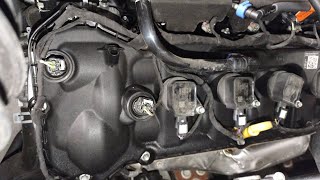
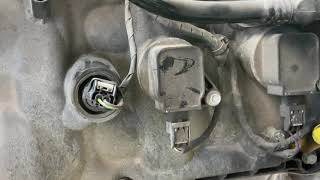
![2018 F150 5.0L V8 - Camshaft Position Sensor B (Bank 2) P0390 [LOW OIL]](https://img.youtube.com/vi/uq9l-yGBlQ0/mqdefault.jpg)
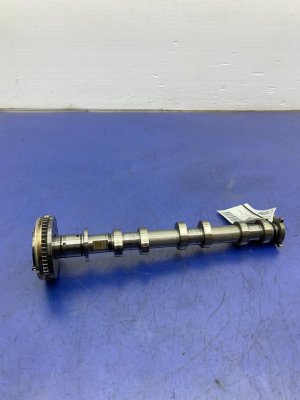
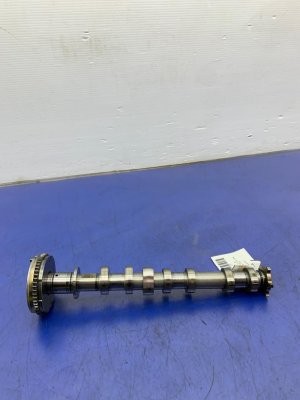
Used OEM Parts in Stock
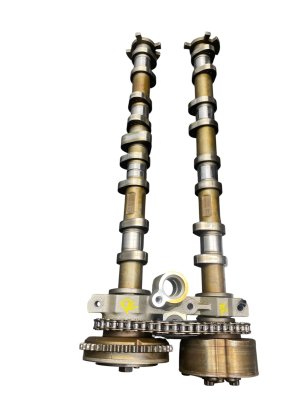
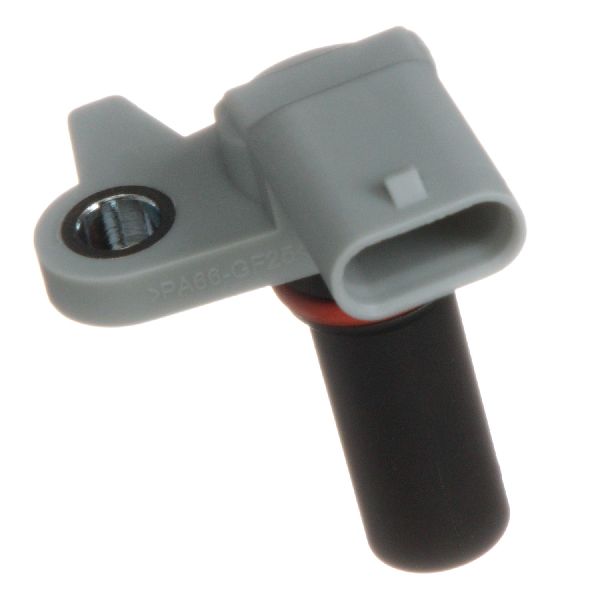
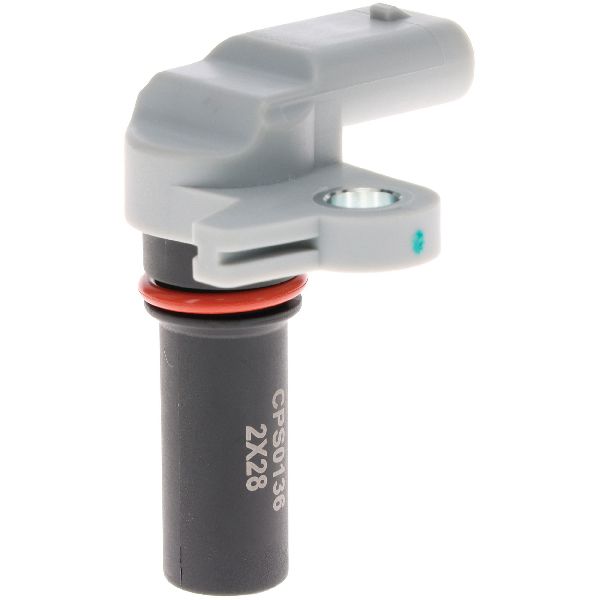
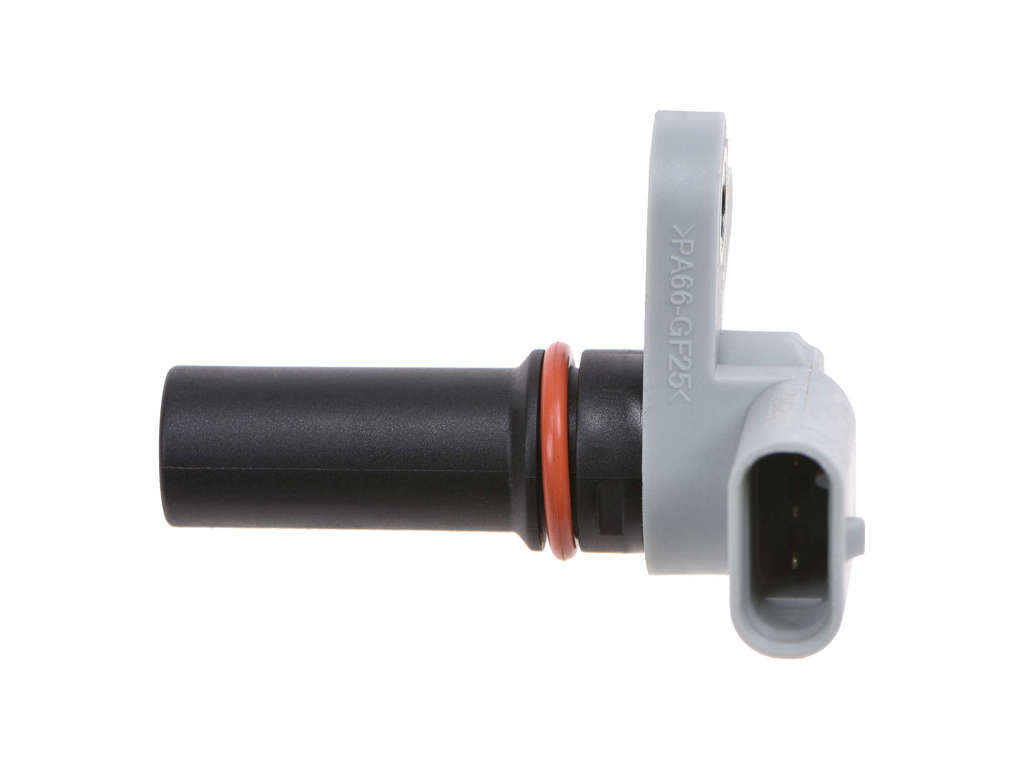
New Aftermarket Parts Available


The information in this article is provided for general reference and educational purposes only. Vehicle specifications, procedures, and part compatibility can vary by production date, trim level, and region. Always consult your vehicle's factory service manual and verify part numbers before purchasing or performing repairs. Safety-critical components such as airbags, seat belts, and braking systems should be installed by a qualified professional.
- Ford F-150:
- 🎬 Helpful Videos
- 🛍️ Shop This Part
- What's Unique About the 2018-2020 Ford F-150
- Symptoms You May Notice
- Most Likely Causes
- Rare But Worth Checking
- Diagnosis Steps
- Parts You'll Likely Need
- Related Codes That Often Appear With This One
- Technical Service Bulletins (TSBs) & Recalls
- Platform-Specific Known Issues
- Mechanic-Grade Diagnostic Values
- Scan Tool Commands That Help
- Wiring & Ground Locations
- Real Owner Repair Stories
- Documented NHTSA Reports
- When the Usual Fixes Don't Work
- OEM Part Supersession History
- Model Year Variations Within This Range
- Diagnostic Flowchart
- Other Known Issues on This Vehicle
- Used vs. New Parts: Buying Guide for This Vehicle
- Real Owner Stories
- 2020 Ford F-150 5.0L — 59000 miles
- 2018 Ford F-150 5.0L
- 2019-2020 Ford F-150 5.0L
- Related OBD-II Codes
- Frequently Asked Questions
- 🎟️ Get 5% Off