

P0369 on 2014-2018 Ram ProMaster 3.6L: Intermittent Cam Sensor Causes and Fixes
P0369 on a Ram ProMaster with the 3.6L V6 indicates an intermittent signal from the rear (Bank 1) exhaust camshaft position sensor. While a faulty sensor (Mopar Part #5149141AF) is possible (~$25-$80), first check for wiring issues and correct engine oil pressure. Low oil pressure, sometimes caused by loose oil gallery plugs under the valve cover, is a known issue on this engine that can trigger this code. Also, be aware of failing rocker arms, another common Pentastar issue that can precede thi
- P0369 means the rear exhaust camshaft sensor is sending an intermittent signal.
- Before replacing the sensor, thoroughly inspect its wiring and connector for damage, as intermittent faults are often connection-related.
- Crucially, for the 3.6L Pentastar engine, have the engine oil pressure tested. Low oil pressure is a known issue that mimics sensor failure.
- If oil pressure is low, suspect loose oil gallery plugs under the valve cover before condemning expensive timing components.
- If you do replace the sensor, using a quality OEM (Mopar) or reputable aftermarket brand is recommended to avoid repeat failures.
What's Unique About the 2014-2018 Ram PROMASTER
On the 3.6L Pentastar engine, P0369 is not always a simple sensor failure. This engine family can suffer from internal oil pressure loss, sometimes due to loose oil gallery plugs located under the valve cover, which starves the cam phasers of necessary hydraulic pressure. This can cause them to operate erratically and trigger a cam sensor code. Technicians often misdiagnose this as a bad sensor when the root cause is hydraulic. Additionally, the 3.6L Pentastar is widely known for rocker arm bearing failure, which creates a 'ticking' noise and can eventually lead to camshaft damage, throwing codes like P0369. A Chrysler Technical Service Bulletin (TSB #05149141A) also exists, instructing dealers to contact a factory representative before replacing the sensor for this code, which points to a known complex issue.
Diagnostic Flowchart
Tap your situation to follow the diagnostic path that matches what you're seeing on this vehicle.
Symptoms You May Notice
- Check Engine Light is on
- Engine stalling, sometimes while driving or at idle
- Hard starting or extended cranking
- Engine runs rough, misfires, or hesitates on acceleration
- Noticeable loss of engine power
- Vehicle may enter 'limp mode' with limited speed.
- Audible ticking noise from the top of the engine (can indicate rocker arm failure)
- Replacing the camshaft position sensor without checking for wiring faults or, more importantly, verifying proper engine oil pressure. On the 3.6L Pentastar, low oil pressure from loose gallery plugs is a frequent underlying cause of this code.
- Replacing the sensor when the actual fault is mechanical, such as a failing rocker arm or camshaft phaser, which are known weaknesses of this engine.
Most Likely Causes
- Faulty Camshaft Position Sensor 🔴 High Probability The sensor is exposed to constant heat cycles and oil vapor in the engine bay, leading to eventual electronic failure. The Bank 1 sensor on the ProMaster is notoriously difficult to access against the firewall. 🎬 Watch: Locate the hard-to-reach camshaft sensor on your ProMaster.
How to confirm: Swap the suspect sensor (Bank 1 exhaust) with another sensor (e.g., Bank 1 intake). Clear the codes and drive. If the trouble code changes to P0344 (for the intake sensor), the sensor is confirmed bad. The sensor requires a T30 Torx bit for removal.
Typical fix: Replace the Bank 1 exhaust camshaft position sensor. Given the difficult access, it is wise to replace both Bank 1 sensors (intake and exhaust) at the same time.
Est. part cost: $25-$80 - Wiring Harness or Connector Issue 🟡 Medium Probability The 'intermittent' nature of the code strongly points to a connection problem. Wires can chafe against the engine or other components, and the connector can become loose or contaminated with oil, causing a poor connection.
How to confirm: Visually inspect the wiring harness for damage from the sensor to the PCM. Perform a 'wiggle test' on the connector and harness with the engine running while monitoring sensor data on a scan tool to see if the signal drops out. Check for 5V reference and a good ground at the connector.
Typical fix: Repair the damaged section of the wiring harness or clean/replace the sensor connector.
Est. part cost: $5-$50 - Insufficient Oil Pressure 🟡 Medium Probability The 3.6L Pentastar engine is known for having two oil gallery plugs per cylinder head that can loosen over time, causing a drop in oil pressure to the top end of the engine and the cam phasers. This is a well-documented issue in online forums and mechanic videos.
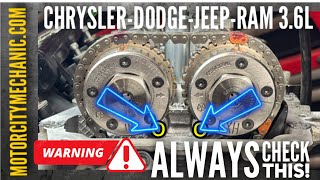
How to confirm: Perform a mechanical oil pressure test. If pressure is below specification, remove the Bank 1 valve cover and inspect the oil gallery plugs to ensure they are secure. A YouTube video by 'MotorCityMechanic' details this exact issue. 🎬 See how loose oil gallery bolts cause these pressure issues.
Typical fix: If a plug is loose, it must be properly cleaned, torqued, and secured with thread locker. This also requires replacing the valve cover gasket.
Est. part cost: $20-$100
Rare But Worth Checking
- Failing Rocker Arms / Lifters: The 3.6L Pentastar is notorious for rocker arm bearing failure, which causes an audible 'tick'. This can lead to camshaft lobe damage, which in turn creates an erratic signal for the camshaft position sensor. The sensor is reporting a real mechanical problem. This issue was so prevalent on earlier Pentastars that it led to a warranty extension and TSB 09-002-14 for related misfire codes on other models.
- Failing Camshaft Phaser: The VVT phaser can become clogged with sludge or fail mechanically, causing it to respond slowly or get stuck. The sensor will accurately report this erratic camshaft position, but the fault lies with the phaser, not the sensor.
- Damaged Camshaft Tone Ring: The slotted wheel on the camshaft that the sensor reads can be damaged, have debris on it, or in rare cases, 'walk' out of position, causing an irregular signal. This requires removing the camshaft to inspect and is difficult to diagnose without an oscilloscope.
- Faulty Powertrain Control Module (PCM) or Software: This is very rare, but the internal driver circuit in the PCM for the sensor can fail. On some early 3.6L applications, a PCM software update (flash) was required to fix glitches that would falsely trigger cam sensor codes. All other possibilities should be exhausted before condemning the PCM.
Diagnosis Steps
- Read the code with an OBD-II scanner and note any other codes present. Record the freeze frame data.
- Visually inspect the Bank 1 (rear) exhaust camshaft position sensor and its electrical connector for any signs of damage, corrosion, or oil contamination. This sensor is difficult to access against the firewall.
- With the engine running, carefully wiggle the sensor connector and wiring harness to see if it triggers symptoms or a change in the sensor's signal on a live data scanner.
- Swap the Bank 1 exhaust sensor with the Bank 1 intake sensor. Clear the codes and drive the vehicle. If the code changes to P0344 (Bank 1 Intake Sensor), the original sensor is faulty.
- If the code returns as P0369, test the sensor circuit. Check for 5V reference voltage, a good ground, and signal wire continuity back to the PCM.
- If the sensor and wiring are confirmed good, perform a mechanical oil pressure test. This is a critical step for the 3.6L Pentastar engine. A low reading strongly suggests an internal issue.
- If oil pressure is low, remove the Bank 1 valve cover and inspect the two oil gallery plugs for tightness. They are known to back out.
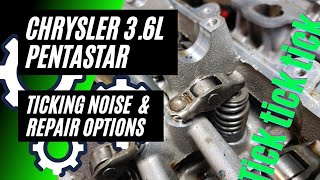
- Listen for a distinct 'ticking' sound from the valve cover area. This is a classic symptom of failing rocker arms on the Pentastar engine, 🎬 Watch: Identify that ticking noise and explore your repair options. which can cause this code.
- If oil pressure is within spec and no mechanical noises are present, the issue may be with the camshaft phaser or timing components, requiring more in-depth engine diagnosis.
Parts You'll Likely Need
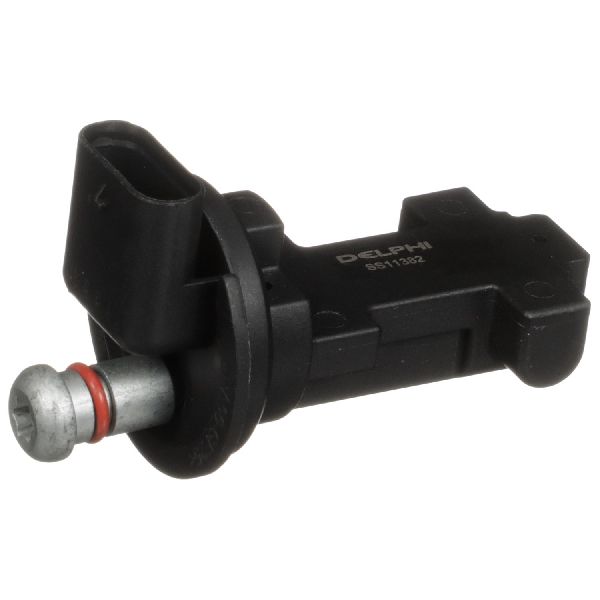
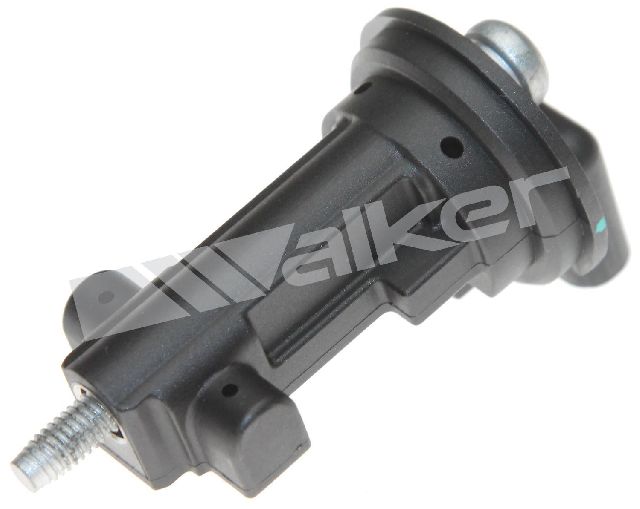
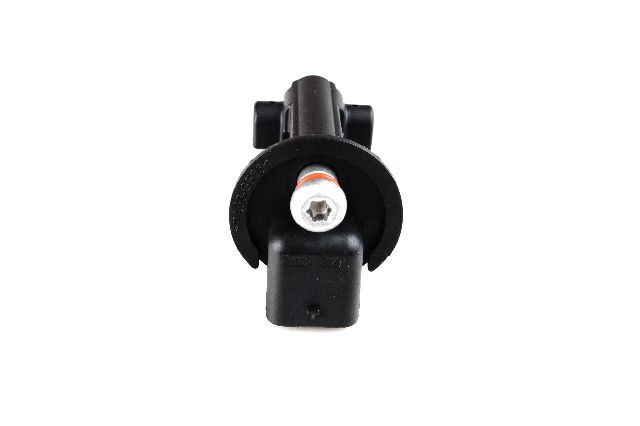
- Camshaft Position Sensor
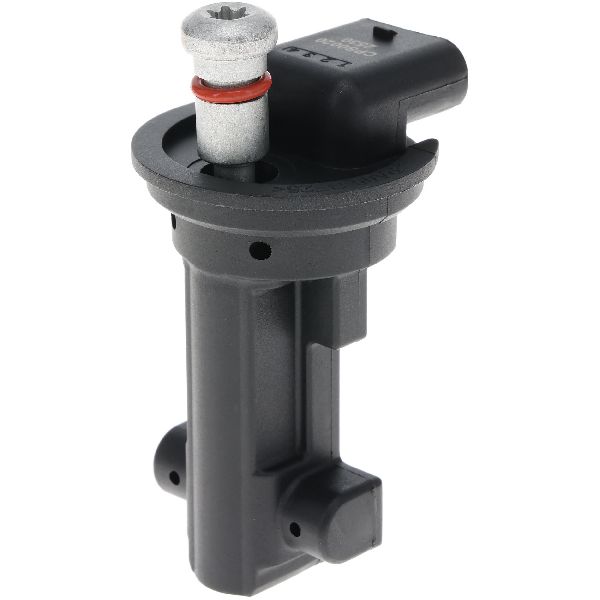
(OEM #5149141AF)— This is the most direct component indicated by the code and a common failure item. The Mopar part number is 5149141AF.
Trusted brands: Mopar, Bosch, NTK/NGK, Delphi
OEM price range: $45-$80
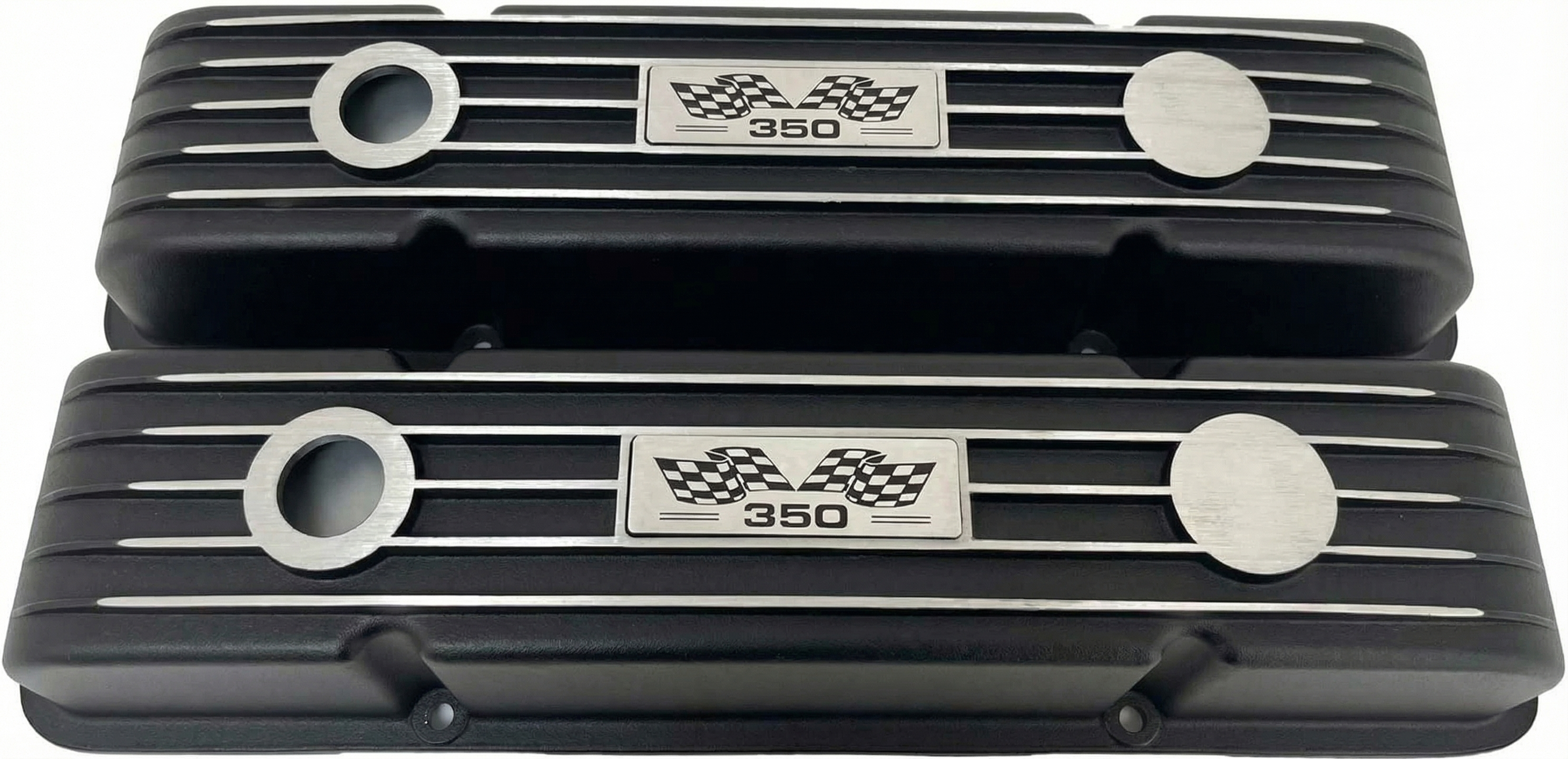
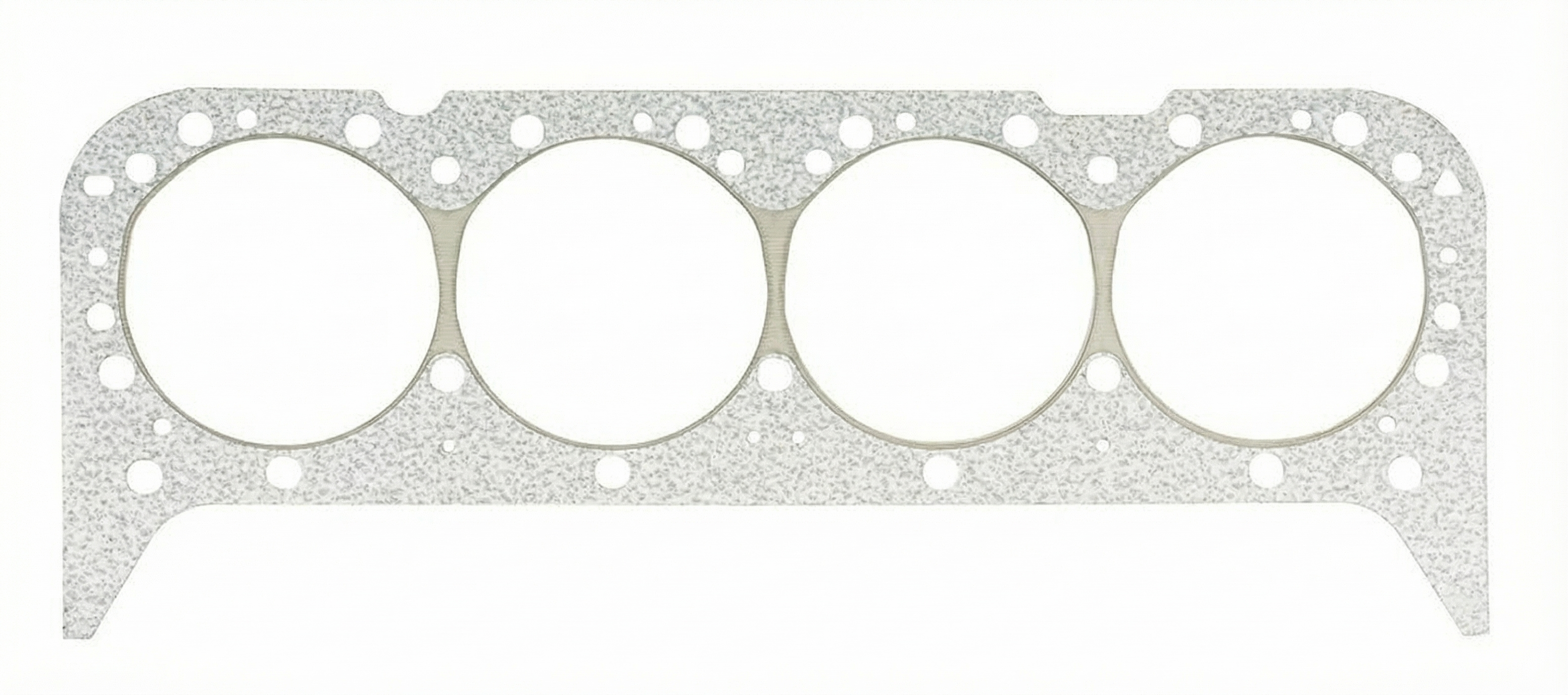
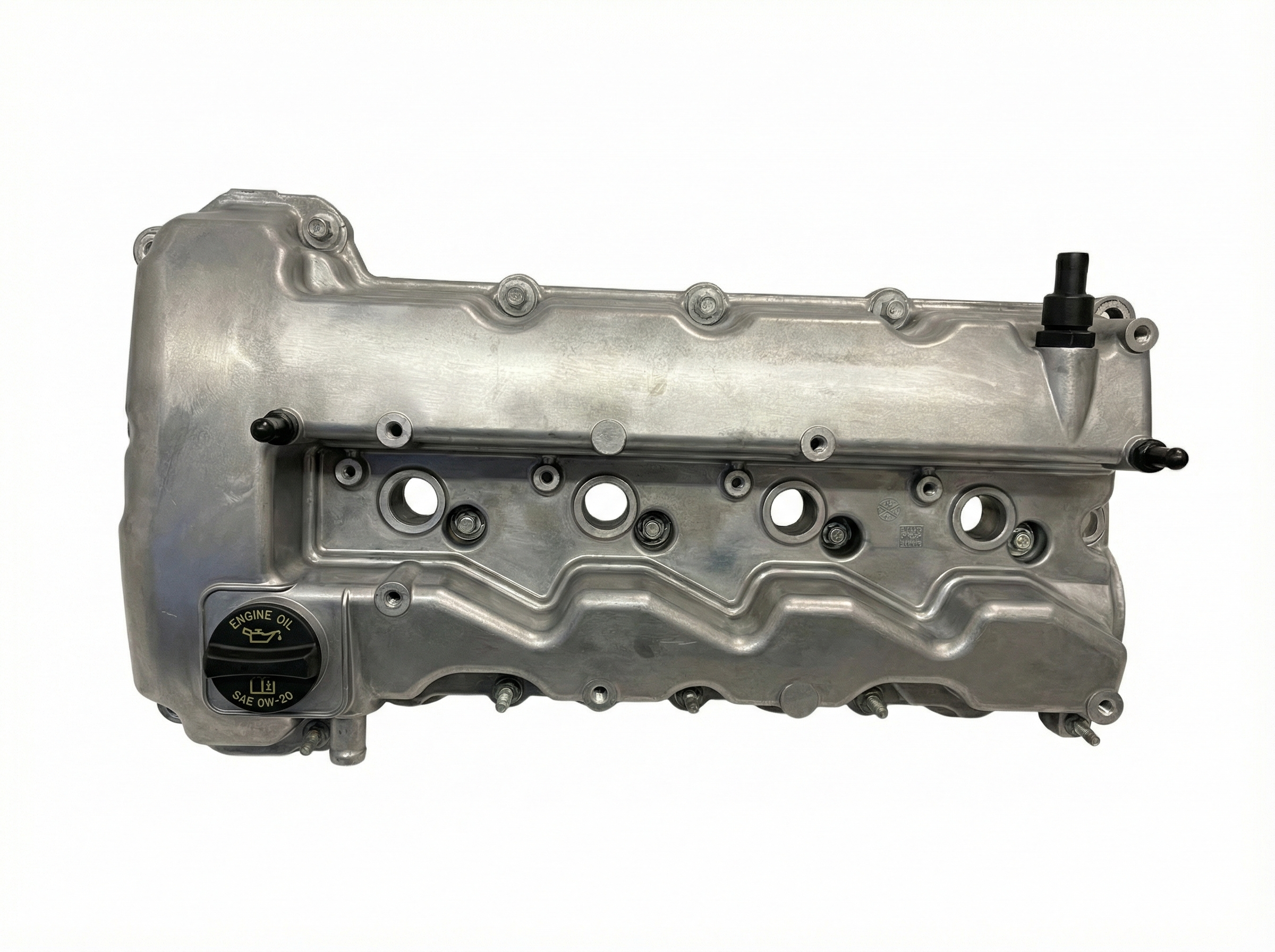
Aftermarket price range: $25-$60 - Valve Cover Gasket — Required if removing the valve cover to inspect for loose oil gallery plugs, a common cause of this code on the 3.6L engine.
Trusted brands: Mopar, Fel-Pro, Mahle
OEM price range: $40-$70
Aftermarket price range: $20-$40
Related Codes That Often Appear With This One
- P0344 — This is the intermittent code for the Bank 1 intake camshaft sensor. Seeing both together can point to a wiring harness issue common to both sensors or a larger problem like low oil pressure affecting the entire bank.
- P0016 — This code indicates a correlation issue between the crankshaft and camshaft. It can appear with P0369 if there is a mechanical timing problem, such as a stretched timing chain or a failing cam phaser.
- P06DD — This code means 'Engine Oil Pressure Control Circuit Stuck Off'. On the 3.6L Pentastar, it is a strong indicator that the cam sensor codes are a symptom of a larger oil pressure problem affecting the VVT system.
- P0300, P0302, P0304, P0306 — These are misfire codes for Bank 2. While not directly related to the Bank 1 sensor, a widespread TSB (09-002-14) for early Pentastar engines linked these codes to cylinder head issues, showing the engine family's sensitivity to valvetrain problems.
Technical Service Bulletins (TSBs) & Recalls
- 05149141A: Mentions P0369 and advises technicians to contact a specific factory representative before replacing the camshaft position sensor, indicating a deeper known issue.
- 09-002-14 Rev. B: While for misfire codes (P0300, P0302, etc.) on early 3.6L engines, this TSB addressed a fundamental cylinder head design flaw and led to a warranty extension (X56), highlighting the valvetrain's sensitivity and potential for related issues.
Platform-Specific Known Issues
- A known issue on the 3.6L Pentastar engine is loose oil gallery plugs under the valve covers, which causes low oil pressure to the cam phasers and can trigger P0369. This is well-documented by mechanics online.
- Chrysler issued TSB #05149141A for multiple camshaft sensor codes, including P0369, instructing dealers to contact a specific factory representative before replacing the sensor, which poi
Mechanic-Grade Diagnostic Values
- Camshaft Position Sensor 5V Supply — expected: 4.5 - 5.2 volts with key on, engine off.. Failure: Voltage below 4.5V suggests a wiring or PCM problem.
- Camshaft Position Sensor Ground Circuit Resistance — expected: Less than 3.0 ohms between the ground pin at the connector and a known good chassis ground.. Failure: High resistance points to a poor ground connection, a known issue.
- Camshaft Position Sensor Signal (Hall-Effect Bench Test) — expected: The signal wire should read ~5V and drop to ~0V when a magnet is brought near the sensor tip.. Failure: No change in voltage or a static voltage indicates a failed sensor.
- VVT Control Solenoid Resistance — expected: 8 to 12 ohms.. Failure: A reading outside this range, particularly below 8 ohms, indicates a faulty solenoid which can affect cam phasing and trigger sensor codes.
Scan Tool Commands That Help
- wiTECH (Chrysler Dealer Tool): VVT System Test — This function allows the technician to command the VVT solenoids and cam phasers to move, verifying their mechanical and hydraulic response. It's used to determine if the cam sensor code is a symptom of a deeper VVT system problem, such as a sticking phaser or low oil pressure, rather than a sensor or wiring fault.
- wiTECH (Chrysler Dealer Tool): PCM Flash/Reprogram — For early model year 3.6L Pentastar engines (around 2011-2013), a PCM software update was sometimes required to fix a glitch that could falsely trigger camshaft sensor codes like P0369. If all mechanical and electrical tests pass on an early model, checking for an available PCM update is a valid diagnostic step.
Wiring & Ground Locations
- Main Engine/Transmission Ground — A primary ground cable attaches to one of the starter mounting bolts and connects to the chassis frame rail, often underneath the underhood fuse box.. A poor engine ground on the ProMaster is a known issue that can cause a no-start or a variety of intermittent electrical faults, including erratic sensor signals that can trigger P0369. Adding a supplementary ground strap is a common fix.
- Bank 1 Camshaft Position Sensor Connector — On the rear cylinder head (Bank 1), near the firewall. Access requires removing the upper intake manifold.. This is the direct connector for the sensor in question. It's a 3-wire connector containing the 5V supply, ground, and signal circuits that must be tested for integrity.
Real Owner Repair Stories
- MotorCity Mechanic on YouTube (Chrysler/Dodge/Jeep with 3.6L Pentastar Engine) — Check engine light with camshaft position sensor codes (P0340, P0369, etc.).
❌ Tried (didn't work) Replacing the camshaft position sensor.
✅ What actually fixed it The root cause was identified as loose oil galley plugs located under the valve cover. This caused a loss of oil pressure to the cam phasers, leading to erratic camshaft timing that the sensor correctly reported as a fault. The fix was to remove the valve cover, clean the threads, apply red Loctite to the galley plug bolts, and torque them to the proper specification (156 inch-lbs). - JK-Forum.com user (2018 Jeep Wrangler JKU with 3.6L Pentastar Engine) — Crank-no-start condition with multiple cam sensor codes (P0340, P0345, P0365, P0390) after an engine rebuild.
❌ Tried (didn't work) Replacing both camshaft position sensors., Wiggling the harness to check for shorts., Disconnecting and reconnecting all related connectors.
✅ What actually fixed it The user was still diagnosing at the time of the post, but had successfully verified the 5V supply (at 4.9V) and ground circuit resistance (less than 3 ohms) were both within specification, confirming the core electrical supply to the sensors was good. This points the diagnosis away from simple wiring breaks and towards a timing issue, PCM fault, or a problem with the tone rings.
OEM Part Supersession History
5149141AF→N/A— This part number appears to be the current and long-standing number for the camshaft position sensor used across the 3.6L Pentastar engine family for many years.
Model Year Variations Within This Range
- 2016-2018: Starting with the 2016 model year, the 3.6L Pentastar engine was significantly revised. A key change was the addition of a two-step variable valve lift (VVL) system on the intake side, which works with the existing variable valve timing (VVT). This adds complexity and different internal parts (lifters, rocker arms) compared to the 2014-2015 engines. While the P0369 code still points to the same sensor, a VVL system fault could be an underlying cause on these later models.
Helpful Videos


Used OEM Parts in Stock
New Aftermarket Parts Available


The information in this article is provided for general reference and educational purposes only. Vehicle specifications, procedures, and part compatibility can vary by production date, trim level, and region. Always consult your vehicle's factory service manual and verify part numbers before purchasing or performing repairs. Safety-critical components such as airbags, seat belts, and braking systems should be installed by a qualified professional.
- Ram PROMASTER:
- 🎬 Helpful Videos
- 🛍️ Shop This Part
- What's Unique About the 2014-2018 Ram PROMASTER
- Diagnostic Flowchart
- Symptoms You May Notice
- Most Likely Causes
- Rare But Worth Checking
- Diagnosis Steps
- Parts You'll Likely Need
- Related Codes That Often Appear With This One
- Technical Service Bulletins (TSBs) & Recalls
- Platform-Specific Known Issues
- Mechanic-Grade Diagnostic Values
- Scan Tool Commands That Help
- Wiring & Ground Locations
- Real Owner Repair Stories
- OEM Part Supersession History
- Model Year Variations Within This Range
- 🎟️ Get 5% Off