

P0369 on 2011-2018 Ram 1500: Camshaft Sensor 'B' Intermittent Fault Fixes
P0369 on a 2011-2018 Ram 1500 most often indicates a faulty Bank 1 exhaust camshaft position sensor or a problem in its wiring. A replacement sensor costs between $25 and $80, and it's a DIY-friendly fix for many owners. However, on the 3.6L V6, this code can also point to underlying oil pressure issues or faulty timing components.
- P0369 indicates an intermittent signal from the passenger-side exhaust camshaft sensor.
- The most common causes are a bad sensor or a wiring/connector issue.
- On the 3.6L V6 engine, check for loose oil gallery plugs under the valve cover, as this is a known issue that can cause this code.
- Always inspect the wiring thoroughly before replacing the sensor, as intermittent faults are often connection-related.
- A manufacturer TSB exists, suggesting this code can be more complex than a simple sensor swap. [⭐ MANUFACTURER TSB — highest authority]
What's Unique About the 2011-2018 Ram 1500

For the 2011-2018 Ram 1500, particularly those with the 3.6L Pentastar V6, this code can be more complex than just a bad sensor. A known issue involves loose oil gallery plugs under the valve cover, which can cause a drop in oil pressure to the camshaft phasers, leading to timing-related codes like P0369. Additionally, Chrysler issued TSBs (e.g., 18-049-20, 18-024-17 REV. C) for 2016-2017 models that reprogram the PCM to make it less sensitive to very brief, intermittent signal drops by changing the code from a one-trip to a two-trip fault. An earlier TSB (#05149141A) also instructed technicians to contact a factory representative before replacing the sensor, suggesting a known underlying condition requiring a specific diagnostic approach. For early model year 3.6L engines (around 2011), a PCM software update was a common fix for persistent cam sensor codes where no mechanical fault was found.
Diagnostic Flowchart

Tap your situation to follow the diagnostic path that matches what you're seeing on this vehicle.
Symptoms You May Notice

- Check Engine Light is on
- Engine runs rough or idles poorly
- Difficulty starting the engine, or extended crank time
- Engine stalls intermittently
- Hesitation or stumbling during acceleration
- Reduced engine power or 'limp mode', sometimes limiting RPMs or speed.
- Noticeable decrease in fuel economy
- Traction control light may illuminate simultaneously with the Check Engine Light.
- Replacing the camshaft position sensor without checking the wiring. Many intermittent electrical faults are due to wiring, not the component itself.
- Replacing the sensor without checking for underlying mechanical or oil pressure issues, especially on the 3.6L V6.
- Using a cheap aftermarket sensor that is faulty out of the box or fails quickly.
Most Likely Causes

- Faulty Camshaft Position Sensor 🔴 High Probability Sensors can fail over time due to heat cycles and oil contamination. Forum discussions show owners replacing these sensors to resolve the code, though sometimes the fix is temporary if there's an underlying issue. Using non-OEM sensors can sometimes cause persistent issues.
How to confirm: After checking wiring, replacing the sensor is a common diagnostic step. An oscilloscope can also be used to observe the sensor's signal for dropouts. Swapping the suspect sensor with the corresponding sensor from the other bank (Bank 2) and seeing if the code changes (e.g., to P0394) is a practical diagnostic test.
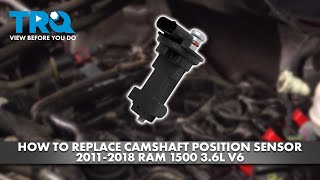
Typical fix: Replace the Bank 1 exhaust camshaft position sensor. The Mopar part number for the 3.6L V6 🎬 Watch: Step-by-step guide to replacing the camshaft position sensor. is often cited as 05149141AF.
Est. part cost: $25-$80 - Wiring Harness or Connector Issue 🔴 High Probability The engine bay's heat and vibration can damage wires and connectors over time, leading to intermittent shorts or open circuits. This is a very common cause for intermittent electrical codes.
How to confirm: Visually inspect the wiring harness and connector for the Bank 1 exhaust cam sensor. Look for chafed/broken wires, corrosion on the pins, or a loose connection. Wiggle the harness while the engine is running to see if it triggers the symptom. A repair shop diagnosed a 2014 Dodge Durango with P0369 and found loose pins inside the sensor connector to be the root cause.
Typical fix: Repair the damaged section of the wiring harness or clean/replace the connector. Ensure pins are secure and making good contact.
Est. part cost: $5-$50 - Low or Fluctuating Oil Pressure (3.6L V6) 🟡 Medium Probability On the 3.6L Pentastar V6, small oil gallery plugs located under the valve covers can come loose. These plugs cap the oil passages that feed the lifters and cam phasers. A loss of pressure here starves the phasers, causing erratic camshaft timing that the PCM interprets as a sensor fault.
How to confirm: Perform an engine oil pressure test. If pressure is low or erratic, remove the valve cover to inspect the oil gallery plugs for tightness. A Reddit user with a 3.6L noted they found and tightened a loose plug while chasing a P0369 code.
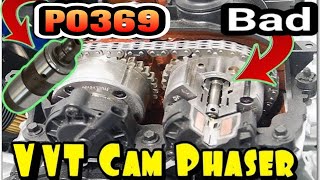
Typical fix: Tighten or replace the loose oil gallery plugs to the specified torque (13 ft-lbs). 🎬 See how loose oil gallery plugs cause these timing codes. This requires removing the valve cover for access.
Est. part cost: $10-$30
Rare But Worth Checking
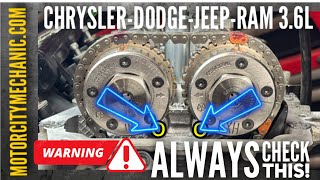
- Stretched Timing Chain or Faulty Cam Phaser: If the timing chain is stretched or a cam phaser is not responding correctly, it can throw off the camshaft's position relative to the crankshaft and trigger this code. On the 3.6L, a phaser can fail internally (e.g., a stuck lock pin), allowing the camshaft to move independently of the phaser, creating a signal the PCM sees as an intermittent fault. This can occur even without the common 'startup rattle'.
- Damaged Tone Ring: The sensor reads a multi-toothed tone ring (or reluctor wheel) on the camshaft. If this wheel is damaged, cracked, has debris on it, or becomes magnetized, the sensor signal will be incorrect. A forum user on a Dodge Ram with a 4.7L engine reported a shop bending the tone ring, causing misfires.
- Failing Powertrain Control Module (PCM): In rare cases, the fault may lie within the PCM itself. This should only be considered after all other possibilities, including wiring, sensors, and mechanical issues, have been thoroughly ruled out.
Diagnosis Steps
- Read the code with an OBD-II scanner and check for any other stored codes. Note freeze frame data if available.
- Visually inspect the Bank 1 exhaust camshaft position sensor and its electrical connector for any signs of damage, corrosion, or oil contamination.
- Inspect the wiring harness leading to the sensor for any chafing, breaks, or heat damage. Pay close attention to the connector pins for a secure fit.
- With the engine running, carefully wiggle the connector and wiring to see if it causes the engine to stumble, which would indicate an intermittent connection.
- If available, use a multimeter to check for the correct voltage (usually 5V reference) and ground at the sensor connector.
- For advanced diagnosis, use an oscilloscope to monitor the sensor's square wave signal. Look for dropouts or an inconsistent pattern, which confirms an intermittent fault.
- If the sensor and wiring test good, check engine oil level and condition. Ensure the correct oil viscosity and a quality oil filter are being used.
- On 3.6L engines, if oil pressure-related codes (like P06DD) are present or suspected, consider checking oil pressure and inspecting the oil gallery plugs under the valve cover.
- As a practical test, swap the Bank 1 exhaust sensor with the Bank 2 exhaust sensor. Clear the codes and drive. If the code returns as P0394 (Bank 2 Sensor B Intermittent), the sensor is confirmed to be faulty.
- After replacing a sensor or any timing components, perform a 'Cam/Crank Relearn' procedure using a capable scan tool to ensure the PCM has the correct baseline data.
Parts You'll Likely Need
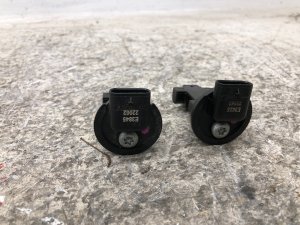
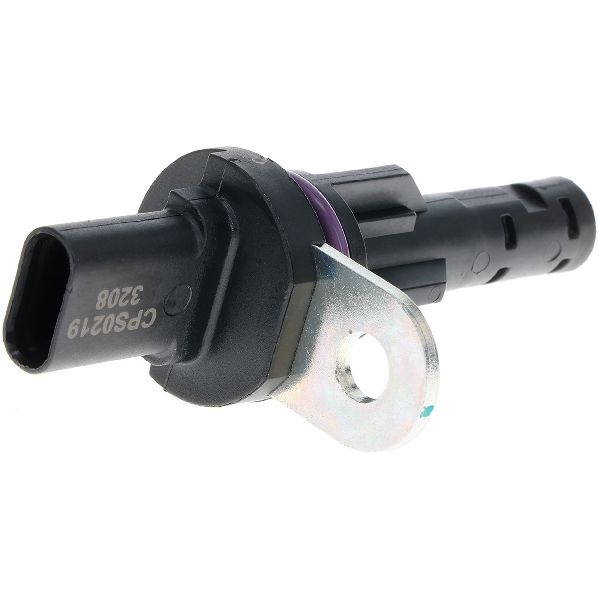
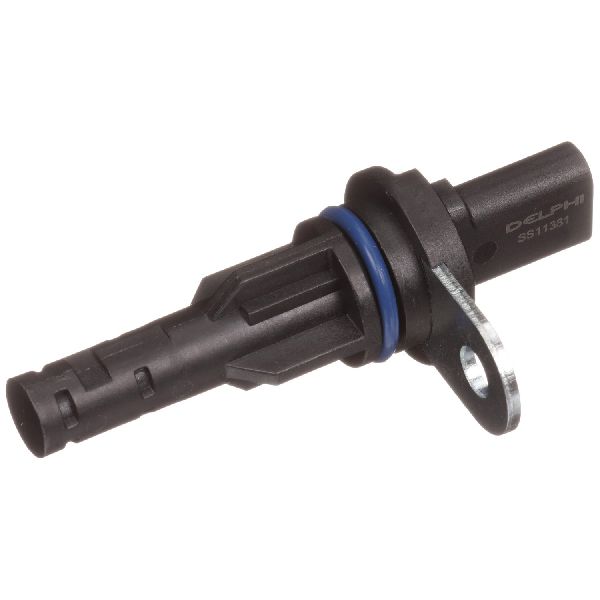
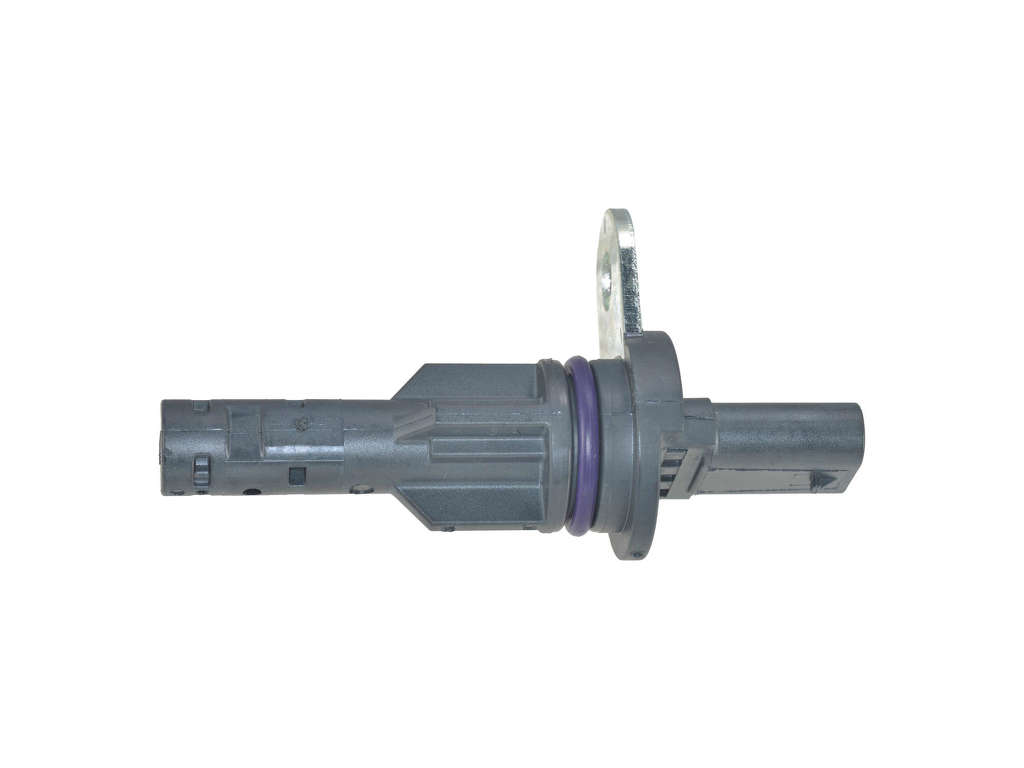
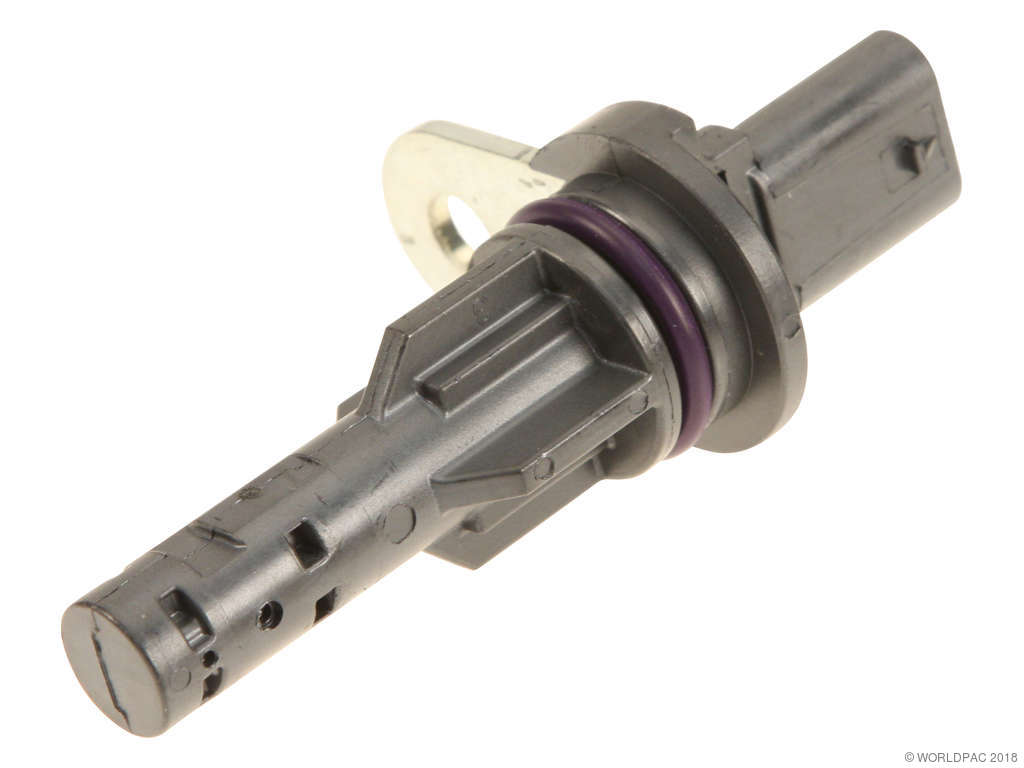
- Camshaft Position Sensor (Bank 1, Exhaust)
(OEM #05149141AF (for 3.6L V6, verify with VIN))— This is the most frequently replaced part for this code, as the sensor itself can fail intermittently.
Trusted brands: Mopar, Bosch, Delphi, NTK/NGK
OEM price range: $50-$80
Aftermarket price range: $25-$60
Related Codes That Often Appear With This One
- P0344 — This is the intermittent code for the Bank 1 *intake* camshaft sensor. They share similar wiring and can be affected by the same oil pressure issues. Owners often report these codes appearing together.
- P0365 — This is the code for a hard fault (not intermittent) in the same Bank 1 exhaust camshaft sensor circuit. An intermittent problem that becomes permanent will change P0369 to P0365.
- P0016 — This code indicates a Crankshaft/Camshaft Correlation error. It often appears with sensor codes when there is a mechanical timing issue, like a stretched chain or faulty phaser, which is a known possibility on these engines.
- P06DD — This code indicates Engine Oil Pressure Control Circuit Stuck Off. On the 3.6L Pentastar, it frequently appears with cam sensor codes when the underlying issue is low oil pressure, such as from loose oil gallery plugs.
Technical Service Bulletins (TSBs) & Recalls
- 05149141A: Mentions P0369 and instructs technicians to seek further guidance before replacing the sensor.
- 18-049-20 / 18-024-17 REV. C: PCM software update for 2016-2017 models to make P0369 a two-trip fault.
Platform-Specific Known Issues
- A Chrysler TSB (#05149141A) was issued for the 2013 model year covering multiple cam sensor codes, including P0369. It advises technicians to contact a specific individual at Chrysler before replacing the sensor, indicating a known, complex issue.
- On 3.6L Pentastar V6 engines, loose oil gallery plugs under the valve cover are a known cause of oil pressure loss to the cam phasers, which can set this code.
- Owners on forums report that the P0369 code can appear intermittently, sometimes only during long trips or in hot weather, and may temporarily clear after restarting the engine.
- TSB 18-049-20 and 18-024-17 REV. C for 2016-2017 models involve a PCM software update to change P0369 (and other sensor codes) from a one-trip to a two-trip fault, making the system less sensitive to minor, transient signal glitches.
Mechanic-Grade Diagnostic Values
- Camshaft Position Sensor 5-Volt Supply — expected: Approximately 5.0 Volts with ignition on, engine off.. Failure: Voltage below 4.5V or above 5.5V indicates a problem in the supply circuit or PCM.
- CMP Signal Circuit Resistance to Ground — expected: Infinite resistance (Open Line/OL).. Failure: Any continuity or low resistance reading indicates a short to ground in the signal wire.
- Resistance between 5V Supply and Signal Circuit — expected: Above 5.0 Ohms.. Failure: Resistance below 5.0 Ohms suggests a short between the supply and signal wires within the harness.
- Battery to Engine Block Ground Resistance — expected: Maximum of 2 milliohms.. Failure: Higher resistance indicates a poor ground connection, which can cause intermittent sensor faults.
Scan Tool Commands That Help
- wiTECH or capable aftermarket scanner (e.g., Appcar DiagFCA): Cam/Crank Relearn — Required after replacing a camshaft sensor, crankshaft sensor, or any timing components to synchronize the PCM's understanding of their relative positions. Failure to perform this may cause the code to persist.
- wiTECH or capable aftermarket scanner: VVT Solenoid Test — To command the Variable Valve Timing solenoids on and off to check for mechanical response. This can help differentiate a sensor/wiring issue from a mechanical phaser or solenoid problem when P0369 is accompanied by timing correlation codes.
- wiTECH: PCM Flash/Reprogram — For early model year (approx. 2011) 3.6L engines that repeatedly set cam sensor codes without a clear mechanical or electrical fault. A PCM update was issued to correct a software glitch causing false codes.
Wiring & Ground Locations
- Main Engine to Chassis Ground — Typically a braided strap from the engine block (often near the alternator or starter) to the vehicle's frame rail or firewall.. A corroded or loose main engine ground can introduce electrical noise and unstable voltage references for all engine sensors, including the camshaft position sensor, leading to intermittent faults.
- PCM Connector C2/C4 — The Powertrain Control Module (PCM) is located in the engine bay, often near the fuse box or firewall. It has multiple large multi-pin connectors.. The camshaft position sensor wires terminate at the PCM. Checking for corrosion or pushed-out pins at the correct PCM connector (e.g., C2 or C4 depending on year/engine) is a critical step if wiring issues are suspected.
- Sensor Ground Splice — Within the engine wiring harness, multiple sensor grounds are often spliced together before running to a single ground point on the cylinder head or block.. Corrosion at this internal splice can affect multiple sensors at once. If other sensor codes are present with P0369, a shared ground issue is a possibility.
Real Owner Repair Stories
- Reddit user in /r/MechanicAdvice (2015 Dodge Challenger SXT Plus, 3.6L Pentastar V6, ~172,000 miles) — Check engine light with P06DD, P0344, and P0369. Ticking noise on cold start that disappears after 30 seconds. Limp mode (speed limited to 55 MPH, RPM under 2500) when accelerating past 3500 RPM.
❌ Tried (didn't work) Replaced all 24 rocker arms and lifters due to ticking noise., Attempted a cam/crank relearn procedure, but it failed repeatedly.
✅ What actually fixed it The user identified that the issue started after replacing the rocker arms and lifters. The final fix was not posted in the thread, but the strong implication from the symptoms (oil pressure code P06DD, cam codes, and startup tick) points towards an issue with the oiling system supplying the cam phasers, potentially related to the recent engine work. - JK-Forum.com user (Jeep Wrangler with 3.6L Pentastar (engine shared with Ram 1500)) — Persistent P0369 code that started after replacing rocker arms/lifters on the passenger side head. The code would appear intermittently at first, usually on long trips or when towing, but got progressively worse over several years.
❌ Tried (didn't work) Multiple replacements of the camshaft position sensor., Checking wiring and connectors.
✅ What actually fixed it The problem was ultimately traced back to the rocker arms that were installed. The user discovered that the new rocker arms had failed, causing improper valve lift and timing, which the PCM interpreted as a sensor signal fault. Replacing the failed rocker arms a second time finally resolved the P0369 code.
When the Usual Fixes Don't Work
- In a high-mileage 3.6L Pentastar engine, a persistent P0369 that is not resolved by replacing the sensor or checking the wiring is frequently a symptom of a deeper mechanical issue. One well-documented case revealed that recently replaced aftermarket rocker arms had failed, causing erratic valve timing that the PCM flagged as a sensor circuit fault. This highlights that on this engine, mechanical integrity of the valvetrain is a prerequisite for correct sensor readings, a fact often overlooked when focusing on the 'electrical circuit' definition of the code.
OEM Part Supersession History
05149141AE (and earlier revisions)→05149141AF— Standard part revision and improvement by the manufacturer to increase reliability and performance.
Heads up: While older revisions may physically fit, it is always recommended to use the latest part number (05149141AF) to ensure compatibility with any PCM software updates and for improved longevity.
Model Year Variations Within This Range
- 2011-2012: Early 3.6L Pentastar engines were prone to a cylinder head design flaw that caused valve guide wear, leading to various engine problems. Additionally, a PCM software glitch on 2011 models could cause false cam sensor codes, requiring a dealer reflash to fix.
- 2016-2018: In 2016, the 3.6L Pentastar V6 received a major update. Changes included a higher compression ratio (11.3:1 vs 10.2:1), two-stage variable valve lift (VVL), cooled EGR, and new injectors and coils. While the P0369 code still applies, diagnostic considerations may differ slightly due to the revised VVT/VVL system.
Helpful Videos
Used OEM Parts in Stock
New Aftermarket Parts Available


The information in this article is provided for general reference and educational purposes only. Vehicle specifications, procedures, and part compatibility can vary by production date, trim level, and region. Always consult your vehicle's factory service manual and verify part numbers before purchasing or performing repairs. Safety-critical components such as airbags, seat belts, and braking systems should be installed by a qualified professional.
- Ram 1500:
- 🎬 Helpful Videos
- 🛍️ Shop This Part
- What's Unique About the 2011-2018 Ram 1500
- Diagnostic Flowchart
- Symptoms You May Notice
- Most Likely Causes
- Rare But Worth Checking
- Diagnosis Steps
- Parts You'll Likely Need
- Related Codes That Often Appear With This One
- Technical Service Bulletins (TSBs) & Recalls
- Platform-Specific Known Issues
- Mechanic-Grade Diagnostic Values
- Scan Tool Commands That Help
- Wiring & Ground Locations
- Real Owner Repair Stories
- When the Usual Fixes Don't Work
- OEM Part Supersession History
- Model Year Variations Within This Range
- 🎟️ Get 5% Off