

P0369 on 2017-2020 Ford F-150: Cam Sensor Circuit and Oil-Related Fixes
On a 2017-2020 F-150 with the 3.5L EcoBoost, P0369 is often caused by low engine oil or a failing camshaft position sensor. Always check your oil level first, allowing at least 15 minutes for the oil to drain back for an accurate reading. If the oil is full, replacing the Bank 1 exhaust camshaft position sensor is the next logical step and costs around $30-$55 for the part. If the issue persists, especially with a startup rattle, the cause is likely worn VCT cam phasers, a known issue with these
- Always check your engine oil level first when you see code P0369 on a 3.5L EcoBoost F-150. Low oil is a very common cause.
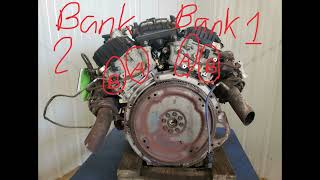
- The code points to the exhaust camshaft position sensor on the passenger side (Bank 1).
- If the oil is full and a new sensor doesn't fix it, the problem is likely mechanical, related to the VCT cam phasers, especially if you hear a startup rattle.
- Be aware of the multiple TSBs Ford has issued for this engine concerning oil consumption and timing components, which are directly related to this code.
What's Unique About the 2017-2020 Ford F-150

For the 13th generation F-150 (2015-2020) with the 3.5L EcoBoost engine, code P0369 is frequently more than just a bad sensor. It's often a symptom of deeper oil-related issues that this engine platform is known for. Multiple Ford Technical Service Bulletins (TSBs) directly link this code to problems like excessive oil consumption, low oil pressure, and worn Variable Camshaft Timing (VCT) components, also known as cam phasers. Owners should be aware that while the code points to a sensor circuit, the root cause can be mechanical and related to the engine's timing system and lubrication, a fact corroborated by numerous owner experiences in online forums.
Diagnostic Flowchart

Tap your situation to follow the diagnostic path that matches what you're seeing on this vehicle.
Symptoms You May Notice

- Check Engine Light is on
- Engine runs rough or idles poorly
- Hesitation or lack of power during acceleration
- Engine is difficult to start or has an extended crank time
- Engine may stall intermittently
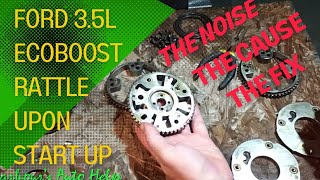
- Rattling noise from the engine on startup, which can indicate VCT/cam phaser issues
- Vehicle may enter 'limp mode', limiting engine power
- Replacing the VCT solenoids when the issue is actually the VCT phasers (the mechanical gears) or low oil pressure.
- Immediately replacing the timing chain and phasers without first checking the oil level or testing the much cheaper camshaft position sensor.
- Replacing the wrong sensor (e.g., the intake sensor 'A' instead of the exhaust sensor 'B', or a sensor on Bank 2).
- Replacing the sensor multiple times when the root cause is a wiring issue, slipped tone ring, or faulty PCM.
Most Likely Causes

- Low Engine Oil Level or Pressure 🔴 High Probability Several TSBs (SSM 47961, TSB 20-2423, TSB 20-2132) for the 3.5L EcoBoost link P0369 to excessive oil consumption. The VCT system relies on oil pressure to function, and low oil can disrupt its operation, triggering this code. Ford specifically notes to wait 15 minutes after the engine is off before checking the oil for an accurate reading.
How to confirm: Check the engine oil level using the dipstick after the vehicle has been off for at least 15 minutes on a level surface. If it's low, top it off and monitor for consumption. Check for visible oil leaks.
Typical fix: Top off engine oil to the correct level. If oil consumption is excessive, further diagnosis of the PCV system, valve covers (per TSB 20-2423), or internal engine components may be needed.
Est. part cost: $10-$20 (for oil) - Faulty Camshaft Position Sensor 🟡 Medium Probability Sensors are exposed to extreme heat and vibration and can fail over time. Oil or coolant contamination from leaks can also damage the sensor or its connector.
How to confirm: Swap the Bank 1 exhaust sensor with the intake sensor (if they are the same part number) and see if the code changes to P0344 (intake sensor code). Alternatively, test the sensor's signal with a multimeter or oscilloscope. The sensor is located on the back of the cylinder head on the passenger side.
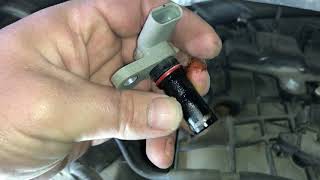
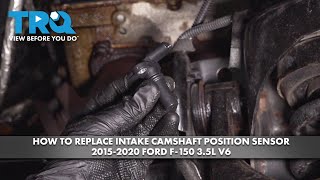
Typical fix: Replace the Bank 1 exhaust camshaft position sensor ('B' sensor). This involves an 8mm bolt and disconnecting the electrical pigtail.
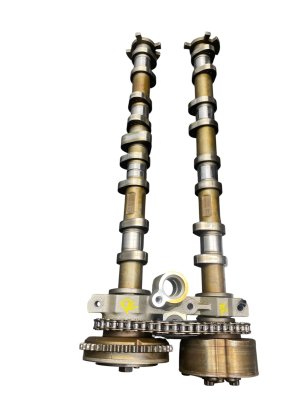
Est. part cost: $30-$55 - Worn Variable Camshaft Timing (VCT) Units / Cam Phasers 🟡 Medium Probability The Gen 2 3.5L EcoBoost is known for VCT phaser issues, which cause rattling noises and timing problems. TSB SSM 47961 explicitly lists worn VCT units as a cause for P0369. The internal locking pin can fail, causing the phaser to move erratically until oil pressure builds, creating the signature startup rattle.
How to confirm: Listen for a distinct rattling or chain noise from the front of the engine on a cold start that lasts 2-5 seconds. This requires advanced diagnosis, often with an oscilloscope to compare cam/crank signals or physical inspection by removing the valve cover.
Typical fix: Replacement of all four VCT cam phasers, timing chains, and tensioners. Ford has released updated part numbers for the phasers to address this issue. This is a labor-intensive job, often taking over 9 hours.
Est. part cost: $400-$800 - Wiring Harness or Connector Issue ⚪ Low Probability The wiring to the sensor is exposed to engine heat and vibration, which can cause wires to break or insulation to crack, leading to an intermittent short or open circuit. Oil or coolant leaks can also corrode the connector pins.
How to confirm: Visually inspect the wiring and connector for the Bank 1 exhaust cam sensor. Check for damage, corrosion, or loose pins. Perform a continuity test on the wiring harness with a multimeter.
Typical fix: Repair the damaged section of the wiring harness or replace the connector pigtail.
Est. part cost: $15-$40
Rare But Worth Checking
- Slipped Camshaft Tone Ring: On the 3.5L EcoBoost, the reluctor or tone ring that the sensor reads is integrated with the drive for the vacuum pump on the back of the Bank 1 exhaust camshaft. In rare cases, this ring can break loose and spin independently of the camshaft, causing its position to be incorrect. This will trigger P0369 even with a good sensor and correct timing. The fix requires replacing the entire exhaust camshaft.
- Powertrain Control Module (PCM) Issue: A software glitch or internal hardware failure in the PCM can cause it to misinterpret the sensor's signal. TSBs 20-2423 and 20-2294 mention reprogramming the PCM as a potential fix for issues related to this code. In one documented case, a faulty PCM was sending an incorrect reference voltage, and replacing the PCM resolved the issue.
Diagnosis Steps
- Check Engine Oil: Verify the engine oil is at the proper level and in good condition. Wait at least 15 minutes after shutting off the engine for an accurate reading. Low or dirty oil is a primary cause of VCT system problems.
- Scan for Codes: Use an OBD-II scanner to confirm P0369 and check for any other related codes, like P0365. Clear the codes and see how quickly they return.
- Inspect Wiring: Perform a thorough visual inspection of the wiring harness and connector for the Bank 1 exhaust camshaft position sensor. Look for any signs of damage, melting, or corrosion from fluid leaks.
- Test the Sensor: If the wiring looks good, the sensor itself is the next suspect. You can swap it with the intake sensor on the same bank (they are the same part) to see if the code follows (changes to a P034x code). If it does, the sensor is bad.
- Listen for Noises: On a cold start (after sitting for 6+ hours), listen carefully for any rattling or chain-slap noises from the front of the engine that last for 2-5 seconds. This is a strong indicator of failing cam phasers.
- Advanced Diagnostics: If the above steps don't resolve the issue, the problem is likely mechanical or a deeper electrical fault. This involves using an oscilloscope to analyze the camshaft sensor waveform (a good square wave should go from ~0.1v to over 10v) or removing the valve cover for physical inspection. This is best left to a professional.
- Check for TSBs: A Ford dealer or qualified shop can check if your vehicle's VIN has any open TSBs related to this code, which may point to a PCM reprogram (TSB 20-2423) or other specific repair procedures.
Parts You'll Likely Need
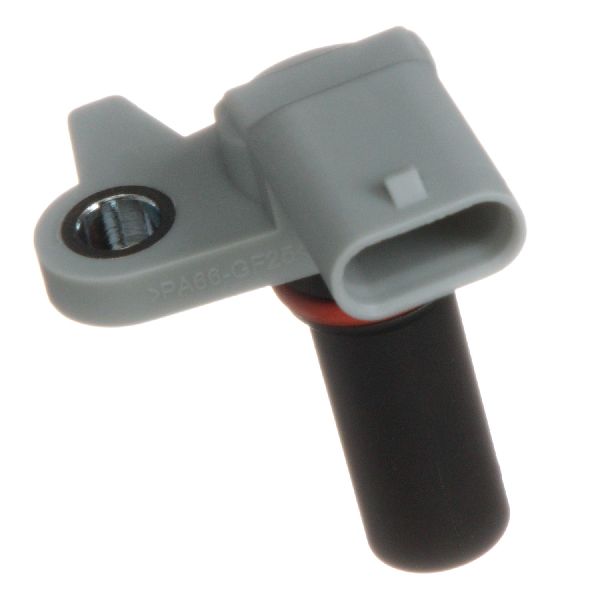
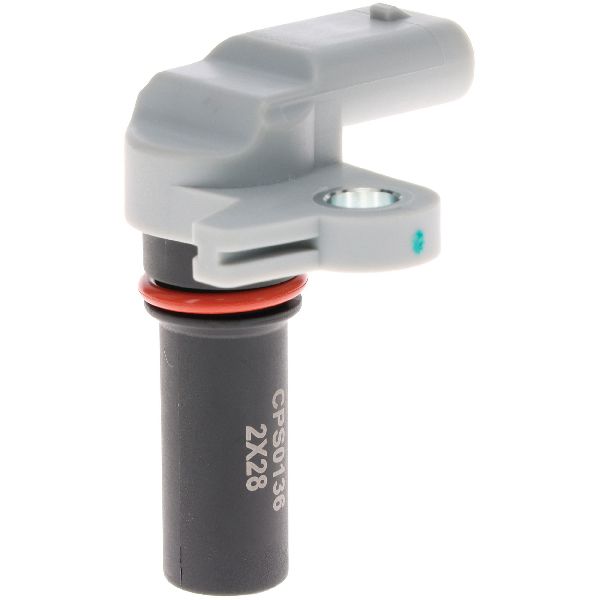
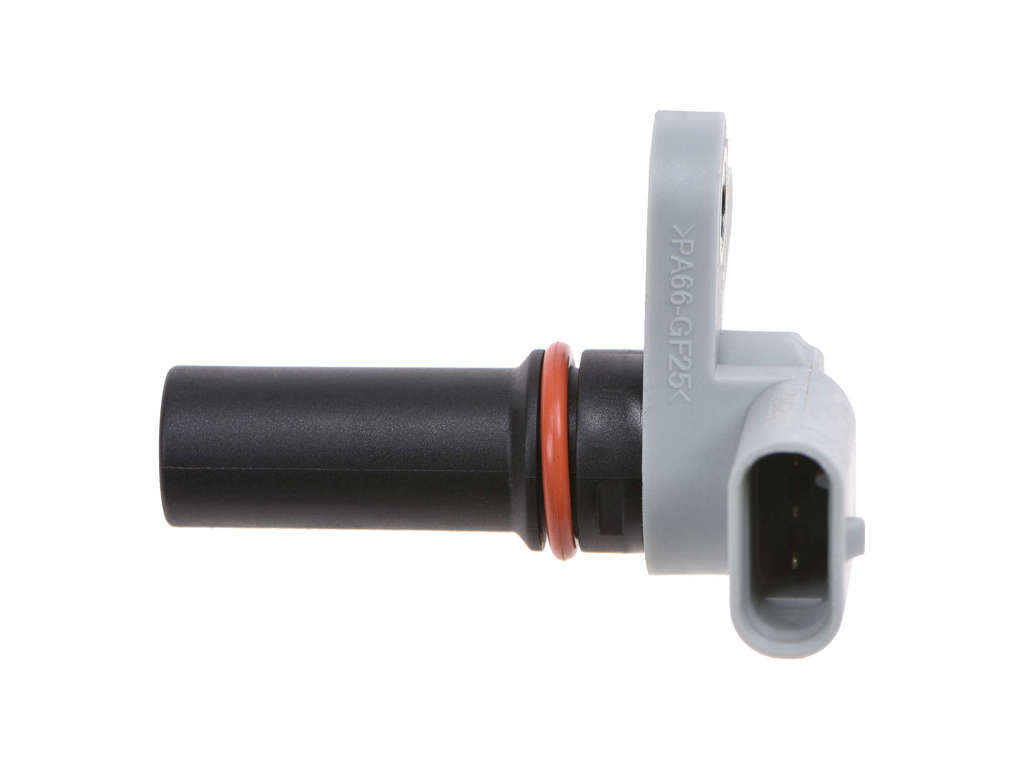
- Camshaft Position Sensor (Bank 1 Exhaust)
(OEM #DU-90)— This is the sensor ('B' sensor) that the code directly references. It's a common failure point and a relatively inexpensive first part to replace after checking oil and wiring.
Trusted brands: Motorcraft, Denso, Bosch
OEM price range: $33-$55
Aftermarket price range: $30-$45
Related Codes That Often Appear With This One
- P0365 — P0365 is 'Camshaft Position Sensor 'B' Circuit Bank 1'. It's the non-intermittent version of P0369. They are almost always seen together or interchangeably, as they point to the exact same sensor and circuit. Every TSB provided mentions both codes together.
- P0011, P0012, P0021, P0022 — These codes relate to camshaft timing being over-advanced or over-retarded. They often appear when the root cause of the P0369 is failing cam phasers, as the mechanical failure of the phasers directly impacts the camshafts' ability to achieve their commanded timing positions.
Technical Service Bulletins (TSBs) & Recalls
- TSB 20-2423
- SSM 47961
- TSB 20-2294
- TSB 20-2132
- SSM 47983
- TSB 21-2119 (supersedes TSB 20-2315)
Platform-Specific Known Issues
- Excessive Oil Consumption: Multiple TSBs (20-2423, 20-2294, 20-2132, SSM 47983) confirm that 2017-2020 F-150s with the 3.5L EcoBoost can suffer from excessive oil consumption, which leads to low oil levels and can trigger P0369.
- Cam Phaser Rattle: A widely documented issue where the VCT units (cam phasers) fail, causing a loud rattle on startup. TSB SSM 47961 directly connects worn VCT units to codes P0365 and P0369.
- PCM Software Updates: Ford has issued PCM software updates (per TSBs 20-2423 and 20-2294) to address oil consumption and related diagnostic trouble codes.
Mechanic-Grade Diagnostic Values
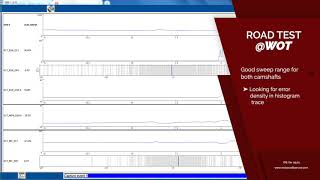
- VCT Advanced Error PID (using Ford IDS) — expected: Should hover around 0° with no more than a +/- 5° deviation for an excessive time.. Failure: If one bank shows a significant disparity in duty cycle or a large, persistent error angle, it points to a problem on that bank.
Hidden / Shadow Codes Worth Checking
- Mode 6 Data: While not a hidden code, Mode 6 provides statistical data on VCT system performance that can reveal intermittent issues before they become hard faults. This data can be accessed with advanced scan tools like the Ford IDS. (see via Ford Integrated Diagnostic System (IDS) or other professional scan tools with Mode 6 capability.)
Scan Tool Commands That Help
- Ford Integrated Diagnostic System (IDS): VCT Advanced Error PID Monitoring — Use this function during a road test to monitor the real-time difference between the PCM's commanded camshaft angle and the actual reported angle. A large, persistent error indicates a mechanical (phaser, chain) or hydraulic (oil pressure, solenoid) issue.
- Ford Integrated Diagnostic System (IDS): VCT Solenoid Duty Cycle PID Monitoring — Monitor the duty cycle PIDs for both banks simultaneously. If the PCM is commanding a much higher duty cycle on one bank to achieve the same timing adjustment, it suggests a restriction, leak, or failing component on that bank.
Wiring & Ground Locations
- Main Battery Ground — On the chassis, just in front of the washer fluid reservoir on the passenger side.. A poor main ground can introduce electrical noise and voltage drops across the entire system, potentially causing intermittent sensor faults like P0369.
- Engine Block Ground — The main battery ground cable often attaches directly to the engine block. Additional ground straps connect the block to the chassis. One owner added a ground from a bolt on the front of the engine block to the chassis in front of the passenger tire.. The PCM and its sensors rely on a solid engine ground reference. A corroded or loose engine ground can cause erratic sensor readings.
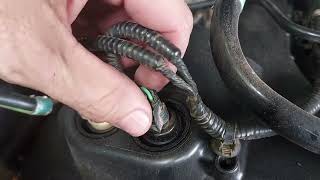
- CMP Sensor Connector (C139) — On the back of the passenger side (Bank 1) cylinder head. It's a 3-pin connector.. This is the direct connection point for the sensor. It is prone to contamination from oil leaks and heat damage, which can cause intermittent signal loss.
Real Owner Repair Stories
- YouTube user 'Cobra Strikes Back' (2013 Ford F-150 3.5L EcoBoost with 218,000 miles) — Check engine light with codes P0369, P0365, and P0299 (turbo underboost). No power on acceleration but the engine idled and shifted smoothly.
❌ Tried (didn't work) The user first suspected a major mechanical issue due to previous sloppy repair work by a shop (cracked valve cover).
✅ What actually fixed it The user located the Bank 1 exhaust cam sensor ('B' sensor) and found its electrical connector was not fully seated and was contaminated with dirt and metallic debris. After thoroughly cleaning both sides of the connector with electronics cleaner and securely plugging it back in, all codes were cleared and did not return, restoring full engine power. - YouTube user 'Ford f150 3.5 ecoboost p0365 p0369 fix' (Ford F-150 3.5L EcoBoost (year not specified)) — Persistent P0365 and P0369 codes.
❌ Tried (didn't work) Replacing the camshaft position sensors. Replacing the timing chains and phasers.
✅ What actually fixed it The reluctor wheel (tone ring) on the Bank 1 exhaust camshaft, which is integrated with the drive for the vacuum pump, had broken loose and was spinning independently of the camshaft. This sent an incorrect signal to the sensor. The final fix was replacing the entire Bank 1 exhaust camshaft.
OEM Part Supersession History
BL3Z-6C525-C (Intake Phaser), BL3Z-6C527-A (Exhaust Phaser)→HL3Z-6C525-CD (Intake Phaser), HL3Z-6C527-AB (Exhaust Phaser)— Updated design to address premature wear and failure that causes the 'startup rattle' and timing-related fault codes.
Model Year Variations Within This Range
- 2017-2020: The 2017-2020 F-150s use the second-generation 3.5L EcoBoost, which was a significant redesign from the first generation (pre-2017). It features a dual-injection (port and direct) fuel system and a revised timing chain/phaser setup.
- 2017, 2019-2020: A High Output (HO) version of the 3.5L EcoBoost was standard on the 2017-2020 Raptor and became available on the F-150 Limited trim in 2019. While mechanically similar, the HO engine has different turbochargers and tuning, producing 450 hp and 510 lb-ft of torque compared to the standard 375 hp and 470 lb-ft.
Helpful Videos
![How to Fix P0369 Engine Code in 3 Minutes [2 DIY Methods / Only $9.67]](https://img.youtube.com/vi/M2YZKhK2ij4/mqdefault.jpg)
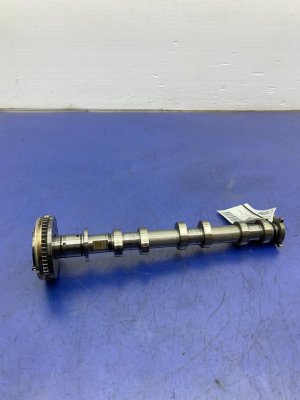
Used OEM Parts in Stock
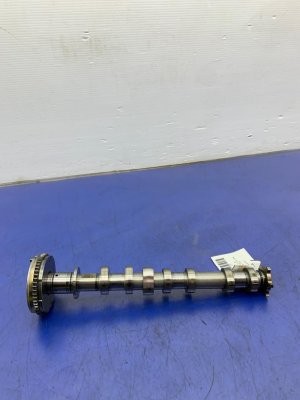
New Aftermarket Parts Available


The information in this article is provided for general reference and educational purposes only. Vehicle specifications, procedures, and part compatibility can vary by production date, trim level, and region. Always consult your vehicle's factory service manual and verify part numbers before purchasing or performing repairs. Safety-critical components such as airbags, seat belts, and braking systems should be installed by a qualified professional.
- Ford F-150:
- 🎬 Helpful Videos
- 🛍️ Shop This Part
- What's Unique About the 2017-2020 Ford F-150
- Diagnostic Flowchart
- Symptoms You May Notice
- Most Likely Causes
- Rare But Worth Checking
- Diagnosis Steps
- Parts You'll Likely Need
- Related Codes That Often Appear With This One
- Technical Service Bulletins (TSBs) & Recalls
- Platform-Specific Known Issues
- Mechanic-Grade Diagnostic Values
- Hidden / Shadow Codes Worth Checking
- Scan Tool Commands That Help
- Wiring & Ground Locations
- Real Owner Repair Stories
- OEM Part Supersession History
- Model Year Variations Within This Range
- 🎟️ Get 5% Off