

P0366 on 2011-2016 Chevrolet Cruze: Exhaust Cam Sensor Causes and Fixes
P0366 on a 2011-2016 Chevy Cruze most often means the exhaust camshaft position sensor is faulty. Replacing this sensor is a common, inexpensive DIY fix, typically costing between $20 and $60 for the part. This issue is so prevalent that GM issued a Technical Service Bulletin (PIP5329C) for it.
- P0366 on a 2011-2016 Cruze almost always points to a bad exhaust camshaft position sensor (Part No. 55565709).
- This is a very common issue, and GM has issued a service bulletin (PIP5329C) about it.
- The repair is simple, inexpensive, and a great DIY task for beginners. The sensor is easily accessible on top of the engine, held by one bolt.
- Always check the wiring for damage and the connector for oil saturation from common valve cover leaks before replacing parts.
- The Chevrolet Sonic, Chevrolet Aveo, and Buick Encore from the same era use the same engines and also suffer from this exact issue.
What's Unique About the 2011-2016 Chevrolet CRUZE

On the 2011-2016 Cruze, particularly with the 1.4L and 1.8L engines, the camshaft position sensors are a known, high-failure item. The issue is common enough that GM issued a Technical Service Bulletin (TSB #PIP5329C) directly addressing it. While wiring or timing issues can cause this code on any car, for the Cruze, the sensor itself is the most frequent culprit. This is often attributed to the intense heat in the engine bay (especially near the turbo on the 1.4L model) and exposure to oil from common valve cover gasket leaks, which can degrade the sensor's plastic housing and internal electronics over time.
Diagnostic Flowchart

Tap your situation to follow the diagnostic path that matches what you're seeing on this vehicle.
Generation note: The 2011-2016 year range covers the first generation of the Chevrolet Cruze. A limited version of the first-gen was sold in 2016 alongside the redesigned second-generation model. This guide applies to the first-generation Cruze and its Limited variant, as both share the same engines and are explicitly mentioned in related TSBs.
Symptoms You May Notice
- Check Engine Light is on
- Rough or unstable idle
- Difficulty starting the engine, including extended cranking
- Engine stalling, especially at low speeds or when stopping
- Reduced fuel economy
- Hesitation or lack of power during acceleration
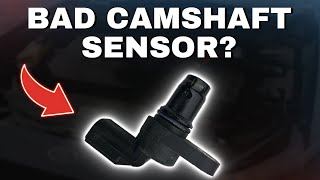
- Engine may run poorly after the cooling fan turns on 🎬 Watch: Common symptoms of a failing camshaft sensor
- Replacing the Crankshaft Position Sensor
- Replacing the Intake Camshaft Position Sensor (this would trigger a different code, like P0341)
- Replacing VVT Solenoids when the issue is the sensor providing them with bad data
Most Likely Causes

- Faulty Exhaust Camshaft Position Sensor 🔴 High Probability This is a well-documented failure item on this platform, as confirmed by GM's own Technical Service Bulletin #PIP5329C, which recommends sensor replacement as the primary fix. The sensors are exposed to high heat and potential oil leaks, leading to premature failure.
How to confirm: After confirming no visible wiring damage, replacing the sensor is the most direct diagnostic step. The sensor can also be tested with a multimeter for correct voltage (5V reference and ground) and signal output, but replacement is often faster and more definitive given the high failure rate and low part cost. A scan tool may show lower camshaft counts on the affected sensor compared to the intake side.
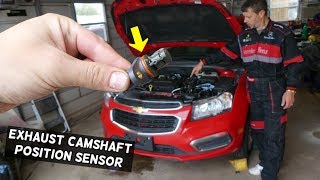
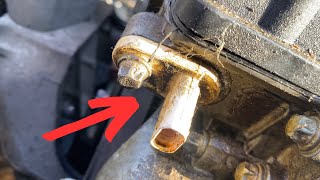
Typical fix: Replace the exhaust camshaft position sensor ('B' sensor). It is held by a single 10mm or E-Torx bolt and is accessible on the top of the engine. 🎬 Watch this quick walkthrough for replacing the exhaust sensor
Est. part cost: $20-$60 - Damaged Wiring or Loose Connector 🟡 Medium Probability The sensor's location in a hot, oily environment can make wiring and connectors brittle over time. Oil leaking from the valve cover gasket can saturate the connector, causing poor contact.
How to confirm: Visually inspect the wiring harness and connector leading to the exhaust camshaft position sensor. Look for signs of fraying, corrosion, melting, oil saturation, or loose pins. Wiggle the connector with the engine running to see if it affects idle.
Typical fix: Repair the damaged section of the wiring harness or clean the oil from the connector with electrical contact cleaner and ensure it is securely seated. The connector's locking tab is often brittle and can break.
Est. part cost: $5-$50 - Low or Dirty Engine Oil ⚪ Low Probability The variable valve timing (VVT) system, which uses oil pressure to adjust the camshafts, is sensitive to oil level and quality. If oil is low or sludgy, the VVT solenoids may not function correctly, which can indirectly cause timing-related codes like P0366.
How to confirm: Check the engine oil level and condition using the dipstick. If it's very low or appears dark and sludgy, this could be a contributing factor. An oil change is recommended before replacing sensors if the oil is in poor condition.
Typical fix: Perform an oil and filter change. This is good maintenance even if it doesn't solve the code.
Est. part cost: $30-$70
Rare But Worth Checking
- Timing Chain/Belt Issue: If the timing chain (1.4L) has stretched or the timing belt (1.8L) has jumped a tooth, the camshaft and crankshaft will be out of sync, which can trigger this code. This is a more serious mechanical issue and would likely be accompanied by other timing-related codes (like P0014, P0017) and more severe running problems.
- Damaged Camshaft Reluctor Ring: The sensor reads a toothed wheel (reluctor ring) on the camshaft. In rare cases, a tooth can break off this ring, causing an erratic signal. This was noted by a Chevy Sonic owner with the same engine, who found a broken tooth after replacing sensors did not fix the issue. Another TSB (21-NA-268) for a later model Cruze notes the reluctor can get out of phase.
- Faulty Engine Control Module (ECM): It is very rare for the ECM to be the cause. All other possibilities, especially the sensor and wiring, should be exhaustively ruled out before considering ECM replacement. This should be diagnosed by a professional.
Diagnosis Steps

- Read the code with an OBD-II scanner to confirm P0366 is present. Note any other codes.
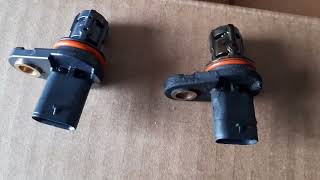
- Visually inspect the wiring and connector for the exhaust camshaft position sensor (Sensor 'B'). On the 1.8L engine, it is on the right side (passenger side) of the engine, toward the front. On the 1.4L engine, both sensors are on the top/front of the valve cover. 🎬 See how to locate and replace both sensors on the 1.4L Look for obvious damage, melting, oil saturation, or corrosion.
- Check the engine oil level and condition. Low or dirty oil can affect the VVT system. If oil is low, top it off. If it's very dirty, an oil change is recommended.
- Given the high failure rate and low cost, the most common next step is to replace the exhaust camshaft position sensor. The sensor is typically held in by a single 10mm or E-Torx bolt. Disconnect the electrical connector, remove the bolt, and gently wiggle the sensor out. A small amount of oil may leak out.
- After replacement, clear the code with the scanner and test drive the vehicle to see if the code returns.
- If the code returns, perform a more in-depth electrical test. Use a multimeter to check for the correct voltage (5V reference) and ground at the sensor connector. You can also use an oscilloscope to check the square wave signal from the sensor while the engine is running.
- If wiring and the sensor are confirmed good, the issue may be mechanical (timing components, reluctor ring) or, in very rare cases, the ECM itself. This level of diagnosis is best left to a professional.
Parts You'll Likely Need
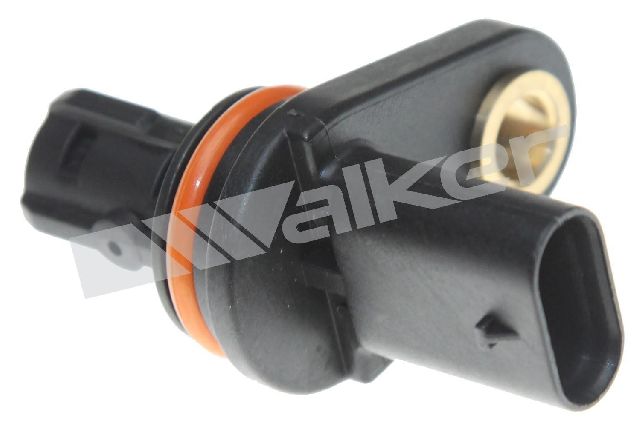
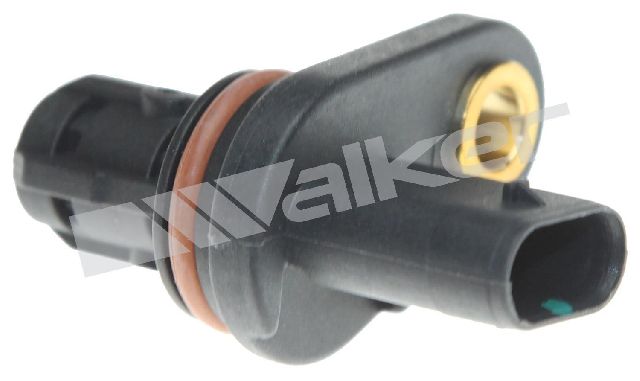
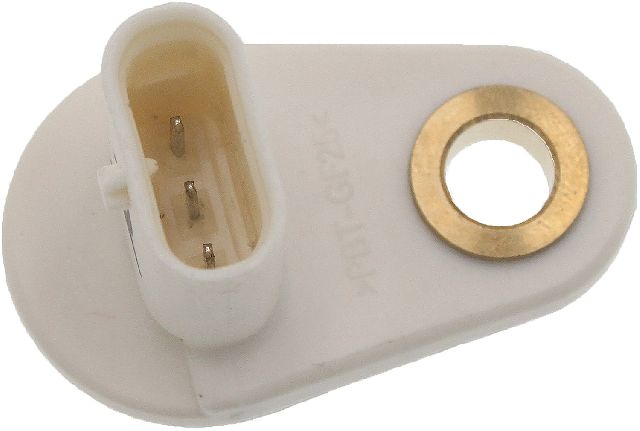
- Exhaust Camshaft Position Sensor
(OEM #55565709)— This is the most frequent cause of code P0366 on the 2011-2016 Cruze, as identified in manufacturer service bulletins.
Trusted brands: ACDelco (GM Genuine - 213-4683), Delphi, Bosch, NTK/NGK
OEM price range: $35-$55
Aftermarket price range: $20-$40
Related Codes That Often Appear With This One
- P0341 — P0341 refers to the Intake Camshaft Position Sensor ('A' sensor). TSB #PIP5329C mentions that P0366 can appear with or without P0341. It's common for both sensors to be replaced at the same time as a preventative measure due to similar wear and tear.
- P0014 — This code relates to 'B' Camshaft Position - Timing Over-Advanced. A faulty sensor can provide incorrect data, leading the ECM to believe there is a timing issue when there isn't one.
- P0300 — A random/multiple misfire code can be triggered because incorrect camshaft position data leads to improper ignition and fuel timing, causing misfires across cylinders.
Technical Service Bulletins (TSBs) & Recalls
- PIP5329C: Addresses Service Engine Soon light with DTC P0341 and/or P0366. Recommends replacing the related camshaft position sensor. Also notes a rare cause related to magnetized components after improper collision repair.
- 21-NA-268: While for a later generation, this TSB is relevant as it discusses P0366 caused by the exhaust camshaft reluctor being out of phase, a potential rare cause on the first generation as well.
Platform-Specific Known Issues
- A known issue documented in Technical Service Bulletin #PIP5329C directs technicians to replace the related camshaft position sensor if P0366 is set, often without extensive diagnostics due to the high failure rate of the part.
- Oil leaks from the valve cover gasket are extremely common on this platform and can saturate the sensor and its wiring connector, accelerating failure.
- A rare but documented possibility mentioned in TSB PIP5329C is that improper welding procedures during a prior front-end collision repair can magnetize cylinder head components, causing interference with the sensor signal.
Mechanic-Grade Diagnostic Values
- Camshaft Position Sensor Connector - Power Supply Pin — expected: ~5V DC with key on, engine off (KOEO). Failure: 0V or significantly lower than 5V indicates a wiring or ECM issue. This 5V supply is often shared with the intake sensor, so a failure here may set both P0341 and P0366.
- Camshaft Position Sensor Connector - Ground Pin — expected: Near 0 ohms resistance to a known good chassis or engine ground.. Failure: High resistance (OL) indicates a broken ground wire, which is a known issue on these platforms.
- Camshaft Position Sensor Connector - Signal Pin — expected: Should toggle between ~0V and ~5V as the engine is cranked, producing a square wave. With KOEO, some sources report seeing 5V on the signal wire.. Failure: No voltage change during cranking, or voltage stuck high or low, points to a bad sensor or a wiring short/open.
- Camshaft Position Sensor Output Signal (Cranking) — expected: A fluctuating voltage between 0.5V and 4.5V, viewable on a multimeter or as a clean square wave on an oscilloscope.. Failure: A steady voltage or a very low reading (e.g., 0.2V) during cranking indicates a failed sensor.
Scan Tool Commands That Help
- GM GDS2 / High-End Scan Tool: Camshaft Position Sensor Relearn / Crankshaft Position Variation Learn — While some vehicles require a relearn procedure after replacing a cam or crank sensor, sources indicate it is generally not necessary for a simple camshaft position sensor replacement on the 2011-2016 Cruze. A crankshaft variation relearn is more common after replacing the crankshaft sensor or performing major timing work, but not for this specific code/part.
Wiring & Ground Locations
- Exhaust Camshaft Sensor Connector (1.8L Engine) — On the right (passenger) side of the engine, near the front of the valve cover. The connector has three pins.. This is the primary connection point to test. It is susceptible to oil contamination from valve cover leaks and heat damage, causing poor contact and intermittent signals.
- G103 / G105 — On the left (driver's side) shock tower in the engine compartment.. These are major chassis ground points in the engine bay. A loose or corroded connection here can cause numerous, difficult-to-diagnose electrical issues, including sensor reference voltage problems.
- G102 — Located on the lower right rear of the engine block.. This is a primary engine block ground. A poor connection here can affect the ground reference for multiple sensors, including the cam and crank sensors, leading to erratic signals.
- Engine Harness Ground (Coil Pack Area) — A ground wire runs from the main engine harness to a bolt near the ignition coil pack on the top of the engine.. Owners have reported that a poor connection at this specific ground point can cause multiple random codes, stalling, and stability track issues. One owner resolved persistent electrical problems by running a new, dedicated ground wire from this location to the chassis.
Real Owner Repair Stories
- YouTube user 'Lets fix It' (2015 Chevrolet Cruze 1.8L) — Check Engine Light with code P0366.
❌ Tried (didn't work) Swapping the VVT solenoids (intake to exhaust) to see if the code would change to P0341; it did not.
✅ What actually fixed it After removing the valve cover, the owner discovered a broken tooth on the exhaust camshaft's reluctor ring. The fix was to replace the entire exhaust camshaft. - Reddit user 'Nutz4hotwheels' (2012 Cruze 1.4L) — Engine would crank but not start unless the camshaft position sensor was disconnected. Code P0366 was present.
❌ Tried (didn't work) Replacing both camshaft position sensors., Verifying timing was correct.
✅ What actually fixed it The owner discovered a low oil pressure issue caused by a broken oil bypass valve. After fixing the oil pressure problem, the P0366 and no-start condition were resolved. - ScannerDanner Forum user 'prometheus1' (2011 Cruze 1.8L) — Rough running, P0366 and P0300 (multiple misfires).
❌ Tried (didn't work) The user had already replaced the timing belt and coil pack 7 months prior.
✅ What actually fixed it The thread documents the diagnostic process rather than a final fix. A moderator guided the user to test the sensor's signal wire, expecting it to toggle between 0V and 5V. The user measured a static 4.7V with the engine off, indicating the next step was to check the signal with a lab scope during cranking to see if it was producing the required square wave.
OEM Part Supersession History
55565709→25195556 (one of several interchange numbers)— Standard part lifecycle updates and manufacturer changes.
Heads up: While many aftermarket sensors are available, using a genuine OEM (ACDelco) or a reputable OEM supplier (Delphi, Bosch) is highly recommended. Some owners report issues with cheaper aftermarket sensors failing prematurely or having slightly different voltage outputs that can still cause intermittent issues.
Model Year Variations Within This Range
- 2016: In 2016, Chevrolet sold two versions of the Cruze: the 'Cruze Limited' and the 'All-New' Cruze. The Cruze Limited was a carryover of the first-generation model (2011-2015) and is covered by this guide. The 'All-New' 2016 Cruze is the second generation and features a different 1.4L turbo engine (LE2) with slightly more power and different part numbers. While the P0366 code's meaning is the same, the sensor part number and location may differ on the second-gen model.
Helpful Videos
We Have This Part in Stock


The information in this article is provided for general reference and educational purposes only. Vehicle specifications, procedures, and part compatibility can vary by production date, trim level, and region. Always consult your vehicle's factory service manual and verify part numbers before purchasing or performing repairs. Safety-critical components such as airbags, seat belts, and braking systems should be installed by a qualified professional.
- Chevrolet CRUZE:
- 🎬 Helpful Videos
- 🛍️ Shop This Part
- What's Unique About the 2011-2016 Chevrolet CRUZE
- Diagnostic Flowchart
- Symptoms You May Notice
- Most Likely Causes
- Rare But Worth Checking
- Diagnosis Steps
- Parts You'll Likely Need
- Related Codes That Often Appear With This One
- Technical Service Bulletins (TSBs) & Recalls
- Platform-Specific Known Issues
- Mechanic-Grade Diagnostic Values
- Scan Tool Commands That Help
- Wiring & Ground Locations
- Real Owner Repair Stories
- OEM Part Supersession History
- Model Year Variations Within This Range
- 🎟️ Get 5% Off