

P0365 on 2017-2021 Chrysler Pacifica: Camshaft Sensor Causes and Fixes
P0365 on a Chrysler Pacifica indicates a fault with the Bank 1 exhaust camshaft position sensor. The most common fixes are replacing the faulty sensor or having a dealer perform a PCM software update as specified in several Technical Service Bulletins. The sensor itself is relatively inexpensive, but its location on the rear of the engine makes replacement labor-intensive.
- P0365 specifically points to the exhaust camshaft position sensor on the rear cylinder bank (Bank 1).
- Before replacing the sensor, check for Technical Service Bulletins (TSBs), as a simple PCM software update at a dealership may be the correct fix.
- The sensor for Bank 1 is very difficult to access and may require removing the upper intake manifold, making it a challenging DIY job.
- Always check your engine oil level and condition, as low or dirty oil can cause timing-related codes on the 3.6L Pentastar engine.
What's Unique About the 2017-2021 Chrysler PACIFICA

For the Chrysler Pacifica, the P0365 code is frequently mentioned in manufacturer Technical Service Bulletins (TSBs) alongside a host of other camshaft sensor codes (P0340, P0345, P0390). This indicates that the root cause isn't always a single bad sensor, but can be related to PCM software needing an update to correct overly sensitive fault detection. Specifically, TSB 18-002-19 REV A and others change the logic for P0365 from a one-trip fault to a two-trip fault, making it less likely to be triggered by a momentary glitch. The 3.6L Pentastar engine in the Pacifica has four camshaft sensors in total, but P0365 specifically points to the exhaust sensor on the rear bank, which is notoriously difficult to access, requiring the removal of the upper intake manifold for replacement. A deeper issue on the 3.6L Pentastar engine can be failing rocker arms or cam phasers, which can cause these codes as a secondary symptom.
Diagnostic Flowchart

Tap your situation to follow the diagnostic path that matches what you're seeing on this vehicle.
Generation note: The 2017-2021 model years cover the first generation (RU) of the Chrysler Pacifica minivan. A significant facelift occurred for the 2021 model year which included a new Uconnect 5 infotainment system but the core powertrain, the 3.6L Pentastar V6, remained the same. The causes and fixes for P0365 are generally consistent across this year range, though specific wiring or PCM software versions may differ. The same engine is used in many other Stellantis (formerly FCA) vehicles, which share similar issues.
Symptoms You May Notice
- Check Engine Light is on
- Engine is difficult to start or cranks but won't start
- Rough or uneven idle
- Engine stalling, especially at low speeds
- Hesitation or loss of power during acceleration
- Engine misfires
- Reduced fuel economy
- Replacing the crankshaft position sensor. This is a different sensor and will not fix a P0365 code.
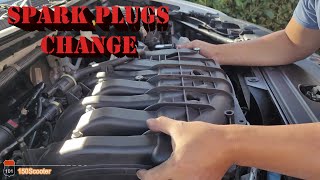
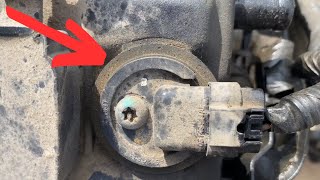
- Replacing the wrong camshaft position sensor. The Pacifica has four sensors; P0365 specifically refers to the exhaust sensor on the rear bank (Bank 1). Bank 2 is the front bank, which is much easier to access. 🎬 Watch: Locate and replace all four camshaft sensors on your Pacifica.
- Assuming the sensor is bad without checking for TSBs. Many owners replace the sensor only to have the code return, when a PCM reflash was the required fix.
Most Likely Causes

- Faulty Camshaft Position Sensor 🔴 High Probability Sensors can fail over time due to extreme heat cycles and engine vibration. Oil leaks from the valve cover or spark plug tube seals can also contaminate the sensor and its connector, causing failure.
How to confirm: Swap the suspect sensor (Bank 1 exhaust) with another identical sensor (e.g., Bank 1 intake). Clear the codes and run the engine. If the code changes to P0340 (Bank 1 Intake), the sensor is bad. Alternatively, test the sensor's signal with a multimeter or oscilloscope for a proper square wave.
Typical fix: Replace the Bank 1 exhaust camshaft position sensor. This sensor is on the rear cylinder head and is difficult to access, requiring removal of the upper intake manifold. 🎬 See this step-by-step guide for removing the intake manifold. It is often recommended to replace the intake manifold gaskets at the same time.
Est. part cost: $30-$60 - PCM Software Requires Update 🔴 High Probability Multiple TSBs (e.g., #1805022REVA, #18-002-19 REV A) have been issued by Chrysler for this exact code, indicating the PCM may be setting the code erroneously. The update often changes the fault from a one-trip to a two-trip logic, making it less sensitive to transient errors.
How to confirm: A Chrysler dealership or a qualified shop with access to OEM software (wiTECH) can check if the vehicle's PCM has the latest calibration by comparing it to the available updates.
Typical fix: Flash the Powertrain Control Module (PCM) with the updated software provided by the manufacturer. This is a dealer-only or specialist repair.
Est. part cost: $0 - Wiring Harness or Connector Issue 🟡 Medium Probability The engine wiring harness, particularly the section running to the rear bank, is exposed to significant heat, which can make wires brittle or damage insulation, leading to a short or open circuit. The connector pins can also corrode.
How to confirm: Visually inspect the wiring leading to the Bank 1 exhaust cam sensor for any signs of damage, chafing, or corrosion. Use a multimeter to check for the correct 5-volt reference, a good ground, and signal continuity at the connector.
Typical fix: Repair the damaged section of wiring or replace the pigtail connector.
Est. part cost: $15-$40 - Low or Dirty Engine Oil ⚪ Low Probability The 3.6L Pentastar engine uses oil pressure to actuate the variable valve timing (VVT) system. If the oil is low, dirty, or the wrong viscosity, the cam phasers may not respond correctly, causing the camshaft position to deviate from its expected position and trigger a code.
How to confirm: Check the engine oil level on the dipstick and inspect its condition. If the oil is very low or appears dark and sludgy, this could be a contributing factor.
Typical fix: Perform an oil and filter change using the manufacturer-specified oil grade (e.g., Mopar 0W-20 for 2016+ models).
Est. part cost: $50-$100
Rare But Worth Checking
- Timing Chain or Cam Phaser Issue: While less common for this specific code alone, a stretched timing chain or a failing cam phaser can cause the actual camshaft timing to be off, leading to this code. A failing phaser may not lock properly, causing independent movement between the phaser and the camshaft, which sets a code. This is usually accompanied by rattling noises from the engine, especially on startup.
- Faulty Powertrain Control Module (PCM): In very rare cases, the PCM itself can have an internal fault in the sensor driver circuit. This should only be considered after all other possibilities, including software updates, have been exhausted.
- Damaged Camshaft Reluctor Wheel: The sensor reads a reluctor wheel (or tone ring) on the camshaft. If this wheel is damaged, cracked, misaligned, or even missing from an aftermarket camshaft, it will send an erratic or no signal, triggering the code even with a good sensor. The magnetic properties of the wheel can also be damaged by contact with magnets during other repairs.
Diagnosis Steps
- Scan the PCM for P0365 and any other stored codes. Note the freeze frame data to see engine conditions when the fault occurred.
- Check for applicable TSBs. Given the history with this engine, check with a Chrysler dealer for any available PCM software updates related to TSBs #1805022REVA, #18-002-19 REV A, or others before replacing parts.
- Check the engine oil level and condition. Top off or change the oil if necessary.
- Visually inspect the wiring harness and connector for the Bank 1 exhaust camshaft position sensor. This sensor is on the rear of the engine, near the firewall. Access requires removing the upper intake manifold.
- With the key on, engine off, disconnect the sensor and use a multimeter to check for a 5-volt reference and a good ground at the connector.
- If power and ground are good, swap the Bank 1 exhaust sensor (P0365) with the Bank 1 intake sensor (P0340). They are identical parts. Clear the codes and run the engine. If the code changes to P0340, the sensor is confirmed to be faulty.
- If the wiring and sensor seem okay, and no TSBs apply, use an oscilloscope to check the sensor's square wave pattern to confirm it is producing a clean signal while the engine is running.
- As a last resort, investigate potential mechanical timing issues (chain, phasers) or a faulty PCM.
Parts You'll Likely Need
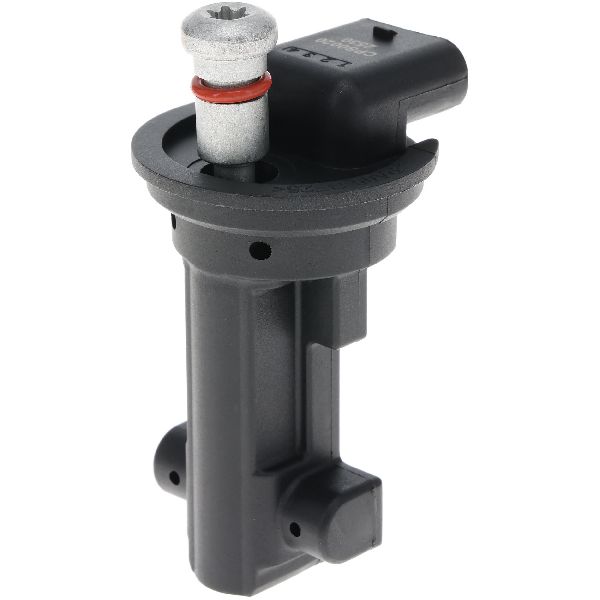
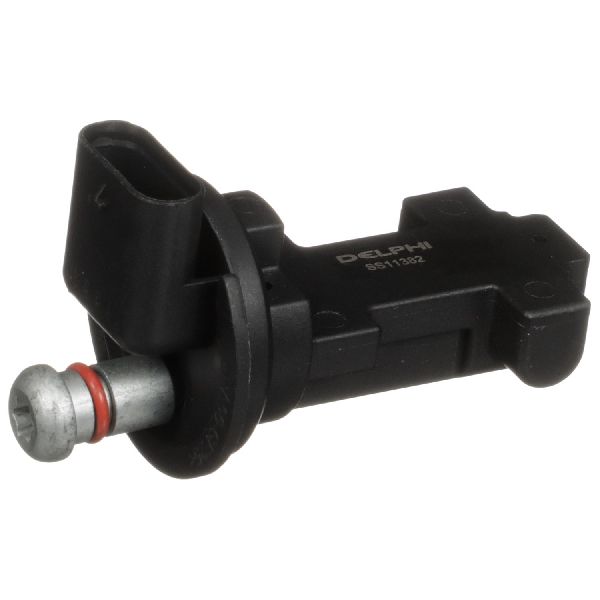
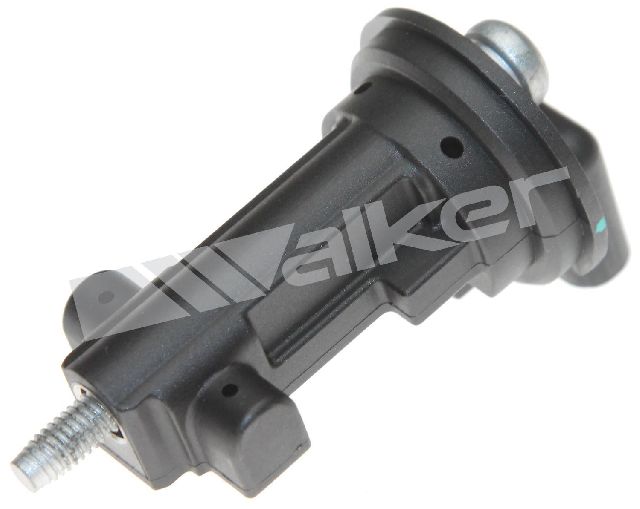
- Engine Camshaft Position Sensor
(OEM #5149141AF)— This is the most common part to fail, directly causing the P0365 code. The 3.6L engine uses four identical sensors, but this code points to the one on the Bank 1 exhaust cam. It is highly recommended to use an OEM Mopar sensor, as some aftermarket sensors have high failure rates.
Trusted brands: Mopar, NGK/NTK, Delphi, Dorman
OEM price range: $99-$150
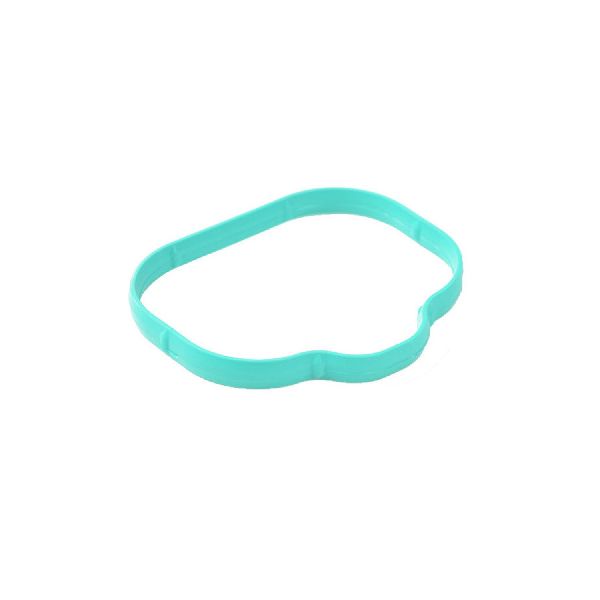
Aftermarket price range: $30-$60 - Upper and Lower Intake Manifold Gaskets
(OEM #Varies by kit)— Replacement of the Bank 1 (rear) camshaft sensors requires removing the upper intake manifold. The gaskets are considered a one-time use item and must be replaced to prevent vacuum leaks.
Trusted brands: Mopar, Fel-Pro, Mahle
OEM price range: $40-$70
Aftermarket price range: $20-$40
Related Codes That Often Appear With This One
- P0340 — Camshaft Position Sensor Circuit - Bank 1 Sensor A (Intake). Often appears with P0365 due to a shared wiring harness issue, a systemic problem like low oil pressure, or a PCM software glitch affecting the entire bank.
- P0345 — Camshaft Position Sensor Circuit - Bank 2 Sensor A (Intake). Indicates a fault on the other cylinder bank, suggesting a systemic issue like a software glitch or widespread wiring problem.
- P0300 — Multiple Cylinder Misfire. A bad cam sensor signal can disrupt timing and cause the engine to misfire.
Technical Service Bulletins (TSBs) & Recalls

- 1805022REVA: Mentions P0365 and the need to flash modules.
- 0901220: Lists P0365 with other DTCs like P000A and P0300.
- 18-002-19 REV A: Groups P0365 with several other intermittent cam sensor codes.
- 1805022: Mentions P0365 and other cam sensor codes that may require a software update.
- 1806917: Lists P0365 with other intermittent cam sensor circuit codes.
Platform-Specific Known Issues
- TSB #18-002-19 REV A: This is a critical TSB
Mechanic-Grade Diagnostic Values
- Camshaft Position Sensor Power Supply Voltage — expected: 4.5 to 5.0 V. Failure: Voltage below 4.5V or absent indicates a wiring or PCM issue.
- Camshaft Position Sensor Signal Wire Voltage (Static Test) — expected: Switches between ~5V and ~0V when a magnet is brought near the sensor tip.. Failure: Voltage does not change, indicating a faulty sensor.
- Continuity between Sensor Connector and PCM — expected: Below 1 Ω. Failure: High resistance (above 1 Ω) indicates a break or corrosion in the wiring harness.
- Resistance to Ground on Signal Wire — expected: 10 kΩ or higher. Failure: Low resistance indicates a short to ground in the wiring harness.
- Hot Idle Oil Pressure — expected: 25-30 PSI or higher. Failure: Significantly lower pressure (e.g., 14 PSI) can starve VVT components and trigger cam codes.
Scan Tool Commands That Help
- wiTECH or high-end Autel/Snap-on: VVT System Test / Cam/Crank Relearn — After replacing timing components or suspecting a VVT issue, this function commands the solenoids to verify their operation and allows the PCM to relearn the positions of the new components. It can help differentiate between an electrical and a mechanical fault.
- wiTECH or high-end Autel/Snap-on: Live Data: Camshaft Desired vs. Actual Position — When diagnosing a potential cam phaser or oil pressure issue, monitoring the desired versus actual camshaft angle in real-time is critical. A significant and persistent deviation between the two values points towards a mechanical problem (like a stuck phaser) rather than a sensor or wiring fault.
Wiring & Ground Locations
- Bank 1 Cam Sensor Connector — On the rear cylinder head (firewall side), below the upper intake manifold.. This is the primary connector for the sensor triggering P0365. It is difficult to access and subject to heat, making it a common point of failure for wiring and pins.
- Engine Ground Straps — On older Pacifica models, key grounds are located from the fuse box to the chassis, from the engine to the manifold, and from the motor mount to the engine.. While a total ground failure is unlikely to cause only a P0365, a poor or intermittent ground connection can introduce electrical noise and cause erratic sensor readings. Verifying main engine grounds are clean and tight is a fundamental diagnostic step.
Real Owner Repair Stories
- YouTube channel 'EuroweRx' (2013 Jeep with 3.6L Pentastar (same engine family and sensor design)) — Check engine light with P0365 immediately after replacing a camshaft due to a rocker arm issue. The engine ran but had low power.
❌ Tried (didn't work) The technician immediately suspected the new part rather than chasing a wiring issue, as the fault appeared directly after the mechanical repair.
✅ What actually fixed it The new aftermarket camshaft was manufactured without the magnetic reluctor ring that the Hall-effect sensor needs to read. Replacing the defective aftermarket camshaft with a proper one resolved the code. - Reddit user in r/MechanicAdvice (2014 Jeep Wrangler 3.6L (171k miles)) — After replacing timing set, phasers, injectors, and more, the engine went into limp mode with codes P000a-d (Camshaft Slow Response).
❌ Tried (didn't work) Oil change, Replacing cam position sensors, Replacing crank position sensor, Replacing VVT solenoids
✅ What actually fixed it The user found intermittent high resistance when tracing ground wires and discovered the negative battery cable terminal was not clamping tightly. After cleaning the post and terminal and adding a shim for a tight fit, the grounding issue was resolved and the codes cleared.
OEM Part Supersession History
5149141AD, 5149141AE→5149141AF— Standard part revision and improvement by the manufacturer.
Model Year Variations Within This Range
- 2021-present: A major facelift for the 2021 model year introduced revised styling, the Uconnect 5 infotainment system, and the availability of All-Wheel Drive (AWD) on non-hybrid models. While the 3.6L V6 engine is fundamentally the same, the addition of AWD adds a power transfer unit and other drivetrain components not present on FWD models from 2017-2020.
- 2017-2020: These models were initially available as FWD only for the gasoline engine. They feature the Uconnect 4 system with a smaller standard touchscreen on lower trims compared to the 2021+ models.
Helpful Videos
![How to Fix P0365 Engine Code in 3 Minutes [2 DIY Methods / Only $9.78]](https://img.youtube.com/vi/VaX_PBSaxo0/mqdefault.jpg)

Used OEM Parts in Stock


New Aftermarket Parts Available


The information in this article is provided for general reference and educational purposes only. Vehicle specifications, procedures, and part compatibility can vary by production date, trim level, and region. Always consult your vehicle's factory service manual and verify part numbers before purchasing or performing repairs. Safety-critical components such as airbags, seat belts, and braking systems should be installed by a qualified professional.
- Chrysler PACIFICA:
- 🎬 Helpful Videos
- 🛍️ Shop This Part
- What's Unique About the 2017-2021 Chrysler PACIFICA
- Diagnostic Flowchart
- Symptoms You May Notice
- Most Likely Causes
- Rare But Worth Checking
- Diagnosis Steps
- Parts You'll Likely Need
- Related Codes That Often Appear With This One
- Technical Service Bulletins (TSBs) & Recalls
- Platform-Specific Known Issues
- Mechanic-Grade Diagnostic Values
- Scan Tool Commands That Help
- Wiring & Ground Locations
- Real Owner Repair Stories
- OEM Part Supersession History
- Model Year Variations Within This Range
- 🎟️ Get 5% Off