

P0364 on 2019-2021 Ford F-150: Cam Sensor Fault or Software Update Needed?
On 2019-2021 F-150s, especially with the 5.0L engine or Pro Power Onboard, P0364 is frequently caused by a software glitch that requires a dealer to reprogram the computer, as noted in several Ford Technical Service Bulletins. Before replacing any parts, check for applicable TSBs to avoid an unnecessary repair.
- For the 2019-2021 F-150, P0364 is most often a software issue, not a failed part. Always check for applicable TSBs using the VIN before starting any repair.
- The 5.0L engine and the 3.5L PowerBoost with Pro Power Onboard are the two main groups affected by software-related TSBs for this code.
- On 5.0L models, checking the engine oil level is a critical and easy second step, as low oil can cause identical symptoms and codes.
- If software and oil level are ruled out, the cause is likely the sensor itself or its wiring, but these should be considered secondary possibilities.
What's Unique About the 2019-2021 Ford F-150
For this specific generation of F-150, P0364 is not a simple 'replace the sensor' problem. Ford has issued multiple Technical Service Bulletins (TSBs) indicating that the true cause is often a software parameter issue within the Powertrain Control Module (PCM) or, on 2021 models, the Pro Power Onboard inverter module. Owners who immediately replace the sensor without checking for a required software update may find the code returns, wasting time and money. The TSBs often apply to specific build dates, so verifying the vehicle's production date is a key step.
Diagnostic Flowchart
Tap your situation to follow the diagnostic path that matches what you're seeing on this vehicle.
Generation note: This range covers the end of the 13th generation (2019-2020) and the start of the 14th generation (2021). The causes can differ: 5.0L engine software issues are noted in TSBs for both generations, while issues related to the Pro Power Onboard system are specific to the 2021 model year with the 3.5L PowerBoost engine. [3, 5, TSB 21-2229, TSB 22-2393]
Symptoms You May Notice
- Check Engine Light is on
- Engine stalls or idles roughly
- Difficulty starting the engine
- Reduced engine power and poor acceleration
- Decreased fuel economy
- On 2021 models, a "Pro Power Onboard Service Required" message may appear. [3, TSB 21-2229, TSB 21-2127]
- In some cases with related timing issues, a knocking or rattling sound from the engine on low RPMs may be present.
- Replacing the camshaft position sensor when the actual problem is a software issue that requires a PCM reflash per a TSB.
- Replacing the sensor when the root cause is an extremely low engine oil level affecting VCT system performance.
Most Likely Causes
- Powertrain Control Module (PCM) or Inverter Software Issue 🔴 High Probability Multiple Ford TSBs (e.g., 22-2393, 21-2154, 21-2229) point to overly sensitive software parameters as the root cause for this code on 5.0L engines (built on or before 04-Mar-2021) and trucks with Pro Power Onboard.
How to confirm: A Ford dealer or a shop with advanced scan tools (like Ford's diagnostic scan tool) can check the current software calibration of the PCM against the latest version and determine if a TSB applies to the vehicle's VIN. The fix is covered under the new vehicle or emissions warranty.
Typical fix: Reprogramming the appropriate module (PCM or DC/AC Converter) with the latest Ford software and resetting the Keep Alive Memory (KAM). This is typically a dealer-level service that takes approximately 0.3-0.8 labor hours.
Est. part cost: $0 - Failed Camshaft Position Sensor (Bank 1, Sensor 'B') 🟡 Medium Probability Like any electronic component, the sensor can fail over time due to heat and vibration. This is the traditional cause for this code. The sensor is located on the back of the passenger-side cylinder head, making it difficult to access.
How to confirm: After ruling out software issues, a technician can test the sensor's voltage output with a multimeter. A reading that is consistently low or absent when the engine is running points to a failed sensor. The sensor can also be tested for internal resistance against manufacturer specs.
Typical fix: Replace the Bank 1 exhaust camshaft position sensor. It is located on the back of the passenger-side cylinder head. 🎬 See this video to locate the camshaft and oxygen sensors
Est. part cost: $25-$70 - Wiring or Connector Issue ⚪ Low Probability The sensor wiring is located in a hot, tight area at the back of the engine, making it susceptible to heat damage, chafing, or corrosion over time. Some owners report wiring harnesses chafing on sharp edges of the frame or other components, leading to shorts.
How to confirm: Visually inspect the wiring harness and connector for any signs of damage, melting, or corrosion. Pay close attention to where the harness may rub against the frame or engine components. Perform a continuity test on the signal and ground wires from the sensor connector to the PCM.
Typical fix: Repair the damaged section of the wiring harness or replace the connector pigtail. Protective conduit or tape should be added to prevent future chafing.
Est. part cost: $10-$40
Rare But Worth Checking
- Failing Cam Phaser or VCT Solenoid: While P0364 is an electrical circuit code, a mechanically stuck or failing cam phaser or a clogged VCT solenoid can cause erratic sensor readings and trigger related timing codes (like P0011, P0012, P0021, P0022). This is a more complex mechanical issue often linked to poor oil maintenance.
- Low Engine Oil Level: On the 5.0L Coyote engine, which can consume oil, an extremely low oil level can affect the operation of the variable cam timing system, leading to timing-related codes. One owner on an F-150 forum reported a P0390 (Bank 2 equivalent) was resolved by topping up 5 quarts of oil.
- Failing Powertrain Control Module (PCM): It is very rare for the PCM itself to fail, but it is a possibility if all other causes have been ruled out. This is an expensive last resort.
Diagnosis Steps
- Check for Technical Service Bulletins (TSBs): This is the most critical first step. Use the vehicle's VIN to check with a Ford dealer or online service for TSBs 22-2393, 21-2154, 21-2229, 21-2127, or 21-2087. If one applies, the fix is likely a software update.
- Check Engine Oil Level and Condition: Especially on 5.0L engines, verify the oil level is full and the oil is clean. Low or dirty oil can cause VCT system problems that may trigger this code.
- Inspect Wiring and Connector: Visually inspect the wiring harness and connector for the Bank 1 exhaust camshaft position sensor (passenger side, rear of cylinder head). Look for any signs of melting, chafing on the frame or engine, or corrosion.
- Test Sensor Voltage: Using a multimeter, back-probe the signal wire at the sensor connector. With the engine running, check for a fluctuating voltage signal. A steady low or zero voltage indicates a likely failed sensor or wiring issue.
- Check for Power and Ground: Verify that the sensor connector is receiving the correct reference voltage (typically 5V) and has a good ground connection from the PCM.
- Swap Sensors (If Applicable): If the intake and exhaust sensors are identical, you can swap the Bank 1 exhaust sensor with the Bank 1 intake sensor. If the code changes to P0344 (Camshaft Position 'A' Circuit Low), it confirms the sensor itself has failed.
- Consider Mechanical Issues: If all electrical tests pass and the code persists after a software update, investigate potential timing system issues, such as a sticking VCT solenoid or cam phaser.
Parts You'll Likely Need
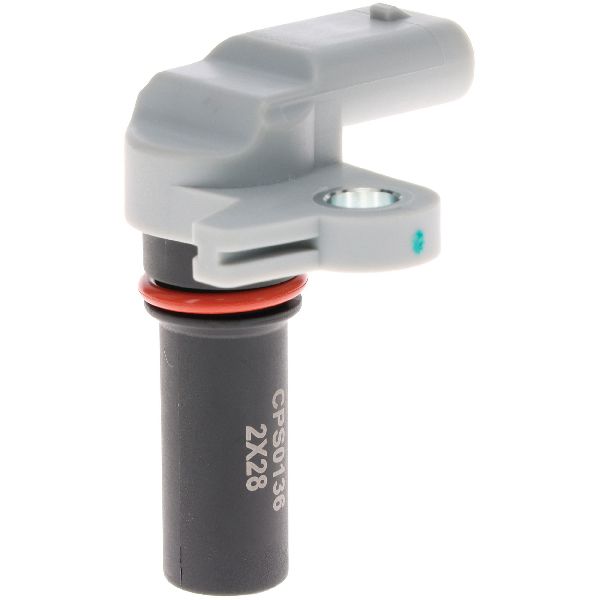
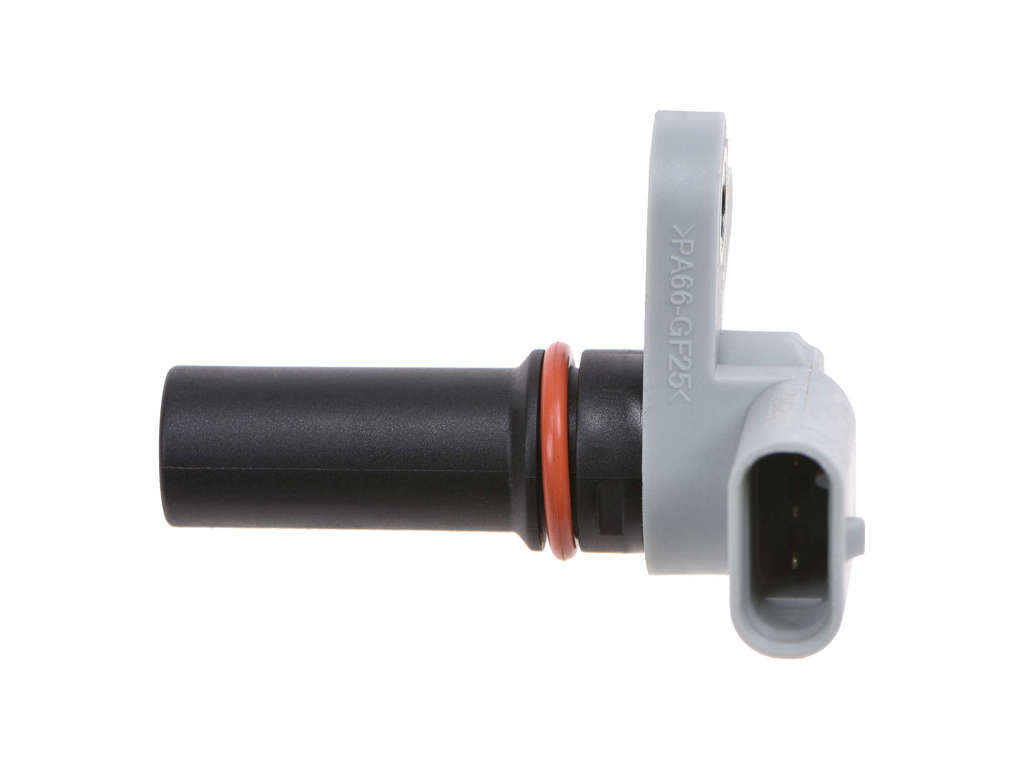
- Camshaft Position Sensor (Bank 1, Exhaust)
(OEM #Motorcraft DU-102)— If the cause is not software-related, the sensor itself is the most likely component to have failed. The Bank 1 (passenger side) exhaust sensor is 'B'.
Trusted brands: Motorcraft, Bosch, Delphi, NTK, DENSO
OEM price range: $32-$70
Aftermarket price range: $25-$50
Related Codes That Often Appear With This One
- P060B — Often appears with P0364 in TSBs related to PCM software glitches on the 5.0L engine. [TSB 22-2393, TSB 21-2154, TSB 21-2083] 🎬 Watch: Detailed breakdown of these TSBs and related engine codes
- P2601 — Another code frequently cited alongside P0364 in Ford TSBs for PCM software issues. [TSB 22-2393, TSB 21-2154, TSB 21-2083]
- P0171, P0172, P0174, P0175 — These fuel trim codes (lean/rich) can also be triggered by the same PCM software problem that causes P0364 on 5.0L engines. [TSB 22-2393, TSB 21-2154, TSB 21-2083]
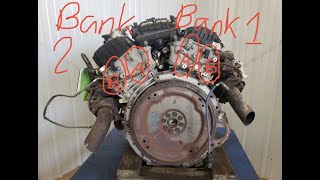
- P0390 — This is the equivalent code for the 'B' sensor on Bank 2 (driver's side). It's not uncommon to see issues on both banks, potentially pointing to a systemic issue like oil level or a widespread software bug.
Technical Service Bulletins (TSBs) & Recalls
- TSB 21-2229: Pro Power Onboard software issue causing P0364.
- TSB 22-2393: 5.0L engine PCM software issue causing P0364 and other codes.
- TSB 21-2154: Superseded by 22-2393, addressed 5.0L engine PCM software issue on early-build 2021 models causing P0364.
- TSB 21-2127: Pro Power Onboard software issue causing P0364.
- TSB 21-2087: PCM software issue on early-build 2021 5.0L models causing P0364 and other codes.
- TSB 21-2083: Similar to 21-2087, for 2021 F-150s with the 5.0L engine built on or before 08-Mar-2021, citing P0364 among other codes due to software parameters.
Platform-Specific Known Issues
- TSB 22-2393 / 21-2154: Some 2019-2021 F-150s with the 5.0L engine (built on or before March 4, 2021) may illuminate the check engine light and store P0364 (among many other codes) due to a PCM software issue. The prescribed fix is to reprogram the PCM and reset the KAM.
- TSB 21-2229 / 21-2127: On 2021 F-150s with the 3.5L PowerBoost engine and Pro Power Onboard feature, P0364 can be stored due to a software issue in the DC/AC converter module, often accompanied by a service message on the display. The fix is a software update for both the PCM and the DC/AC module.
- Oil Consumption on 5.0L Engine: The 2018-2020 5.0L Coyote engine is known for oil consumption issues. If the oil level becomes critically low, it can starve the VCT phasers of oil pressure, leading to timing-related codes like P0364.
Mechanic-Grade Diagnostic Values
- Camshaft Position Sensor (3-wire Hall effect) Signal Voltage — expected: Digital square wave, switching between approximately 0V and 5V as the engine runs.. Failure: A signal that is stuck low (near 0V) for P0364, stuck high (near 5V), or has no signal at all.
- Camshaft Position Sensor Reference Voltage (at connector, KOEO) — expected: Approximately 5V DC.. Failure: Significantly lower or no voltage, indicating a problem with the PCM or wiring.
- VCT Advanced Error PIDs (using Ford IDS) — expected: Should hover around 0°, with no more than a ±5° difference for an excessive time.. Failure: Excessive variation while a drivability concern is present, suggesting a VCT system issue rather than just a sensor circuit fault.
Hidden / Shadow Codes Worth Checking
- Mode 6, Test ID $A2-$AF: These Test IDs correspond to misfire monitor data for each cylinder (e.g., $A2 for cylinder 1, $A3 for cylinder 2, etc. on an 8-cylinder). While not a shadow code in the traditional sense, this data can reveal intermittent misfires on specific cylinders before they are frequent enough to set a P030x code. This can be useful if the timing issue is causing subtle misfires. (see via A scan tool capable of reading Mode 6 data, such as FORScan or some advanced generic OBD-II scanners.)
Scan Tool Commands That Help
- Ford IDS (Integrated Diagnostic System): Monitor VCT PIDs (VCT_ADV_ERR, VCT_DUTY_CYCLE) — When diagnosing intermittent drivability issues like rough idle or hesitation that could be related to the VCT system. Monitoring the error and duty cycle PIDs for both banks can reveal if the PCM is commanding a change and if one bank is responding slower than the other, pointing towards a mechanical or oil pressure issue rather than a simple sensor fault.
- Ford IDS (Integrated Diagnostic System): KAM (Keep Alive Memory) Reset — This is a required step after reprogramming the PCM per the TSBs for P0364. Failing to reset the KAM can prevent the new software strategy from being fully implemented, potentially causing the code to return.
Wiring & Ground Locations
- Main Body/Chassis Ground — On the frame rail below the passenger door area. A braided cable connects the body to the frame.. This is a critical ground for many electronic modules. On 2017-2020+ F-150s, this ground is known to corrode, causing a poor connection. This can lead to numerous, difficult-to-diagnose electrical issues and communication codes, potentially including sensor circuit faults.
- PCM Connector C1381E — The center connector of the three main PCM connectors.. This connector specifically handles most of the engine sensor inputs and outputs. When testing for continuity or shorts in the CMP sensor wiring, the pins on this connector are the termination point to check against.
- Rear Passenger Seat Ground — Behind the trim panel at the right rear of the cab, behind the passenger seat.. This is a known, factory ground point inside the cab. While not directly for the engine harness, it's a reference for good ground locations on the aluminum body for any diagnostic purposes.
Real Owner Repair Stories
- Ford F150 Forum user 'jakhammer' (2020 F-150 5.0L) — Diesel-like idle, rattling on warm starts, and cam position sensor codes.
❌ Tried (didn't work) Swapping the intake cam position sensor.
✅ What actually fixed it The user noted the problem started after the battery died and the truck was jump-started, which caused a rattle. The issue progressed from there. While the final fix wasn't posted by this user, another user in the same thread with identical symptoms (P0345, ticking noise) had it diagnosed as a broken secondary timing chain, requiring engine replacement. This suggests the initial electrical event may have contributed to or coincided with a mechanical VCT/timing failure.
OEM Part Supersession History
BL3Z-6B288-A→BL3Z-6B288-C— Part revision or supplier change. This is a common sensor used across many Ford engines.
Heads up: The parts are interchangeable.
Model Year Variations Within This Range
- 2021: The introduction of the 3.5L PowerBoost Hybrid and Pro Power Onboard system created a new, unique cause for P0364. On these trucks, the code can be triggered by a software fault within the DC/AC converter module, which is unrelated to the 5.0L engine's PCM software issues. [TSB 21-2229]
- 2019-2021 (5.0L): TSBs for the 5.0L engine often have specific build date cutoffs. For example, TSB 21-2083 applies to vehicles built on or before March 8, 2021, and TSB 21-2154 applies to those built on or before March 4, 2021. Vehicles built after these dates likely have the updated software from the factory, making a software issue less probable.
Helpful Videos


Used OEM Parts in Stock
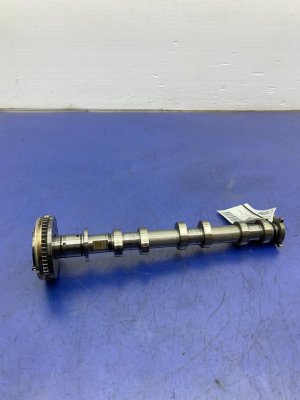
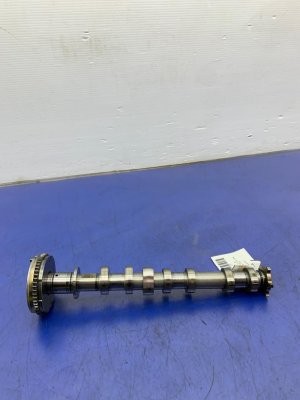
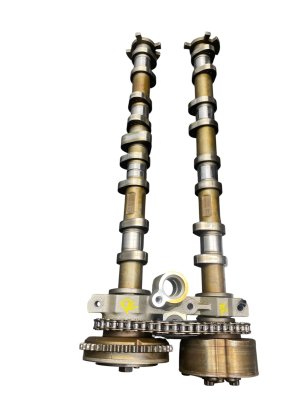
New Aftermarket Parts Available

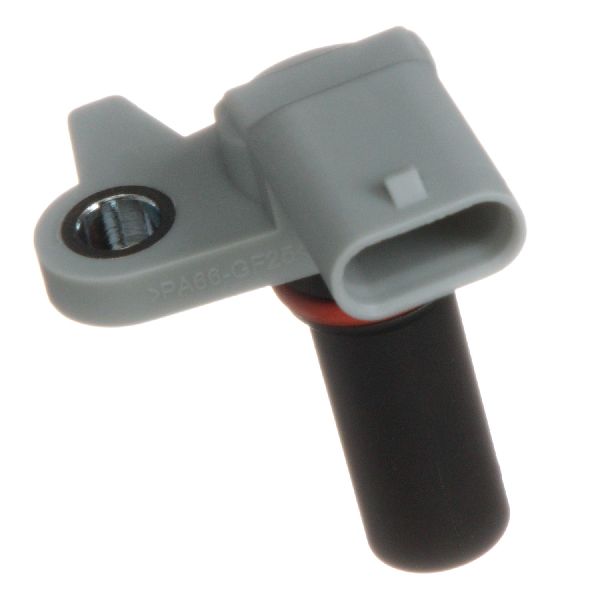

The information in this article is provided for general reference and educational purposes only. Vehicle specifications, procedures, and part compatibility can vary by production date, trim level, and region. Always consult your vehicle's factory service manual and verify part numbers before purchasing or performing repairs. Safety-critical components such as airbags, seat belts, and braking systems should be installed by a qualified professional.
- Ford F-150:
- 🎬 Helpful Videos
- 🛍️ Shop This Part
- What's Unique About the 2019-2021 Ford F-150
- Diagnostic Flowchart
- Symptoms You May Notice
- Most Likely Causes
- Rare But Worth Checking
- Diagnosis Steps
- Parts You'll Likely Need
- Related Codes That Often Appear With This One
- Technical Service Bulletins (TSBs) & Recalls
- Platform-Specific Known Issues
- Mechanic-Grade Diagnostic Values
- Hidden / Shadow Codes Worth Checking
- Scan Tool Commands That Help
- Wiring & Ground Locations
- Real Owner Repair Stories
- OEM Part Supersession History
- Model Year Variations Within This Range
- 🎟️ Get 5% Off