

P0363 on 2017-2018 Alfa Romeo Giulia: Misfire Detected & Fueling Disabled Guide
This code means your Giulia's computer detected a severe misfire and cut fuel to that cylinder to prevent damage. The most common causes are faulty ignition coils or spark plugs, but vacuum leaks are also a strong possibility, especially if code P0171 is also present. On 2.0L models, issues with the MultiAir valvetrain system should also be considered.
- P0363 is a serious code indicating a misfire that prompted the car's computer to cut fuel to a cylinder.
- Do not immediately assume it's a bad spark plug or coil. Check for other codes, especially P0171 (System Too Lean), which strongly points to a vacuum leak.
- Start your diagnosis with the basics: check battery health, then use a scanner to identify the misfiring cylinder before swapping parts.
- For 2017 models, check if TSB 18-030-17 (an ECM software update) has been performed.
What's Unique About the 2017-2018 Alfa Romeo GIULIA

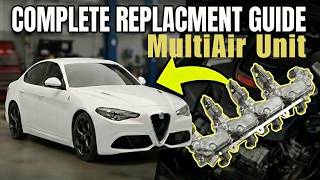
On the Alfa Romeo Giulia, P0363 is often part of a larger cluster of diagnostic codes, as noted in manufacturer Technical Service Bulletins. These related codes frequently point towards issues with unmetered air, such as vacuum or boost leaks (P0171, P2172), rather than just a simple ignition component failure. The 2.0L engine's MultiAir system, which uses engine oil pressure to actuate intake valves, can be a source of misfires if the oil is incorrect, degraded, or if the unit's internal filters become clogged. 🎬 See how to replace the MultiAir unit on the 2.0L. Furthermore, the platform is sensitive to electrical issues, and a corroded main engine ground strap can cause a variety of problems, including starting issues that may be misdiagnosed.
Diagnostic Flowchart

Tap your situation to follow the diagnostic path that matches what you're seeing on this vehicle.
Symptoms You May Notice

- Flashing or solid Check Engine Light
- Engine shaking or vibrating, especially at idle and under load
- Rough, unstable idle
- Significant loss of engine power and poor acceleration
- Engine hesitation or stumbling
- Vehicle may be forced into 'Natural' or limp mode, disabling Dynamic and Race modes
- Replacing oxygen sensors. While an O2 sensor code like P0139 may be present, it is usually a symptom of the misfire and resulting air/fuel mixture imbalance, not the root cause.
Most Likely Causes

- Faulty Ignition Coil(s) 🔴 High Probability Coil-on-plug ignition systems are common failure points on many modern turbocharged engines due to heat and vibration. Owner experiences confirm this is a frequent fix for P0363.
How to confirm: Use a scanner to identify the misfiring cylinder (e.g., P0301 for cylinder 1). Swap the ignition coil from the misfiring cylinder with one from a working cylinder. Clear codes and run the engine. If the misfire code follows the coil to the new cylinder (e.g., now shows P0302 if swapped with cylinder 2), the coil is bad.
Typical fix: Replace the faulty ignition coil. It is often recommended to replace all coils at the same time, especially on higher mileage vehicles.
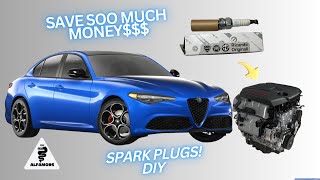
Est. part cost: $50-$100 per coil - Worn or Fouled Spark Plugs 🔴 High Probability Turbocharged, direct-injection engines like those in the Giulia are hard on spark plugs. Using incorrect or non-OEM plugs is a known cause of misfires; one owner reported issues with Champion plugs that were resolved by switching to OEM-spec NGK plugs.
How to confirm: Remove the spark plug from the misfiring cylinder and inspect it for wear (worn electrode), carbon fouling, oil, or damage. Compare it to a new plug. Ensure the gap is correct. The spark plug torque value for the 2.0L engine is 14 ft-lbs.
Typical fix: Replace the spark plugs as a full set. It is critical to use the correct OEM-spec plugs (e.g., NGK) and ensure they are torqued to specification.
Est. part cost: $80-$150 for a set - Vacuum or Boost Leak 🟡 Medium Probability The presence of codes like P0171 (System Too Lean) and P2172 (Sudden High Air Flow Detected) alongside P0363 in official TSBs strongly suggests a high likelihood of unmetered air entering the engine. Cracked plastic or rubber hoses in the PCV system are common culprits due to heat and age.
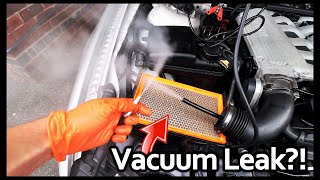
How to confirm: A smoke test is the most effective method. This involves feeding pressurized smoke into the intake system and looking for leaks from cracked hoses, loose clamps, or bad gaskets. A visual inspection of all intake tract and PCV hoses is a good first step.
Typical fix: Repair the source of the leak, which could be a cracked intake hose, a faulty PCV valve/diaphragm, or a bad gasket. The oil separator (PCV) itself can also fail.
Est. part cost: $20-$300 depending on the part - Faulty Fuel Injector ⚪ Low Probability
How to confirm: If swapping the coil and changing the plug doesn't fix the misfire on a specific cylinder, the injector is the next suspect. This can be confirmed by swapping injectors between cylinders, though this is more labor-intensive.
Typical fix: Clean or replace the faulty fuel injector.
Est. part cost: $150-$400 per injector
Rare But Worth Checking
- Low Fuel Pressure: A weak fuel pump or clogged filter can cause a lean condition and misfires across multiple cylinders. This is often accompanied by code P0087 or P01CA, as seen in one owner's experience with a Quadrifoglio.
- Low Battery Voltage: Alfa Romeos are notoriously sensitive to battery health. A weak or dying battery can cause a host of seemingly unrelated electrical issues and fault codes on startup, including misfires. Many owners recommend using a battery tender if the car sits for more than a day. A battery reset procedure may be needed after disconnection.
- MultiAir System Fault (2.0L Engine): The MultiAir actuator brick can fail or its internal filters can become clogged, especially if incorrect oil is used or oil change intervals are extended. This can lead to misfires, often starting at cold start, and may be accompanied by codes like P1062.
- Mechanical Engine Failure: This is the least likely cause and includes issues like low compression from a bad valve or piston ring. A compression test would be needed to diagnose this.
Diagnosis Steps
- Read all fault codes with an OBD-II scanner to see if other codes are present, especially lean codes (P0171), cylinder-specific misfires (P030X), or MultiAir codes (P106X). A scan tool with a misfire counter can help isolate the problematic cylinder.
- Check battery health and voltage. Ensure the battery is fully charged and terminals are clean. Consider using a battery tender if the car is not driven daily. A full battery disconnect/reconnect may clear electrical glitches.
- Identify the misfiring cylinder using the scanner's live data or a cylinder-specific code (e.g., P0303 for cylinder 3).
- Swap the ignition coil from the misfiring cylinder with a known good one. Clear codes and run the engine. If the misfire moves to the new cylinder, the coil is faulty.
- If the misfire remains, inspect and replace the spark plugs. Use only OEM-spec NGK plugs and torque them correctly to 14 ft-lbs.
- If the issue persists, perform a thorough visual inspection of all intake and vacuum hoses for cracks, loose connections, or damage, paying close attention to the PCV system and oil separator.
- Conduct a smoke test to definitively check for vacuum or boost leaks, which are a common underlying cause.
- If no leaks are found and the vehicle is a 2.0T, investigate the MultiAir system. Ensure the correct oil type and level are present. A fault here may require a specialist.
- Investigate the fuel system by checking fuel pressure and testing the fuel injector on the affected cylinder.
- As a final step if all else fails, perform a compression test on the affected cylinder to rule out mechanical engine problems.
Parts You'll Likely Need
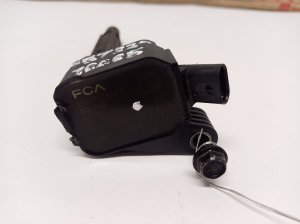
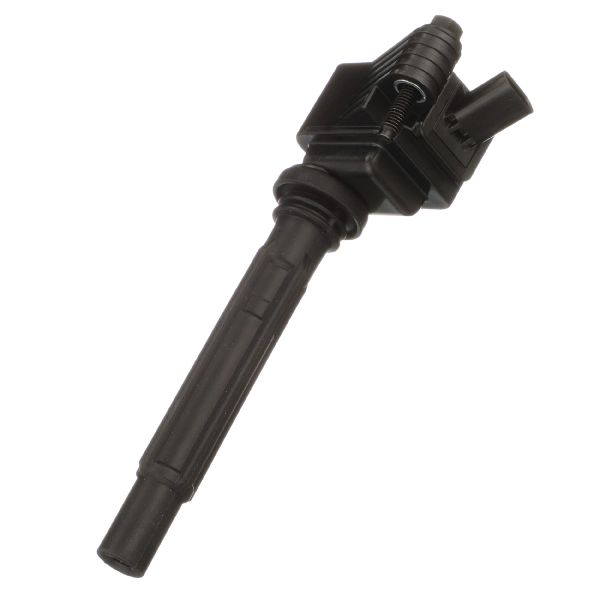
- Ignition Coil (2.0L I4)
(OEM #68242286AB (supersedes 68242286AA))— A primary cause of misfires on modern engines. They fail from heat and electrical stress.
Trusted brands: Mopar, Bosch, NGK, Delphi
OEM price range: $80-$120
Aftermarket price range: $50-$90 - Spark Plugs (2.0L I4)
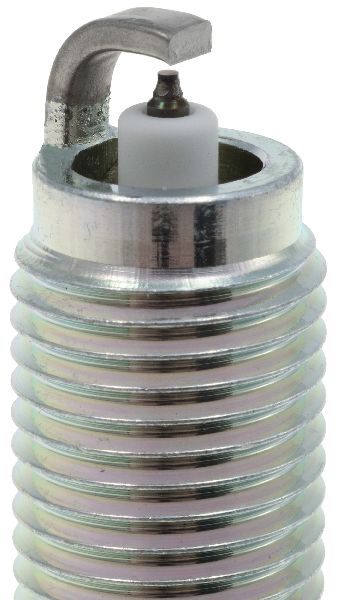
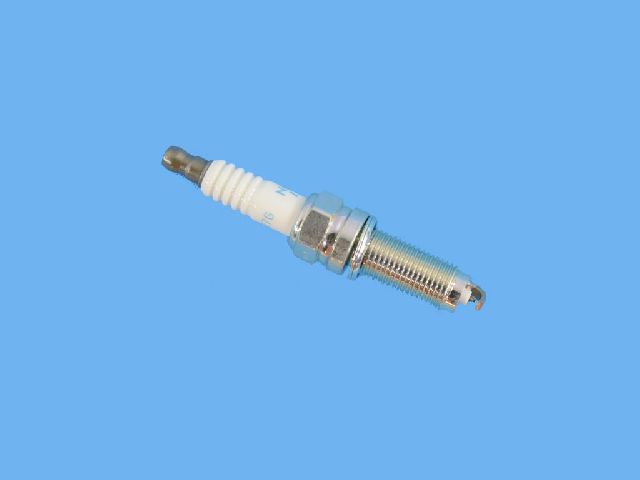
(OEM #NGK ILZKR7G (Mopar #68292346AA))— A regular maintenance item that is a frequent cause of misfires when worn. Using the correct plug is critical on these engines.
Trusted brands: NGK
OEM price range: $100-$150 (set of 4)
Aftermarket price range: $80-$120 (set of 4) - Spark Plugs (2.9L V6)
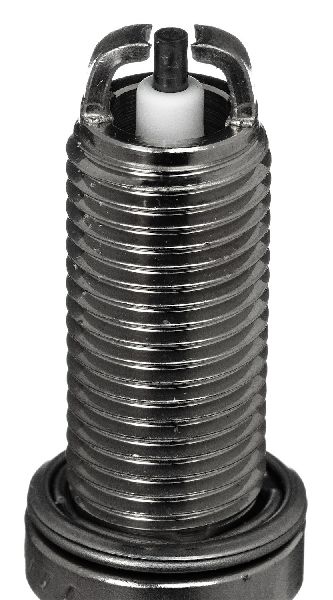
(OEM #NGK LKAR8AP7JDS (Mopar #96748X6))— High-performance engine requires specific platinum plugs to prevent misfires under load.
Trusted brands: NGK
OEM price range: $150-$200 (set of 6)
Aftermarket price range: N/A - Intake Air Hose / PCV Line — Rubber and plastic hoses can crack with age and heat, causing vacuum leaks that lead to lean misfires (P0171 + P0363). The rear coolant hose on 2017 models is also a known failure point.
Trusted brands: Mopar
OEM price range: $50-$300
Aftermarket price range: $30-$150
Related Codes That Often Appear With This One
- P0300 — Random/Multiple Cylinder Misfire. P0363 is a more specific version where the ECU has taken the step of disabling fuel.
- P030X (e.g., P0301, P0302) — Cylinder-specific misfire code (X indicates the cylinder number). This helps pinpoint the location of the fault.
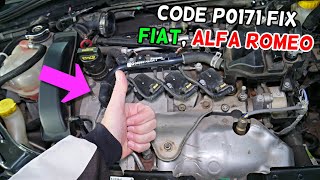
- P0171 — System Too Lean (Bank 1). This is a major clue that the misfire may be caused by a vacuum leak allowing unmetered air into the engine.
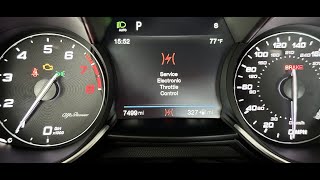
- P2172 — Throttle Actuator Control System - Sudden High Air Flow Detected. This also points strongly to a large vacuum or boost leak.
- P106X (e.g., P1062) — Cylinder-specific MultiAir system fault (2.0L engine). This strongly points to an issue with the valvetrain actuator for that cylinder, not a typical ignition or fuel problem.
Technical Service Bulletins (TSBs) & Recalls
- 18-027-20: Mentions P0363 - Misfire Detected - Fueling Disabled in a list of potential diagnostic trouble codes related to lean conditions and airflow sensor performance.
- 18-030-17: An ECM software flash update for 2017 2.0L models to address several codes, including P0363, often linked to lean (P0171) and high airflow (P2172) conditions.
Platform-Specific Known Issues
- The Giulia platform is known to be sensitive to battery voltage; low voltage during startup can trigger spurious misfire codes.
- Some owners report intermittent misfire codes on the 2.9L V6 Quadrifoglio models that can sometimes be resolved with a software update from the dealer.
Mechanic-Grade Diagnostic Values
- Ignition Coil Primary Resistance — expected: 0.4 - 2.0 ohms. Failure: A reading of OL (over-limit/open circuit) or significantly outside the expected range.
- Ignition Coil Secondary Resistance — expected: Typically 5,000 - 15,000 ohms (5kΩ - 15kΩ). Failure: A reading of OL (over-limit/open circuit) or significantly outside the expected range. Note that resistance tests can sometimes pass on a coil that still fails under load.
- Spark Plug Torque Spec (2.0L Engine) — expected: 14 ft-lbs. Failure: Over or under-tightening can cause sealing issues or damage to the cylinder head or spark plug.
Scan Tool Commands That Help
- wiTECH (Dealer Tool): OBD II Monitors -> 'Which cylinder is misfiring' — This function should be used when a general P0300 (Random Misfire) is present without a specific cylinder code (P0301-P0304). It provides a live counter for misfire events on each individual cylinder, allowing the technician to pinpoint the source of an intermittent or random misfire.
- wiTECH (Dealer Tool): Reprogram PCM — If a Technical Service Bulletin (TSB) has been issued that addresses misfire logic or related engine performance parameters, the PCM should be flashed with the latest software. This is often a first step at the dealership to rule out software-related issues.
Wiring & Ground Locations
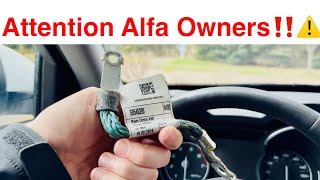
- Engine/Transmission Ground Strap — Underneath the car, connecting the transmission case to the chassis. It is exposed to the elements.. This is the main ground for the engine and its sensors. Corrosion or failure of this strap forces the starter and engine electronics to find another ground path, often through smaller wires, which can cause them to overheat and melt. This can lead to a no-start condition, spurious fault codes (including misfires), and significant damage to the engine wiring harness. Symptoms can mimic a dead battery.
- Battery Ground Cable/Terminal — In the trunk, connected to the negative post of the battery.. The entire vehicle's electrical system relies on this connection. A loose or corroded terminal can cause low voltage conditions throughout the car, to which the Giulia's electronics are highly sensitive, potentially triggering false misfire codes among other issues.
Real Owner Repair Stories
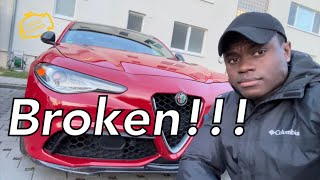
- YouTube user 'Dbamax' (Alfa Romeo Giulia (year not specified, likely 2017-2018)) — Check engine light flashing, severe engine shaking and vibration, car going into limp mode during acceleration.
❌ Tried (didn't work) Checking ignition coil connectors., Applying a homemade conductive paste (aloe vera and salt)., Dealer initially suggested a software update.
✅ What actually fixed it The car had aftermarket Champion brand spark plugs installed. Replacing them with the correct OEM-spec plugs (likely NGK) completely resolved the misfire and all associated symptoms.
OEM Part Supersession History
68242286AA, 68080580AB→68242286AB— Standard part revision and consolidation by the manufacturer.
Heads up: While this part number is listed for the Giulia, some vendor sites incorrectly associate it only with the 2.4L MultiAir engine used in other FCA products. It is crucial to verify fitment with a VIN.
Model Year Variations Within This Range
- 2017: The 2017 models were equipped with a rear coolant hose (which also incorporates PCV functions) that was prone to becoming brittle and breaking. This was updated for the 2018 model year with a more durable part. A failure of this hose can cause a significant vacuum leak, leading to lean codes and misfires.
Helpful Videos
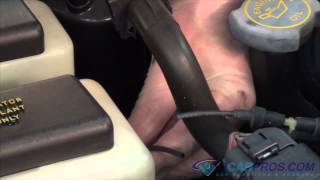
Used OEM Parts in Stock

New Aftermarket Parts Available



The information in this article is provided for general reference and educational purposes only. Vehicle specifications, procedures, and part compatibility can vary by production date, trim level, and region. Always consult your vehicle's factory service manual and verify part numbers before purchasing or performing repairs. Safety-critical components such as airbags, seat belts, and braking systems should be installed by a qualified professional.
- Alfa Romeo GIULIA:
- 🎬 Helpful Videos
- 🛍️ Shop This Part
- What's Unique About the 2017-2018 Alfa Romeo GIULIA
- Diagnostic Flowchart
- Symptoms You May Notice
- Most Likely Causes
- Rare But Worth Checking
- Diagnosis Steps
- Parts You'll Likely Need
- Related Codes That Often Appear With This One
- Technical Service Bulletins (TSBs) & Recalls
- Platform-Specific Known Issues
- Mechanic-Grade Diagnostic Values
- Scan Tool Commands That Help
- Wiring & Ground Locations
- Real Owner Repair Stories
- OEM Part Supersession History
- Model Year Variations Within This Range
- 🎟️ Get 5% Off