

P0356 on 2008-2009 Cadillac CTS: Ignition Coil 'F' Circuit Fault Causes and Fixes
P0356 on a 2008-2009 Cadillac CTS almost always indicates a failed ignition coil on cylinder 6. Cylinder 6 is the rearmost cylinder on the driver's side. A new ACDelco coil (Part No. D515C) costs between $30 and $70 and is a straightforward DIY replacement. It is highly recommended to also replace the spark plug at the same time.
- P0356 means there's an electrical problem with the ignition coil circuit for cylinder 6.
- The most common fix is replacing the ignition coil on cylinder 6, which is located on the driver's side of the engine, closest to the firewall.
- A simple way to test the coil is to swap it with another cylinder's coil and see if the trouble code follows it.
- Always inspect the wiring and connector for damage before buying parts.
- Driving with this code can lead to costly catalytic converter damage, so it should be repaired promptly.
What's Unique About the 2008-2009 Cadillac CTS
For the 2008-2009 CTS with the 3.6L LLT V6 engine, a standalone P0356 code is a classic sign of a failed ignition coil on cylinder 6. However, it's worth noting that a GM Technical Service Bulletin (PIP5038B) exists for these models where P0356 appears alongside all other coil and misfire codes (P0351-P0356, P0300-P0306). If you see this large group of codes together, it points to a more complex electrical issue like a bad ground (specifically G130 and G131 on the CTS), a loose battery connection, or a PCM problem rather than a single bad coil.
Diagnostic Flowchart
Tap your situation to follow the diagnostic path that matches what you're seeing on this vehicle.
Symptoms You May Notice
- Check Engine Light is on
- A flashing Check Engine Light during a severe misfire
- Rough or shaking idle
- Engine hesitation or stumbling during acceleration
- Reduced engine power and fuel efficiency
- Replacing the spark plug but not the faulty ignition coil.
- Replacing the ignition coil on the wrong cylinder due to confusion over the cylinder layout. On the 3.6L V6, the driver's side bank is cylinders 2-4-6, from front to back.
- Assuming the PCM is faulty when the issue is a poor ground connection or a widespread wiring problem as described in TSB PIP5038B.
Most Likely Causes
- Failed Ignition Coil on Cylinder 6 🔴 High Probability Coil-on-plug systems are common failure points due to constant exposure to extreme heat and vibration in the engine bay. The coil windings can short internally or the housing can crack, leading to failure.
How to confirm: Swap the ignition coil from cylinder 6 with an adjacent, easy-to-access cylinder (like cylinder 4). Clear the codes and drive. If the code changes to P0354, the coil is confirmed bad. Cylinder 6 is the rearmost cylinder on the driver's side, closest to the firewall.
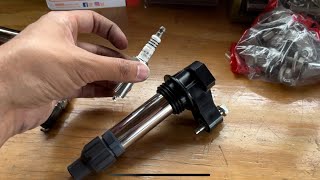
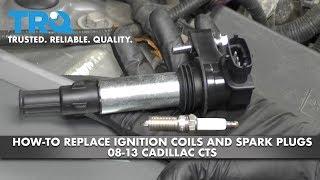
Typical fix: Replace the faulty ignition coil. 🎬 Watch: Step-by-step ignition coil and spark plug replacement guide. It is often recommended to replace the corresponding spark plug at the same time, as a worn plug can stress a new coil. Applying a small amount of dielectric grease to the inside of the new coil boot can prevent corrosion and ensure a good connection.
Est. part cost: $30 - $80 - Worn or Fouled Spark Plug on Cylinder 6 🟡 Medium Probability Spark plugs are a regular maintenance item. A plug with an excessive gap, heavy carbon fouling, or a cracked porcelain insulator can strain the ignition coil, leading to premature failure or a misfire that the PCM may interpret as a coil circuit fault.
How to confirm: After confirming the coil is good, remove the spark plug from cylinder 6. Inspect it for signs of wear, carbon buildup, oil fouling, or a cracked insulator. The correct gap should be verified against manufacturer specifications.
Typical fix: Replace the spark plug. It is best practice to replace all six spark plugs at once to maintain even performance and prevent future issues.
Est. part cost: $8 - $20 per plug - Damaged Wiring or Connector to Coil 6 ⚪ Low Probability The plastic connector and wiring can become brittle over time from engine heat cycles, leading to cracks or a poor connection. Rodents can also chew through wiring harnesses, causing an open or short in the circuit.
How to confirm: Visually inspect the wiring harness and connector for cylinder 6. Look for chafed or broken wires, corrosion on the connector pins, or a loose connection. Use a multimeter to check for 12V power and a proper ground signal at the connector with the key on.
Typical fix: Repair the damaged section of wire or replace the pigtail connector. The GM Genuine Parts pigtail connector is part number PT1627.
Est. part cost: $15 - $40 for a new connector pigtail
Rare But Worth Checking
- Faulty Powertrain Control Module (PCM): This is rare for a single-cylinder code but becomes more likely if the P0356 code appears with multiple other coil circuit codes, as mentioned in TSB PIP5038B. A faulty coil driver inside the PCM can cause this issue, but all other possibilities should be exhausted before condemning the PCM.
- Poor Engine Ground Connection: A GM TSB for the 3.6L engine family mentions that poor ground connections can cause various misfire and electrical issues. For the CTS, the key ignition coil grounds are G130 and G131. Before suspecting the PCM, it's wise to locate, clean, and tighten these main engine grounds. A broken main engine ground strap can also cause a host of bizarre electrical problems.
Diagnosis Steps
- Read the trouble codes with an OBD-II scanner and confirm P0356 is present. Note any other codes, especially P0306 or a full bank of P035x codes.
- Locate cylinder 6. On the 3.6L V6 in the CTS, the engine is mounted longitudinally. The passenger side bank is 1-3-5 (front to rear), and the driver's side bank is 2-4-6 (front to rear). Cylinder 6 is the rearmost cylinder on the driver's side, closest to the firewall and brake booster.
- Swap the ignition coil from cylinder 6 with the coil from cylinder 4 (the middle cylinder on the same bank, 🎬 Watch a mechanic change the spark plugs and coils. which is easier to access). This is the most effective DIY diagnostic step.
- Clear the codes with the scanner, start the engine, and go for a short drive to see which code returns.
- If code P0354 appears, the ignition coil you moved is faulty and must be replaced.
- If code P0356 returns, the problem is not the coil. The issue lies in the spark plug, wiring, or PCM circuit.
- Remove and inspect the spark plug in cylinder 6 for wear, damage, or heavy fouling. Replace if it is in poor condition.
- If the plug is good, carefully inspect the electrical connector and wiring going to the cylinder 6 coil. Check for broken plastic, corroded pins, or chewed wires. Test for 12V power and ground at the connector using a multimeter.
- If multiple coil codes (P0351-P0356) are present, inspect the ignition coil grounds (G130/G131 on the CTS) and the main battery connections for corrosion and tightness as per TSB PIP5038B.
- If all components and wiring appear to be in good condition, the fault may be within the PCM, which requires professional diagnosis.
Parts You'll Likely Need
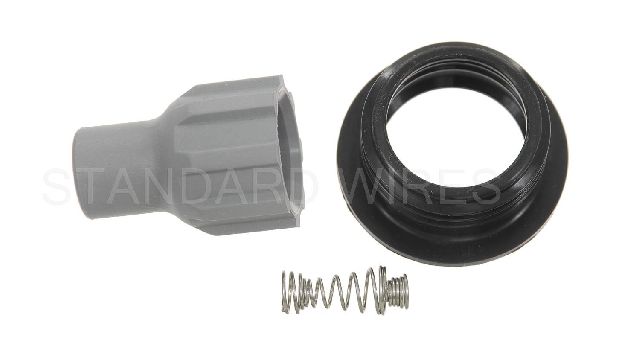
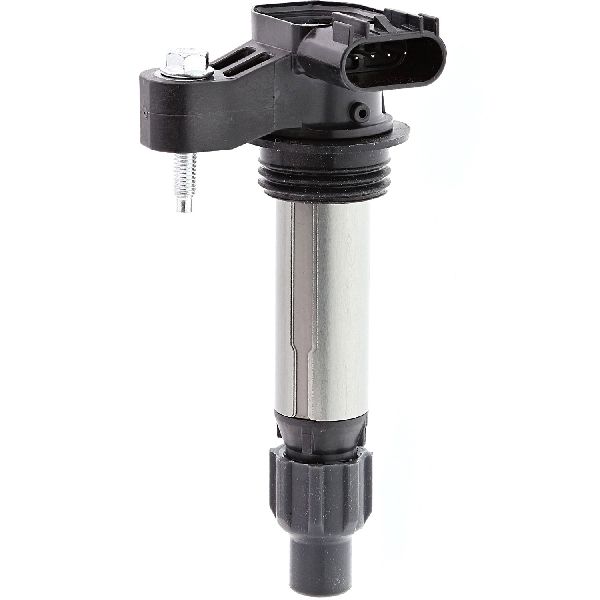
- Ignition Coil
(OEM #ACDelco D515C (GM 12632479))— This is the most common cause for a P0356 code. The coil fails electrically, preventing it from firing the spark plug. ACDelco is the OE supplier.
Trusted brands: ACDelco (OEM), Delphi (GN10341), DENSO (673-7109), Standard Motor Products (UF569), NGK (49018)
OEM price range: $60 - $80
Aftermarket price range: $30 - $55 - Spark Plug
(OEM #ACDelco 41-990 (Iridium))— While not always the direct cause, it's wise to replace the spark plug when replacing a coil, as a worn plug can cause a new coil to fail prematurely. The 3.6L LLT engine uses iridium plugs for longevity.
Trusted brands: ACDelco, NGK, Bosch
OEM price range: $12 - $20
Aftermarket price range: $8 - $15 - Ignition Coil Connector Pigtail
(OEM #ACDelco PT1627)— If the plastic locking tab on the connector breaks or the terminals are corroded, replacing the pigtail is necessary to ensure a secure connection to the new coil.
Trusted brands: ACDelco (OEM), Dorman, Standard Motor Products
OEM price range: $25 - $40
Aftermarket price range: $15 - $25
Related Codes That Often Appear With This One
- P0306 — P0306 means 'Cylinder 6 Misfire Detected.' The circuit fault described by P0356 is the direct cause of the misfire, so these two codes almost always appear together.
- P0300 — This code means 'Random/Multiple Cylinder Misfire.' It can appear if the fault with the cylinder 6 coil circuit is intermittent or if other cylinders are also beginning to misfire, sometimes due to systemic issues like poor fuel quality or carbon buildup.
- P0315 — This code, 'Crankshaft Position System Variation Not Learned,' can sometimes appear after work has been done on the engine. If the crankshaft position sensor relearn procedure isn't performed after replacing major components, the PCM may have trouble accurately detecting misfires, potentially alongside a P0356 code.
Technical Service Bulletins (TSBs) & Recalls
- PIP5038B: Mentions the possibility of multiple diagnostic trouble codes including P0356, suggesting a potential for a wider electrical fault on 2008-2009 models. It specifically calls out checking ignition coil grounds (G130, G131) and battery connections before replacing components.
Platform-Specific Known Issues
- TSB #PIP5038B: For 2008-2009 models, this bulletin addresses a situation where the engine may misfire and set codes for all six cylinders (P0300-P0306 and P0351-P0356). It directs technicians to check for poor battery connections and specifically to inspect, clean, and properly torque the ignition coil ground bolts on the engine (G130 and G131 for the CTS). This highlights that widespread misfire codes are more likely a ground issue than six simultaneous coil failures.
- Carbon Buildup: While not a direct cause of a P0356 *circuit* code, the 3.6L Direct Injection (LLT) engine is known for carbon buildup on the intake valves. If you have persistent misfires (P0306) even after addressing the ignition components, carbon cleaning may be
Mechanic-Grade Diagnostic Values
- Ignition Coil Primary Resistance — expected: 0.4 - 2.0 Ohms. Failure: A reading of 0 Ohms indicates a short, while a very high or infinite (OL) reading indicates an open circuit.
- Ignition Coil Secondary Resistance — expected: 5.0 kΩ - 15.0 kΩ. Failure: A reading outside this range, especially an open circuit (OL), points to a failed internal secondary winding.
- Ignition Coil Connector Power Supply — expected: Battery Voltage (~12V) on the power supply pin (often pink) with Key On, Engine Off.. Failure: Significantly low or no voltage indicates a problem in the power supply circuit, which could be the 'EVEN COILS' or 'ODD COILS' fuse in the underhood fuse block.
- Ignition Coil Ground Bolt Torque — expected: 20 Nm (15 lb-ft). Failure: Loose ground bolts can cause intermittent and multiple ignition fault codes as described in TSB PIP5038B.
Scan Tool Commands That Help
- GM GDS2 / Tech2: Module Diagnostics > ECM > Control Functions — A professional scan tool can perform bidirectional tests. While not a direct coil test, a 'Cylinder Power Balance' test can systematically disable fuel or spark to each cylinder. If disabling cylinder 6 causes no change in engine RPM, it confirms that the cylinder was not contributing, supporting the P0356 diagnosis.
- GM GDS2 / Tech2: Vehicle DTC Information > History Codes — As recommended by TSB PIP5038B, it is critical to check for a history of single-cylinder misfires that may have preceded a multiple-misfire event. This helps determine if the root cause was a single component failure that cascaded or a systemic issue like a bad ground.
Wiring & Ground Locations
- G130 — On the rear of the right cylinder head (passenger side).. This is a primary ground point for the ignition system. TSB PIP5038B specifically calls out cleaning and properly torquing this ground to 20 Nm (15 lb-ft) to resolve multiple misfire/ignition circuit codes.
- G131 — On the left rear of the engine (driver's side).. This is the other critical ignition system ground for the 3.6L V6. A loose or corroded connection here can cause weak spark and intermittent faults on the driver's side bank, which includes cylinder 6.
- Ignition Coil #6 Connector — The 2-pin electrical connector on top of the ignition coil for the rearmost cylinder on the driver's side.. This is the final connection point. One pin provides ~12V power (Key On), and the other is the trigger/control signal from the ECM. A fault in either wire or the connector itself will set P0356.
- Underhood Fuse Block (UBEC) — In the engine compartment, on the passenger's side.. This block contains the fuses for the ignition coils ('ODD COILS' and 'EVEN COILS'). More importantly, TSB PIP5038B notes that poor engagement of the main engine harness connectors (X1, X3) on the bottom of the UBEC can cause widespread intermittent electrical issues, including multiple P035x codes.
"I Checked Everything" — The Actual Cause
- In the context of a P0356, the equivalent of a 'smoke test clean' scenario is when the ignition coil, spark plug, and direct wiring all test good, yet the code persists or returns intermittently. In this case, the actual cause is often a systemic electrical issue rather than a component failure. TSB PIP5038B points directly to this scenario, where multiple ignition codes (P0351-P0356) are present. The root cause is frequently a poor ground connection at G130/G131 or a loose main harness connector at the Underhood Body Electrical Center (UBEC), not six failed coils.
OEM Part Supersession History
12590990, 12610626, 12618542→12632479 (ACDelco D515C)— Standard part evolution for improved durability, materials, or manufacturing process. The newer coil features higher quality windings and coatings to better resist internal shorts and corrosion.
Model Year Variations Within This Range
- 2008: Per TSB PIP5038B, for vehicles built *before* December 2008 experiencing misfires or shudder, the guidance is to replace the single faulty coil and *all six* spark plugs. For vehicles built *after* December 2008, the guidance for a single cylinder misfire is to replace only the affected coil and spark plug.
- 2008-2009: The 2008 model year offered both the port-injected 3.6L LY7 V6 as the base engine and the direct-injected 3.6L LLT V6 as an option. The 2009 model year primarily used the 3.6L LLT V6. While the P0356 code applies to both, the LLT engine is more commonly associated with this specific vehicle range and is known for carbon buildup issues that can cause misfires, though not the P0356 circuit code directly.
Helpful Videos
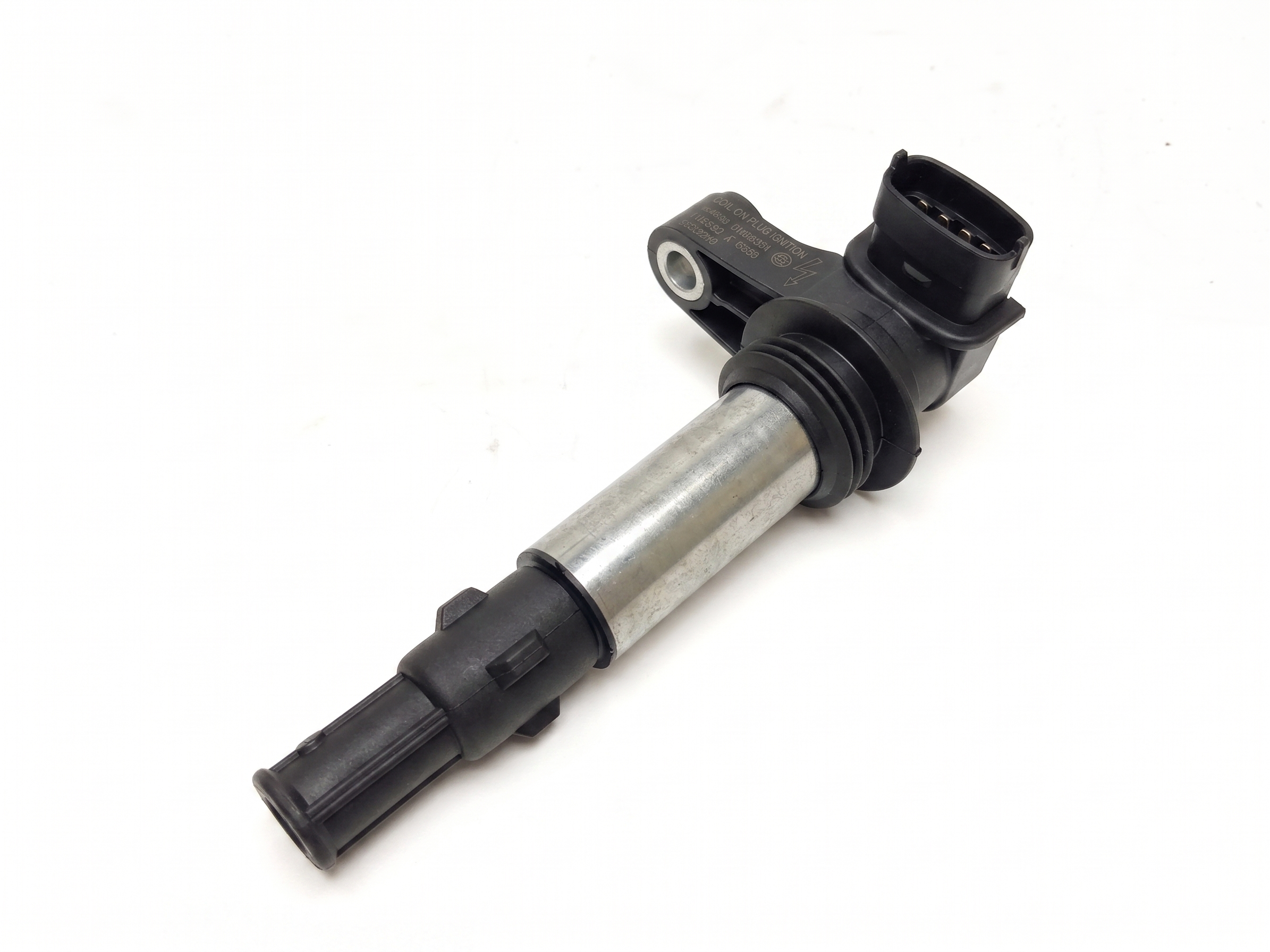
Used OEM Parts in Stock

New Aftermarket Parts Available
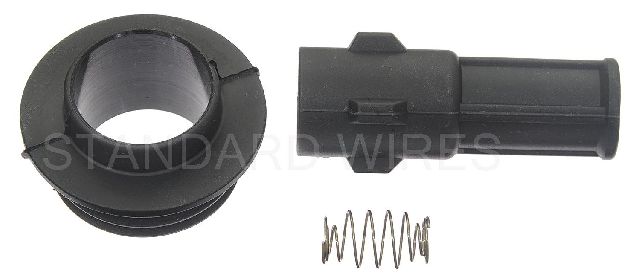



The information in this article is provided for general reference and educational purposes only. Vehicle specifications, procedures, and part compatibility can vary by production date, trim level, and region. Always consult your vehicle's factory service manual and verify part numbers before purchasing or performing repairs. Safety-critical components such as airbags, seat belts, and braking systems should be installed by a qualified professional.
- Cadillac CTS:
- 🎬 Helpful Videos
- 🛍️ Shop This Part
- What's Unique About the 2008-2009 Cadillac CTS
- Diagnostic Flowchart
- Symptoms You May Notice
- Most Likely Causes
- Rare But Worth Checking
- Diagnosis Steps
- Parts You'll Likely Need
- Related Codes That Often Appear With This One
- Technical Service Bulletins (TSBs) & Recalls
- Platform-Specific Known Issues
- Mechanic-Grade Diagnostic Values
- Scan Tool Commands That Help
- Wiring & Ground Locations
- "I Checked Everything" — The Actual Cause
- OEM Part Supersession History
- Model Year Variations Within This Range
- 🎟️ Get 5% Off