

P0355 on 2008-2009 Cadillac CTS: Ignition Coil 'E' Circuit Malfunction Causes and Fixes
P0355 on a 2008-2009 Cadillac CTS indicates a fault in the ignition circuit for cylinder 5. The most common cause is a failed ignition coil. A quick diagnosis is to swap the coil from cylinder 5 with another cylinder; if the code follows the coil, the coil is bad. A new coil costs between $40 and $100. Be aware of TSB PIP5038B, which notes that a faulty ECM can repeatedly destroy coils on this engine.
- P0355 points to an ignition circuit problem for cylinder 5, which is the rearmost cylinder on the passenger side.
- The most likely cause is a bad ignition coil, which can be easily diagnosed by swapping it with another cylinder's coil.
- Always replace the spark plug for the affected cylinder when you replace the ignition coil.
- Be aware of TSB PIP5038B; if you have repeat coil failures or see melted coils, the ECM may be the root cause and may need to be replaced along with all coils and plugs.
- Do not drive with a flashing check engine light, as this can cause rapid and expensive damage to the catalytic converter.
What's Unique About the 2008-2009 Cadillac CTS
For the 2008-2009 CTS with the 3.6L LLT engine, a P0355 code can be more complex than a simple coil failure. GM issued a Technical Service Bulletin (PIP5038B) that details a specific failure pattern where Electromagnetic Interference (EMI) from a worn spark plug, poor connection, or bad ground can feed back to the ECM. This EMI can cause the ECM's internal driver circuit to 'latch on,' sending a continuous signal that rapidly overheats and destroys the ignition coil, sometimes causing it to melt. Crucially, the TSB notes that the cylinder producing the EMI may not be the same one where the coil fails, complicating diagnosis.
Diagnostic Flowchart
Tap your situation to follow the diagnostic path that matches what you're seeing on this vehicle.
Symptoms You May Notice
- Check Engine Light is on or flashing
- Rough idle or engine vibration
- Engine misfire, which may feel like a shudder or hesitation during acceleration
- Noticeable loss of engine power
- Engine may stumble or stall
- Popping sounds from the engine during a misfire
- Replacing only the spark plug when the coil is bad.
- Replacing the ECM without first thoroughly checking wiring, grounds, and swapping coils to confirm the diagnosis.
- Replacing the failed coil on cylinder 5 without addressing the root cause of the failure (like a bad spark plug on another cylinder or a bad ground) which can lead to repeat failures.
Most Likely Causes
- Failed Ignition Coil 🔴 High Probability Ignition coils are a common wear item. On this specific engine, repeat failures can be caused by an underlying ECM issue or poor grounds stressing the coils. Another common cause of failure is oil leaking from the valve cover gasket into the spark plug tube, which soaks the coil boot and causes it to short out.
How to confirm: Swap the ignition coil from cylinder 5 with another cylinder (e.g., cylinder 3). Clear the codes and drive. If the code changes to P0353, the coil is confirmed bad. Cylinder 5 is the rearmost cylinder on the passenger side (Bank 1). When the coil is removed, inspect the spark plug well for any signs of oil.
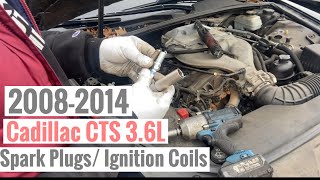
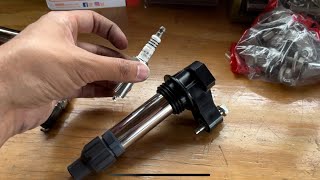
Typical fix: Replace the faulty ignition coil. 🎬 See how to replace the ignition coil and spark plug. It is also recommended to replace the corresponding spark plug at the same time. Apply a small amount of dielectric grease to the inside of the new coil boot to protect against moisture and ensure a good connection.
Est. part cost: $40-$100 - Worn or Faulty Spark Plug 🟡 Medium Probability A spark plug with an excessive gap, carbon fouling, or a cracked insulator increases electrical resistance. This not only can trigger the code directly but can also create electrical noise (EMI) that, on this platform, can damage the ECM or ignition coil.
How to confirm: After removing the ignition coil, remove the spark plug from cylinder 5. Inspect it for wear (worn electrode), damage (cracked porcelain), carbon tracking, or oil fouling. Compare it to a new plug.
Typical fix: Replace the spark plug in cylinder 5. It's best practice to replace all six spark plugs 🎬 Watch: Full walkthrough for replacing all spark plugs and coils. if they are near the end of their service life, especially given the EMI sensitivity of this engine.
Est. part cost: $10-$25 - Wiring or Connector Issue 🟡 Medium Probability The wiring harness to the ignition coils can become brittle from engine heat. A loose or corroded connector or a break in the wire can interrupt the signal from the ECM, causing an open circuit fault.
How to confirm: Visually inspect the wiring harness and connector for cylinder 5's ignition coil. Check for broken plastic locking tabs, corrosion on the pins, or loose wires. Use a multimeter to check for 12V power, ground, and the signal from the ECM at the connector.
Typical fix: Repair the damaged section of wire or replace the connector pigtail. Ensure the connection is secure and clicks into place.
Est. part cost: $15-$50 - Poor Ground Connection ⚪ Low Probability GM TSB PIP5038B specifically calls out checking ignition coil grounds. The ground for Bank 1 (cylinders 1-3-5) is G130, located on the rear of the passenger-side cylinder head. A loose or corroded ground can cause intermittent ignition faults and create EMI that damages other components.
How to confirm: Locate ground G130 on the rear of the right cylinder head. Remove the bolt, and clean the terminal, the bolt, and the mounting surface on the cylinder head with a wire brush until they are free of corrosion and dirt. Re-torque to specification (15 lb-ft or 20 Nm).
Typical fix: Clean and tighten the ground connection.
Est. part cost: $0
Rare But Worth Checking
- Faulty Engine Control Module (ECM): This is rare on most cars, but more common on this platform due to the issue described in TSB PIP5038B. An internal failure in the ECM's driver for coil #5, often triggered by EMI from a bad plug or ground elsewhere, can cause it to fail. This often leads to repeatedly damaged new coils, sometimes with visible melting. The TSB recommends replacing the ECM along with all 6 coils and plugs if this pattern is confirmed.
Diagnosis Steps
- Read all fault codes using an OBD-II scanner. Note if other codes like P0305 or P0300 are present.
- Identify cylinder 5. On the 3.6L V6, the cylinders on the passenger side are 1-3-5, from front to back. 🎬 Watch this quick guide to changing CTS coils and plugs. Cylinder 5 is the one closest to the firewall on the passenger side.
- Swap the ignition coil from cylinder 5 with the coil from cylinder 3 (the middle coil on the same bank).
- Clear the codes and start the engine. Drive until the check engine light returns.
- Re-scan for codes. If the code is now P0353, the ignition coil you moved is faulty and must be replaced.
- If the code remains P0355, the problem is not the coil. Proceed to inspect the spark plug, wiring, and connector for cylinder 5.
- Remove the coil and spark plug from cylinder 5. Inspect the spark plug for wear or damage. Crucially, check the spark plug tube for oil, which indicates a leaking valve cover gasket that must be replaced.
- Inspect the wiring harness for any signs of damage, and check that the connector is clean and makes a solid connection.
- Check the main ignition coil ground point (G130) on the rear of the passenger-side cylinder head for corrosion or looseness. Clean and tighten it to 15 lb-ft (20 Nm) as a preventative measure.
- If a new coil fails again (especially with heat damage), the issue is likely with the ECM, as noted in TSB PIP5038B.
Parts You'll Likely Need
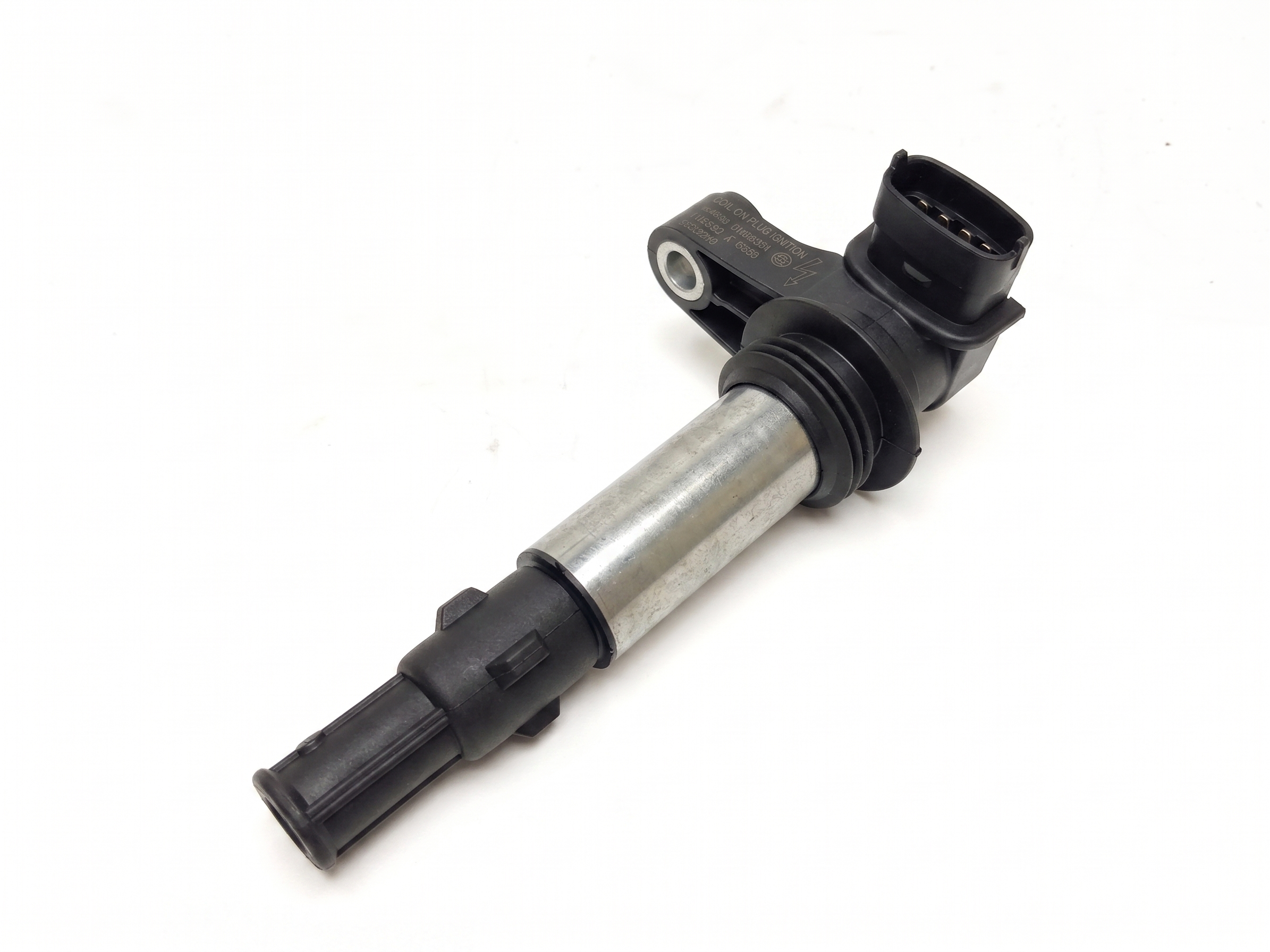
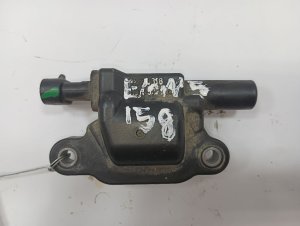
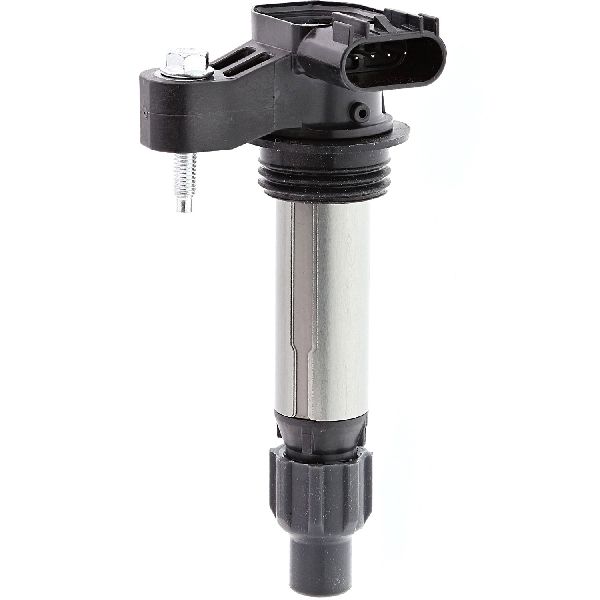
- Ignition Coil
(OEM #12632479)— This is the most frequent point of failure for a P0355 code. The current OEM part number supersedes previous versions 12590990, 12610626, and 12618542.
Trusted brands: ACDelco (D515C), Delphi, NGK
OEM price range: $60-$90
Aftermarket price range: $40-$70 - Spark Plug
(OEM #12622561)— A worn spark plug can cause the code or be a contributing factor. It is always recommended to replace the plug when replacing a coil.
Trusted brands: ACDelco, NGK
OEM price range: $15-$25
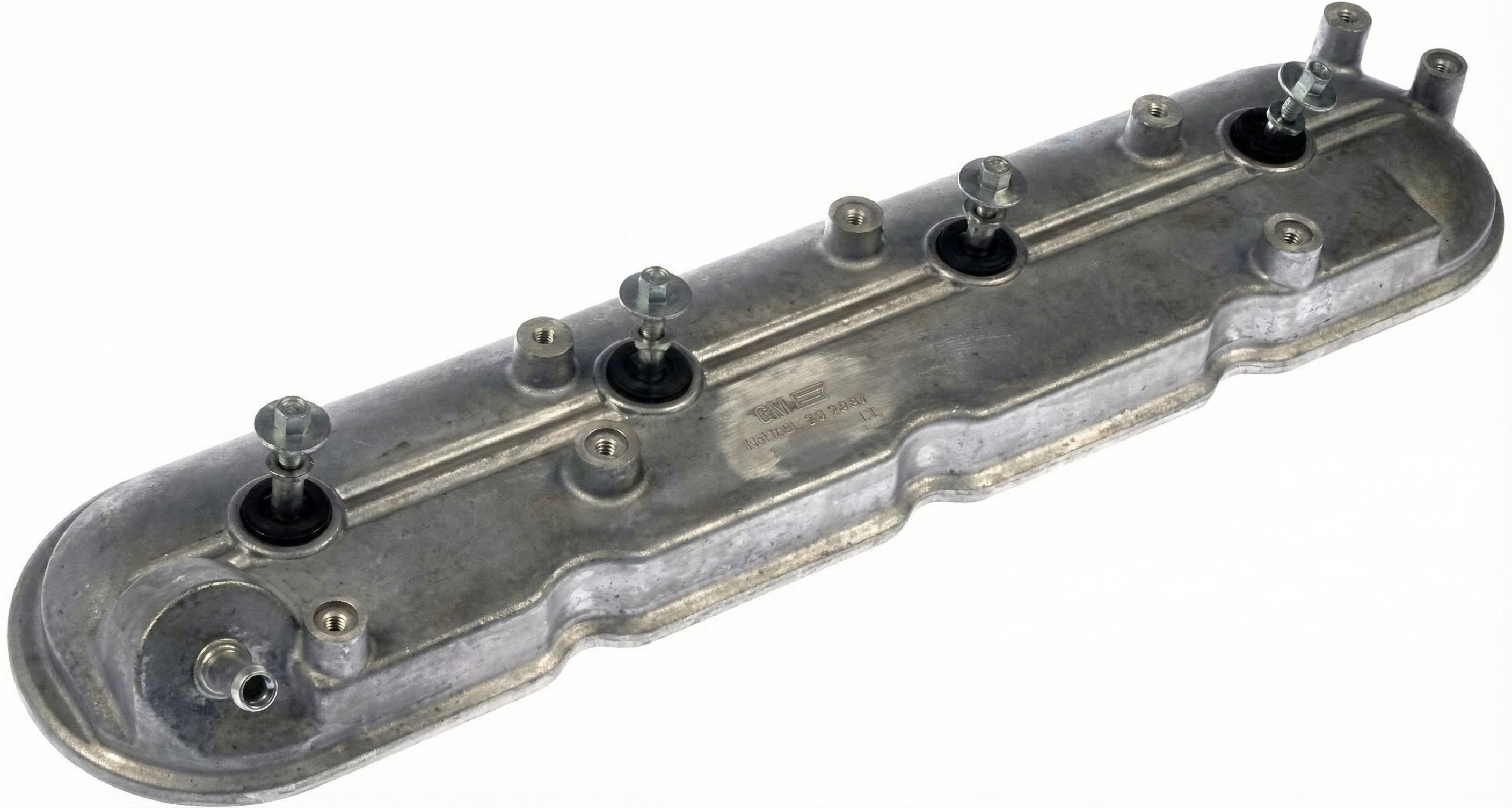
Aftermarket price range: $10-$20 - Valve Cover Gasket (Bank 1) — A common issue on V6 engines is for the valve cover gasket (and integrated spark plug tube seals) to leak oil into the spark plug wells, which degrades and destroys the ignition coil. If oil is found on the coil boot, this gasket must be replaced.
Trusted brands: ACDelco, Fel-Pro
OEM price range: $30-$50
Aftermarket price range: $20-$40
Related Codes That Often Appear With This One
- P0305 — P0305 means 'Cylinder 5 Misfire Detected'. Since P0355 indicates a fault in the ignition circuit for cylinder 5, it directly causes a misfire, so these two codes almost always appear together.
- P0300 — This code means 'Random/Multiple Cylinder Misfire'. If the underlying cause is a widespread electrical issue like a bad ground, failing ECM, or EMI affecting multiple circuits, several cylinders may misfire, triggering P0300 alongside the specific P0355 code.
Technical Service Bulletins (TSBs) & Recalls
- PIP5038B: Addresses SES light, engine misfire, and shudder due to heat-stressed or damaged ignition coils. It explains that the cause can be the ECM latching the coil 'ON' due to EMI from a bad plug or ground. It lists P0355 as a related code and recommends cleaning grounds and, in severe cases, replacing the ECM, all coils, and all plugs.
Platform-Specific Known Issues
- Technical Service Bulletin PIP5038B addresses a condition where the ECM can malfunction and send a continuous signal to an ignition coil, causing it to overheat and fail. This is caused by electromagnetic interference (EMI) from a worn plug, bad connection, or poor ground that gets conducted back to the ECM. Symptoms include repeated coil failures and visible heat damage or melting on the coil housing. The fix in this scenario is to replace all six ignition coils, all six spark plugs, and the ECM simultaneously to prevent the new parts from being damaged.
Mechanic-Grade Diagnostic Values
- Ignition Coil Primary Winding Resistance — expected: 0.4 to 2.0 ohms. Failure: A reading of zero (short) or significantly higher (open) indicates a bad coil.
- Ignition Coil Secondary Winding Resistance — expected: 6,000 to 10,000 ohms (6kΩ - 10kΩ). Failure: A reading outside this range suggests the coil's internal secondary winding has failed.
- Ignition Coil Connector - Power Supply Pin (Pink/Black wire) — expected: 11V - 14V with Ignition On, Engine Off. Failure: A reading of 0V indicates a blown fuse or an open in the power supply wire. A reading below 11V suggests a power supply issue.
- Ignition Coil Connector - Ground Pin (Black/White wire) — expected: Near 0 ohms resistance to a known good chassis ground. Failure: High resistance indicates a poor ground connection, which is a known issue on this platform.
- Ignition Coil Connector - Ignition Control (IC) Signal Pin — expected: Pulsing 5-12V signal when cranking/running (best viewed with an oscilloscope or graphing multimeter). Failure: No pulse indicates a break in the signal wire or a failed ECM driver circuit.
Hidden / Shadow Codes Worth Checking
- P2312 / P2313: P2312 is 'Ignition Coil 5 Control Circuit Low Voltage' and P2313 is 'Ignition Coil 5 Control Circuit High Voltage'. These are more specific fault codes that may be stored alongside P0355 and can only be read by more advanced scan tools like the GM Tech2 or GDS2. They help pinpoint whether the circuit fault is a short to ground (Low Voltage) or a short to power (High Voltage). (see via GM Tech2 or GDS2 diagnostic tool.)
Scan Tool Commands That Help
- GDS2 (Global Diagnostic System 2): Engine Output Controls > Ignition Coil Test — This function allows a technician to command each ignition coil to fire individually while the engine is off. It can be used to verify the integrity of the control circuit from the ECM to the coil and the coil's ability to generate a spark without the engine running.
- GDS2 / Tech2: Misfire Graphic / Misfire Counters — While diagnosing a misfire, this live data display shows misfire counts for each cylinder in real-time. This is useful to confirm the misfire is isolated to cylinder 5 (accompanying P0305) and to verify that the repair was successful by observing zero misfires on a test drive.
Wiring & Ground Locations
- G130 — Rear of the right (passenger side) cylinder head.. This is the primary ground for the Bank 1 ignition coils (cylinders 1, 3, 5). TSB PIP5038B specifically calls for inspecting, cleaning, and properly torquing this ground as a critical step in diagnosing recurring ignition faults.
- G131 — Rear of the left (driver's side) cylinder head.. This is the ground for the Bank 2 ignition coils. While not directly for cylinder 5, a poor ground here can introduce electrical noise into the system, which TSB PIP5038B notes can cause EMI-related failures on other cylinders.
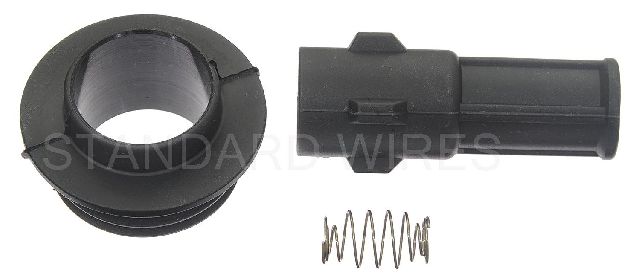
- Ignition Coil Connector (Cylinder 5) — On top of the ignition coil for the rearmost cylinder on the passenger side.. This 4-pin connector provides power, ground, and the trigger signal to the coil. The pins are: Pin A (Pink/Black) = Ignition 1 Voltage; Pin B (Varies) = Ignition Control (IC) Signal from ECM; Pin C (Black/White) = Ground; Pin D (Varies) = Reference Low. Testing voltage and continuity at these specific pins is essential for circuit diagnosis.
Real Owner Repair Stories
- Cadillac Forums user (2012 Cadillac CTS 3.6L (LFX engine, similar architecture)) — Persistent P0305 code and a rough idle.
❌ Tried (didn't work) Replaced all spark plugs, Replaced ignition coil for cylinder 5, Swapped ignition coil with another cylinder, Swapped fuel injector with another cylinder
✅ What actually fixed it The issue was diagnosed by a dealer as a faulty Engine Control Module (ECM). The internal driver circuit for the cylinder 5 ignition coil had failed. Replacing and reprogramming the ECM resolved the misfire.
OEM Part Supersession History
12590990, 12610626, 12618542→12632479 (ACDelco D515C)— Part consolidation and potential internal design improvements for reliability and to mitigate issues described in TSBs.
Heads up: The latest part number, 12632479, is the recommended replacement for all 2008-2009 CTS 3.6L LLT engines. Using older stock or unverified aftermarket parts may lead to premature failure.
Model Year Variations Within This Range
- 2008-2009: For the 3.6L LLT V6, there were no major hardware changes between the 2008 and 2009 model years that would significantly alter the diagnosis of a P0355 code. Both years use the same Bosch ECM and are subject to the conditions described in TSB PIP5038B. However, the TSB does note a build date cutoff of December 2008 for a specific repair path related to shudder without coil damage, suggesting potential minor software or component revisions around that time.
Helpful Videos
Used OEM Parts in Stock

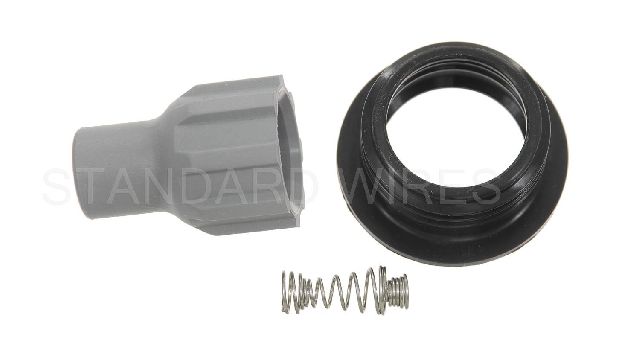
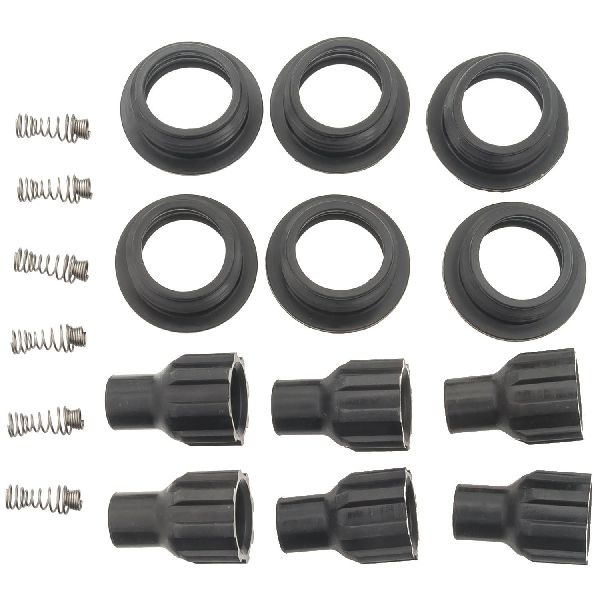
New Aftermarket Parts Available



The information in this article is provided for general reference and educational purposes only. Vehicle specifications, procedures, and part compatibility can vary by production date, trim level, and region. Always consult your vehicle's factory service manual and verify part numbers before purchasing or performing repairs. Safety-critical components such as airbags, seat belts, and braking systems should be installed by a qualified professional.
- Cadillac CTS:
- 🎬 Helpful Videos
- 🛍️ Shop This Part
- What's Unique About the 2008-2009 Cadillac CTS
- Diagnostic Flowchart
- Symptoms You May Notice
- Most Likely Causes
- Rare But Worth Checking
- Diagnosis Steps
- Parts You'll Likely Need
- Related Codes That Often Appear With This One
- Technical Service Bulletins (TSBs) & Recalls
- Platform-Specific Known Issues
- Mechanic-Grade Diagnostic Values
- Hidden / Shadow Codes Worth Checking
- Scan Tool Commands That Help
- Wiring & Ground Locations
- Real Owner Repair Stories
- OEM Part Supersession History
- Model Year Variations Within This Range
- 🎟️ Get 5% Off