

P0352 on 2008-2009 Cadillac STS: Ignition Coil 'B' Circuit Causes and Fixes
P0352 on a 2008-2009 Cadillac STS indicates a fault in the ignition coil circuit for cylinder #2. The most common cause is a failed ignition coil. Replacing a single coil is an easy DIY job, costing between $80 for an OEM part and $25 for an aftermarket one. If the problem persists after swapping coils, inspect the wiring connector for damage or test the circuit for power and ground before suspecting the PCM.
- P0352 means there is an electrical problem with the ignition coil circuit for cylinder #2.
- The most likely cause by far is a bad ignition coil, which is a common wear item.
- Cylinder #2 is the front-most cylinder on the driver's side for both the V6 and V8 engines in the STS.
- A simple and effective diagnostic is to swap the coil from cylinder #2 with another cylinder and see if the trouble code follows the coil.
- This is a very DIY-friendly repair that can be done with basic hand tools in under an hour.
What's Unique About the 2008-2009 Cadillac STS
The 2008-2009 STS was offered with either a 3.6L V6 (LLT) or a 4.6L Northstar V8 (LH2). While the cause of P0352 is similar for both (typically a bad coil), the cylinder location and some specifics differ. On both engines, cylinder #2 is the front cylinder on the driver's side (Bank 2). A GM Technical Service Bulletin (TSB #PIP5038B) for the 3.6L LLT engine notes that multiple ignition coil codes (P0351-P0356) can appear together. This TSB advises technicians to inspect for signs of heat stress on the coils and check shared components like ignition coil fuses or ground connections (G109 and G112 on the STS) before replacing multiple parts. For vehicles built before December 2008 with the LLT engine, if a coil shows signs of melting, the TSB recommends replacing all 6 coils, spark plugs, and the ECM as a set due to potential systemic issues.
Diagnostic Flowchart
Tap your situation to follow the diagnostic path that matches what you're seeing on this vehicle.
Symptoms You May Notice
- Check Engine Light is on
- Engine misfiring, which may feel like a shudder, hesitation, or bucking
- Rough or fluctuating idle
- Reduced engine power and poor acceleration
- Difficulty starting the engine
- Decreased fuel efficiency.
- Replacing the spark plug without testing the ignition coil first.
- Replacing the fuel injector, which would trigger a different code (like P0202).
- Assuming the PCM is bad before thoroughly testing the coil circuit wiring for power, ground, and signal continuity.
Most Likely Causes
- Failed Ignition Coil on Cylinder #2 🔴 High Probability Ignition coils are wear-and-tear components that operate under high heat and voltage. Over time, the internal windings can break down or the epoxy housing can crack, leading to failure. This is a very common failure point on the GM 3.6L LLT engine family, as noted in TSB PIP5038B for issues with heat-stressed coils.
How to confirm: The easiest way to confirm a bad coil is to swap the ignition coil from cylinder #2 with another cylinder (e.g., cylinder #4). Clear the codes and drive the car. If the code changes to P0354 (for cylinder #4), the coil is faulty. This is the standard first diagnostic step. 🎬 Watch: Alex the Car Doctor's step-by-step 3.6L misfire diagnostic.
Typical fix: Replace the failed ignition coil. It is often recommended to replace the corresponding spark plug at the same time, as a worn plug can stress the new coil.
Est. part cost: $25-$115 - Damaged Wiring or Connector 🟡 Medium Probability Engine vibration and heat can cause the wiring harness or the plastic connector at the ignition coil to become brittle, cracked, or corroded over time. The locking tab on the connector can break, leading to a poor electrical connection that can trigger the code.
How to confirm: After confirming the coil is good, visually inspect the wiring harness and the connector for cylinder #2. Look for any signs of melting, corrosion, or broken wires. Wiggle the connector with the engine running to see if it induces a misfire. Use a multimeter to test for 12V power and a proper ground at the connector with the key on.
Typical fix: Repair the damaged section of wire or replace the pigtail connector. Apply dielectric grease to the new connector to protect it from moisture.
Est. part cost: $10-$30 - Worn or Faulty Spark Plug ⚪ Low Probability While a bad spark plug typically causes a misfire code (P0302), a severely worn, fouled, or damaged plug can increase the electrical resistance in the secondary ignition circuit. This stresses the coil and can contribute to or cause a P0352 code.
How to confirm: Remove the spark plug from cylinder #2 and inspect it for wear (worn electrode), damage (cracked porcelain), or fouling (black, oily, or white deposits). Compare it to a new plug. A very wide plug gap from wear can overwork the coil.
Typical fix: Replace the spark plug. It's best practice to replace all spark plugs as a set if they are near the end of their service life.
Est. part cost: $10-$25
Rare But Worth Checking
- Faulty Powertrain Control Module (PCM): This is the least likely cause. The internal driver circuit in the PCM that controls the ignition coil can fail, sometimes due to a failing coil sending a voltage spike back to the PCM. This should only be considered after all other possibilities (coil, plug, wiring) have been exhaustively ruled out through testing. TSB PIP5038B specifically notes that for early 3.6L models, a melted coil may require ECM replacement along with all coils and plugs.
- Poor Ground Connection: TSB PIP5038B mentions that ignition coil grounds being dirty or not properly torqued can cause intermittent misfire and coil circuit codes. For the STS, grounds G109 and G0112 are relevant. They should be cleaned and torqued to 15 lb-ft (20 Nm).
Diagnosis Steps
- Read the trouble codes with an OBD-II scanner to confirm P0352 and note any other codes like P0302.
- Identify cylinder #2. On both the 3.6L V6 and 4.6L V8, it is the front-most cylinder on the driver's side (Bank 2).
- Swap the ignition coil from cylinder #2 with an easily accessible coil, such as cylinder #4 (the middle cylinder on the driver's side). Mark the coils to keep track of them.
- Clear the codes using the scanner and start the engine. Let it run or drive it until the Check Engine Light reappears.
- Re-scan for codes. If the code has moved to P0354, the ignition coil you moved from cylinder #2 is the problem. Replace it.
- If code P0352 returns, the issue is in the wiring or PCM. Turn the ignition off. Disconnect the coil connector for cylinder #2 and inspect it for corrosion, melted plastic, or bent/loose pins.
- With the key on (engine off), use a multimeter to test the connector. Check for battery voltage (around 12V) on the power supply wire and check for a good ground on the ground wire. If either is missing, trace the wiring back to find the break or short.
- If power and ground are good, the final step is to check the trigger signal from the PCM. This can be done with an LED test light or by checking for a fluctuating 0-5V signal on the trigger wire while cranking the engine. If the signal is absent, and the wire has continuity to the PCM, a faulty PCM is likely.
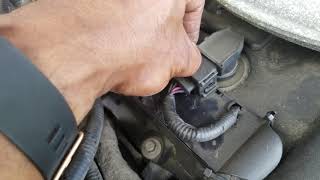
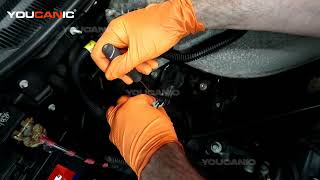
- While the coil is out, it is wise to inspect and/or replace the spark plug 🎬 Watch: How to replace both the coil and spark plug. for cylinder #2.
Parts You'll Likely Need
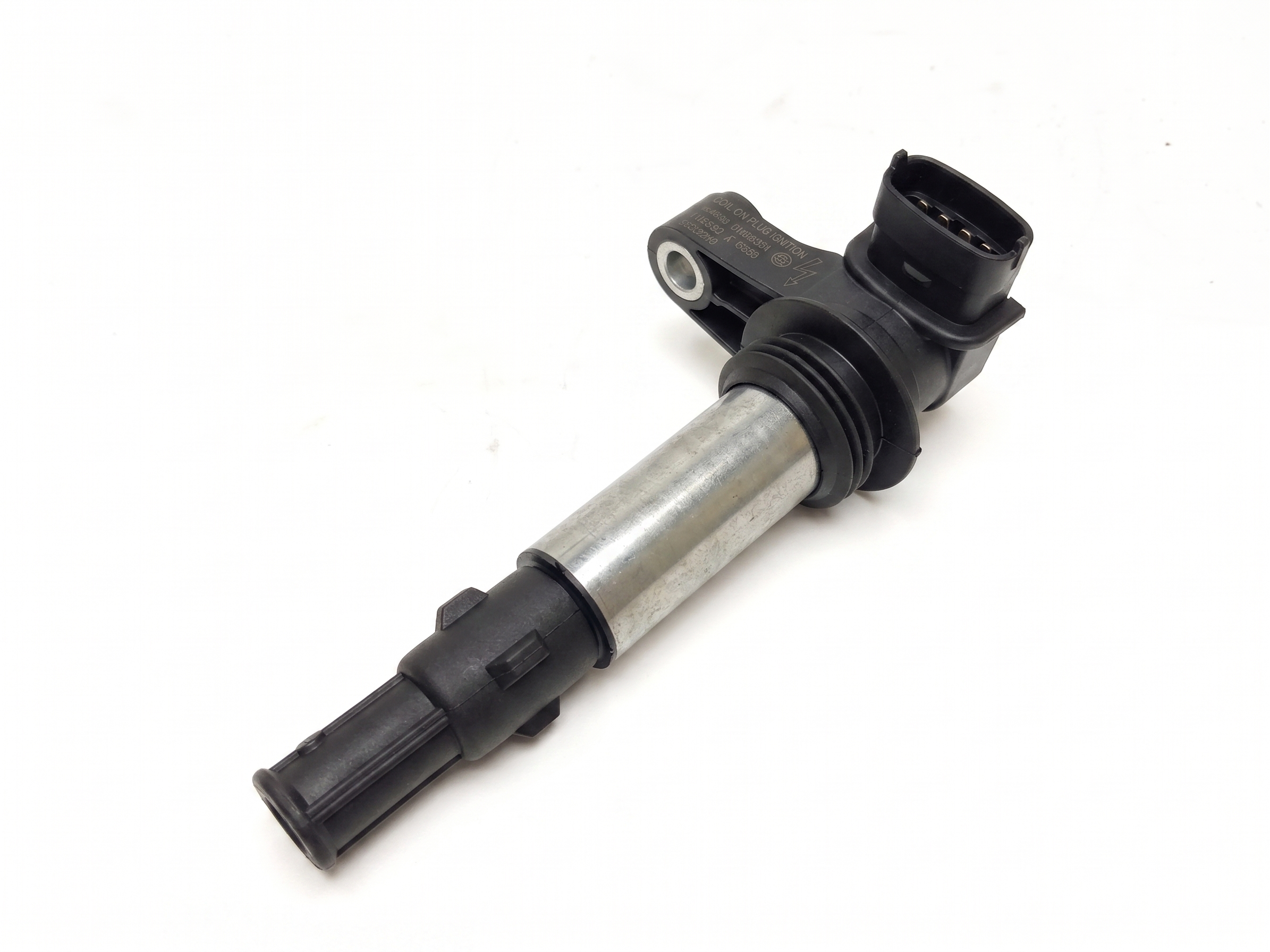
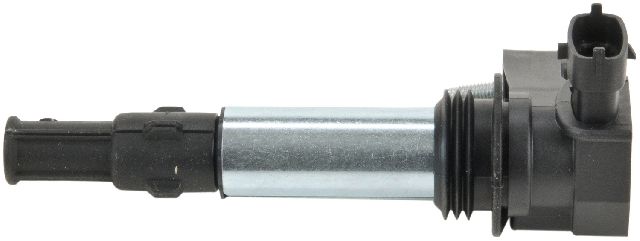
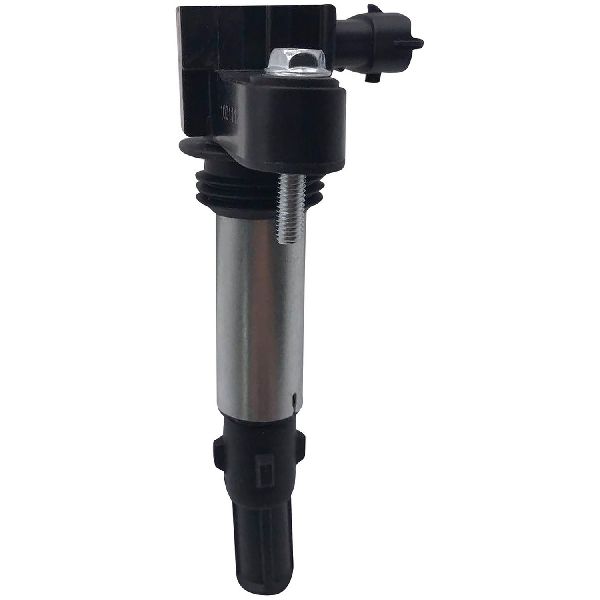
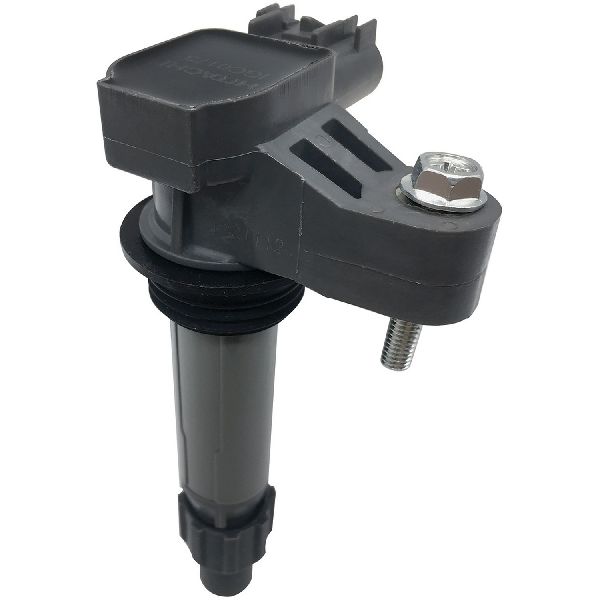
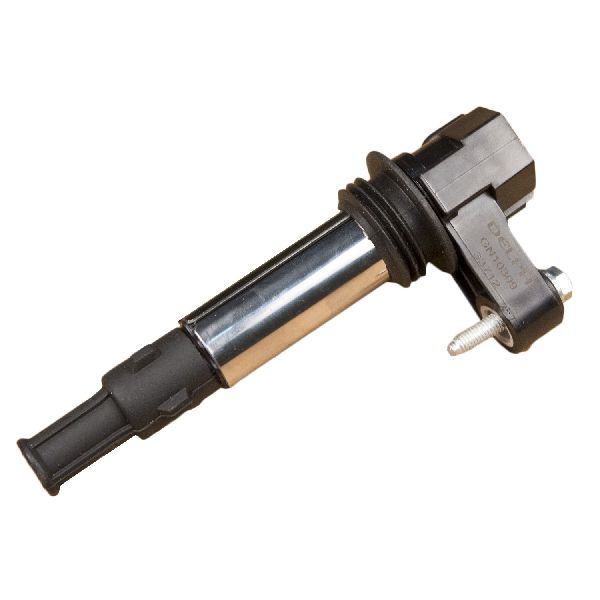
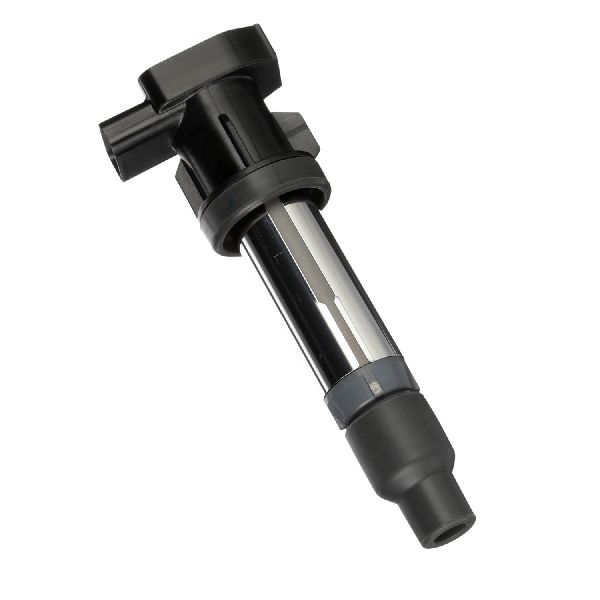
- Ignition Coil
(OEM #12629037 (supercedes D501C/12613057 for 3.6L V6), D510C (for 4.6L V8))— This is the most common failure point for a P0352 code. It is a wear item that fails from heat and high voltage stress.
Trusted brands: ACDelco, Denso, NGK
OEM price range: $80-$115
Aftermarket price range: $25-$60 - Spark Plug
(OEM #ACDelco 41-107 (Iridium for 3.6L LLT), ACDelco 41-988 (Platinum for 4.6L LH2))— It is best practice to replace the spark plug when replacing an ignition coil, as a worn plug can stress the new coil and they are inexpensive. TSB PIP5038B also recommends replacing plugs when dealing with coil issues.
Trusted brands: ACDelco, NGK
OEM price range: $15-$25
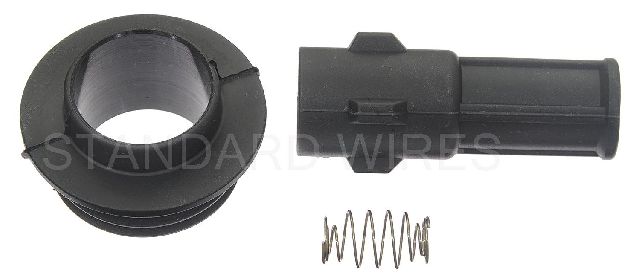
Aftermarket price range: $8-$15 - Ignition Coil Connector Pigtail — The plastic connector can become brittle from engine heat and break, causing a poor connection. Replacing the pigtail is necessary if the connector is damaged.
Trusted brands: Dorman, ACDelco
OEM price range: $20-$35
Aftermarket price range: $10-$20
Related Codes That Often Appear With This One
- P0302 — P0302 means 'Cylinder 2 Misfire Detected.' Since P0352 indicates a fault in the ignition circuit for cylinder 2, it directly causes the misfire that P0302 reports. It is extremely common to see both codes together.
- P0300 — This code means 'Random/Multiple Cylinder Misfire Detected.' It can appear alongside P0352 if the underlying electrical issue (like a bad ground, failing fuse, or voltage problem) is intermittently affecting other cylinders as well, as noted in TSB PIP5038B.
- P0351, P0353, P0354, P0355, P0356 — These are the corresponding ignition coil circuit codes for the other cylinders. If seen with P0352, it strongly suggests a common problem like a blown ignition coil fuse, a bad ground connection for the coil bank, or a failing PCM.
Technical Service Bulletins (TSBs) & Recalls
- PIP5038B: Mentions the possibility of multiple ignition coil codes (P0351-P0356) appearing together, along with misfire codes (P0300-P0306). It provides a detailed diagnostic path, including checking for melted coils, inspecting fuses, and verifying grounds. For early models, it may require replacing all coils, plugs, and the ECM if a coil has melted.
Platform-Specific Known Issues
- A Technical Service Bulletin (PIP5038B) exists for the 2008-2009 STS with the 3.6L LLT engine. It addresses multiple P035x codes appearing at once. It advises checking for heat-stressed coils (melting/damage), checking the ignition coil fuse, and ensuring engine grounds (G109, G112) are clean and tight before replacing components.
- For 3.6L LLT engines built before December 2008, TSB PIP5038B gives a specific, severe warning: if an ignition coil has melted, all six coils, all six spark plugs, and the Engine Control Module (ECM) must be replaced as a set to prevent repeat failures.
Mechanic-Grade Diagnostic Values
- Ignition Coil Primary Resistance — expected: 0.4 - 2.0 Ohms. Failure: A reading outside this range indicates a faulty coil.
- Ignition Coil Secondary Resistance — expected: 6,000 - 15,000 Ohms. Failure: A reading outside this range (e.g., OL - open loop) indicates a faulty coil winding.
- Ignition Coil Connector - Power Supply Voltage — expected: ~12 Volts (Battery Voltage). Failure: Low or no voltage indicates a problem with the ignition fuse or the power supply wire.
- Ignition Coil Connector - Ground Circuit — expected: Near 0 Ohms continuity to ground. Failure: High resistance or an open circuit indicates a bad ground connection.
- Ignition Coil Connector - Ignition Control (IC) Signal — expected: Pulsing 0-5V DC signal while cranking. Failure: No signal or a constant voltage indicates a problem with the wiring to the PCM or a faulty PCM driver.
Scan Tool Commands That Help
- GM Tech 2 / GDS2: Cylinder Power Balance Test — This bidirectional command allows the technician to individually disable each cylinder's fuel injector or ignition coil. When diagnosing P0352, disabling cylinder #2 should result in no change in engine RPM, confirming it's the non-contributing cylinder. Disabling other cylinders should cause a noticeable drop in RPM.
- GM Tech 2 / GDS2: Live Data Graphing - Ignition Parameters — A professional scan tool can graph parameters like spark duration and coil resistance in real-time. This can help identify intermittent faults in the ignition control circuit for cylinder #2 that may not be obvious with a simple multimeter test.
Wiring & Ground Locations
- G109 and G112 — These are the primary ignition system grounds for the 3.6L V6 engine. According to TSB PIP5038B, they are located on the engine block and should be cleaned and torqued to 15 lb-ft (20 Nm).. A loose or corroded ground at these points can cause intermittent and multiple ignition coil circuit codes, including P0352, by creating high resistance in the ground path for the coils.
- Ignition Coil Connector (Both Engines) — Directly on top of the ignition coil for cylinder #2 (front-most cylinder, driver's side).. This 4-pin connector provides power, ground, and the trigger signal from the PCM. The pins are: Ignition 1 Voltage, Ignition Control (IC) signal, Ground, and a Low Reference circuit. A fault in any of these wires or the connector itself will cause P0352.
- G107 (4.6L V8) — Located on the rear side of the right cylinder head (Bank 1).. While the primary grounds for Bank 2 (where cylinder #2 is) are separate, poor grounding anywhere on the engine can introduce electrical noise and intermittent issues that may affect ignition performance system-wide.
Real Owner Repair Stories
- Lincoln vs Cadillac Forums (Cadillac (model not specified, but symptoms and code are directly relevant)) — Persistent P0352 code, rough idle.
❌ Tried (didn't work) Replacing the ignition coil for cylinder #2., Swapping the new coil with another cylinder to re-verify.
✅ What actually fixed it The user traced the wiring harness from the coil back to the PCM and found a pinched/broken wire where the harness passed near the valve cover. Repairing the broken wire resolved the P0352 code.
OEM Part Supersession History
12613057→12629037 (also known as D501C)— Standard part evolution for improved durability and performance.
Heads up: The newer part number 12629037 is fully backward compatible with vehicles that originally used 12613057.
Model Year Variations Within This Range
- 2008: Per TSB PIP5038B, 3.6L LLT engines built before December 2008 have a specific, severe repair procedure if an ignition coil melts. In this case, all six coils, all six spark plugs, and the ECM must be replaced as a set. This does not apply to vehicles built after this date.
- 2008 vs 2009: The 2008 STS with the 3.6L V6 used the LY7 engine with 255 hp. For the 2008 model year, the direct-injected 3.6L LLT V6 with 302 hp became available, and it was standard for 2009. While the P0352 code applies to both, the TSB PIP5038B is specific to the LLT engine.
Helpful Videos
Used OEM Parts in Stock

New Aftermarket Parts Available

The information in this article is provided for general reference and educational purposes only. Vehicle specifications, procedures, and part compatibility can vary by production date, trim level, and region. Always consult your vehicle's factory service manual and verify part numbers before purchasing or performing repairs. Safety-critical components such as airbags, seat belts, and braking systems should be installed by a qualified professional.
- Cadillac STS:
- 🎬 Helpful Videos
- 🛍️ Shop This Part
- What's Unique About the 2008-2009 Cadillac STS
- Diagnostic Flowchart
- Symptoms You May Notice
- Most Likely Causes
- Rare But Worth Checking
- Diagnosis Steps
- Parts You'll Likely Need
- Related Codes That Often Appear With This One
- Technical Service Bulletins (TSBs) & Recalls
- Platform-Specific Known Issues
- Mechanic-Grade Diagnostic Values
- Scan Tool Commands That Help
- Wiring & Ground Locations
- Real Owner Repair Stories
- OEM Part Supersession History
- Model Year Variations Within This Range
- 🎟️ Get 5% Off