

P0351 on 2008-2009 Cadillac STS: Ignition Coil 'A' Circuit Causes and Fixes
P0351 on a 2008-2009 Cadillac STS indicates a fault in the ignition coil circuit for cylinder 1. The most common cause is a failed ignition coil, which is a straightforward DIY replacement. Other potential causes include a worn spark plug or a wiring/ground issue. Expect to pay between $40 for an aftermarket coil and $115 for an OEM part.
- P0351 specifically points to a problem with the ignition coil circuit for cylinder 1.
- The most likely fix is replacing the cylinder 1 ignition coil, and it's a good idea to replace the spark plug at the same time.
- A simple diagnostic test is to swap the cylinder 1 coil with another cylinder's coil to see if the fault code follows it.
- This repair is considered DIY-friendly and does not require removing the large intake manifold on top of the engine.
- If you see multiple coil codes (e.g., P0351, P0352, P0353), suspect a wiring harness or ground issue as noted in TSB PIP5038B.
What's Unique About the 2008-2009 Cadillac STS
For the 2008-2009 STS with the 3.6L V6 LLT engine, the ignition system is generally reliable, but like any vehicle, coils and plugs are wear items. A notable issue documented in Technical Service Bulletin (TSB) #PIP5038B occurs when multiple ignition coil codes (P0351-P0356) appear at once. This scenario often points to a broader electrical or grounding problem rather than multiple simultaneous coil failures. Specifically, the TSB calls for checking the ignition coil ground points (G109 and G112 on the STS) for looseness or corrosion. The coil-on-plug design makes individual coil replacement relatively simple, without the need to remove the intake manifold as is common on other V6 engines.
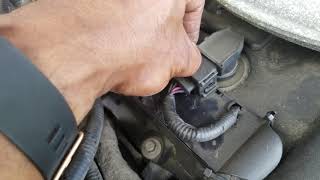
🎬 Watch: A complete walkthrough for replacing coils and spark plugs.Diagnostic Flowchart
Tap your situation to follow the diagnostic path that matches what you're seeing on this vehicle.
Symptoms You May Notice
- Check Engine Light is on (may be flashing if misfire is severe)
- Engine misfiring, which may feel like jerking or bucking during acceleration
- Rough or vibrating idle
- Loss of engine power
- Difficulty starting the engine
- Reduced fuel economy
- Shudder on acceleration 🎬 See a step-by-step diagnostic for a rough running 3.6L engine.
- Replacing only the spark plug when the ignition coil is the actual cause of the failure.
- Replacing the wrong cylinder's ignition coil. On the 3.6L V6, cylinder 1 is on the passenger side (Bank 1), at the front of the engine closest to the radiator.
- Replacing the PCM when the actual fault is a poor ground connection or a damaged wire in the harness.
Most Likely Causes
- Failed Ignition Coil on Cylinder 1 🔴 High Probability Ignition coils are wear-and-tear components that fail over time due to constant heat cycles and vibration. They are a common failure point on most modern vehicles, including the 3.6L LLT engine.
How to confirm: The easiest way to confirm a bad coil is to swap the cylinder 1 coil with another cylinder's coil (e.g., cylinder 3). Clear the codes and drive the vehicle. If the code changes to P0353, the coil is faulty.
Typical fix: Replace the failed ignition coil. It is often recommended to replace all six coils at once, especially on higher-mileage vehicles, as they tend to fail around the same time.
Est. part cost: $40-$115 - Worn or Fouled Spark Plug 🟡 Medium Probability Spark plugs have a finite service life. A worn plug with a large gap or heavy carbon fouling can strain the ignition coil, causing it to work harder and eventually fail. The direct-injection nature of the LLT engine can also lead to carbon buildup.
How to confirm: After removing the ignition coil, remove the spark plug from cylinder 1. Inspect it for wear (eroded electrode), carbon fouling, or oil deposits. The spark plug gap should be checked against specifications.
Typical fix: Replace the spark plug. It is best practice to replace all six spark plugs at the same time to ensure consistent performance. TSB #PIP5038B recommends replacing all six plugs if a single coil fails on a vehicle built before December 2008.
Est. part cost: $10-$25 per plug - Damaged Wiring or Loose Connector ⚪ Low Probability The plastic locking tabs on the coil connectors can become brittle and break, leading to a poor connection. Wires can also be damaged from engine heat or chafing against other components. TSB #PIP5038B specifically points to checking ignition coil grounds (G109 and G112 for the STS) for looseness or corrosion, which can cause single or multiple coil codes.
How to confirm: Visually inspect the wiring harness and the connector for the cylinder 1 ignition coil. Check for broken wires, corrosion on the pins, or a broken locking tab. Wiggle the connector with the engine running to see if it induces a misfire. Check that the ground bolts on the cylinder heads are clean and torqued to 15 lb-ft.
Typical fix: Repair the damaged section of wire or replace the pigtail connector if the lock is broken. Clean and tighten any loose or corroded ground connections.
Est. part cost: $15-$90 for a new pigtail connector
Rare But Worth Checking
- Powertrain Control Module (PCM) Failure: This is very rare. Before condemning the PCM, all other possibilities, including the coil, spark plug, and wiring, must be exhaustively ruled out. A failed coil driver circuit within the PCM is a possibility but should be the last item diagnosed. TSB #PIP5038A (an older version) even suggested replacing the ECM if a coil was found to be heat-damaged, but this is an extreme step.
- Carbon Buildup on Intake Valves: The 3.6L LLT is a direct-injection engine, which makes it prone to carbon buildup on the intake valves. While this typically causes general misfire codes (P0300, P0301, etc.), severe buildup on one cylinder's valves could potentially contribute to conditions that stress the ignition system. GM has issued TSBs like PIP5029 for this issue.
Diagnosis Steps
- Read the trouble codes with an OBD-II scanner and note any other codes present, especially P0301 or other P035x codes.
- Locate cylinder 1, which is on the passenger side (Bank 1), closest to the front of the car.
- Visually inspect the ignition coil's electrical connector and wiring for any signs of damage, looseness, or corrosion. Ensure the locking tab is secure.
- To confirm if the coil is bad, swap the ignition coil from cylinder 1 with the coil from cylinder 3 (middle coil on the passenger side).
- Clear the trouble codes using the scanner.
- Start the engine and let it run for a few minutes. Re-scan for codes.
- If the code changes to P0353 (Ignition Coil 'C' Circuit), the ignition coil you moved is faulty and needs to be replaced.
- If the code P0351 returns, the problem is not the coil. The next step is to inspect and replace the spark plug in cylinder 1.
- If the spark plug is good and the code persists, the issue is likely in the wiring or its connections. Inspect the ground points G109 and G112 on the cylinder heads for corrosion or looseness and torque to 15 lb-ft.
- If wiring and grounds are confirmed good, use a multimeter to check for 12V at the ignition coil connector (with key on) and for the presence of a control signal from the PCM (as a Hertz reading while the engine is running). Absence of a signal points to a wiring break or a rare PCM fault.
Parts You'll Likely Need
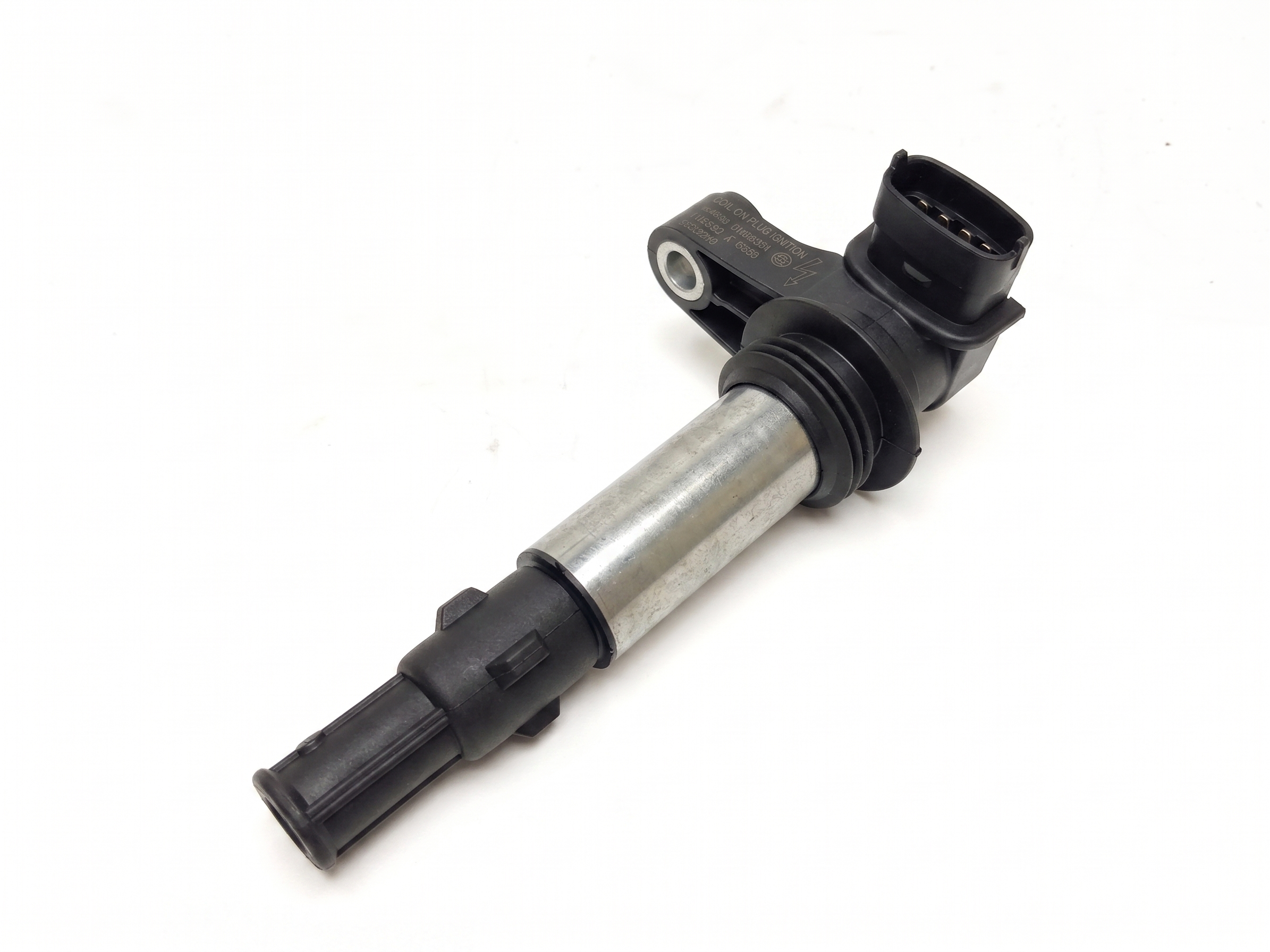
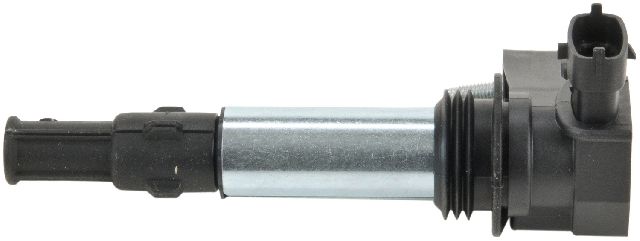
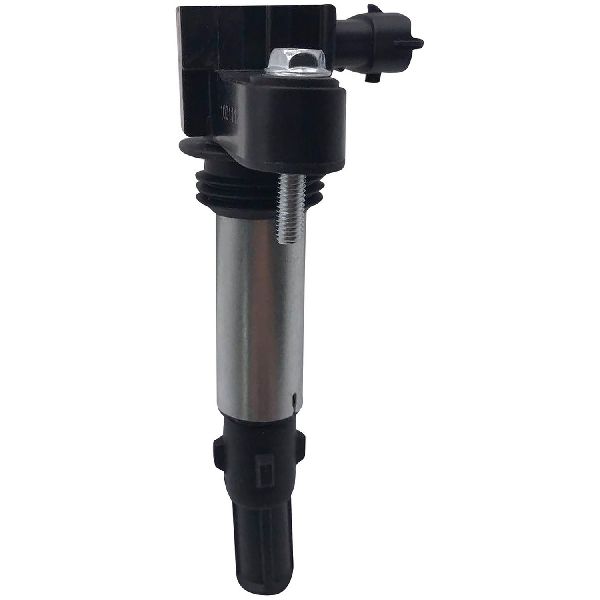
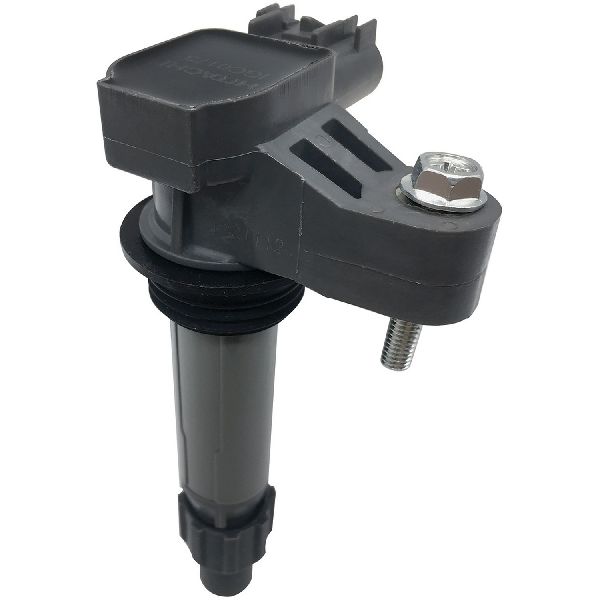
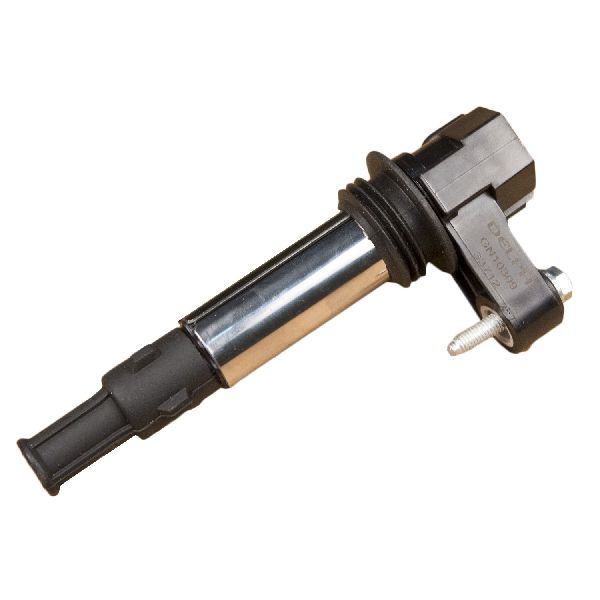
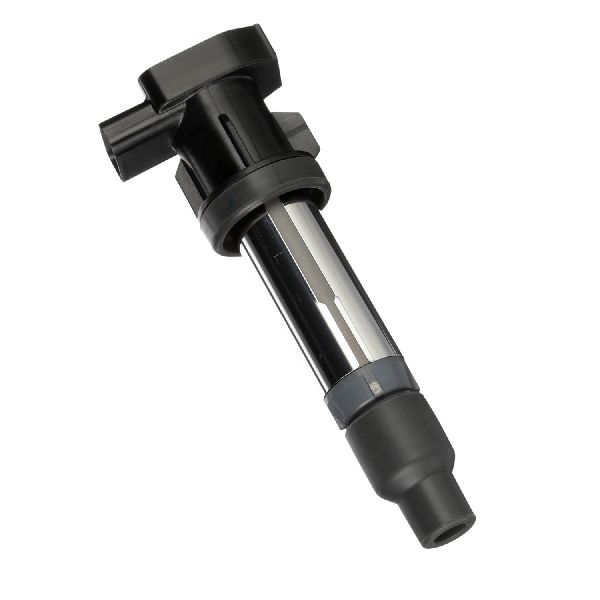
- Ignition Coil
(OEM #12637789 (Supersedes 12629037, 12613057))— This is the most frequent point of failure for a P0351 code. Heat and vibration cause the internal windings to fail over time.
Trusted brands: ACDelco (OEM), Delphi, Denso, NGK
OEM price range: $80-$115
Aftermarket price range: $40-$80 - Spark Plug
(OEM #ACDelco 41-109 (Iridium))— A worn spark plug can cause the ignition coil to work harder, leading to failure. It should always be inspected and often replaced when replacing a coil.
Trusted brands: ACDelco (OEM), NGK
OEM price range: $15-$25
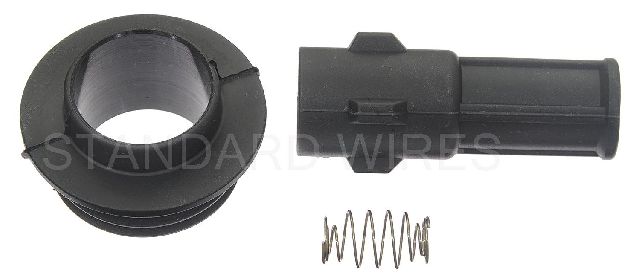
Aftermarket price range: $10-$20 - Ignition Coil Connector Pigtail
(OEM #ACDelco PT1627)— The plastic connector or its locking tab can become brittle and break, causing a poor connection that triggers the code.
Trusted brands: ACDelco (OEM), Dorman
OEM price range: $60-$90
Aftermarket price range: $15-$40
Related Codes That Often Appear With This One
- P0301 — P0301 indicates a misfire specifically on cylinder 1. Since P0351 is a fault in that cylinder's ignition circuit, a misfire is the direct result and these codes almost always appear together.
- P0300 — This code means 'Random/Multiple Cylinder Misfire.' It can appear alongside P0351 if the misfire is severe enough to affect overall engine balance or if other cylinders are also beginning to misfire.
- P0352, P0353, P0354, P0355, P0356 — According to TSB #PIP5038B, it is possible for all ignition coil circuit codes to appear together. This strongly points towards a common problem, like a wiring harness ground issue (G109/G112 on the STS), a problem with the Underhood Body Electrical Center (UBEC), or a blown ignition coil fuse, rather than all coils failing at once.
Technical Service Bulletins (TSBs) & Recalls
- PIP5038B: Addresses diagnostics when a Service Engine Soon light is on with multiple misfire and ignition coil DTCs present. It specifically calls out checking system grounds (G109, G112 for STS), fuses, and spark plugs as key diagnostic steps before replacing major components.
Platform-Specific Known Issues
- TSB #PIP5038B: Notes that if multiple or all coil codes (P0351-P0356) are stored, technicians should inspect common ground points G109 and G112 for looseness or corrosion, check the related ignition coil fuse in the UBEC, and inspect for poor connector engagement at the base of the UBEC.
- A user on a Chevy Tahoe forum with a similar engine family experienced multiple coil codes on one bank due to a broken ring terminal on the main ground wire for that bank of coils.
Mechanic-Grade Diagnostic Values
- Ignition Coil Primary Resistance — expected: 0.5 to 2.0 Ohms. Failure: A reading of 0 Ohms (short) or infinite Ohms (open circuit) indicates a failed coil.
- Ignition Coil Secondary Resistance — expected: 5,000 to 10,000 Ohms (5k-10k Ω). Failure: A reading significantly outside this range, especially an open circuit (infinite resistance), points to a failed secondary winding.
- Ignition Coil Connector Power Supply — expected: 10 to 12 Volts DC (battery voltage) with key on, engine off.. Failure: No voltage or significantly low voltage points to a blown fuse, bad relay, or a break in the power supply wire (typically pink).
- Ignition Control (IC) Signal from PCM — expected: 5 to 20 Hz when measured with a multimeter on the Hertz scale while the engine is running or cranking.. Failure: A reading of 0 Hz indicates the PCM is not sending a trigger signal, which could be due to a broken signal wire or a faulty PCM driver.
Scan Tool Commands That Help
- GM Tech2 / GDS2: Power Balance Test — Used to confirm a misfire on a specific cylinder. The tool disables one cylinder at a time, and a healthy cylinder will show a noticeable drop in RPM. If disabling cylinder 1 causes no change in RPM, it confirms that cylinder was not contributing.
- GM Tech2 / GDS2: Ignition Coil Control Circuit Test Status — While the engine is running, this live data parameter shows the status of the circuit (e.g., 'OK', 'Open', 'Short to Ground'). This can quickly identify an electrical fault in the wiring without manual probing.
- Advanced Bi-Directional Scanner: Coil Activation Test — With the key on and engine off, this command manually fires the selected ignition coil. It's used with a spark tester to confirm the coil itself is capable of firing and that the wiring from the PCM to the coil is intact.
Wiring & Ground Locations
- G109 — Near the right front of the engine block.. This is a primary ground point for the ignition coils on the 3.6L V6. TSB #PIP5038B specifically calls for inspecting this ground for looseness or corrosion, especially if multiple ignition coil codes are present. It should be torqued to 15 lb-ft (20 Nm).
- G112 — On the right rear side of the engine block, near the starter.. This is the other critical ground point for the ignition coil system on the 3.6L V6 STS. Like G109, it must be clean and tight to ensure proper coil function. It should be torqued to 15 lb-ft (20 Nm).
- Ignition Coil #1 Connector — On top of the ignition coil for the front-most cylinder on the passenger side of the engine.. This is where all electrical tests for the coil circuit are performed. Pin D (Pink wire) should have battery voltage, and Pin B is the Ignition Control (IC) signal from the PCM. Pin A is the ground.
- Engine Control Module (ECM) — On the left front frame rail, below the left headlamp assembly.. This is the source of the control signal for the ignition coil. In rare cases of PCM failure, or to test for continuity on the control wire, access to this module is required.
When the Usual Fixes Don't Work
- While the most common fix for P0351 is replacing the ignition coil on cylinder 1, this can be a misdiagnosis if other factors are present. According to GM TSB #PIP5038B, if multiple coil codes (P035x) are stored simultaneously, the root cause is highly unlikely to be multiple failed coils. Instead, the fault is almost certainly a common electrical issue, such as a loose ground at G109/G112 or a problem with the fuse block. Replacing only the cylinder 1 coil in this scenario will not fix the problem. Furthermore, if the failed coil shows physical signs of melting, it may indicate a deeper issue that requires replacing the ECM along with all coils and plugs to prevent a recurring failure.
OEM Part Supersession History
12613057→12629037 (often sold as ACDelco D501C)— Design updates for improved reliability and performance.
Heads up: While later coils like the ACDelco D515C exist for the 3.6L engine family, the D501C is the correct service replacement for the 2008-2009 LLT.
Model Year Variations Within This Range
- 2008 (built before December 2008): According to TSB #PIP5038B, if a vehicle exhibits a shudder on acceleration with a single cylinder misfire (like P0351), the recommended repair is to replace the single failed coil AND all six spark plugs, even if the other plugs appear serviceable.
- 2009 (built after December 2008): According to TSB #PIP5038B, if a single cylinder misfire occurs, the repair is to replace only the affected coil and spark plug for that cylinder, unlike the pre-December 2008 procedure.
Helpful Videos
Used OEM Parts in Stock

New Aftermarket Parts Available

The information in this article is provided for general reference and educational purposes only. Vehicle specifications, procedures, and part compatibility can vary by production date, trim level, and region. Always consult your vehicle's factory service manual and verify part numbers before purchasing or performing repairs. Safety-critical components such as airbags, seat belts, and braking systems should be installed by a qualified professional.
- Cadillac STS:
- 🎬 Helpful Videos
- 🛍️ Shop This Part
- What's Unique About the 2008-2009 Cadillac STS
- Diagnostic Flowchart
- Symptoms You May Notice
- Most Likely Causes
- Rare But Worth Checking
- Diagnosis Steps
- Parts You'll Likely Need
- Related Codes That Often Appear With This One
- Technical Service Bulletins (TSBs) & Recalls
- Platform-Specific Known Issues
- Mechanic-Grade Diagnostic Values
- Scan Tool Commands That Help
- Wiring & Ground Locations
- When the Usual Fixes Don't Work
- OEM Part Supersession History
- Model Year Variations Within This Range
- 🎟️ Get 5% Off