

P0349 on 2011-2018 Ram 1500: Intermittent Cam Sensor Causes and Fixes
P0349 on a Ram 1500 indicates an intermittent signal from the Bank 2 camshaft position sensor. The most common fix is replacing the faulty camshaft position sensor, which costs between $25 and $90 for the part. However, wiring issues are also very common with this intermittent code, and a faulty crankshaft sensor can also trigger this specific code.
- P0349 points to an intermittent signal from the Bank 2 cam sensor, but don't rule out the wiring or even the crankshaft sensor.
- On a 5.7L Hemi, there is only one cam sensor; 'Bank 2' is a generic software term. On a 3.6L V6, Bank 2 is the driver's side.
- Because this is an 'intermittent' code, carefully inspect and wiggle-test the wiring harness and connector before buying parts.
- A TSB exists for this code, which implies a simple sensor swap might not be the final fix. Be prepared for deeper diagnosis if a new sensor doesn't solve the problem. [⭐]
What's Unique About the 2011-2018 Ram 1500
On the 2011-2018 Ram 1500, 'Bank 2' identification depends on the engine. For the 3.6L V6 Pentastar, Bank 2 is the driver's side cylinder head, and the sensor is located on the rear of the valve cover. For the 5.7L V8 Hemi, a single-cam pushrod engine, there is only one camshaft sensor located on the front timing cover. 🎬 Watch: How to replace the camshaft sensor on a 5.7L Hemi The PCM flags the code as 'Bank 2' due to generic software logic, even though there isn't a separate physical sensor for each bank. A manufacturer TSB (05149141A) instructs technicians to collect freeze frame data and contact a factory representative before replacing the sensor for this code, indicating a known complex issue that may stem from software anomalies or hard-to-find wiring faults rather than a simple sensor failure.
Diagnostic Flowchart
Tap your situation to follow the diagnostic path that matches what you're seeing on this vehicle.
Generation note: This year range covers the end of the 3rd Generation (2011) and the bulk of the 4th Generation (2012-2018) Ram 1500. The primary engine options, the 3.6L V6 and 5.7L V8, and the causes for this code are consistent across this period.
Symptoms You May Notice
- Check Engine Light is on
- Engine stalls unexpectedly or intermittently
- Rough or uneven idle
- Hesitation or stumbling when accelerating
- Engine cranks but has trouble starting, or fails to start
- Reduced engine power and poor acceleration
- Increased fuel consumption
- Transmission may not shift into overdrive
- Replacing the Bank 1 sensor instead of the Bank 2 sensor on a 3.6L V6.
- Immediately replacing the PCM without first diagnosing the sensor, wiring, and crankshaft sensor.
- Replacing the camshaft phaser or other timing components before ruling out electrical issues.
- Using a cheap aftermarket sensor that is dead on arrival or fails quickly. Some owners report needing to use an OEM Mopar sensor to resolve the code.
Most Likely Causes
- Faulty Bank 2 Camshaft Position Sensor 🔴 High Probability Sensors are electronic components that can fail from prolonged exposure to heat cycles and vibration. Oil contamination from a leaking valve cover gasket can also seep into the sensor's connector, disrupting the signal.
How to confirm: After checking wiring, use a multimeter to test the sensor's voltage output or a scan tool to watch the live data feed for dropouts while the engine is running. An oscilloscope is the best tool to see the actual waveform for glitches. The easiest confirmation for a DIYer is often swapping the sensor.
Typical fix: Replace the Bank 2 (driver's side on 3.6L) camshaft position sensor. On the 5.7L, replace the single camshaft sensor on the front timing cover.
Est. part cost: $25-$90 - Wiring or Connector Issue 🟡 Medium Probability The engine harness can chafe against various components like the cylinder head, brackets, or even other parts of the harness, causing wires to short to ground. The sensor connector pins can also corrode or loosen over time, creating an intermittent connection.
How to confirm: Visually inspect the entire wiring harness for the sensor, from the connector back to the PCM, looking for chafed, pinched, or melted sections. Wiggle the connector and harness with the engine running to see if it triggers the symptom or a change in live data.
Typical fix: Repair the damaged section of wire with a new piece and heat-shrink tubing. Clean the connector terminals with electrical contact cleaner and apply dielectric grease to prevent future corrosion.
Est. part cost: $5-$25 - Failing Crankshaft Position Sensor ⚪ Low Probability The PCM constantly compares cam and crank signals to verify engine timing. An intermittent or weak signal from the crankshaft sensor can confuse the PCM, causing it to incorrectly flag the camshaft sensor with a P0349 code. Some mechanics recommend replacing both sensors at the same time as a preventative measure.
How to confirm: If replacing the cam sensor and checking its wiring doesn't fix the code, the crank sensor is the next logical suspect. Test its signal with an oscilloscope or replace it. Some forum users report that only an OEM sensor fixed the issue.
Typical fix: Replace the crankshaft position sensor. A crank position relearn procedure with a capable scan tool may be required afterward.
Est. part cost: $20-$60
Rare But Worth Checking
- Weak Battery or Faulty Alternator: Low system voltage (below 10V) can cause a variety of unpredictable electronic faults, including intermittent sensor readings. Always ensure the battery and charging system are healthy before chasing sensor issues.
- Stretched Timing Chain or Worn Phaser: While less common for an intermittent code, excessive slack in the timing chain or a failing cam phaser can cause the camshaft's position to be erratic relative to the crankshaft. This mechanical issue can be misinterpreted by the PCM as an electrical fault.
- Faulty Powertrain Control Module (PCM): In rare instances, the fault lies within the PCM's internal circuitry. This should only be considered after all other possibilities (sensor, wiring, crank sensor, timing components) have been exhaustively ruled out.
- Damaged Camshaft Reluctor Wheel: The sensor reads a multi-toothed reluctor wheel (or tone ring) on the camshaft. If this wheel is damaged, cracked, or has debris on it, it can produce an erratic signal. This requires removing the valve cover (3.6L) or timing cover (5.7L) to inspect.
Diagnosis Steps
- Read the code with an OBD-II scanner and document the freeze frame data, which shows engine conditions when the code was set. 🎬 Watch this guide on diagnosing P0349 causes and fixes
- Visually inspect the camshaft position sensor on Bank 2 (driver's side rear for 3.6L, front of engine for 5.7L) and its electrical connector for any signs of damage, corrosion, or oil contamination.
- With the engine running, carefully wiggle the sensor connector and wiring harness from the sensor back towards the main loom to see if it causes the engine to stumble or stall, indicating a loose connection or chafed wire.
- Use a scan tool to monitor the live data from the Bank 2 Camshaft Position Sensor. Look for the signal to drop out, become erratic, or go flat while the engine is running.
- If a wiring issue is suspected, use a multimeter to check for the correct reference voltage (typically 5V) and a good ground at the connector with the key on, engine off.
- If available, use an oscilloscope to view the cam and crank sensor waveforms simultaneously. This is the most definitive way to spot glitches, dropouts, or a signal that is out of sync.
- If the sensor and wiring appear to be good, the crankshaft position sensor becomes the primary suspect. Inspect and test it.
- If a sensor is replaced, clear the codes and perform a test drive. Some vehicles may require a Cam/Crank Relearn procedure with a capable scan tool to re-synchronize the sensors with the PCM.
Parts You'll Likely Need
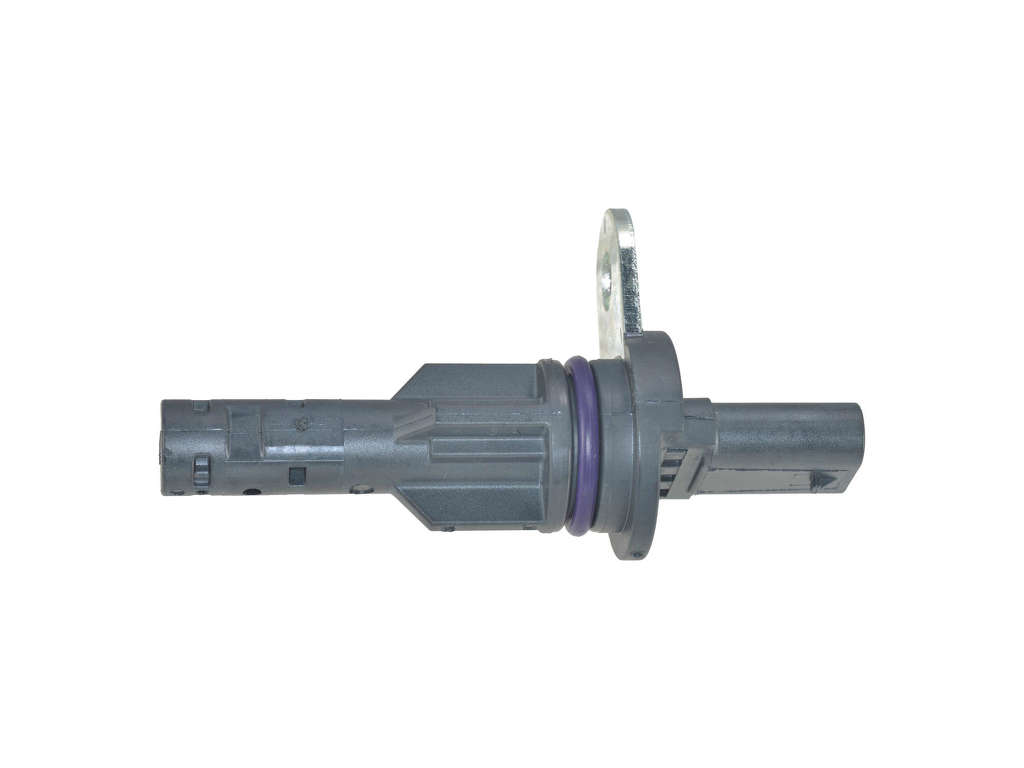
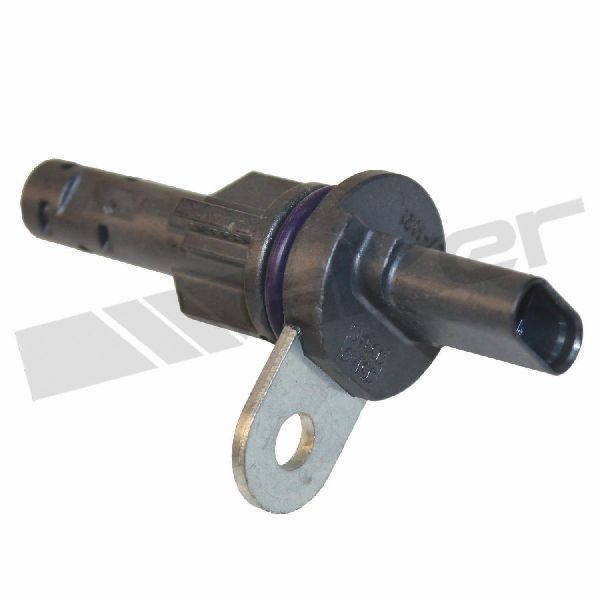
- Camshaft Position Sensor (For both 3.6L and 5.7L)
(OEM #5149141AF (Supercedes 5149141AE, 5149141AD))— This is the most frequent cause of the P0349 code due to internal electronic failure. This part number is used for both the 3.6L and 5.7L engines in this year range.
Trusted brands: Mopar, NTK, Delphi, Standard Motor Products
OEM price range: $45-$70
Aftermarket price range: $25-$50 - Crankshaft Position Sensor (5.7L Hemi)
(OEM #5149054AC)— A failing crankshaft sensor is a common secondary cause for P0349. It's often replaced as a pair with the camshaft sensor.
Trusted brands: Mopar, NTK, Bosch
OEM price range: $40-$60
Aftermarket price range: $20-$40
Related Codes That Often Appear With This One
- P0345 — P0345 is for a 'Circuit Malfunction' on the same sensor (Bank 2 Cam Sensor 'A'). If the intermittent fault of P0349 becomes a hard or permanent fault, P0345 may appear.
- P0335 — This code indicates a fault with the Crankshaft Position Sensor. Since the two sensors work in tandem, a fault in one can sometimes trigger a code for the other.
- P0390 / P0394 — These codes relate to the Camshaft Position Sensor 'B' on Bank 2. On the 3.6L Pentastar, which uses dual-read sensors, a failing sensor or wiring issue can sometimes trigger codes for both sensor signals ('A' and 'B').
Technical Service Bulletins (TSBs) & Recalls
- 05149141A: Mentions P0349 and advises contacting a factory representative before replacing the camshaft position sensor, suggesting a deeper issue or specific procedure is required. The TSB specifically asks for Freeze Frame and Cam/Crank Sync Event Monitor data to be sent for review.
Platform-Specific Known Issues
- A Technical Service Bulletin (TSB #05149141A) exists for this code, instructing technicians to contact a specific factory representative after collecting diagnostic data and before replacing the sensor. This indicates a known complex issue that may not be a simple part failure, potentially related to PCM software or a difficult-to-find wiring problem.
- On the 3.6L Pentastar engine, oil can leak from the oil cooler/filter housing assembly on top of the engine and drip down the back, potentially contaminating the Bank 2 (driver's side) cam sensor and its connector.
- In a documented case on a related 3.6L engine, persistent P0349 was traced to a loose reluctor wheel on the camshaft itself, which is not a visually obvious failure.
Mechanic-Grade Diagnostic Values
- Camshaft Position Sensor Supply Voltage — expected: 4.5V - 5.2V. Failure: Voltage below 4.5V or above 5.2V indicates a wiring or PCM issue.
- 3.6L Pentastar Sensor Signal Voltage (Hall Effect Test) — expected: Switches between ~5V and ~0V. Failure: Voltage does not switch when a magnet is passed over the sensor tip, or stays fixed at 0V or 5V.
Scan Tool Commands That Help
- wiTECH (Dealer Tool): Flash: Powertrain Diagnostic and System Enhancements — According to TSB 18-069-17, a PCM software update is available that changes P0349 from a one-trip fault to a two-trip fault. This can prevent the code from being set by very brief, non-critical signal dropouts, and should be considered if no physical fault can be found.
- High-End OBD-II Scanner: Cam/Crank Relearn — After replacing a camshaft or crankshaft position sensor, a relearn procedure may be necessary to synchronize the new sensor data with the PCM. Failure to do so can sometimes cause the code to persist even with a good new part.
Wiring & Ground Locations
- CMP Sensor Connector (3.6L V6) — Rear of the driver's side cylinder head (Bank 2).. This is the primary connection point to test for power, ground, and signal. The 4-wire connector on the 3.6L contains two separate sensor circuits; wires 1 and 2 are for the intake cam (Sensor 'A', related to P0349), and wires 3 and 4 are for the exhaust cam.
- CMP Sensor Connector (5.7L V8) — Front timing cover of the engine.. This 3-wire connector provides power, ground, and signal for the single camshaft sensor. A test here can quickly validate the sensor and harness integrity. Pin 1: 5V Supply, Pin 2: Signal, Pin 3: Sensor Ground.
- Engine Ground Circuit — Various points on the engine block and cylinder heads, connecting to the chassis.. An intermittent or poor ground connection for the sensor circuit can cause erratic voltage readings, directly leading to a P0349 code. A visual inspection of all engine ground straps for corrosion or looseness is a critical, often overlooked, diagnostic step.
Real Owner Repair Stories
- MotorCityMechanic YouTube Channel (Chrysler/Dodge/Jeep with 3.6L Pentastar V6) — Persistent camshaft position sensor codes (e.g., P0340, P0345, P0349).
❌ Tried (didn't work) Replacing the camshaft position sensor., Checking the wiring harness for electrical faults.
✅ What actually fixed it The cam phaser itself had failed internally. The locking pin that should hold the phaser at a base position when there is no oil pressure was broken or stuck, allowing the camshaft to have independent movement from the phaser sprocket. This created a discrepancy between what the PCM expected to see and what the sensor reported, setting a sensor fault code for a mechanical problem. The fix was to replace the faulty cam phaser. - Online Mechanic Tips YouTube Channel (Vehicle with 3.6L Pentastar V6) — Camshaft sensor codes, potential loss of power.
❌ Tried (didn't work) Replacing camshaft position sensor., Replacing crankshaft position sensor.
✅ What actually fixed it The issue was traced to loose oil gallery plugs located near the VVT system components. These loose plugs allowed oil pressure to bleed off, causing the cam phasers to not respond correctly to PCM commands. This erratic mechanical movement was misinterpreted by the PCM as a sensor signal fault. The fix was to apply Loctite to the plugs and tighten them to restore proper oil pressure to the phasers.
OEM Part Supersession History
5149141AD, 5149141AE→5149141AF— Standard part revision and improvement by the manufacturer.
Heads up: The newer 'AF' revision is backward compatible and is the correct service part for vehicles that originally came with the 'AD' or 'AE' versions. Using the latest revision is recommended.
Model Year Variations Within This Range
- 2017 and potentially later: A PCM software update was released under TSB 18-069-17 for 2017 models (and likely incorporated into later years) that changed the sensitivity for setting P0349. It now requires the intermittent fault to be detected on two separate drive cycles before illuminating the MIL, whereas earlier calibrations might set it on a single trip.
Helpful Videos



Used OEM Parts in Stock
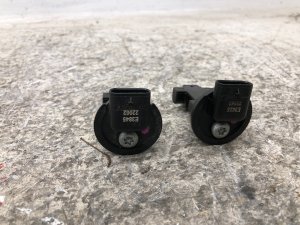
New Aftermarket Parts Available

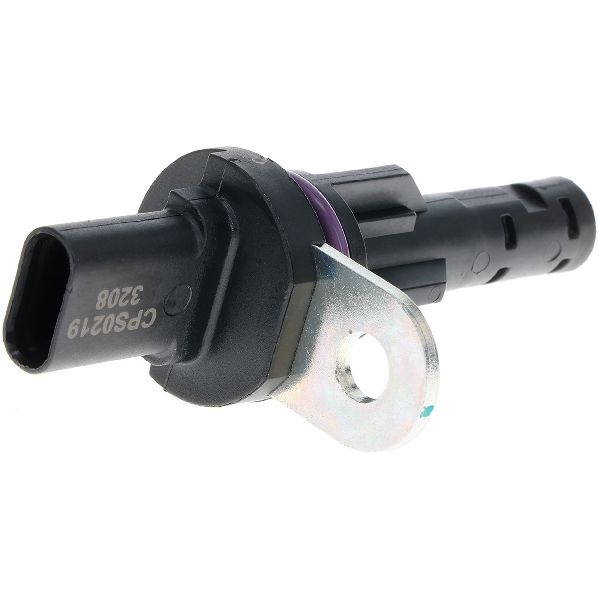
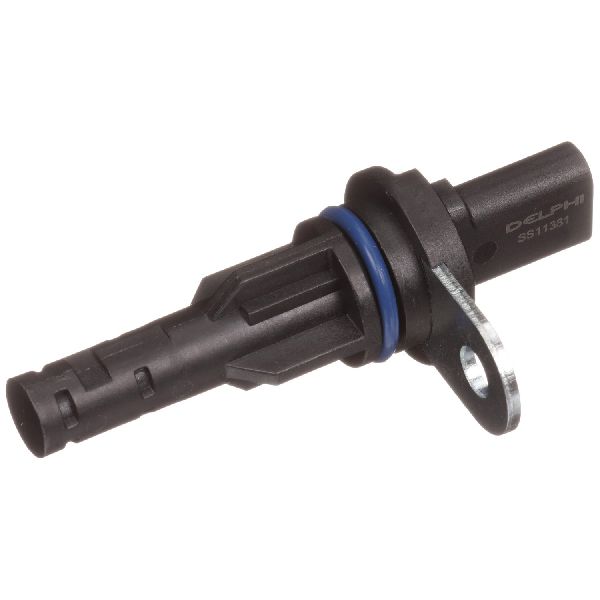
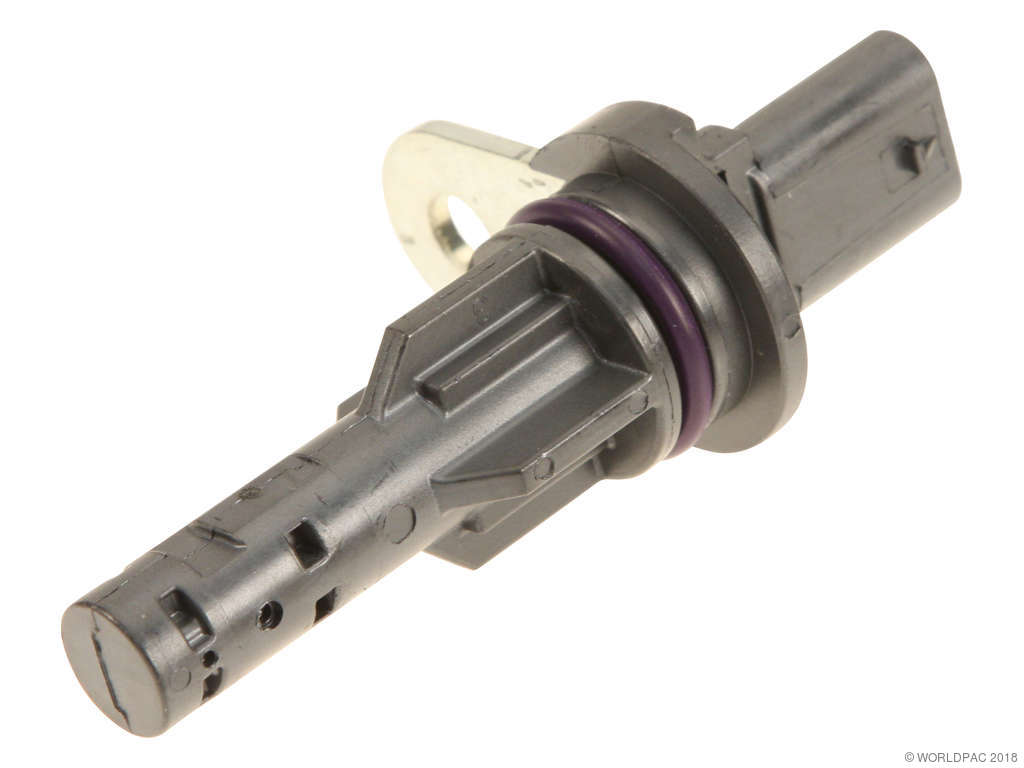

The information in this article is provided for general reference and educational purposes only. Vehicle specifications, procedures, and part compatibility can vary by production date, trim level, and region. Always consult your vehicle's factory service manual and verify part numbers before purchasing or performing repairs. Safety-critical components such as airbags, seat belts, and braking systems should be installed by a qualified professional.
- Ram 1500:
- 🎬 Helpful Videos
- 🛍️ Shop This Part
- What's Unique About the 2011-2018 Ram 1500
- Diagnostic Flowchart
- Symptoms You May Notice
- Most Likely Causes
- Rare But Worth Checking
- Diagnosis Steps
- Parts You'll Likely Need
- Related Codes That Often Appear With This One
- Technical Service Bulletins (TSBs) & Recalls
- Platform-Specific Known Issues
- Mechanic-Grade Diagnostic Values
- Scan Tool Commands That Help
- Wiring & Ground Locations
- Real Owner Repair Stories
- OEM Part Supersession History
- Model Year Variations Within This Range
- 🎟️ Get 5% Off