

P0344 on 2014-2018 Ram ProMaster 3.6L: Intermittent Cam Sensor Causes and Fixes
This code almost always means the Bank 1 camshaft position sensor is failing. On the ProMaster's 3.6L V6, this sensor is on the rear cylinder bank near the firewall and is extremely difficult to access, making the repair more labor-intensive. Expect a shop to charge between $350 and $470 for the replacement. The OEM part number is Mopar 5149141AF.
- P0344 on a ProMaster 3.6L points to the camshaft position sensor on Bank 1, the rear cylinder bank near the firewall.
- The most dangerous symptom is sudden engine stalling. Do not ignore this code.
- This is not a simple repair due to the sensor's location. The job requires removing the upper intake manifold, making it a 2-3 hour job for a professional.
- Always replace the intake manifold gaskets when performing this repair to prevent future vacuum leaks.
- Do not confuse the Bank 1 (rear) sensor with the much easier to access Bank 2 (front) sensor.
What's Unique About the 2014-2018 Ram PROMASTER
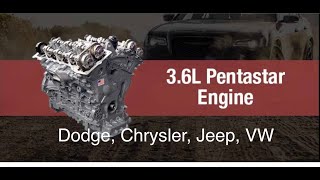
On the Ram ProMaster, the 3.6L Pentastar engine is mounted transversely (sideways). This places Bank 1 (the rear cylinder bank) directly against the firewall, making its camshaft position sensor extremely difficult to access. While the sensor itself is a simple part, replacing the Bank 1 sensor often requires removing the entire upper intake manifold, significantly increasing labor time and cost compared to the easily accessible Bank 2 sensor. 🎬 Watch: Step-by-step guide to fixing the P0344 Bank 1 sensor. Additionally, manufacturer technical service bulletins from 2015 show that Chrysler was actively investigating failures related to this code. The TSBs (e.g., #68080819A) instructed technicians to call an engineering hotline before replacing parts, suggesting they were gathering data on a problem that might have been more complex than simple sensor failure, possibly related to wiring or a bad batch 🎬 See: Expert breakdown of common causes for Pentastar camshaft codes. of components.
Diagnostic Flowchart
Tap your situation to follow the diagnostic path that matches what you're seeing on this vehicle.
Symptoms You May Notice
- Sudden engine stalling, especially when idling or at low speeds
- Check Engine Light is on
- Engine is hard to start or cranks for a long time before starting
- Engine hesitates or stumbles during acceleration
- Rough or erratic idle
- Traction control or electronic stability control (ESC) warning light may illuminate simultaneously
- Vehicle may enter 'limp mode,' with limited power and throttle response
- Replacing the Crankshaft Position Sensor: While it performs a similar function, the crankshaft sensor is a different part and will set its own specific codes (like P0335).
- Replacing the wrong Camshaft Position Sensor: The 3.6L engine has two cam sensors. P0344 is for Bank 1 (rear, by the firewall). Replacing the easily accessible front sensor (Bank 2) will not fix this code.
Most Likely Causes
- Failing Bank 1 Camshaft Position Sensor 🔴 High Probability The sensor is located in a high-heat area of the engine bay, and failures were common enough to warrant manufacturer TSBs. Oil leaks from the valve cover or a cracked oil filter housing can also seep into and damage the sensor's connector and internal electronics.
How to confirm: Confirm the code is P0344 (for Bank 1) and not P0369/P0394 (for Bank 2). The most definitive test is to use an oscilloscope to monitor the sensor's signal for dropouts while the engine is running. A simpler method is to replace the sensor, clear the codes, and see if the issue returns. Given the labor involved, many owners and shops opt to replace the sensor based on the code alone.
Typical fix: Replace the Bank 1 camshaft position sensor (Mopar Part #5149141AF). Due to the difficult access, this involves removing the upper intake manifold to reach the sensor, which is secured by a single T30 Torx bolt. The intake manifold gaskets (e.g., Fel-Pro MS 97204) must be replaced at the same time.
Est. part cost: $30-$90 - Damaged Wiring or Connector 🟡 Medium Probability Engine vibrations and intense heat against the firewall can cause the wiring leading to the Bank 1 sensor to become brittle, chafe, or crack over time. The connector's locking tab can also become brittle and break, leading to a poor connection.
How to confirm: Visually inspect the wiring harness leading to the Bank 1 camshaft sensor for any signs of cracking, melting, or chafing against other components. Unplug the connector and check for corrosion, bent pins, or oil contamination. Use a multimeter to check for 5V reference, ground, and signal continuity at the connector.
Typical fix: Repair the damaged section of wire with a new pigtail connector or by soldering and heat-shrinking a new piece of wire. Clean oil from the connector with electrical contact cleaner. If the connector itself is broken, it will need to be replaced.
Est. part cost: $15-$50
Rare But Worth Checking
- Low Oil Pressure or Dirty Engine Oil: While not a direct cause, very low oil pressure or sludgy oil can affect the operation of the cam phasers. This can cause the camshaft's actual position to deviate from what the PCM expects, sometimes triggering timing-related codes like P0344, often alongside oil pressure codes like P1524.
- Failing Powertrain Control Module (PCM): This is extremely rare. The PCM should only be considered after all other possibilities, including the sensor, wiring, and mechanical engine timing, have been thoroughly ruled out by a professional. Sometimes a PCM software update from the dealer can resolve false codes.
Diagnosis Steps
- Read the Codes: Use an OBD-II scanner to confirm P0344 is the active code. Note any other codes present, especially P0340 or oil pressure codes.
- Identify Bank 1: Confirm that Bank 1 on the ProMaster's 3.6L engine is the cylinder bank near the firewall. Bank 2 is at the front by the radiator.
- Inspect the Wiring (as much as possible): Using a flashlight and an inspection mirror, try to visually inspect the wiring harness and connector for the Bank 1 camshaft sensor. It is difficult to see, but check for obvious signs of damage, melting, or oil contamination.
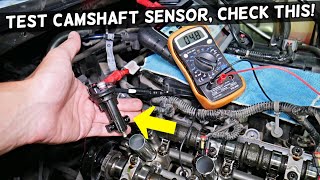
- Test the Sensor (Advanced): For advanced DIYers, use a multimeter to back-probe the connector and check for power, ground, and a fluctuating signal voltage while the engine runs. The best tool is an oscilloscope to watch for the square wave signal dropping out intermittently.
- Check Engine Oil: Ensure the engine oil level is correct and the oil is clean. Dark, sludgy oil can contribute to timing system problems.
- Replace the Sensor: Given the high failure rate and difficulty of access, the most common and practical repair is to replace the Bank 1 camshaft position sensor. This requires removing the upper intake manifold for access. The sensor is held by a single T30 Torx bolt.
- Clear Codes and Test Drive: After replacement, clear all fault codes with the scanner and perform a thorough test drive, including idling and low-speed driving, to ensure the problem is resolved.
Parts You'll Likely Need
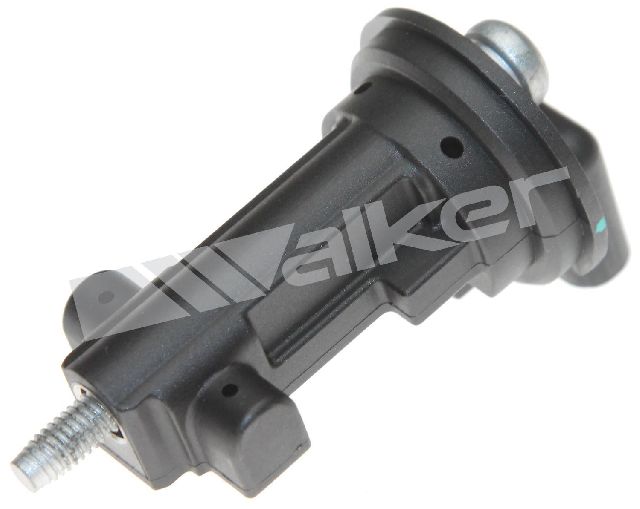
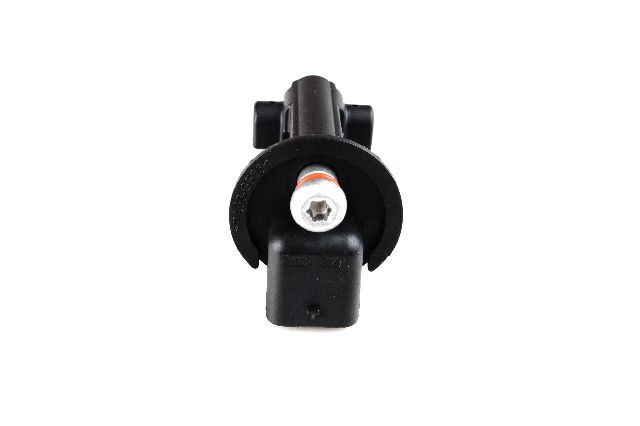
- Camshaft Position Sensor
(OEM #5149141AF)— This sensor is the primary point of failure for code P0344. The two sensors on the engine are identical, but this code points specifically to the one on Bank 1.
Trusted brands: Mopar (OEM), Delphi, NGK/NTK, Standard Motor Products (SMP)
OEM price range: $60-$100
Aftermarket price range: $30-$70 - Upper & Lower Intake Manifold Gaskets — These gaskets are one-time use and must be replaced whenever the intake manifold is removed to access the Bank 1 sensor. Reusing old gaskets will cause vacuum leaks and lean codes.
Trusted brands: Fel-Pro (MS 97204), Mahle, Mopar (OEM)
OEM price range: $25-$45
Aftermarket price range: $15-$30
Related Codes That Often Appear With This One
- P0340 — P0340 indicates a general malfunction in the same Bank 1 camshaft position sensor circuit, while P0344 specifies an intermittent fault. They often appear together as the sensor begins to fail completely.
- P1524 — This code indicates an oil pressure issue. On some Ram models, it can appear with P0344, suggesting a potential link between oil delivery and the variable valve timing system that the cam sensor monitors.
- P0171 / P0174 — These are 'System Too Lean' codes for Bank 1 and Bank 2. If the intake manifold gaskets are leaking (a common issue on this engine), they can cause these codes. Since the intake must be removed to fix P0344, it's possible to see these codes if the old gaskets were already failing.
Technical Service Bulletins (TSBs) & Recalls
- Bulletin #68080819A: Issued 2015-08-11 for 2014 models, instructs technicians to contact engineering before replacing the camshaft position sensor for codes P0340 and/or P0344.
- Bulletin #05149141A: Issued 2015-08-04 for 2014 models, provides similar instructions for a wider range of camshaft sensor codes, including P0344.
- Bulletin #18-002-19 REV. A: Issued for 2017 Chrysler Pacifica, this TSB involves a PCM software update to address several intermittent camshaft sensor codes, including P0344, suggesting some issues could be software-related.
Platform-Specific Known Issues
- The primary issue is the difficult location of the Bank 1 camshaft position sensor against the firewall, which turns a simple part swap into a multi-hour job involving the removal of the intake manifold.
- Chrysler issued TSBs in 2015 for the 2014 model year specifically for P0344 (and related codes), indicating a known problem with the sensors or their circuitry early in the vehicle's production run. [Bulletin #68080819A, Bulletin #05149141A]
Mechanic-Grade Diagnostic Values
- Camshaft Position Sensor Signal Voltage — expected: A square wave switching between ~0V and ~5V as the engine runs.. Failure: On an oscilloscope, the signal will show dropouts, glitches, or a flat line instead of a consistent square wave. On a multimeter, the voltage may read as a steady, incorrect value or not fluctuate.
- Sensor Circuit 5V Reference — expected: Approximately 5.0V with the key on, engine off.. Failure: Significantly lower or no voltage indicates a problem with the PCM or the wiring between the PCM and the sensor.
- Sensor Circuit Ground — expected: Less than 3 ohms of resistance between the sensor's ground pin and a known good chassis ground.. Failure: High resistance (OL or many ohms) indicates a broken or corroded ground wire, which can cause intermittent signals.
- Wiring Harness Continuity — expected: Less than 1 ohm of resistance on the signal, power, and ground wires between the sensor connector and the PCM connector.. Failure: High resistance indicates a break or corrosion in the wire being tested.
Scan Tool Commands That Help
- wiTECH (Dealer Tool): Cam/Crank Relearn — This procedure may be required after replacing a camshaft, crankshaft, or PCM to synchronize the learned positions of the timing components. While not typically needed for just a sensor swap, it can resolve persistent timing correlation codes if other work was performed.
- Professional Scan Tool (e.g., Snap-on Solus): Live Data Graphing - Cam/Crank Sync State — Monitoring the 'CAM/CRANK SYNC' PID can show if the PCM is losing synchronization in real-time. A value that flips from 'IN SYNC' to 'OUT OF SYNC' at the moment symptoms occur confirms an intermittent signal loss.
Wiring & Ground Locations
- Main Engine/Transmission Ground Strap — A braided ground strap that connects the transmission case to the chassis, typically near the driver's side transmission mount. It is accessible by removing the driver's side headlight assembly.. A corroded or loose main ground strap can cause a variety of intermittent electrical issues and data corruption between sensors and the PCM. While not a direct cause, verifying this ground is a crucial step in diagnosing any persistent, unexplained electrical fault code like P0344.
- Camshaft Position Sensor Connector Pinout (3-wire) — At the sensor on the rear of the Bank 1 cylinder head.. Knowing the pinout is essential for accurate testing. For a typical 3-wire sensor on this engine: one pin is the 5V reference from the PCM, one is the sensor ground, and the third is the signal wire that sends the square wave back to the PCM.
Real Owner Repair Stories
- YouTube user 'The Howards Garage' (2011 Dodge Charger 3.6L Pentastar) — P0344 code, traction control light on, reduced engine power, difficulty maintaining highway speed.
❌ Tried (didn't work) Replacing the camshaft position sensor, Replacing the crankshaft position sensor, Reflashing and updating the PCM at the dealership
✅ What actually fixed it The magnetic reluctor wheel (tone ring) on the Bank 1 exhaust camshaft had a weak or distorted magnetic signature, preventing the sensor from getting a reliable reading. Replacing the entire camshaft (which includes the pressed-on reluctor wheel) resolved the P0344 code.
OEM Part Supersession History
4727654AA, 4727654AB→4727654AC— Revision of the main engine ground strap.
Helpful Videos




Used OEM Parts in Stock
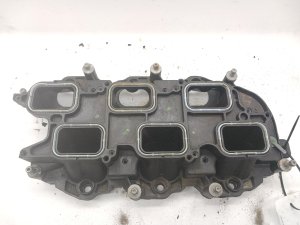

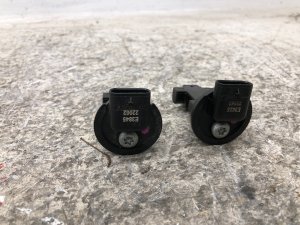

New Aftermarket Parts Available

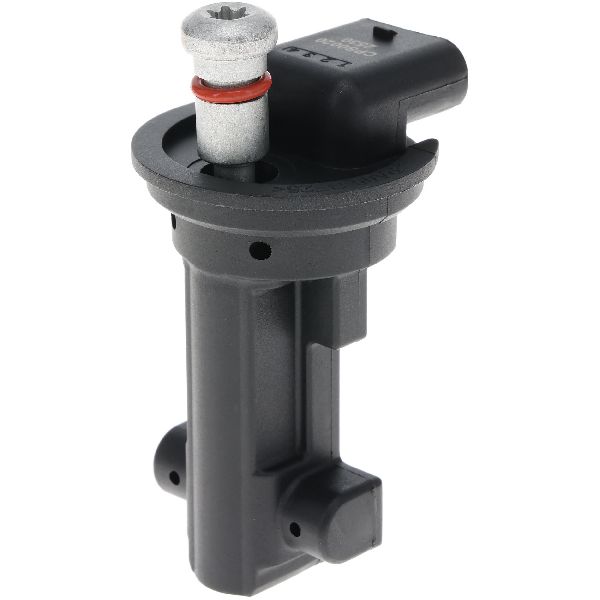
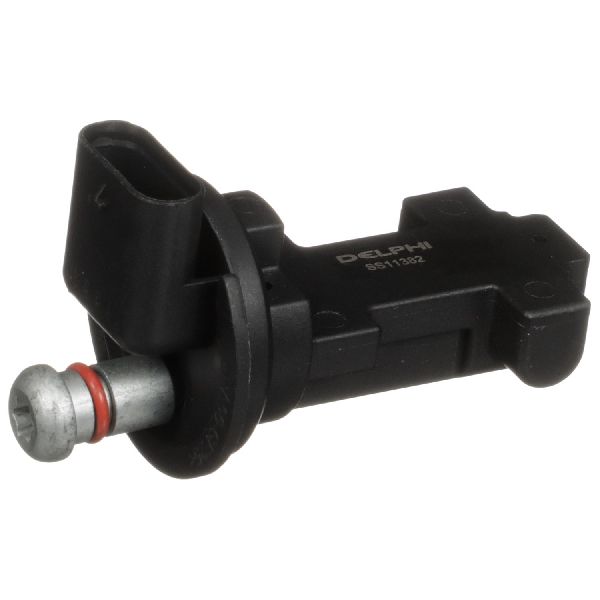

The information in this article is provided for general reference and educational purposes only. Vehicle specifications, procedures, and part compatibility can vary by production date, trim level, and region. Always consult your vehicle's factory service manual and verify part numbers before purchasing or performing repairs. Safety-critical components such as airbags, seat belts, and braking systems should be installed by a qualified professional.
- Ram PROMASTER:
- 🎬 Helpful Videos
- 🛍️ Shop This Part
- What's Unique About the 2014-2018 Ram PROMASTER
- Diagnostic Flowchart
- Symptoms You May Notice
- Most Likely Causes
- Rare But Worth Checking
- Diagnosis Steps
- Parts You'll Likely Need
- Related Codes That Often Appear With This One
- Technical Service Bulletins (TSBs) & Recalls
- Platform-Specific Known Issues
- Mechanic-Grade Diagnostic Values
- Scan Tool Commands That Help
- Wiring & Ground Locations
- Real Owner Repair Stories
- OEM Part Supersession History
- 🎟️ Get 5% Off