

P0344 on 2016-2017 Jeep Grand Cherokee: Camshaft Sensor Intermittent Causes and Fixes
P0344 on a 2016-2017 Jeep Grand Cherokee most often means the Camshaft Position Sensor for Bank 1 is failing. Replacing the sensor is a common DIY fix, with the part costing between $30 and $115. On 5.7L HEMI engines, it's crucial to check the engine oil level first, as a low level can also trigger this code.
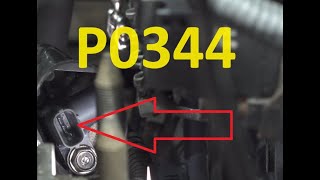
- P0344 indicates an intermittent signal from the Bank 1 (passenger side) camshaft position sensor.
- The most common cause is a failing sensor, which is a relatively inexpensive and accessible part to replace for a DIYer.
- Symptoms can be serious, including engine stalling, hard starting, and hesitation, so it should be addressed promptly.
- Always check the wiring and connector for damage before replacing parts.
- Ensure you are replacing the correct sensor, as the 3.6L V6 has four of them.
What's Unique About the 2016-2017 Jeep GRAND CHEROKEE

On the Jeep Grand Cherokee's 3.6L Pentastar and 5.7L HEMI engines, the P0344 code is a frequent issue that often points directly to a failing sensor rather than more complex engine problems. While wiring issues can occur, owners and technicians commonly report that replacing the specific camshaft position sensor resolves the code. The 3.6L Pentastar engine, in particular, uses four separate sensors (one for each intake and exhaust cam), and it's important to identify the correct one for Bank 1, which is typically the intake sensor ('Sensor A'). For the 5.7L HEMI, a unique quirk is that a very low engine oil level can cause the VVT system to malfunction, triggering a P0344 code even if the sensor is good.
Diagnostic Flowchart

Tap your situation to follow the diagnostic path that matches what you're seeing on this vehicle.
Symptoms You May Notice
- Check Engine Light is on
- Engine stalling, especially at low speeds or idle
- Difficulty starting the engine, or engine cranks but won't start
- Engine won't start when hot, but may start normally after cooling down
- Rough or erratic idle
- Hesitation or loss of power during acceleration
- Engine misfires or backfiring
- Replacing the wrong sensor. The 3.6L V6 has four cam sensors. P0344 specifically refers to Bank 1 (passenger side), Sensor 'A' (often the intake sensor). Always verify the correct sensor location before replacement.
- Replacing the starter or battery for a no-start or hard-start condition without first checking for diagnostic trouble codes.
- Replacing the camshaft sensor on a 5.7L HEMI without first checking for a low engine oil level, which is a known cause of P0344 on that engine.
Most Likely Causes

- Failing Camshaft Position Sensor (Bank 1) 🔴 High Probability The sensors are exposed to high heat cycles in the engine bay, which can cause the internal electronics to fail over time, leading to an intermittent signal before total failure. Owners and mechanics strongly recommend using OEM Mopar sensors for replacement, as aftermarket sensors can sometimes fail prematurely or not meet the PCM's sensitive specifications.
How to confirm: After confirming the code with a scanner, the most definitive test is to use an oscilloscope to check for a clean, consistent square wave signal from the sensor while the engine is running. A simpler method is to inspect the sensor and its wiring for damage or, given the high failure rate, replace the sensor as a primary diagnostic step.
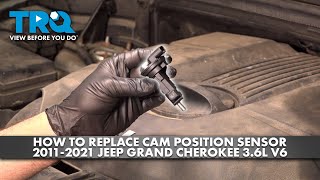
Typical fix: Replace the Camshaft Position Sensor for Bank 1. 🎬 Watch: Step-by-step camshaft sensor replacement for the 3.6L V6 engine. On the 3.6L V6, Bank 1 is the passenger side. On the 5.7L HEMI, there is only one camshaft sensor, located at the front of the engine. 🎬 See how to replace the camshaft sensor on a 5.7L HEMI.
Est. part cost: $30-$65 - Damaged Wiring or Poor Connection 🟡 Medium Probability The wiring harness near the back of the engine can become brittle from heat, and connectors can accumulate dirt or oil, leading to a poor connection. In some forum-documented cases, oil leaking from the sensor's O-ring has contaminated the electrical connector, causing an intermittent signal.
How to confirm: Visually inspect the wiring harness leading to the sensor for any signs of cracking, melting, or fraying. Unplug the connector and check for corrosion, bent pins, or oil contamination. Use a multimeter to test for proper voltage and ground at the connector.
Typical fix: Repair the damaged section of wire or thoroughly clean the connector terminals with electrical contact cleaner. In some cases, the connector pigtail may need to be replaced.
Est. part cost: $15-$40 - Low Engine Oil Level (5.7L HEMI) 🟡 Medium Probability On the 5.7L HEMI engine, the Variable Valve Timing (VVT) system uses oil pressure to adjust cam timing. If the engine oil is very low, the VVT system can't function correctly, causing the camshaft's position to be out of sync with the crankshaft. This can trigger a P0344 code even if the sensor itself is perfectly fine.
How to confirm: Check the engine oil dipstick. If the oil level is below the minimum mark, this is a likely cause.
Typical fix: Top off the engine oil to the correct level and clear the code. If the code returns, investigate other causes.
Est. part cost: $0-$20
Rare But Worth Checking
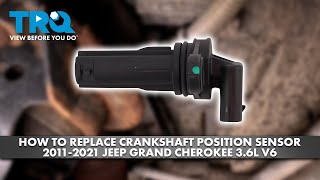
- Failing Crankshaft Position Sensor: Sometimes, a failing crankshaft position sensor can cause the PCM to report a camshaft sensor fault. If replacing the cam sensor doesn't work, the crank sensor is the next logical part to investigate, especially if codes like P0339 are also present. 🎬 Watch this guide to replacing the crankshaft position sensor.
- Timing Chain or Cam Phaser Issue: While less common for an intermittent code, a stretched timing chain or a faulty cam phaser can cause the camshaft's position to be out of sync with the crankshaft, triggering this code. This is usually accompanied by other timing-related codes and engine noise.
- Damaged Camshaft Reluctor Wheel: The sensor reads a toothed ring (reluctor wheel) on the camshaft. If this wheel is damaged, cracked, or has debris on it, the sensor signal can become erratic. This is rare and typically requires more significant engine disassembly to inspect.
- Powertrain Control Module (PCM) Fault or Outdated Software: In rare cases, the PCM itself can fail. More commonly, the PCM software may be overly sensitive. TSBs #18-049-20 and #18-024-17 REV. C were released to update the PCM software, changing the P0344 code from a one-trip to a two-trip fault to reduce false positives. A dealer can check if this update has been performed.
Diagnosis Steps
- Read the codes: Use an OBD-II scanner to confirm P0344 is present and check for any other related codes.
- (5.7L HEMI Only) Check Engine Oil: Before any other steps, check the engine oil level. If it is low, top it off, clear the code, and test drive.
- Inspect the sensor and wiring: Locate the camshaft position sensor on Bank 1 (passenger side for 3.6L, front of engine for 5.7L). Visually inspect the sensor, its connector, and the nearby wiring for any obvious signs of damage, melting, oil contamination, or corrosion.
- Check for power and ground: Using a multimeter, disconnect the sensor and check the connector for the correct reference voltage and a good ground connection with the key in the 'on' position.
- Test the signal: The most accurate method is to use an oscilloscope to view the sensor's output signal while the engine is running. Look for dropouts or an inconsistent waveform. If an oscilloscope is not available, this step is often skipped in favor of replacing the sensor due to its high failure rate.
- Swap sensors (if applicable): On engines with identical sensors for intake/exhaust or bank-to-bank, you can swap the suspect sensor with a known good one. Clear the codes and see if the fault follows the sensor (e.g., P0344 changes to P0369).
- Replace the sensor: If the sensor is suspected to be faulty, replace it with a new, quality part. Using OEM Mopar is highly recommended to avoid compatibility issues.
- Check for Relearn Procedure: After replacement, check service information to see if a camshaft position sensor relearn procedure is required for your specific vehicle, although it is not always necessary.
- Clear codes and test drive: After replacement, clear the trouble codes and perform a test drive to ensure the issue is resolved and the check engine light does not return.
Parts You'll Likely Need
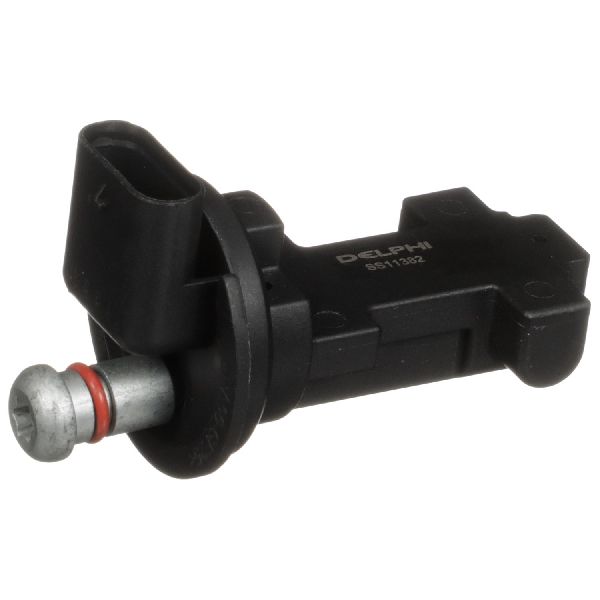
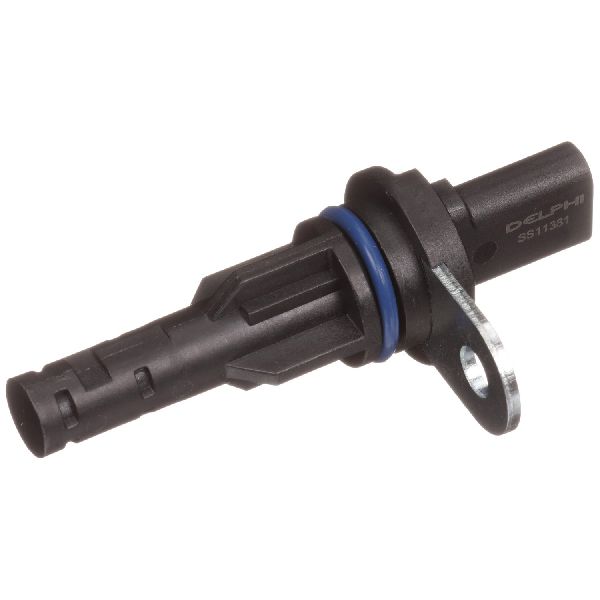
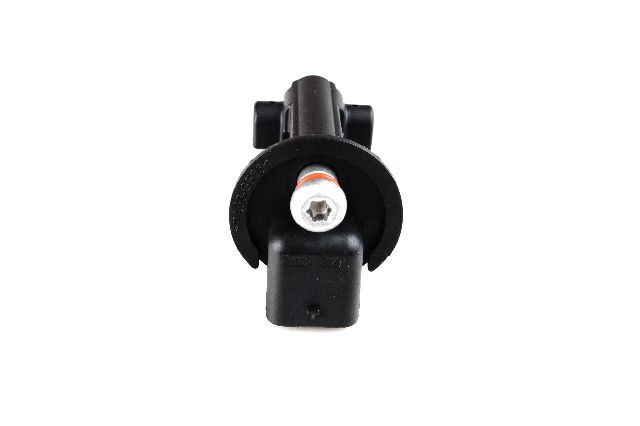
- Camshaft Position Sensor (Bank 1)
(OEM #5149141AF)— This is the most common component to fail and cause a P0344 code. The intermittent nature of the code is a classic symptom of the sensor's internal electronics beginning to break down. This part number is widely listed for the 3.6L engine.
Trusted brands: Mopar, Denso, NGK/NTK
OEM price range: $55-$115
Aftermarket price range: $30-$65
Related Codes That Often Appear With This One
- P0340 — This is a related code for a constant fault ('hard fault') in the same Camshaft Position Sensor circuit, whereas P0344 indicates an intermittent fault.
- P0369 — This is the equivalent intermittent fault code for the camshaft position sensor on Bank 2 (driver's side). Seeing both may indicate a common issue like a wiring harness problem or a systemic issue like low oil pressure.
- P0339 — This code indicates an intermittent fault in the Crankshaft Position Sensor circuit. Since the cam and crank sensors work together for timing, a fault in one can affect the other. The TSBs for this vehicle group these codes together.
Technical Service Bulletins (TSBs) & Recalls
- 18-049-20: Supersedes the earlier TSB. Involves reprogramming the PCM with updated software to address a list of DTCs, including P0344. The update changes the fault from a one-trip to a two-trip logic.
- 18-024-17 REV. C: An earlier TSB, also involving a PCM software flash to address P0344 and other codes by making the diagnostic logic less sensitive.
Platform-Specific Known Issues
- Jeep has issued Technical Service Bulletins (TSBs) #18-049-20 and #18-024-17 REV. C that address a group of camshaft and crankshaft sensor codes, including P0344. The primary fix recommended in these TSBs is a Powertrain Control Module (PCM) software update. This update changes the fault logic for P0344 from a one-trip to a two-trip fault, making the system less likely to trigger a Check Engine Light for a brief, non-critical
Mechanic-Grade Diagnostic Values
- Camshaft Position Sensor Signal Wire (Engine Cranking/Running) — expected: A fluctuating digital square wave signal switching between approximately 0V and 5V.. Failure: A static voltage (stuck at 0V or 5V), no voltage, or an erratic/inconsistent waveform indicates a problem with the sensor or wiring.
- Camshaft Position Sensor Connector - Power Supply — expected: Approximately 5.0V with the key in the 'ON' position, engine off.. Failure: Significantly lower or no voltage points to a wiring issue or a problem with the PCM's 5V reference circuit.
- Camshaft Position Sensor Ground Circuit Resistance — expected: Less than 5.0 Ohms between the ground pin on the connector and a known good chassis ground.. Failure: High resistance indicates a poor ground connection, which can cause erratic sensor signals.
Scan Tool Commands That Help
- Professional Scan Tool (e.g., WiTech): Camshaft Position Sensor Relearn Procedure — After replacing a camshaft position sensor, the engine may run poorly or fail to start. Some vehicles require this procedure to synchronize the new sensor with the PCM.
- Dealer Scan Tool (WiTech): PCM Flash/Software Update — To install the software update specified in TSBs #18-049-20 and #18-024-17 REV. C. This changes the fault from a one-trip to a two-trip logic to prevent false positives for minor, intermittent signal drops.
Wiring & Ground Locations

- Camshaft Position Sensor Connector — On the sensor itself. It is a 3-pin female connector. On the 3.6L, the Bank 1 sensor is on the passenger side valve cover. On the 5.7L, it is at the top-front of the engine, accessible after removing the air intake tube.. This is the primary connection point to test for power, ground, and signal. It can become contaminated with oil or develop corrosion, causing an intermittent signal.
- G103 (or similar engine block ground) — Typically a stud on the passenger side of the engine block where the main battery ground cable attaches.. This is a critical ground point for the PCM. A loose or corroded connection here can cause numerous erratic sensor codes, including P0344, due to an unstable ground reference for the entire engine management system.
- G108 (or similar inner fender ground) — On the passenger side inner fender, often near the power distribution center.. This ground point often serves the Body Control Module (BCM) and Transmission Control Module (TCM). While not a direct ground for the sensor, electrical noise or poor grounding in related modules can sometimes cause communication errors on the data bus that manifest as sensor codes.
Real Owner Repair Stories
- YouTube channel 'FIXED P0344 AFTER NOTHING ELSE WORKED!' (Jeep TJ (Wrangler with a different engine, but demonstrates a key principle for Hall effect sensors)) — Persistent P0344 code.
❌ Tried (didn't work) Replaced the oil pump drive assembly, Replaced the cam sensor multiple times, Checked for broken wiring, Checked for bad grounds
✅ What actually fixed it Replacing the ignition coil pack. The failing coil was emitting electromagnetic interference (EMI) which disrupted the signal from the Hall effect camshaft sensor, causing the P0344 code even though the sensor and its circuit were good. - Jeep Wrangler JK Forum user (2015 Jeep JKU Rubicon (Wrangler with 3.6L Pentastar)) — P0344, Check Engine Light, and Traction Control light would only appear when driving on a rough dirt road, causing the engine to shake.
❌ Tried (didn't work) Replaced both camshaft position sensors (Bank 1 and Bank 2)
✅ What actually fixed it The suggested and logical fix was to inspect and clean all major ground connections and check the battery cable clamps. The vibration from the rough road was causing a momentary loss of electrical contact in a marginal connection, triggering the intermittent fault code.
"I Checked Everything" — The Actual Cause
- A known case for P0344 (on a Jeep) that would not be found by standard circuit tests involved a failing ignition coil pack. The coil was creating electromagnetic interference (EMI) that was strong enough to disrupt the sensitive magnetic reading of the Hall effect camshaft sensor. The sensor, wiring, and PCM were all functioning correctly, but the external EMI was inducing a faulty signal, which the PCM interpreted as an intermittent sensor failure. The final fix was to replace the ignition coil, not the cam sensor.
Model Year Variations Within This Range
- 2016-2017: While the 2017 Grand Cherokee received updates like electric power steering and some aluminum suspension components, the 3.6L and 5.7L powertrain options and their related engine management electronics relevant to code P0344 remained unchanged from the 2016 model year.
Helpful Videos
We Have This Part in Stock



The information in this article is provided for general reference and educational purposes only. Vehicle specifications, procedures, and part compatibility can vary by production date, trim level, and region. Always consult your vehicle's factory service manual and verify part numbers before purchasing or performing repairs. Safety-critical components such as airbags, seat belts, and braking systems should be installed by a qualified professional.
- Jeep GRAND CHEROKEE:
- 🎬 Helpful Videos
- 🛍️ Shop This Part
- What's Unique About the 2016-2017 Jeep GRAND CHEROKEE
- Diagnostic Flowchart
- Symptoms You May Notice
- Most Likely Causes
- Rare But Worth Checking
- Diagnosis Steps
- Parts You'll Likely Need
- Related Codes That Often Appear With This One
- Technical Service Bulletins (TSBs) & Recalls
- Platform-Specific Known Issues
- Mechanic-Grade Diagnostic Values
- Scan Tool Commands That Help
- Wiring & Ground Locations
- Real Owner Repair Stories
- "I Checked Everything" — The Actual Cause
- Model Year Variations Within This Range
- 🎟️ Get 5% Off